
Kate brought her mother’s beloved old book in to school this week. Miss Nelson is Missing is a classic. I love that book! My children loved it. Over the years I must have read it hundreds of times.

The story is about Miss Nelson, a kind teacher, and her unruly class. In exasperation she leaves school one day only to return the following day dressed in character as Viola Swamp. Hmmm…
Naomi, my assistant teacher, started to read the book to the children. I couldn’t wait to hear those words again. Now, it is important in this part of the story to tell you that Naomi is a saint. She has never-ending patience, kindness, and a deep understanding of children. She is the best teacher.
Wait! She sounds like Miss Nelson.
So, as Miss Nelson (aka Naomi) began to read, things went wrong. Really wrong. Perhaps remembering that the children have now outgrown “their nest” might have been a good idea. After all, when fledglings leave home to branch out into the world, things happen. Not always good things. Fighting and survival come to mind. And of course, when reading the story began, things happened.
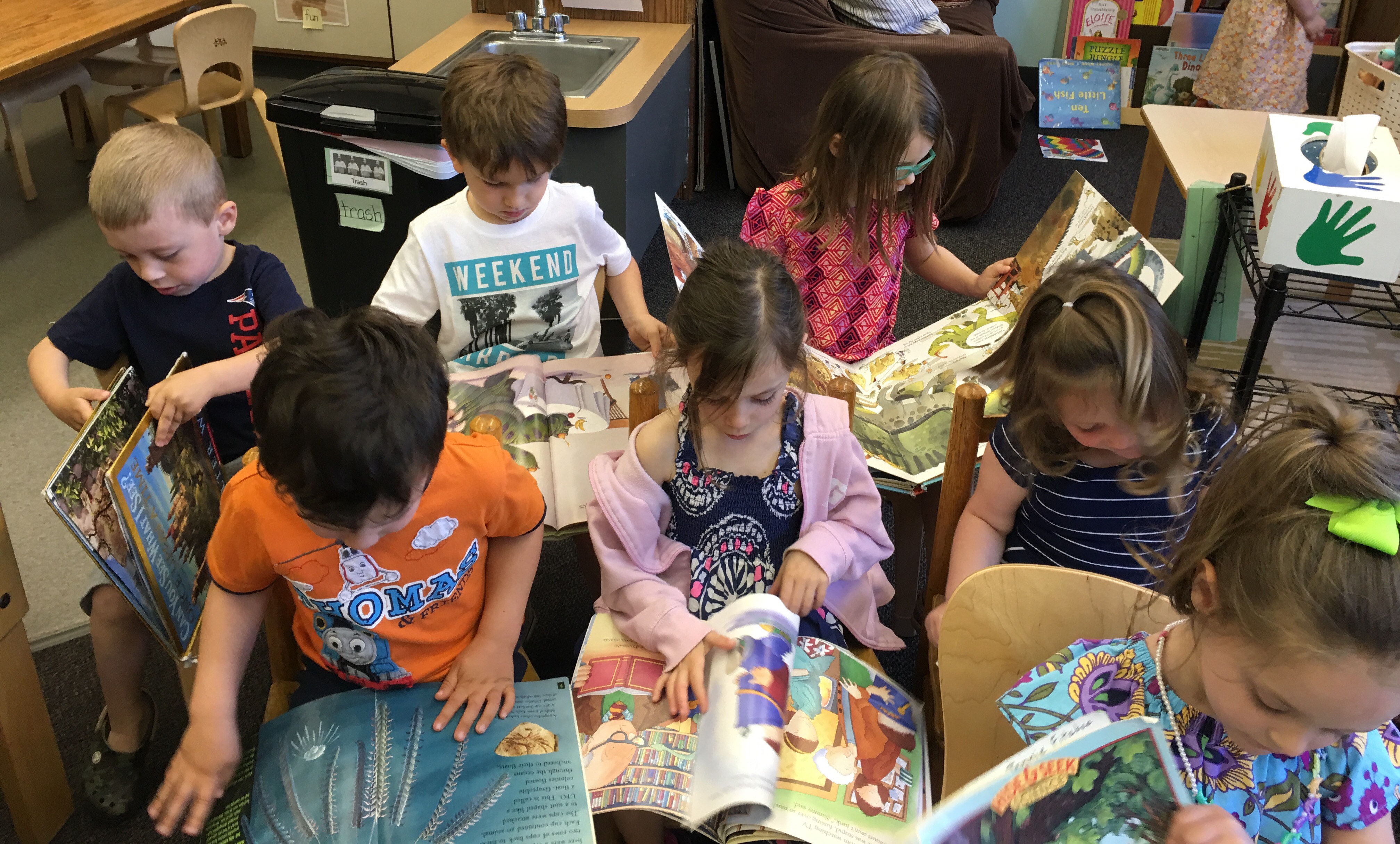
Nobody could see. Yet, they were all in the front row.
Everyone complained of pushing and shoving. Gee, there was lots of space.
Children yelled at each other. Best friends. Hmmm…
Naomi – I mean Miss Nelson – was beside herself trying to read the story. It seemed hopeless. We needed Viola Swamp. We needed some humor.
Remember Viola Swamp? The teacher who took over for Miss Nelson? I called.
1-800-Viola Swamp.
I grabbed my cell phone mumbling loud enough for the children to hear that I needed to call Viola Swamp. The conversation went something like this:
“Hello. I’m calling for Viola Swamp. Is she there?”
You could have heard a pin drop. The children looked worried. I covered the phone with my hand and whispered, “She sounds grumpy.” Then I went back to the phone. I don’t know how complete silence can become even more silent, but it did.
“Is this Viola Swamp?”
Those fifteen gigantic saucer eyes were now ready for some humor. After all, laughter is the best medicine and can cure anything. We needed some curing, and Viola Swamp had been just the right fix.
I smiled. Big. Then Savannah asked, “Was that really her?” Parker said, “Of course not!” We all started to laugh. Even Naomi, the real Miss Nelson, belly laughed. Then, we sat down to read the book.
There are two more weeks of school to go, and children have grown. They’re ready to move on to their next journey. With humor and hugs, the next few weeks will be fun!
Viola Swamp told me so.
Jennie








 A Teacher's Reflections