Blog Tour – Gallows Hill: The Investigative Paranormal Society Book 2

I have the pleasure of interviewing Dr. Charles French, a distinguished educator and author.  His new book, Gallows Hill, is a thriller and the second in his exciting series.  The first book, Maledicus, is a riveting page-turner deep into history and speculative fiction, that follows paranormal investigating by three main characters.  Frankly, that barely scratches the surface of mystery and darkness.  Without further ado, let’s meet the author:

I know you are partial to classical literature, particularly Shakespeare.  And, you teach English Literature courses at Muhlenberg College.  How has that influenced you and your writing?

I have loved Shakespeare most of my life. I was first entranced by his work as a high school student, when I saw a traveling professional production of A Midsummer Night’s Dream. I was amazed not only by the language but also by the physicality of the play and the images of magic. I was hooked.  I believe that Shakespeare is at the center of Western writing, and certainly themes and issue in Shakespeare have influenced my writing. Among these themes are the nature of evil, and the way that some choose to embrace being evil. This certainly works into my two books, Maledicus: The Investigative Paranormal Society, Book 1 and Gallows Hill: The Investigative Paranormal Society, Book 2.

What started your interest in writing speculative fiction?

I have had a very strong imagination my entire life, and I have been reading since I was very young. I have always loved any tales that took me into other worlds, and the desire to write about such possibilities is a natural offshoot of my reading. I believe that developing a child’s imagination through reading from the earliest possible ages is extremely important to that child’s life, and I was lucky enough to have a mother who encouraged me to read very early. As a consequence of my constant reading, I learned to love the idea of writing speculative fiction.

When did you begin writing?

I have been writing off and on most of my life, but earlier, I rarely finished any stories or novels. I committed to be a serious writer, one who writes almost every day and finishes projects, about 6 years ago, and I intend never to stop writing.

Your first book, Maledicus, introduces readers to three characters who form IPS, investigative paranormal society.  Can you briefly tell us about the characters?

Yes, I certainly will. They are Roosevelt, a retired history professor, Sam, a retired homicide detective, and Jeremy, a retired antiques dealer. The three men all suffered the loss of someone very close to them to death. They have time on their hands, some resources, and they want to know if there is life after death. So, they form a ghost investigation group, in order to try to find an answer to this question. I should add, that in, Gallows Hill, Helen becomes a member of the Investigative Paranormal Society.

Amazon gives this book 4-and-a-half-stars.  Congratulations!

Thank you so much!

While Maledicus focuses on Roosevelt, your new book, Gallows Hill, focuses on Sam.  Can you tell us about Gallows Hill?  How does Sam play a role in the book?

Sam is the central figure, the protagonist, of Gallows Hill. For each book in this series, now intended to be 4 books, I will focus on a separate member of the IPS. In Gallows Hill, Sam will find the answer about why his son, Josh, committed suicide. Sam also has to deal with two villains from the past, one a supernatural entity from the 1800s, and one a human criminal whom Sam arrested and caused to be convicted while Sam was a detective. This man wants vengeance on Sam, and he is brutal in his desires.

Did you plan to have a sequel when you wrote Maledicus?  If so, are you planning to write more books?

Yes, to both questions! I originally thought of the IPS stories as a three part series, but now it will be a 4 parter. And I have plans for many other novels also. I am currently pitching the first book in a Young Adult series to agents, and we will see where that goes.

Thank you so much for this interview, Charles French.

You can visit Charles French at: charlesfrenchonwordsreadingandwriting.wordpress.com

Gallows Hill: The Investigative Paranormal Society Book 2 is available at Amazon.

Posted in Author interview, Book Review, books, reading, Writing | Tagged , , , , , , | 40 Comments

Those Two Short, Precious Years

When our daughter took piano lessons with Nancy, I would sit and wait in the living room of her big old house, along with our young son.  We had an hour together.  An hour that didn’t have the distraction of home; laundry, homework, and preparing dinner.  Nancy’s house was full of turn-of-the-century furniture and artifacts, including a harp.  It was a wonder, especially to the eyes of a six year old boy.

Nancy had a television, and we were allowed to turn it on.  During those piano lessons, Mister Rogers Neighborhood was on TV.  This was different, because we weren’t watching it at home with distractions.  We were a captive audience.  Watching Mister Rogers was like being at the movie theater.  Really.  We did this every week, together, for two years.

He certainly made an impact.  Every show was familiar, yet new and exciting.  This became our favorite TV show to watch together.  That was over thirty years ago.  Today, I know Mister Rogers made a difference.  He profoundly influenced my teaching.  And, our son is a kind father with a big heart and positive attitude.

Piano lessons were an hour long.  After a thirty minute Mister Rogers Neighborhood on TV, we read books.  My strongest memory is reading aloud The Velveteen Rabbit.  I had never read this book as a child, so reading the story to my son was a shared experience.  It was wonderful.

When a classic book is still popular, there’s a good reason.  I discovered that.  This book has all the elements that really mean what is most important; childhood fear, worry, friendship, struggle, bravery, understanding, acceptance, and love.  I’m a teacher who reads aloud every day, and I can attest that few books reach the depths of the most human experiences.  The Velveteen Rabbit does.  We worried and cried and cheered together.  We asked a hundred questions.

We were captivated, together.

“You become.  It takes a long time.  That’s why it doesn’t happen often to people who break easily, or have sharp edges, or have to be carefully kept.”
The Velveteen Rabbit

Being in Nancy’s big old house for two years was far more than piano lessons.  Sharing Mister Rogers and many good books was the pinnacle.

Jennie
Posted in books, children's books, Early Education, Expressing words and feelings, Giving thanks, Imagination, Inspiration, Kindness, Love, reading aloud, Teaching young children | Tagged , , , , , , , | 50 Comments

Childhood fantasy

The joy of reading fairy tales doesn’t end in childhood. Tolkien knew this well. In the words of Sue Vincent…

Sue Vincent's avatarSue Vincent's Daily Echo

cslewis writing for children

He’s right… by the time you reach an age with double figures, fairy stories are for babies… and you are no longer a babe. In just the same way that we cease admitting to the guilty affection for the music our parents liked as we grew, so do the books of early childhood get left upon the shelf… at least when anyone is looking.

We ‘progress’ to more complicated reading. Quite often the books we read as teenagers say more about how we would like to be percieved by the world, or reflect the adventures or romance that we long for at that age. Most of those stories, too, are as wildly fantastical as the fairy tales… but being set in ‘reality’, they are more acceptable to our fledgling egos.

Those who loved fairy tales may be lucky, making the early discovery of fantasy and science fiction… which may simply…

View original post 392 more words

Posted in Uncategorized | 7 Comments

Music Begins to Inspire Our Art.

“The music goes into your ears and into your brain.  Then, as you listen to the notes and sounds, it goes into your heart and shoots out of your fingers.  Like a million stars.  It’s magic.”

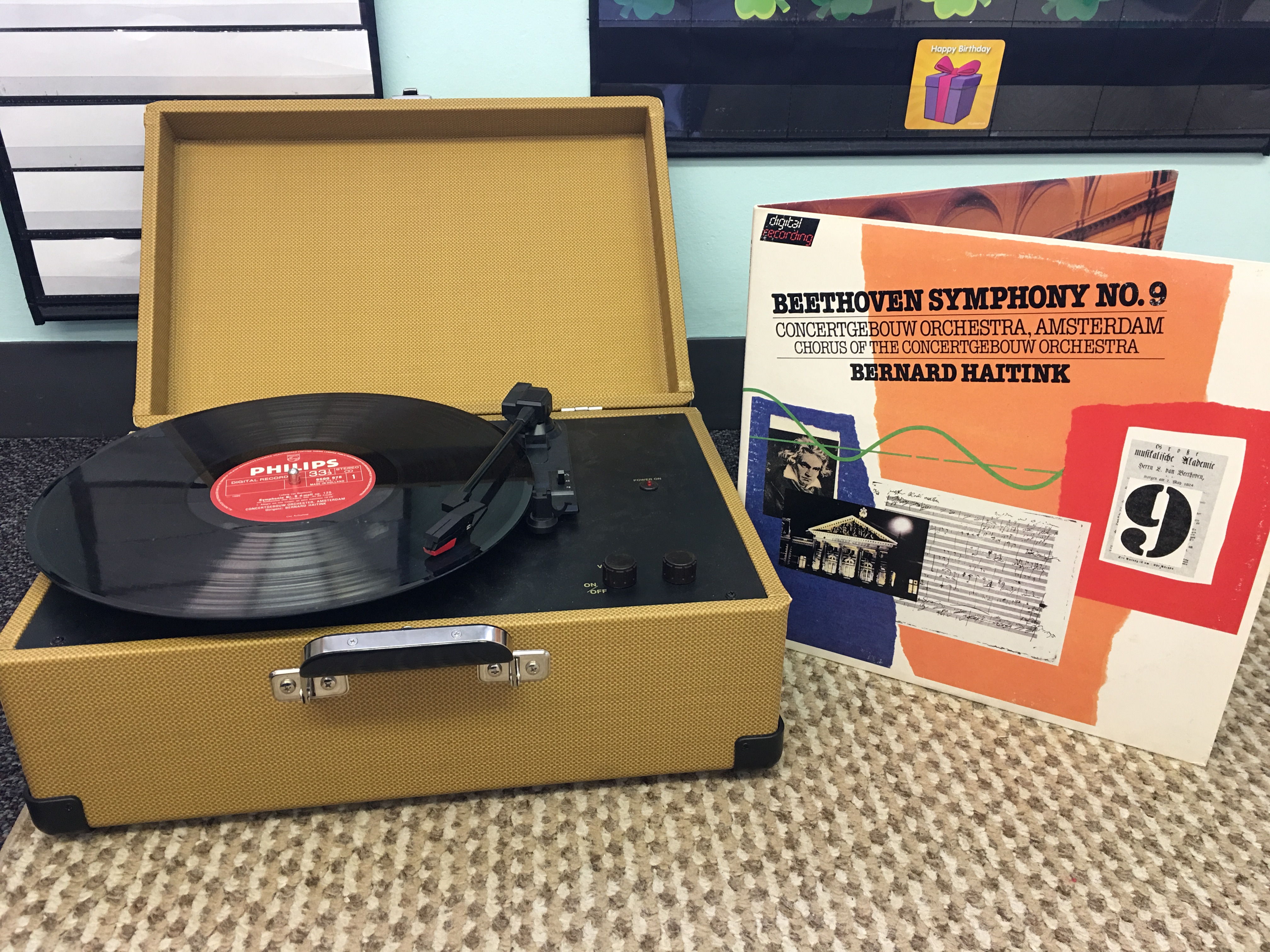
Those are the words I passionately said to fifteen spellbound children, sitting around my record player and watching me carefully take an album out of the jacket.  I put it onto the turn table and lowered the arm.  I knew that this was true, and that the children would become masters at their work when listening to music.  Their fingers could paint what was in their heart.

Then I began to play the music, Beethoven Symphony No. 9.  This music starts low and builds to a crescendo.  The louder the music, the bigger and wider children’s eyes became.  We listened.  We heard the sounds of violins.  At the same time I showed children works of art.  They liked “Gladiolas” by Claude Monet, among many others.

“Perhaps Monet listened to this music as he painted.  Imagine that.”

I should have known better than to ask if anyone was ready to listen to Beethoven and paint.  The stampede was predictable.

Jayden was one of the first to paint.  This day was his second time working on his art piece.  Unlike Alex who is painting “The Yeller Who Got Lost”- his rendition of “The Scream”- Jayden wanted to create his own work of art. The first time at his piece, he was fascinated by using the paints, and carefully worked his brush with mostly white surrounded by black.  It was a square, rather small and intriguing.  He was quite satisfied.

Now he was listening to music and working on his piece the second time.  It was as if the math and science part of his brain had discovered the creative part of the brain.  The seed that worked hard to grow roots was now germinating.

Music was working.

 Jayden returned to his art yet again, a third time.  An artist knows when the work is complete.  When he was finished he smiled.  I stepped back holding the art to show Jayden his painting from a distance.  “This is how people will see this at a museum or Art Show.”  He nodded, smiled a big smile, and then he was off to play.

These masterpieces will be mounted and framed.  Children will give their art a title.  All masterpieces have a title.  I wonder what Jayden will name this gorgeous painting.

Lucca had listened carefully when I told children the titles of different masterpieces.  After three visits to paint her art, she proudly told me the name.  “Falling Tree.”  I hadn’t even asked!  She pointed out the tree, earth, and sky.  Beautiful!

Jennie

Posted in art, Early Education, Inspiration, music, Teaching young children, The Arts, wonder | Tagged , , , , , , , , | 103 Comments

School Spirit Day

“I’ve got spirit.  Yes I do.  I’ve got spirit.  How about YOU.”

Children love singing and cheering, and rooting for their school.  Every March our school has a giant pep rally. We parade with pom-poms, sing our school song, holler chants, and wear school clothing.

It is so much fun!  “G-C-S Is-The-Best” is the children’s favorite chant. Isn’t spirit something we all need?  It fills us up. We feel good. School spirit gives us pride and unity.

It was a great day!

Jennie

Posted in Early Education, Expressing words and feelings, Giving thanks, Inspiration, Love, Peace, self esteem, Singing, Teaching young children | Tagged , , , | 33 Comments

In the Words of a Child, an Art Masterpiece

The children have started painting in earnest, and studying both art and techniques.  All this work and joy is in preparation for our annual Art Show.  Much more on that to come.

I want to share a funny story this week.  In the mind and eyes of a child:

Alex:  “Can I see that painting again?”

Me:  “Which one?”

Alex:  “The yeller that was lost.”

The yeller that was lost?

Of course!  “The Scream”,  by Edvard Munch.  The figure is screaming, or yelling.  And, we had talked about how it was lost or stolen, and finally found.

Alex remembered.  He loved the intrigue of the art subject, and he really wanted to paint those swirls.

He is doing an excellent job, having returned to his work three times so far.

I’ll forever call that masterpiece “The yeller that was lost.”

Jennie

Posted in art, Early Education, Teaching young children, The Arts, wonder | Tagged , , , , , , , , | 80 Comments

80 Years of Caldecott Winners

For all you book lovers, this year marks the 80th year of the prestigious Caldecott Medal Award.

The Randolph Caldecott Medal annually recognizes the preceding year’s “most distinguished American picture book for children”, beginning with 1937 publications.

This award is presented to the artist (illustrator) , while the Newbery Medal is presented to the author for literature.

I knew nothing of this award until I visited our library when my children were young.  I quickly learned to spot the emblem, the gold seal affixed to the  cover of the book.  For me, it was a huge help in selecting books.  So, if you see a gold or silver (2nd place) emblem on a book, like the one below, rest assured it is an excellent book.

The Eric Carle Museum of Picture Book Art in Amherst, Massachusetts currently has on display all eighty Caldecott winning books.  All eighty.  I was a child in a candy store the moment I walked into the exhibit.  The books are displayed on a shelf, all front-facing of course, in the proper order from this year’s winner to the 1938 winner.  Newest to oldest.  Even the oldest books are highly recognizable, such as Make Way For Ducklings and The Little House.  Interspersed is original artwork from many of the books.  For example, from The Polar Express  hangs the illustration of Santa Clause holding up the bell and announcing, “The first gift of Christmas.”

After circling the room many times to enjoy every book, It struck me to take a video that would film all the books, in order.  I did just that!  It is broken into two short videos, with the second one picking up where the first one leaves off.

Here we go, starting with 2018:

Here we go, ending with 1938:

The exhibit will be on display through May 13th.  There’s always something wonderful at The Carle.

Jennie

Posted in art, books, children's books, Early Education, Eric Carle, museums, picture books, Teaching young children | Tagged , , , , , , | 52 Comments

The Violin and Ice Hockey and St. Patrick’s Day

Tonight, St. Patrick’s Day, the Boston Bruins play the Tampa Bay Lightening.  Two great ice hockey teams.  The National Anthem always introduces the game with a variety of singers.  Not tonight.  Two musicians played “The Star Spangled Banner” – a violinist, backed up by a guitar player.  No voices.  No singing.  Just the pure sound of every note on the violin.  It washed away all of the fluff, the extras that often accompany this song.  There was only music.

It was powerful.  Music does that.  A single instrument, like a violin, can often convey more feelings and understanding than a full orchestra or chorus.

The power of one.

The violin and music reminded me of Pa in the Laura Ingalls Wilder Books – Little House in the Big Woods and Little House on the Prairie.  I always read these books aloud in my classroom.  Pa played the fiddle.  Many of Laura’s stories are about Pa and his fiddle.  His singular notes conveyed to Laura much the same as the violinist I heard tonight.  Simple notes that held a deeper meaning.

I’m introducing children to these sounds and classical music next week.  We are beginning to paint in earnest for out art show.  Music inspires art.  I see this every year.

Jennie

Posted in art, Early Education, music, patriotism, Singing, Teaching young children, The Arts | Tagged , , , , , , | 44 Comments

The Importance of Reading Aloud – Guest Post

Thank you Norah Colvin at readilearn for having me as a guest.  I’m so glad you asked.  It was a pleasure.

The Importance of Reading Aloud — A Guest Post by Jennie Fitzkee

Jennie, a passionate and inspirational teacher, has been teaching preschool in Massachusetts for over thirty years.  She is considered by many to be the “book guru” and the “reader-aloud”.  She is also a writer and her work is often posted  by the Eric Carle Museum of Picture Book Art.  This is what Jennie says of teaching:

“I believe that children have a voice, and that is the catalyst to enhance or even change the learning experience.  Emergent curriculum opens young minds.  It’s the little things that happen in my classroom that are most important and exciting.  That’s what I write about.”

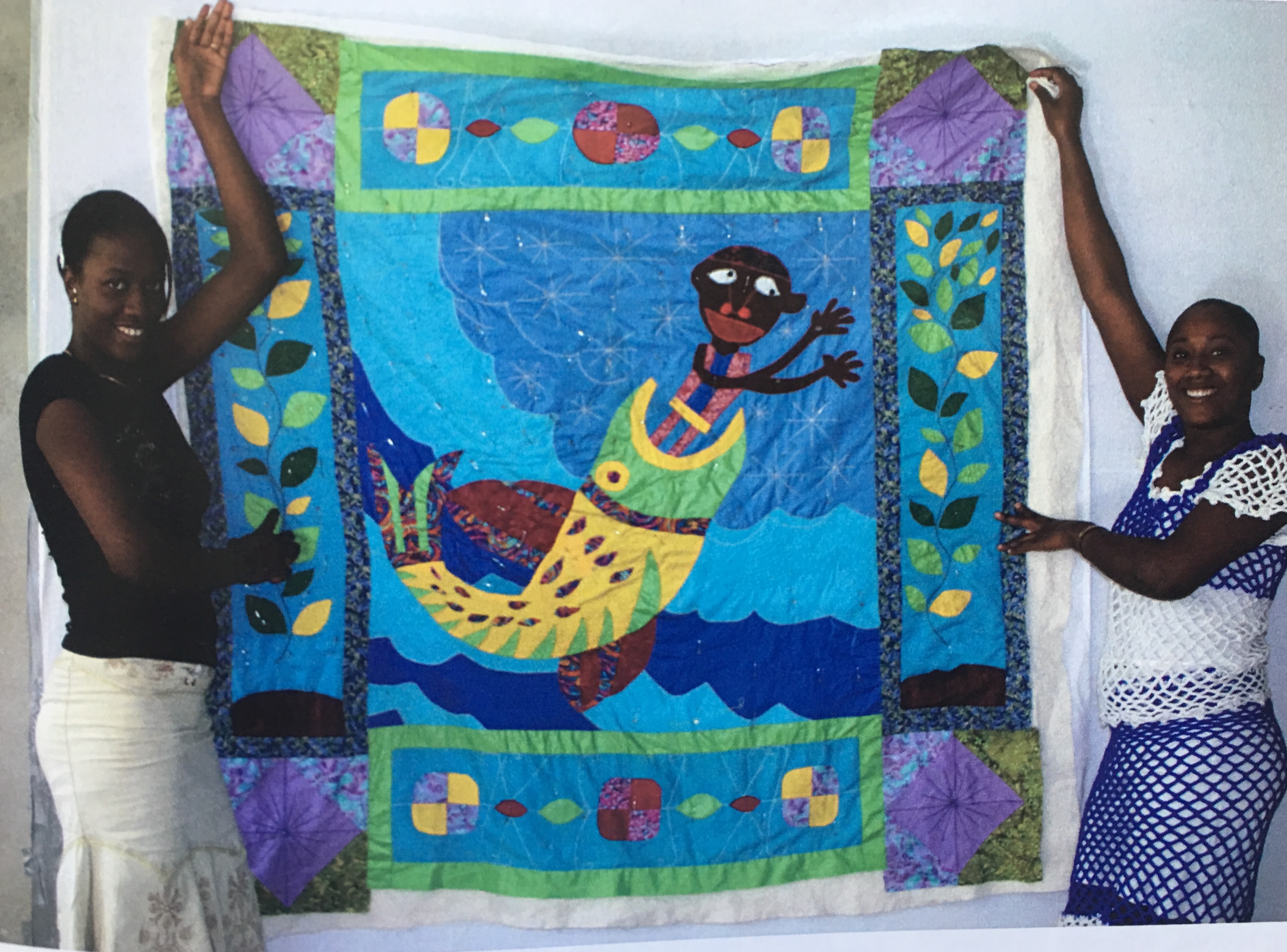
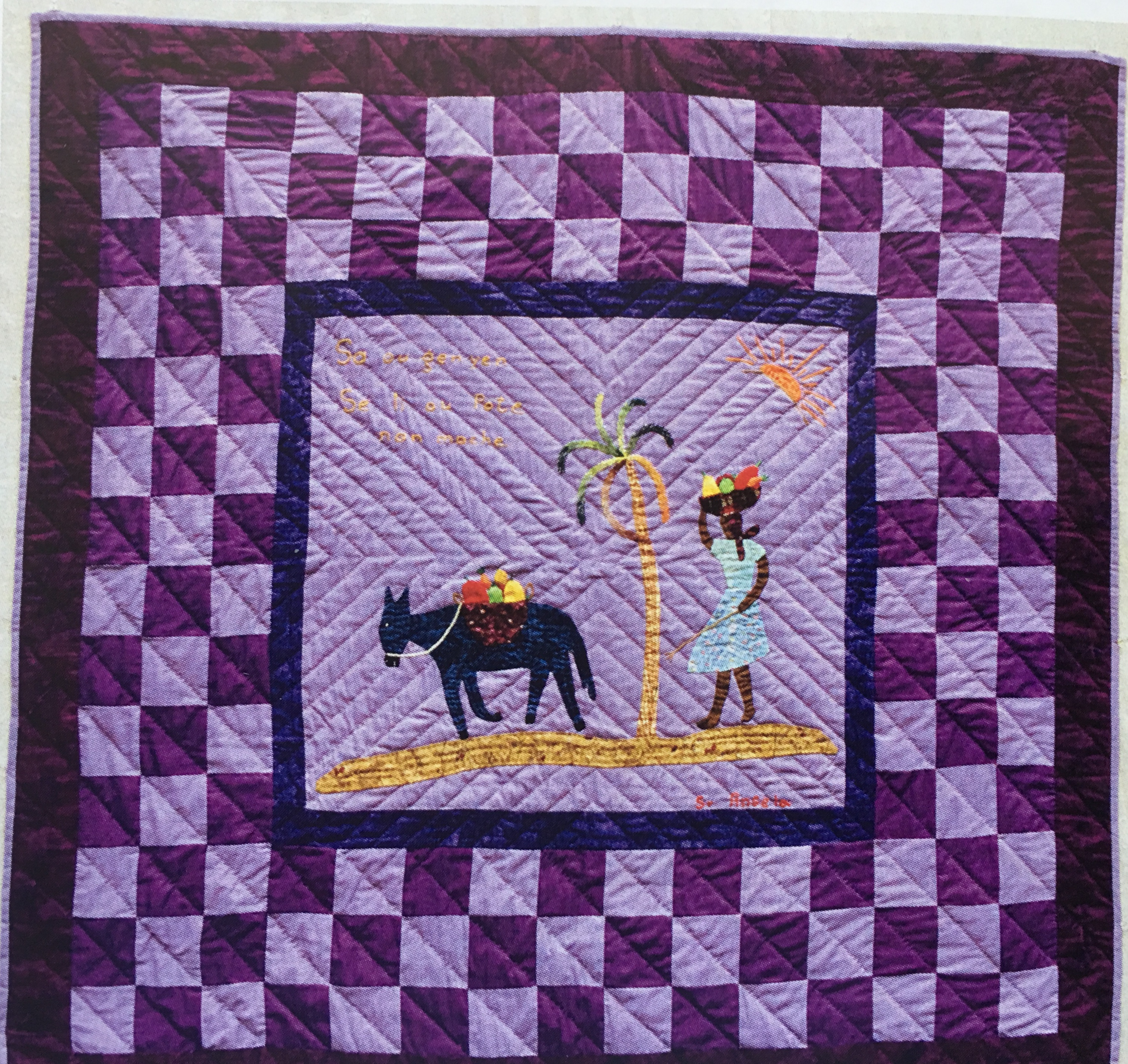
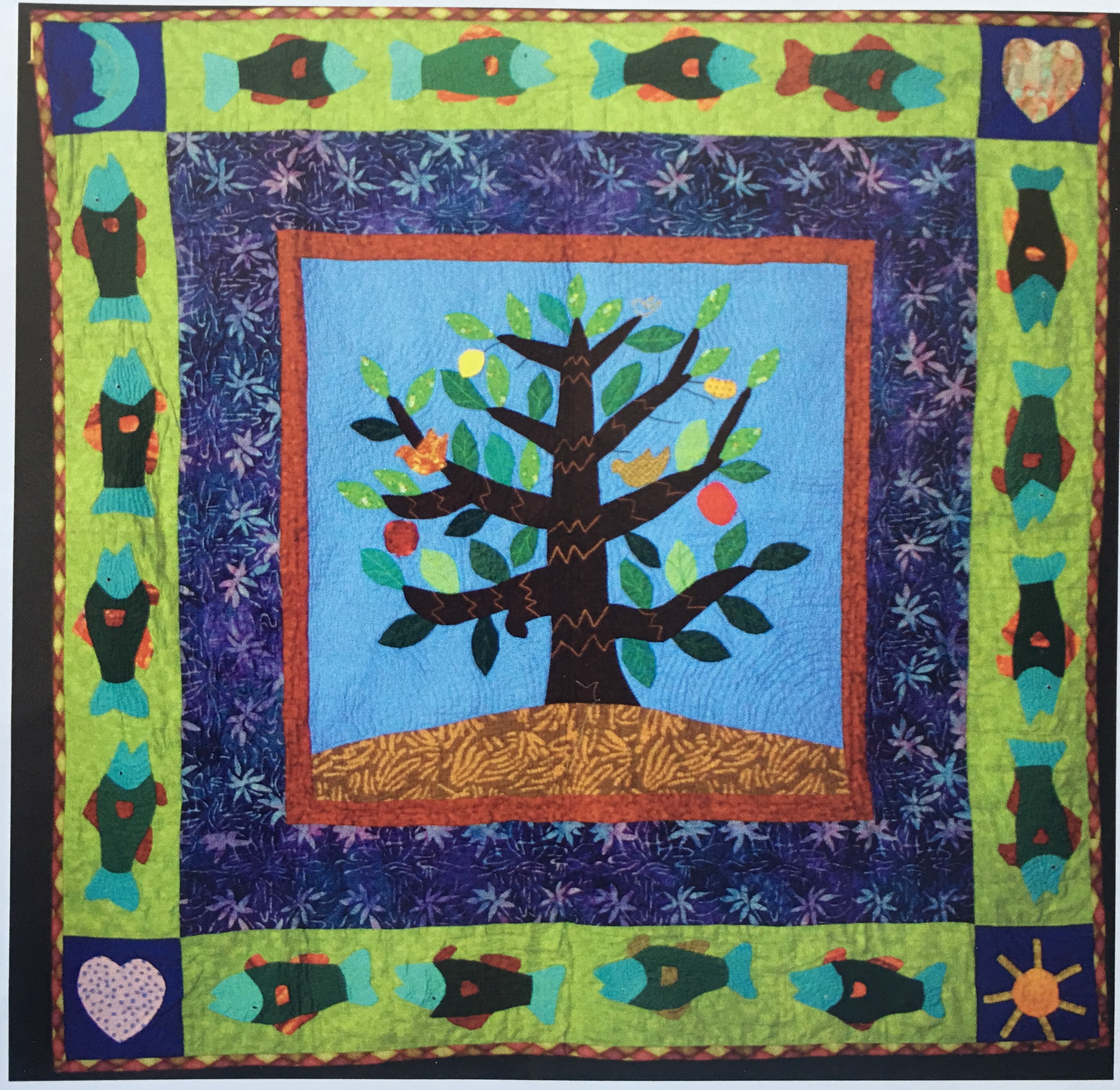
Jennie is highlighted in the new edition of Jim Trelease’s bestselling book, The Read-Aloud Handbook because of her reading to children.  Her class has designed quilts that hang as permanent displays at both the National Liberty Museum in Philadelphia, and the Fisher House at the Boston VA Hospital.  Their latest quilt is currently hanging at the Massachusetts State House in Boston.  In 2016, Jennie was one of seven teachers in Massachusetts to receive the Teacher of the Year Award.

I’m sure you’ll agree that there is much more we can learn from Jennie.

Welcome to readilearn, Jennie.  Over to you.

This story is far more than reading aloud; this is about academic success, learning to read, and loving to read.  It’s about young children and older children, and what happens along the way.  Here are worrisome statistics and great stories.  You should feel empowered.

Let’s talk about academic success.

Jim Trelease was spot on when he said “Reading is the heart of education.  The knowledge of almost every subject in school flows from reading.  One must be able to read the word problem in math to understand it.  If you cannot read the science or social studies chapter, how do you answer the questions at the end of the chapter?”

Parents tell me all the time about their child’s struggles in school, and it boils down to reading, whether it’s reading the homework assignment or a chapter in assigned reading.  When the parent has to step in to help with homework, it often is because of struggles with reading.  I think of how much more difficult the work must be in the classroom with the expectations of independent work.  I wish those children had been in my classroom when they were younger; I could have helped them and their parents.

Now, let’s back up from reading to reading aloud.  In order to read, and more importantly to want to read, it all starts with parents and family reading aloud to children, every day.

The statistics on reading aloud and its link to academic success in all areas is profound.  If reading is a pleasurable experience, then school work is by far easier.  Every child begins school wanting to learn to read.  In other words, we’ve got 100 percent of enthusiastic kindergarteners when they start school.  The National Report Card found that among fourth-graders, only 54 percent read for pleasure.  Among eighth graders, only 30 percent read for pleasure.  By twelfth grade, only 19 percent read anything for pleasure daily.  Yikes!  What happened?  The better question might be, what did not happen?

The seeds of not only learning to read but loving to read were not planted early.  Reading aloud to children for 30 minutes every day, starting at birth and continuing after they have learned to read, is the single best thing a parent can do to build a reader.  I know this.  When I read aloud in my classroom, it’s the time that children are totally absorbed.  Totally.  A good story, read aloud, is the best learning and pleasure experience I give to children.  It opens the door to questions and discovery.

Now let’s talk about pleasure.

People often ask why I chapter read.  After all, many of the children in my classroom are three-years-old.  When we chapter read, the children don’t have an image from a picture book.  They have to make the pictures in their head.  That requires language development.  The more they hear, the more they learn.  Even the youngest children benefit enormously.  For example, they may not ‘get’ the humor of the goose repeating everything three times in Charlotte’s Web, but they are still getting a huge dose of language.  And, that language is sparking their imagination.  No pictures; just words pouring into eager, young minds and creating their own images.

I read picture books as well, at least twice a day.  That’s a given!  As in chapter books, we stop to ask questions.  That’s how we learn.  Remember the five W’s and the H?  Who, what, where, when, why and how?  Those are the most important questions, because they are the foundation for stimulating language.  We stop our reading all the time to ask these questions.

When I read Rapunzel by Paul O. Zelinsky, it takes forty minutes to get through the book.  Really!  I ask, “How did he get in and out of the garden?”  “This does not look like my house; does it look like yours?”  “Where is this place?”  “How did Rapunzel get into the tower?”  “How was the tower built?”  Questions prompt so much interest and dialogue, not to mention imagination.

Fairy tales seem to spark the most conversation.  It’s no wonder that Jack and the Beanstalk, and The Three Billy Goats Gruff are consistently books that bring words to life, and turn a magical golden key to open imagination.  The world becomes an ocean and children sail with abandon.

Our conversations during chapter reading are often powerful.  Once when we read Doctor Dolittle’s Journey, a sequel to The Story of Doctor Dolittle, a child asked, “Are Indians bad?”.  What an opportunity that question created to talk about acceptance and diversity.  The classroom conversation felt intimate.  It’s not easy for a child to ask a sensitive question in front of the whole class.  Somehow, in the middle of reading aloud a good book, questions feel open, and we talk about everything.

Chapter reading is one of our treasured moments of the day at school.  I know this, and so does Jackson.  Books bring to life the imagination, the world, and the past.  The anticipation of ‘what happens next’ stirs excitement every day.  Children listen and talk.  They ask questions.  Jackson is first to remember what we read yesterday and ask questions about what we read today.  When I ask children, “At chapter reading where do you make the pictures?” they answer “In your head.”

When we finish reading a good book and then start a new one, emotions run high and low.  The end of a good book is so satisfying and pleasant, yet…it is over.  That is the wonderful roller coaster of reading.  And, with each chapter book we read, we ride that roller coaster again and again.

In the fall I begin the school year by reading “Charlotte’s Web”, always a favorite.  When I chapter read, it is rest time, the lights are out, children are on their nap mats, and they listen.  Boy, do they listen.  Often, I stop and ask questions.  We talk about Templeton and his unsavory character.  We laugh about the goose that repeats things three times.  Of course, we talk about Wilbur and Charlotte.  Children are learning new words and using their brain to associate all that language with the story.  More importantly, children are learning right and wrong, values and morals.  They are beginning to develop character and goodness.

Jackson worried when Wilbur went to the fair.  He became very fond of Charlotte.  The more we read about Templeton, particularly when he refused to get Charlotte’s egg sac, the more Jackson became bitter towards Templeton’s character.  Jackson ‘got it’; the language and literacy and learning for him now included the subtleties of morality.  But, the best was yet to come.

Jackson was really learning.  He was becoming ‘one’ with each book, and by now it was pleasure learning for him.

One of the characters throughout Little House on the Prairie is Jack, the dog.  As the family travels in a covered wagon, Jack happily trots behind the whole way.  Then I read the chapter, “Crossing the Creek”.  The creek rises quickly; Pa has to jump in to help the horses get the wagon across the water.  After they are on the other side, Laura says, “Where is Jack?”

I read this chapter with heart, and the passion of what is happening.  I always read like that.  When Laura says those words, the children are stunned.  Shocked.  They know.  I finish reading aloud, sometimes standing and pacing, because this is a big deal.  I, too, have a lump in my throat.

Jackson pulled his blanket over his head.  His body was jerking in sobs, yet he was holding those sobs deep inside.  I scooped him up, and we disappeared to a quiet place to read aloud, together, the next chapter.  Jackson needed to know that Jack the dog found his way home.  I think I was calm when I read the chapter to him.  We were wrapped together in his blanket; perhaps we both sobbed a bit.  It was my greatest moment in teaching.  I had taught the most important values through reading aloud, and Jackson was moved to tears.  He cried tears of the heart.  So did I.

Reading aloud is the best thing I do with, and for, children.  They are preschoolers.  Yes, I chapter read to four-year-olds.  It is marvelous.  After three decades of teaching, I know this is “it”.  Jackson is proof.

Learning can happen unexpectedly, and reading aloud is often the catalyst.  Children don’t need to sit and listen to a book in silence.  Asking questions is a good thing!

Let me say it again: reading aloud is the gift of language, and language is the most important element in a child’s development and success in school.  Wow!  The number of words a child knows can be directly attributed to his or her success in school; not just in English, but in Math and Science as well.  Perhaps these are the most important words a parent can hear.  Reading aloud is a strong part of my classroom curriculum, and children love it!  The more you read aloud at home increases your child’s development!  The biggest bonus is bonding together.  Nothing beats snuggling with Mom or Dad, one-on-one, reading a book.  Life is good!

Jennie

Posted in books, chapter reading, children's books, Early Education, Imagination, Jim Trelease, picture books, reading, reading aloud, Teaching young children | Tagged , , , , , , , , , , , | 29 Comments

“Katy and the Big Snow”…and So Much More

Katy and the Big Snow, by Virginia Lee Burton is a classic children’s book that continues to be beloved today.  After three nor’easter snow storms these past two week, it was the perfect read.  The book never gets old, children always find something new.  Today was no exception.  Frankly, the book exploded into unexpected learning about directions, geography, a yard stick, and more.

It happened like this…

As we enjoyed reading the first page, I had an epiphany.  The border depicts all the trucks that belong to the highway department.  A border.  Wait a minute — the only other author that does that in her books is Jan Brett.  Of course; Jan Brett must have read Katy and the Big Snow when she was young and been inspired.  I felt like a child in school who “got it”.  This was exciting!

We stopped to talk about  The Mitten, a Jan Brett book we read last Friday.  They were different, yet the same; different because Jan Brett’s borders in her books are clues to the next page, the same because the borders in Katy and the Big Snow detail the story.  It took a long time to finish reading the first page.

A few pages later a child said, “There’s a compass.”  Sure enough, a compass is featured throughout the book.  Our Big Book of the World has a compass on each page, and we often talk about north, south, east, and west.  Understanding the geography of the town is key to Katy’s snow plowing in the story.  And, this is just what we have been doing recently.

img_2475

We are learning about France this month, and over the past week we have used our atlas and our satellite map to understand France in relation to the world.  We compared the two, together.  The questions flowed, including north, south, east, and west.

This was our compass guide for Katy and the Big Snow.  While north is not pointing to the top in the book, children needed a reference of true north.

Then came the page with only words:

A strong wind came up and drifts began to form… one foot…. two feet….. three feet…… five feet…….. The snow reached the first story windows………. the second story windows…………

The children seemed to understand that more dots in the text meant more snow.  As I read the words I held my hand above the floor to the approximate height, but that wasn’t enough.  I needed to show children how much snow is two feet, etc.  A yard stick to the rescue.  I use this in my classroom more than I use a ruler.  Young children need big!  I could show them one foot, two feet, three feet.  I stood up to show them five feet.  They got it- a lot of snow!

This is everybody’s favorite page, especially after measuring with a yardstick.  It puts a visual as to how much snow we measured, and beyond:

img_2477

So, Katy plowed out the roads in each location, north, south, east and west.  She helped the police, the schools, the airport, and of course the fire department.

img_2479

The story does not end here.  Learning and enthusiasm isn’t a switch that turns on and off.  It grows.  Today, after two snow days, we were the first class to venture into deep, new snow.  Children had to lift each foot high at every step just in order to walk through the snow.  We were trail blazers.  It was a thrilling adventure for children.

This is emergent curriculum at its best.  That means something sparks the interest of children, and a teacher builds upon it.  The most important learning, things that stick and are the foundation for more learning come from the children.  Math, science, geography, literacy, art… the list is a long one, and is greatly enhanced through emergent curriculum.  Katy and the Big Snow is a perfect example.

Oh, how I love reading-aloud and the windows that open to learning!

Jennie

Posted in Book Review, children's books, Early Education, geography, Learning About the World, picture stories, reading, Teaching young children | Tagged , , , , , , , , | 38 Comments