“There is nothing better than a friend, unless it is a friend with chocolate.” ~Charles Dickens

Posted in Uncategorized | 40 Comments

Being A Late Bloomer

I was a late bloomer.  It’s a term that is mostly used for flowers today.  Way back when, children who didn’t seem to grow as quickly as their peers were often called “late bloomers”.  I struggled to read.  I sucked my thumb until I was in third grade.  I clung to my Mother.

My garden is sprinkled with yellow sundrops, a flower that blooms early in the summer.  Before opening, they show their red encasement.  Going from red to yellow is a beautiful metamorphosis.  Most are now gone, yet as I dashed by my garden last week, I noticed one.  This one.

The flower still was still encased in red.  This little guy was all alone and had not yet opened.  Most of his brothers and sisters were long gone.  I was pulled back into my early childhood looking at this solitary little flower.  The feelings of being scared at something new swept over me.  Memories, and then a great wave of understanding.  I stayed with this little guy a while.  We talked.  Well, I talked.  He seemed to listen.

The next day I returned.  This is what I saw:

A bloom at last!  Like me, a late bloomer.  But, oh how beautiful, as if all that extra time had given him more beauty and strength than his brothers and sisters.  That’s exactly how I felt.

As years went by in my childhood, somehow my experiences seemed particularly memorable.  They were important.  I was living life with more wisdom and bigger eyes than many others.  All of those experiences seemed to pour into my heart.  I became a preschool teacher.  I began to tell stories and then to write.  Somehow I knew that my yellow bloom was a hallmark for me.

When I teach young children, I… understand.  I know those late bloomers simply need love and encouragement, and time.  A favorite picture book written years ago is Leo the Late Bloomer by Robert Kraus.

The simple and gentle text carries the message of giving children the time they need to grow.

Leo couldn’t do anything right.  He couldn’t read.  He couldn’t write.  He couldn’t draw.   He was a sloppy eater.  And, he never said a word.  “What’s the matter with Leo?” asked Leo’s father.  “Nothing,” said Leo’s mother.  “Leo is just a late bloomer.”

Children need to hear stories that reflect how they feel.  So do adults.  That’s what connects a reader and a writer, a teacher and a child.  Every child is different, yet they all need the same thing.  Like the sundrop that needs rain and sun, children need love and encouragement.  Roots.  Perhaps those late bloomers have stronger roots.  I do.

Jennie

Posted in Diversity, Early Education, picture books, reading aloud, Teaching young children, Uncategorized | Tagged , , , , , , , | 44 Comments

Childhood and Summer, Then and Now

On summer evenings my greatest pleasure is sitting on the porch and reading.  My porch has soft lighting and wood everywhere; bare wood and rough wood.  The ceiling is the roughest wood of all, and my husband wants to paint it.  Oh, no!  That would be a travesty.  I knew it would, but I didn’t know why… until I sat out on the porch this week.

I heard thunderstorms in the distance.  I stopped reading to listen and just be in the moment.  I was transported back to my childhood at summer camp, Camp Dekanawida in Salt Rock, WV.  This was overnight camp.  There were no day camps or sports camps.  Camp was, well… real camp.  We slept in a cabin, learned swimming and archery, sang songs every morning and evening.  I remember the nighttime counselor hunt, the bonfires, and the hikes.  To this day, I can still sing the camp song.  Every word.

It’s been sixty years.  Seems like yesterday.

My porch and all the rough wood, along with the thunderstorms, brought me back to my childhood and to summer camp.  That’s why I didn’t want to paint or change the wood.  It was a link to my best memories and to what shaped me as a child, and as an adult.

I love music.  Today I sing with gusto, and  pull children into songs from patriotic to  fun.  I introduce them to opera, and classical music.  We sing,”Old MacDonald” in Italian.  I am constantly humming and bringing music to children.  I know this all started with Morning Sing at Camp Dekanawida.

I love stories; telling stories and reading aloud began at camp in the cabin, and around the campfire.  No, it did not begin at home.  Summer camp was full of stories.  There was nothing else but each other and the big, wide world.  So, stories and talking, and getting along were important.  Ghost stories were scary, yet fun.

I learned to be brave.  I mastered a jackknife dive.  I went into the woods at night.  I pitched a tent.

In the words of the classic book, Charlotte’s Web, “…where there would be no parents to guard them or guide them.”  We had each other.

Fast forward to today at my school’s summer camp.  Jackson is in my group.  He is now seven (a big guy).  Years ago he was in my preschool class and the champion of my chapter reading.  It is wonderful to connect with a child again!  We haven’t missed a beat.

So what happened here?  We sat outside to talk and laugh.  Then we fooled around inside.  Bunny ears on the photo were perfect.  Camp and the great outdoors will do that.  I am giving Jackson and my other campers a small taste of camp in my childhood.  Summer and camp brings all the important things to life: laughing and being silly, and discovering the wonders of the great outdoors.

It’s the best.  I learned that sixty years ago.

Jennie

Posted in Early Education, Imagination, storytelling, summer camp | Tagged , , , , , | 79 Comments

Meeting our Sergeant Pen-Pal, At Last

Our pen-pal returned home from Afghanistan!

It was quite a reunion.  After many months of corresponding with each other- sending giant letters, pictures, drawings, and care packages- Sergeant Curran walked into my classroom to meet the children.  They were so quiet at first. Perhaps it was the uniform.  Or maybe it was simply the moment; a dream that became a reality.  I was choked up.  A big hug broke the ice and Sergeant Curran joined the group of children to shake hands and give hugs.  We asked him so many questions!  Then, we presented him with a copy of his favorite childhood book, Mr. Gumpy’s Outing, signed by all the children.  We then asked him to read the book aloud.

Now, that was wonderful!

It got better and better.

There’s nothing quite like singing a patriotic song, especially to a member of our military in uniform.  We sang “Red, White, and Blue” and “God Bless America” to Sergeant Curran.  Now the tables were turned, and he was the quiet one.  Watching young children stand with their hands on their heart, belting out a favorite patriotic song, was a ‘moment’ for our pen-pal.

We had six American flags to plant in our school’s Memory Garden.  They were from the Memorial Day Remembrance, held indoors due to the rain.  It was fitting that Sergeant Curran would have the honor of planting the flags, alongside the children.

It is interesting that children understand the significance of our Memory Garden.  While it is part of the playground, it holds painted rocks among beautiful flowers, marking classroom pets that have died.  It holds stepping stones and a statue to remember children who have died.  American flags fly there to honor our military and remember those who have served.

I don’t take children to the Memory Garden as a lesson; I simply talk and answer questions when children are there, whether it is in curiosity of the painted rocks, or in the quiet solitude of just being there.  Children know.  They feel, and want to learn and understand.  I need to be there when that happens.  The circle of life.

And, our pen-pal gave new life to the Memory Garden.  The American flags were planted with great respect.

It was a wonderful day!  Thank you Sergeant Curran for all you do, and for being our pen-pal.  The children will forever remember you.

Jennie

Posted in Early Education, military, patriotism, Teaching young children | Tagged , , , , , , , , , | 80 Comments

Quotations on Education

Every great teacher over the span of centuries has a heart. That’s what makes learning come alive.

charles french words reading and writing

Margaret_Mead_NYWTS

(https://commons.wikimedia.org)

“Children must be taught how to think, not what to think.”

                                                                      Margaret Mead

ThomasPaine_2

(https://en.wikipedia.org George Romney — Artist)

“The mind once enlightened cannot again become dark.”

                                                                     Thomas Paine

Plutarch_of_Chaeronea-03

(https://en.wikipedia.org)

“The mind is not a vessel to be filled, but a fire to be kindled.”

                                                                     Plutarch

View original post

Posted in Uncategorized | 22 Comments

Making “The Star-Spangled Banner” Come Alive

Every year I make our country’s National Anthem ‘come alive’ for my preschoolers.  This is a hard song to sing, especially for children.  They know the tune, and thanks to baseball on television and sporting events, “The Star-Spangled Banner” is familiar.  Yet, there is so much more they need to know, never mind singing the song.  Way back when, I bought Peter Spier’s book, The Star-Spangled Banner.  This started my quest, and gave me the perfect tool to teach, inspire, and instill pride.

I remember the day I learned that America did not have an official National Anthem until the 1930’s.  What!  How could that be?  I called my Mother and she confirmed this upsetting news.

What did you sing when you were a little girl?

We sang “My Country, ‘Tis of Thee.”

Really?  While this didn’t bother my Mother, it fueled me.  It was the “GO” button, and I pushed it.

I had Peter Spier’s book, The Star-Spangled Banner.  Every page is a full color illustration of each sentence in the song.  When I would read the book to children, instead of reading the words I sang the words.  The words were the song itself, so singing them helped children link a familiar tune to what those words really meant.  Every page became a lesson in history, and a barrage of questions.

We stopped to talk about costumes, the sails of the ship, the rocket’s red glare.

We found the American flag on every page.  We learned that the rockets and bombs illuminated the flag.  This is where I always stop singing and tell the story of Francis Scott Key as he wrote the song.

“He was trapped on a ship in the middle of this battle.  He watched everything that happened.  The only way to know who was winning was to see the flag that was flying.  And at night, it was the rockets and bombs that gave the light to see which flag was flying.”

Oh, now they get it!  They understand.  The illustrations are crystal clear and make perfect sense.  More importantly, they understand the words to the song, our country’s National Anthem.  Children know far more about this song than I knew as a child.  I dearly wish I’d had a visual to help me understand.

Pictures bring words to life.  Like a ‘towering steep’.

The book gets better, and so do the opportunities for learning.  There is more than one verse!  I sing those words as loud and proud as I do the first verse.  Again, every illustration gives pause for talking and learning.  Sometimes it is sad, and that is important to talk about.  Oh, we talk about soldiers and dying, and freedom and liberty, and why.  It always feels warm and understanding.

A picture is worth a thousand words.  When that happens with our National Anthem, “The Star-Spangled Banner”, the world of understanding opens and the song comes alive.

Jennie

Posted in Early Education, Learning About the World, military, patriotism, Peace, picture books, reading, Singing | Tagged , , , , , , , , | 41 Comments

The Big Day, Milly & The Quilt

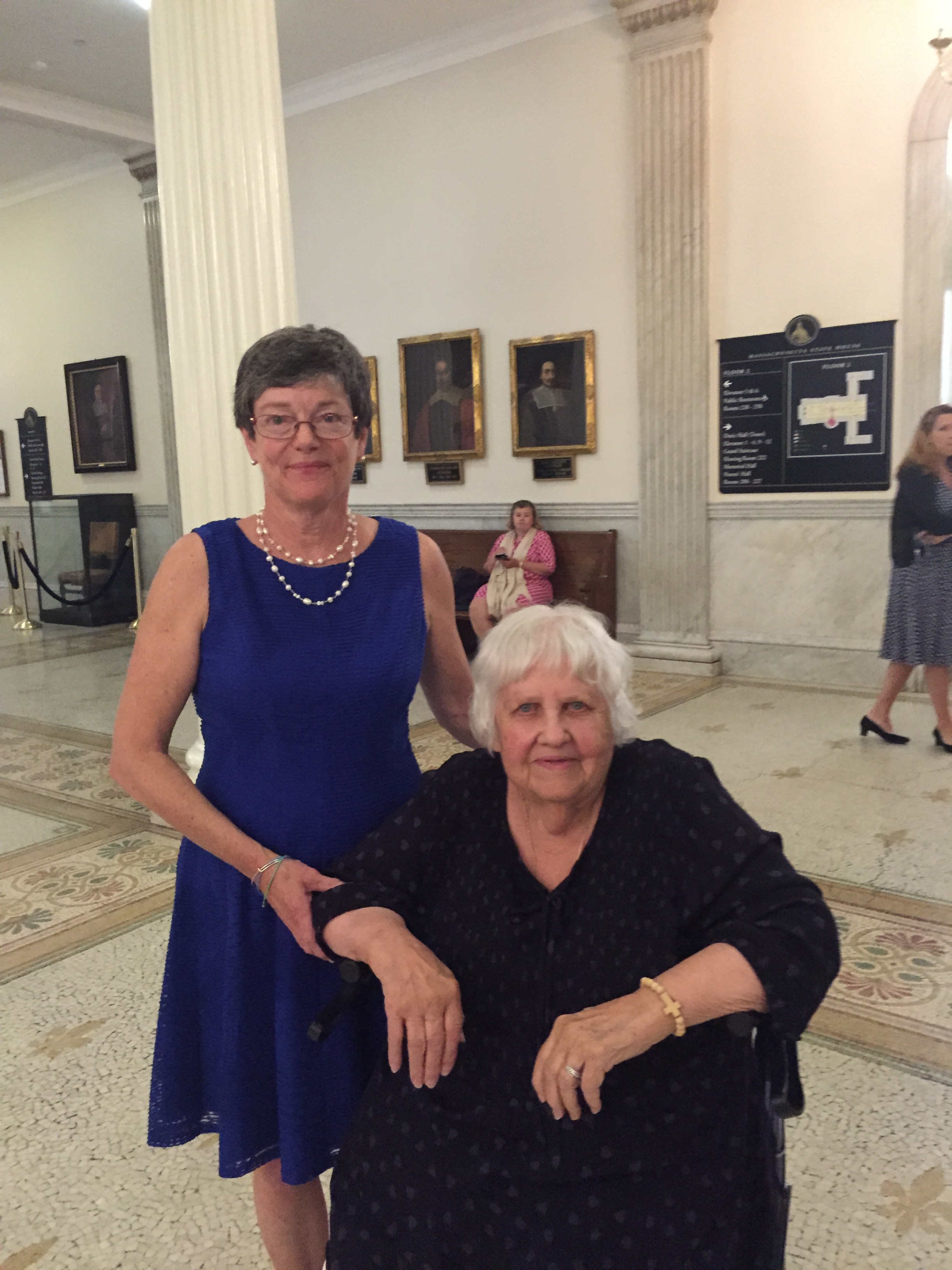
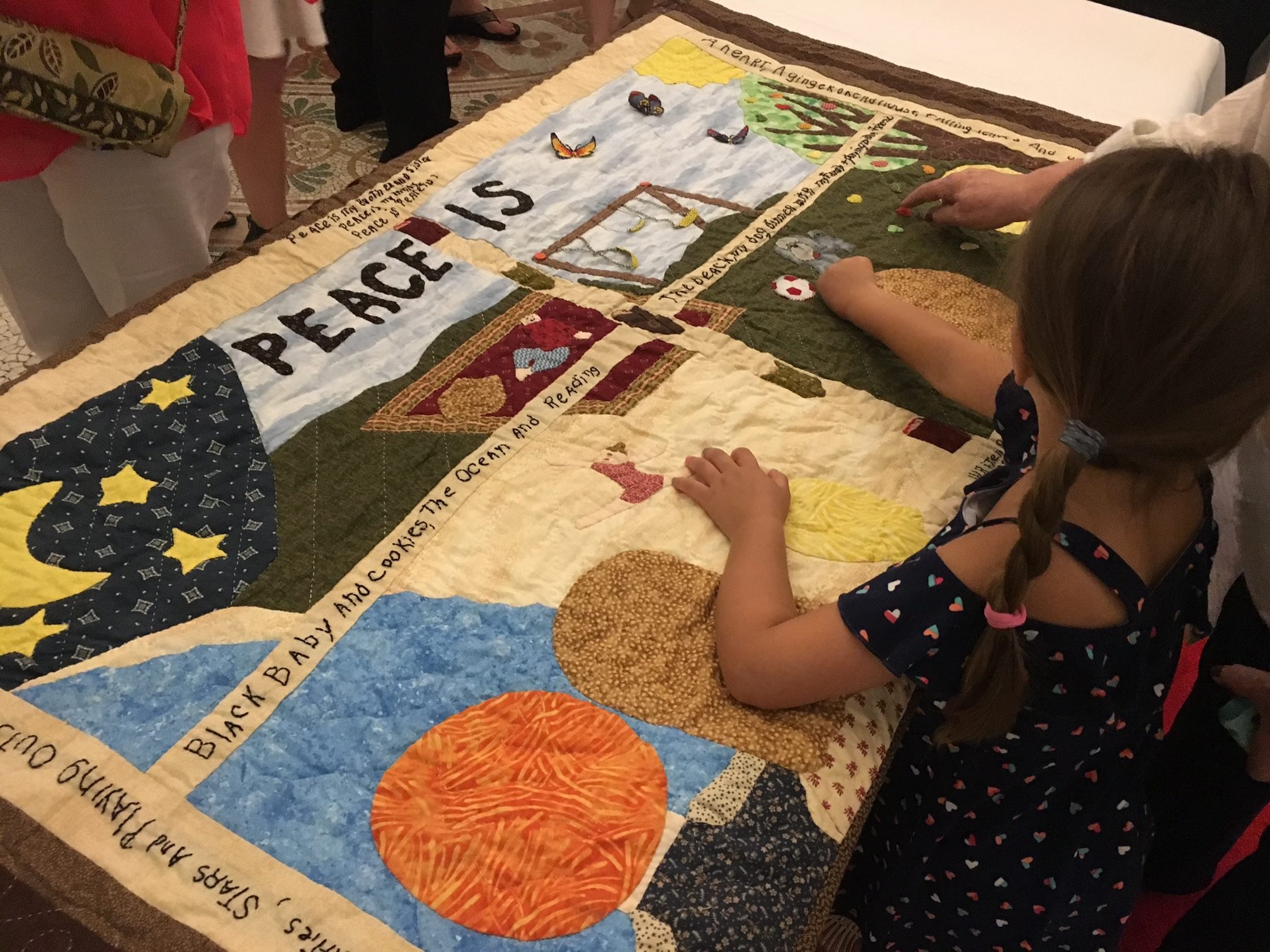
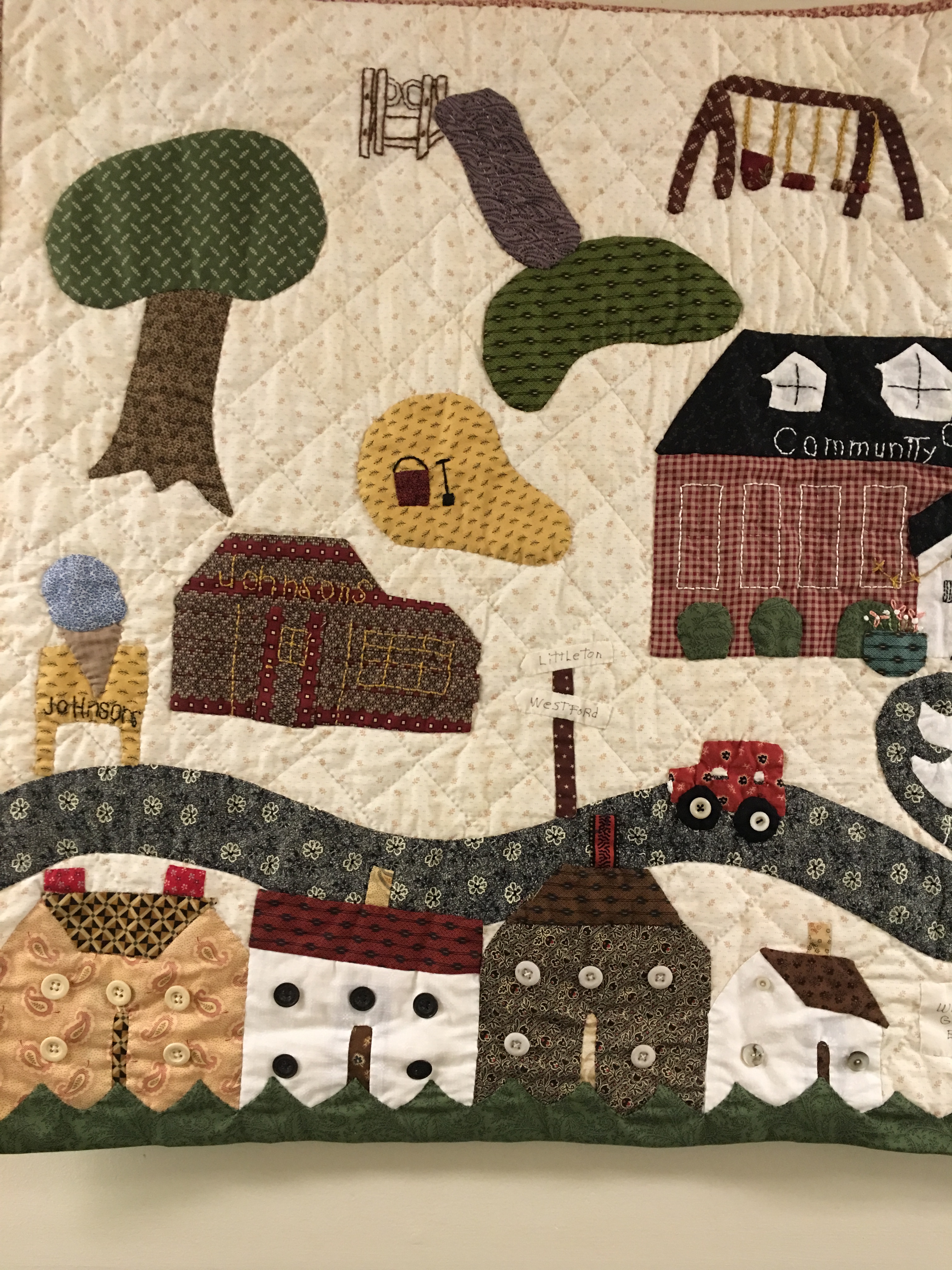
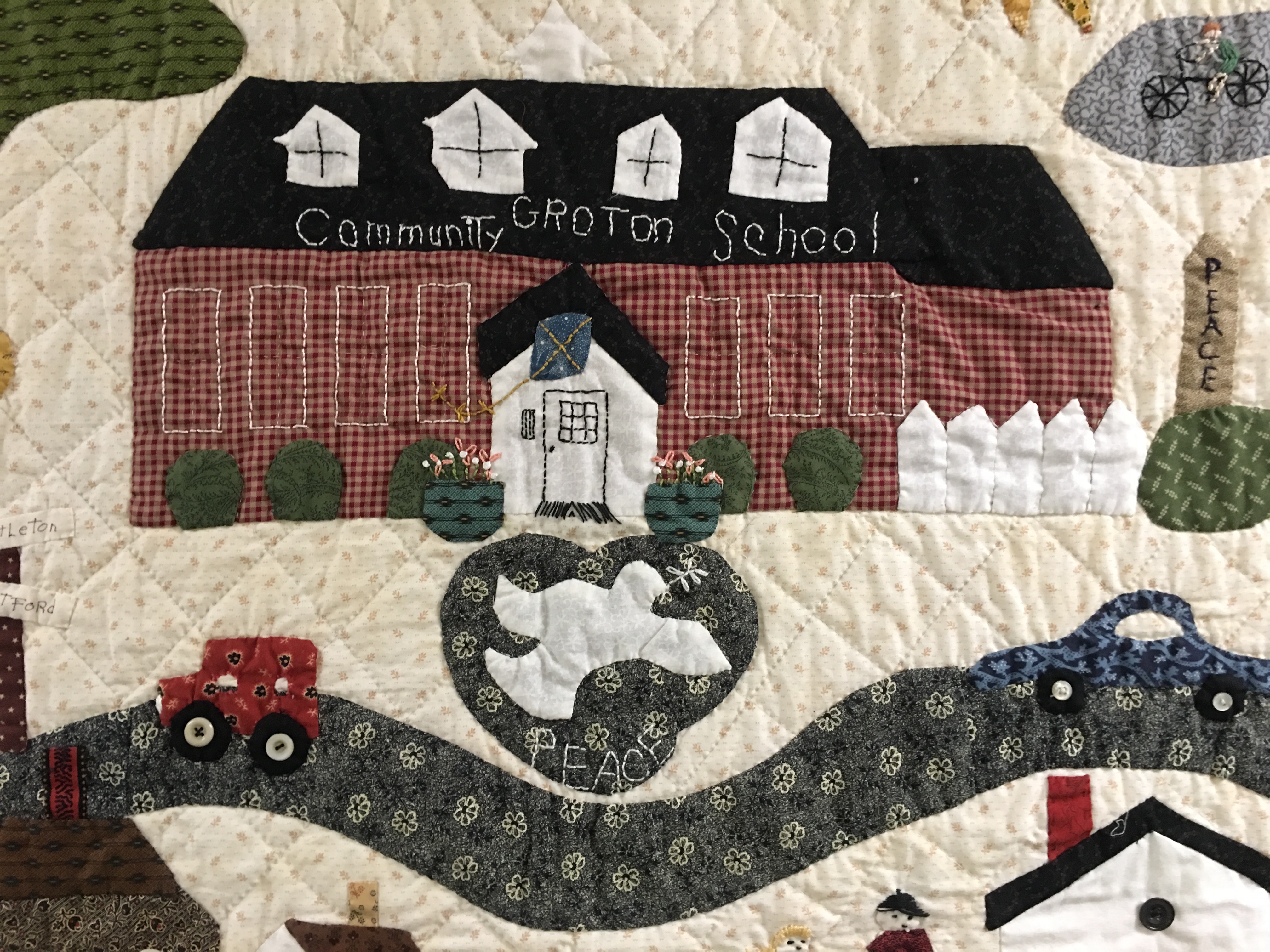
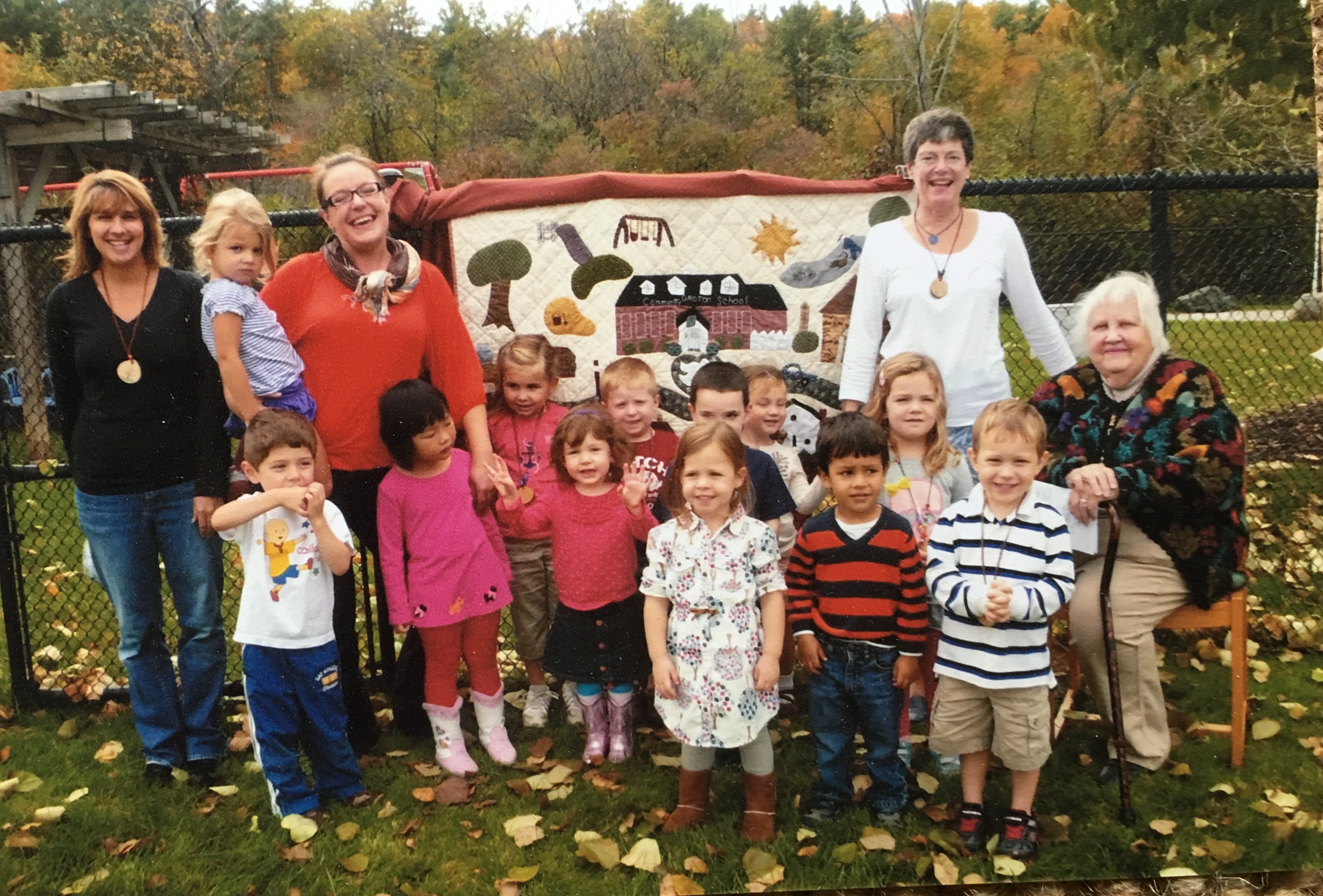
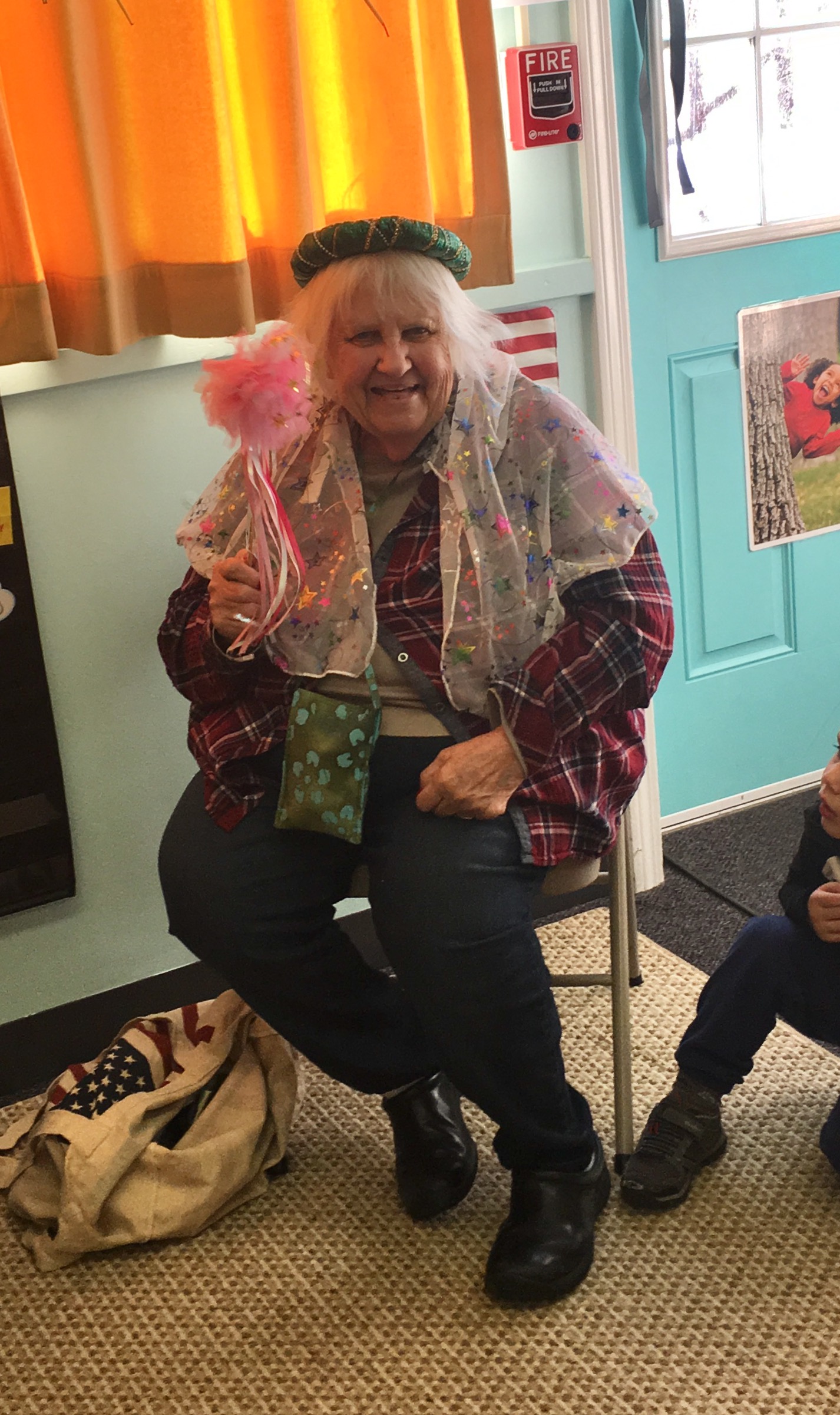
I travelled with Milly, the master quilter, to the Massachusetts State House in Boston this week.  We presented my classroom’s Peace Quilt to the Governor and Lieutenant Governor.  What a day!  This quilt has been two years in the making, yet the roots of our quilting go back much further.  Milly is a Fairy Godmother to the children, making magic happen.

This week, it happened like this…

We arrived at the State House, greeted at our car by Tammy with the Governor’s staff, and were walked to the Grand Staircase where the quilt presentation would occur.  It is elegant: marble and wrought iron, stained glass, with an adjacent rotunda.  Families began to gather, and I was put under the wing of Nick who coordinated how everything would smoothly fall into place.  I had a podium with a microphone.  A long table covered with a white cloth was ready to display the quilt.

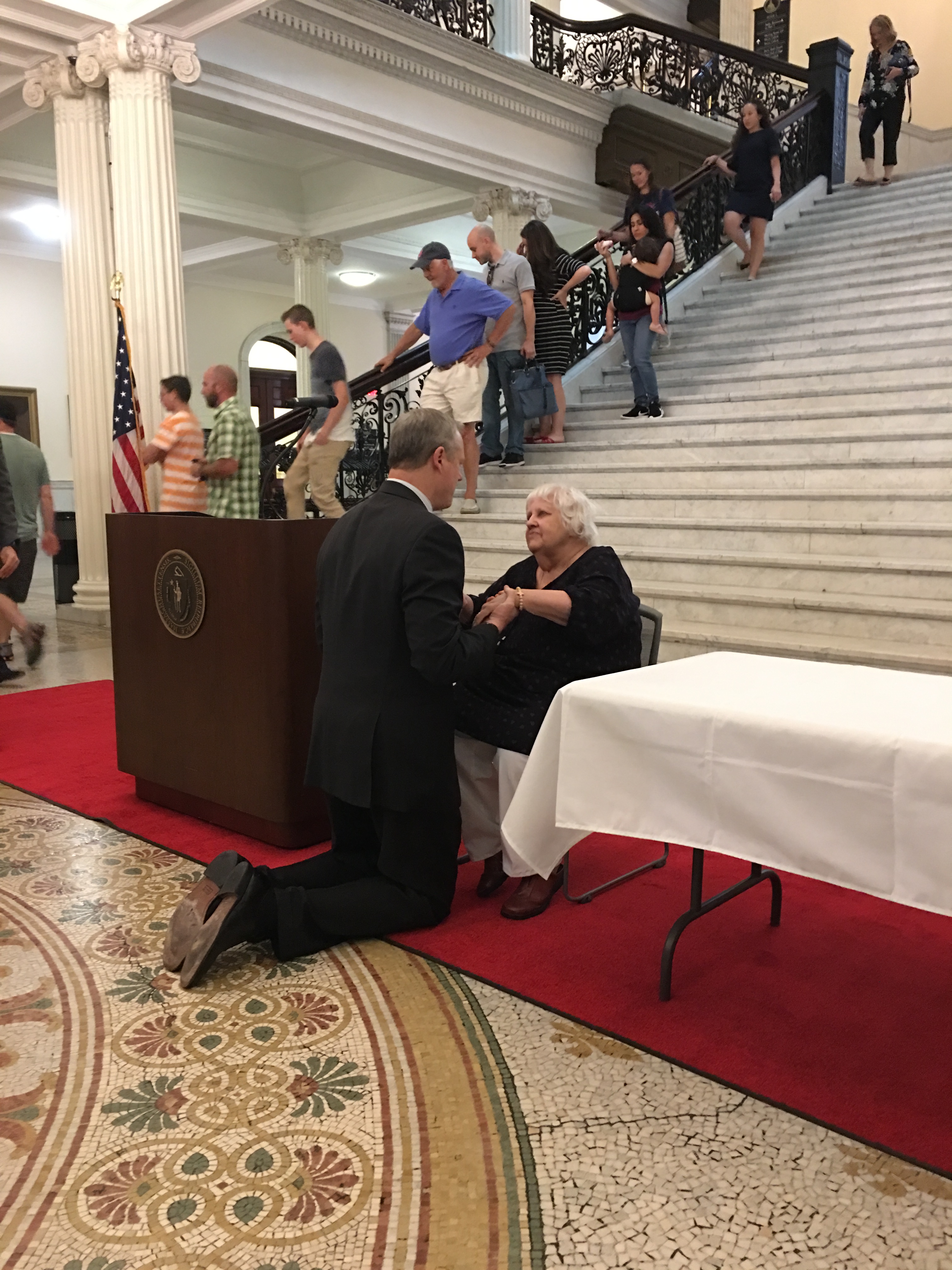
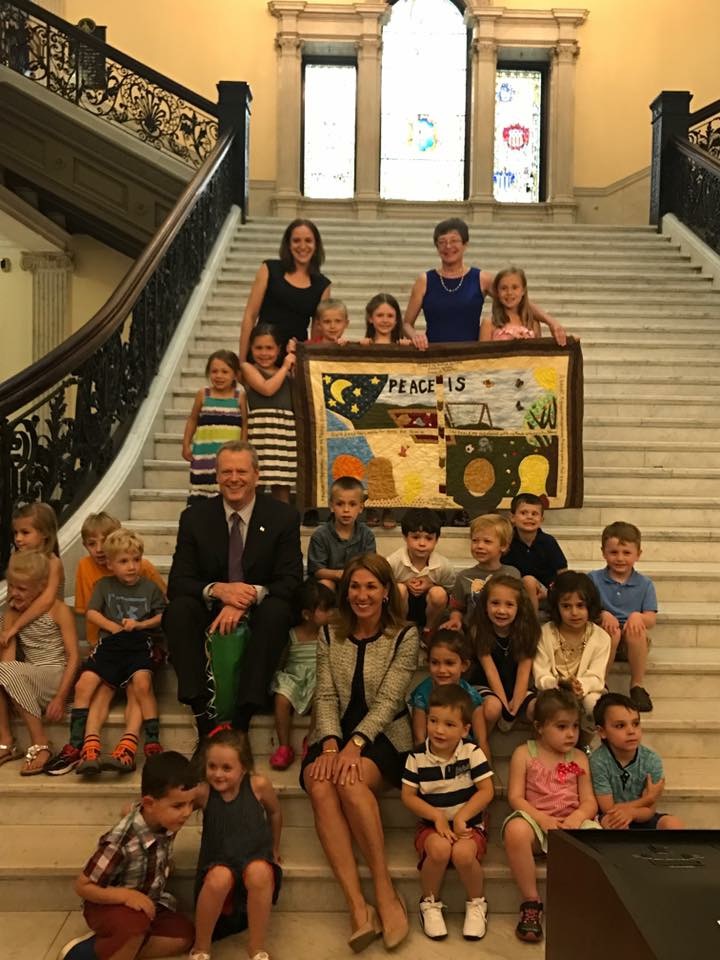
Governor Baker and Lt. Governor Polito arrived. We shook hands and chatted, and he scanned the room for Milly.  When he saw her he stepped forward, then dropped to his knees and held her hands.  They whispered and smiled like two long-lost friends.  Everyone stood to watch; you could have heard a pin drop.

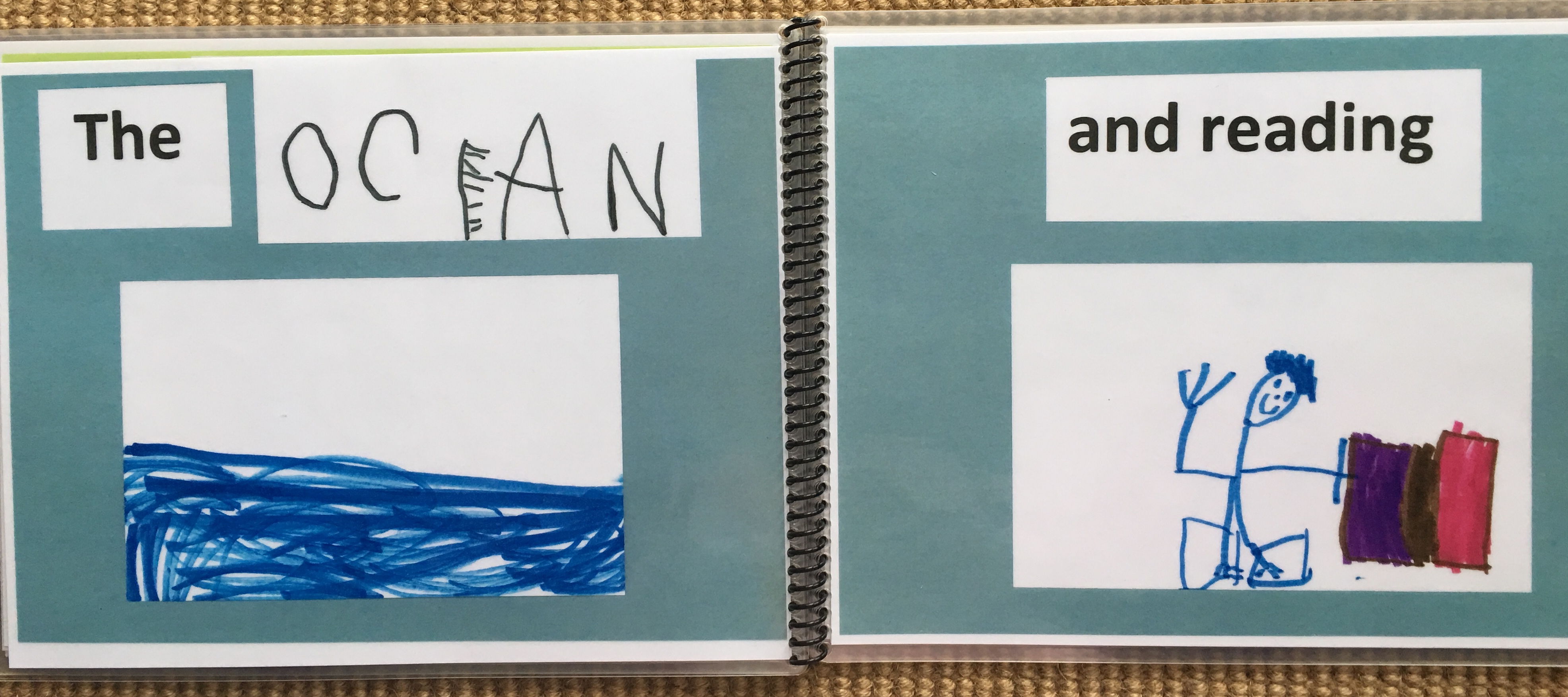
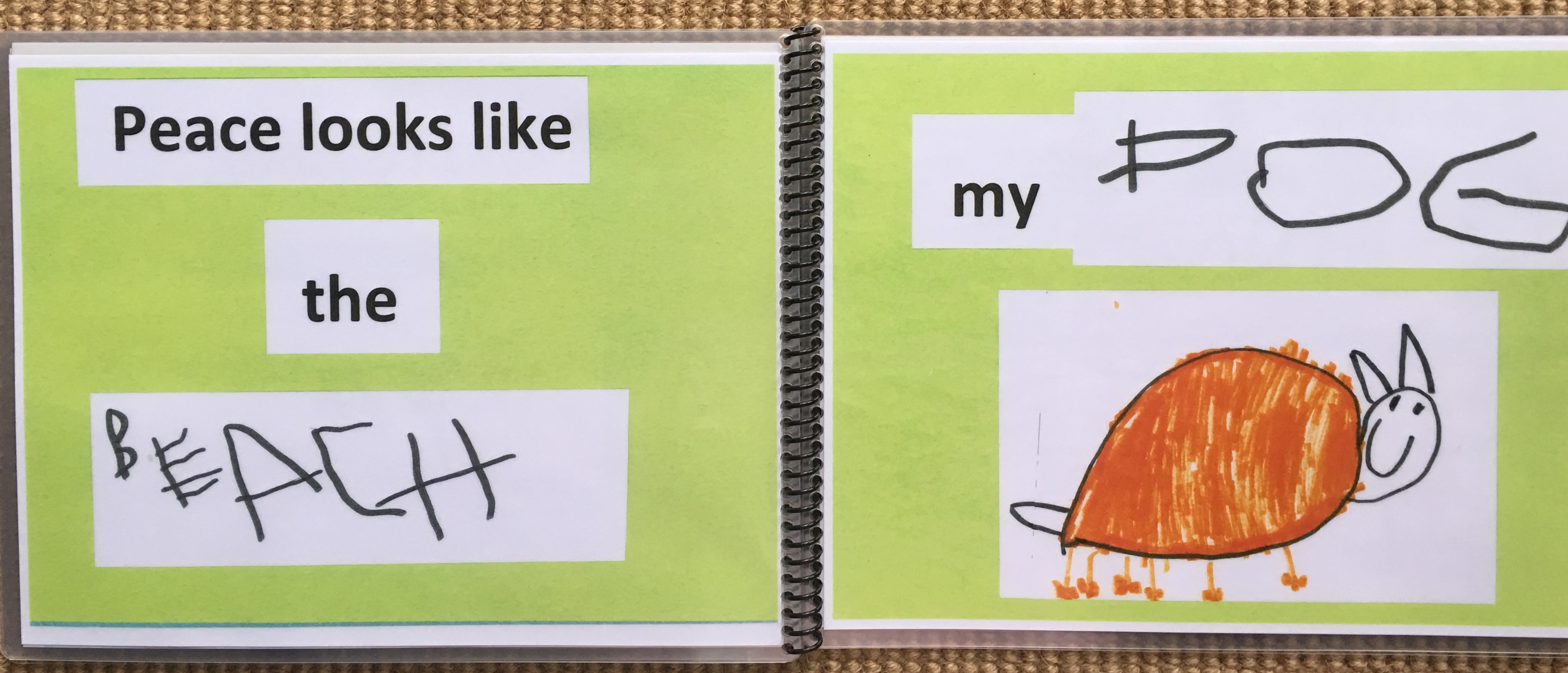
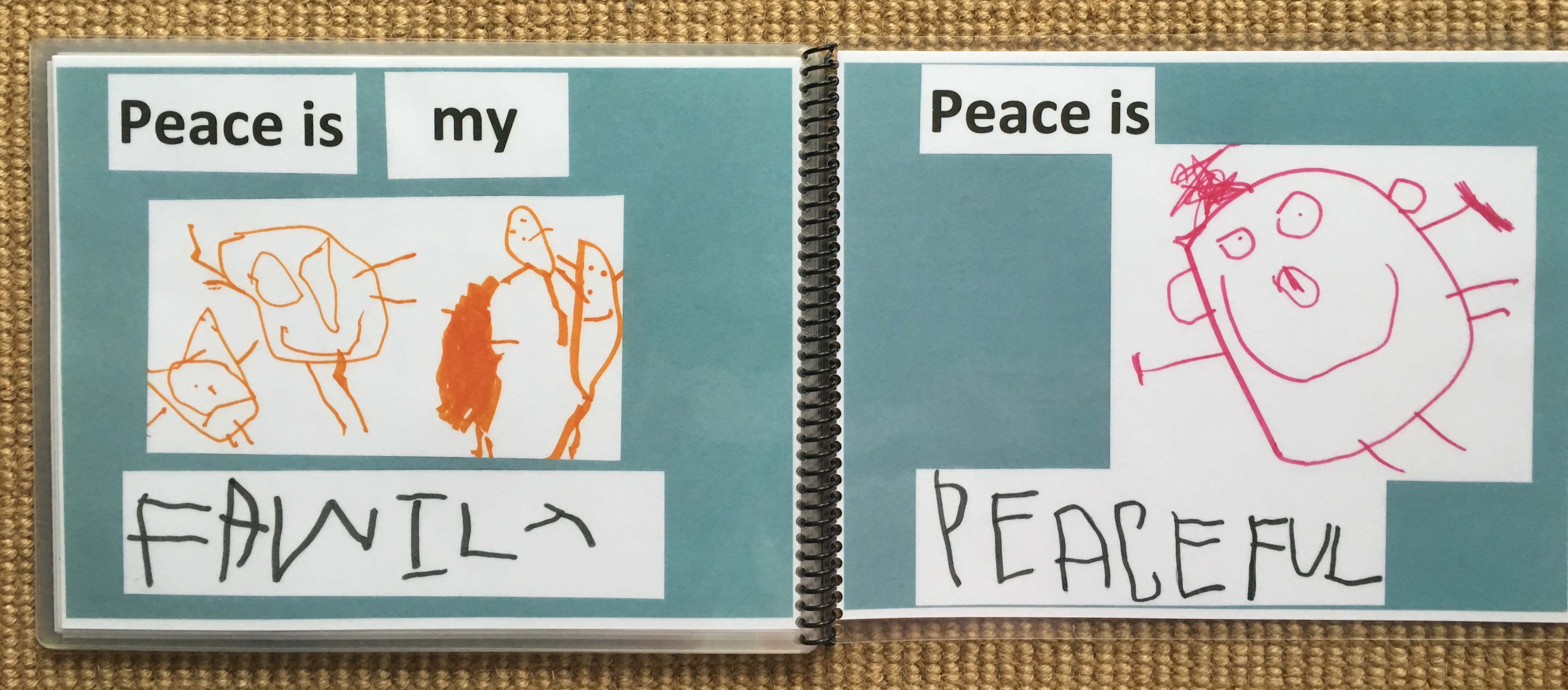
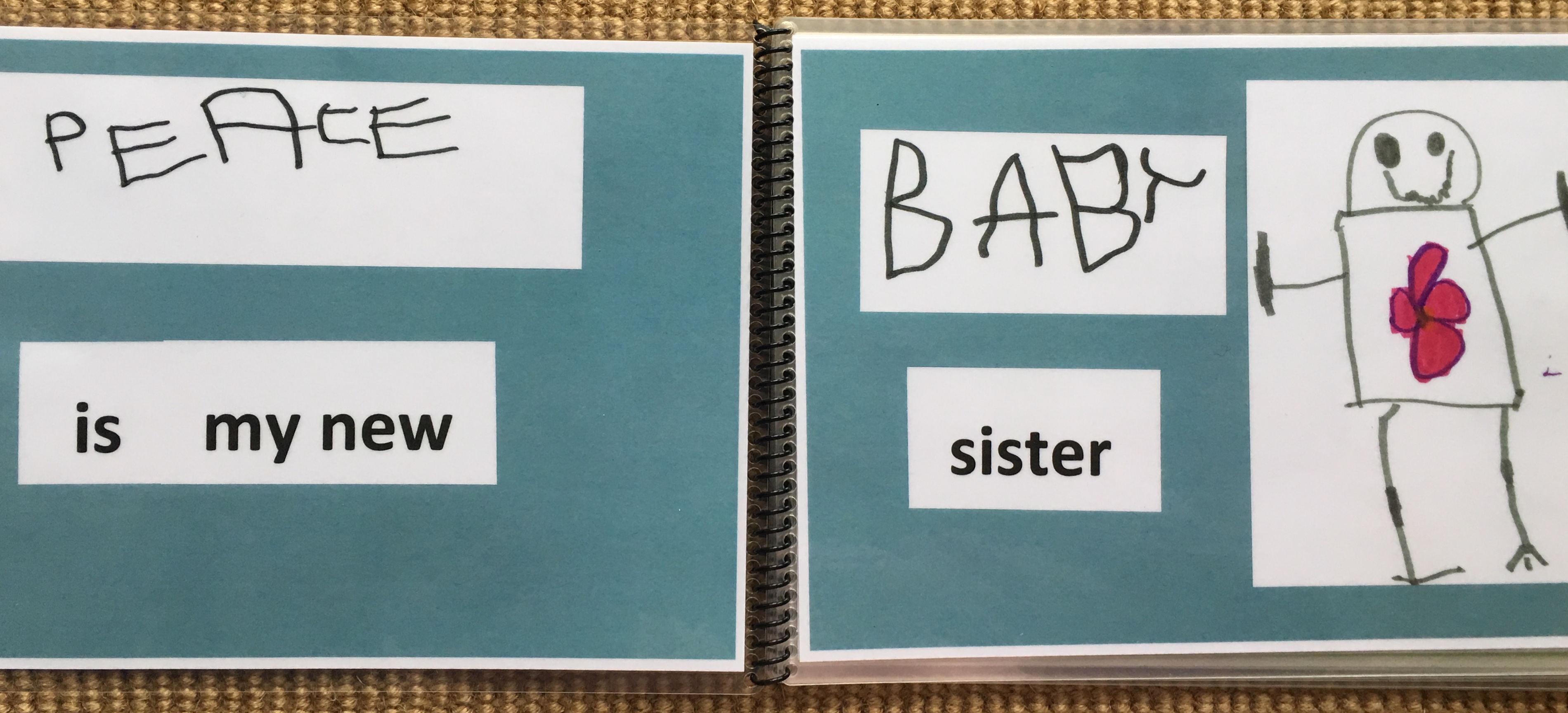
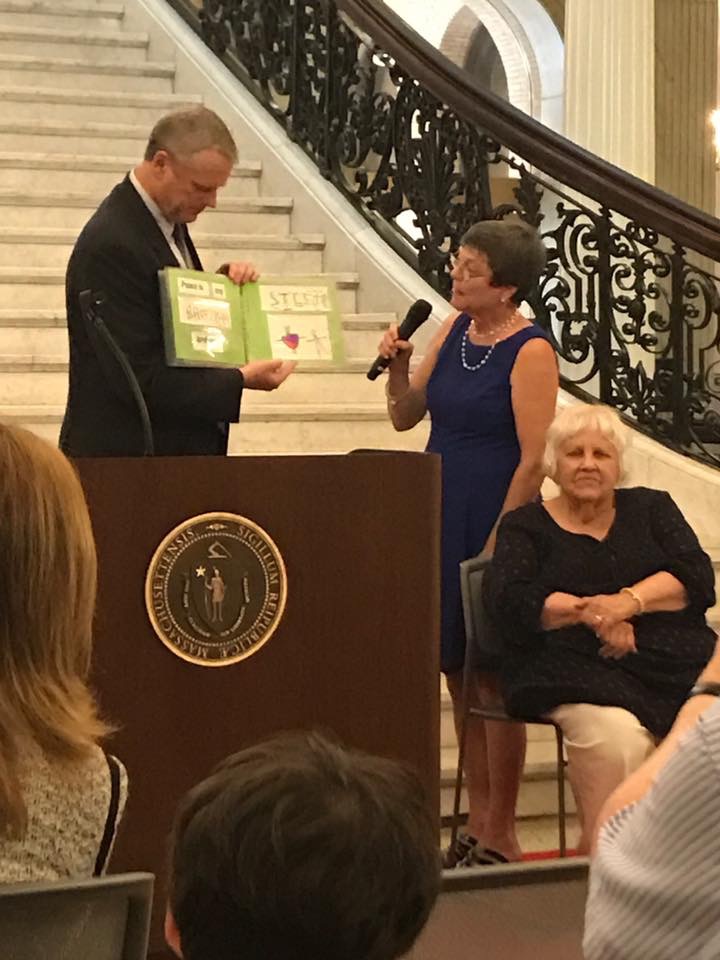
The event began!  I spoke about children, and how peace through their eyes is the real essence of peace, what matters most.  I talked about how the quilt began two years ago, with a Peace Book that the children wrote.  As I began to read the book aloud to the audience, Governor Baker quickly stepped forward to hold the book for me as I read aloud.

We then presented the Peace Quilt. After a standing ovation, it was the Governor’s turn to speak. He talked about hate, and how children learn hate.  He talked about the importance of peace and childrens’ visions, much like the image of the quilt- children looking out the window at peace, their heartfelt ideas: Playing with a friend, a new baby sister, a gingerbread house, dancing, reading…

The quilt was displayed for all to see.

The Governor spontaneously asked all the children to sit with him on the steps of the Grand Staircase.  What a great idea!

 After hundreds of hi-fives, photos, handshakes, and thank-yous, we slowly said goodbye, not really wanting to leave.  Words weren’t necessary; we were trying to hold onto what had happened and make memories.  It was that good.

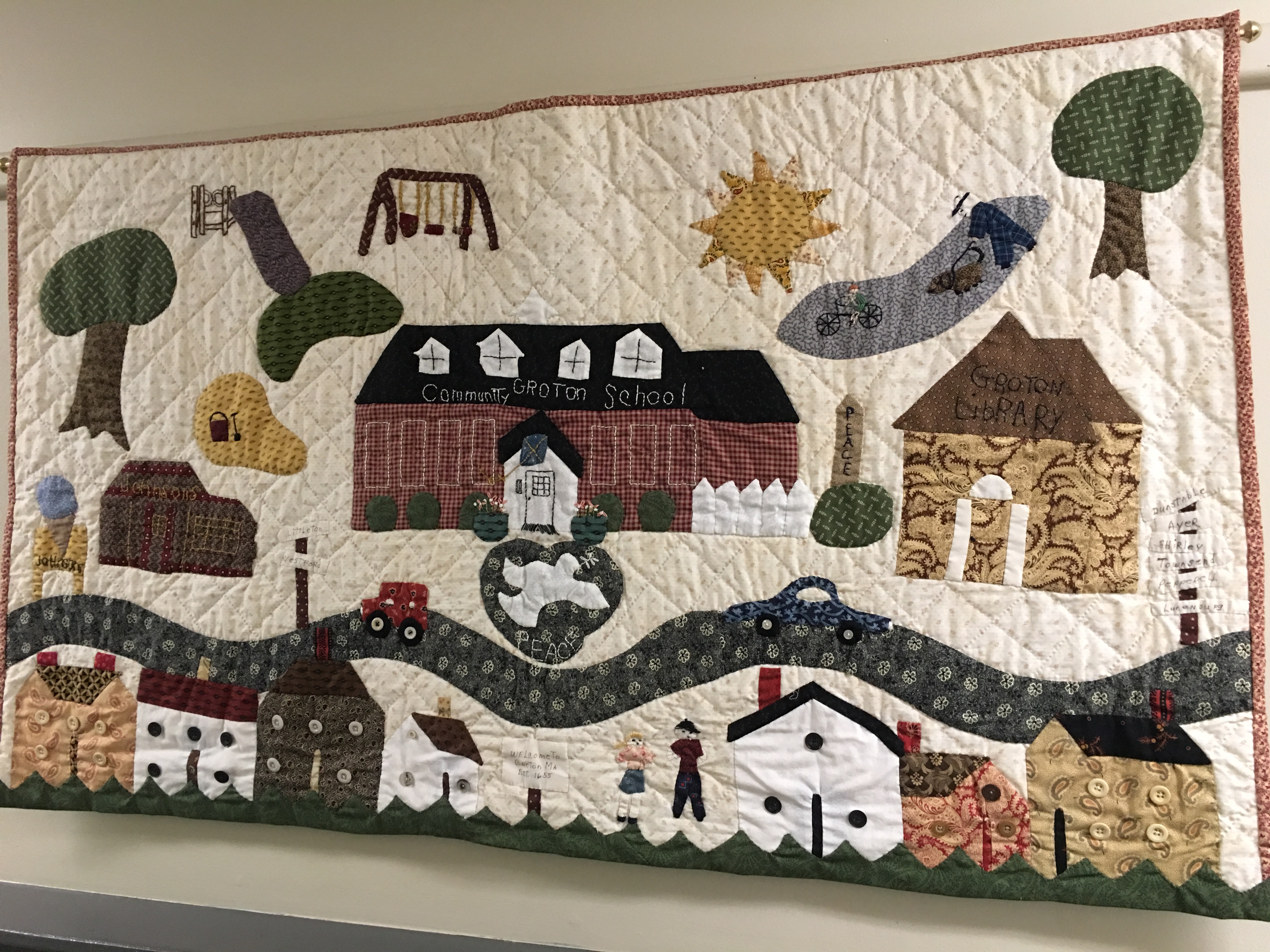
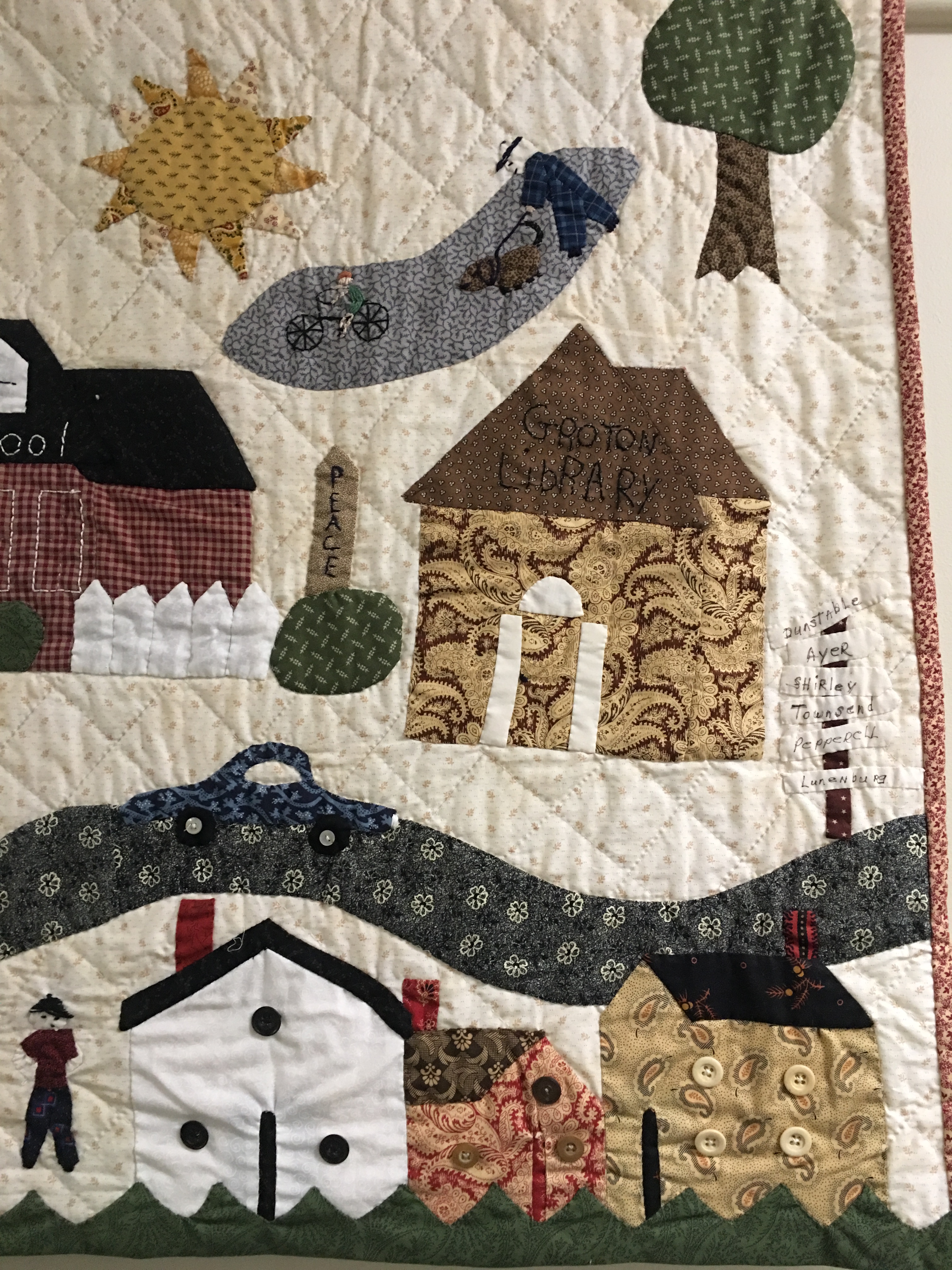
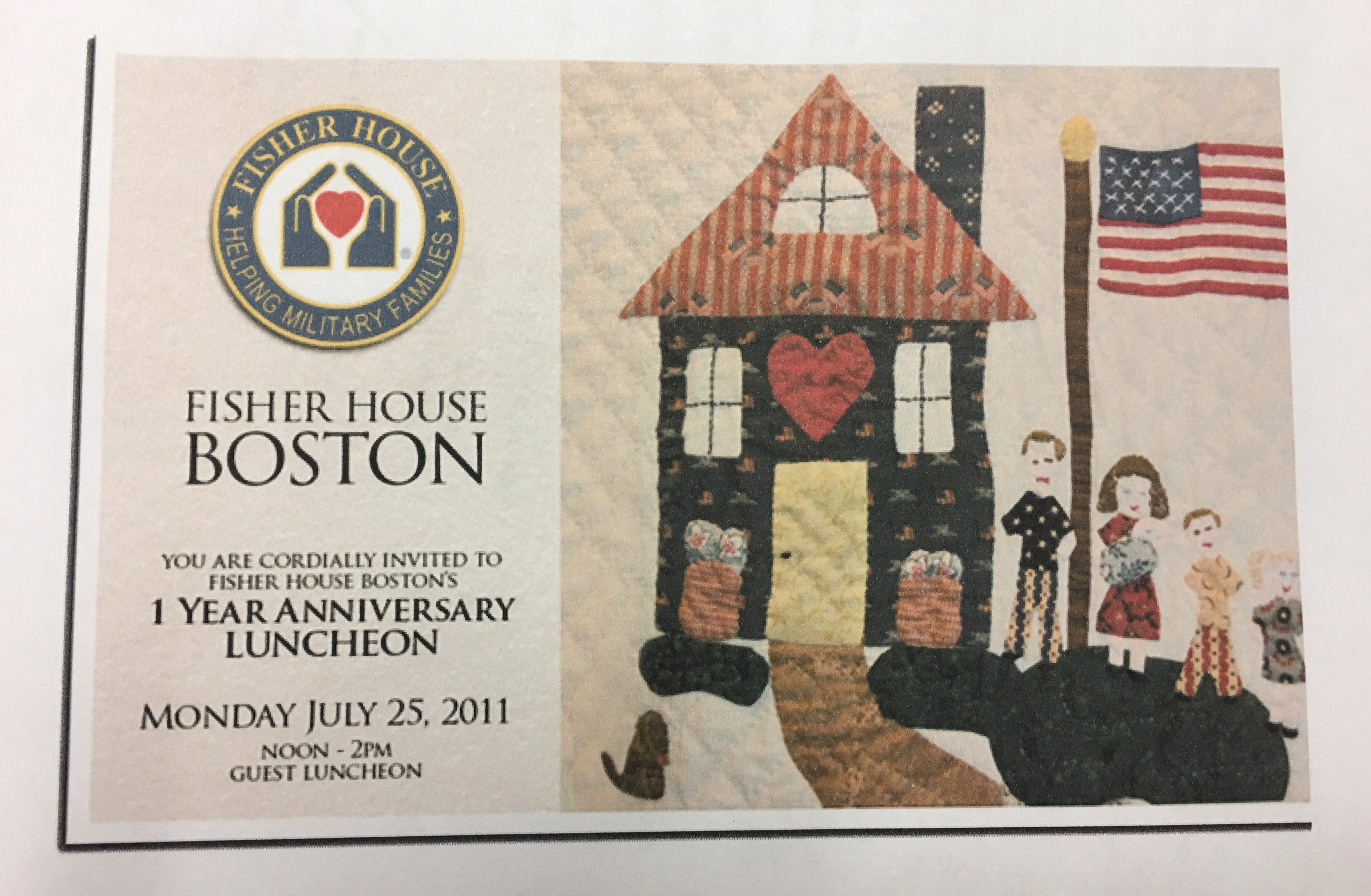
This is not the first quilt Milly has done with my classroom. The first one hangs at the National Liberty Museum in historic Philadelphia.  The second hangs at the Fisher House in Boston. The last one hangs at school.   Lucky us!  You may enjoy the stories of these quilts on my blog, each one an equally exciting adventure.

Jennie

Posted in Diversity, Early Education, Imagination, Kindness, Peace, quilting, Teaching young children | Tagged , , , , | 71 Comments

Graduations, and My Role Model

Graduations are over, and it’s a time that I reflect.  The school year has ended and children move on.  Actually, they move forward.  I know they do.  Because they come back and tell me wonderful things that are happening in their lives.  They walk in with a new book, and can’t wait to tell me stories.  They simply show up to say Hi.  Oh, how they love that big hug and things I whisper in their ear.  “Once an Aqua Roomer, always an Aqua Roomer.” 

I don’t think they know why they come back; they just want to return and feel it once again.  This year I was invited to four high school graduation parties of former students.  Four!  I find that amazing for a preschool teacher.


When I first started teaching, I read a story in Chicken Soup For The Soul by Eric Butterworth.  It cemented why I teach, and became my brass ring, my shining star, my hope that one day I could be her.  Here is the story:

A college professor had his sociology class go into the Baltimore slums to get case histories of 200 young boys.  They were asked to write an evaluation of each boy’s future.  In every case the students wrote, “He hasn’t got a chance.”  Twenty-five years later another sociology professor came across the earlier study.  He had his students follow up on the project to see what happened to these boys.  With the exception of 20 boys who had moved away or had died, the students learned that 176 of the remaining 180 had achieved more than ordinary success as lawyers, doctors and businessmen.

The professor was astounded and decided to pursue the matter further.  Fortunately, all the men were in the area and he was able to ask each one, “How do you account for your success?”  In each case the reply came with a feeling, “There was a teacher.”

The teacher was still alive, so he sought her out and asked the old but still alert lady what magic formula she had used to pull these boys out of the slums into successful achievement.

The teacher’s eyes sparkled and her lips broke into a gentle smile.  “It’s really very simple”, she said.  “I loved those boys.”

She loved them and they knew it!  It really is that simple.  And as Maya Angelou said, “I’ve learned that people will forget what you said, people will forget what you did, but people will never forget how you made them feel.”

People will never forget how you made them feel.

There’s much more.  In teaching, when a child feels loved, s/he can open their mind to learning.  A closed heart is a closed door and a closed mind.  Open a heart, and the world is ready to be explored.

Jennie

Posted in Early Education, Kindness, Learning About the World, Teaching young children | Tagged , , , , , , | 51 Comments

Children Don’t Forget

I wish I could remember everything important, like the titles of all the books I intend to read this summer.  I can recall stories galore of yesteryear, with crystal clear pictures in my head.  The present often seems cloudy in comparison.   Children remember everything.  The tiniest detail is there beside them, for the longest time.  Isabelle is a case in point.

My library read-aloud group started the year reading Diva and Flea, by Mo Willems back in September.

It is the story of a dog and a cat, living in Paris.  Of course it is so much more, as Mo Willems weaves stories of growing, bravery, and fear throughout the book.  He also paints a verbal picture of life on both sides of the tracks. Does having all the conveniences and necessities dictate a better life?  Better hold on and read the book!

Since the backdrop for the book is Paris, French words are among the text.  Diva is a gardienne’s dog, and Flea is a flâneur.  I often stopped my reading to talk about the words.  That was fun!

Flea did have a fixed occupation, however.  He was a flâneur.  A flâneur is someone (or some cat) who wanders the streets and bridges and alleys of the city just to see what there is to see.  A great flâneur has seen everything… Flea was a great flâneur.

The children loved the book.  Adults enjoy the subtle humor of Mo Willems.  Win-win all around.  We continued the year reading The Wild Robot, by Peter Brown (a favorite) and The Story of Doctor Dolittle, by Hugh Lofting.  By the time June rolled around, reading Diva and Flea seemed like years ago.

On the last day of our library read-aloud last week, this is what Isabelle’s Mother showed me (it is in two parts):

The school assignment was to write the answer to a question for each day of the week.  Monday’s question was, “If you could be a cat for one day, would you like it?  What would you do all day?”  Isabelle answered:

“I would like to be a cat for one day.  I would flâneur all around.”

Wow!  Flâneur all around.  Imagine that; written nine months after reading Diva and Flea.

In the words of Mo Willems, “The biggest discoveries start with the smallest steps.”  I give children many, many small steps- especially through reading aloud.  They discover the world in avenues that often surprise me.  It is wonderful.

Jennie

Posted in chapter reading, Early Education, Imagination, reading, reading aloud | Tagged , , , , , | 62 Comments

Last (and Best) Parent Newsletter of the Year

My final newsletter to parents.  I tell them in a nutshell everything that mattered; the best thirty minutes of the day that made children’s minds come alive and made their hearts beat.  And every day, every thirty minutes, it happened.  Here is what I said:

Chapter Reading

June 14, 2017

Chapter reading is one of our treasured moments of the day.  We bring to life the imagination, the world, and the past.  The anticipation of ‘what happens next’ stirs excitement every day.  Children listen and think.  They ask questions.  Ask your child, “At chapter reading where do you make the pictures?”  You will hear your child say, “In your head.”

When we finish a good book and then start a new one, emotions run high and low.  The end of a good book is so satisfying and pleasant, yet…it is over.  That is the wonderful roller coaster of reading.  And, with each chapter book we read, we ride that roller coaster again and again.

We are three-quarters through Little House on the Prairie, and it is thrilling; from Jack the dog, to building a house, to Indians in the house.  Pa and his neighbor Mr. Scott dug a well, and we learned about the bad gas deep inside the earth (Pa had to save Mr. Scott) that only a candle can detect.  Of course, I had to bring in my grandfather’s childhood portrait wearing a miner’s hat with the same candle. Laura and her family had fever ‘n’ ague (malaria), an illness that people thought came from eating watermelons. 


We encourage you to finish reading the book aloud to your child.  There is much more ahead, from Mr. Edwards meets Santa Claus, to Fire on the Prairie.  If your child wants to continue the series, the next one, Farmer Boy is about Laura’s husband when he was a little boy.  I recommend the following one, On the Banks of Plum Creek, which begins their next journey after the prairie.

We voted on our favorite chapter books this year.  Charlotte’s Web was the winner!

These are the chapter books we have read this year.  Good books are meant to be read over and over again.  We encourage you to revisit these wonderful books with your child:

Charlotte’s Web by E.B. White

My Father’s Dragon by Ruth Stiles

The Story of Doctor Dolittle by Hugh Lofting

Doctor Dolittle’s Journey by Hugh Lofting

Mr. Popper’s Penguins by Florence and Richard Atwater

Little House in the Big Woods by Laura Ingalls Wilder

Little House on the Prairie by Laura Ingalls Wilder

The fundamental constant that gives children the tools to succeed in school is language.  The more words that children hear, the better they will do in school.  Reading aloud to children is far more than an enjoyable experience.  It increases their language development!  In kindergarten through grade four, the primary source of instruction is oral.  The more words that a child has heard, the better s/he will understand the instruction, and the better s/he will perform in school, in all subjects.  Therefore, we will always campaign to read aloud.

A wonderful guide to book recommendations and to understanding the importance of reading aloud is the million-copy bestseller book, The Read-Aloud Handbook.  I have used the book since my children were little.  The author, Jim Trelease, visited the Aqua Room and GCS.  We are featured in the new seventh edition of the book.

Jennie

Posted in chapter reading, Early Education, Imagination, Jim Trelease, reading, reading aloud, Teaching young children | Tagged , , , , , , | 30 Comments