“The Stop Game”, From Dinosaurs to Poetry

I invented a game for reading-aloud children’s books that are, well…long or potentially boring in the eyes of the child.  Poetry!  Fact books!  In my heart, I know these books are hugely important.  I just needed to find a way to engage children and help them see, the way that I see.  Or, perhaps the way that I know.  I do know, and the “how to do it” just comes to me.  The Stop Game is the perfect answer, a solution that children love.

Here is how it works:  I hold a book up and partially open it, so I can fan the pages with my thumb.  I tell the children, “On the count of three, say STOP.”  I begin to fan the pages on the count of one.  Breathless anticipation is an understatement.  I keep fanning the pages, and when I get to three the children yell STOP.  Oh, how they yell, because they’re excited.  Then, I show them that page, the one when they said STOP.

We are learning about dinosaurs this month.  Besides making great dinosaur art projects, I wanted to teach children facts.  After we used a 100-foot measuring tape in the hallway to see the real size of dinosaurs (Brachiosaurus was 85-feet, the entire length of our hallway), I knew children were ready for more learning.  I had a great fact book about different dinosaurs, so we played The Stop Game.  Oh my, today is day three of children begging for this.  And, they remember the facts!  The Stop Game repeated a dinosaur page today.  When children asked where the dinosaur lived, Kate blurted out, “Australia!”  There is a column along the right that lists location, size, enemy, food, and more.  I am grilled on these facts every day.  Isn’t that wonderful?

Children are excited to learn specifics about dinosaurs.  They can’t get enough.  They’re four-years-old.  Thank you, The Stop Game.

Poetry is a fundamental in reading, words, and rhyming.  The simplest of words written in poetry have the most powerful meanings.  I read poetry to children.  And, we play The Stop Game to make the words come alive.  Poetry+The Stop Game=Understanding.

The first poetry book I fell in love with was Shel Silverstein’s A Light in the Attic. It is a classic, and continues to be one of the best poetry books for children.  Every page that The Stop Game lands on, is a good poem.

My favorite new children’s poetry book is Outside Your Window.  The poetry goes through the seasons and all the animals within each season.  There is a wide variety of poetic style, so every poem sparks a different conversation.  Children love this book.  They love poetry.  Playing The Stop Game allows them an opportunity to really listen to the words.  It is wonderful.

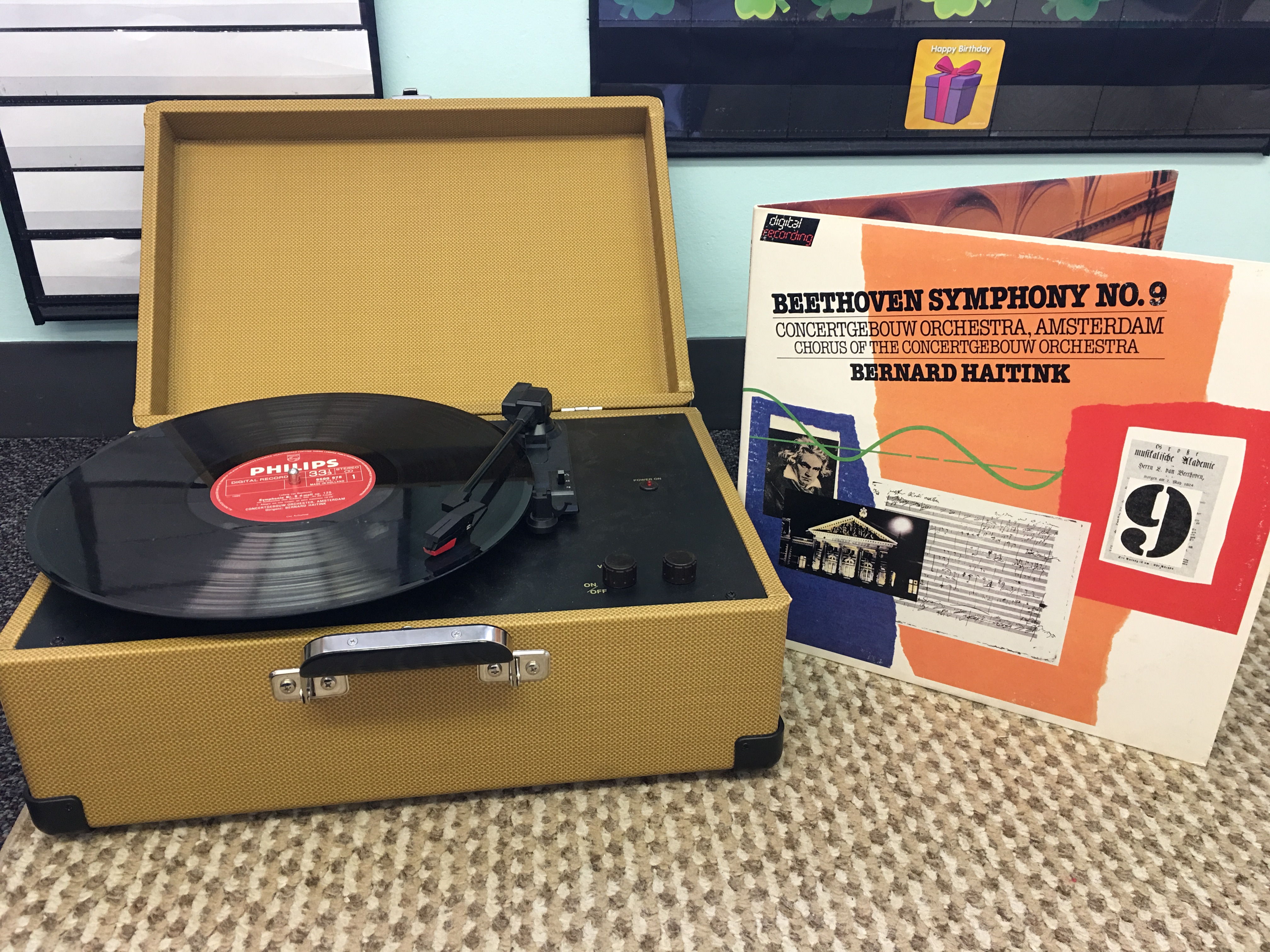
“The Stop Game” actually started with the dictionary, years ago.  A big Scholastic Children’s Dictionary.  Every time we read a new word, I used the dictionary to look it up, with the children of course.  It was exciting to pull out this big book, show children the fore edge (opposite the spine) with red markings that indicated the letters in the alphabet- and then open the dictionary to see those red alphabet markings.  Honestly, this was very exciting.  After we looked up the new word, we wanted to look up many more new words, over and over again.  So, we played The Stop Game, opened a page, and discovered a world of words.  Author Patricia MacLachlan would have said, “Word After Word After Word.”

Jennie

Posted in Early Education, Imagination, Poetry, reading, reading aloud | Tagged , , , , , , , , , | 37 Comments

Happy Birthday, Milly

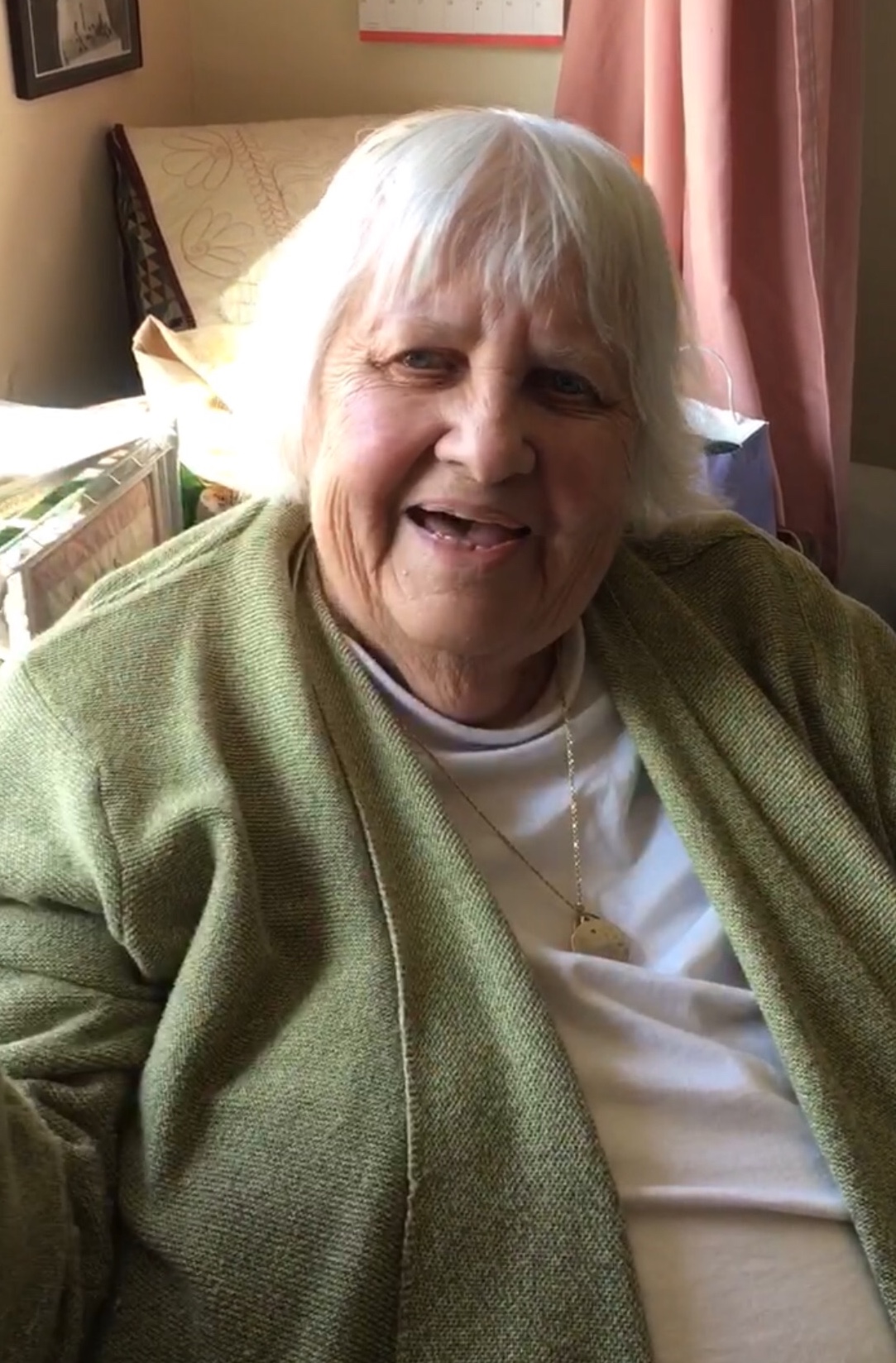
We wished Milly a Happy Birthday this week, as she turns 87-years-young.


Since 2009, Milly has been connecting generations with my preschoolers.  I get to stand back and watch love and happiness ignite into hugs and smiles, from both the children and Milly.  She plays Bingo and Go Fish, sings and reads stories.  Children like her walker and like to watch her sew.  A needle and thread weaving in and out of fabric is fascinating.  It’s quite remarkable and very genuine.

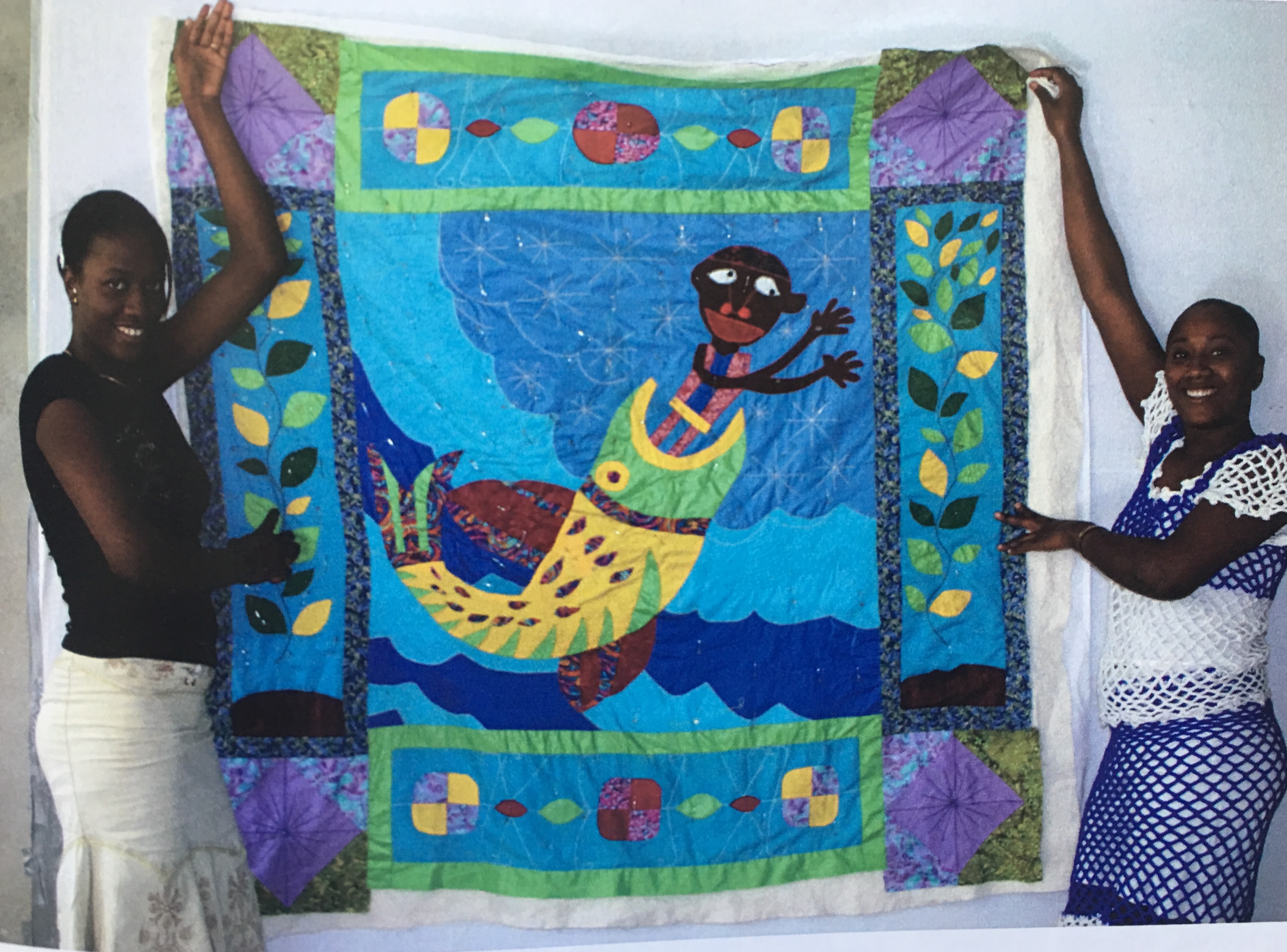
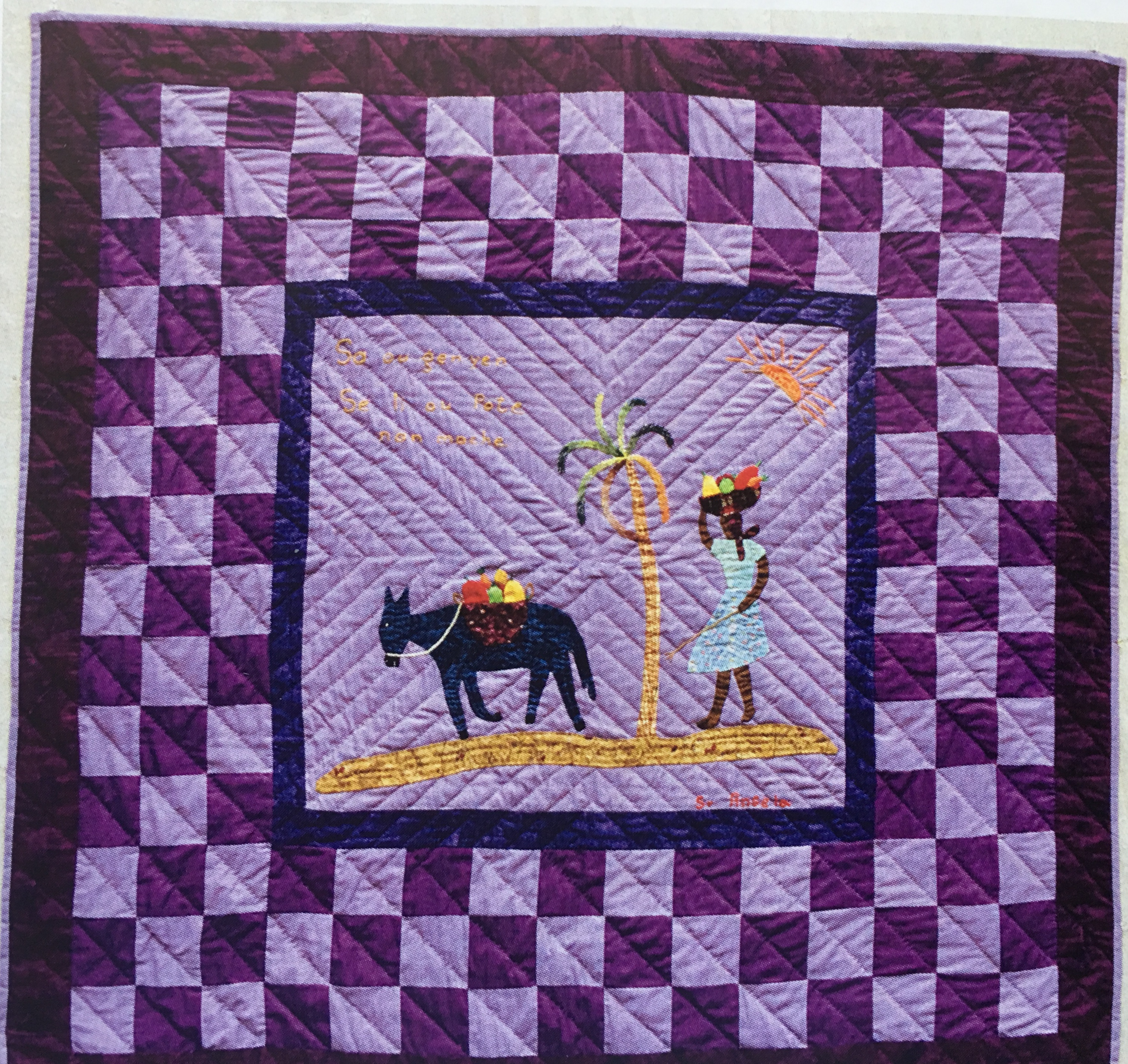
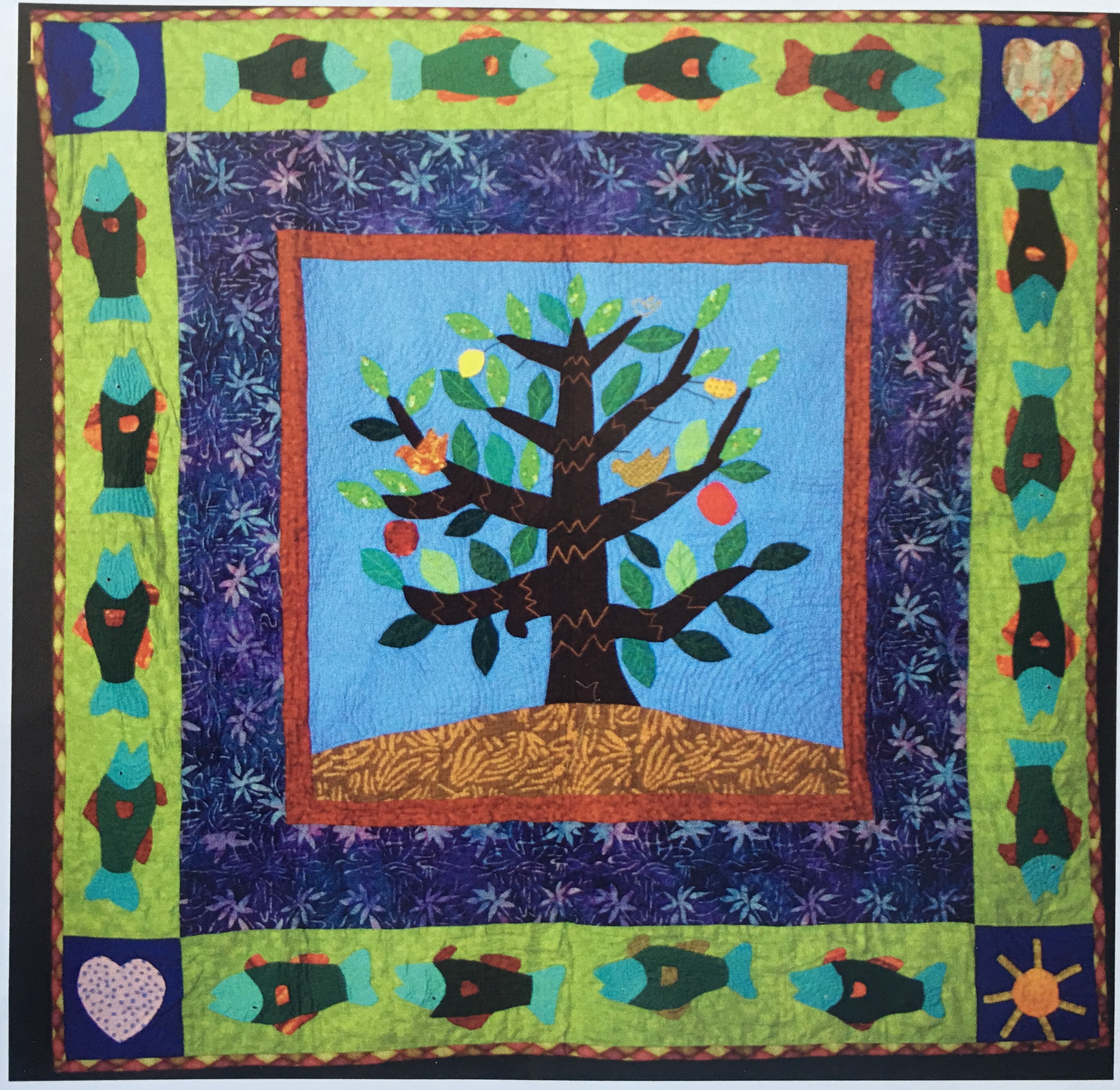
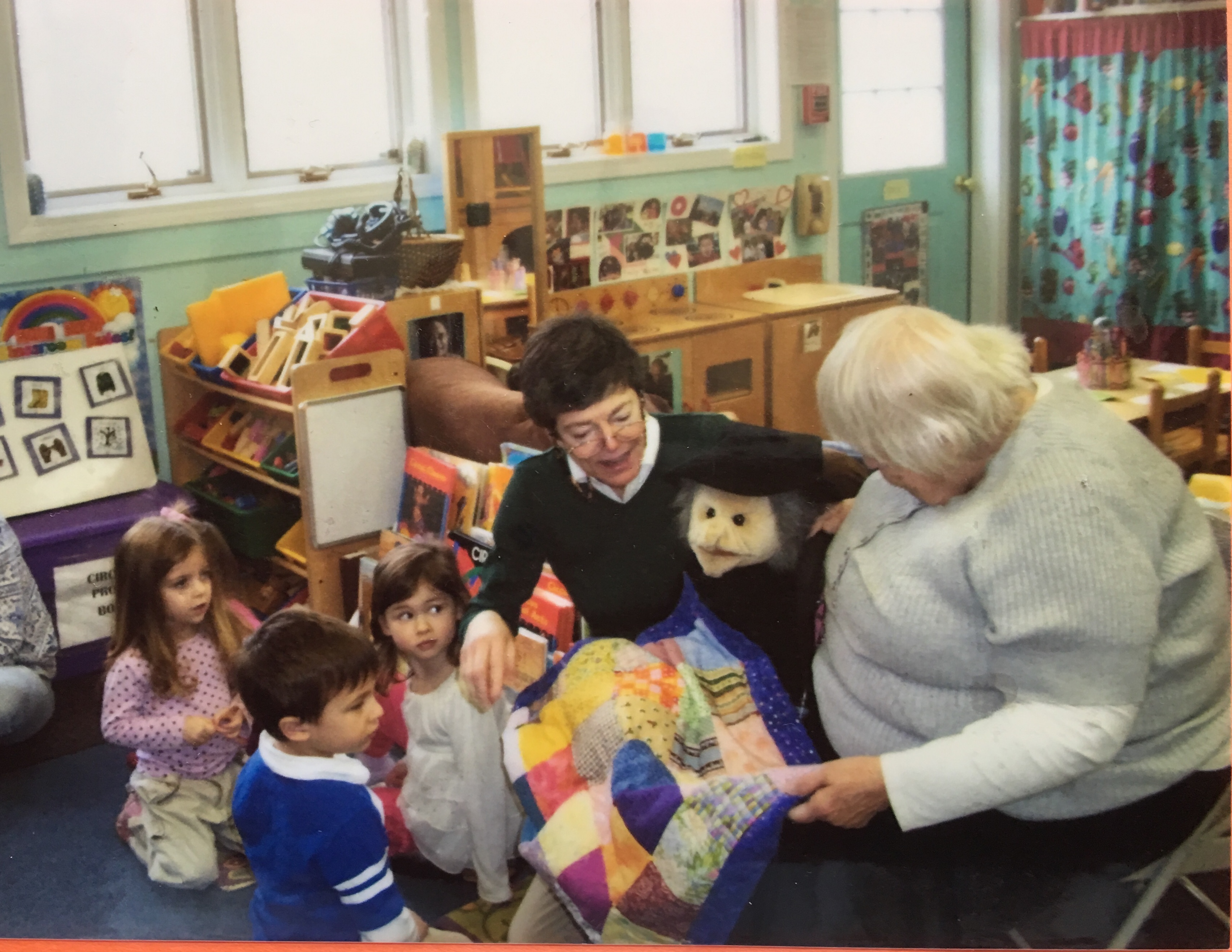
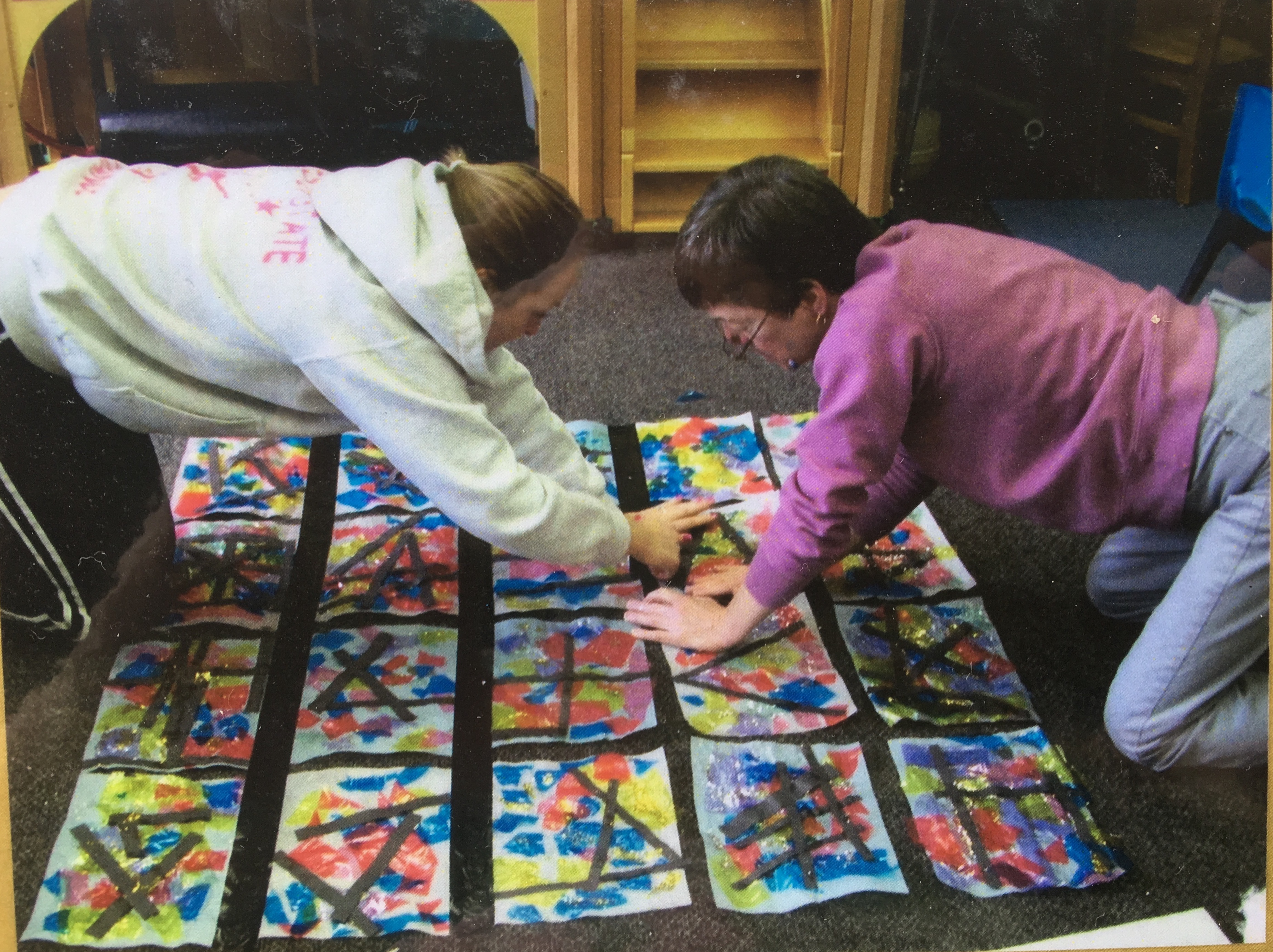
When Milly began her visits to my classroom, I had looked far and wide for a master quilter.  Children were bursting with ideas about peace- not the typical ideas, their ideas.  Why not turn those into a quilt? We did!  It is even my blog photo.  Since then, Milly has made other quilts with the children, and is finishing one that has been two years in the making.

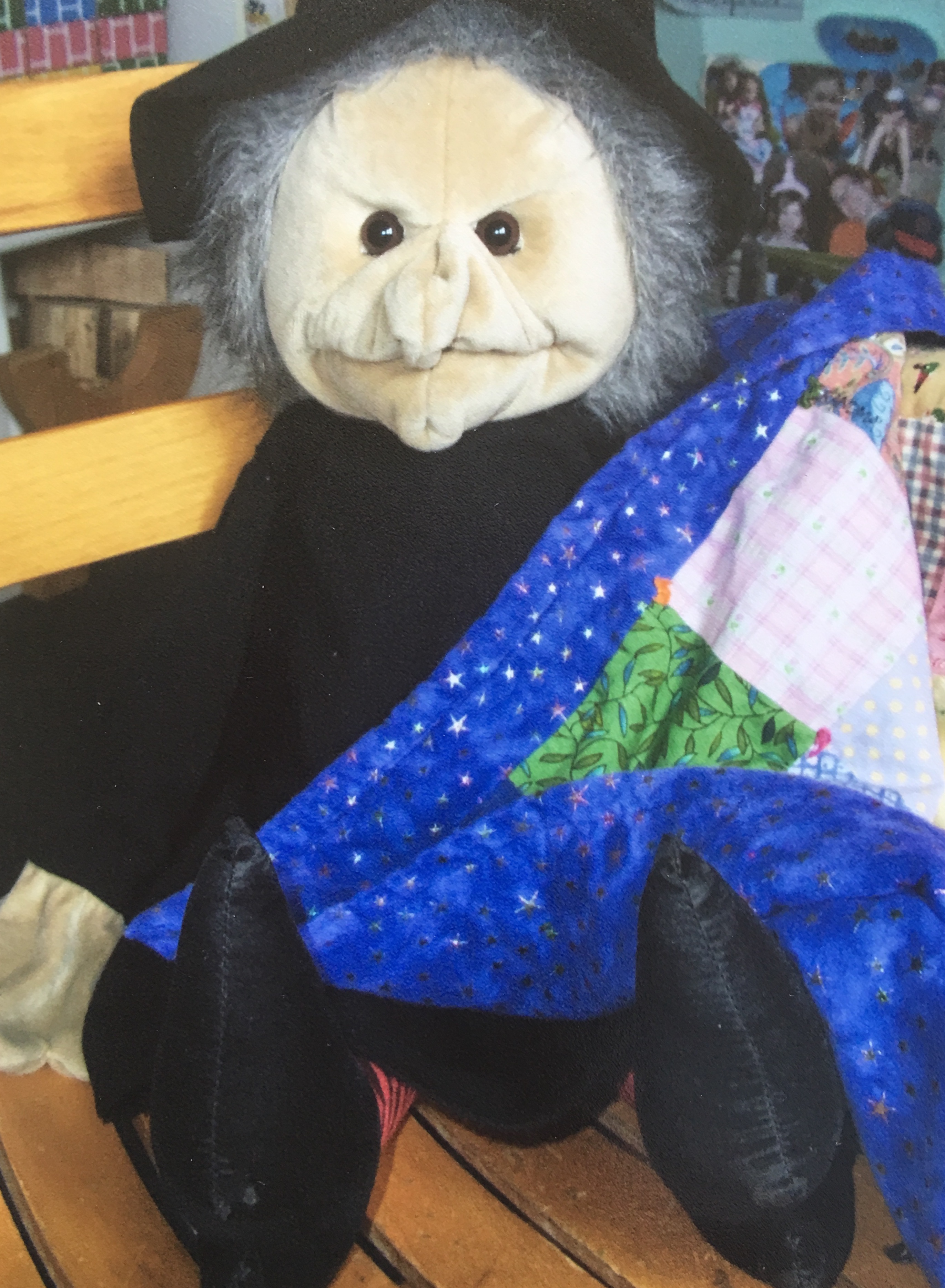
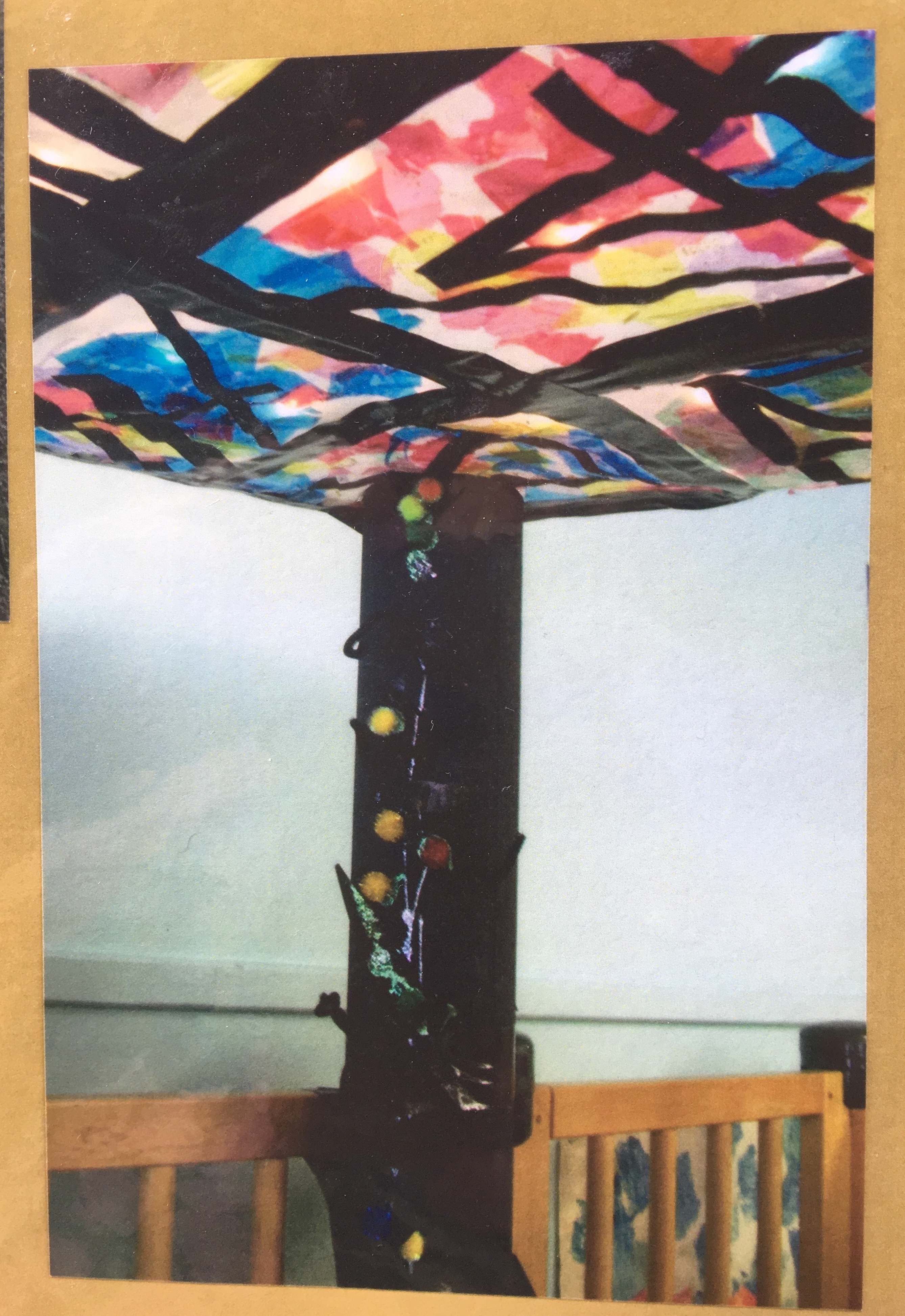
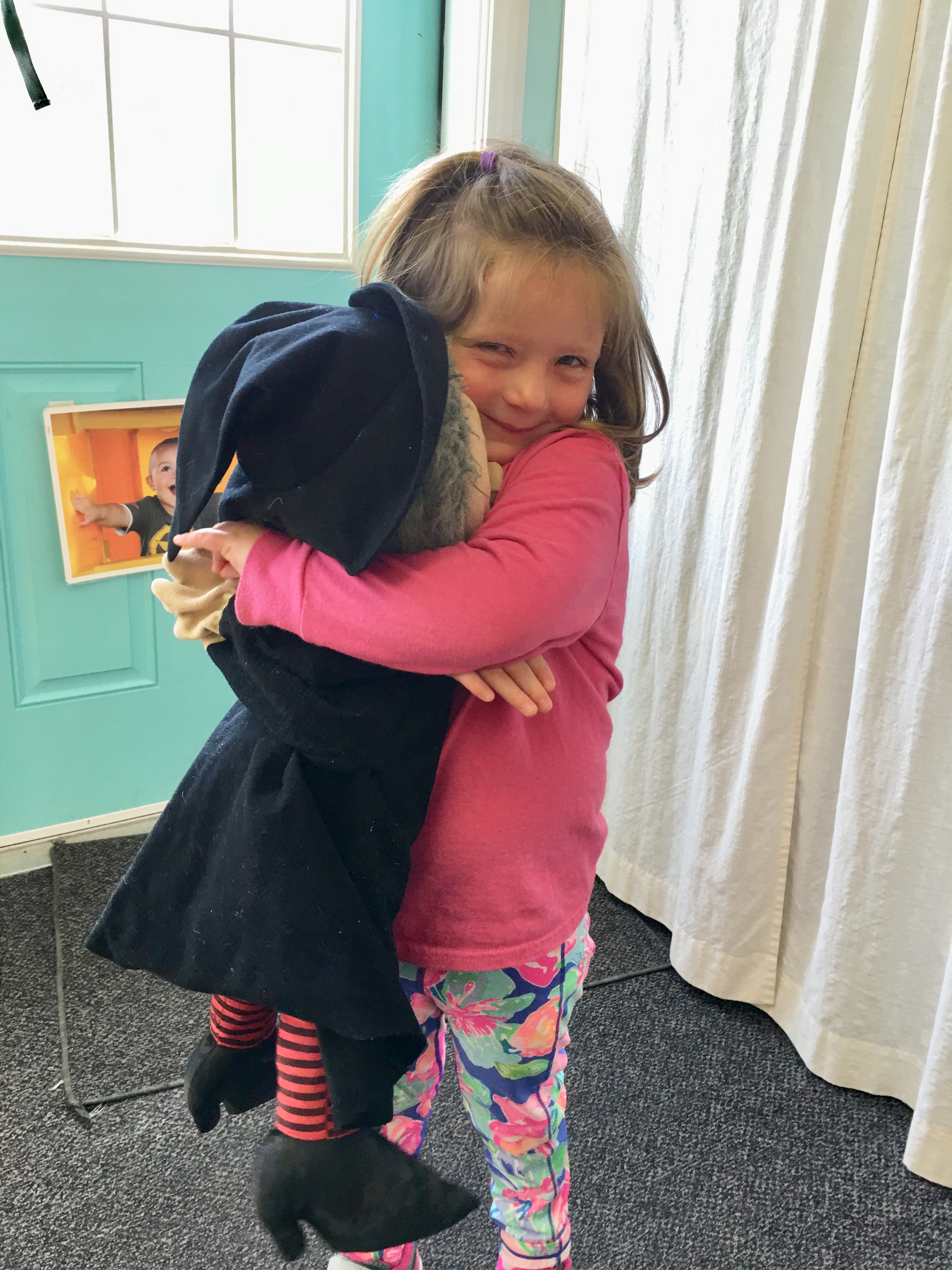
The incredible journey of her quilts began with Gloria, who has a Peace Quilt of her own.  Gloria is Milly’s best friend, and does more for teaching children about kindness and peace than any other person.  After all, even though she may not look pretty, and likes to wear black all the time, it’s what’s on the inside that counts.  The children know that and befriend Gloria (who goes home most every weekend with a child).

Thank you, Gloria, for being you, and for sharing your Peace Quilt.  Thank you, Milly, for being you, and for sharing your amazing quilting and your big heart with the children.  Happy Birthday!

Jennie
Posted in Diversity, Early Education, Kindness, Peace, quilting | Tagged , , , , , | 38 Comments

The Heart of My Old Books

My dear old books have witnessed decades of children carefully listening to their words.  They have made children laugh, feel scared, ask hundreds of questions, and come to understand the heart of well-written words and a good story.  Words are a treasure.  Today those words fell onto the floor.

“Jennie, the pages fell out.  You need a new book.”

Oh, no!  Never.  Those yellow and brown pages have lived.  My reading their words have made them come alive, over and over again.  Like a grandparent telling a story, their words have sprinkled gold dust onto children.

I just finished chapter reading Little House in the Big Woods, by Laura Ingalls Wilder.  Today I began to read-aloud the next book in the series, Little House on The Prairie.  Laura and her family move from the little house in the woods of Wisconsin.  We loved that little house and her family.  I read:

“So they all went away from the little log house.  The shutters were over the windows, so the little house could not see them go.  It stayed there inside the log fence, behind the two big oak trees that in summertime had made green roofs for Mary and Laura to play under.  And that was the last of the little house.”

I read those words slowly.  I read them quietly.  The little house was saying goodbye.  Forever.  When I looked at the children, every child was sitting up, staring, and not saying a word.  Their eyes said it all.  Or perhaps it was the silence.  With that paragraph, those gold dust words, the memories and stories of all that had happened in Little House in the Big Woods came rushing like a flood.

We stopped.  We talked.  We read more, and a new adventure was beginning.

My old books had yet another day of their words coming alive for children.  I often wonder if those books have eyes and ears, and squirrel away what the children say.  Do they feel what the children feel?  It seems so, because every time I read, there is something new- it’s a sense that I get.  I think the books are wise.  No, I wouldn’t trade old and yellow and brown books with pages falling out, for anything.  Their words are magic.

Jennie
Posted in chapter reading, Early Education, Imagination, reading, reading aloud, storytelling | Tagged , , , , , | 57 Comments

Quotations on Perseverance

charles french words reading and writing

Angelou_at_Clinton_inauguration

(https://en.wikipedia.org)

“You may encounter many defeats, but you must not be defeated. In fact, it may be necessary to encounter the defeats, so you can know who you are, what you can rise from, how you can still come out of it.”

                                                                   Maya Angelou

Franklin_Delano_Roosevelt_1933

(https://en.wikipedia.org)

“When you come to the end of your rope, tie a knot and hang on.”

                                                                  Franklin D. Roosevelt

theodore-roosevelt-393205_960_720

(https://pixabay.com)

“Courage is not having the strength to go on; it is going on when you don’t have the strength.”

                                                                  Theodore Roosevelt

View original post

Posted in Uncategorized | 19 Comments

Isabelle’s Story

I read-aloud at the library; great literature and a captive audience of children. Isabelle is part of my book group that includes first and second graders.  As the year has progressed she has grown from shy and quiet to relaxed and chatty.  Isabelle has never missed my reading aloud.  I have a theory about that, but I’m jumping ahead.  This is Isabelle’s story:

Our current read-aloud book is The Story of Doctor Dolittle by Hugh Lofting.  This week we read about travelling to the sick monkeys in Africa.  When I read the sentence, “They always had plenty to eat and drink, because Chee-Chee and Polynesia knew all the different kinds of fruits and vegetables that grow in the jungle, and where to find them…” Isabelle said, “I ate wonderful fruit in Bali.”

I knew Isabelle had lived in Bali.  But, this was different.  The way she said it, talking about the fruit, was a child remembering something important.  I knew there was more, much more.  So, I interviewed Isabelle.  Pen and paper in hand (Isabelle thought that was very cool), I simply asked, “Tell me about Bali.”  These are her exact words:

“I went to my first preschool there.  There were three sets of twins, Milo and Pablo, Rocco and his brother, and I can’t remember the other names.

Snake fruit is curvy and thin and sweet.  It has a red end that looks like a snake tongue.  Star fruit is yellow and shaped like a star.  You have to peel the skin off.  It tastes so, so good!  There’s an orange type with a cold, cold, cold taste which makes it taste like ice cream.

Annaque was my first best friend there.  Our house had an upstairs with lizards that would fall from the ceiling.  The ants would carry the dead lizards away.  The alive lizards would eat the ants.  Downstairs had a lot of bugs.  Both the lizards and the bugs stole our food.”

At this point I cannot write fast enough, and I am the one making comments.  The tables are turned; Isabelle is the storyteller and I am her captive audience.  And yes, all of her story is true, like the monkeys and the forest… well, you have to keep reading.

“Very rarely we got a monkey in our house.  We gave it fruit- it wanted fruit.  It loved bananas!  Sometimes it played in the bathtub and messed up the bed.  There was a pool outside.  Everyone has a pool.  Monkeys drink pool water.

A Monkey Forest was there.  It had monkey statues, real monkeys, and apes. There were a few snub-nosed monkeys, a few red-faced monkeys, and a lot of chimpanzees.  They didn’t name it “Ape and Monkey Forest” because they thought apes were monkeys.

Annaque’s house was in the monkey forest.  She had a full house, an upstairs and a downstairs.  She brought monkeys to me for me to pet.”

Really?  Yes, really.  I am listening to every word, and my imagination is in a monkey forest, and a big downstairs with lizards and ants, alive and dead.

“There are a lot of Blessings in Bali.  A lot.  They took rocks and put them with flowers to make Blessings.  Giving thanks.”

A crystal clear memory and detailed descriptions, with language and vocabulary that are remarkably impressive for a child.  Isabelle is a lover of books and reading.  My theory?  Reading-aloud has made the difference.  It is far more than pleasure and imagination; it is the single most guarantor of academic success in school.  Isabelle is well on her way.  I am so glad she told me her story!

Jennie
Posted in chapter reading, Early Education, reading, reading aloud, storytelling, Teaching young children | Tagged , , , , , , | 63 Comments

The Best of Jim Trelease

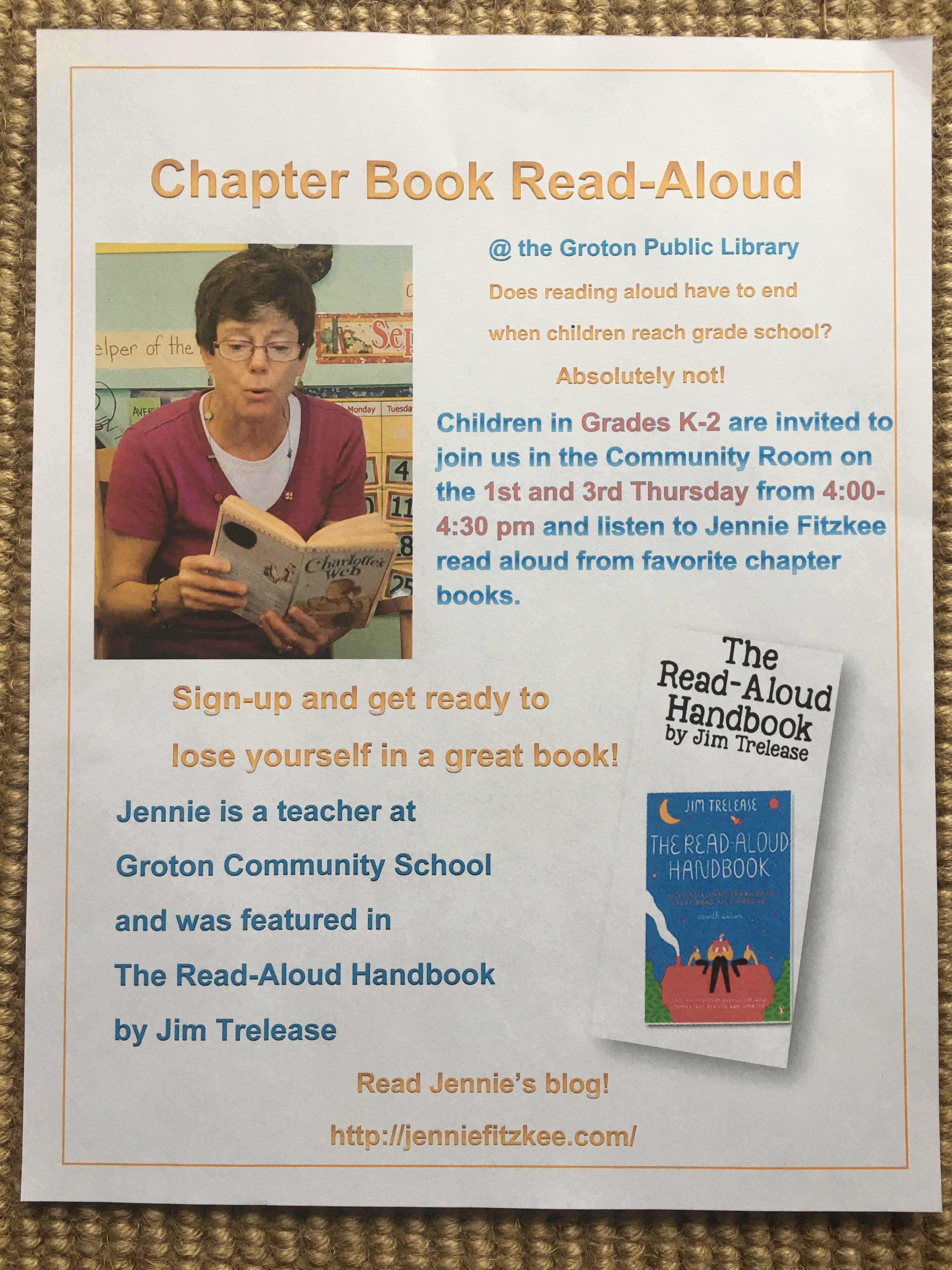
I love a good story, especially one that involves reading aloud and the stunning difference it makes with children.  Here is a favorite story of mine, from the million-copy best selling book, The Read-Aloud Handbook by Jim Trelease:

“During his ten years as principal of Boston’s Solomon Lewenberg Middle School, Thomas P. O’Neill Jr. and his faculty proved it.  The pride of Boston’s junior high schools during the 1950s and early 1960s, Lewenberg subsequently suffered the ravages of urban decay, and by 1984, with the lowest academic record and Boston teachers calling it the “looney bin” instead of Lewenberg, the school was earmarked for closing.  But first, Boston officials would give it one last chance.

The reins were handed over to O’Neill, an upbeat, first-year principal and former high school English teacher whose experience there had taught him to “sell” the pleasures and importance of reading.

The first thing he did was abolish the school’s intercom system.  (“As a teacher I’d always sworn someday I’d rip the thing off the wall.  Now I could do it legally.”)  He then set about establishing structure, routine, and discipline.  “That’s the easy part.  What happens after is the important part–reading.  It’s the key element in the curriculum.  IBM can teach our graduates to work the machine, but we have to teach them how to read the manual.”  In O’Neill’s first year, sustained silent reading (see chapter 5) was instituted for nearly four hundred pupils and faculty for the last ten minutes of the day, during which everyone in the school read for pleasure.  Each teacher (and administrator) was assigned a room–much to the consternation of some who felt those last ten minutes could be better used to clean up the shop or gym.  “Prove to me on paper,” O’Neill challenged them, “that you are busier than I am, and I’ll give you back the ten minutes to clean.”  He had no takers.

Within a year, critics became supporters and the school was relishing the quiet time that ended the day.  The books that had been started during SSR were often still being read by students filing out to buses–in stark contrast to former dismissal scenes that bordered on chaos.

The next challenge was to ensure that each sixth-, seventh-, and eighth-grade student not only saw an adult reading each day but also heard one.  Faculty members were assigned a classroom and the school day began with ten minutes of reading aloud, to complement the silent ending at the end of the day.  Soon reading aloud began to inspire awareness, and new titles sprouted during SSR.  In effect, the faculty was doing what the great art schools have always done: providing life models from which to draw.

In the first year, Lewenberg’s scores were up; in the second year, not only did the scores climb but so, too, did student enrollment in response to the school’s new reputation.

Three years later, in 1988, Lewenberg’s 570 students had the highest reading scores in the city of Boston, there was a fifteen page waiting list of children who wanted to attend, and O’Neill was portrayed in Time as a viable alternative to physical force in its cover story on Joe Clark, the bullhorn- and bat-toting principal from Paterson, New Jersey.

Today, Tom O’Neill is retired, but the ripple effect of his work has reached shores that not even his great optimism would have anticipated.  In the early 1990s, a junior high school civics teacher in Japan, Hiroshi Hayashi, read the Japanese edition of The Read-Aloud Handbook.  Intrigued by the concept of SSR and Tom O’Neill’s example, he immediately decided to apply it to his own school.  (Contrary to what most Americans believe, not all Japanese public school students are single-minded overachievers, and many are rebellious or reluctant readers–if they are readers at all.)  Although SSR was a foreign concept to Japanese secondary education, Hayashi saw quick results in his junior high school with just ten minutes at the start of the morning.  Unwilling to keep his enthusiasm to himself, he spent the next two years sending forty thousand handwritten postcards to administrators in Japanese public schools, urging them to visit his school and adopt the concept.  His personal crusade has won accolades from even faculty skeptics:  By 2006, more than 3,500 Japanese schools were using SSR to begin their day.”

Used by permission of the author, Jim Trelease, 2013, The Read-Aloud Handbook (Penguin)

These are the stories that make me continue to read aloud to children.  It is THE single most important thing I do in my classroom.  Children love it, read on their own throughout the day, and excel in school.  Not only am I growing readers, I’m opening the door to the world for them.  And, they jump in with both feet.

Jennie
Posted in chapter reading, Early Education, Jim Trelease, picture books, reading, reading aloud, storytelling, Teaching young children | Tagged , , , , , , , | 18 Comments

Fragment of the Day – The Love of Books

Posted in Uncategorized | 12 Comments

Beyond Telling a Story

I tell stories.  It began many years ago during lunchtime in my classroom with my preschoolers.  I told a story about my childhood, The Peanut Man, which has become a classic story that children beg for, along with at least fourteen other stories.  Yes, my stories actually have names.  Imagine that!

My storytelling grew.  They were all true, and every time I told a story I began with, “It happened like this”.  That phrase has now become a magnet.  When children hear those words, they are glued to my story.

Storytelling was also the start of my writing.  I began writing newsletters to the parents and families of my preschoolers.  I realized that telling children about my childhood adventures was as important as telling parents about the meaningful things that happened in my classroom.  Both mattered.  Both made a difference.  My writing grew tremendously because parents needed to know not only what was happening in the classroom, but why it was important.  I became a storyteller of sorts, in writing, for parents and families.

Then I had children write picture stories, encouraging them to express themselves and tell their own stories.  Children seem to change when we sit down together and I ask them to tell me their story.  They are empowered, so the stories they tell are really interesting and full of language.  Too many people underestimate children.  They have much to say!

Now, I realize that everyone has an important story to tell.  They just need to be asked.  Passing down oral history has been a mainstay since the beginning of mankind.  I have started to do just that.  Last week while traveling to Virginia, My husband and I stopped at a favorite pottery store close to the Bay Bridge Tunnel on the Eastern Shore.  I asked the shopkeeper to tell me his story…

Theany Tor grew up in Cambodia.  In 1975 at the age of thirteen, he and his family were in the middle of the Revolution, right in the heart of the crossfire.

“The Revolution was coming for the residents of the city.  My Dad heard men say about a meeting and handcuffing everybody.  He tell me, “They don’t take you and kill you.  They tell you to go to meeting in town.”  My Dad and older brother and older sister go to the meeting.  My Dad said to me, “Run!  Run!”  I run back home for one night and two days.  Then I go to the jungle.  My Dad was killed.  My older brothers and sister were killed.”

At this point in his story I was captivated, overwhelmed, touching history… you get the picture.  I asked questions, plenty of questions.  I asked Theany, “How long did you live in the jungle?”  Without hesitating he boldly answered,

“Three years, eight months, twenty days!”

I hardly knew what to say.  Clearly this was a most significant point in his life.  He pulled out postcards of Cambodia and wanted me to have them.

The photos were a link to his childhood.  He wanted to pass along his story.  I felt honored, and humbled.  Theany then said,

“I was a slave in the jungle.  I lived with other people.  We had to raise food to send to China.  Not for us to eat.  There was no education.  No medication.  I tried to come to U.S. in 1982, but was stuck in Tailand for six years.  Underground, you know.  It was 1989 before I came to America.”

That is the story of Theany Tor, a smiling, friendly man.  A shopkeeper.  He had a story to tell, as we all do.  I now have added “Tell me your story” to my quest.  Oral history is alive in my world.

Jennie
Posted in Early Education, Learning About the World, storytelling, Teaching young children | Tagged , , , | 64 Comments

Quotations on Inspiration

charles french words reading and writing

pacifist-71445_960_720

(https://pixabay.com)

“Live as if you were to die tomorrow. Learn as if you were to live forever.”
                                                                    Mahatma Gandhi

albert-einstein-1165151_960_720

(https://pixabay.com)

“There are only two ways to live your life. One is as though nothing is a miracle. The other is as though everything is a miracle.”

                                                                    Albert Einstein

theodore-roosevelt-393205_960_720

(https://pixabay.com)

“Do what you can, with what you have, where you are.”

                                                                   Theodore Roosevelt

View original post

Posted in Uncategorized | 22 Comments

Learn From A Cat

Posted in Uncategorized | 7 Comments