Before Smartphones and Computers Kids Had Real Fun

The best learning takes place outdoors, where children have to figure things out on their own. No parents or teachers to guide them. This is critical, divergent thinking. That is what astronauts need. So do artists and writers, musicians and scientists, doctors and teachers. Thinking outside of the box, using your hands, and having fun are the skills children need to learn and succeed. All those elements come alive in the greatest classroom of all — the outdoors.
Posted in Uncategorized | 24 Comments

The Art Show Begins

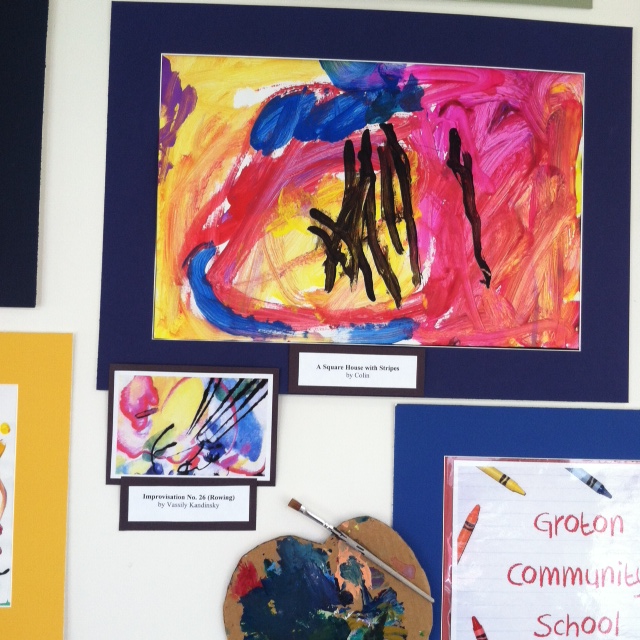
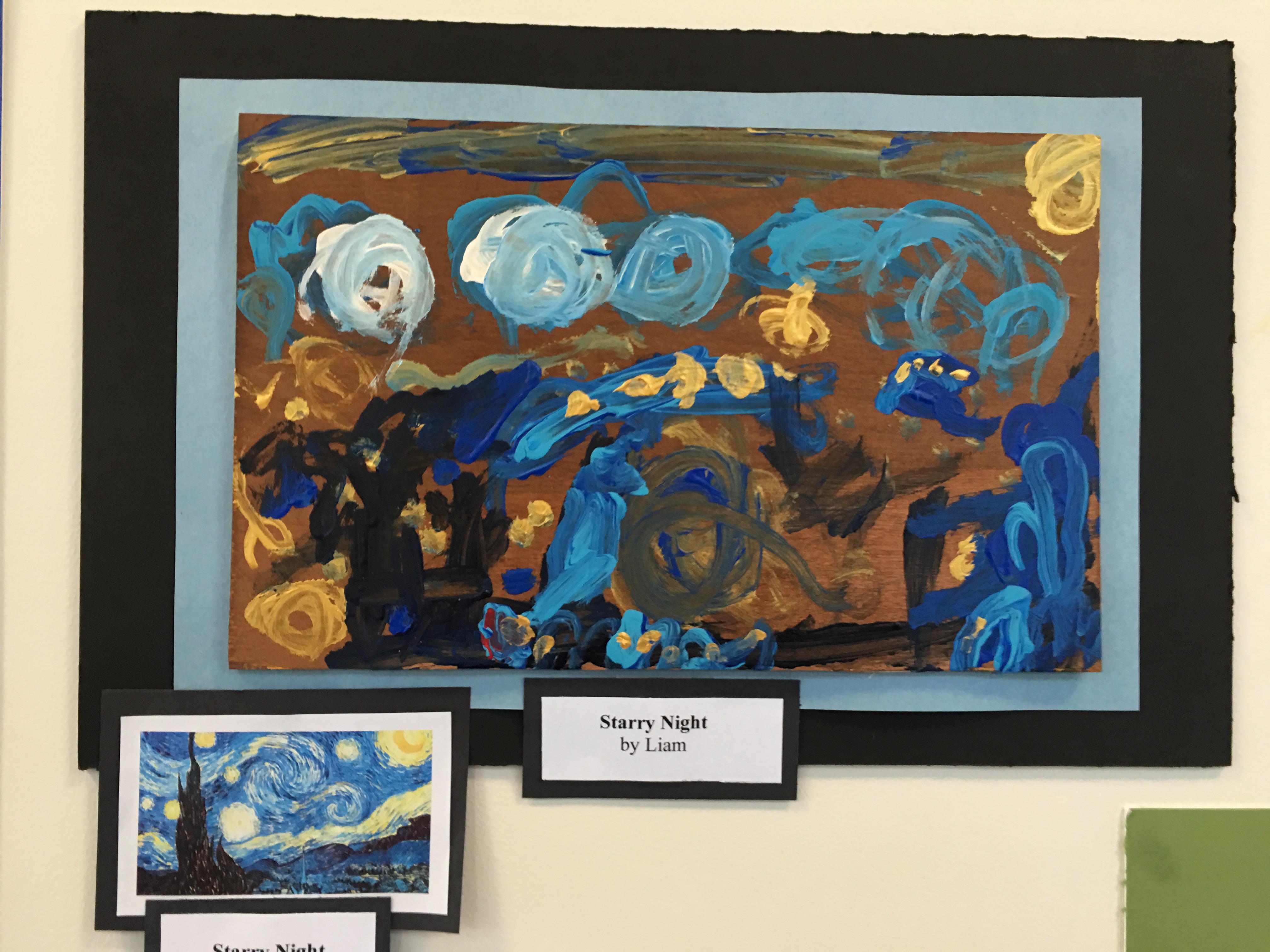
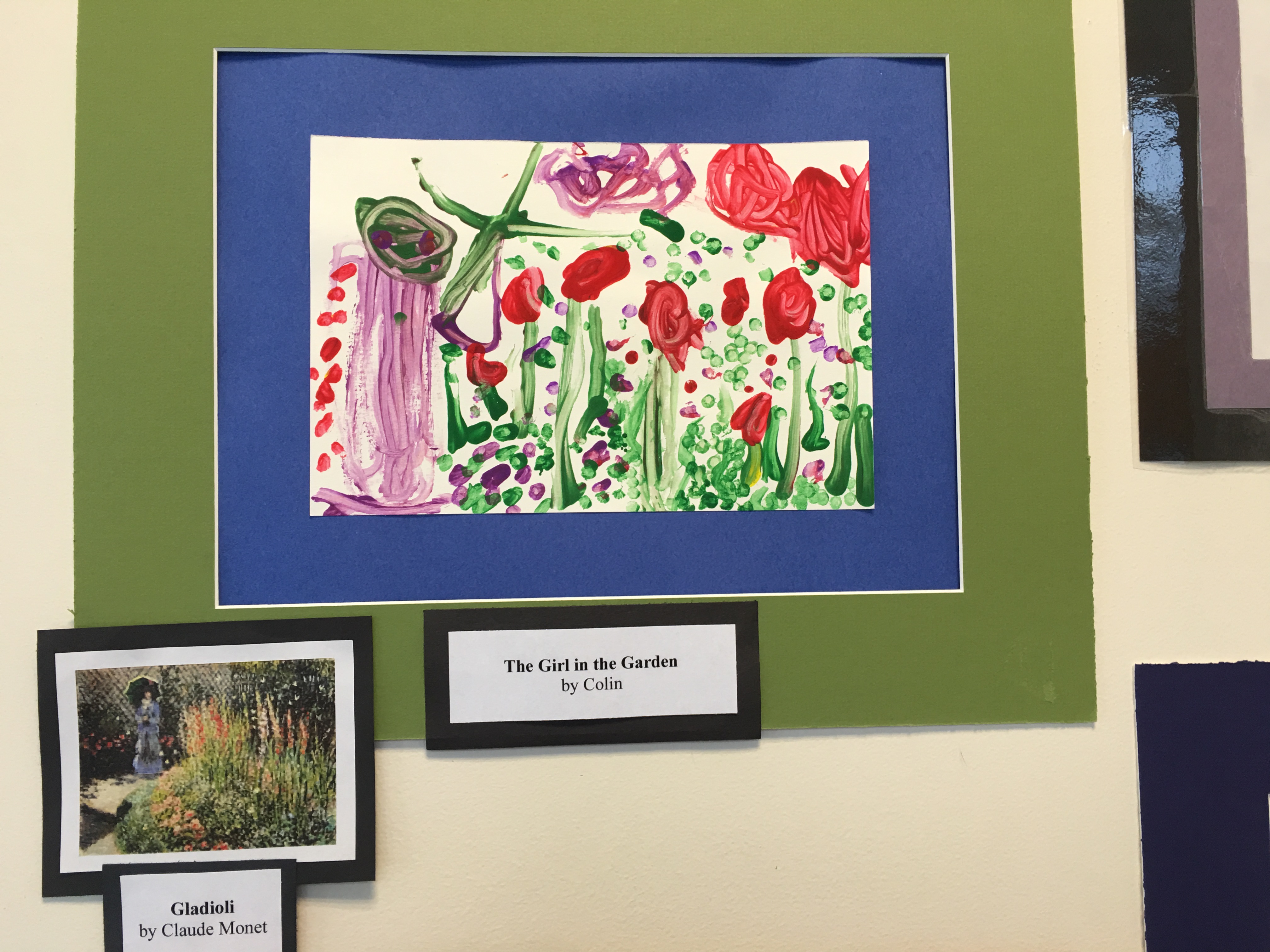
Next week we begin in earnest to prepare for our annual Art Show for the entire community. In past years children have painted major works of art.  I am never surprised when they love a piece of art.  I am always surprised at the results, their masterpieces.  They are remarkable.  Always.

Starry Night by Liam, from Vincent van Gogh’s Starry Night

The Girl in the Garden by Colin, from Claude Monet’s Gladioli

Replicating the art of Vassily Kandinsky

How can this be, with preschoolers?  How can a four-year-old see, understand, and have the passion to create?

It begins with looking at art, really studying and talking about what they see.  I ask so many questions.  We just look and talk, together.  Sometimes I say, “Oh, my!” Or “Wow!” and stop.  Children jump at the chance to say something.  That is when they begin to see.  Children have open minds; they have not been encumbered with the ideas of others.  Their minds are sponges and their hearts are open.  Therefore, art is exciting.  It creates an “I can” attitude.  Nothing is impossible.  Or should I say anything is possible.

When I show children art, I often stop to say, “Miles, you could paint that!”  As I do this with art, children cross the bridge from liking to I can.  The next step is to allow them to paint anything they want, give them real paints and tools, and let them work on their painting over and over again.  After all, a masterpiece was not made in a day.

When a child feels satisfied that their art is complete, it is framed in a mat and unveiled.  That is when a child names their masterpiece.  Giving a title validates how important their work is.  This is the grand finale before the art is displayed.

I can’t wait to begin next week and see what children create.

Jennie

Posted in art, Early Education, Imagination, Teaching young children | Tagged , , , , , , , | 42 Comments

Why Do Play Performances?

Paying attention to children and what they like is the key to their greatest learning experiences.  It’s called emergent curriculum, and this is much like how it happens:

“Imagine being on a quest with a group of children, walking through the woods, and suddenly discovering something shiny on the ground.  You pause to look, brush away the dirt and leaves, and uncover a hatch.  You stop, knowing the excitement is just the beginning, and ask questions.  Oh, those “W” questions lead to hours of wondering and predictions.  At last, you open the hatch and discover there is no darkness.  There is light and a beautiful stairway, leading to the joy of learning.”

In order for emergent curriculum to happen like this, I have to be open and let my instincts be my guide.  Of course, it is the children who always start the ball rolling.  And, a play performance can often be that shiny hatch, what the children want when they are involved in learning.

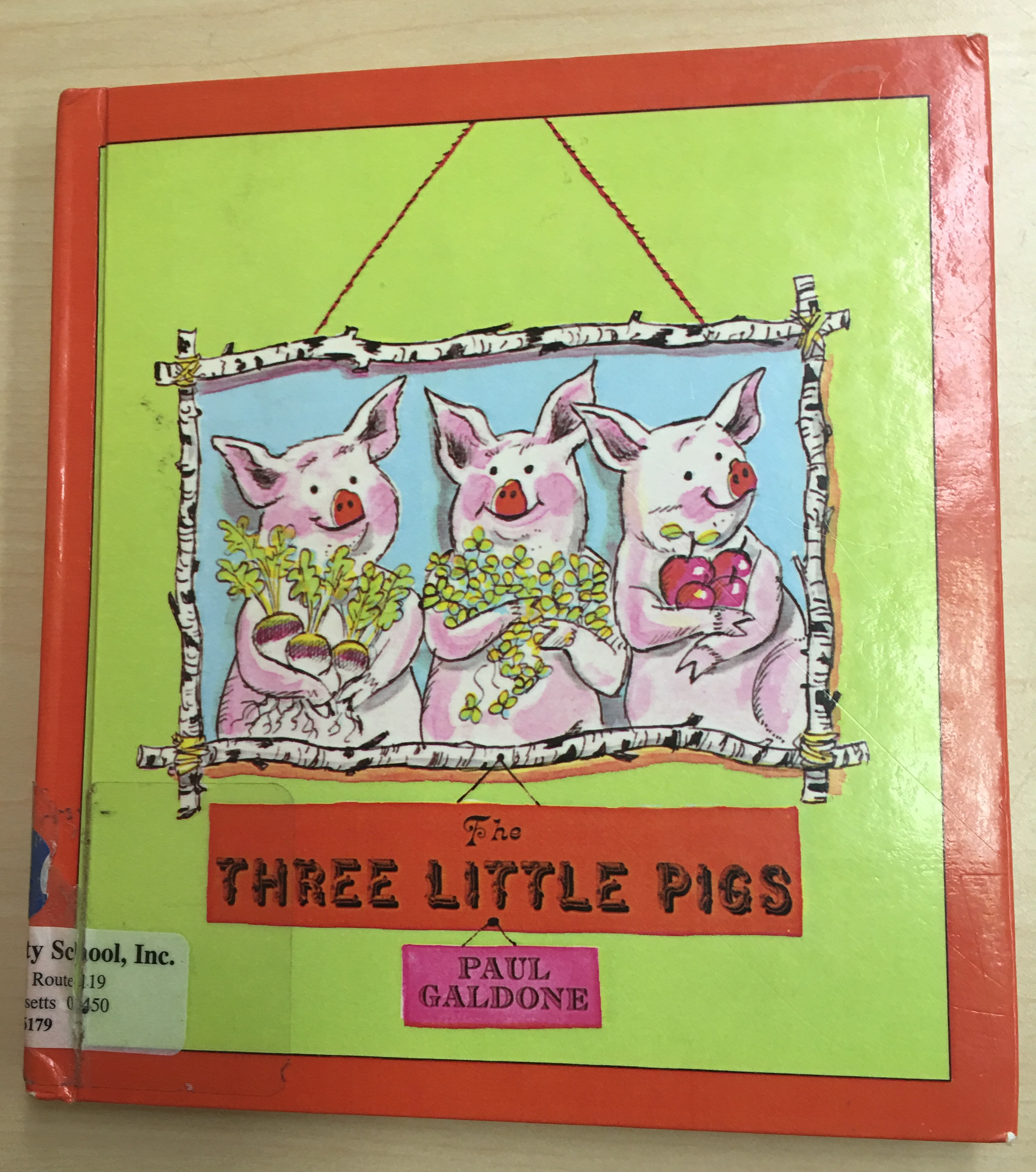
We studied Fairy Tales recently; reading stories, telling stories, writing stories, using props, learning about different characters.  The children deemed Goldilocks a “not-listener”.  They were right.  We then voted on the Fairy Tales we liked the best, and one was The Three Little Pigs.

The children were interested in the story and the characters.  After reading different versions, we debated on what the wolf really did.  Did he eat the pigs, or did each pig rush to the house of his brother when the wolf was huffing-and-puffing?  Hands down, the popular choice was the pigs running away.  So, the only thing left to do, in order to make this thinking and studying work, was to become the characters ourselves.  That meant a play performance.

After all, isn’t that what a good book ultimately does?  The reader becomes the characters.

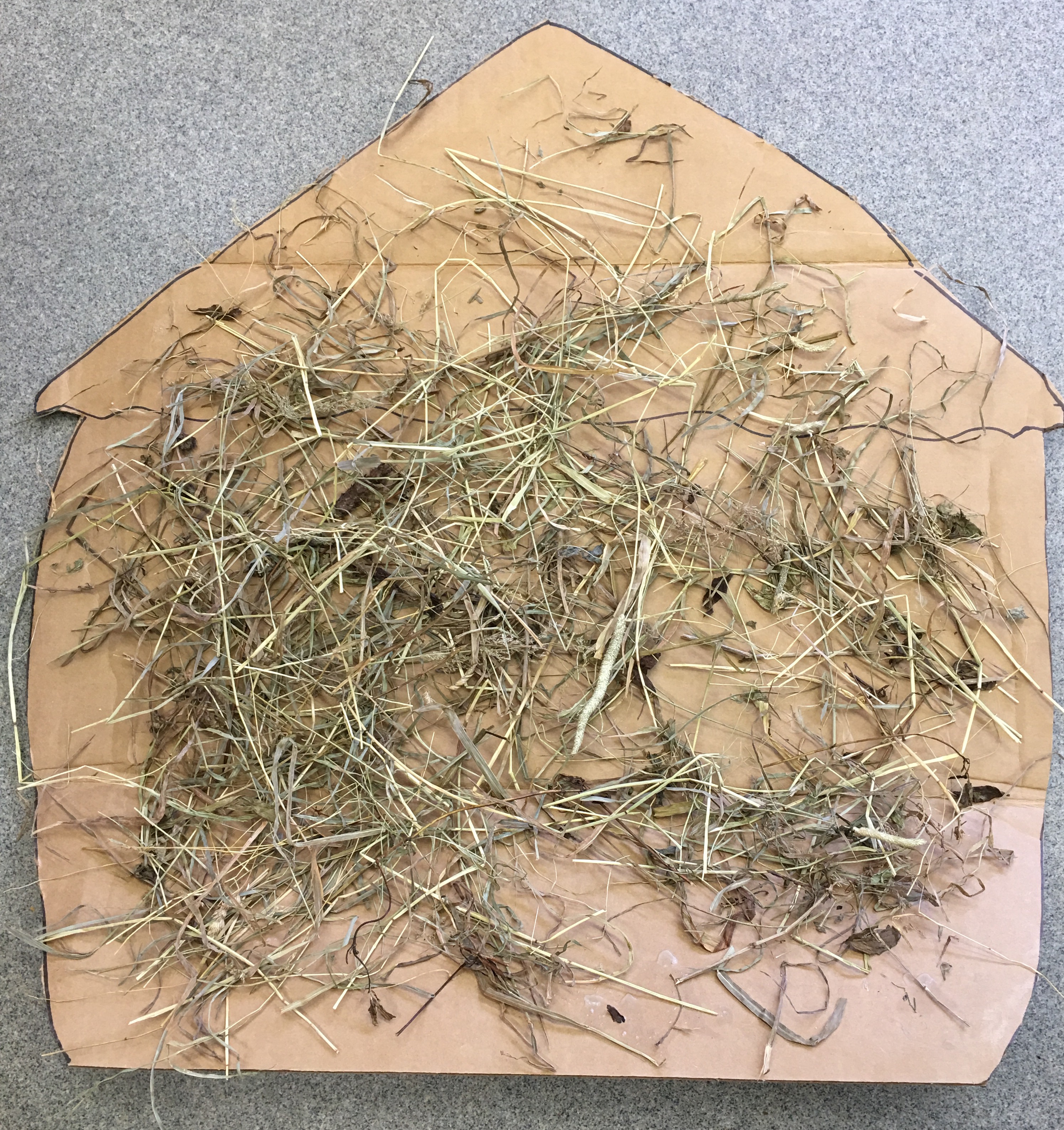
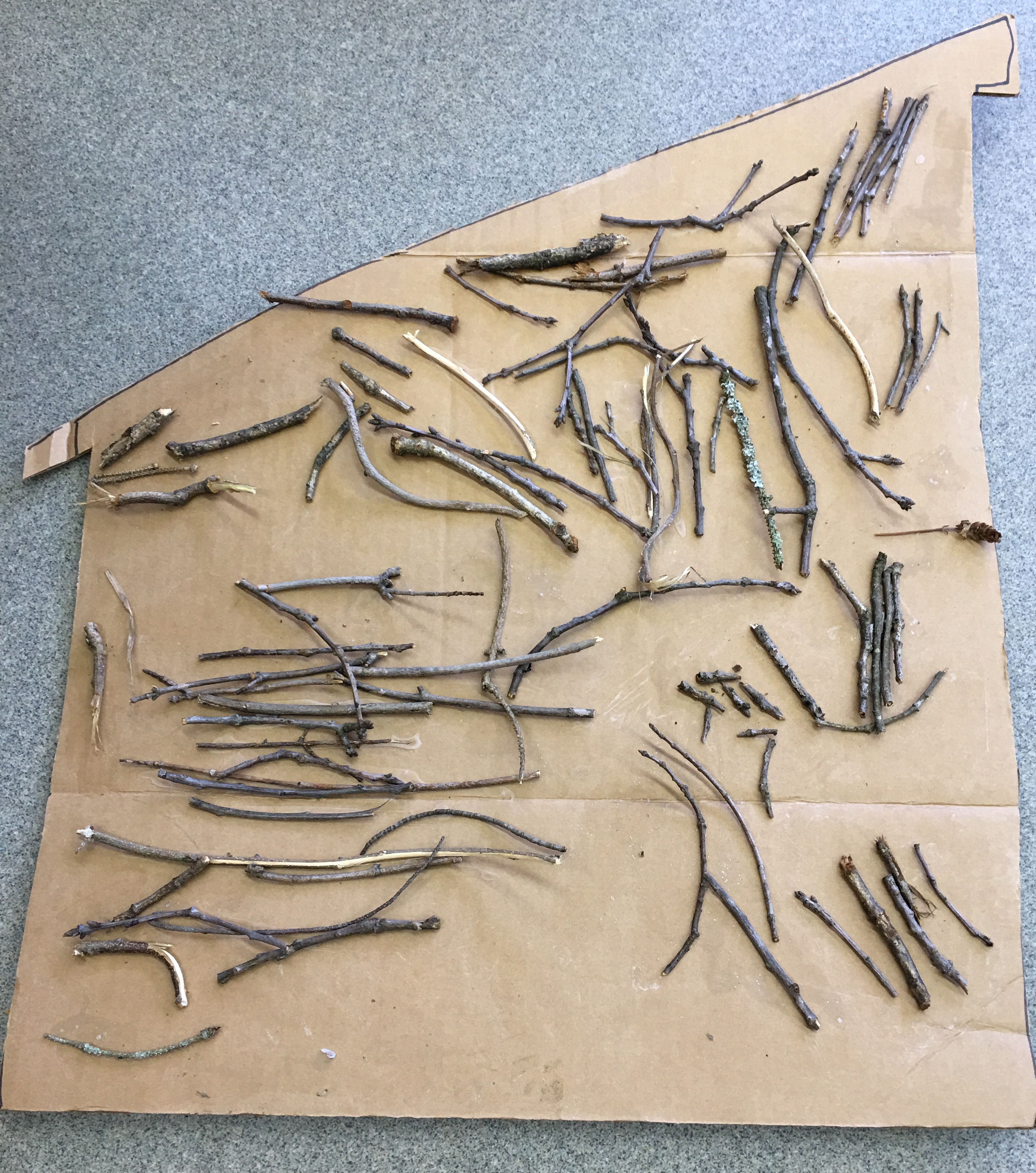
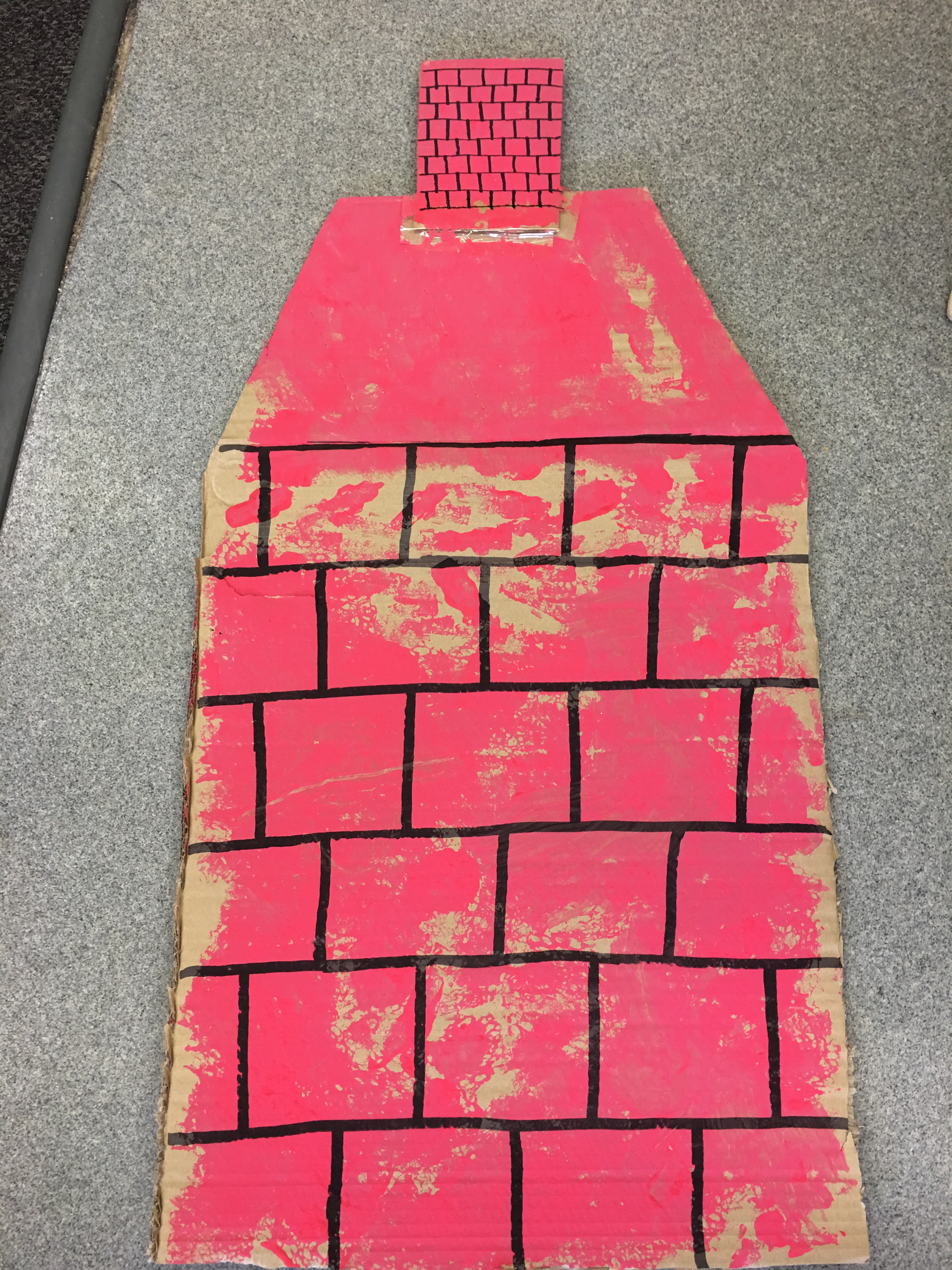
Costumes?  Oh, no.  The only thing we needed were the pig’s houses.


We placed the straw house and the stick house atop our classroom tables, and the brick house alongside our loft.  Children chose to be pigs, wolves, and sellers.  Then, I stood back and watched amazing things happen.

Jayden, one of the quiet and younger children, and only three-and-a-half years old, decided to be a seller.  When the pigs came to buy his straw, he belted out, “I don’t think that’s a good idea!”  When the next group of pigs came to buy his sticks, he said, “That is NOT a good idea”, with the confidence and determination of a real seller of sticks.  I could hardly believe it.

Wolves and pigs nailed the words they wanted to say, and became the characters.  Even the old sow, the mother pig, had a grand performance.

Why did this play work?  There were no costumes, no set lines to say, just the children wanting, needing to do this in order to go along that stairway in the light, under the hatch.

I have watched far too many plays with nervous children worrying if they mess-up their lines, and plays that focus on the costumes.  It makes me sad.  It has nothing to do with learning and developing self-esteem.  What do children really need to experience?  Self-esteem, bravery, and joy.  Those will be their foundation.  I know this to be true; it all started with Kevin…

Kevin was what teachers refer to as an “observer”, a child who watches others, usually at a bit of a distance.  He was painfully shy.  Even talking with his teachers was not easy for him.  Kevin was in my summer camp group, and we did a play performance at the end of each camp session.  Kevin decided he wanted to be a dog in the play.  We sneaked into the storage room so children could pick anything they wanted to make their own costume.  Kevin found a piece of brown card stock paper, cutting out a small triangle.

“It’s my tail”, he exclaimed with a satisfied look on his face. “Do you need anything else?” I asked.  “No, I’m all set.”

When the play began, Kevin walked onto that stage with tall shoulders and a big smile.  Of course, no one could see the tail, but that didn’t matter.  Kevin knew it was there.  He was terrific in the play.  We did another play, with children wanting to sing “The Star-Spangled Banner.”  That is one difficult song!  Yet, the group was sure, mainly because one boy was quite a gifted singer.  The plan was to have him in the front, and the other children behind him holding the American flag.  We practiced.  It worked.

As we lined up behind the curtain, ready for the play to begin, the boy panicked and refused to sing.  He was in tears.  Before I had a moment to help out, Kevin stepped forward and quietly announced he would sing.  Kevin!  He was wonderful.  The audience cried silent tears.

That’s what happens when children have the freedom to be, and the support to ‘just do it’.

Today Kevin is in a top college, a math and science guy.  He wears a big smile, and he has a knowing warmth about him, much like someone who has had a few life experiences under their belt.  He has, indeed.

Jennie

Posted in Early Education, Imagination, play performances, storytelling, Teaching young children | Tagged , , , , , | 24 Comments

A Few Quotations on Reading

These quotes on reading convey all that is important, and they say it so well.

frenchc1955's avatarcharles french words reading and writing

WAR AND CONFLICT BOOK
ERA:  CIVIL WAR/BACKGROUND: SLAVERY & ABOLITIONISM

https://commons.wikimedia.org)

“Once you learn to read, you will be forever free.”

                                                                  Frederick Douglass

Theodor_Seuss_Geisel_(01037v)

(https://en.wikiquote.org)

“You’re never too old,

   too wacky, too wild,

   to pick up a book

   and read to a child.”

                                                                  Dr. Seuss

J._K._Rowling_2010

(https://en.wikipedia.org)

“If you don’t like to read, you haven’t found the right book.”

                                                                 J.K. Rowling

View original post

Posted in Uncategorized | 20 Comments

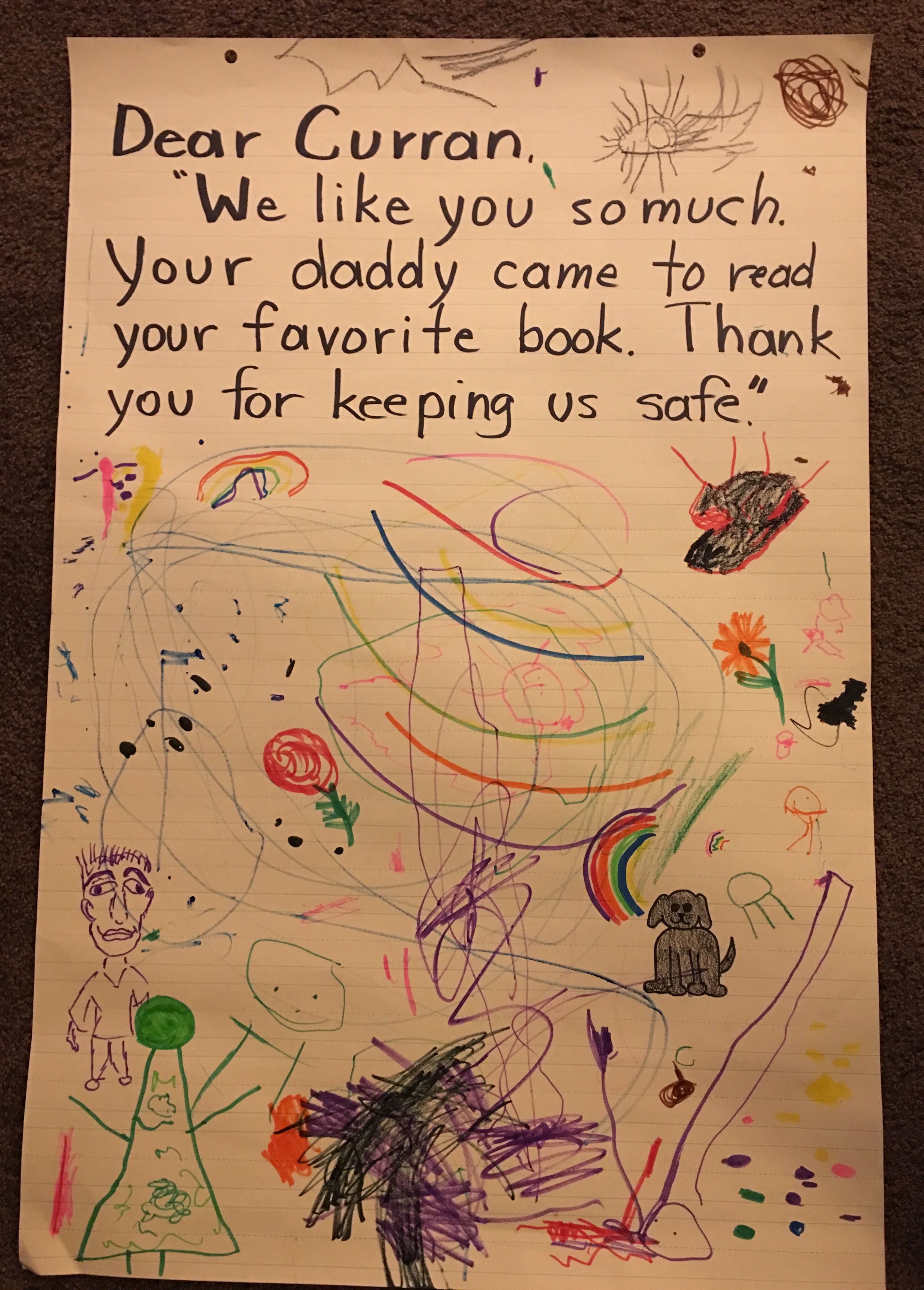
Thank You, Sergeant Curran, Our Pen-Pal

“Thank you.”  Those are the most fundamental words, next to “please”, that shape children’s character.  It is far more than manners; saying the words is one thing, doing the words is another.

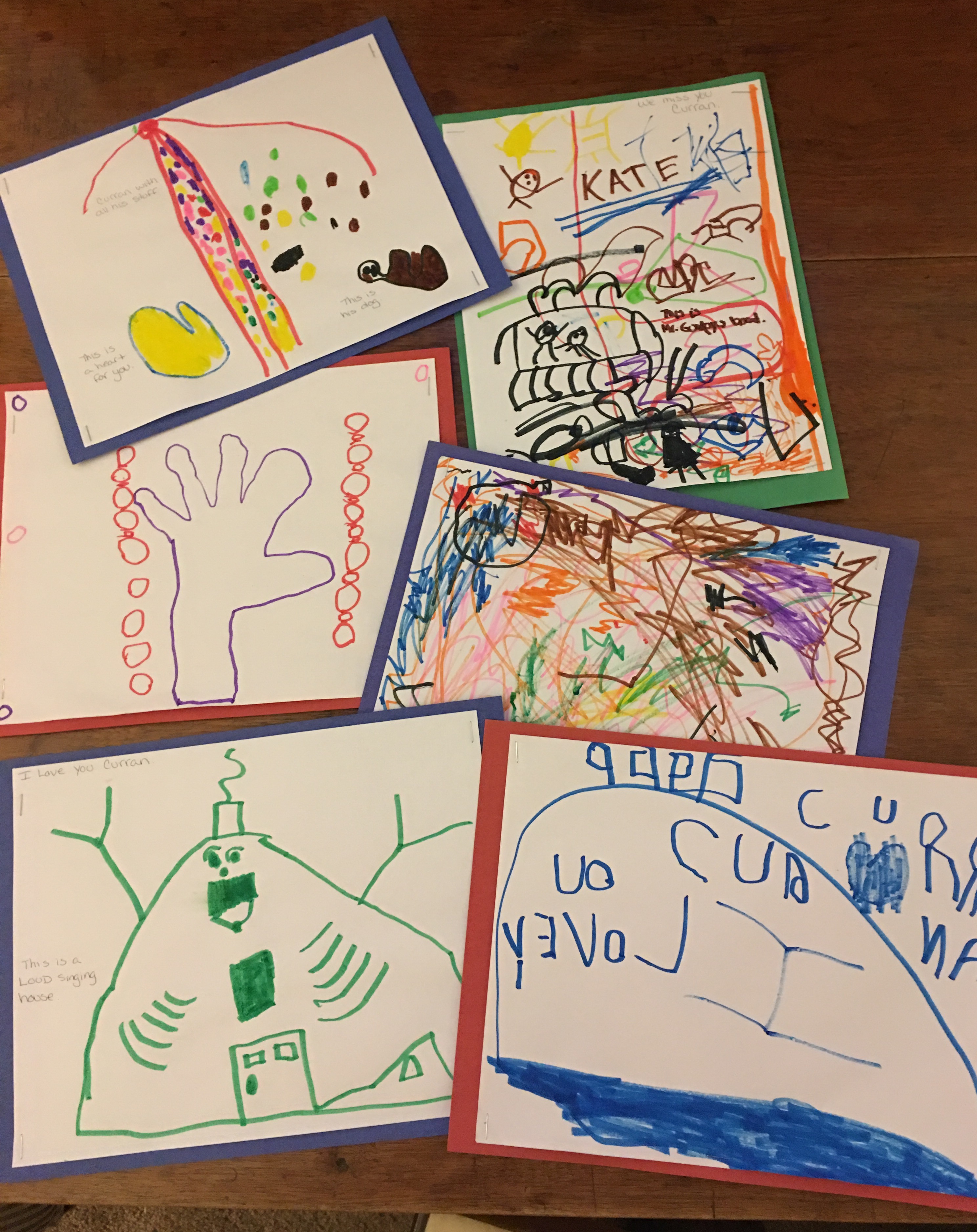
My class is thanking Sergeant Curran, stationed in Afghanistan.  We’re doing it the good, old fashioned way; writing letters and drawing pictures.  We are Pen-Pals!

For children, expressing their thoughts in words and drawings is age appropriate and very genuine.  That is exactly what we did for Curran.  After we wrote and decorated our big letter, we drew him individual pictures.

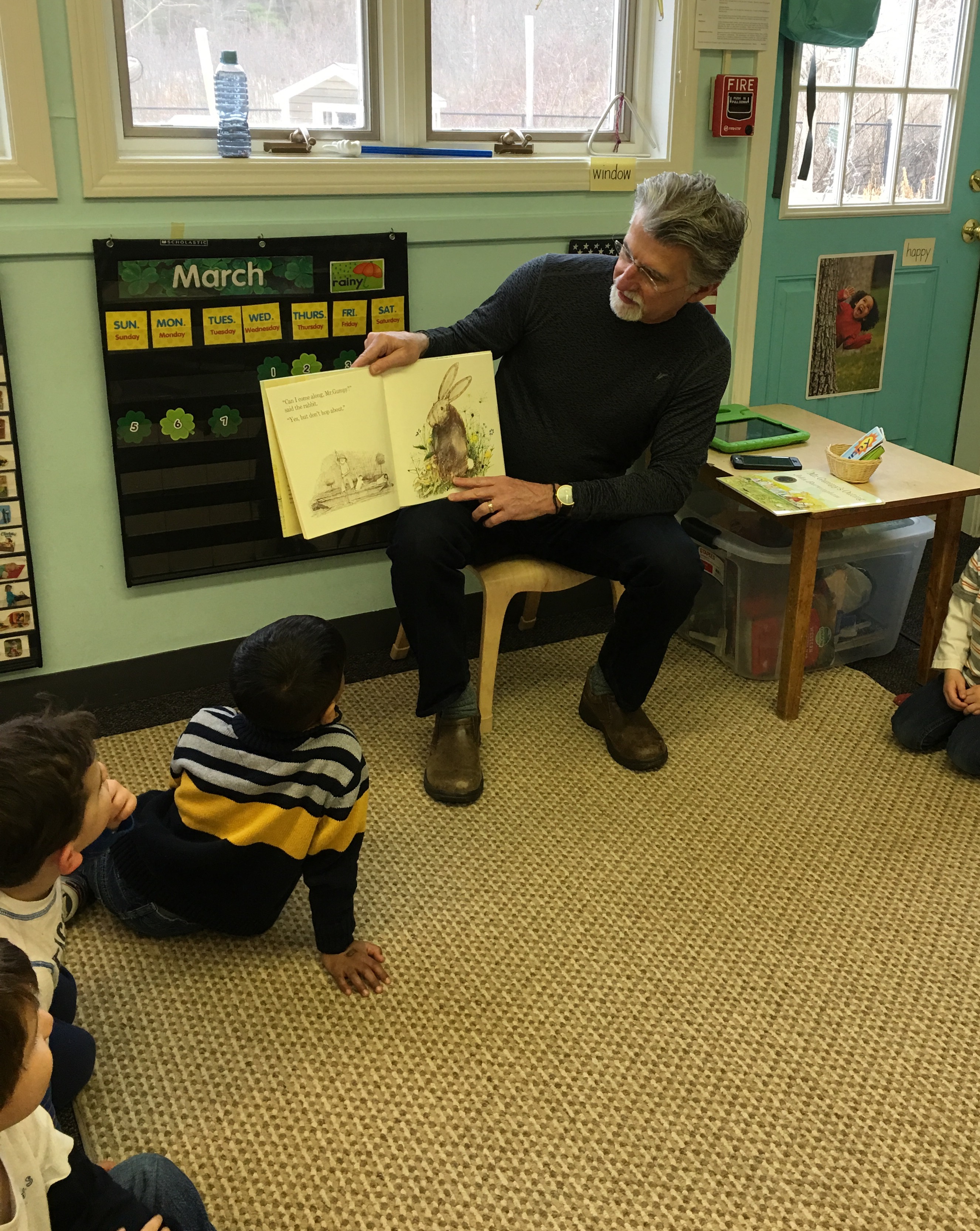
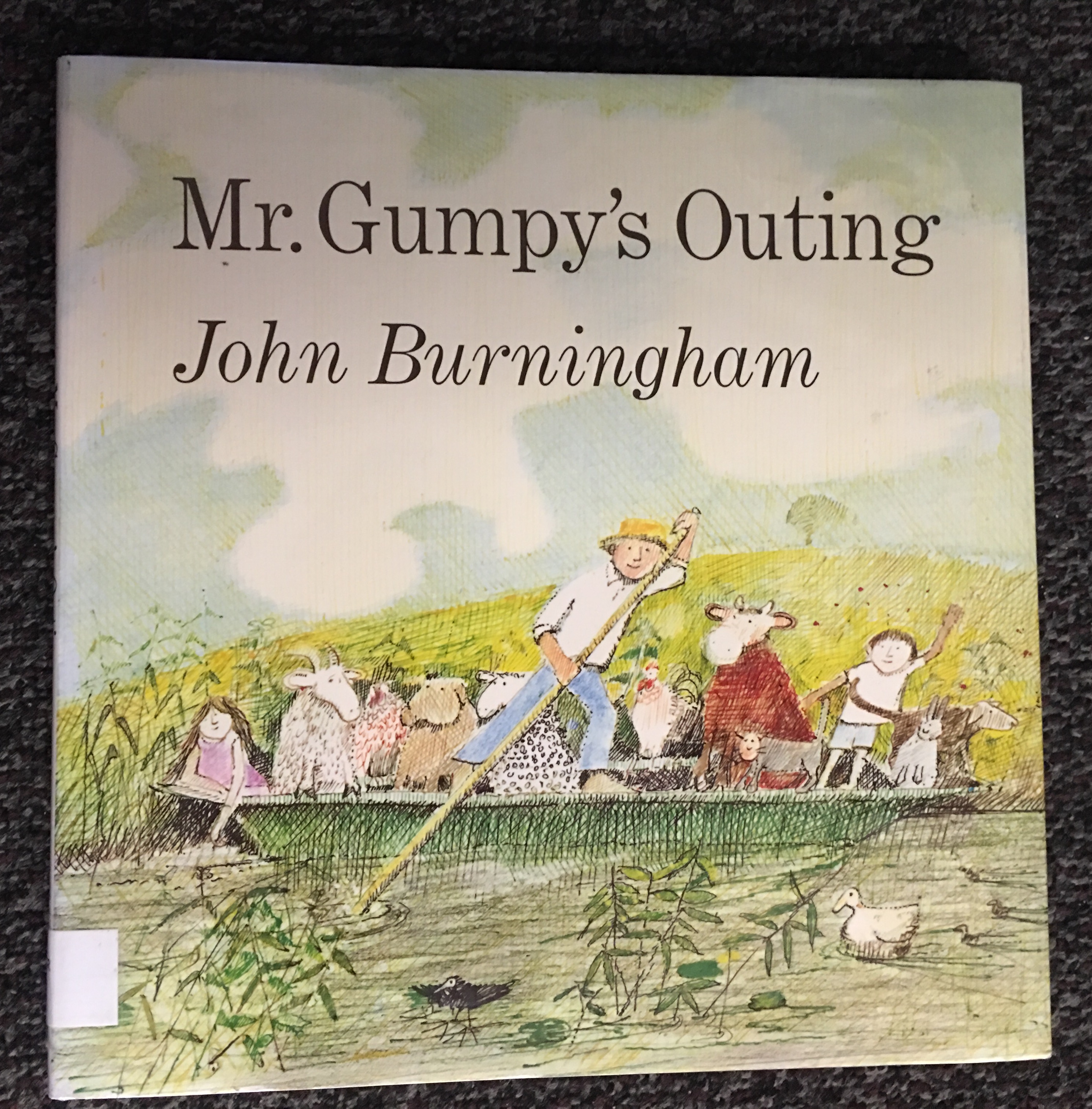
Children need to learn that kindness and thanks matter.  They need to learn about the big, wide world.  They need to learn about other people.  Curran is our Pen-Pal in the big, wide world.  When he was a little boy, his favorite book was Mr. Gumpy’s Outing, by John Burningham.  We love that book!  Curran’s dad came to school and read-aloud this book to the children.

This made Curran ‘come alive’ for the children.  Suddenly he was one of us.  Then, when we went to our big book atlas to find Afghanistan, it mattered.  Because Curran was there.  He is our Pen-Pal.

Saying “thank you” by doing acts of goodness makes children feel good.  They care, and want to do something.  By doing they are learning the most important things in life.

We will bake up a storm, then have a bake sale at school.  We’ll take the money we raise, walk to CVS, and let the children buy whatever they think Curran will want or need.  That will be a great care package!

Jennie

Posted in Early Education, Kindness, Learning About the World, patriotism, Teaching young children | Tagged , , , , , , | 48 Comments

Jim Trelease Quote, Reading and Writing, and a Journey of Teaching

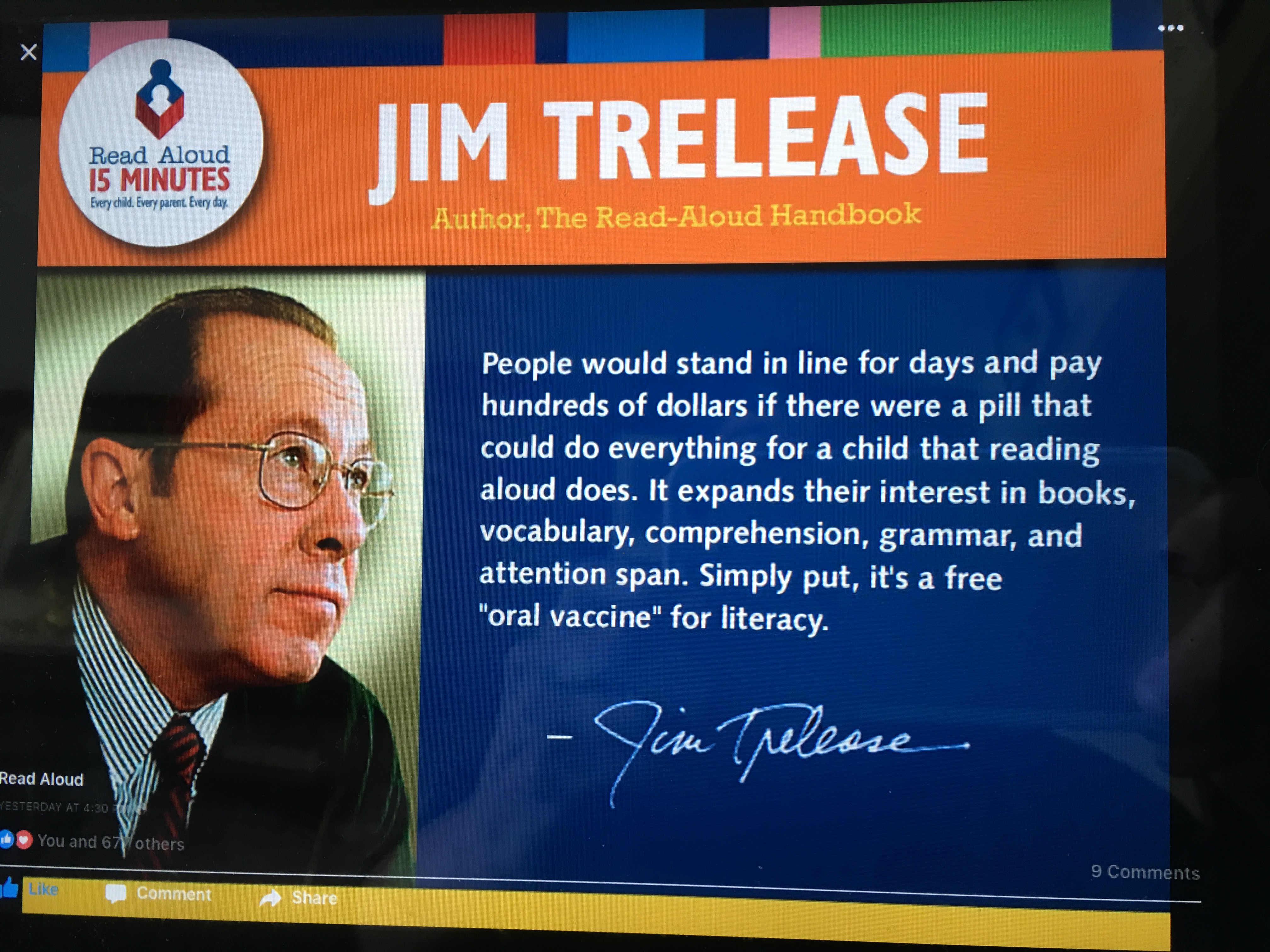
A great quote can pack as much power as a good book.  When both come together in one package, then you have it all.  That’s Jim Trelease.  That’s The Read-Aloud Handbook.

“People would stand in line for days and pay hundreds of dollars if there were a pill that could do everything for a child that reading aloud does.  It expands their interest in books, vocabulary, comprehension, grammar, and attention span.  Simply put, it’s a free “oral vaccine” for literacy.”

image

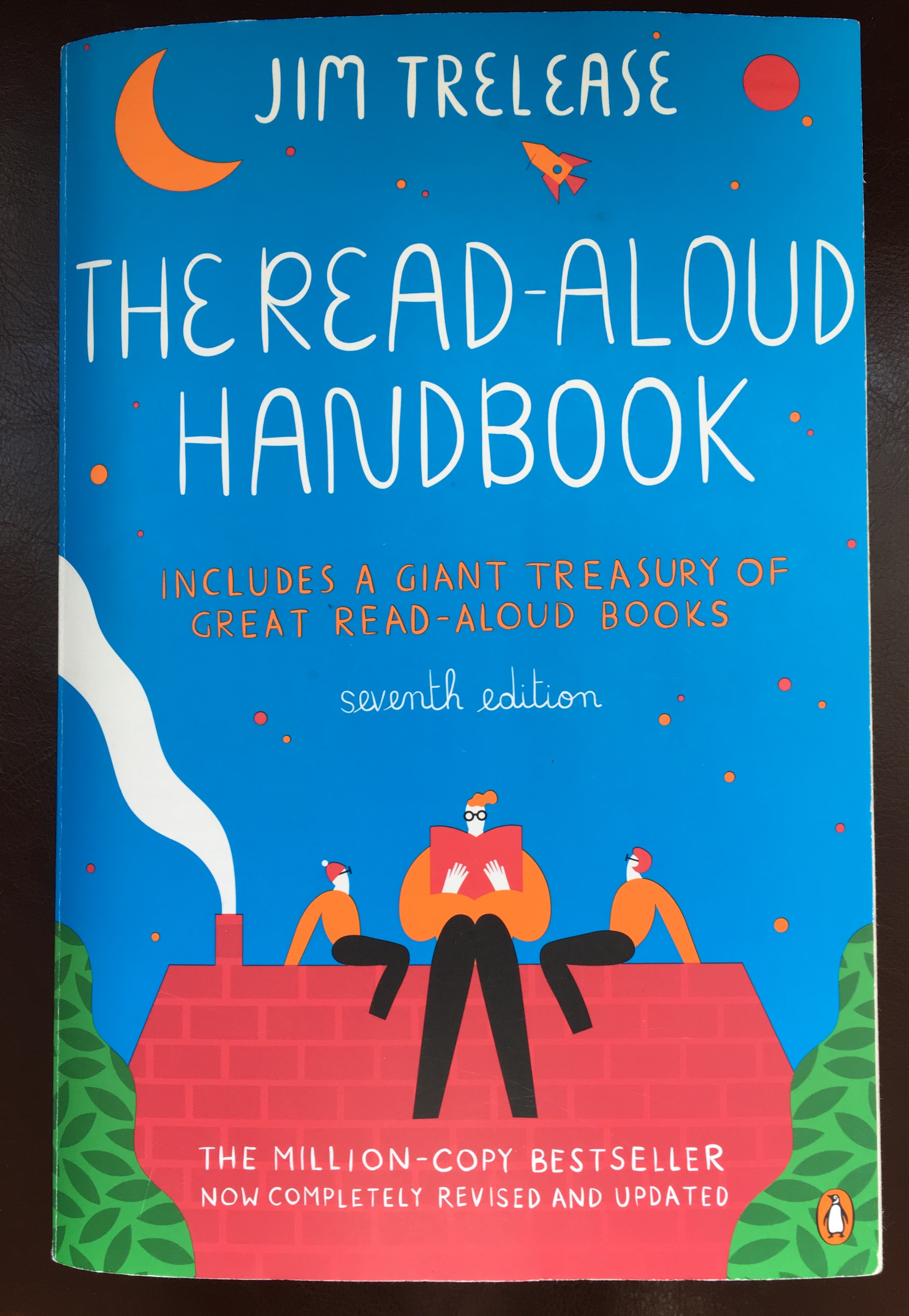
Yes, they would!  This author is, and always has always been, a strong advocate for reading aloud.  Fortunately, he is a terrific writer and researcher.  His million-copy bestselling book, The Read-Aloud Handbook, is now in it’s seventh edition.  It is packed with research that should make every parent and teacher run to the library.  It is also full of stories that bring reading aloud alive.  I have written two of these stories on my blog; “Reading Aloud Makes a Big Difference.  Here’s Proof” (11/23/2014) and “Reading Aloud; A Source of Making Cuban Cigars” (12/5/2015).  Please read, because you will be a glued as I was.

I love a good story.  Here is the story of how I came to be a reader and a writer.  More importantly, here is a story of making a difference in the education of young children.  It’s not about me, I just happened to be the educator who did all those important things.  Jim Trelease played a big role:

“It happened like this…” 

When my children were little, three things happened;  on our first trip to the library after moving to New England, my daughter saw Jumanji by Chris van Allsburg (fairly new at the time) on the book shelf and exclaimed, “That’s the book my kindergarten teacher read to us!”  That began my love of our library and Gerry, the librarian who always knew just the right book for any child.  Next, I began teaching preschool, and my head teacher handed me Swimmy by Leo Lionni and asked if I would read aloud to the children every day.  Finally, a fellow teacher put a book in my hands, The Read-Aloud Handbook by Jim Trelease.

I call this a hat trick, or more accurately a grand slam (because those three home runs led to reading and writing).

Over the next few decades it was obvious to me that reading aloud made the biggest difference in the lives of children.  Not only did they learn and become good students (and readers), they were always drawn to books.  And, I was, too.  The more I read to them, the more I became excited and engaged in the stories.  I began stopping to ask questions.  It became common to have long conversations about new vocabulary words and about the subtleties  of morality, not to mention  all the ‘W’ questions.  Reading had become far more than reading.  It had become the foundation for my teaching, and the link to everything I taught in the classroom.  There was always a book handy to give children both the visual and the auditory tools of learning.  Books cemented my curriculum.

I wrote newsletters to parents.  All the teachers were required to do so, and that is a good thing.  Then, I would include a paragraph about what happened in the classroom, what we read, or how we learned something new.  That’s when I began becoming a writer in earnest.  I wrote about our class pet dying, and why it was important for children to grieve and ask questions. I wrote about lunchtime conversations, geography using satellite maps, and of course about reading aloud.

I started chapter reading at rest time, and wrote even more newsletters to families.  Then I attended a teacher conference, and Jim Trelease was the keynote speaker.  I had (and loved) his book, so I looked forward to hearing him speak.  Well, I was thunderstruck.  His presentation was as good as his book.  Every word was electrifying.  I wanted to stand up and scream at the packed house of teachers and yell, “Are you listening to this man?  He’s telling you the most important things you will ever need to know.  Listen to him!”  They were listening, but not like I was.

When I returned to school, I wrote Jim Trelease a thank you letter and included one of my newsletters about chapter reading.  I wanted him to know that some teachers were doing exactly what he was teaching.  Time went by, and I received an email.  The seventh edition of The Read-Aloud Handbook was in the works, and could he possibly visit my classroom.  He did!  Yes, I’m in the book.  When I turned out the lights at chapter reading so each child could ‘make the pictures in their head’, he smiled.  He understood.

To this day, my gift to a new baby is a copy of Goodnight Moon, and a copy of The Read-Aloud Handbook to the parents.  Best gift any new parent could get.  Guaranteed!

Jennie

This post was originally published May 1, 2016.

image

Posted in Early Education, Imagination, picture books, reading, reading aloud, Teaching young children | Tagged , , , , , , , , | 38 Comments

Almost Got Him…

Children do indeed help us. Through them, we find our heart and see what is truly important. Yes, that is what it means to be human.

mitchteemley's avatarMitch Teemley

Just a hare more.

boy-helps-rabbits

Is there anything more uselessly useful than when children “help”?  They do help us, though. We help them to become adults, and they help us to become children again. Which is what it means to be human.

“Children are the only really living people.” ~Kenneth Grahame (The Wind in the Willows)

View original post

Posted in Uncategorized | 13 Comments

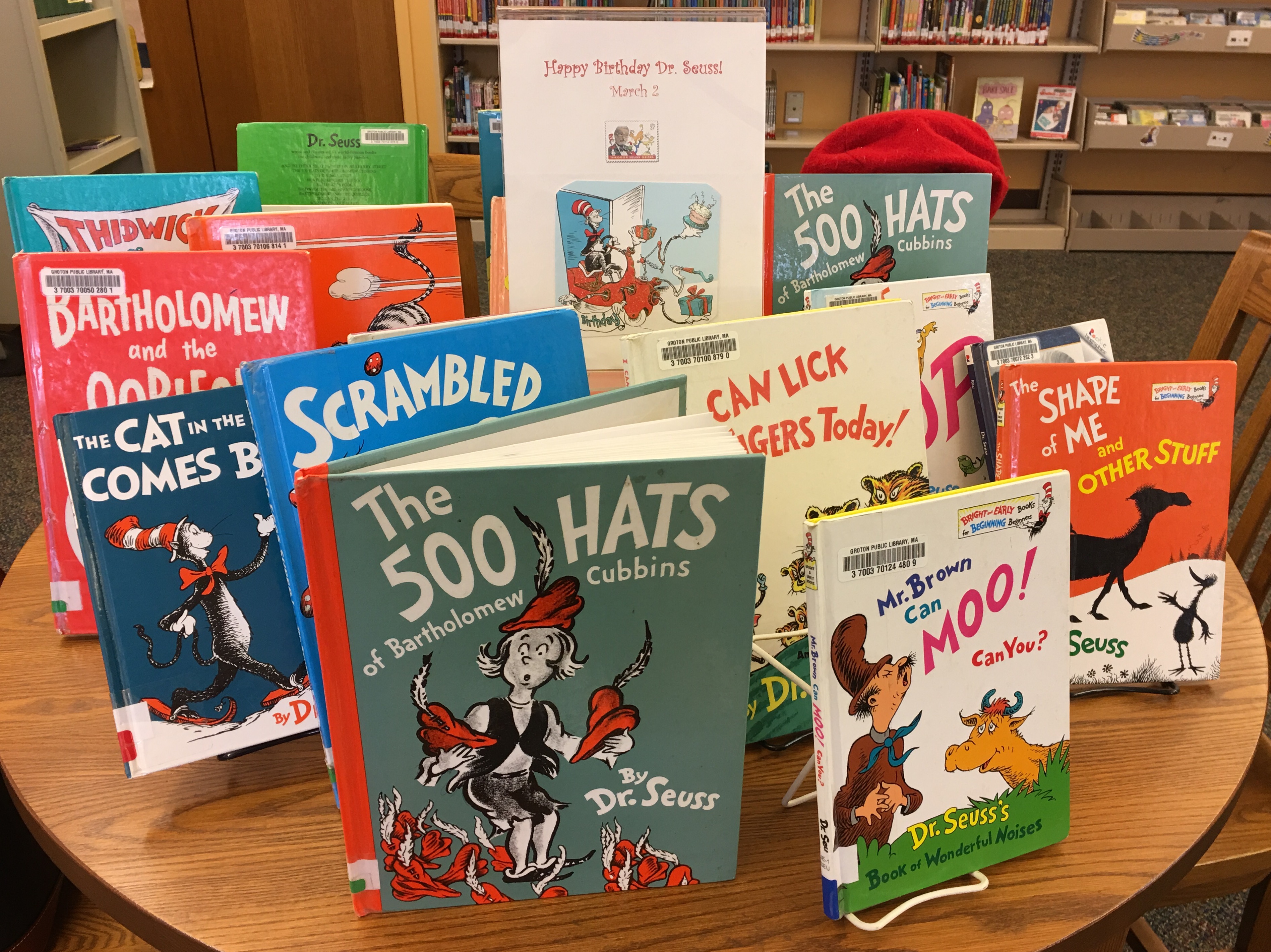
Happy Birthday, Dr. Seuss

“The more that you read, the more things you will know. The more that you learn, the more places you’ll go,” -Dr. Seuss-

image


Today Dr. Seuss would have been one-hundred-and-thirteen years old. His books continue to be popular with children. Most importantly, they have taught, dare I say millions, of children to read. The text is rhyming and full of imaginary characters. No wonder these books never go out of print or out of style.

My children learned how to read with Green Eggs and Ham. Once they mastered recognizing “Sam I am”, the world of reading opened wide.  And, what a wonderful world it was.

Some years ago a parent asked me to write a message to her child in the Dr. Seuss Book, Oh, the Places You’ll Go!   This was her plan:

Jennie, you’re his first teacher.  I will ask  you, and every teacher he has through high school, to write a message in this book.  It will become his high school graduation present.

Oh my goodness.  What a terrific idea, and what a powerful gift to your eighteen-year-old.This has since become popular for parents to do for their children.  Wonderful, considering the book and its theme.  Thank you, Dr. Seuss!

A funny Dr. Seuss story:  I read How the Grinch Stole Christmas.  Collin insisted that it was not the real story.  “Jennie, the grinch is white.  He’s supposed to be green.”  No matter how many times I talked about the book being first, before the movie, Collin had a hard time understanding a white grinch.

Happy Birthday, Dr. Seuss

Jennie

Posted in Early Education, picture books, reading, reading aloud, Teaching young children | Tagged , , , , , | 37 Comments

When a Fairy Tale is Not Enough

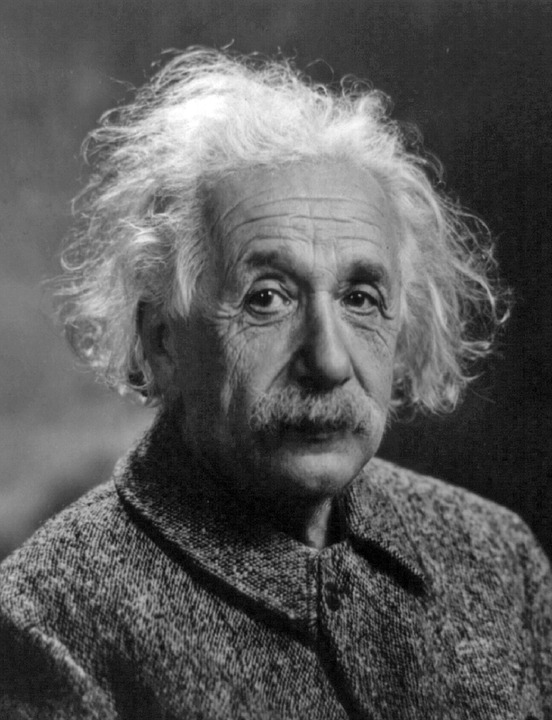
If you want your children to be intelligent, read them fairy tales.  If you want them to be more intelligent, read them more fairy tales. -Albert Einstein-

albert-einstein-401484_960_720

Fairy Tales are the root of storytelling.  They are also the most popular children’s books. No surprise at all!  I have been reading fairy tales for decades, and telling them, too.  Children can’t get enough, and I know why.

Fairy Tales give children the biggest and most important lessons in life; good vs evil, right vs wrong.  Every child wants to be a princess or a king or a dragon.  These timeless tales let children figure out ‘life’.  Yes, life.

There are bad guys and scary creatures in fairy tales.  Terrible things happen.  There are good guys; hens, bears, billy goats, boys, girls.  Good things happen.  That’s how children learn.  Well, that’s how they learn about the most important things in life.  Really.

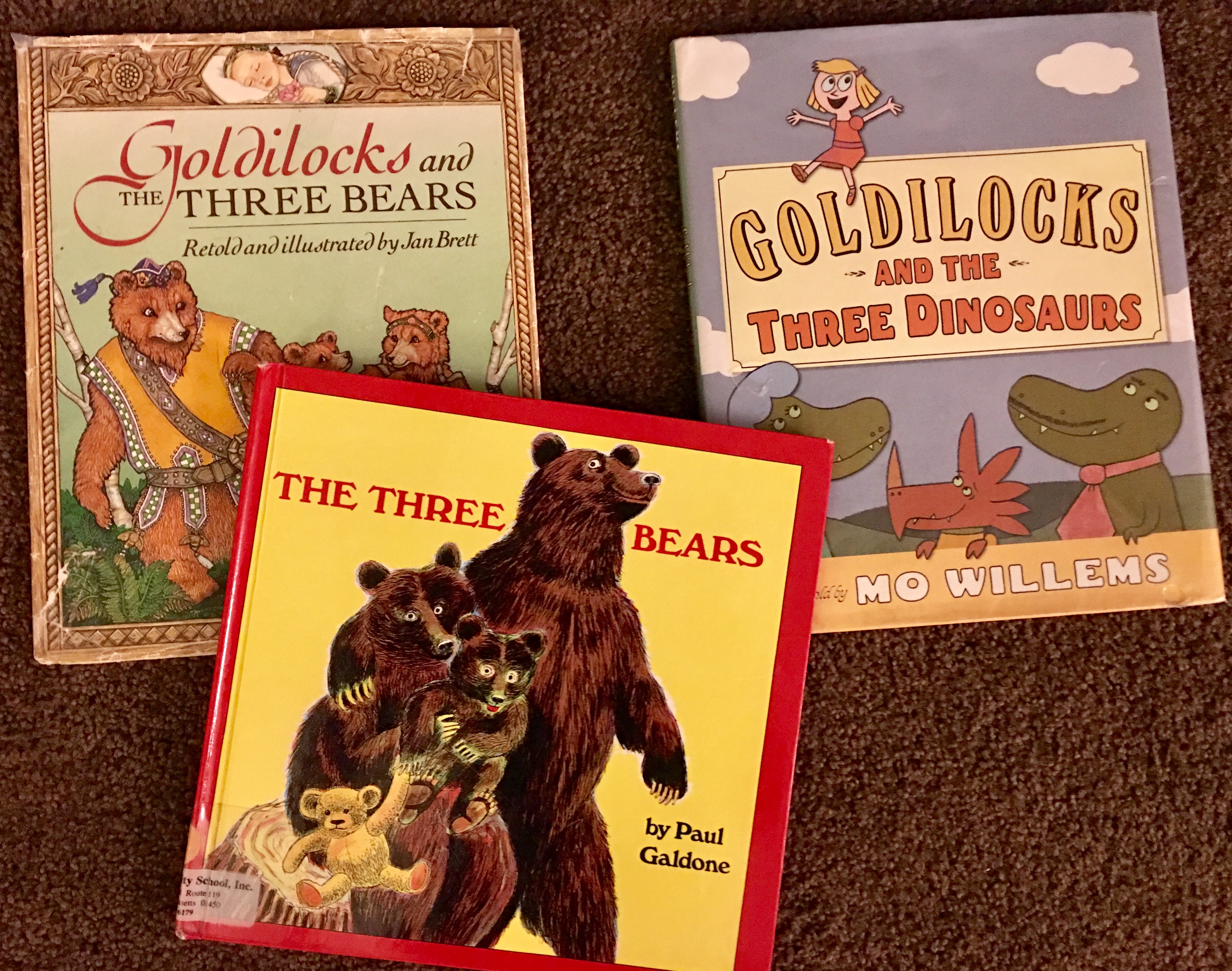
My class loves Goldilocks and the Three Bears.  We couldn’t get enough of this classic fairy tale.

img_2526

We read multiple versions, with books by Jan Brett and Paul Galdone being the favorites.  We debated Goldilocks; not if she was good or bad, but far more.  Why did she not listen to her mother and go into the house of the three bears?  She opened the door  on her own! The “W” questions (who, what, when, where, and also how) trigger the deepest discussions.  Oh, how I love seizing that moment.  When I read-aloud I stop.  All the time.  The best learning happens spontaneously.

I introduced humor, Mo Willems version, Goldilocks and the Three Dinosaurs.  Humor is sophisticated for young children, so reading this book after the other versions took them to a new level.  They ‘got it’.  The inside cover of the book was the icing on the cake, with each potential title crossed out, such as, “Goldilocks and the Three Alligators.”

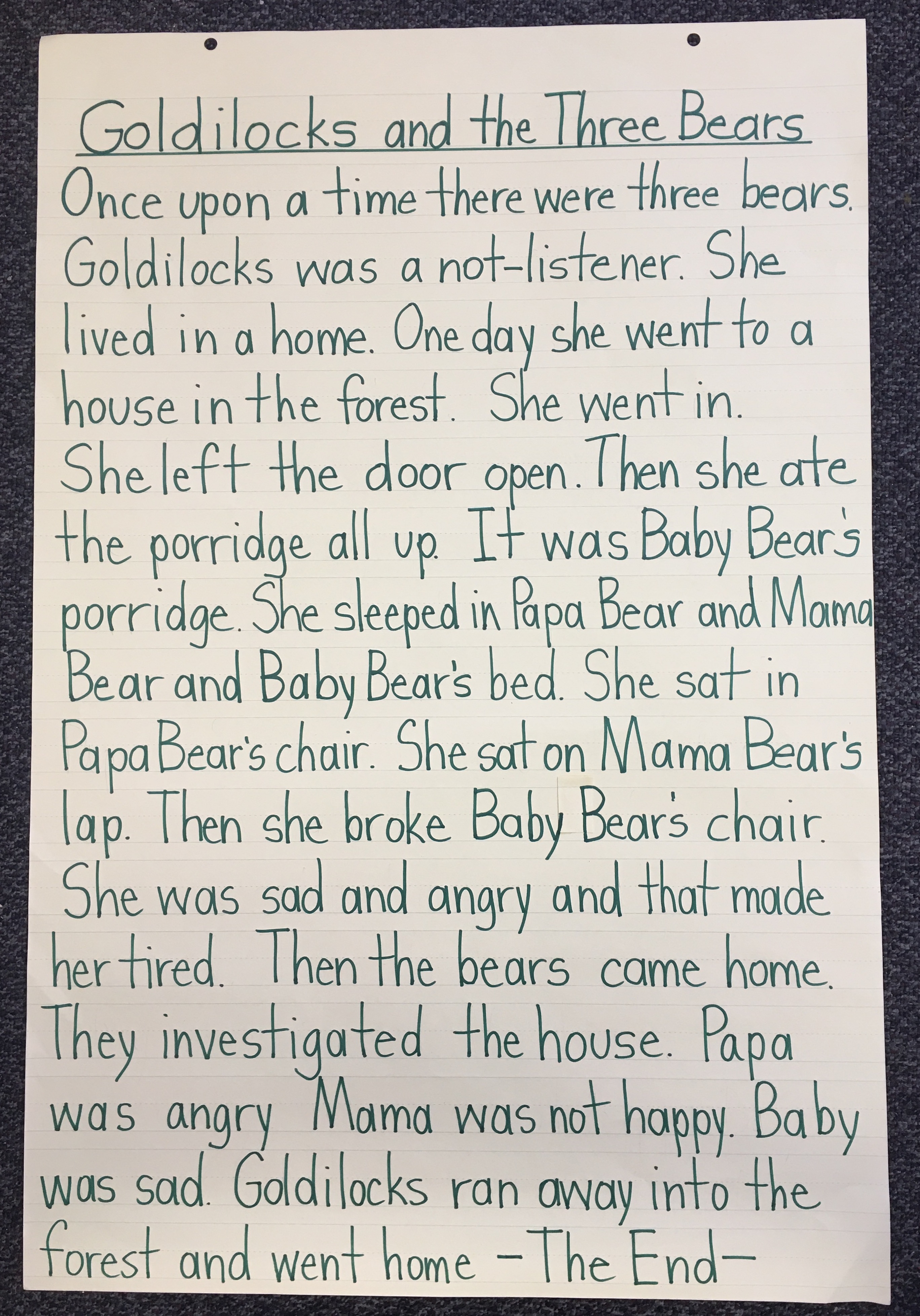
Ah-ha!  Children went from a deep understanding of a classic fairy tale to one with sophisticated humor.  Yet, they wanted more.  So, we wrote our own version of Goldilocks and the Three Bears.

img_2525

The language in this story is rich and full of thinking for three and four-year-olds.  “Goldilocks was a not-listener.”  “She was sad and angry and that made her tired.”  “They investigated the house.”

This story can only happen from children who have read a fairy tale.  Albert Einstein was right.

Jennie

Posted in Early Education, Imagination, picture books, reading, storytelling, Teaching young children | Tagged , , , , , , , , , , , | 44 Comments

An Art Museum For Book Lovers


People think of an art museum as… art, single standing pieces on their own right. Imagine masterful, award winning art combined with the best literature, in one museum. Exciting? You bet!  A hidden gem in Amherst, Massachusetts.

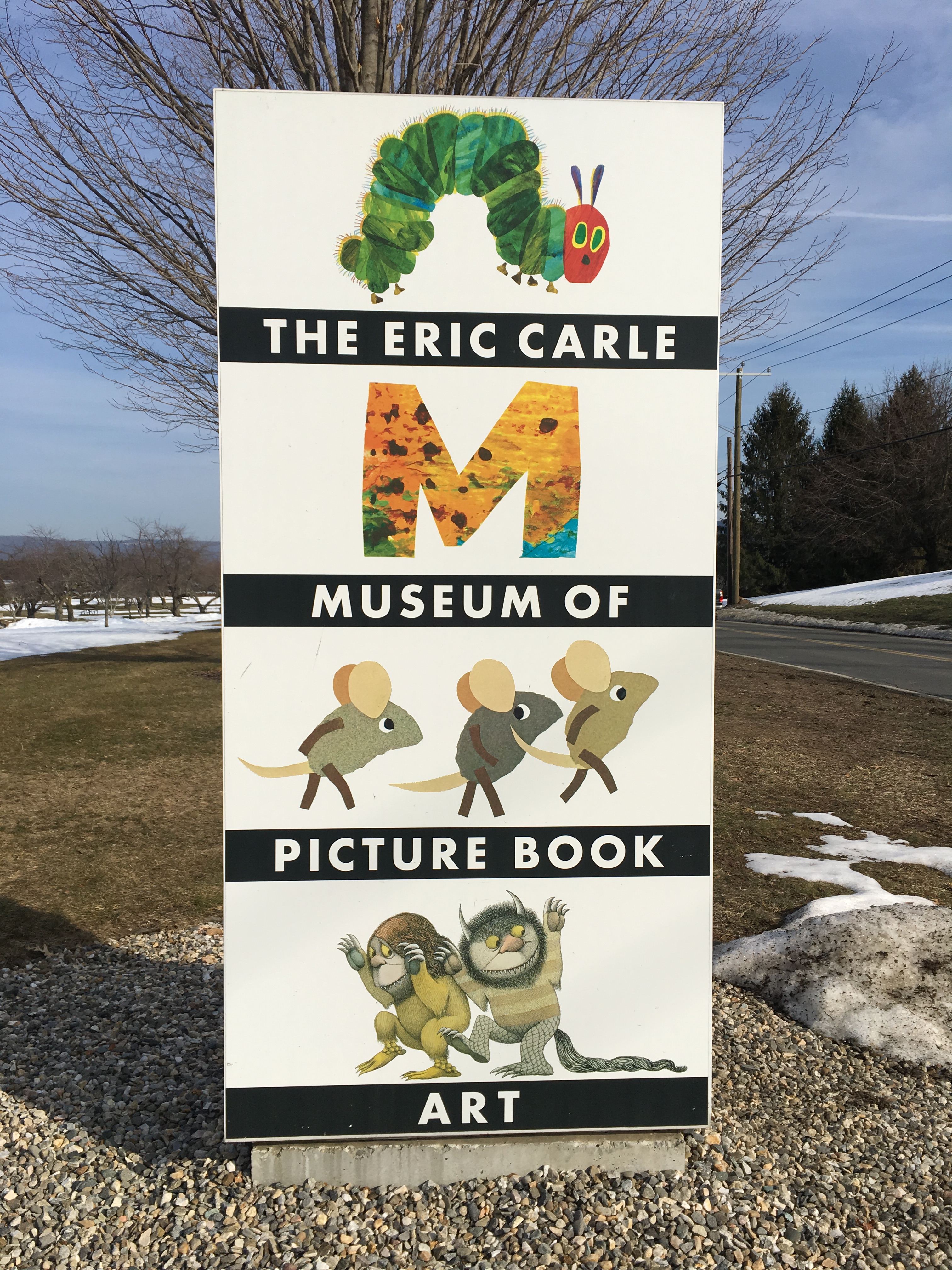
img_2522

What is your favorite childhood book?  Madeline?  Perhaps it is  Make Way For Ducklings.  There are so many.  The Eric Carle Museum of Picture Book Art is dedicated to the art of children’s book illustrators.  I thought this was interesting, then I visited the museum.  Oh, my!

The exhibit way back then featured Ezra Jack Keats, author of The Snowy Day.   I am a preschool teacher and have read this wonderful book to my class hundreds of times.  Yet, I never expected to come face-to-face with his art.  I did.  To my great surprise it was made from cut-out linoleum.  I couldn’t walk away or let that go.  I was witnessing the real art of his award winning book.

Much like seeing the ocean for the first time, I was stunned.

I love and appreciate art, and I’m passionate about reading children’s books. There I was, staring at both.  Every visit to the Eric Carle Museum of Picture Book Art has been equally powerful.  Yesterday was no exception.  But first, let me back up and tell you about Eric Carle.

One of the staples in children’s books is Brown Bear, Brown Bear.  No, Eric Carle did not write this book; it was the first book he illustrated, his big break into the world of children’s book illustration.  At the time Eric Carle was the art director for an advertising agency in New York.  His life, before then, is the most powerful story of an artist.  Ever!

He was born in New York in 1929 and moved with his family to Stuttgart, Germany in 1936 to be with relatives.  1936 in Germany?  Not good.  His father was drafted into the German army, and Eric and his family fled to Stollen in the Black Forest.

His schooling is fragmented, but he continues to draw and paint and looks forward to an occasional class with his high school art teacher Fridolin Krauss.

Aware of Carle’s promise as a young artist, Herr Krauss invites him to his home one day.  He shows Carle a box of “forbidden art” by so-called degenerate artists like Picasso, Klee, Matisse, and Kandinsky. “Their strange beauty almost blinded me,” recalls Carle.  His teacher warns him not to tell anyone what he has seen.  “But, for his act of defiance,” says Carle, “Herr Krauss…opened my eyes to the beauty of German Expressionism and abstract art.”

Eric Carle saw modern art, “forbidden art” of the great masters, for the first time in his life.  His teacher risked his own life to show Carle the art.  The seed was planted.  Every time I look at a Kandinsky or a Picasso, I think of that moment.  Art can change the world.  It did for Eric Carle.

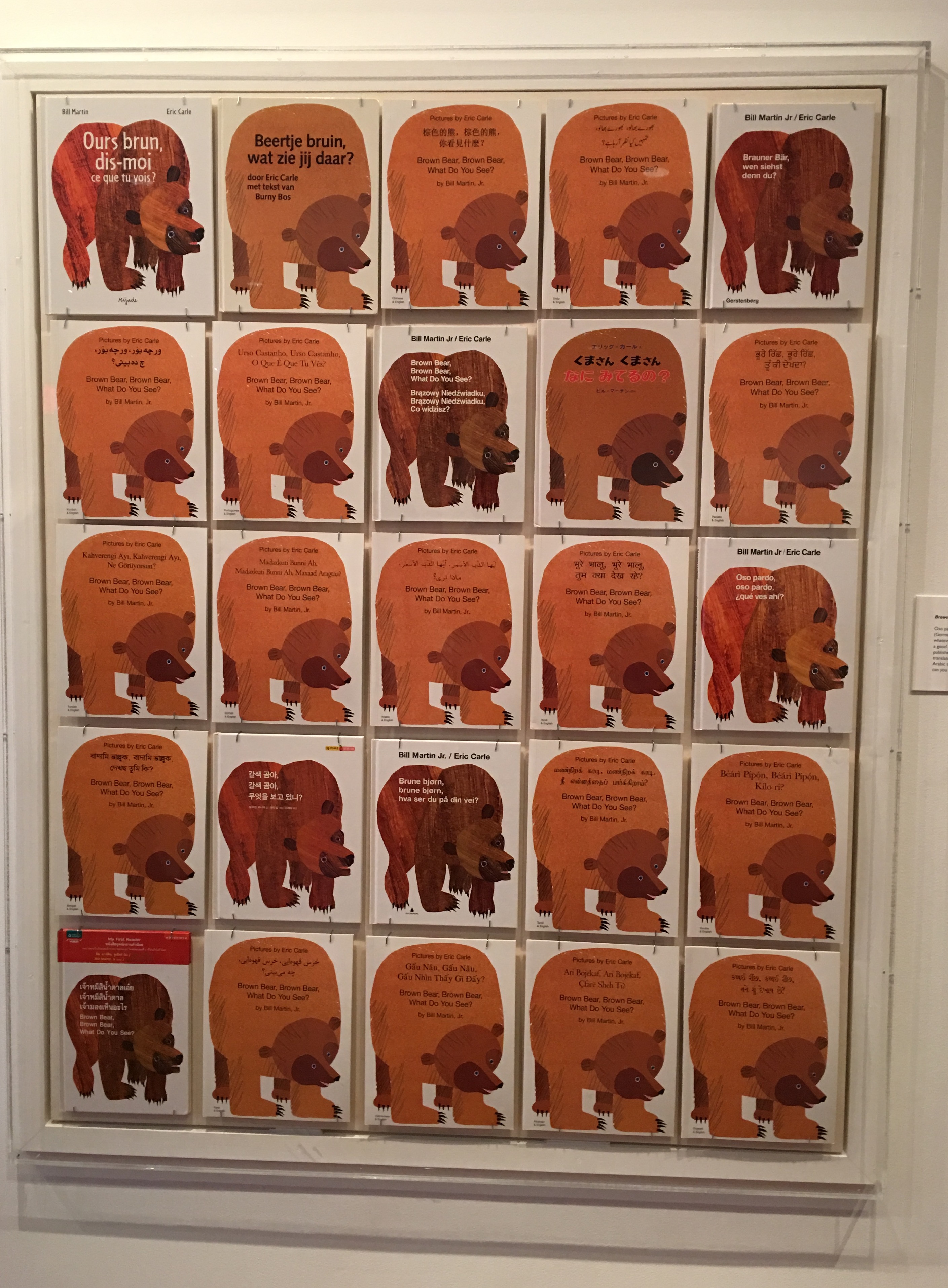
That first book, Brown Bear, Brown Bear, is fifty years old.  It is a beloved classic throughout the world, having been translated into 31 different languages with 16 million copies sold.  Happy anniversary!  Here are world-wide covers of the book:

img_2511

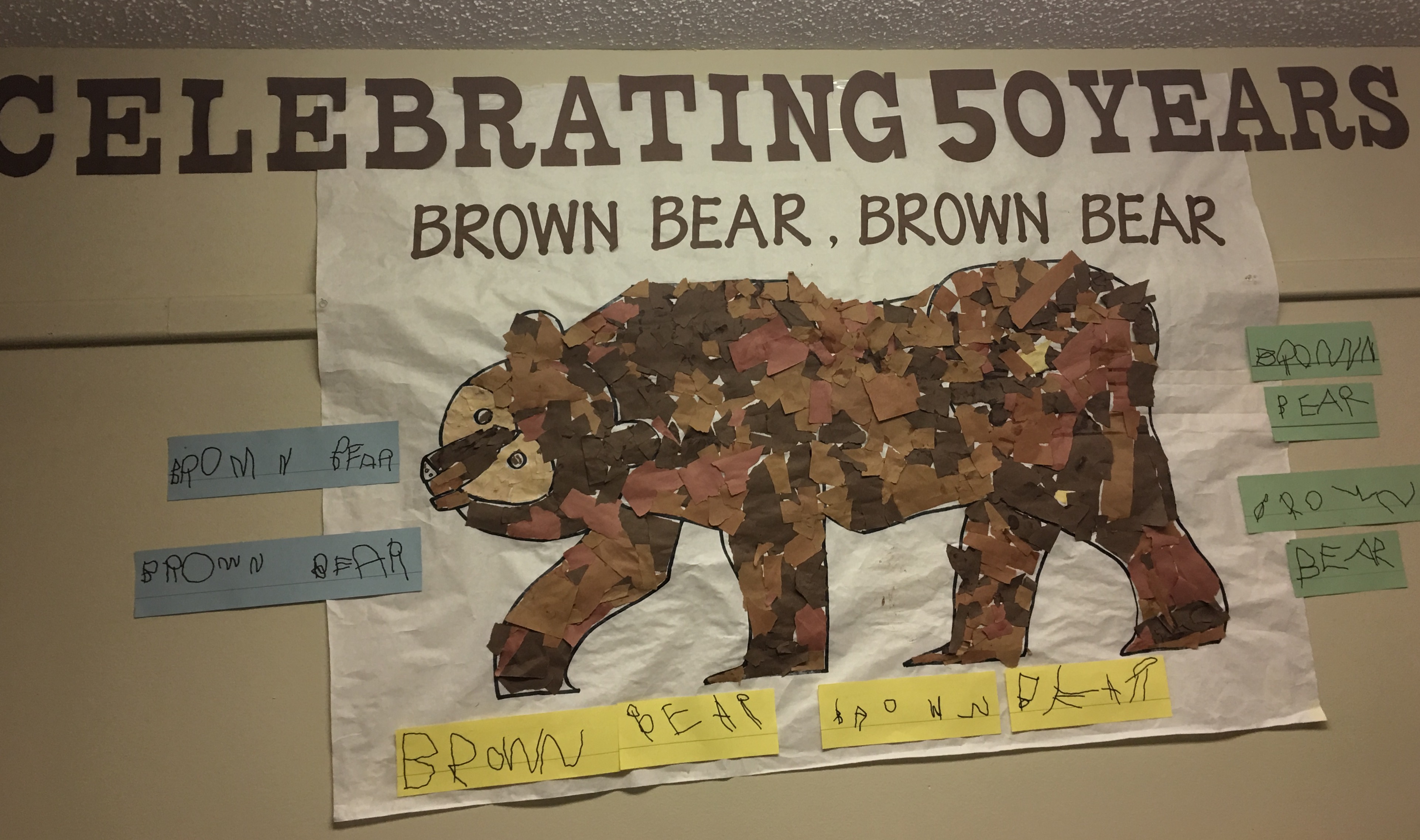
My preschoolers made a Brown Bear that we gave to the museum (which they displayed).

img_1684

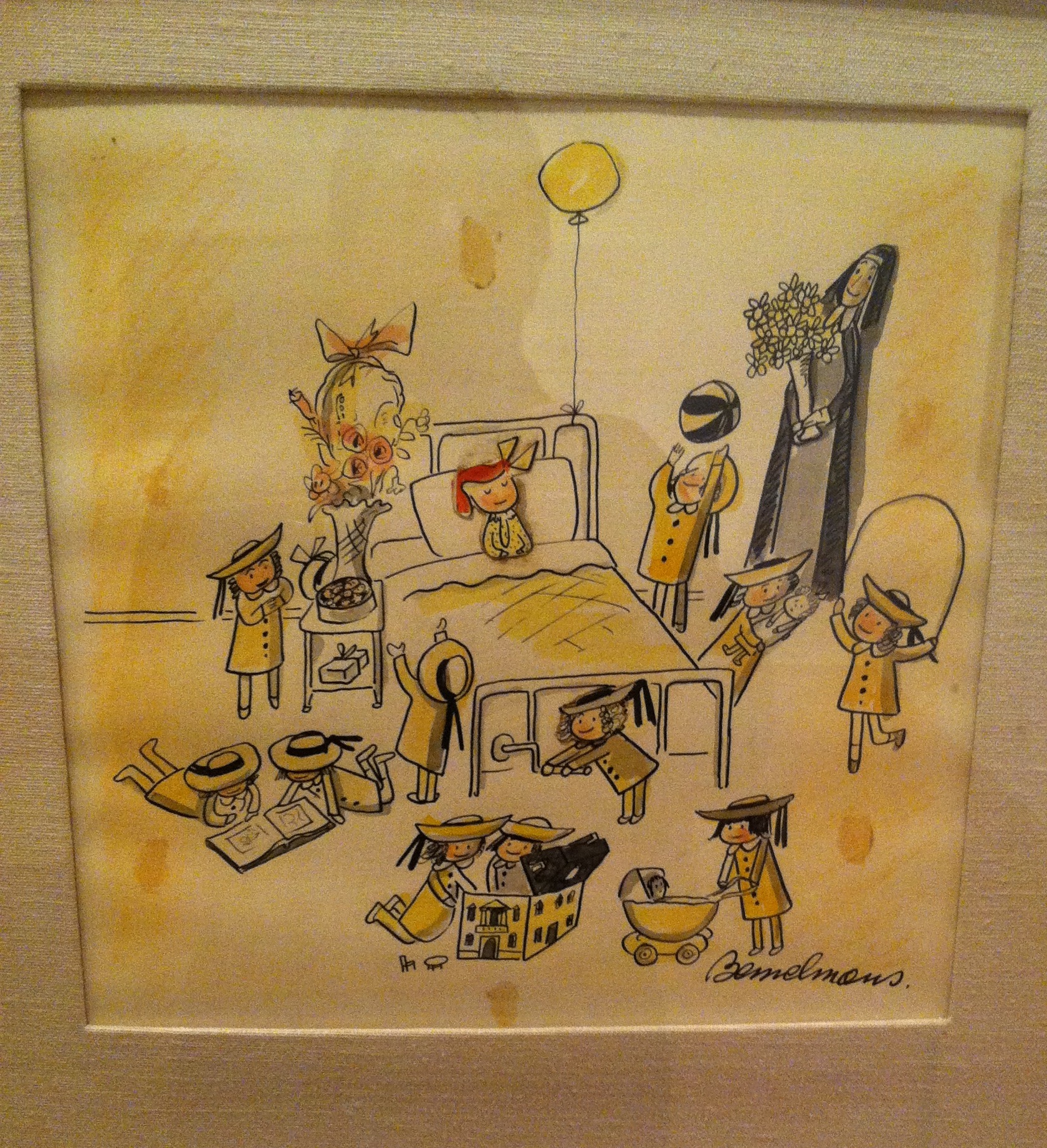
Fast forward to the museum.  They have displayed the original art of Robert McCloskey and Make Way For Ducklings, and the original art of Ludwig Bemelmans’ Madeline.  Up close, very close.  Every pencil line and brush stroke were visible.  I was inches away from the pictures I had only seen in picture books.  For a book lover, this is as good as it gets.

img_0108

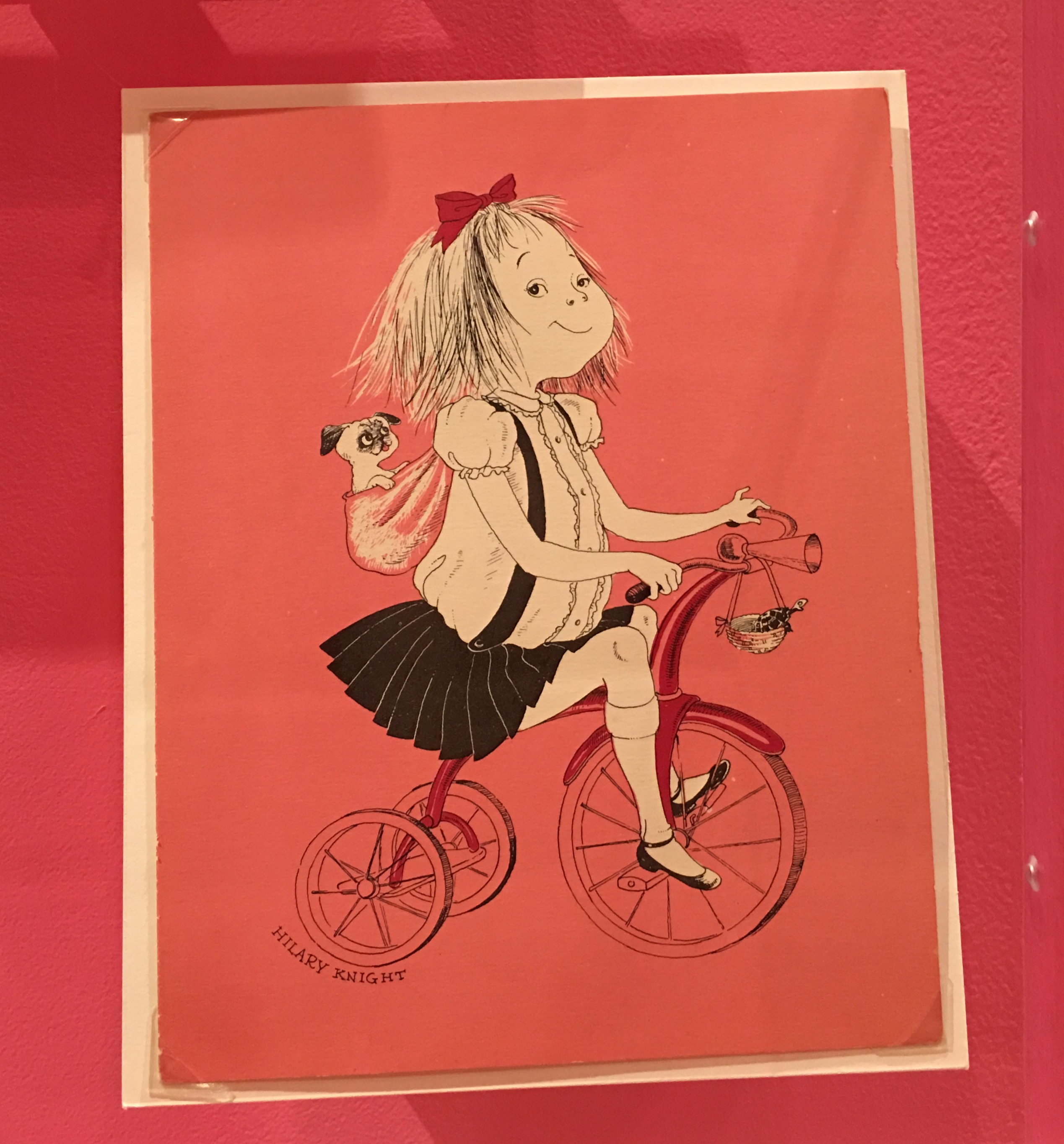
I recently saw the art of Hilary Knight’s Eloise, a beloved book from my childhood written by Kay Thompson.  As a child, every Sunday afternoon I would act out Eloise.  She was my first introduction to New York, and to bravery.  Eloise was brave.  She was a bit of a hero.

img_2507

When real, award winning art is combined with the best literature, it is win-win, a grand slam.  Reading the picture books, time and time again, and seeing the pictures ‘live’ is grand, indeed.

There is more!  The best bookstore by far (coming from me- someone who knows good children’s literature) is right there in the museum.  A piece of heaven.

The Eric Carle Museum of Picture Book Art in Amherst, Massachusetts is a treasure.

Jennie

Posted in art, Early Education, Imagination, picture books, Teaching young children | Tagged , , , , , , , | 86 Comments