Singing a Peace Song

Singing and music with children is transforming.  It happens every time; as soon as I pull out the autoharp or ‘song jar’ I have a classroom of children who are craving the experience of music and singing.  I’m not a big fan of playing a music CD with children, with the exception of one song; “Bells of Peace” by Jack Hartman.  I love that song, and so do other teachers and children in our school.  Liam just adores the song.

Liam alone

Each October children gather at our school’s Peace Pole.  It’s an obelisk with ‘peace’ written in multiple languages.  We sing songs of peace as part of a rededication ceremony.  Something wonderful happened at our ceremony last week.  When the entire school began to sing “Bells of Peace” I caught Liam’s eye, and he caught mine.  We sang together.  It was just the two of us even though the room was overflowing with children, families, and teachers.  We were alone, yet together.  We sang our hearts out.  And, we sang our hands out, as we use sign language with this song.

Of course we have to practice many times.  The words, “They ring from your heart”,

Liam, heart

“Your mind and your hands”

Liam, hands

…are very powerful words.  They’re words that you feel when you sing.  Sometimes you have a tough time singing because the words get caught in your throat.  That happens to me.

Teachers talk about ‘moments’, capsules of time that make a difference or leave a big impact.  Singing with Liam was one of those moments.  Music is everything to young children; it engages their minds and moves their bodies, it reaches deep into their souls to make them laugh, or beg to sing again and again.  It’s that powerful.  That’s why I sing to a child in the bathroom, or at rest time, or sing on the playground.  I sing any moment I get, because it makes a difference.

Yo-Yo Ma said, “Music is the glue that joins people together.”  He was so right.  Liam and I were certainly glued.

Jennie

Posted in Teaching young children, Uncategorized | Tagged , , , , , | Leave a comment

Writing to an Author

I write and I read.  When I read something that knocks my socks off, I write to the author.  This doesn’t happen often.  Perhaps that’s because it takes quite a lot to knock my socks off.  Yet when I do write, my letters are handwritten; a typed letter would never do.  Heaven forbid an email.  In my heart I know that pen to paper is the most personal and sincere way to write.  Often remarkable things happen.

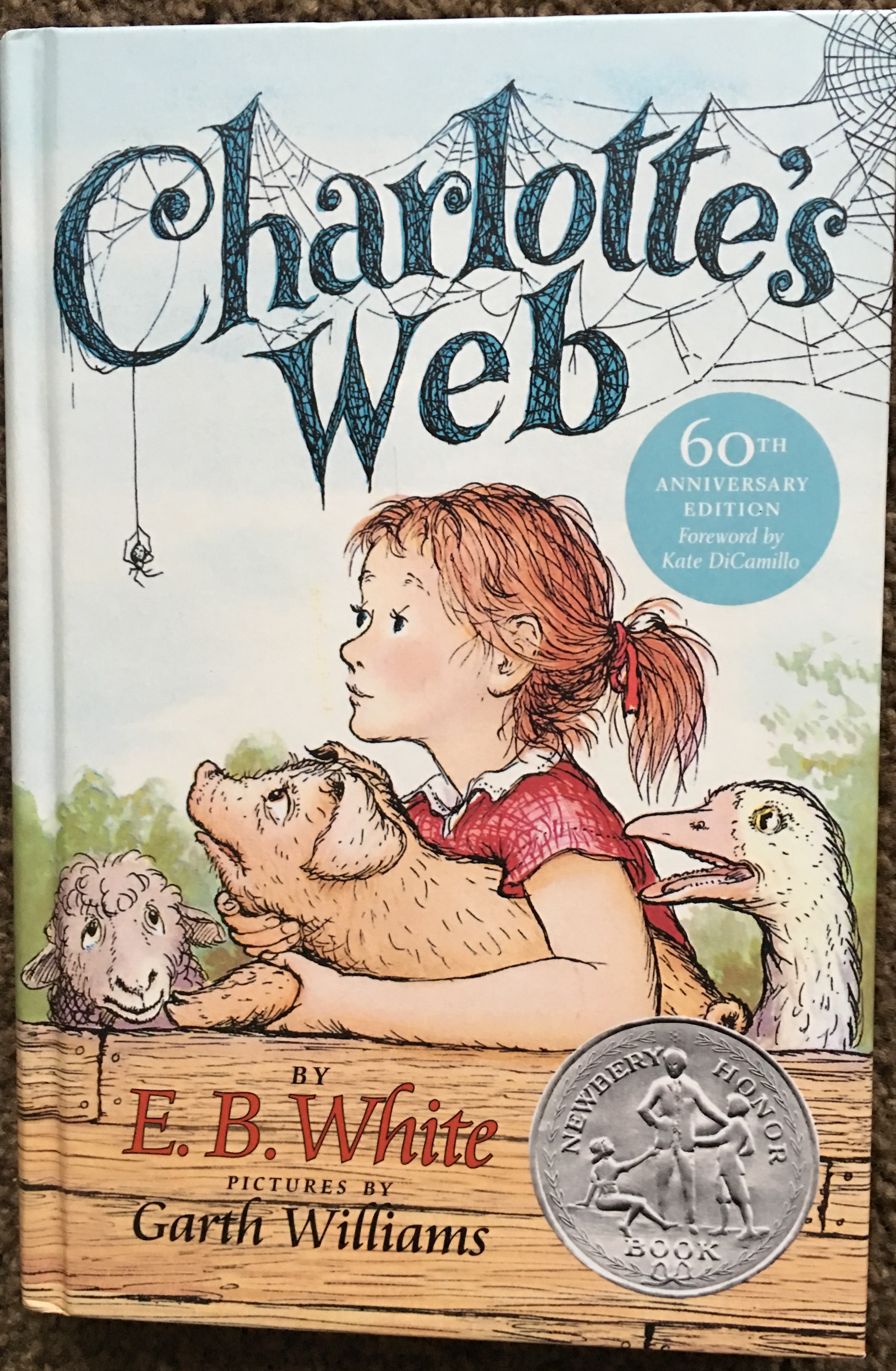
Every year in my preschool class I chapter read aloud.  The first book of the year is always Charlotte’s Web.  When I began reading this year, I opened the book and there was a forward from the Newbery Award winning author, Kate DiCamillo.  That was ‘it’, my big push to write to the author.  She has been in my life the past two years in many ways.  It all started with Inga, my friend and fellow teacher who loaned me her copy of Flora and Ulysses.  It is one of the best books I have read.  Then, ‘Read Aloud West Virginia’ hooked me up to Kate DiCamillo’s Facebook page.  I host a reading group at my  public library for second and third graders which put me into another whole world of reading. This  opened my window, and then I read Because of Winn Dixie.

I wrote a two-page handwritten letter to Kate DiCamillo.  I had to.  I told her how she’d come into my life in unexpected ways, and told her about me and my pathway in reading books and reading aloud.  I told her how I had found not only her books but many others, such as Wonder, A Week in the Woods, and The Year of Billy Miller.  I had discovered a new world beyond picture books.  Kate DiCamillo wrote back to me.  She thanked me for reading aloud, told me she was grateful, and called me her friend.  Her card to me was handwritten, too.

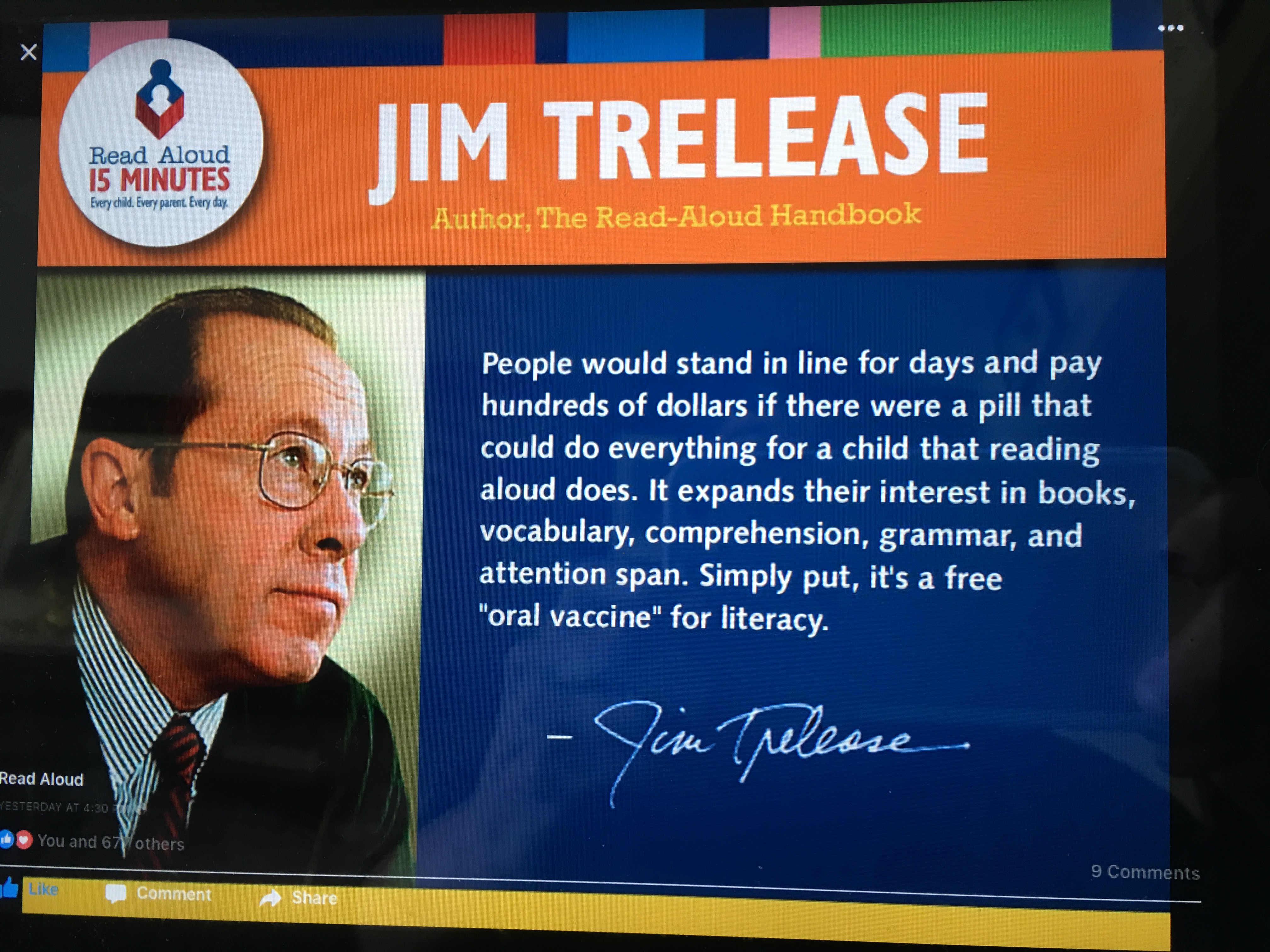
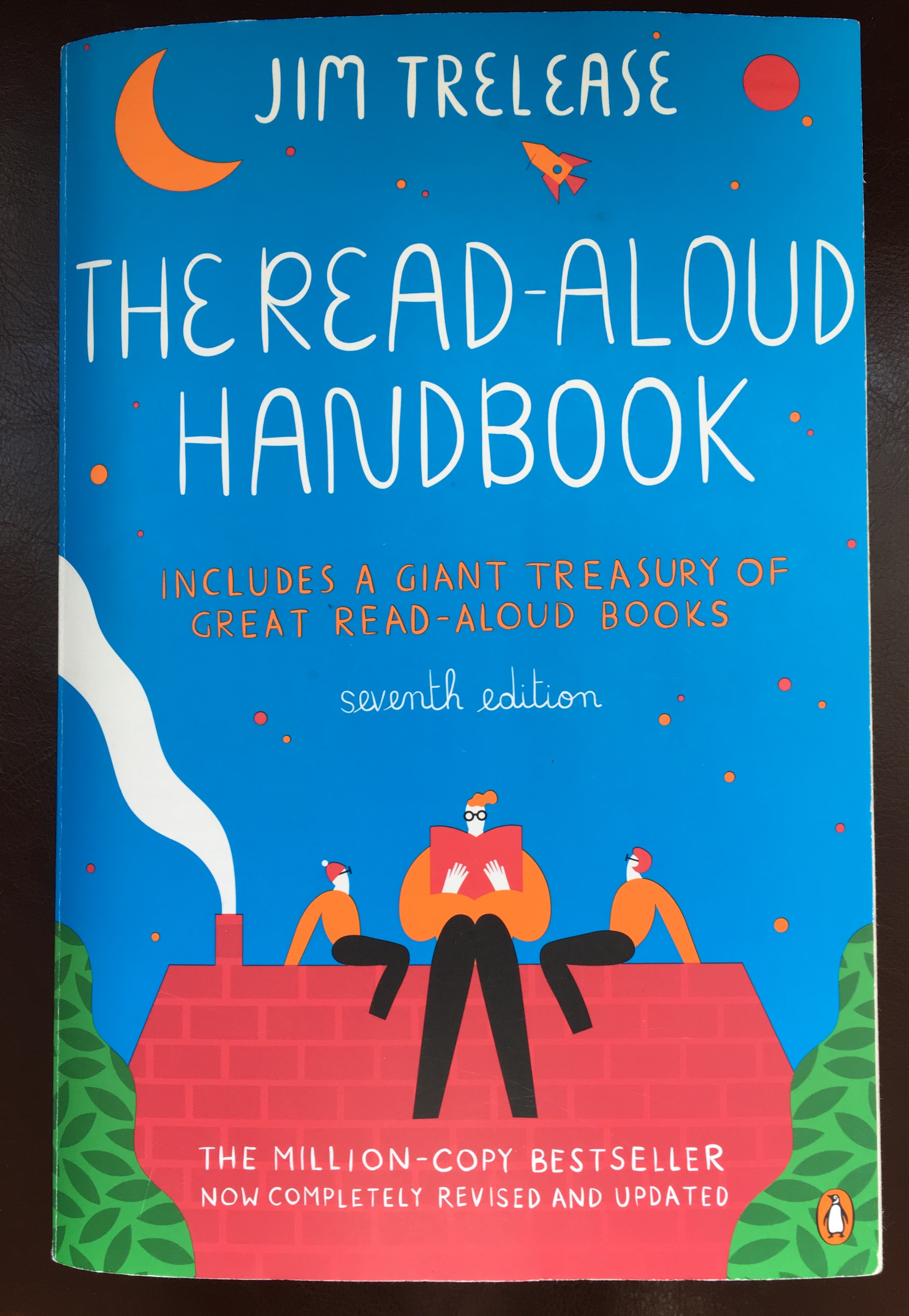
Some years ago I attended a teacher conference and Jim Trelease was the keynote speaker.  He is the author of the million copy bestseller, The Read Aloud Handbook.  That speech knocked my socks off.  It affirmed everything I do and know to be true.   After the conference I wrote him a letter.  I had to.  Yes, it was handwritten.  I included a newsletter I had sent to parents in my classroom about reading aloud.  He wrote back to me.  He wanted to know more.  Jim Trelease visited my classroom and wrote about my reading in his recent edition.

Many years ago I read Jack and the Beanstalk by John Howe to my class.  When I read the line where Jack’s mother is upset and calls him a ‘stupid boy’, one child asked me why the author wrote and said the word ‘stupid’.  Good question.  The only way to find out was to ask the author.  So, again I wrote a letter to an author, handwritten of course.  John Howe responded in kind with an eloquent answer as to his use and the definition of the word ‘stupid’.  I still have his handwritten letter stored among my treasures.

Today I told two children at the library to be brave and write to their favorite authors.  One child is a huge fan of Patricia Polacco, and I encouraged her to write a letter.  Somehow I think the rewards that a letter brings to an author may be just as big as the rewards for the writers.  They certainly were for me.

Jennie

Posted in Teaching young children, Uncategorized | Tagged , , , , , , , , , , | Leave a comment

Jennie and Milly the Quilter

I had dinner with Milly the quilter tonight.  She has been such an important part of my classroom over the years.  Her quilts are works of art, and when she quilts with children somehow she creates a magic connection that all children feel.  It’s her soul.  She has the heart of a nurse and the joy of Santa Claus.  I have written about Milly on my blog a number of times (great stuff!), yet tonight was altogether new.

Milly and Jennie Photo

We have become good friends over the years with the same sense of humor and same outlook.  Tonight she told me about her recent trip to Francestown, NH where she was the featured speaker at a quilting convention.  I sat with my elbows on the dinner table listening to Milly tell her story.  She came alive describing how she told the audience, well, everything she’s done with quilting, including the quilts she made with my classroom (I felt honored).  Apparently she interjected plenty of stories and ‘brought the house down’.  She may be invited to be the guest speaker at a big quilting event in Peterborough, NH.  I told her I’d better be invited.  I just want to sit in the back row and listen.

Milly was shown a picture of a quilt made by the wife of Francis Scott Key.  It was a eureka moment for her.  I watched her face light up as she described the triangles in the quilt.  She was so excited to tell me details about how the triangles became a mathematical pattern.  I didn’t fully understand; I just listed and watched her, much like watching someone who got a birthday present.

Milly talked about that quilt with her quilting groups.  I’m sure they could tell how inspired she was, so they bought her a book that featured the quilt!  Then Milly began making the quilt herself.  She had decided to make the main part of the quilt, as making the full quilt would be a daunting task.  Then, she had dinner with her granddaughter’s husband’s family.  She was eagerly telling them the story of the wife of Francis Scott Key.  Low and behold, the husband’s family are direct descendants of McHenry…as in Fort McHenry in Baltimore, Maryland…as in “The Star Spangled Banner”…as in Francis Scott Key.  There was no doubt that Milly knew she had to complete the full quilt.

Perhaps I write this story because this is just like me, often unexpectedly inspired.  Like Milly, I never know when a moment like seeing triangles might become the catalyst for an amazing path of learning in my classroom.  Emergent curriculum.  And the final word is the best part; Milly wants to make another Peace Quilt with my class.  I have just seen my very own triangles!  We’ll begin this new journey together in November.

Jennie

Posted in Teaching young children, Uncategorized | Tagged , , , , , | 1 Comment

Visiting Carl Larsson

Posted in Uncategorized | Leave a comment

Marinating Vocabulary

‘Marinating Vocabulary’.  I heard Pam Allyn, a guru on reading and reading-aloud, speak those words last week.  They hit me like a stone.  Each time I read aloud from a chapter book those words do far more than go into the brain.  They truly marinate, by mixing words with feelings, life experiences, and the comfort of a ritual.  The lovely repetition of sounds and words is holistic, giving reading aloud a greater importance.

Ritual is essential.  Finding a time to read aloud every day means that you will do it, and enjoy it along with your children.  Life is way too busy; one parent commented that by the time dinner was over and homework was done, both the children and the parents had no energy for reading aloud, it was a chore.  Bedtime is the typical time for reading aloud, yet it may not be a good time.  Whoa!  I had never thought about family reading aloud at a different time.  Have you?  Well, Jim Trelease, author of The Read Aloud Handbook, most certainly has.  I distinctly remember the photo of him reading aloud to his older children as they washed the dinner dishes.  He found the right time for the ritual of reading aloud.

When you find that right time and begin reading aloud in earnest, the dialogue will become far more than words.  Children will remember the story, yet they will most remember the sound of your voice; how you say the words and read the story.  That’s what makes the words ‘stick’, and that’s what marinates vocabulary.  That’s why my chapter reading and my storytelling to children is what they remember.  Pam Allyn talks about ‘putting your voice into someone else’s heart’.  My grandmother read to me, and that was my strongest connection with books.  She was my heart, and I can still recall what I was thinking every time she read to me.  Marinating vocabulary.

By the way, the sign of true innovation is flexibility.  So, reading can be in many forms.  Looking at words in print, whether in a book, on a iPad, in a newspaper, in comics, or other formats are…well, reading.  That’s a good thing.  Be flexible in everything from scheduling reading to what your child is reading.  As long as reading is happening, that’s all that matters.  You are making a difference by doing so.

Bottom line:  Children who have been read to, and have access to books, are academically one year ahead of their peers in school, in all areas.  Now, that is powerful!

Jennie

Posted in Teaching young children, Uncategorized | Tagged , , , , , , | Leave a comment

Why Do I Write Picture Stories and Read Chapter Books?

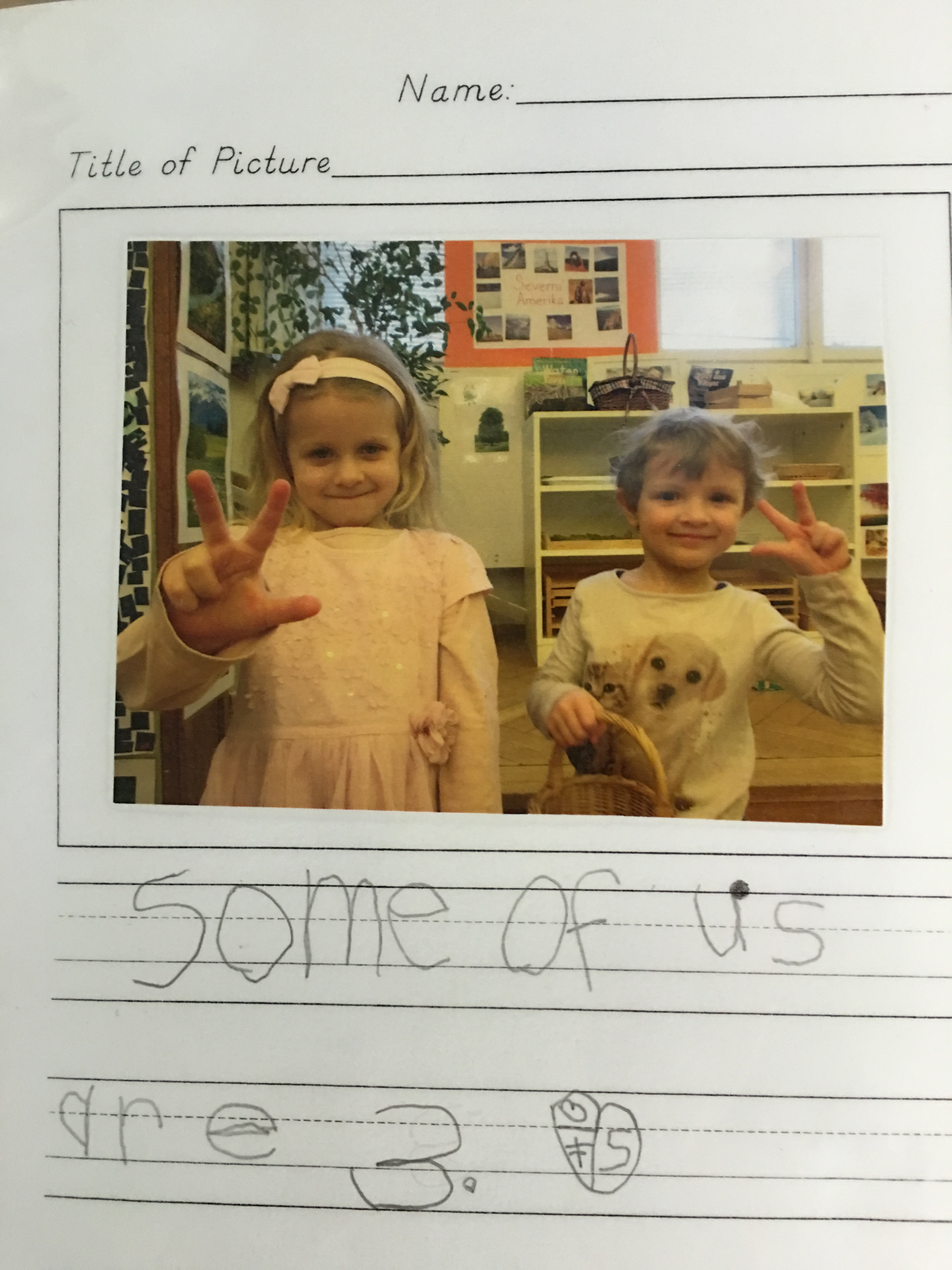
My first project of the school year is writing picture stories with the children.  Language is critical to learning in all academic areas, so its only natural that creating picture stories is an excellent tool for teachers. Its a fun activity for children, because they want to tell you a story.  Yet, children really have to think in order to do this.  They must pull words from their heads to tell a story.  Here is an early-on picture story:

picture story, Luca

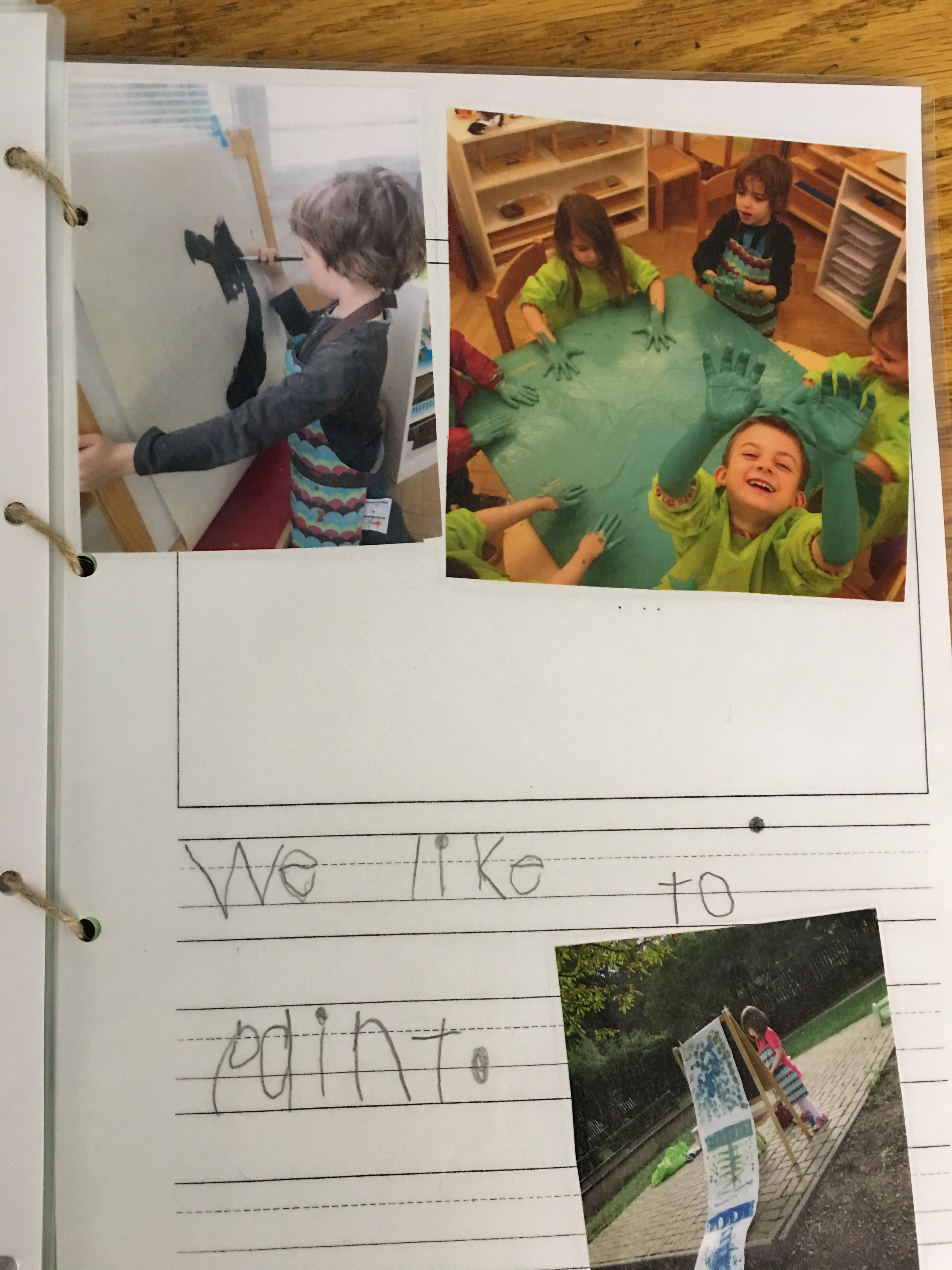
As the year progresses we begin to write group stories.  This is a great way to build upon the multitude of books we read, and give children an opportunity to use their rapidly developing vocabulary and language in order to create stories with depth.  Writing is as important as reading aloud, with a real push to use those words they hear. Creating a story as a group has the added benefit of boosting children’s social and emotional skills. Here is an example of what children can write (and I never change a word):

Aqua Room Story

When we changed our hallway display to highlight our unit on Bears, we had to stop and read, yet again, our own classroom story of Goldilocks and The Three Bears. Other classes also delighted in reading our story, as their trips down the hallway to the bathroom included eagerly stopping to read. Parents and families took time to read it.  The the story was surrounded by bears children made from tracing and cutting circles, and from tracing actual stuffed bears.

In the words of the children, the big chair was ‘rough’, not hard. Mama’s bed was ‘fluffy and puffy’, not soft. These are very descriptive vocabulary words for three and four-year-olds. Not only are the words in our story expressive, the text is long. How did this happen? To start with, we read picture books every single day. We have planned, scheduled books to read, and unplanned, spontaneous reading. Our bookshelf is always packed with books, and children are free to read them whenever they want to… and they do, all the time! The children like to sit in the teacher rocking chair and ‘read’ to a group of friends, or read on the couch to ‘Gloria’, or simply read to themselves.

Then, we chapter read. This is really a very intimate time of our day, because chapter reading has no pictures, and forces children to listen, think, and come together. There is nothing but the words we are all hearing together. It takes us forever to get through a book because we stop to ask questions and talk about what has happened, all the time. Today we stopped to talk about an anchor.  We are reading The Story of Doctor Dolittle,  and today Doctor Dolittle found a boat to travel to Africa. Polynesia the parrot told him all the things he would need to have for the journey, including an anchor.

Now we get complicated and even more language-based. The discussion of an anchor started with describing the shape and the size. Finally a child said, “It’s a big line, and a big curve, like an I and a C”. Another child asked what it really does, so we talked about how it is attached to a rope, and sinks to the bottom of the sea in order to stop the boat. We then talked about why a ship moves in the ocean. Can you picture these thirty minutes of listening, language, thinking and reasoning? Chapter reading opens the door to words, and words open the door to the world. It’s as simple, and as complicated, as that. When we read Charlotte’s Web, the words that children asked about were ‘irate’, ‘curiosity’, ‘tremendous’, and ‘radiant’. How wonderful!

When we write stories, or picture stories, it gives children the opportunity to use all those wonderful words they have heard, over and over again, through our picture books and chapter reading. Now, it is their turn. Instead of listening and learning, they are taking their own experiences, using what they have learned through reading, and making stories. That is why their stories are rich in vocabulary and text. Writing stories also increases social skills, language skills… and confidence.

We were very fortunate to have Jim Trelease, the author of the million-copy bestseller, The Read-Aloud Handbook visit our classroom. I highly recommend this book to parents. It tells you all the reasons and benefits to reading aloud, and gives book recommendations for all ages. I have used this book since my children were very little. Did you know the number of words a child hears is directly related to how s/he will do in school? That is why we read at school, and why we encourage you to read at home! Imagine if you turned on the closed-captioned component on your TV, and your child always saw the printed word. Powerful, indeed.

Jennie

Posted in Teaching young children, Uncategorized | Tagged , , , , , , , , | Leave a comment

The Importance of Storytelling

Storytelling is akin to reading aloud. It ignites the mind and the spirit. It is the most important thing I do in my classroom, as year after year students return and want to hear those words again.

michellesaul's avatarMichelleSaulTheWordWitch

Currently in my Irish Literature class we are reading the novel Ireland by Frank Delaney. This novel focuses a lot on storytelling and the importance of telling stories to each other. The main character, Ronan, is deeply impacted by a storyteller who visited his village when he was nine-years-old and his main goal in this novel is to find the storyteller who changed his life. Reading this novel made me think of when I was younger and would have people tell me stories about their life or the lives of people they knew and the impact they had on me. From a very young age, I was drawn to words, I was drawn to reading and writing. As a child, there was no better feeling than having someone read to me or tell me a story because for a time, I was in another world, a world that I felt…

View original post 490 more words

Posted in Uncategorized | 1 Comment

Dear Teachers, Joy is the Magic Word

Dear Teachers,

As you start your new school year there is one word that will get you through the uncertainty and the worry.  It’s the same word that is the heart of educating.  That word is ‘joy’.  No, it’s not the happiness that children bring.  It’s the happiness that you bring because it inspires and ignites the mind and the heart of children.  Yes, that’s how it works.

Children come to you with big eyes, looking at you to teach them.  They don’t know what to think.  They want to learn, yet what they really want is to be inspired to learn.  That is where you can make a difference.

What do you like?  Because whatever it is, from math to music, that ‘like’ will become your best buddy, your guiding star, and the foundation to teach all the things that you like.  It will also become a portal to help you teach the things you may not enjoy.  If you know that every day you have some window of time to teach what you love, then you become an educator.  You go beyond teaching curriculum; you teach the child.

Do you like reading?  Does Because of Winn-Dixie or Charlotte’s Web make your heart jump?  Well, carry that book around and read it aloud on the playground, in the lunchroom, or at the bus stop.  If this is your passion, children will know, and they will listen.  They will learn.

Do you like science?  Carry a tuning fork, magnet, magnifying glass or flashlight in your pocket.  Pick up interesting pieces of nature and explore them with children.  This is one of the fundamental constants for learning.  If you are grounded in nature and science, bring your curiosity and discovery to the classroom and the playground; then the world will open up for children.

Do you love music?  Sing your favorite songs, sing the words to a book, sing poetry, or just sing the words that you say.  If this is your passion children will know.  They’ll listen and learn.  Introduce children to the music you love.  I bring my record player and old albums into the classroom.  Some years they love Beethoven, other years the Beatles.  The point is, they will love the music because you do.

Do you love art?  Don’t be afraid to use real artist’s watercolors when introducing art.  Children enjoy learning about famous pieces of art, too.  If you treat a child like an artist and treat the work s/he creates like a masterpiece, the results are remarkable.  When a child has created something and is incredibly proud, ask the child to give the art a title and record that to the work of art.  This simple affirmation has done more for the confidence and character of children than most anything I have done.

You may only like one thing, but that alone will open the door to help you teach the rest.

We all know that the emotional and social pieces for children need to be ‘there’ before effective learning takes place.  Well, flip-flop that fact from the child to the teacher.  If you the teacher are not grounded in an emotional and social component of educating, then how in the world can you get your message across to children?  You have to share your love and passions.  That’s your joy.  In that way, you are sharing you.  And, all that children want to know is that you love them and love what you are teaching.  If they know that, the floodgates will open to learning.

Maya Angelou was right when she said, “…people will never forget how you made them feel”.  The children I have taught for decades often return to school to visit.  They can’t put a finger on what it was in my classroom, but they come back.  Joy is the magic word.

Jennie

Posted in Teaching young children, Uncategorized | Tagged , , , , , , | 30 Comments

My Summer of Reading

This summer I immersed myself in great children’s books and quite a few young adult (YA) books that I’d never read, for a host of reasons.  So many wonderful books for older children were written when my children were very little.  At that time I was reading all the picture books I could get my hands on.  That started my passion for reading aloud good books, and yes, I became quite picky.  I knew the ‘good ones’.

A decade slipped by as I read furiously not only with my own children, but in my classroom.  I was building my library.  I was also building my greatest strength.  Then I began chapter reading.  To this day I can tell you where every family member was sitting in the den as I read aloud Little House in the Big Woods That was the turning point when I knew I could (and should) read good chapter books to preschoolers.  And I did.

This was way out of the box for preschoolers, yet I knew I could stretch those minds by painting pictures with words, reading with excitement, and always stopping to ask questions.  Oh, did it ever work!  I still wonder why teachers hesitate to chapter read to preschoolers.  My chapter book reading aloud became strong and successful for children. When Jim Trelease visited my classroom and included me in the latest edition of his million copy best seller book, The Read Aloud Handbook, I knew I was doing the right thing and doing it well.

So, this summer I set aside adult reading and dove into great older children’s and YA books.  It was the best summer of reading!  Here is the list of books I read:

Indian in the Cupboard,  by Lynne Reid Banks.  (A boy is faced with caring for and protecting someone that is both alive and miniature.  LOVED this book.  I’m reading it at the library.)

Because of  Winn Dixie,  by Kate DiCamillo.  (Dog lovers and people lovers, this book is about the courage of meeting many different people, and the open heart of a young girl.  This dog is the center of all that happens.)

Wonder,  by R.J. Palacio.  (This book is my MUST read for everyone.  A great kid, and ‘his story’.  He looks different, and he transitions into school.  His positive attitude and also the perspective of people around him are part of the story.)

A Wrinkle in Time,  by Madeline L’Engle  (This book must have influenced J.K. Rowling.  A girl helps to find her father, with the help of some ‘spirits’ and her brother and friend.  I think Mrs. Whatsit is my favorite character.)

The Witches of Worm,  by Zilpha Keatley Snyder.  (A spy adventure, along with a girl who is independent and finds a cat.)

From the Mixed Up Files of Mrs. Basil E. Frankweiler,  by E.L. Konigsburg.  (Children run away and hide in the Metropolitan Museum of Art.  They learn how to ‘survive’, and they discover amazing parts of the museum, like the angel statue.  That ignites a contact with the woman who originally had the statue.  The development of the characters in the museum is superb.)

Number the Stars,  by Lois Lowry.  (I am deeply moved by Annemarie.  She is not Jewish and neither am I, yet we both have dear childhood Jewish friends.  We both went to Temple and visited when our friends celebrated Jewish holidays.  Annemarie’s story is from Denmark in WWII.)

I plunged into every book.  I was a character in each book; protecting an Indian, traveling in time, defending, supporting dogs and cats, making magic, exploring the Metropolitan Museum of Art, being a Jew in Denmark, and championing  a great kid who sees the world in a wonderful way.  Many books are Newbery winners (no surprise). I can’t say enough good things about each book.

I think my summer of reading barely touched the surface of the great older children’s books I had not read.  YA books are just good as the normal fare.  Yes, I have read many, but not enough.  I’m on a roll!  It is never too late to read the books you have always heard about or wanted to read. Pleasure reading is as good as it gets.

Jennie

Posted in Teaching young children, Uncategorized | Tagged , , , , , , | Leave a comment

The Peace Quilt; Yet Another Story

Every so often (and more often than not) I’m surprised with an email about a former student.  Typically it comes from the parent, regaling a wonderful experience with their child, directly related to something from their days in my classroom  Juliet’s adventure at MoMA discovering Starry Night is a classic example.  After decades of teaching, those emails, photos, letters and conversations are my rich rewards.

Then, there are the children who contact me directly well into their adulthood, like Michelle.  She has often asked me to retell the ‘Jennie Stories’ she fondly remembers, such as “The Peas and the Piano”.  She recently sent me this selfie with the Peace Quilt at the National Liberty Museum in historic Philadelphia.

Michelle and Peace QuiltShe wrote, “I was feeling homesick.  I visited this piece of Groton in Philadelphia.”  This quilt is my Blog photo; it’s one of the biggest projects I did with children and a path of emergent curriculum that led from making a book on Peace, to building a Peace Portal, to creating this quilt with a master quilter, Milly Cunningham.

Michelle remembers.  More than the quilt, she remembers words and language, reading and storytelling.  She wrote, “…the data is something that needs to be weaved into smaller doses”.  She refers to developing stories over time.  She’s right; as I tell and retell stories those words become the data from which to develop more stories and more thinking. In the words of Albert Einstein, “Imagination is more important than than knowledge.  For knowledge is limited to all we know and understand, while imagination embraces the entire world, and all there ever will be to know and understand.”

Well Michelle, you get it, or better yet you got it years ago in my preschool classroom.  It comes as no surprise that you work for a major literary agency.  You told me that “…often teachers read about the trees’ in education, but few are good at talking about the ‘forest'”.  You’re right.  When teachers see the forest, the trees grow, and the words and imagination flow.

Jennie

Posted in Teaching young children, Uncategorized | Tagged , , , , , , , | Leave a comment