“Ravioli” and Goodnight Moon

One of our favorite times of the day at school is chapter reading.  It is intimate.  We feel snuggled together.  Much like being in sleeping bags while camping, with nothing but words to hear, we look forward to that time.
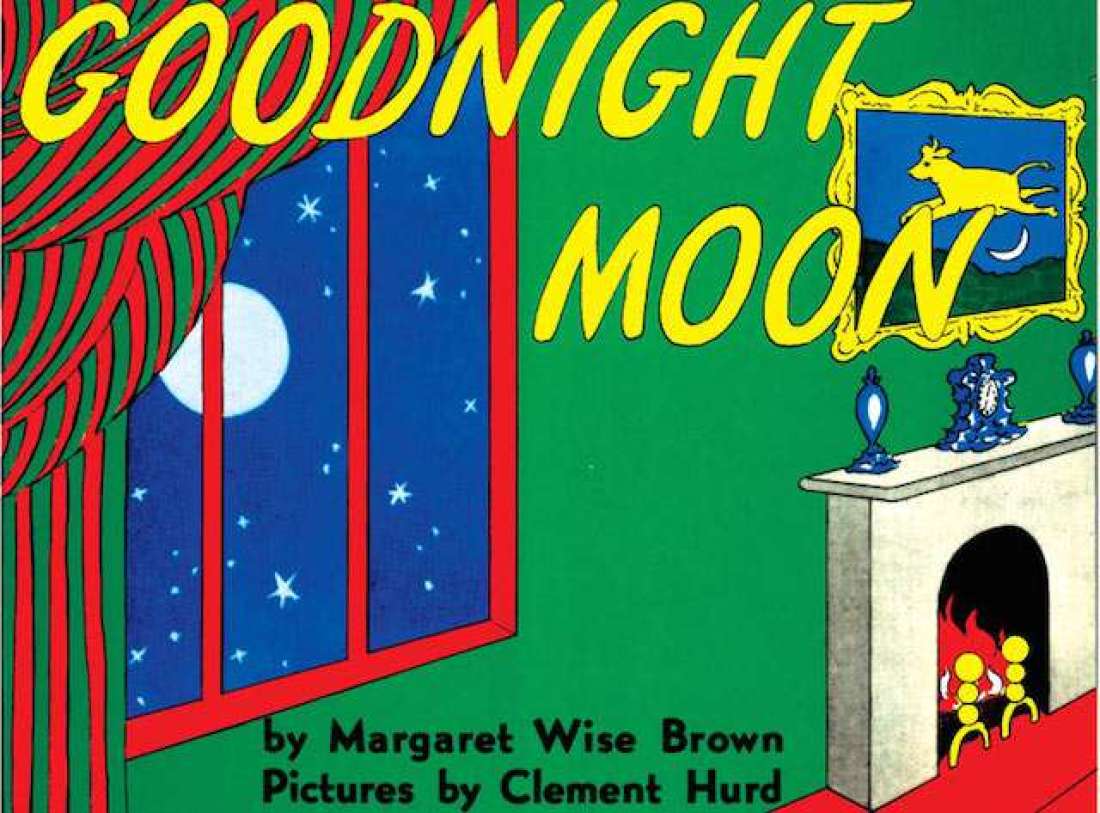
Before we begin chapter reading, we recite Goodnight Moon.  Those timeless words, soothing and rhyming, are a favorite.  Children have nearly memorized the words, and they look forward to hearing them every day.  A favorite is doing it “the silly way”, adding every child’s name into the verse.  “In the great green room there was a telephone and Mary’s red balloon, and a picture of Tommy jumping over the moon”, and so on.  Children are on the edge of their seats!

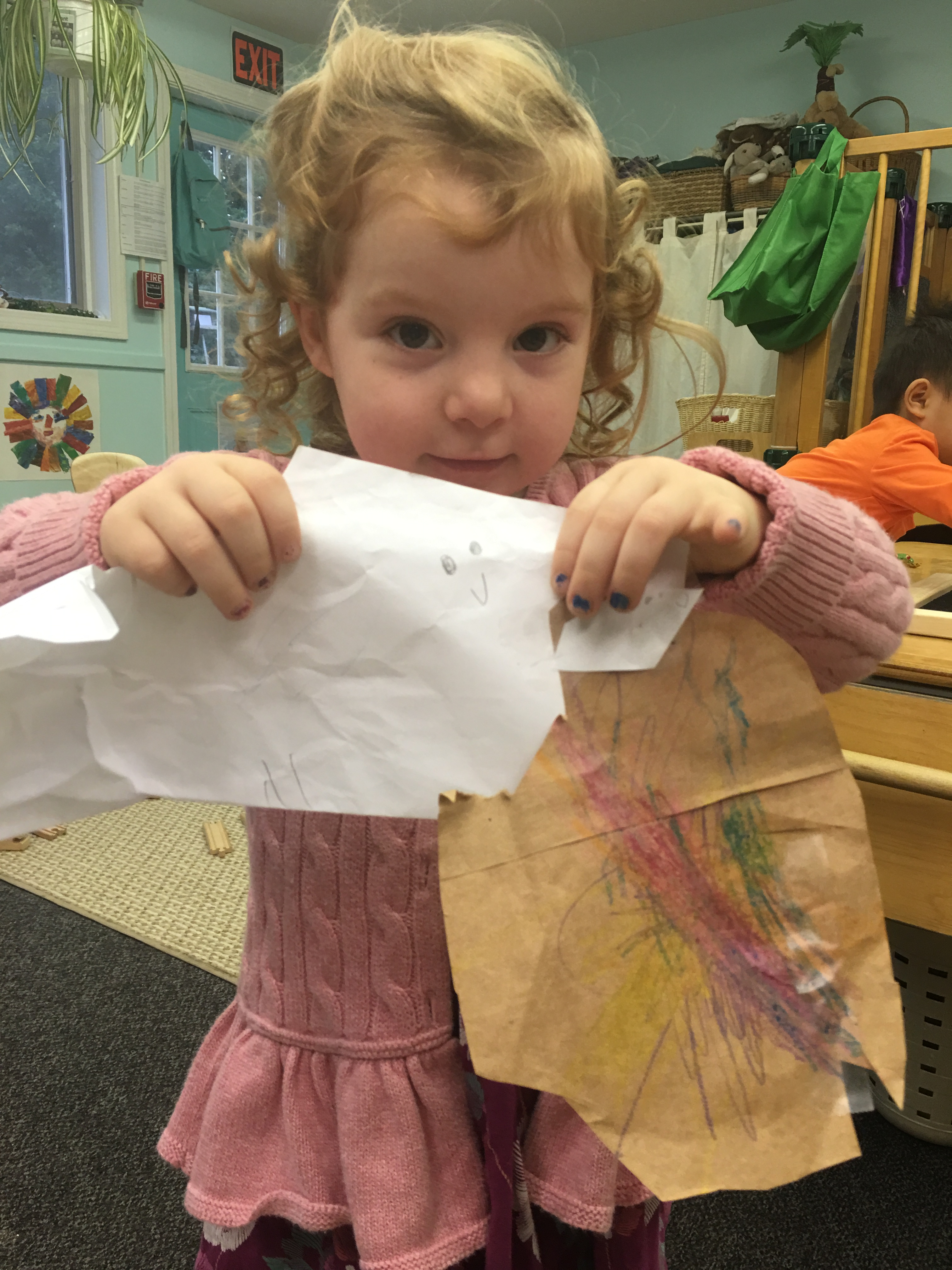
We can forget how much a child is truly absorbing, if s/he is quiet.  Often something then happens that surprises us, and we are reminded just how important those Goodnight Moon words are to children.  Delaney surprised us and made the cow jumping over the moon:


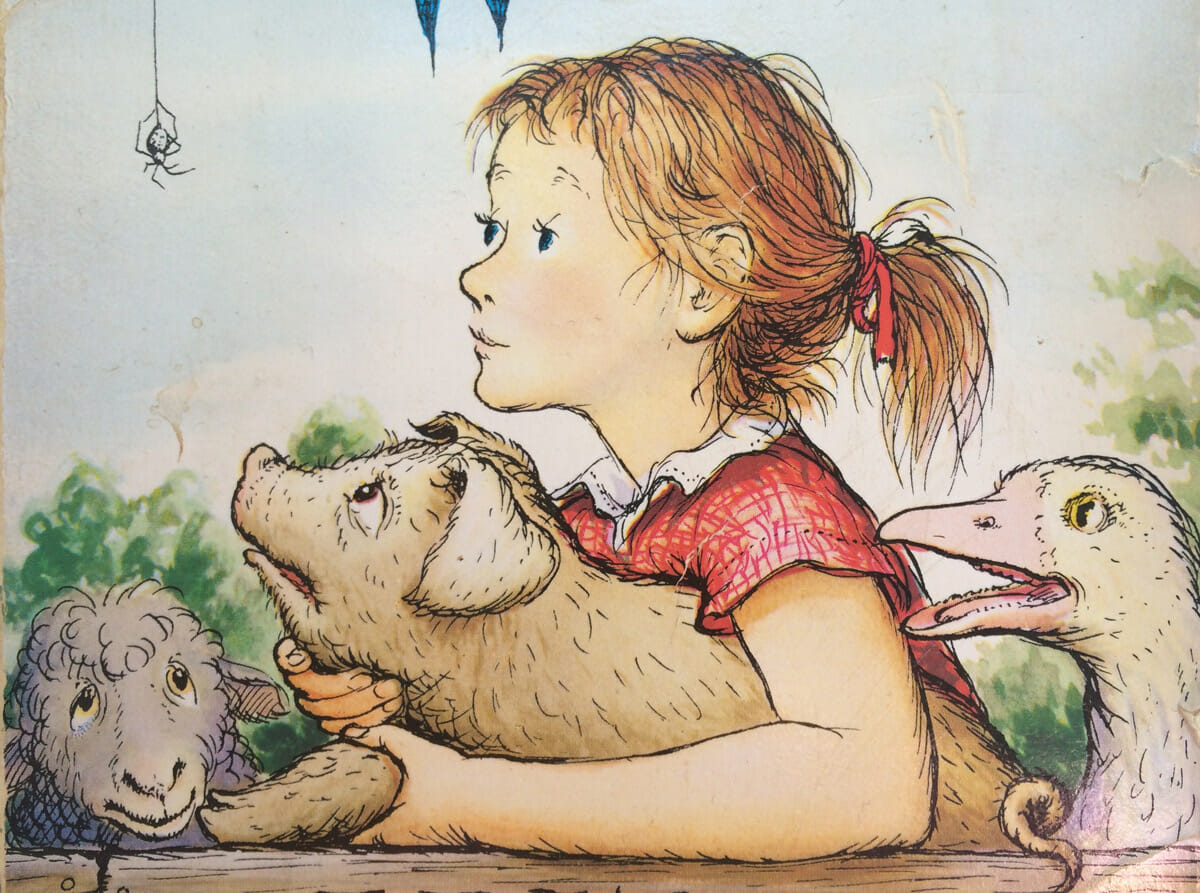
After listening to the words of Goodnight Moon, we are then ready to chapter read.  Our current book is Charlotte’s Web by E.B. White.  It’s one of the best, and children love it.  There are always interruptions when we chapter read.  Sometimes there are questions, sometimes we stop to talk about what happened.  Sometimes a child needs help, and sometimes children are chatty or distracted.  Early on, when there was distraction, I stopped and said, “If you want to hear the story, say ‘RAVIOLI’.”  A chorus of voices immediately yelled “RAVIOLI!”  Since then, if there is any stoppage in chapter reading, or any distraction, children take it upon themselves to say, “RAVIOLI!”  That is perhaps the best word a teacher can hear.  It really means “Please don’t stop, we want more.”
A parent of a child in my class read this story of chapter reading in the classroom.  He is a 12th grade English teacher at Lawrence Academy, a private high school in town.  His comment was,

“I wish my 12th grade students would start yelling “RAVIOLI!”

Years ago I had a long conversation with the head of the school’s English department.  She and I talked about reading aloud, and discovered we both do the same thing – turn out the lights and have children put their heads down.  From preschool to high school, it works.  I told the parent about this long-ago conversation.  He said,

“She calls it ‘lights out heads down’.  I often read aloud to my students but keep the lights on – starting Monday, I’ll put them off.”

I hope there are shouts of “RAVIOLI!” from 12th graders on Monday.

Jennie
Posted in books, chapter reading, children's books, Early Education, Imagination, Inspiration, reading, reading aloud, reading aloud, Teaching young children | Tagged , , , , , , , | 56 Comments

Language, Literacy, and Storytelling – Part 3

In Part 2, I shared worrisome statistics about children who enter school excited to learn to read, and the dramatic drop-off when they are not exposed to books and hearing words.  I talked about the next step, engaging children in both conversation and thinking – writing picture stories.

Part 3
There is proof in the pudding down the road.  Language, literacy and storytelling makes a difference, and not just with children.  Well, there’s more. Adults. That proof is in the high quality of Cuban cigars. It’s a great story, one of my favorites.

Reading aloud never gets old. It weathers time and generations. For adults, when we are read to, we listen, think and feel. And, we have to stretch our brain. When we only hear the words it sharpens our mind, and our performance is much better.

The Cuban cigar industry understood this. That’s why they make the finest cigars.

They have la lectura, who reads aloud for up to four hours to the factory workers, from the daily news to Shakespeare to current books. This is both brilliant and common sense; the workers are entertained, happy and productive.

Jim Trelease writes about this in his million-copy bestseller book, The Read-Aloud Handbook. He is a master writer and has it nailed on reading aloud. Here is an excerpt from the chapter about the history of reading aloud and its proof:

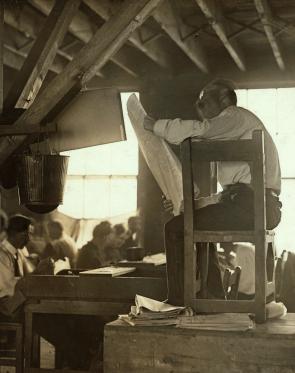
Then there is the history of the reader-aloud in the labor force. When the cigar industry blossomed in the mid-1800’s, supposedly the best tobacco came from Cuba (although much of the industry later moved to Tampa, Florida area). These cigars were hand-rolled by workers who became artisans in the delicate craft, producing hundreds of perfectly rolled specimens daily. Artistic as it may have been, it was still repetitious labor done in stifling factories. To break the monotony, workers hit upon the idea of having someone read aloud to them while they worked, known in the trade as ‘la lectura’.

The reader usually sat on an elevated platform or podium in the middle of the room and read aloud for four hours, covering newspapers, classics, and even Shakespeare.

As labor became more organized in the United States, the readings kept workers informed of progressive ideas throughout the world as well as entertained. When factory owners realized the enlightening impact of the readings, they tried to stop them but met stiff resistance from the workers, each of whom was paying the readers as much as twenty-five cents per week out of pocket.

The daily readings added to the workers’ intellect and general awareness while civilizing the atmosphere of the workplace. By the 1930’s, however, with cigar sales slumping due to the Great Depression and unions growing restive with mechanization on the horizon, the owners declared that the reader-aloud had to go. Protest strikes followed but to no avail, and eventually readers were replaced by radio. But not in Cuba.

The Cuban novelist Miguel Barnet reports, “Today, all over Cuba, this tradition is alive and well. Readers are in all the factories, from Santiago to Havana to Pinar del Rio. The readings have specific timetables and generally begin with the headlines of the day’s newspapers. After reading the newspaper, the readers take a break and then begin reading the unfinished book from the day before. Most are women.”

Used by permission of the author, Jim Trelease, 2013, The Read-Aloud Handbook (Penguin)

No wonder Cuban cigars are among the finest. This story is one of my favorites and illustrates the effect reading aloud has on people. Thank goodness I get to do this multiple times every day with children.

Stay tuned for Part 4.

Jennie

Posted in history, Imagination, Inspiration, Jim Trelease, reading, reading aloud, reading aloud, storytelling, Teaching young children | Tagged , , , , , | 64 Comments

George Carlin 8-23-18

George Carlin, who was a terrific comedian, sums up life and who we are – beautifully. Powerful words, spot on wisdom.

Posted in Uncategorized | 28 Comments

Book Review: The Miraculous Journey of Edward Tulane by Kate DiCamillo #KateDiCamillo #UltimateReadingChallenge

Whenever someone asks me to recommend a book that is not a young children’s book, this is the one. THE ONE. I cannot tell you how many times people have found a scrap of paper or a napkin to write down the name of this book, because I was passionate, nearly frantic to tell them the book I loved the most. This review is terrific. Thank you, Mischenko.

Posted in Uncategorized | 22 Comments

Nature on the Playground

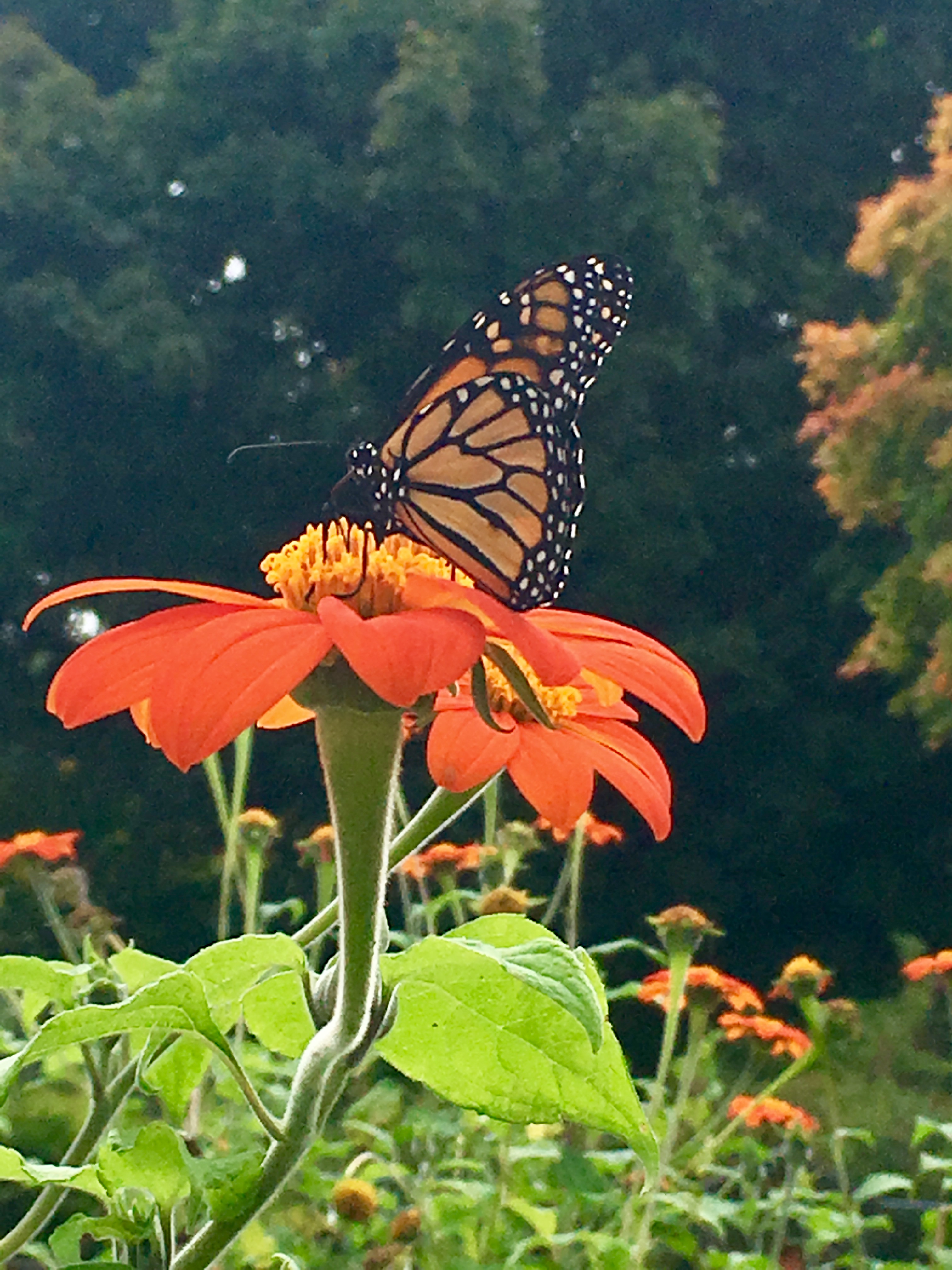
The last flowers of summer, strong and tall.
A playground in itself for butterflies and bees.
A wonder of discovery for children.
Nature is the greatest teacher.

Every day the playground at school is chocked full of something to be discovered.  It waits, quietly and patiently, hoping children will find all its hidden gems.  Will they find Chippy’s new tunnel?  Will they stand under the maple tree to look up and see the changing colors?  Will they find the last of the yellow tomatoes hidden on the vine?  Will they follow the butterfly as it plays in the flowers?  The treasure chest awaits.

Jennie

Posted in Early Education, Imagination, joy, Mother Nature, Nature, preschool, Teaching young children, wonder | Tagged , , , , , , | 68 Comments

Language, Literacy, and Storytelling – Part 2

In Part 1, I talked about growing readers, reading aloud, and chapter reading.  I talked about how language, and the number of words a child hears is critical to academic success in school.  And I took language to the next step, expanding on a picture book and writing what children saw and thought.

Part 2
I begin with that last word, ‘thought’.  How do I help children climb the ladder and take them to the next level?  Let’s start with some facts:

  • Every child wants to read when they begin school.  Enthusiasm is 100%.
  • By fourth grade only 54% read something for pleasure every day.
  • By eighth grade only 30% read for pleasure.
  • By twelfth grade that number has dropped to 19%.

The key word is pleasure.  Reading aloud = academic success + pleasure.

The U.S. Department of Education’s report in 1985 on Becoming a Nation of Readers stated:

“The single most important activity for building the knowledge required for eventual success in reading is reading aloud to children.  It is a practice that should continue throughout the grades.”

I was a new teacher then, yet I just knew this was true.  Teachers can tell.  I jumped into reading aloud with both feet, and I quickly saw the results.  Statistics talk, and I was a witness.  That’s the backstory.

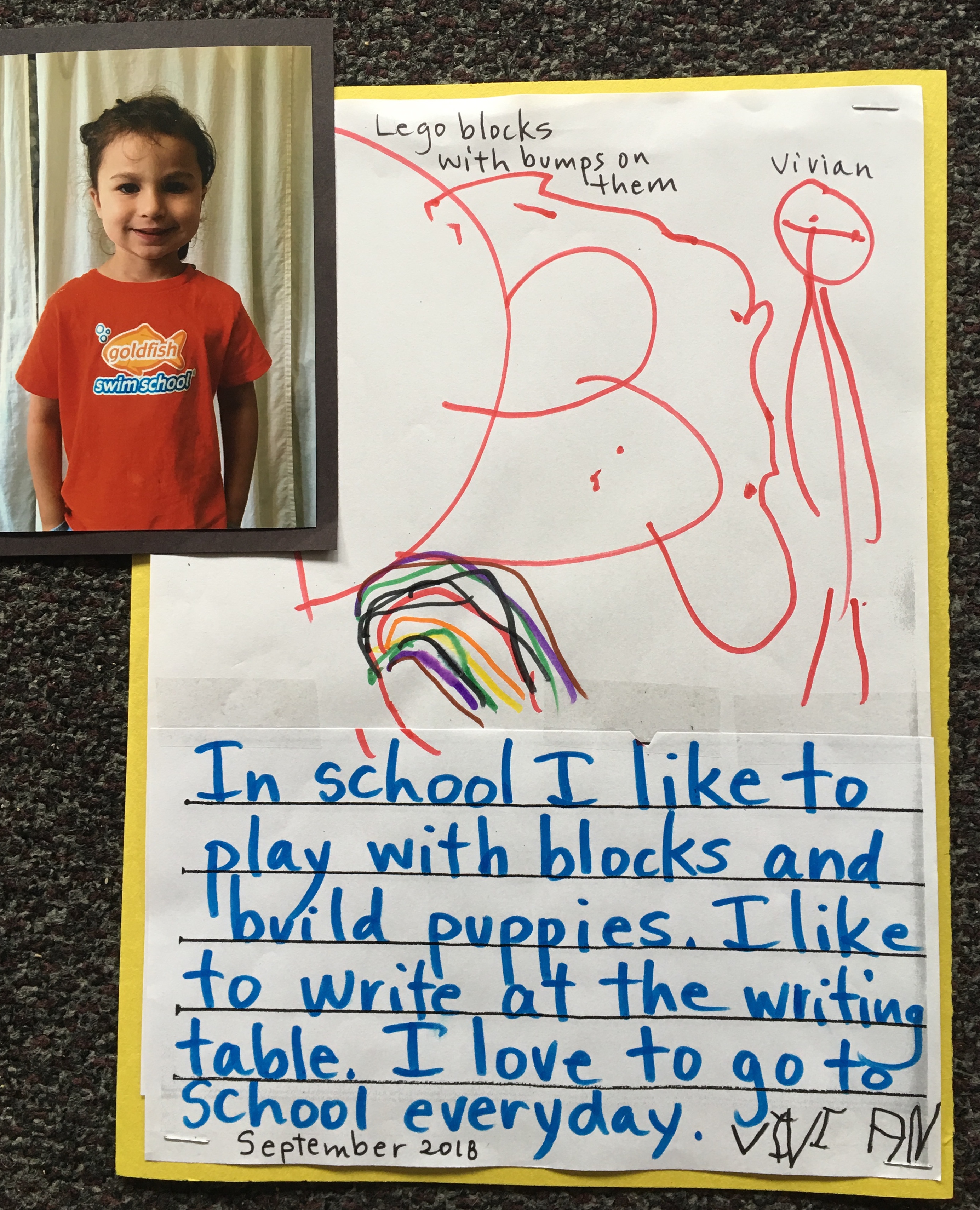
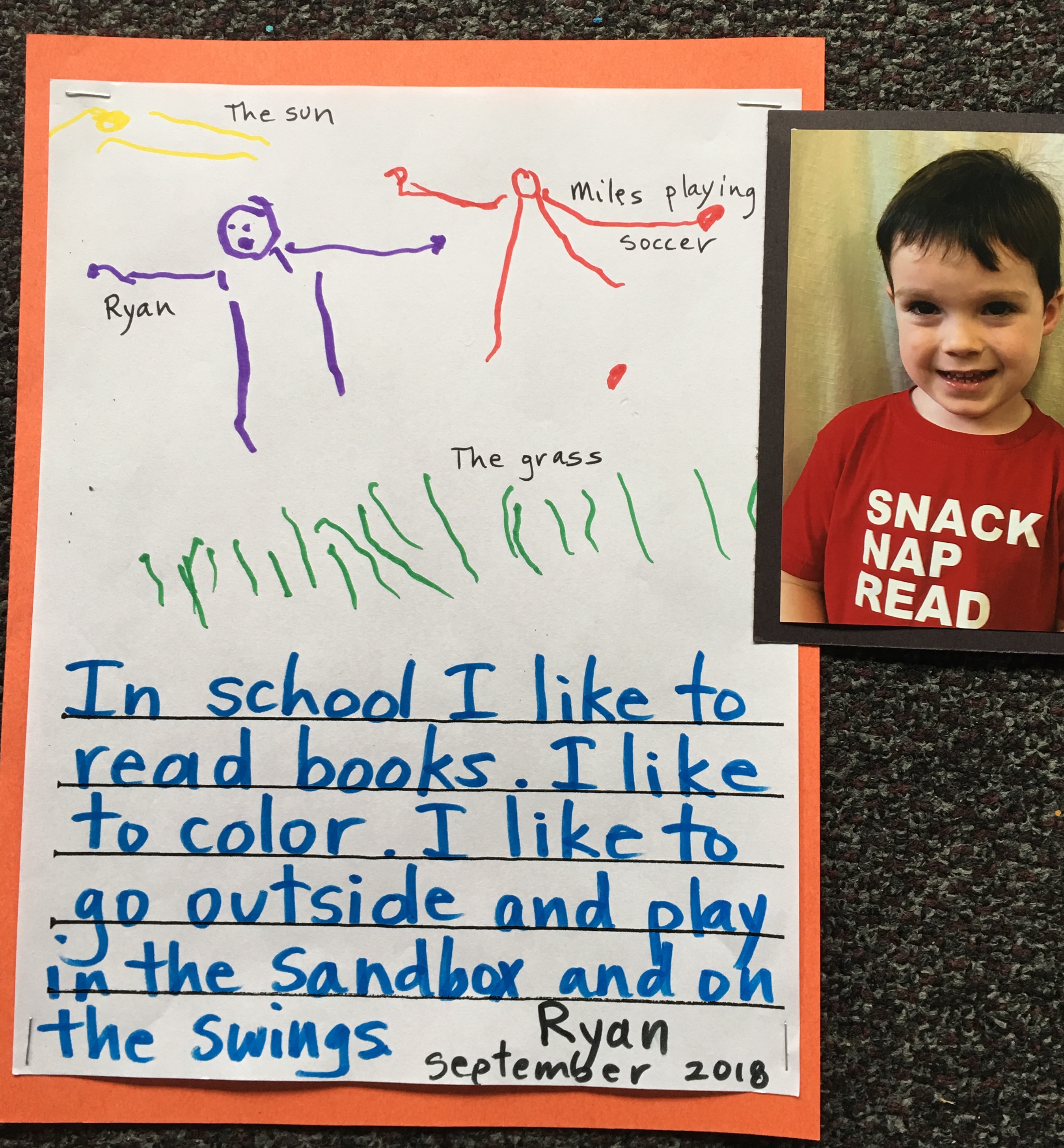
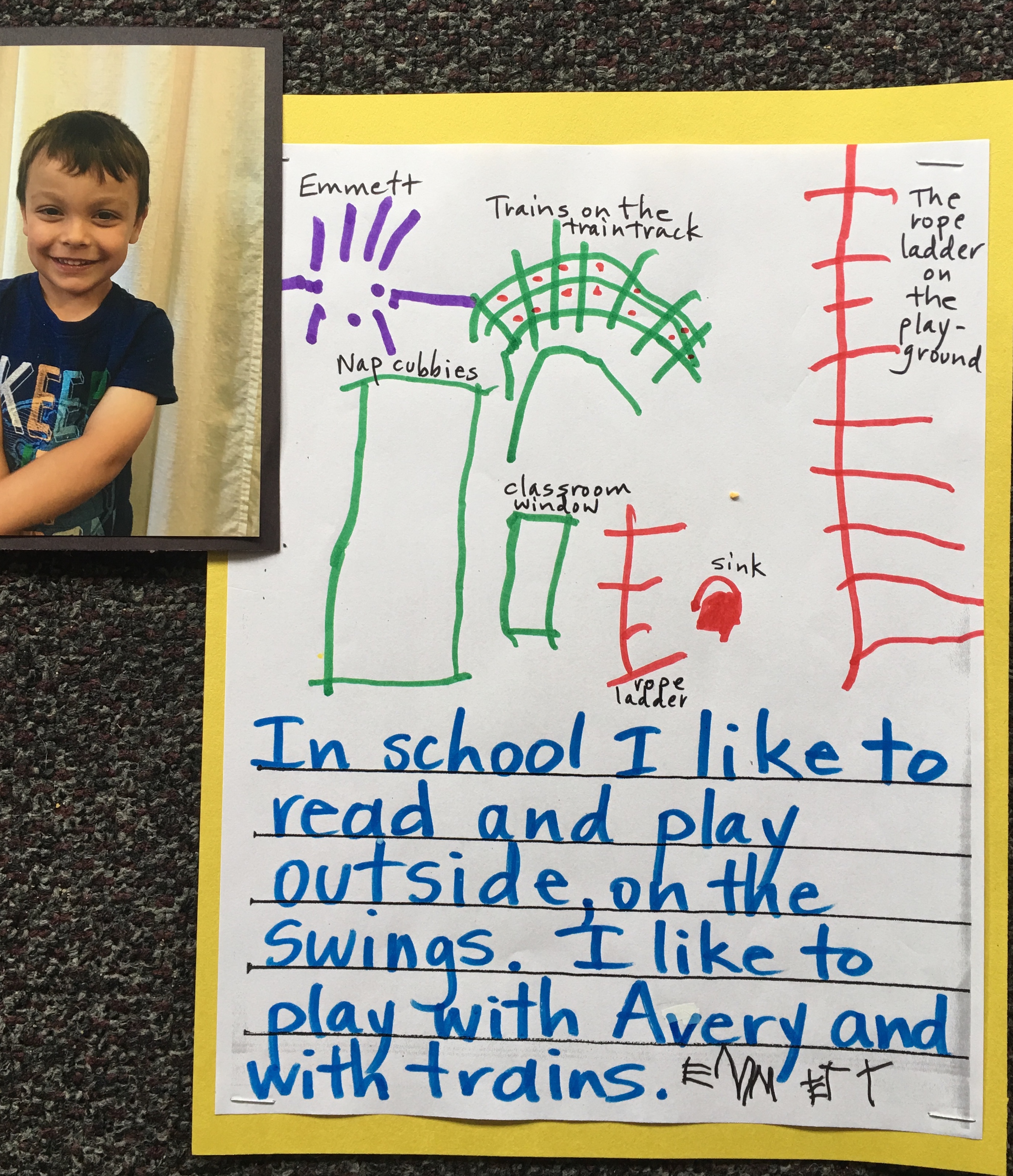
In order for children to climb that ladder and take language to the next step, my first project of the school year is writing picture stories with the children.  In late September I ask each child what they like to do in school. This is not a casual question. It’s the first time their teacher has asked it, one-on-one. First, they have to think. I can almost visualize a fast-forward movie playing in their brains. With no other prompting or questions, I get “the story”.

Each child watches as I write his / her exact works. I have not only put their thought into a written image, I have validated that what they say is important. Because it is. Next, each child draws a picture of their story. I mount the story along with their photo and hang it in the hallway. Of course we have a field trip to the hallway to read aloud everyone’s picture story. Language is critical to learning in all academic areas, so its only natural that creating picture stories is an excellent tool for teachers. Its a fun activity for children, because they want to tell you a story. Yet, children really have to think in order to do this. They must pull words from their heads to tell a story.

When we write stories, or picture stories, it gives children the opportunity to use all those wonderful words they have heard, over and over again, through our picture books and chapter reading. Now, it is their turn. Instead of listening and learning, they are taking their own experiences, using what they have learned through reading, and making stories. That is why their stories are rich in vocabulary and text. Writing stories also increases social skills, language skills… and confidence.

Stay tuned for Part 3.

Jennie

Posted in chapter reading, Early Education, picture stories, preschool, reading, reading aloud, reading aloud, storytelling, Teaching young children | Tagged , , , , , , , , , | 65 Comments

Quotations on Thinking

Excellent quotations on thinking from Charles French.

frenchc1955's avatarcharles french words reading and writing

albert-einstein-401484_960_720

(https://pixabay.com)

“The world as we have created it is a process of our thinking. It cannot be changed without changing our thinking.”

                                                                           Albert Einstein

Plutarch_of_Chaeronea-03

(https://en.wikipedia.org)

“The mind is not a vessel to be filled, but a fire to be kindled.”

                                                                          Plutarch

philosophy-2603284_960_720

(https://pixabay.com)

“The unexamined life is not worth living.”

                                                                         Socrates

View original post

Posted in Uncategorized | 23 Comments

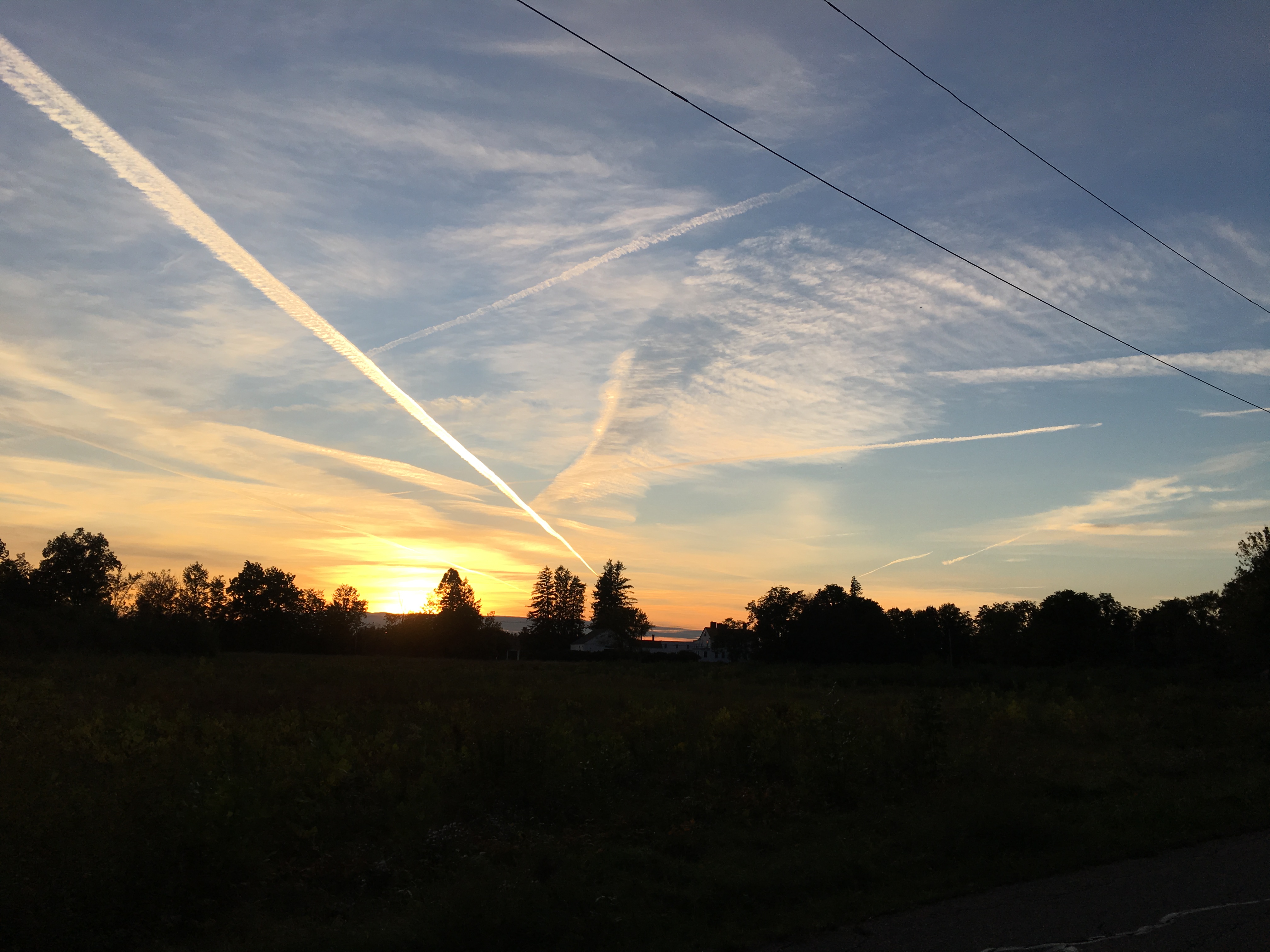
Evening Sky

Thank you, Mother Nature.

Your evening sky is glorious.

Tomorrow I will show the children in my class.

We will count your colors and talk about the sky.

I wonder what the questions and stories will be.

Jennie

Posted in Early Education, Expressing words and feelings, Giving thanks, Imagination, Inspiration, Mother Nature, Nature, Teaching young children | Tagged , , , , | 35 Comments

Language, Literacy, and Storytelling – Part 1

As a teacher, I want to grow readers.  I want to help children develop a sense of understanding.  I want children to become curious, and eager to discover.  I learned early on that in order to do this, it all begins with language and hearing words.  Fact:  a child’s success in school in all areas, not just reading, is directly attributed to the number of words s/he hears.  As a parent of young children, that fact alone made me want to run to the public library.  And I did.  As a teacher, I became an advocate for reading to children.  I just knew that pouring all those words into their brains was filling the learning reservoir.  It happens in this order –  listening, speaking, reading, then writing.

Reading aloud became a passion and a constant in my classroom.  The guru of reading aloud, Jim Trelease, visited my classroom to hear me read.  He was curious that I read chapter books to preschoolers, and that they were glued to the story.  He was also writing the latest edition of his million-copy bestselling book, The Read-Aloud Handbook.  I am fortunate to be included in the book.

At chapter reading, children know that they make the pictures in their heads.  This week I said,

“The words go into your ears, and then into your brain and into your heart.  When that happens, you can see the picture in your head.  Can’t you just see Wilbur standing under Charlotte’s web?  Can’t you just see the morning dew making SOME PIG stand out?”

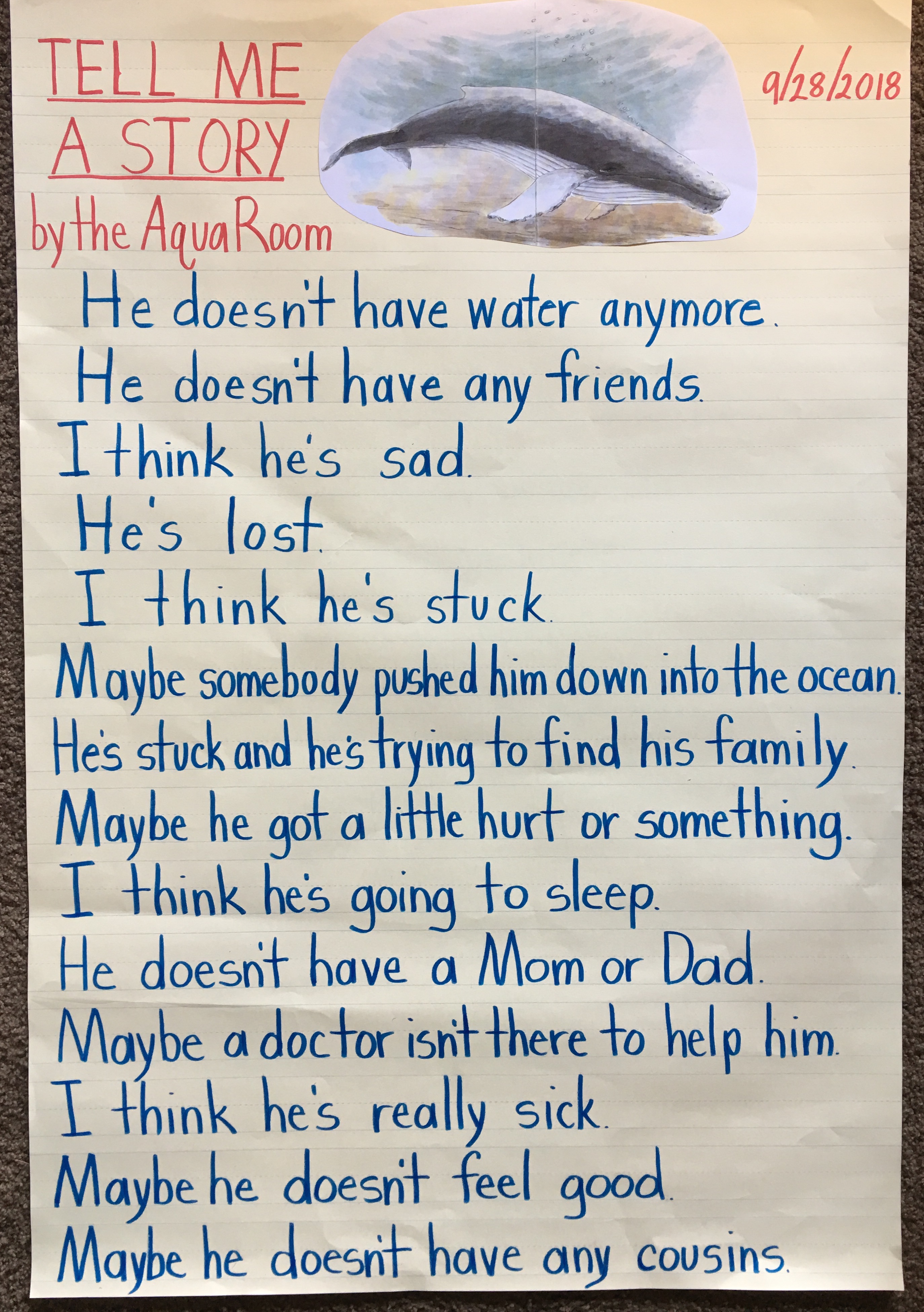
Oh, we had a wonderful, rich conversation!  Language and literacy.  Yes, it starts with language.  But, I felt pulled to do more, to help children cross over, to give them the tools to be a bigger part of it all.  I wanted children to use their own thinking – their own language.  Here is what happened:

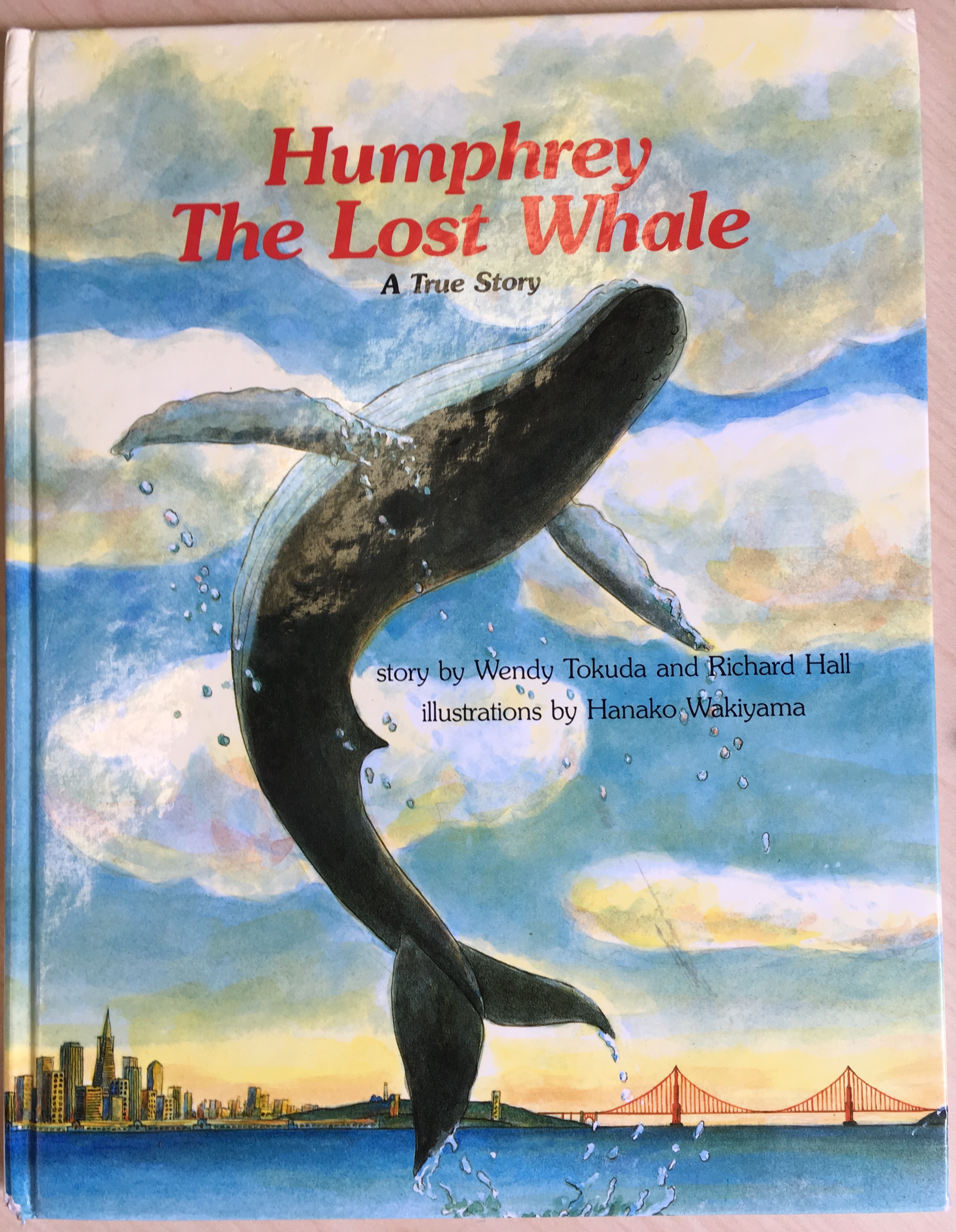
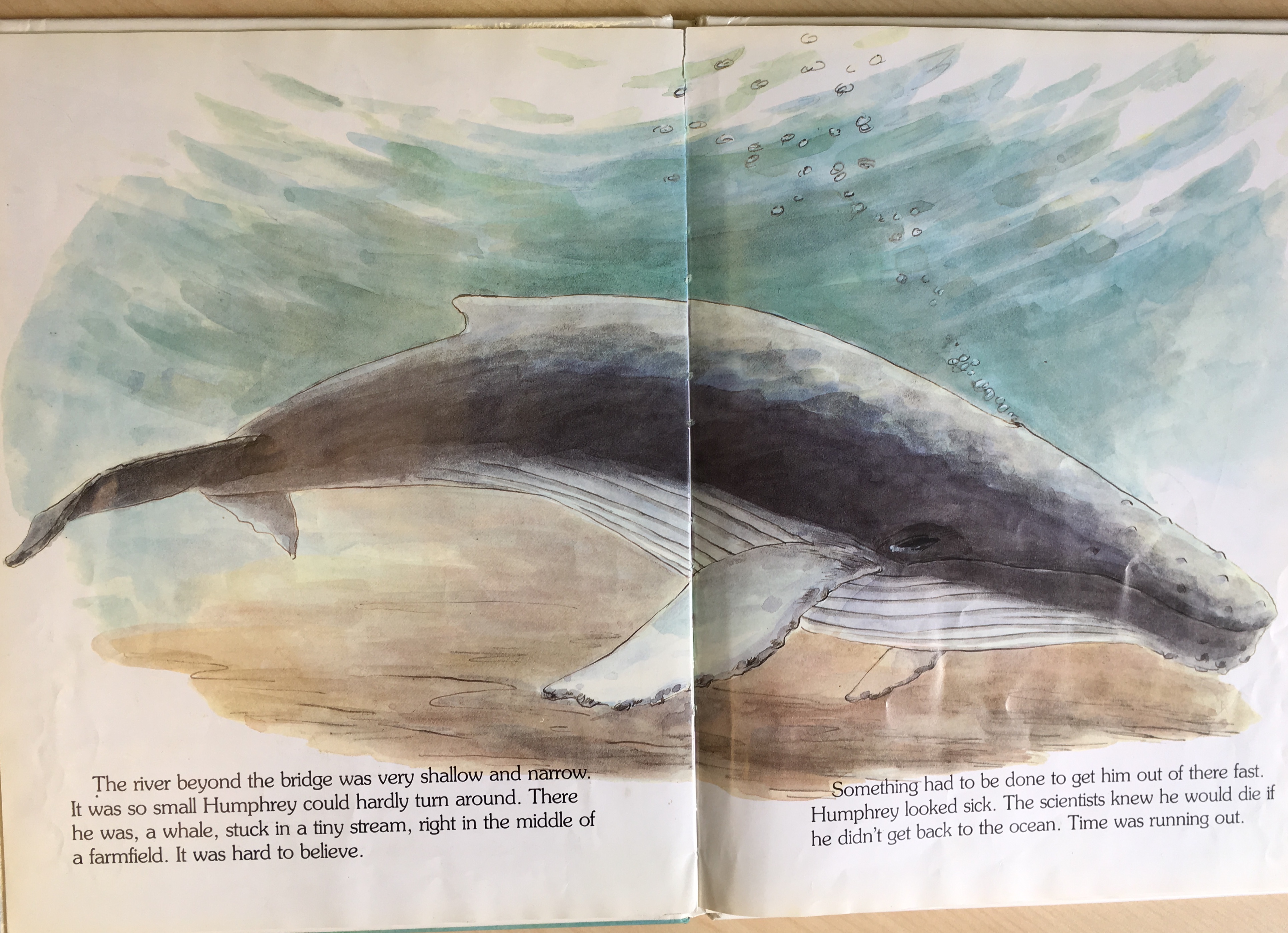
I read our first “fact” picture book of the year, Humphrey The Lost Whale, by Wendy Tokuda and Richard Hall.

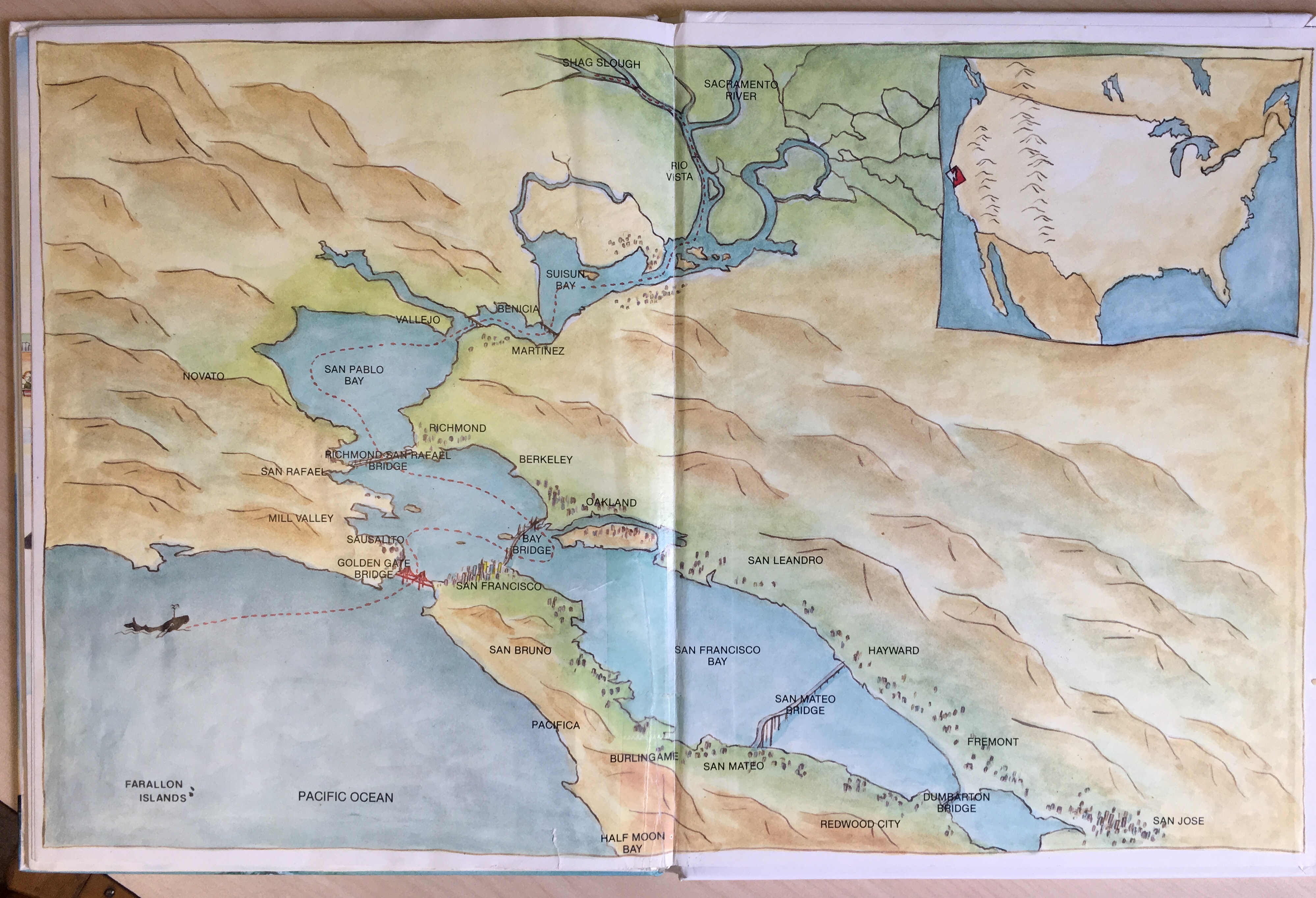
It is the story of a whale who goes into the San Francisco bay and gets lost.  He turns the wrong way and travels up the Sacramento River.  It took an entire day to look at and talk about the inside cover alone.  Geography at its best!

The small map is the United States.  Note the small red area.  That depicts the location of the large map.  We could see the ocean, the Golden Gate Bridge, the bay, and Humphrey’s path up the river – which got smaller and smaller.  Questions and curiosity and conversations were abundant.  Plus, it was so cool that it was a true story.

The next day I read the book to the children.  We often stopped to talk about what was happening.  When we hit this page, I showed the illustration and just said, “Oh, no.”

Silence.  Big eyes.  Worried eyes.  We talked for a long time.  This was a meeting and a marriage of the mind and the heart.  This was also where children expanded on their language.  And so, they told their own story:

“Education is not filling a pail but the lighting of a fire.”
-William Butler Yeats-

Stay tuned for Part 2.

Jennie

Posted in Book Review, books, chapter reading, children's books, Early Education, Expressing words and feelings, geography, Imagination, Jim Trelease, picture books, reading, reading aloud, reading aloud, storytelling, Teaching young children, Writing | Tagged , , , , , , , , , , , , | 51 Comments

The Reading Snapshots Keep Growing

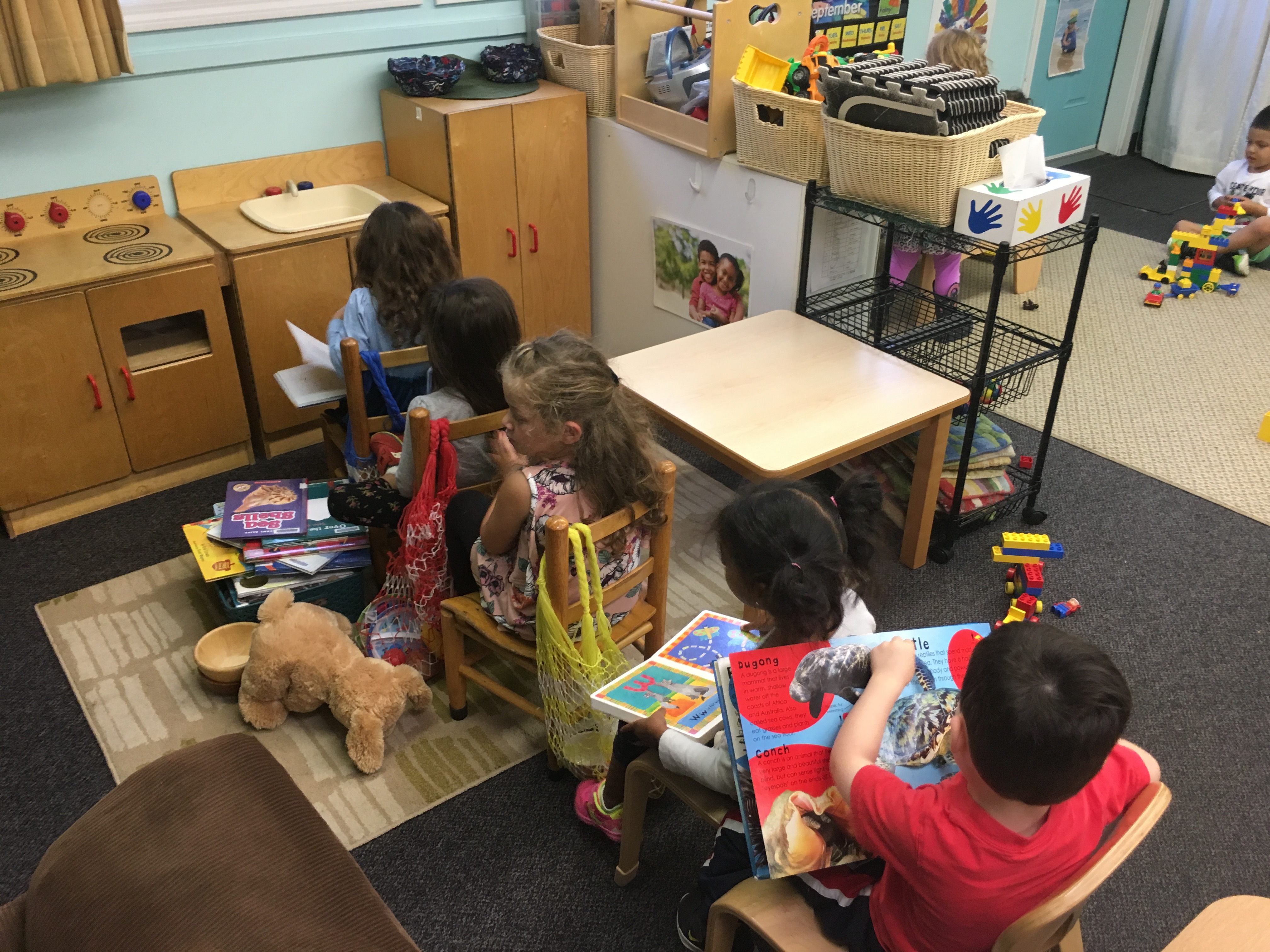
Children’s reading is growing!  Last week my preschool children began to read independently.  It was wonderful.  The photo of children on the rug with their books spoke to the power of reading aloud good books, and children modeling what they love.

And look what happened today:

Children decided to line up the chairs like a train, with every child reading a book. Teachers stood back and smiled, watching all that was happening.  All aboard!

Jennie

Posted in books, children's books, Early Education, Imagination, Inspiration, picture books, reading, Teaching young children | Tagged , , , , , , , | 46 Comments