
I read this book yesterday to children, and I only got through the first few pages. It is one of the best books to teach history and what happens over time. We had to stop and talk about so many things. Today we will finish reading the book. This is a repost, and it bears reading again and again.
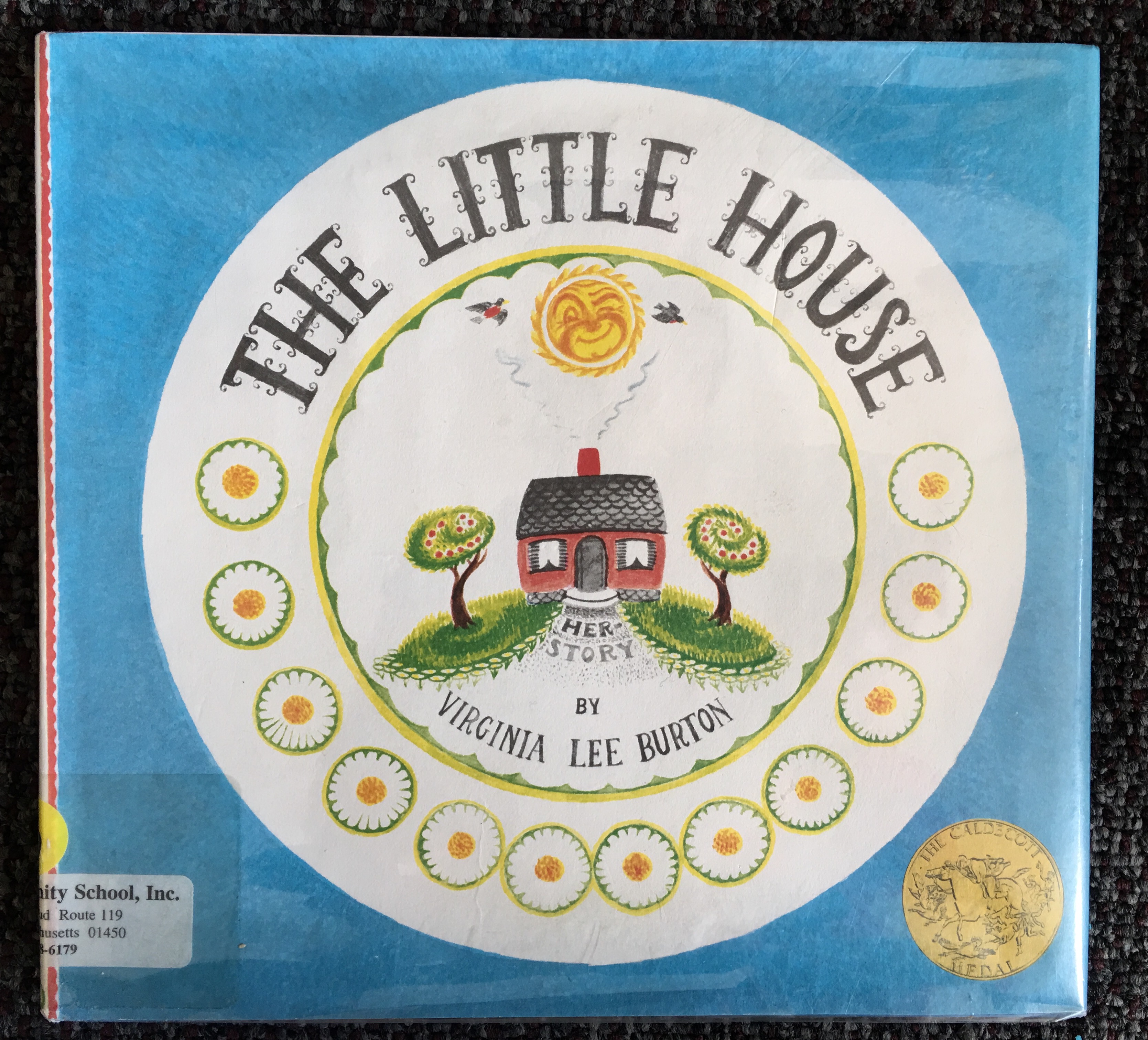
As I read one of the classic children’s books, The Little House by Virginia Lee Burton, it turned out to be an unexpected history lesson. This wonderful book begins with a charming little house on a hill, living through days and nights and the seasons. She loves the countryside and the changes. The early illustrations capture all the images of the seasons. At this point in the book children are hooked, because they love the little house. As I turned the pages they knew summer followed spring, then autumn then winter. Each page was predictable.
The next page was the game changer. A road is being built by the little house, yet the children couldn’t see what was happening on that page. How could they not see?
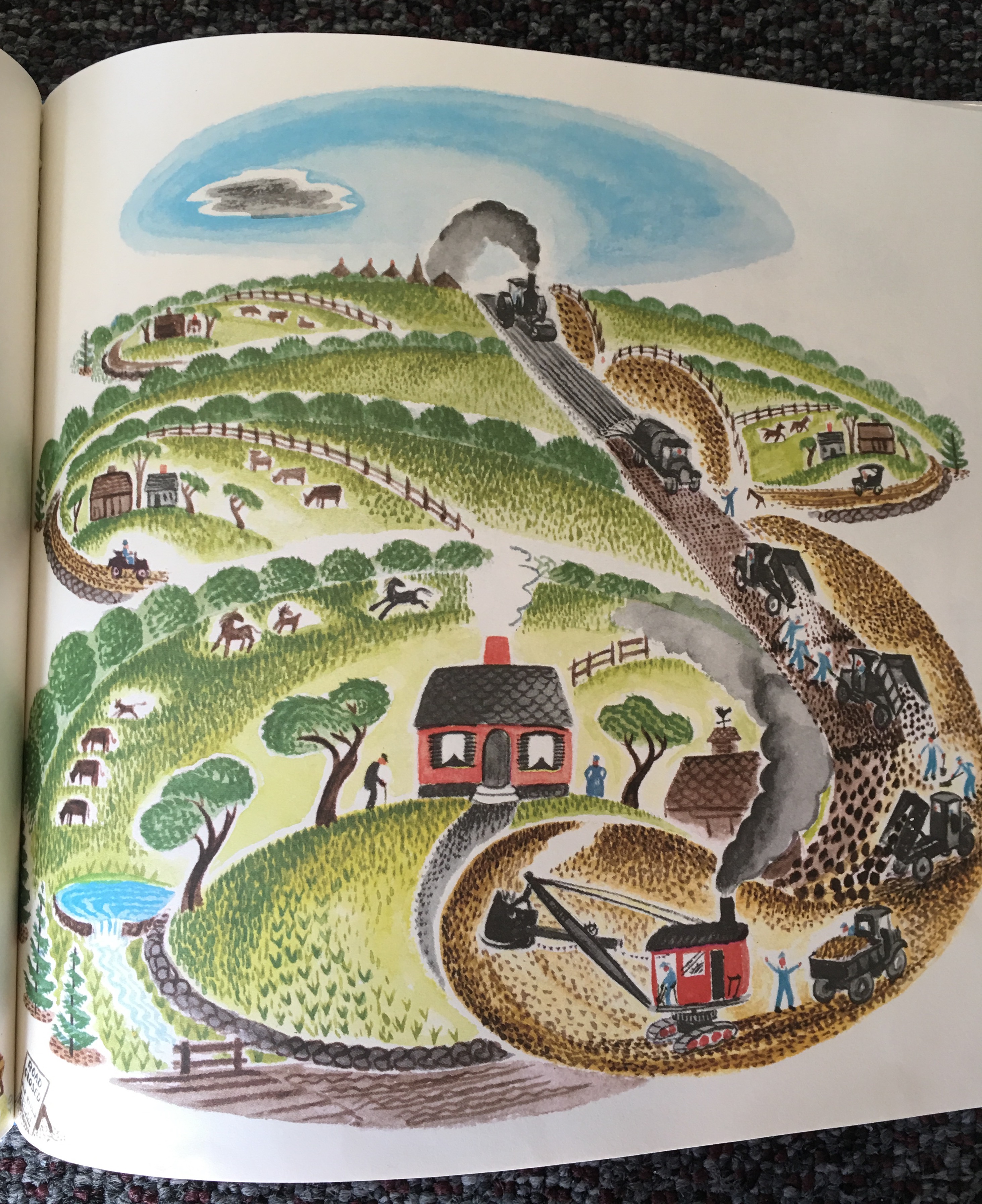
I went back and forth between the previous page and this page, asking plenty of questions. Were they so focused on the house that they couldn’t see ‘the big picture’? Once the children saw what was happening, the story changed; there was much more than just the little house. We talked about steam shovels and trucks, and the smoke from the steam roller. From this point forward, every page in this book shows a significant change, and we jumped in with both feet. The tenement houses were built, and that was the trigger for history. We talked about the buildings; they were different. Then a child commented on the cars passing by. Yes, they were different, too.
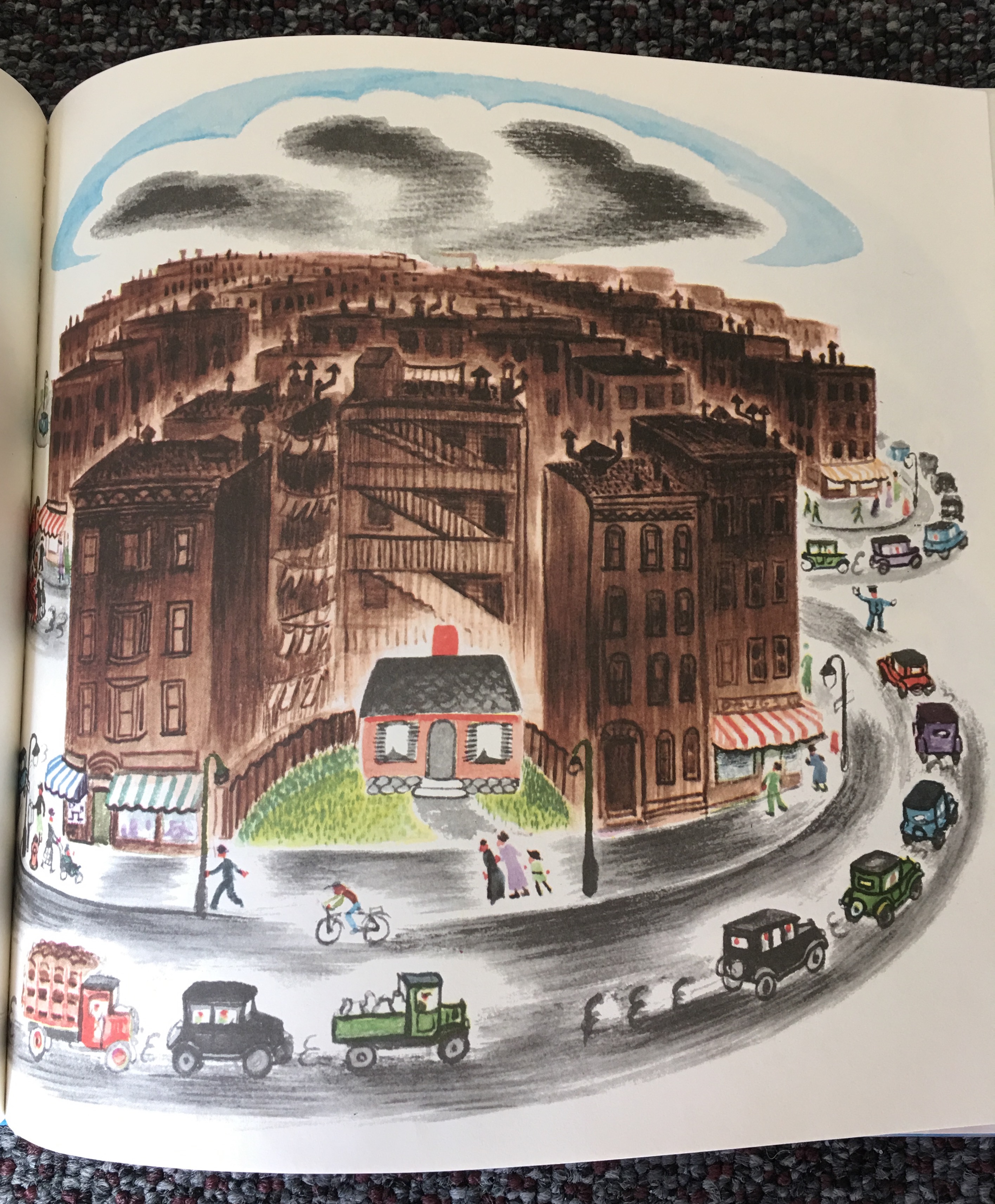
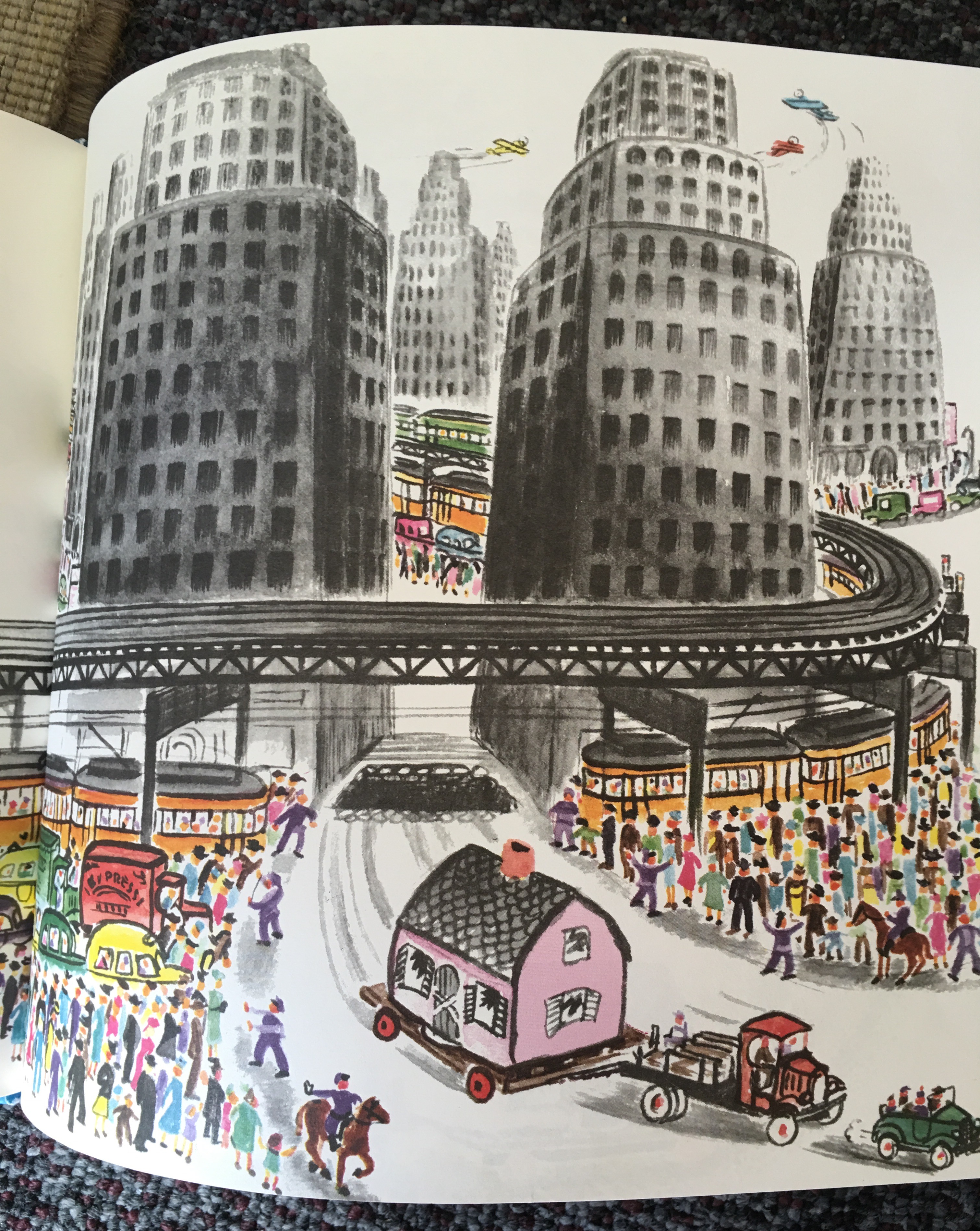
The cars started most of the conversation. I told children that my grandmother drove those cars and my mother was a little girl riding in those cars. Generations are a concrete way to teach history to young children. It’s their closest element to an abstract concept. Children identify history through their parents and grandparents, and a few lucky ones may have a great grandparent. It starts with something close to home, like a car, and that can be the catalyst to talking about history. That’s exactly what we did. The next page, and the next, and so on were steps in history. Trains and subway cars were a natural curiosity, since children were captivated by cars. Then came the twenty-five and thirty-five foot buildings. We talked about Boston and about Groton, and who has the tall buildings. We even imagined how high twenty-five stories would be.
Of course we never forgot about the little house, especially when she was moved from the city back to the country. This was perhaps the most exciting page; it sparked great conversation. Children asked how they did that, moving the house, and also asked how deep the hole was, and if the house was okay. This is the pinnacle in education. This page is all about math, science, engineering, kindness, history, and language. I think that’s why children like this page. There is so much to talk about and so much to learn.
The rest of the book is wonderfully predictable, as it should be. After all the lessons and learnings and dialogue that transpired while reading this book, the little house comes to rest at a new place in the country, much like where the story began.
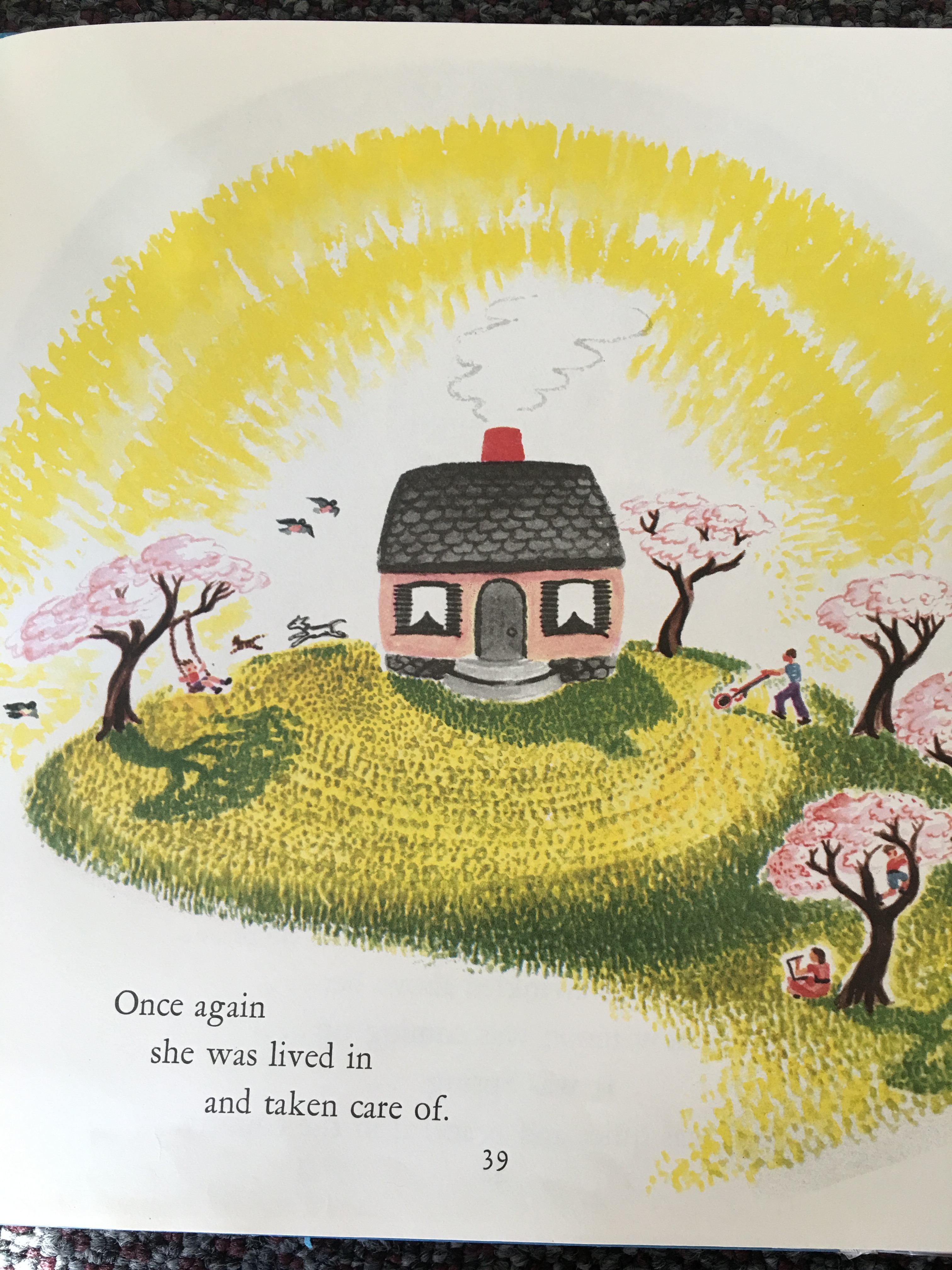
When I was in first grade, this was the one book I remember my teacher reading aloud. Frankly, that is my strongest memory of first grade. Now that I am the teacher, I have a greater understanding of how a picture book can teach history and beyond. That’s what I do.
Jennie











 A Teacher's Reflections