Look what just arrived in the mail today!
Jennie
To all fellow book lovers, cheers to the U.L.S. and to Charles French, the founder. I am a proud member. Read on!
charles french words reading and writing

View original post 175 more words
Dinosaurs are not extinct. Way back in ‘95, a dinosaur was born. He was lovingly painted, stuffed with paper, and tied with string. Don’t you love the big, toothy smile?
That year was a happy year for this dinosaur, hanging by the string and being in the classroom. The children loved their dinosaurs. This one went home with Michelle. She kept her dinosaur in her bedroom for years. Many years. The family is now packing up and moving away, and this dinosaur was the last thing to come down. It was given to me! Now, the rebirth begins, as I will introduce him, or her, to a new generation of children who will get to make their very own dinosaur.
You see, dinosaurs are always present in school. They’re not extinct. Just ask the children who carefully fed them dinner and arranged a dinosaur parade.
Children’s play is very real. That’s where the mind blossoms and explodes with learning. Critical, divergent thinking can only take place when adults are not involved and children have to problem solve on their own or with their friends. Dinosaurs often set the stage for this. Play is rich and involved and often complex when dinosaurs are present.
Let me give you an example of critical, divergent thinking. When the astronauts landed on the moon, minutes and seconds beforehand things did not go well. They had to think fast and make decisions. Guess what they attributed much of this skill to? Independent play as children, building with rocks and sticks (not easy) and making it work. I wonder if they played with dinosaurs.
The best series of dinosaur books is by Jane Yolen. I highly recommend these “How Do Dinosaurs” books. “How Do Dinosaurs Say Goodnight” is my favorite.
I will always champion for dinosaurs. They help children play, which is #1. They inspire curiosity, which triggers a plethora of math, science, and geography. Everyone loves dinosaurs. Thank goodness they’re not extinct.
Jennie
Surely, The Very Hungry Caterpillar was here.
Words to live by.
The sun – Eric Carle’s most immortalized art.
Jennie
The new exhibit at the Eric Carle Museum of Picture Book Art is:
Speechless: The Art of Wordless Picture Books
Wordless books? How can that be? How can you read a wordless book to a child? I’ll tell you just how to do that. But first, let me back up and tell you about the first wordless picture book I read to my students when I was a new teacher – over thirty five years ago.

“Rain” by Peter Spier
My copy is ‘well loved’ and worn.
The book opens with children playing outside in the sun, yet at a distance a storm is approaching. As soon as that caught the eye of a child, we all jumped in with both feet, wondering what will happen next. What will happen next? That’s the key, the ingredient that triggers questions, creative thinking, and most of all- language. The more we looked, the more we talked. It took forever to go through the entire book. We were late for lunch, but no one cared. One of the pages shows the children building a complex block structure. That afternoon we worked to recreate the structure (math.) The ripples in the water from the rain were all circular (science.) I think you get the picture- pun intended.
From that point forward my collection of picture books included wordless books. This is a very small selection:


The opening day of the exhibit was a treat for members, as David Wiesner spoke and gave a tour of the exhibit. Yes, the David Wiesner, author of “Flotsam” and many other award winning books. I was fortunate to meet David before the event. What a great guy!
We talked about how wordless books are the best for promoting language, and how they ignite and create words and conversation. We talked about many books, and I told him about the final book in “The Farmer And The Clown” trilogy. I was thrilled to share the news of a new book.
The exhibit is one of the best! The first wordless book was published in 1932… and the next one wasn’t published until 1962. Wow!
David Wiesner introduced “Rain”. Yes, I nearly jumped out of my skin. This was my first wordless book, and I was seeing the real illustrations.
It is quite moving to see the art of picture books, especially when it is a beloved book. When that book is wordless, the art is, well, everything. This is one of my favorites:
“The Farmer And The Clown” was part of the exhibit.

“Truck” by Donald Crews
A picture book timeline

“The Lion and the Mouse” by Jerry Pinkney

My favorite David Wiesner book is “Flotsam”, one of his many Caldecott winning books.
It starts with a boy on the beach looking at a crab.
Uh, oh! I will let you decide what is happening here.

Look at the picture. There’s more than one.

This hardly scratches the surface of all that’s within this book.
Words of wisdom from David Wiesner:
Wordless picture books are a visual problem solver. The pictures are the words. “What do you see?”
Yes, a visual problem solver. This is also how to start reading a book. Look, ask questions, and let the child find the answers.
It’s up to you what you make of the book, because the the author isn’t telling you.
There is no right or wrong because each reader sees something different. The same thing happens at an art museum, yet there is only one piece of art. With a wordless picture book, there is a journey of art.
Wordless books give the freedom to let out the imagination.
The adventure of reading can take any path the mind travels. Freedom!
The child sees the story in their own way, in their own time.
When the child wants to ‘see’, ask them to tell you about it. Talk. Listen. Language and creativity will follow.
Let the child put in their own words.
The reader-aloud is only the guide. “Something is happening.” “What do you see?”
Pictures are the clues to narratives.
Hear, Hear!
While the exhibit primarily focuses on wordless picture books from other artists, the number of books and illustrations will take you on one of the best visual journeys the Eric Carle Museum has displayed. I highly recommend visiting! In the museum’s own words:
The Carle is the international champion for picture books. We collect, preserve, and present picture books and picture-book illustrations for audiences passionate about children’s literature.
Jennie
From Milly to the Textiliste, three cheers to the work and beauty of quilters!
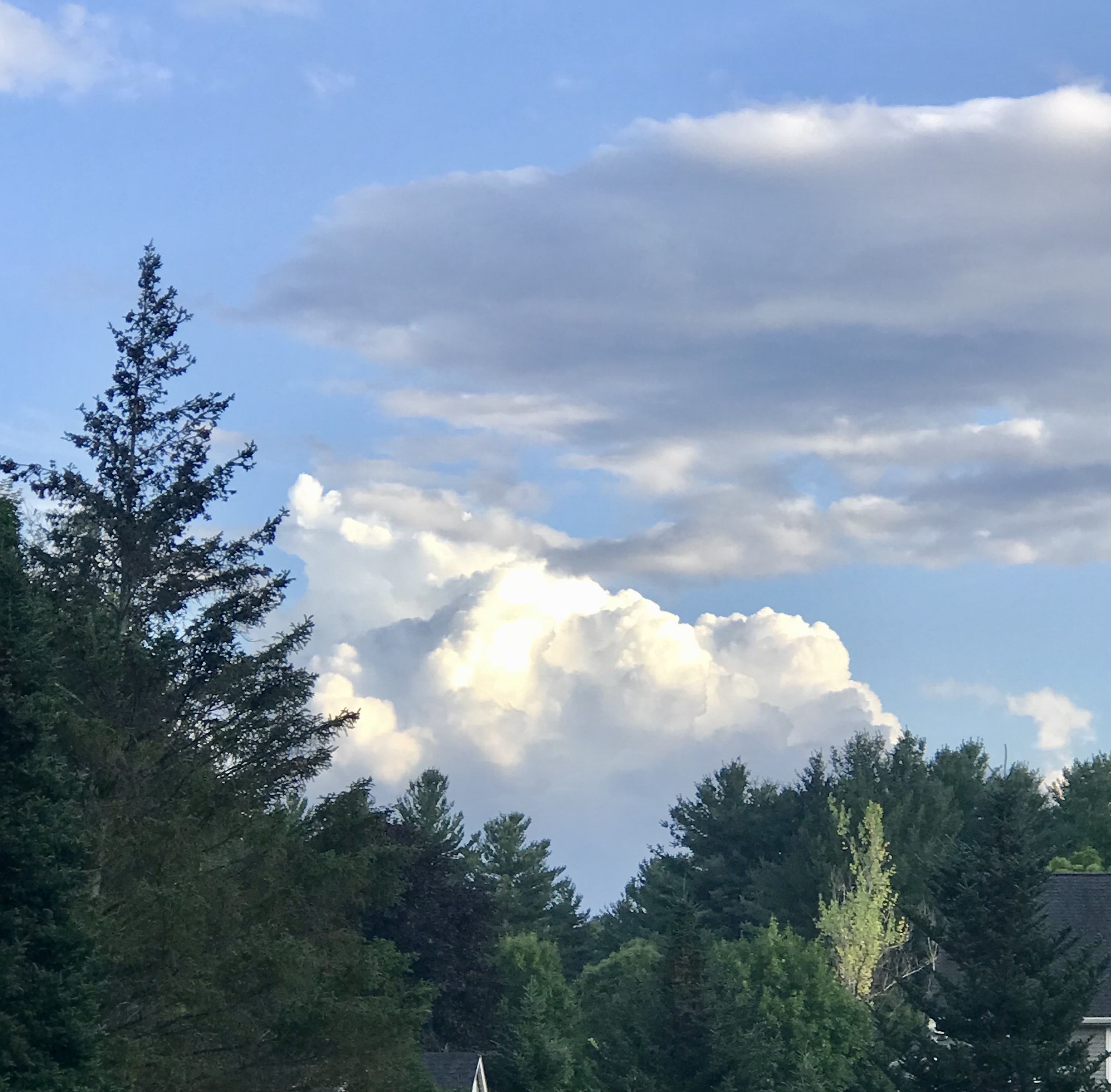
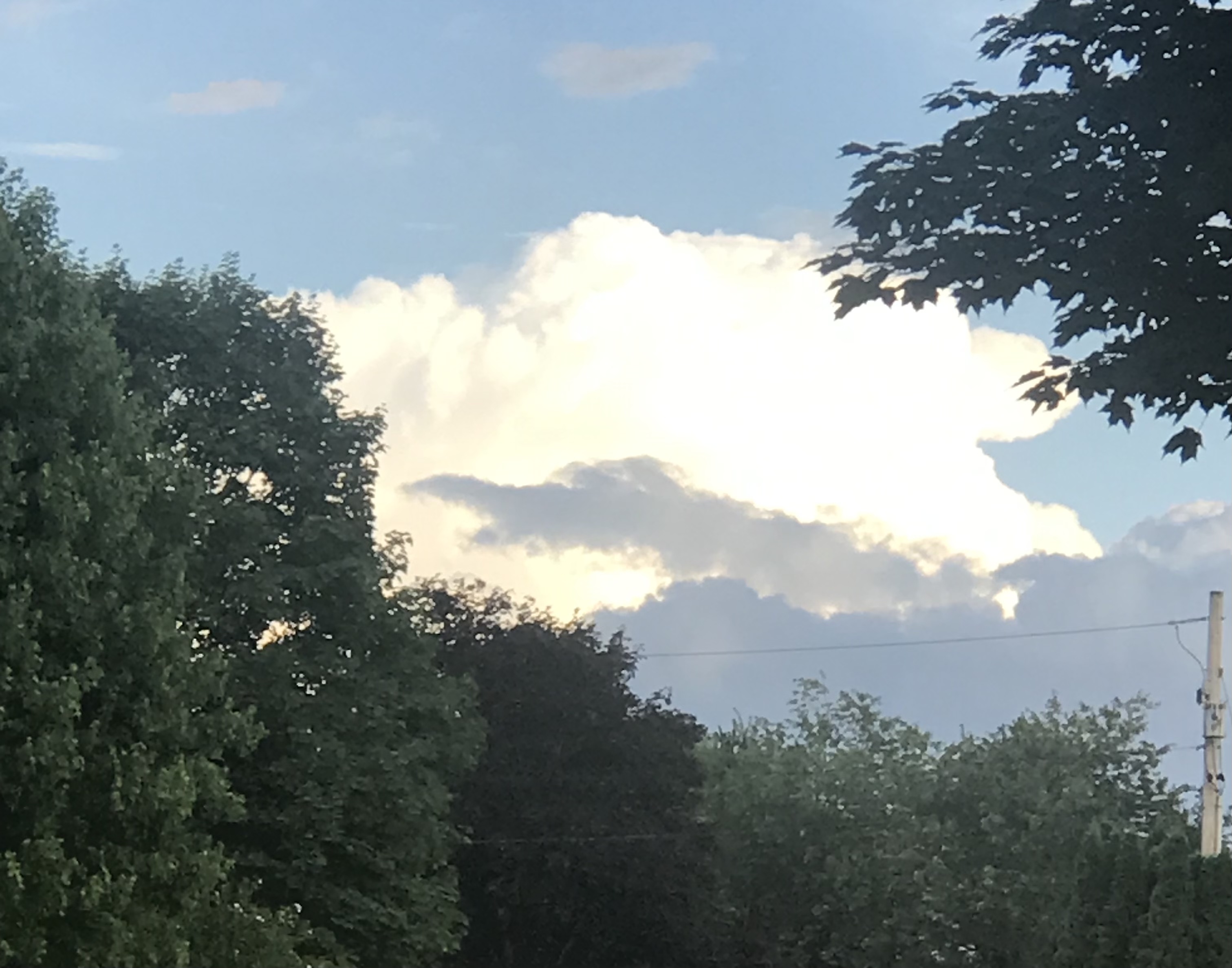
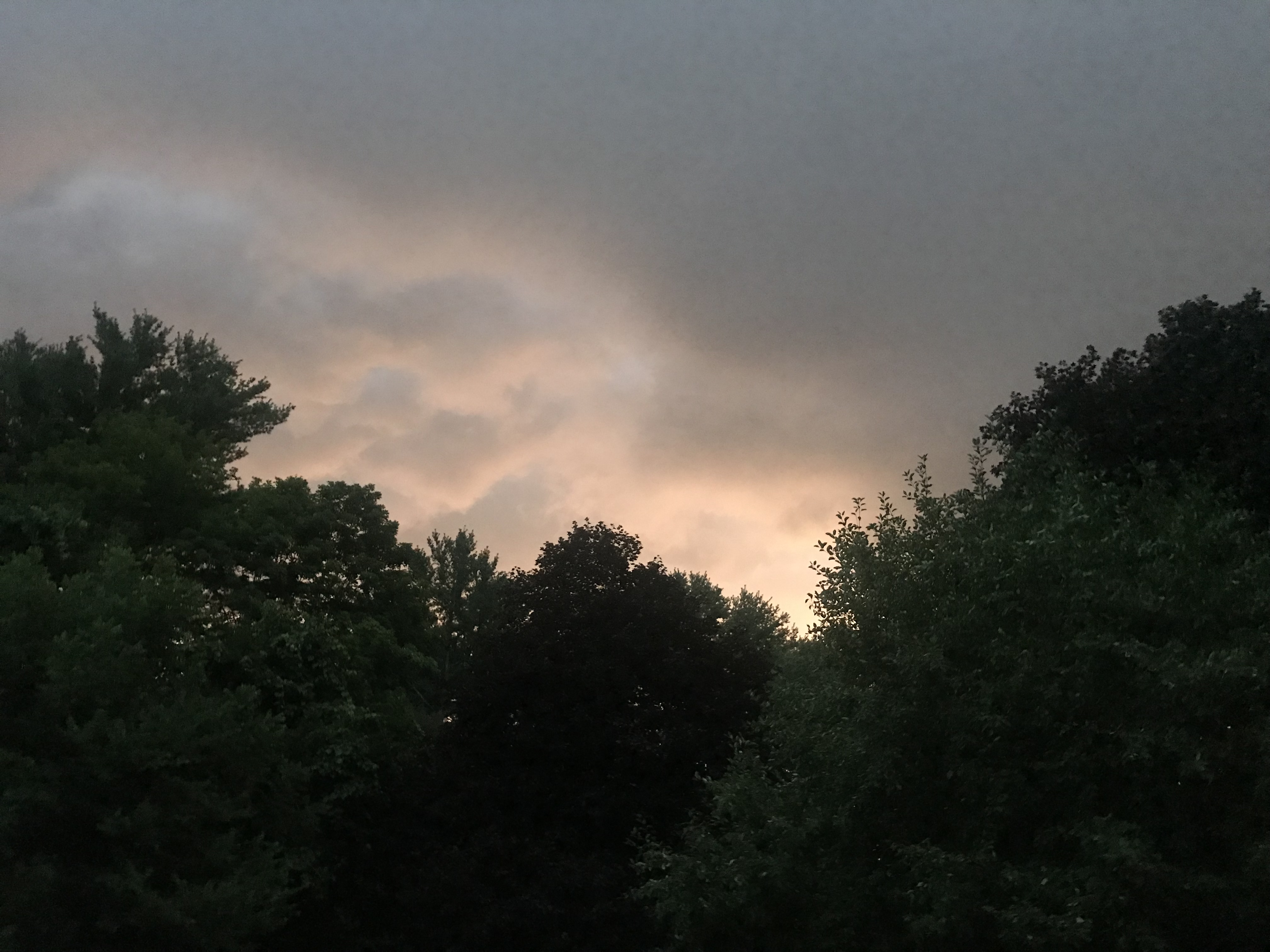
Moments #2 were sunsets, grandchildren, and what happens in my classroom. My final ‘moments’ post, Moments #3, is looking up, looking down, and looking out.

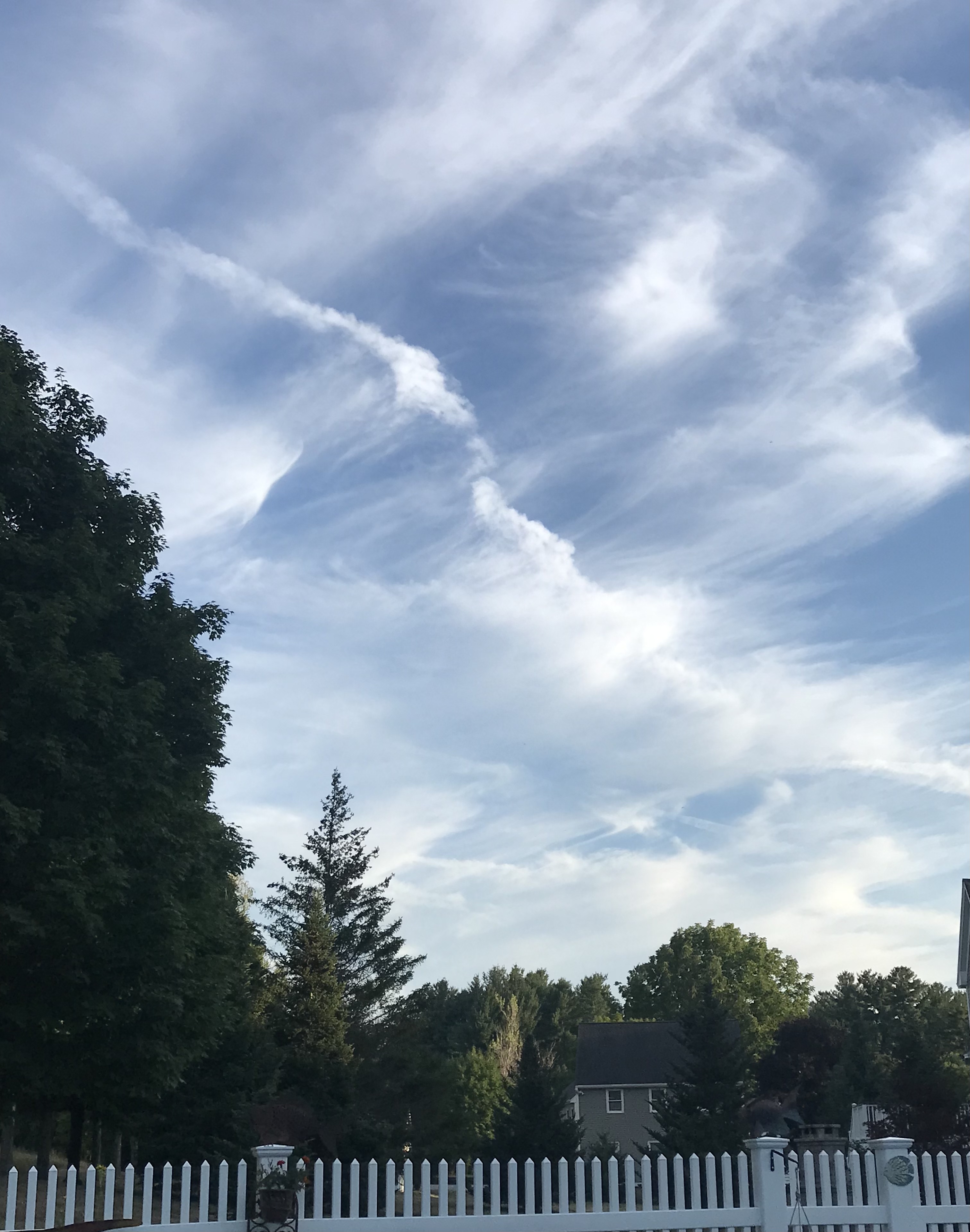
Rainbow around the sun yesterday at noon
Rainbows under water in my pool

Thank you E.B. White for these words of wisdom.
I was on my porch and couldn’t help but notice that, well…
the world seemed incredibly beautiful.
It filled me with sunshine. I’m so glad I paid attention and looked.

Looking inside was followed by looking outside.
In the words of Steve the Crossing Guard, spoken at his Curbside Classroom:
“Wherever you are, look up, down and around your own environment. Then, share your discoveries with others and get them excited, too.”
Thank you, Steve. I take that to heart.
Jennie