My Tree of Life

image

A tree is a universal and natural element for teaching young children.  It is almighty; the one thing that represents birth, life and death, seasons, colors, beauty, divergence, and wonder.  That list alone is startling, yet just the tip of the iceberg (or the treetop).

Children are grounded in nature.  We adults are, too.  And, it’s the tree that embodies all that nature teaches us.  No wonder it’s such a powerful symbol.

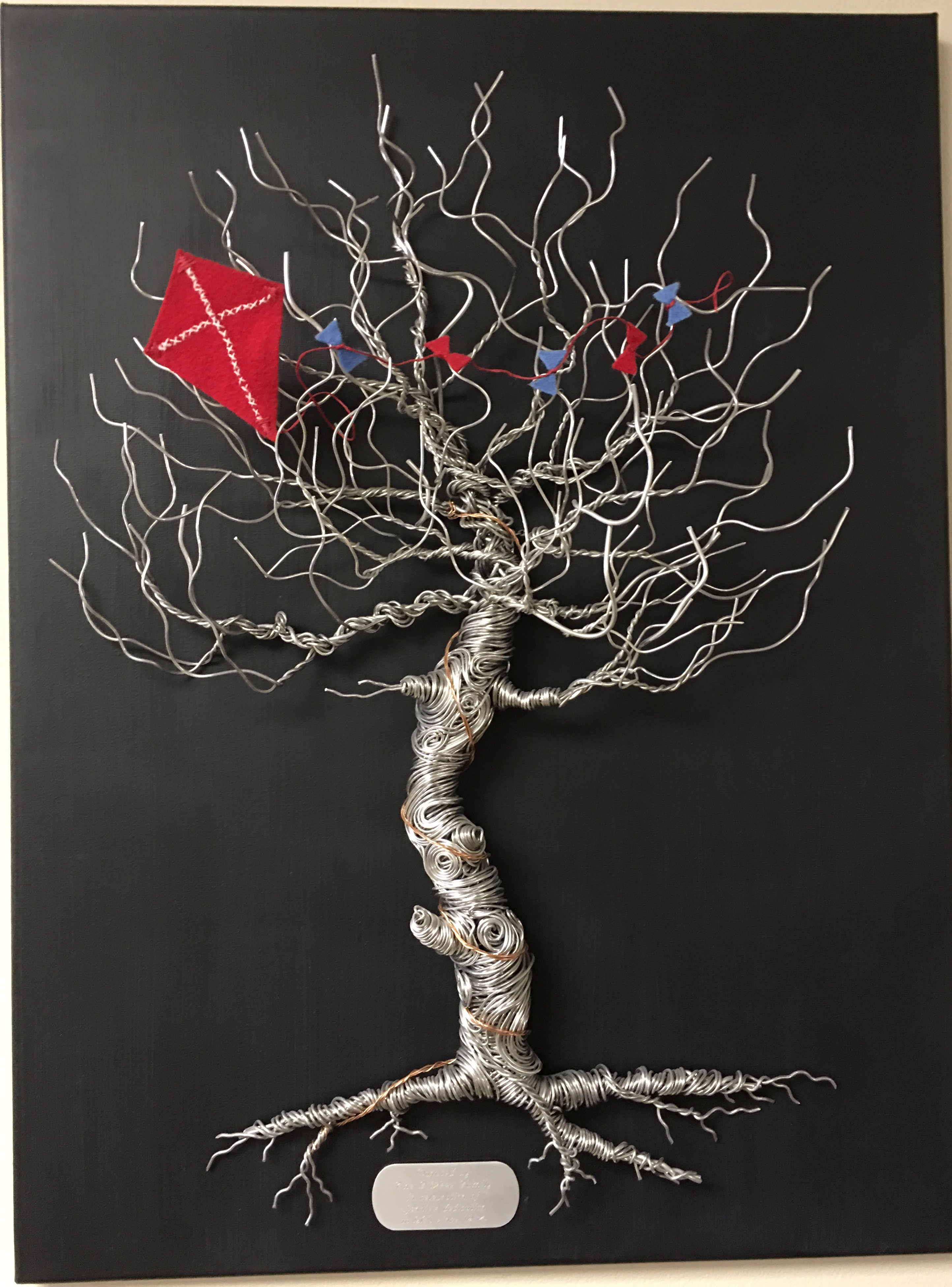
On a visit to Asheville, NC I purchased this tree from Mountain Roots Studio.  It spoke to me; from the roots, to the twisted, gnarly trunk, to the open branches.  I felt like this tree represented my life and my teaching.  I began laying roots and connecting with young children over thirty years ago.  The decades have been filled with my learning.  The big knots on the trunk represent landmarks where I felt I made a difference; reading-aloud, “Gloria”, introducing art and music, storytelling…  The branches explode, as hundreds and hundreds of children have ‘taken off’, and soared after they left my classroom.  And, there is the kite, the symbol that represents roots to wings.

How profound that a tree can speak the message of life, certainly my life.

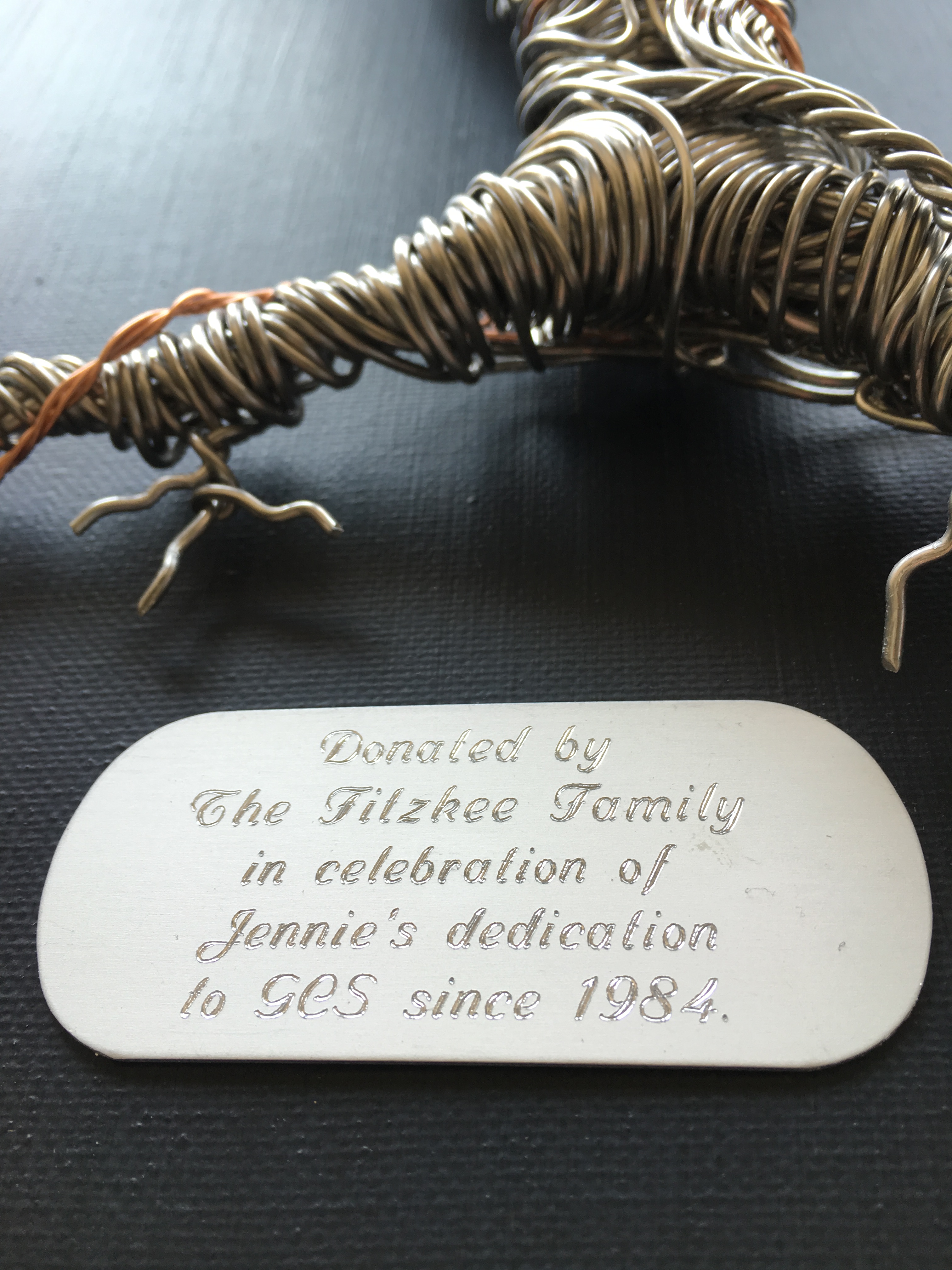
I brought this tree back to school and it hangs in the hallway for families and visitors to see.  Teachers understand.  They feel the same way.  Interestingly, the kite is also the logo at Groton Community School.  A plaque beneath the roots of the tree reads:

image

Donated by the Fitzkee Family in Celebration of Jennie’s Dedication to GCS since 1984.

The new school year begins tomorrow.  I will meet another group of children and have the opportunity to grow another root or two within my own tree.  Perhaps those children will feed on the roots and grow their branches in years to come.

That’s what I do!

Jennie

Posted in Early Education, Teaching young children, Uncategorized | Tagged , , , , | 30 Comments

A Dash of Risk

Raising resilient children who become lifelong learners with heart; that’s what I do. This says it well.

Marie Forst's avatarPlayful Directions

P1130178

Beginning a new school year is rife with uncertainty.  An unknown routine, strange surroundings, and rooms full of unfamiliar people all contribute to a high level of stress for both children and adults.  Will I know what to do? Will I like what I’m asked to do? What will happen if I’m afraid to try or, worse, try and fail?  Luckily, the reality is that our species has learned to adapt quickly.  Unfortunately, our emotional brains frequently forget this, leading to a fear of risk.

Within our educational bubble, we define risk as an opportunity to take a chance or explore an unknown.  It can involve physical, mental, and emotional tasks.  It becomes an acceptable risk when the consequence for failure is not life threatening nor seriously detrimental to the health and welfare of others.  A risk worth taking must present a substantial benefit that is not off-set by possible…

View original post 231 more words

Posted in Uncategorized | 2 Comments

Jennie Stories, the Early Years

image

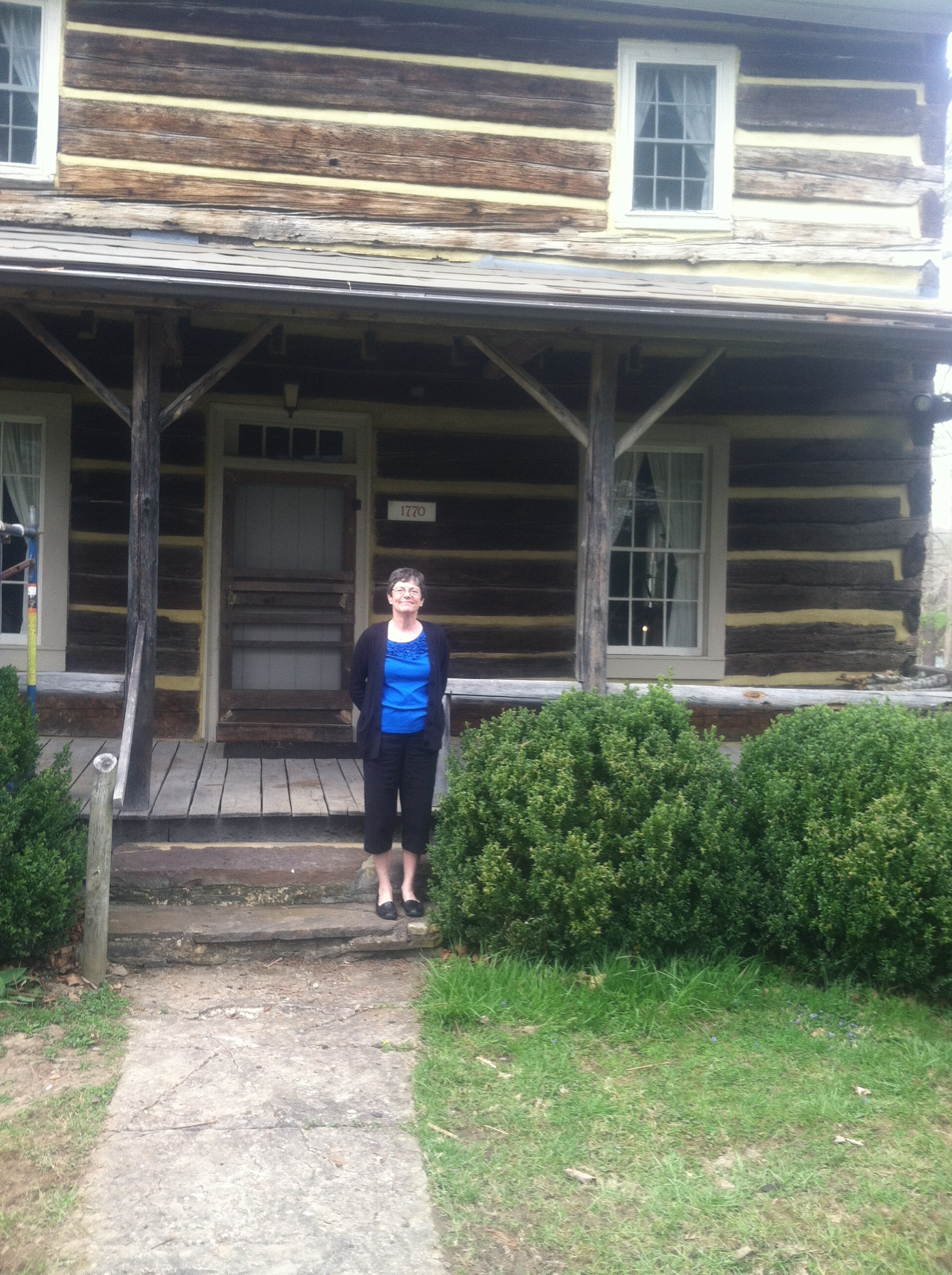
My family log house, early 1770’s

Telling stories is akin to reading aloud. Words come alive when children ‘make the pictures in their heads’.  Listening stretches the brain because language, every word, is suddenly a lit fuse.

When I started teaching, I had reading-aloud in my pocket, but not storytelling.  Well, not stories about me, ‘Jennie Stories’ (that’s what the children call them).  It started at lunchtime, a ‘classroom family’ time at school.  We talk about our families and a million other intimate and close things that bring us together.  One day I told a childhood story…

It was a dawning; all the benefits and power of storytelling were suddenly magnified since the stories were about me, their teacher.  I was real, and through my stories I had the same fears, worries, and silly mistakes.  Children really listened, and that means young brains were in the highest gear.  That translates into learning – of course I continued to tell my childhood stories!

The stories I heard as a child had the same effect on me.  Oh, those wonderful stories and memories!  My grandmother, Nan, was the storyteller.  I remember her stories well, and my own childhood events have become the foundation for ‘Jennie Stories’.

My first childhood memory is the sound of a train.  I was sleeping in the family log house in Lowell, WV.  The house today is known as the Graham House and is on the National Historic Register.  But, back then in the 50’s, my family still owned the house.  The history is thrilling; it is the oldest two-story log house west of the Appalachian mountains, built in the early 1770’s.  My grandmother, Nan, lived in the house until she was married.  She told me many times the story of Indian raids.  On one occasion the children were in the summer kitchen and ran to the house.  The boy did not survive and the girl was kidnapped. It took the father eight years to get his daughter back, trading horses with the Indians. Family stories.

As a child, listening to this story is much like my preschoolers listening to my childhood stories.  I know how that feels, and I, too, make those pictures in my head. 

The sound of the old steam engine train whistling by as I slept at the old log house is one of my fondest memories. When I recently visited the house with my husband, my first visit since 1964, I immediately recognized everything. I ran up the stairs and felt along the wall beside my bed, as there had been holes for rifles to go through when fending off an Indian raid. The holes were still there, just as I remembered, and just as Nan had told me.

Is it the sound of the train that makes my memories crystal clear?  I think so. On the playground at school the far away sound of a train goes by in the morning. Often I have the children listen carefully, and then I tell them about sleeping in a log house and listening to a train.  Stories are the keepers of words and memories.

Jennie

Posted in Early Education, Teaching young children, Uncategorized | Tagged , , , , , , , | 35 Comments

Quotations on the Importance of Education

frenchc1955's avatarcharles french words reading and writing

Nelson_Mandela,_2000_(5)

(https://en.wikipedia.org)

“Education is the most powerful weapon which you can use to change the world.”

                                                                                 Nelson Mandela

Socrates_Louvre

(https://en.wikipedia.org)

“Education is the kindling of a flame, not the filling of a vessel.”

                                                                                  Socrates

Malala_Yousafzai_par_Claude_Truong-Ngoc_novembre_2013

(https://commons.wikimedia.org)

“Education is education. We should learn everything and then choose which path to follow. Education is neither Eastern nor Western, it is human.”

                                                                                Malala Yousafzai

View original post

Posted in Uncategorized | 11 Comments

All Because of a Dragonfly… Talking Death With Children

image

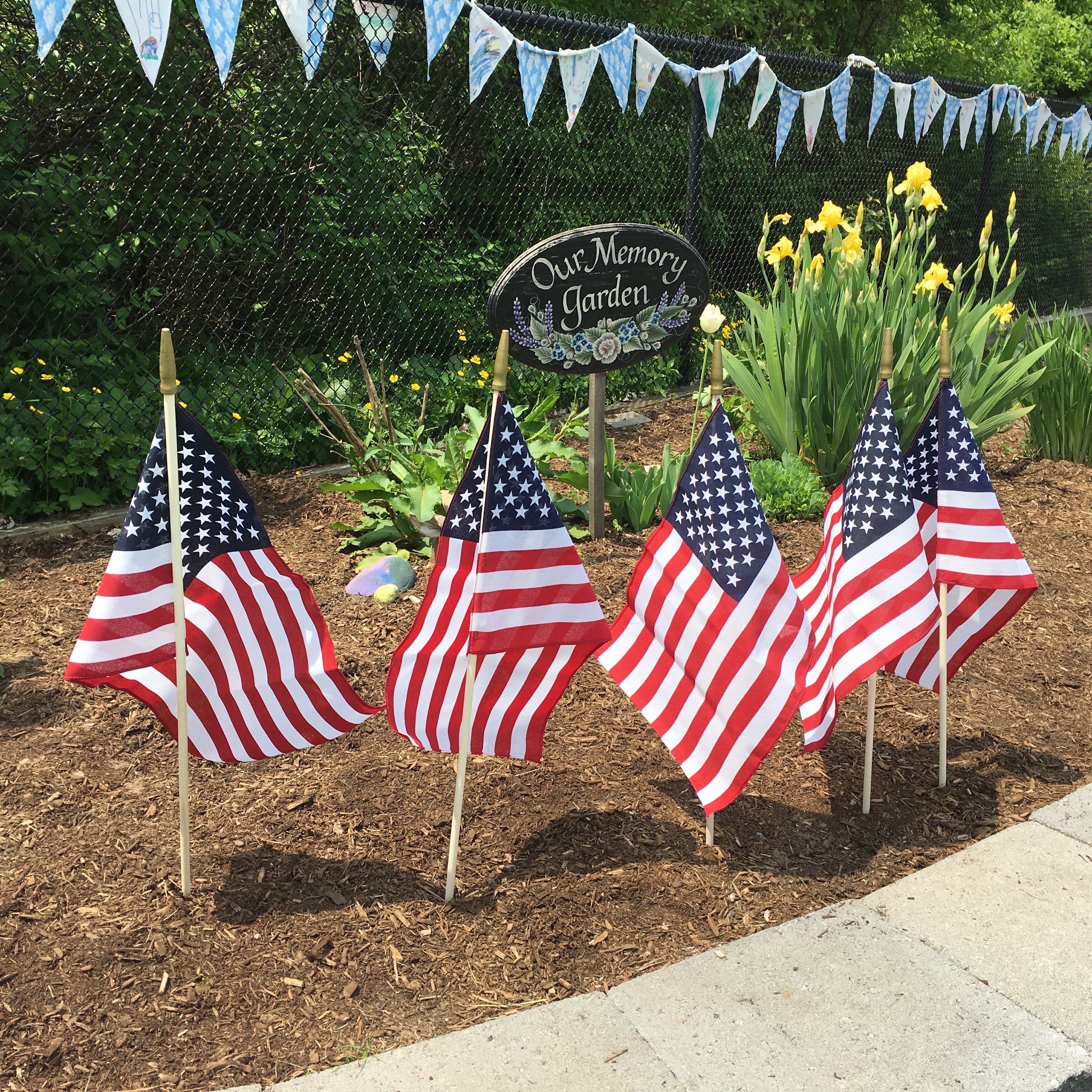
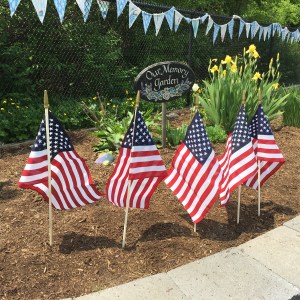
Our Memory Garden at school is a raised bed of beauty; flowers, sculptures, American flags, and a collection of painted rocks, all to mark classroom pets and loved ones who have died over the years. The garden sits quietly as children run and play alongside. It is welcoming, and children who visit inevitably ask questions.

Additionally, there is a flat paving stone with a carved dragonfly in remembrance of Taylor, a little boy in our school who died some years ago. Taylor adored dragonflies. Yesterday I noticed the garden needed weeding, and sat on the low stone wall to take care of Taylor’s dragonfly. Emma came over to ask what I was doing. She wanted to help me weed. That was the beginning of a remarkable series of events about dying.

Yes – dying – the word that scares teachers and parents. The “D” word. Something they hope they’ll never have to talk about until their child is older. I wasn’t scared.

Emma noticed the dragonfly and we weeded together to make things beautiful again. She was quiet, and this work seemed to be soothing to her. Well, that’s what I thought at first. Yet, it was far more than the weeding that was soothing Emma which I would soon discover. Ever-cheerful Scarlet bounced over with her signature big smile and curiosity. It was Scarlet’s first real visit to the garden.

“What’s that statue?”
“It’s a baby deer.. It’s for someone who died long ago.”
“Died? Is he under the deer?”
“Oh, no. People would have to be buried in a real cemetery.”
Long pause…
“Scarlet, the deer helps us to remember the person. See how beautiful his eyes are? We can remember the good. All statues and painted rocks represent pets and people who have died”, I said waving my arm across the garden. “Look here. What are those letters on the green rock?”
“They spell P-E-E-P”.
“Peep was our Guinea pig before Ella.”
“Emma, do you remember Peep?”

Emma nodded her head yes. She was there to love Peep when he was alive, and she was there when he died. Emma had not talked this entire conversation. She had not even made eye contact with either of us.  I told the children how Peep was buried deep under the rock in a pink lunchbox. I told them the story of how he had died at Audrey’s house on Christmas Eve, and how we had buried him in the snowy weather.

Then we talked about Peep and all the things he did when he was alive. We looked at the blue rock for Goldie the fish, and the rock for Sparky, and for many other pets. I told them stories of our first guinea pig. We weeded and talked. Finally Emma said, “My Nana died yesterday. She was ninety-five.” Relief.  She said it.  We talked some more, but now it was Emma who did the talking, all about her Nana.

Scarlett jumped right in, “My sister Ruby died.”
My silence must have deafening. “Do you want to tell us about it?”
“Yup. She was bigger than me. She died in Mom’s belly before I was born. We have her birthday every year.”

Elena, the inquisitive and thoughtful one, walked right over to Scarlet. “What happened? Your sister died?” And, Scarlett told the whole story over again, including the birthday part. Emma asked me if all the animals in the Memory Garden celebrated birthdays. I told her I didn’t know, but wouldn’t that be a wonderful thing. Everyone nodded and looked at me, hoping I could make something happen, or perhaps make things ‘right’ for the animals.

“Let’s sing Happy Birthday to everyone. What do you think”. Squeals of “yes”, hand-clapping, and jumping up and down told me that singing the song was indeed a good idea. We all held hands, including other children who had gathered at the Memory Garden, and belted out Happy Birthday, twice. It felt good. The children were satisfied.

Our Memory Garden is an open door for children to wonder about the circle of life and ask questions.  Don’t we all need that?  Don’t we need a remembrance, a garden to weed and take care of, and others who can listen and understand?

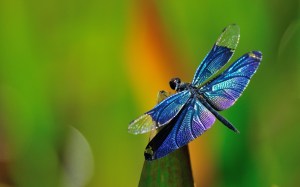
The next evening a friend and fellow teacher came over for dinner.  As we walked outside she noticed my dragonfly stepping stone in my garden.  We stopped.  This was a moment for her, beautiful memories after a tragedy.  When we walked out to sit by the pool, a rare ‘dragonfly show’ suddenly appeared.  Imagine that!
blue-dragonfly

Jennie

Posted in Early Education, Teaching young children, Uncategorized | Tagged , , , , | 45 Comments

What I learned from Children

Thank you, Nina, for your pearls of wisdom and seeing things through the eyes of a child.

Nina's avatarthehappylife101

I would define CHILDREN as the happiest creatures in the world. Oh, don’t you just envy their enthusiasm and high-spirits!

happy children

In my pondering, I realize that there are really some great things that we can learn from them- the actual simple reasons why they are always happy.

Here we go…

#1: Children love unconditionally.

They don’t have any hidden motives or agenda. They don’t say “I love you IF you are…”, or “I love you WHEN you…”…they just simply love for the mere fact of loving someone.

I remember one time when my daughter, Gaby told me that she loves me. I asked her why and I was astonished with her response: “Because I am happy with you.”My heart just melts with joy every time I remember that.

#2: Children apologize and forgive easily.

Unlike adults, children don’t hold grudges. They get angry and fight, but they make up easily and then forget…

View original post 333 more words

Posted in Uncategorized | 1 Comment

The Spirit Animal Award Nomination!

spirtanimal

I am deeply honored to have received a second Spirit Animal Award Nomination.  A heartfelt and sincere thank you to Charles French at https://charlesfrenchonwordsreadingandwritingatwordpress.com I say this  with the utmost of gratitude and thanks.  The award speaks to the spirit, and is a reflection of writing that inspires.  If you have not visited Charles French’s blog, please do.  His writing and posts are the best.  Really!

The  rules of the award:

*Thank the blogger who nominated you, and link back to his/her blog.

*Post the award picture on your blog.

*Write a short paragraph about your blog and what it means to you.

*Answer this question: if you could be any animal, what would it be?

*Choose and notify ten nominees

What does my blog mean to me?

My blog began a few years ago, compiling my numerous newsletters to my preschoolers’ parents and families; they reflect all that really matters in teaching children.  My blog has become a platform for stories of how the moments of ‘what happened’ are far more than just a moment.  I write with heart and excitement, because I am ‘there’, to be a part of terrific learning experiences, especially reading-aloud, art, music, geography, Gloria, patriotism… it is a great list!  My blog is my lifeline; it reflects making a difference.

What animal would I choose to be?

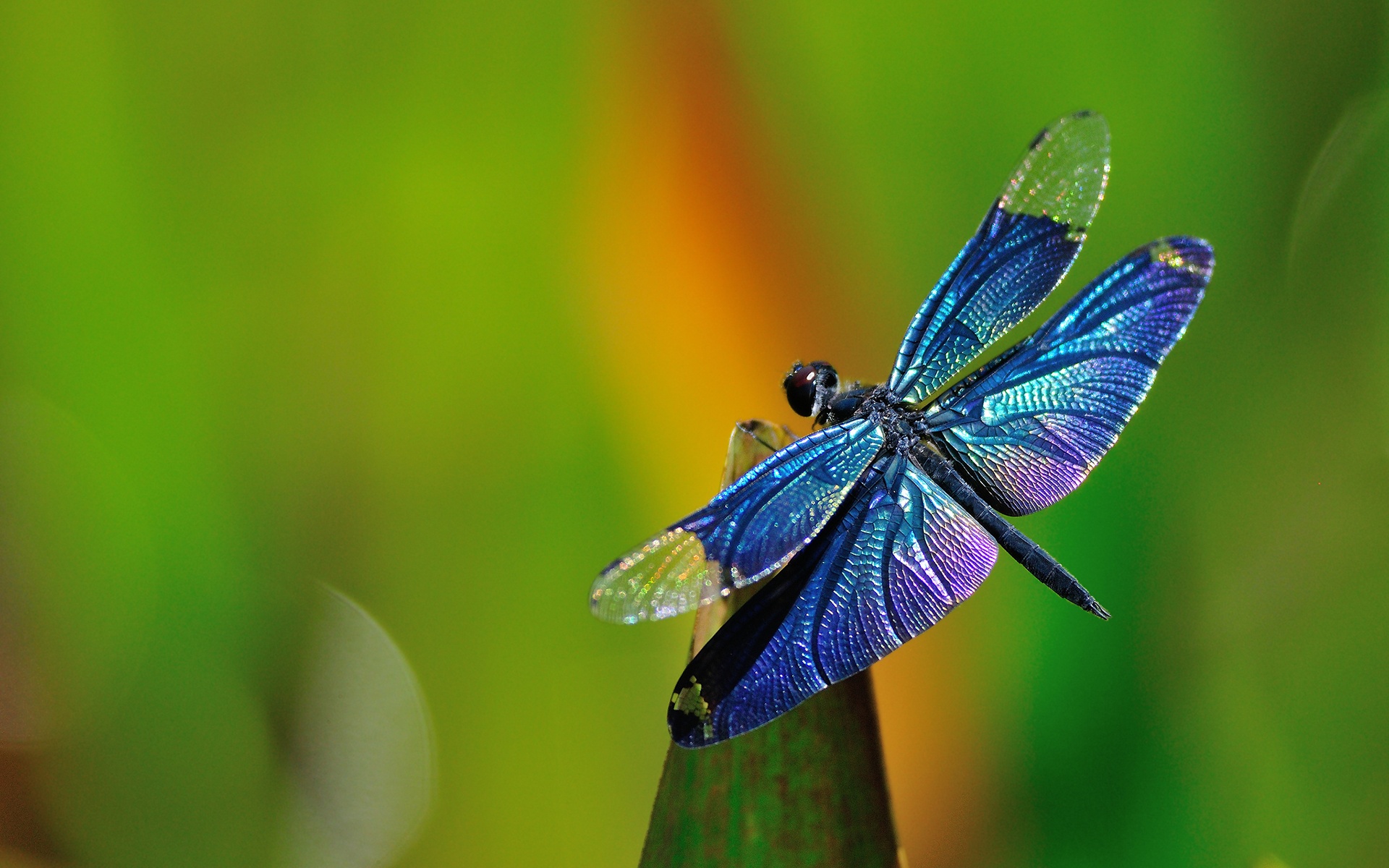
I would be a dragonfly, with swift, quiet iridescence.  This animal is one of the oldest in existence and those who gaze upon it do so with admiration.  A dragonfly allows others to touch and be a part, for a moment.

blue-dragonfly


My Spirited Nominees:

*Jed-Off the Record at https://jedrecord.wordpress.com/

* Norah Colvin at http://norahcolvin.com/

* Prof. Mitch at https://mitchgoldfarbblog.wordpress.com/

* Terry at http://spearfruit.com/

* Jonna Ellis Holston at http://jonnaellisholston.com/

* G.P. Cox at https://pacificparatrooper.wordpress.com/

* Robert C. Day at https://levishedated.wordpress.com/

* M.L. Kappa Letters From Athens at http://athensletters.com/

* Roberta Pimentel at http://robertapimentel.com/

* Sue-Space, Time, and Raspberries at http://stranscht.com/

Once again, thank you to Charles French at Charles French Words Reading and Writing https://charlesfrenchonwordsreadingandwriting.wordpress.com

Jennie

Posted in Uncategorized | Tagged , , , | 22 Comments

The Thrill of Learning

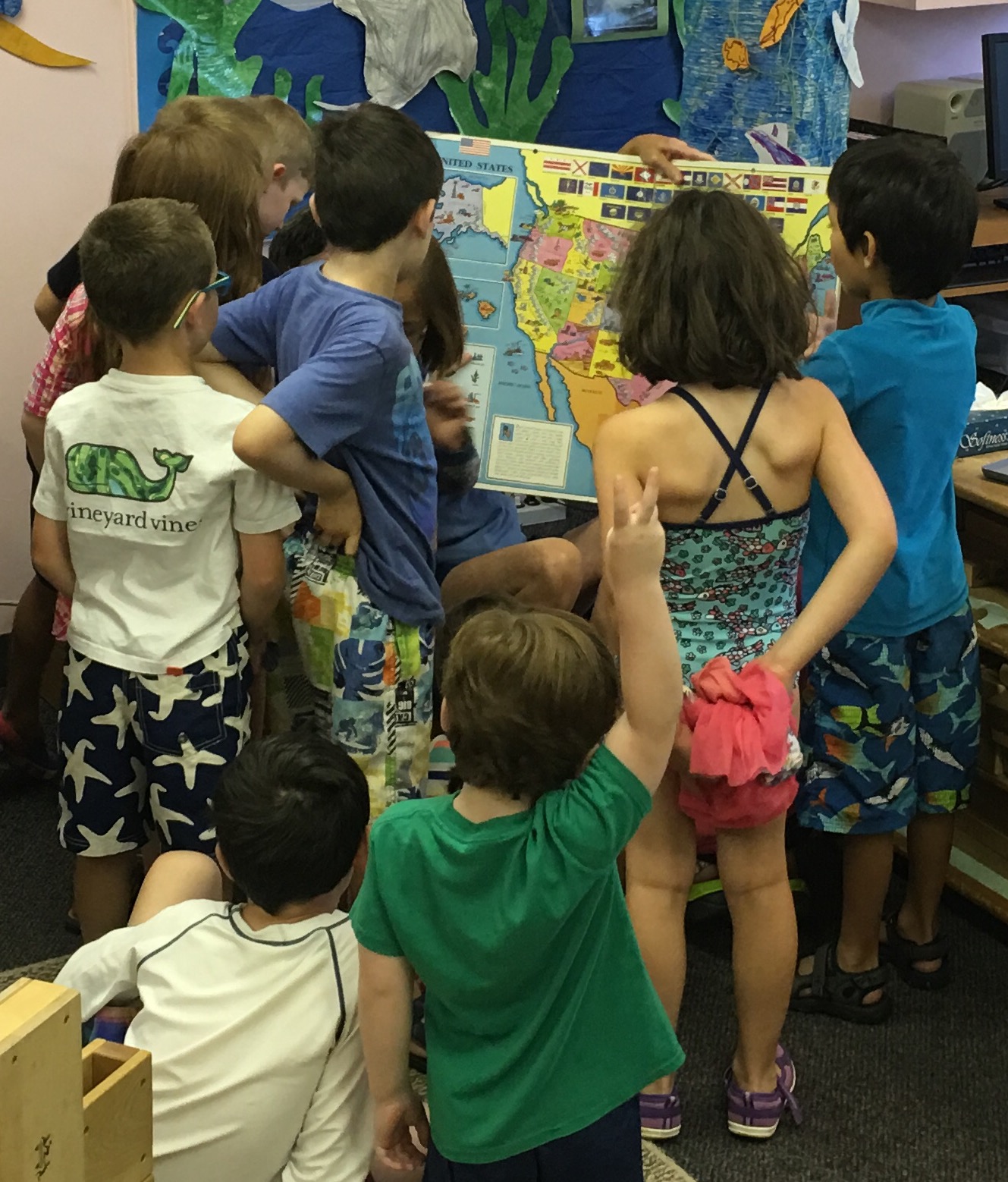
It happens every time I open my Big Book Atlas, without fail.  Children can’t sit!  They are drawn to the big maps, swarming like bees to flowers.

image.

Do you have any idea how many different things children want to say when they see a big map of America?  They are bursting to recognize states and tell me where they have traveled.  They can’t sit still; they just have to stand.  Little ones have big minds that are much like sponges, wanting and needing to soak it all up.  Learning should be exciting, yet learning with the Big Book Atlas is thrilling.

Why does this big map book hit a nerve?

Here is what happened this week, and how a ‘moment’ can instantly become a passion of learning for children.  Emergent curriculum at its best.

Chloe brought in a book about animals.
imageInstead of picking a few pages to read, I asked what animal they wanted to learn about.  Salamander was the vote, so we went to the index to find “S” and salamander.  There were subheadings, which I read aloud, and “mudpuppy” sounded interesting.  I read that mudpuppies live in the northeast.  Blank stare.  “Do you know what the northeast is?”, I asked.  No takers.

I knew just what to do.  Big Book Atlas to the rescue.

I jumped up and said, “I have something really cool to show you.  Stay right there!”  I dashed to find the Big Book Atlas, opened it up to the United States, and simply pointed as I said, “North.  East.  We’re both north and east.  That’s where mudpuppies live.”

At this point children didn’t care about mudpuppies.  They wanted to learn more about north and east, and also south and west.  We talked about many different animals and where they lived.  Rattlesnakes, included.  Henry was proud to tell everyone that it would take five hours to drive to Pennsylvania, and five days to drive to California.  We traced the route on the map.  Along the way we stopped to look at the mountains in the west with snow peaks.  Children traced rivers with their fingers into the gulf and the oceans.

Rattlesnakes came up in the conversation again.  I turned to the map of the world to show children where it was hot, like the southwest.  “Where is the hottest place in the world?” I asked.  Fifteen fingers and pushing, excited children guessed.  Of course we learned about the equator.

Then Neil remarked about pirates while looking at the oceans.  Another child said there are no pirates.  I calmly said, “Yes there are some pirates today.”  Wide eyes and silence.  “I’ll show you where they are.”  We flipped to the map of Africa and I showed them the area called the horn, or Somalia.  Oh, how we talked!

I read the names of oceans and seas.  “I know that place!”, another child said when we followed the Red Sea north from Somali.  “Where is Jerusulum?”  Four of us looked together, but alas, the map of Africa did not extend north enough to identify the city of Jerusalem.

We finished this great, unplanned episode of learning.  All of this took thirty minutes.  This was the most important thirty minutes of their day.

The next day as soon as Will arrived at camp he said, “Jennie, I found Jerusalem last night.  I’ll show you on the map.”

Jennie

Posted in Early Education, Teaching young children, Uncategorized | Tagged , , , | 30 Comments

The Real Deal at a Museum

A trip to the Eric Carle Museum of Picture Book Art in Amherst, MA is a wonder in itself. It never fails that I am ‘blown away’, as my anticipation or expectation is fulfilled, yet not at all in the way I imagined.

My first visit, nearly ten years ago, was a shocker.  I walked into the art exhibit and was face-to-face with an original illustration of Ezra Jack Keats from Peter’s Chair…in cut-out linoleum.  Imagine that!  I had read this book to my preschool class for years, yet who would know by reading the book that the illustrations were done in this fashion.  I certainly didn’t!

My repeated visits, each one, held a similar experience.  Plus, I walked away feeling as if I had been the first person to see the Grand Canyon.

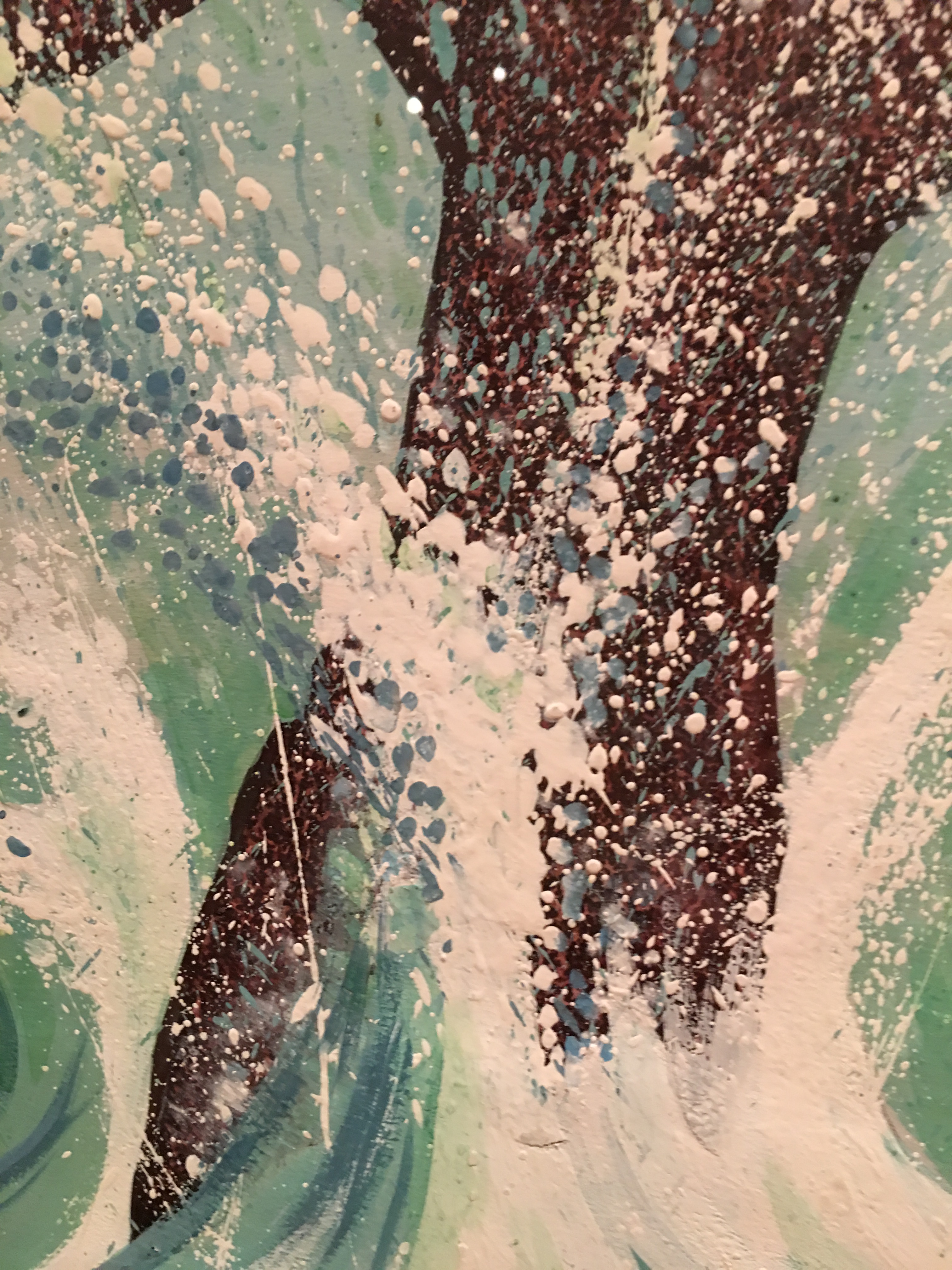
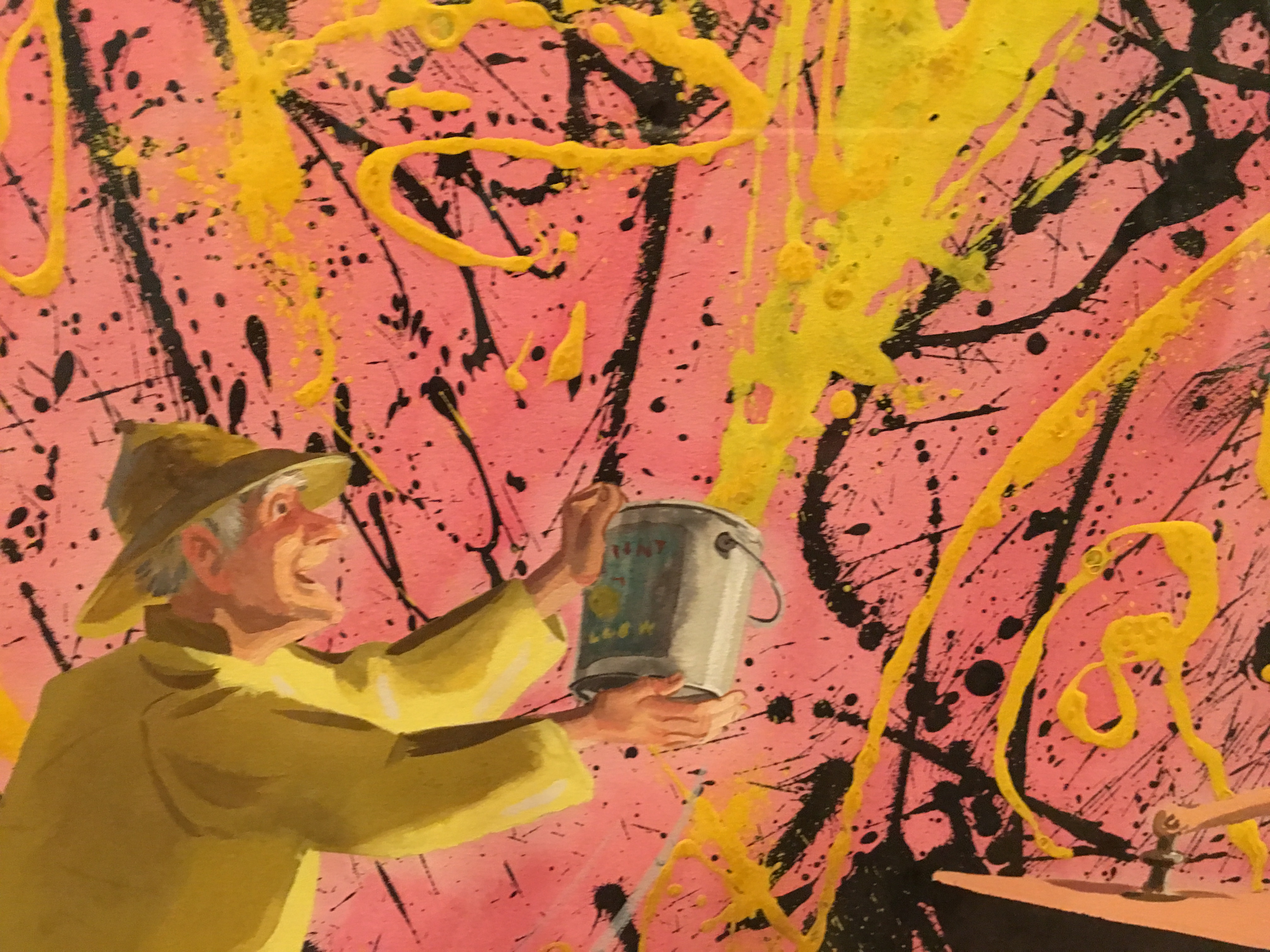
While children’s picture books are a staple in libraries, schools and homes, few people have had the privilege and pleasure of seeing ‘the real deal’.  I am one of the lucky ones. This week was no exception.  I saw the art of Robert McCloskey, the illustrator of Make Way For Ducklings, Blueberries For Sal, Burt Dow, Deep-Water Man, and many other books.  Here is what I saw:

image


Look at the white paint on the whale’s tail.  It is raised and thick.  Look at the yellow paint from inside the whale’s stomach.  Yes, it is raised and thick, too.  This is just like the best art of Jackson Pollock.image

I have seen the tiny pencil lines along the tigers in The Story of Little Babaji, and the brush strokes of the sun in Madeline.  I have seen how vivid the ink lines are on the bear in Blueberries For Sal.

There is quite a big difference between the Eric Carle Museum and an art museum; where an art museum allows one to see recognizable art, the Eric Carle Museum allows one to see, two inches away, art from everyday reading.  That in itself is remarkable.

Watching the Red Sox on television can’t compare with being at Fenway Park.  The same holds true with a live music concert at a symphony hall or a gymnasium.

Real is real, and that translates into sparking every emotion, and somehow validates the deepest feelings of the viewer or listener.  The Eric Carle Museum does just that.

Next to reading aloud in my preschool class for the past thirty-two years, a trip to the Eric Carle Museum, including their terrific bookstore that is the top end, is the best.

Jennie

Posted in Early Education, Teaching young children, Uncategorized | Tagged , , , , , , | 32 Comments

Girls Reading Books

Reading, captured through art. What could be more beautiful? Marcia Strykowski shows us.

Posted in Uncategorized | 5 Comments