The Hundred Little Things

I have a handwritten list of posts I want to write, things that are important.  There is one that has been screaming at me for a long time, with yellow highlighter and a post-it note: “The Hundred Little Things.”  It is the source of all that’s important, why everything we do is meaningful, whether we know it or not.  It is the most important thing I learned in teaching.  Oh boy, did I learn this.

A past parent visited me at school this week.  Her boys are beyond college and doing well.  She wanted to stop by, give me a Peter Rabbit cookie jar, and say thank you.  Like the student alumni who stop by and cannot pinpoint what it is they remember, she was the same way.  And I know why.  It’s the hundred little things.
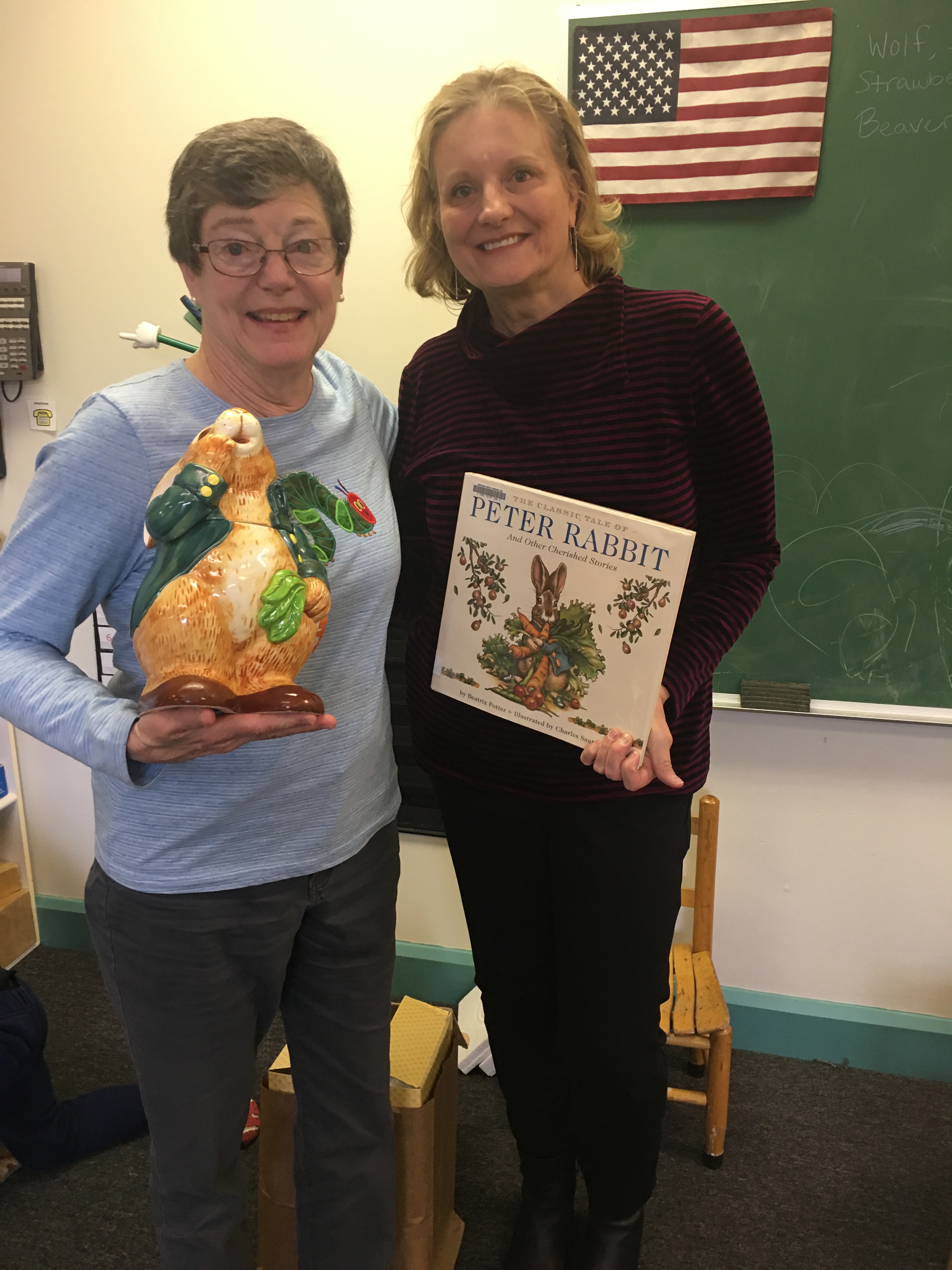
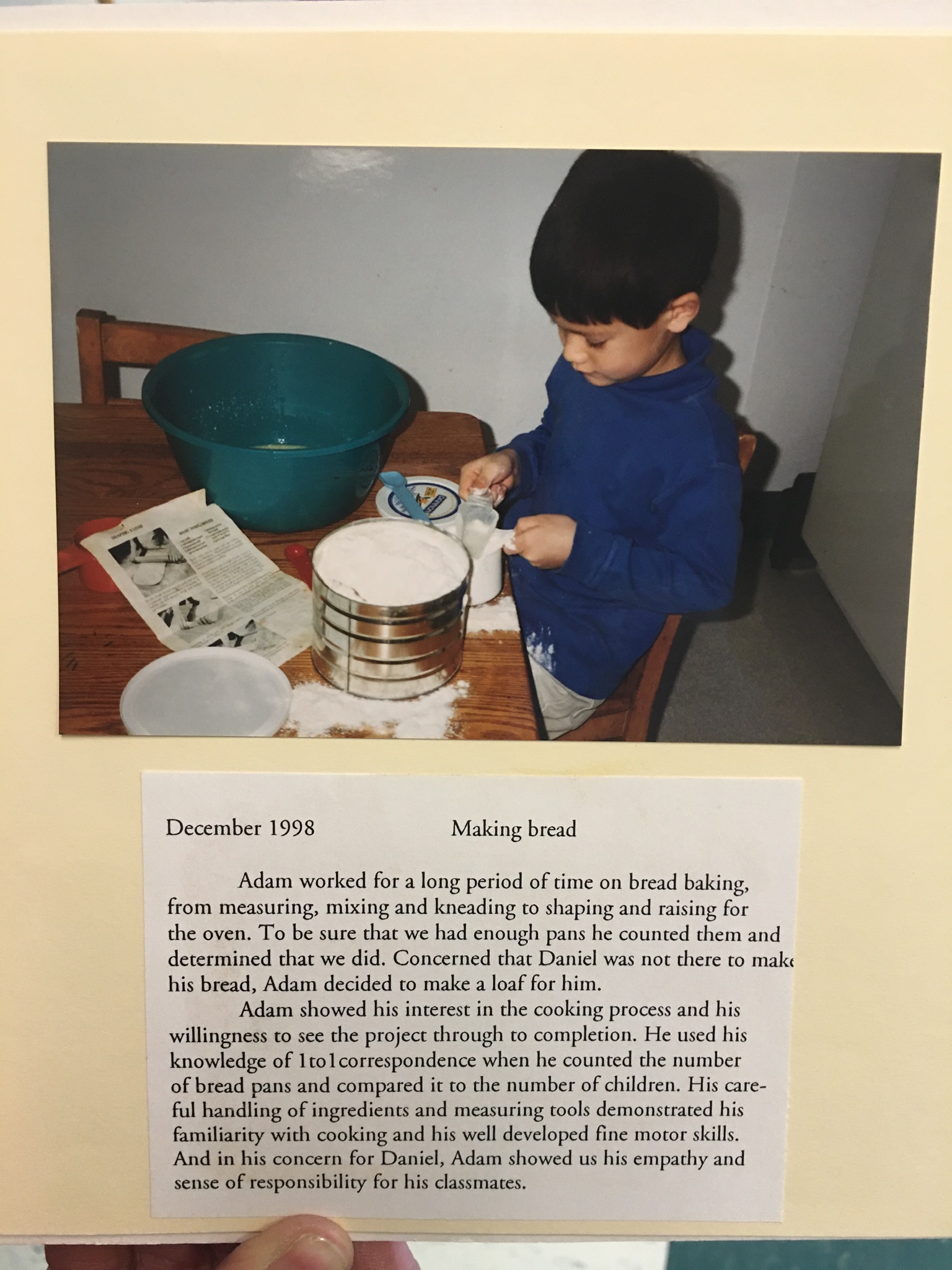
Do I remember everything I did with Adam?  No.  Does his Mom?  No.  But, we remember moments and feelings.  It isn’t the big things, it’s the little things that matter most.  Her note is lovely.
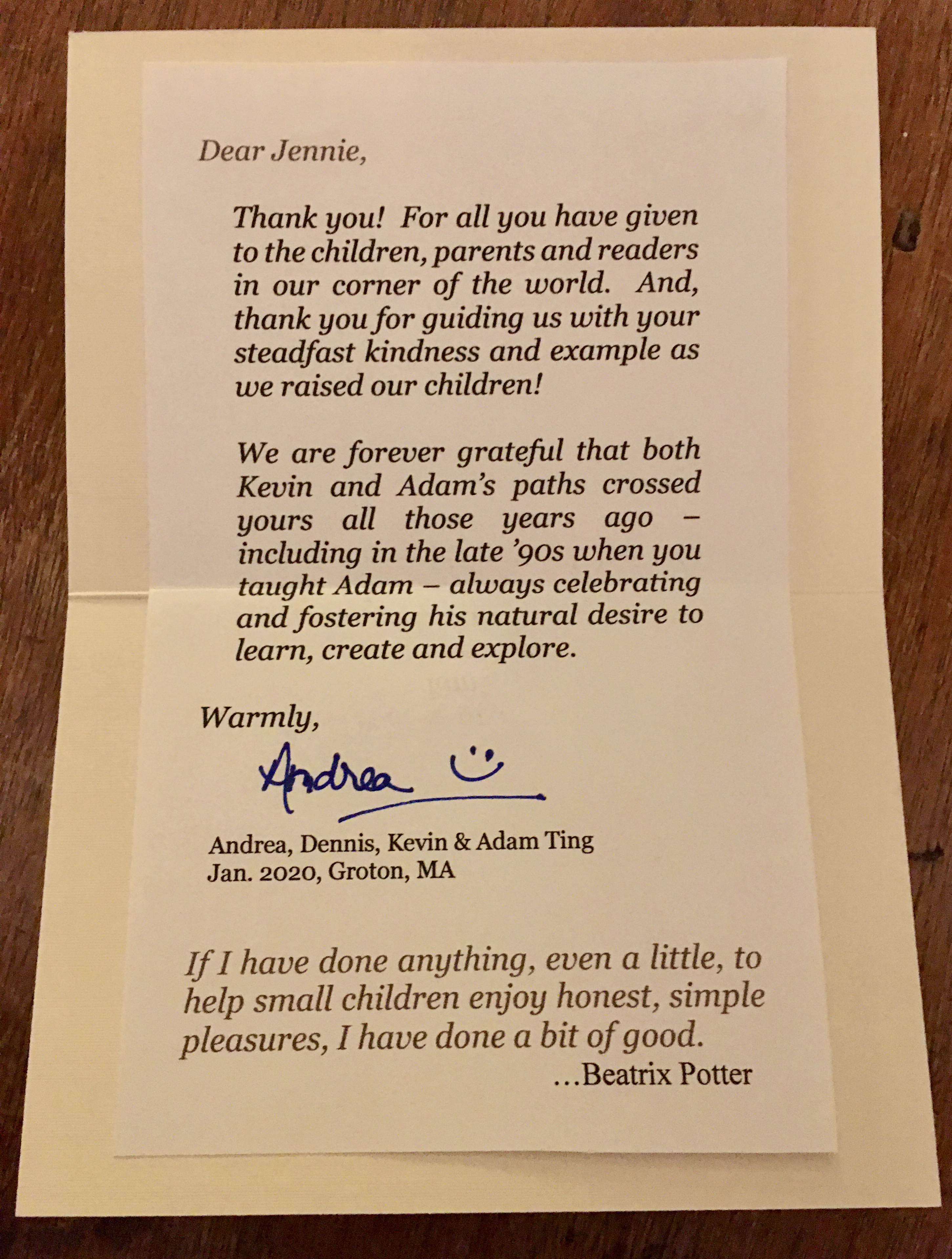
Andrea’s visit was the catalyst that prompted me to post my “Hundred Little Things.”  I wrote this some years ago, so much has been added since then.  Bottom line: It’s the little things, over and over again, that are the big things.

The Hundred Little Things

As a teacher, I have a way with children; sometimes I feel like the Pied Piper, young children seem to naturally gravitate to me. I can ‘read’ a young child; watching their eyes, listening to their words; the subtleties that children project are very honest. When I tell a story or read a book at school, children are often captivated, although spellbound is probably more accurate. “Jennie, tell the bat story!” You can see the anticipation in eager little eyes and transfixed bodies. Preschoolers move and wiggle, but not when I tell or read a story. Lunchtime at school is full of fifteen excited children, and that is when the stories flow. Children know that if a story starts with, “Once Upon a Time”, it is pretend. The Little Red Hen and Goldilocks and the Three Bears are ever popular. On the other hand, if a story starts with, “It Happened Like This”, they know the story is real, and something that happened with Jennie, their teacher. Oh boy! Those stories are beloved. Children beg to hear them, because they portray their teacher when she was a child, in the same situations that they can understand; being scared over a bat in her room, hating vegetables, going Trick-or-Treating at the scary next door neighbor’s house, and a birthday cake with the wrong frosting.

Believe me, it wasn’t always this way.

Early on in my preschool teaching, I interacted with children with the best of intentions, yet often struggled to feel that I had made a connection, much less a difference. Even though I was always a caring and kind teacher, there was a self imposed ‘you and me wall’. I was the teacher, and you were the student. Teaching meant teaching information, in a caring environment.

Yes, I was a good teacher, but I didn’t fully understand how important love was until that day, twenty years ago. It was naptime at school, late in the fall, the time of year when children and teachers were comfortable with each other. There I was, lying on my back, looking across the classroom. All the children were asleep, except Andrew, a child who was often distant and sometimes challenging. He was the boy I had not really connected with. He saw me, and I saw him. We both smiled, simultaneously, knowing everybody else was asleep.

At that moment, there was nobody else on the whole earth. It was just Andrew and me. He knew it and I knew it. This was deep, and forgiving, and enlightening. I understood; love has no preconceived agenda. It is ‘there’, regardless of circumstances. Most importantly, love usually isn’t met with a lot of fanfare. In fact, it is the little things that often express love. The intensity of that moment is still with me. It changed me, and I understood that love, on the purest and simplest level, is most important.

In education, I learned that if love comes first, then teaching becomes deeper, better, more focused, and more energized. The children learn because I have put them first. I had it backwards, carefully planning a curriculum and activities, and then fitting the children into those plans. Not that it was bad or didn’t work; it just was…well, lacking the passion that comes with love.

Oh, children know how a teacher really feels. So, thanks to Andrew, I started to change. First, lunchtime became a forum to learn about the children and really listen to them. I learned so many little things, like the names of pets and grandparents, what a big brother does, the color of a bike. These were little things, yet they became the building blocks. We often debated deep subjects, such as if a girl can marry a girl, or if people go to heaven when they die. Everyone’s opinion was valued.

The day that Kelly told us her dog, Bruno, had died; the class did not know what to say. I told her that my dog had died years ago, and I was very sad. Then, a child asked Kelly if she was sad. The following thirty minutes was spent with heartfelt children telling each other about grandparents and pets who had died, and all the feelings and questions that naturally follow. At that moment, lunch was far less important than what was happening, and could wait. The building blocks were working.

I started to use a tape recorder to “interview” children, as this not only helped me to get to know them, but also was a good tool for language development (and it was fun). Our curriculum at that time was France and learning about the old masters in art. Young children love to paint, and they were practicing being artists with real palettes. I was learning so much about them, why not have the children do an autobiography to accompany their work of art? And, why not have the children name their work of art, and call it a masterpiece?

The result was so profound that we had an art show at school, and then moved the art show to our local post office for the community to enjoy. What a success, and what a wonderful experience for the children. Our art show has since become a yearly event in the community. Again, the building blocks were growing, but now I began to realize that each block in itself was little. Did using a palette or holding a microphone make a difference? No. So, where did the passion and love (and there was passion and love!) come from? It was each block, over and over again, often hundreds of them, which made the difference. I started to call this phenomenon “The Hundred Little Things.”

Now, my teaching and curriculum had become child centered. From this point forward, I put the cart before the horse. Smart thing! That same year my husband asked me, out of the blue, why our children wanted to hear ‘I love you’ all the time. “It’s the hundred little things”, I told him. “It takes at least a hundred times for each little ‘I love you’ to really become meaningful”.

The next year my class went to the circus. Of course we decided to have our own circus performance at school for our families, and I let the children decide what they wanted to do. Again, a child-centered event eclipsed anything I could have planned. Over the next few years, music, math games, and science exploration exploded. Every child’s interest was a spark, and became a tool for learning. I had learned so much and transferred the children’s love into a great preschool experience. Little did I know that the best was yet to come.

I love museums. In Philadelphia I visited the National Liberty Museum and was thunderstruck by their Peace Portal. Instantly I knew this magnificent structure was something my classroom could recreate. My years of following the love of the children had allowed me to embrace my own love, and give it back to the children. Now the tables were turned, yet again. I brought the idea back to school, and the children loved it! They spent a large part of the school year designing a Peace Portal. Then, they wrote a Peace Poetry Book, and designed a Peace Quilt, which is in the Museum.

Suddenly, the power of love had gone beyond the classroom. The depth of this project was not only children’s building blocks, but my building blocks as well. Yes, I could give the same passion and love as well. Wow! A combination of the two means a deep understanding and enthusiasm on all parts. As such, the process and the product were wonderful. The following year, the children really wanted to sing “God Bless America”. Watching them sing amongst themselves, over and over, was a true ‘hundred little things’. Again, we worked together, under the umbrella of love, to bring the song to soldiers, to making a book, and to designing a quilt that hangs at the Fisher House in Boston.

Being a preschool teacher for many years has been a wonderful roller coaster of every emotion and of learning. When I first became a preschool teacher, teaching happened first. Thanks to Andrew, I know that love happens first, and then becomes the catalyst to develop deep relationships with children, and therefore a rich curriculum. The ‘hundred little things’ proves that to be true.

Pay attention, as love is there. You just need to see it. It can change your life. It changed mine.

Jennie

Posted in Early Education, Expressing words and feelings, Inspiration, preschool, reading aloud, Student alumni, Teaching young children | Tagged , , , , , , , | 109 Comments

Michael Bond, creator of Paddington Bear, 1926-2017 #inmemoriam #MichaelBond #Paddingtonbear

My apologies for neglecting to include “A Bear Called Paddington”, or frankly any of Michael Bond’s delightful Paddington Bear books in my favorite bear books blog posts. While this was a serious error, it prompted Geoff Le Pard to forward me the blog post he wrote about Paddington Bear after author Michael Bond died. My goodness, this is a treasure!

First let me say that I read Paddington Bear books to my children. Here are their two favorites, which have probably been read fifty times each.

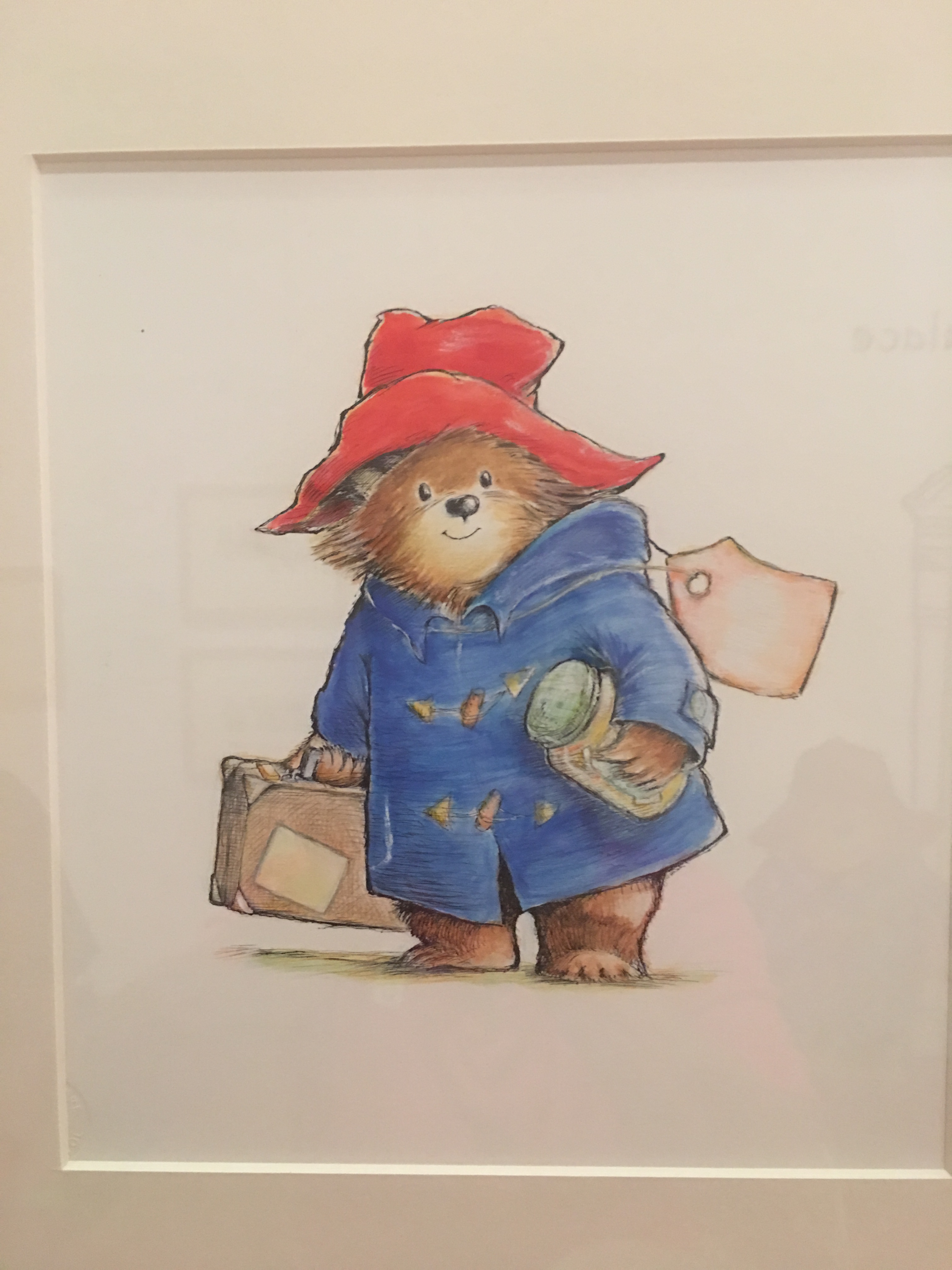
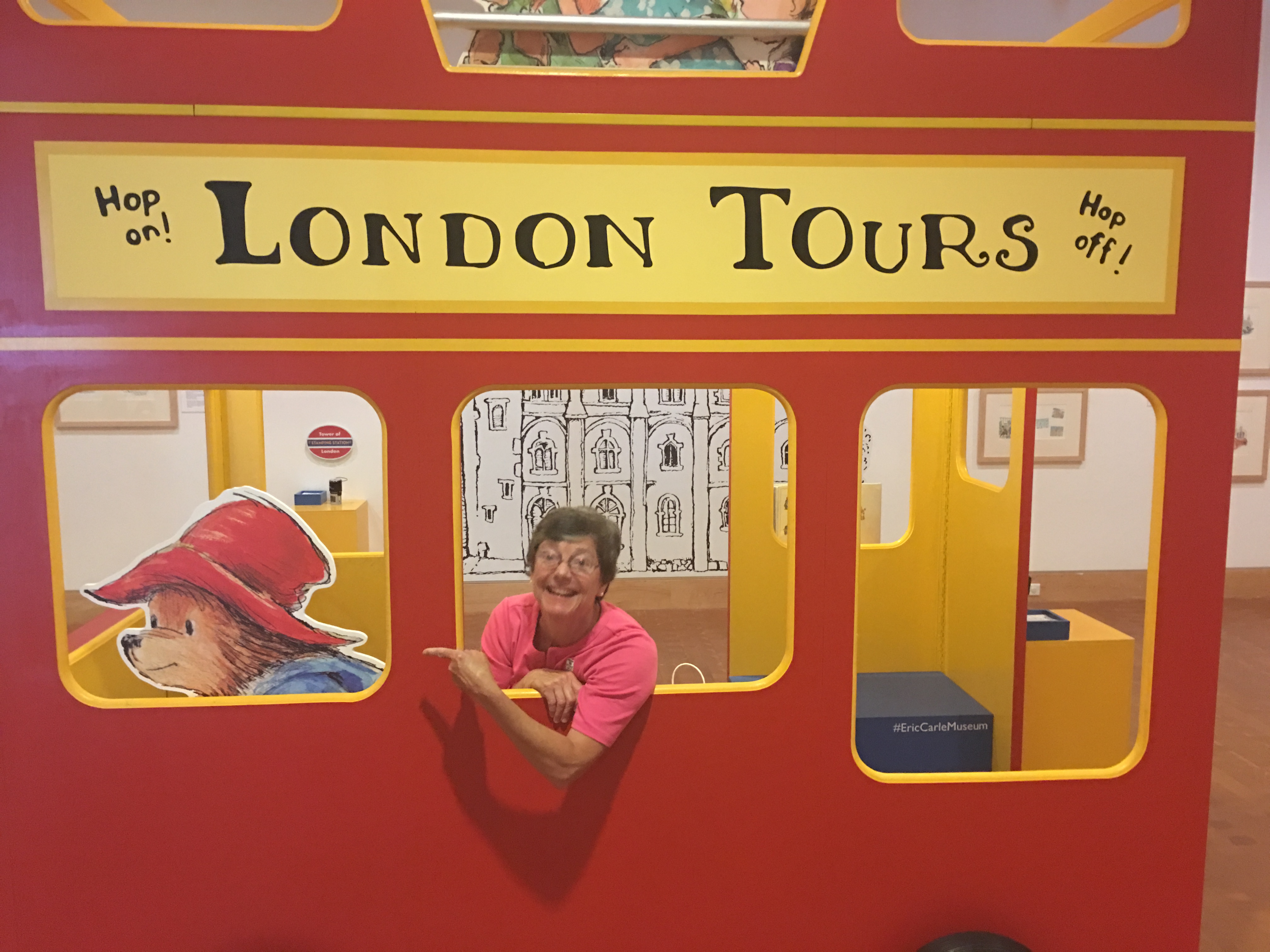
I had the good fortune to see the Paddington Bear and Michael Bond exhibit in 2018 at the Eric Carle Museum. The collection of bears was charming. And, so was the original artwork.


Can a single book change the life of a person? You bet it can. Geoff is living proof, and he tells the story beautifully, with deep appreciation to Paddington Bear. Here is his story:

Posted in Uncategorized | 43 Comments

My Favorite Bear Books, Part 2

In Part 1 yesterday, I talked about half of these wonderful bear books.  Here is the second half:

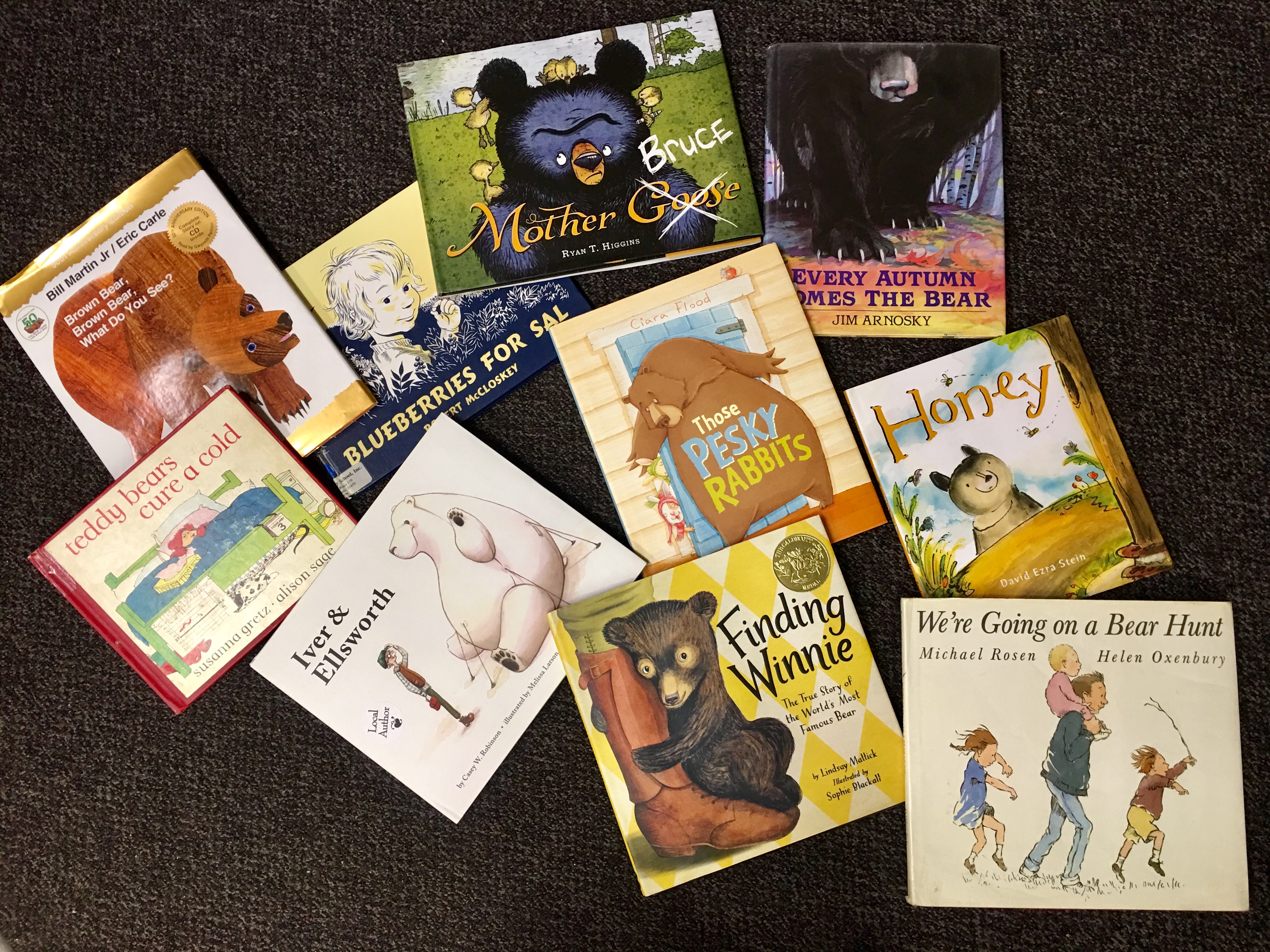
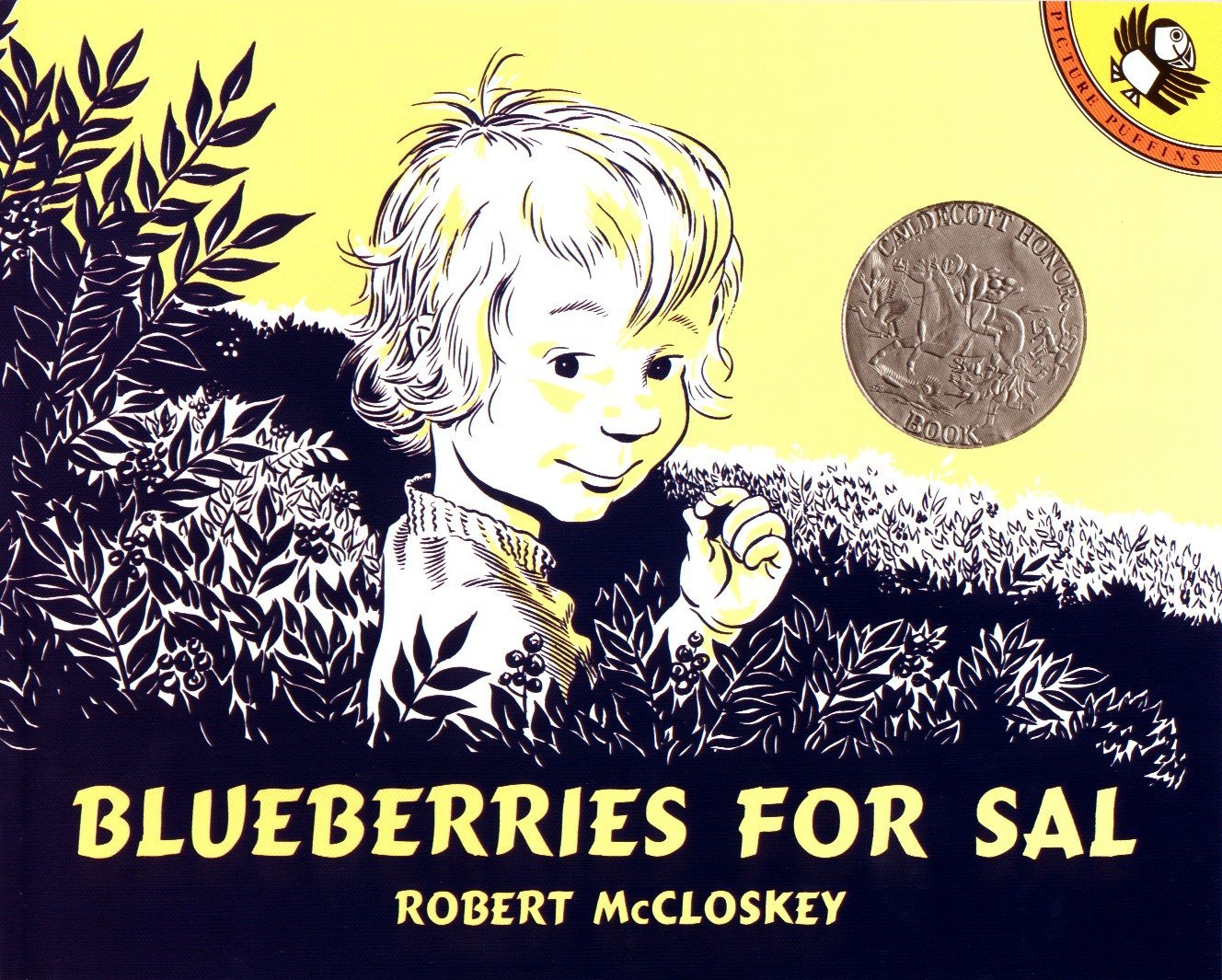
Blueberries For Sal, by Robert McCloskey

The year was 1948.  Sal and her mother go blueberry picking.  On the other side of the hill, a bear cub and his mother also go searching for blueberries.  Sal and the bear cub are much the same, gobbling up blueberries and looking for adventure.  When each crosses over to the other side of the hill, Sal is following mama bear, and the cub is following Sal’s mama.  The story is captivating for children.

Teddy Bears Cure a Cold, by Susanna Gretz and Alison Sage

The family of five bears help take care of William when he gets the flu.  The bears know just what to do, from manning the temperature chart, to feeding William, to giving him a bell to ring if he needs anything.  William begins to recover and constantly rings the bell while the bears are making something special.  The text is witty and depicts the bears every feeling from worry to annoyance.  I love the illustrations.  They capture it all.  Children can relate to  becoming sick and recovering.  They love this book.

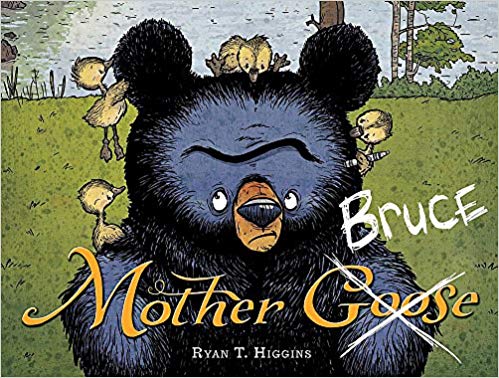
Mother Bruce, by Ryan T. Higgins

This book is hilarious.  Children laugh hard.  Adults laugh harder.  Bruce is a grumpy old bear who is trying to cook goose eggs.  Unfortunately for him, the eggs hatch, and the goslings immediately “know” Bruce is their mama.  Despite his many efforts to send the goslings on their way and prove he is not their mother, he is unsuccessful.  The trials and tribulations Bruce goes through rate a 10 on the laugh-o-meter.

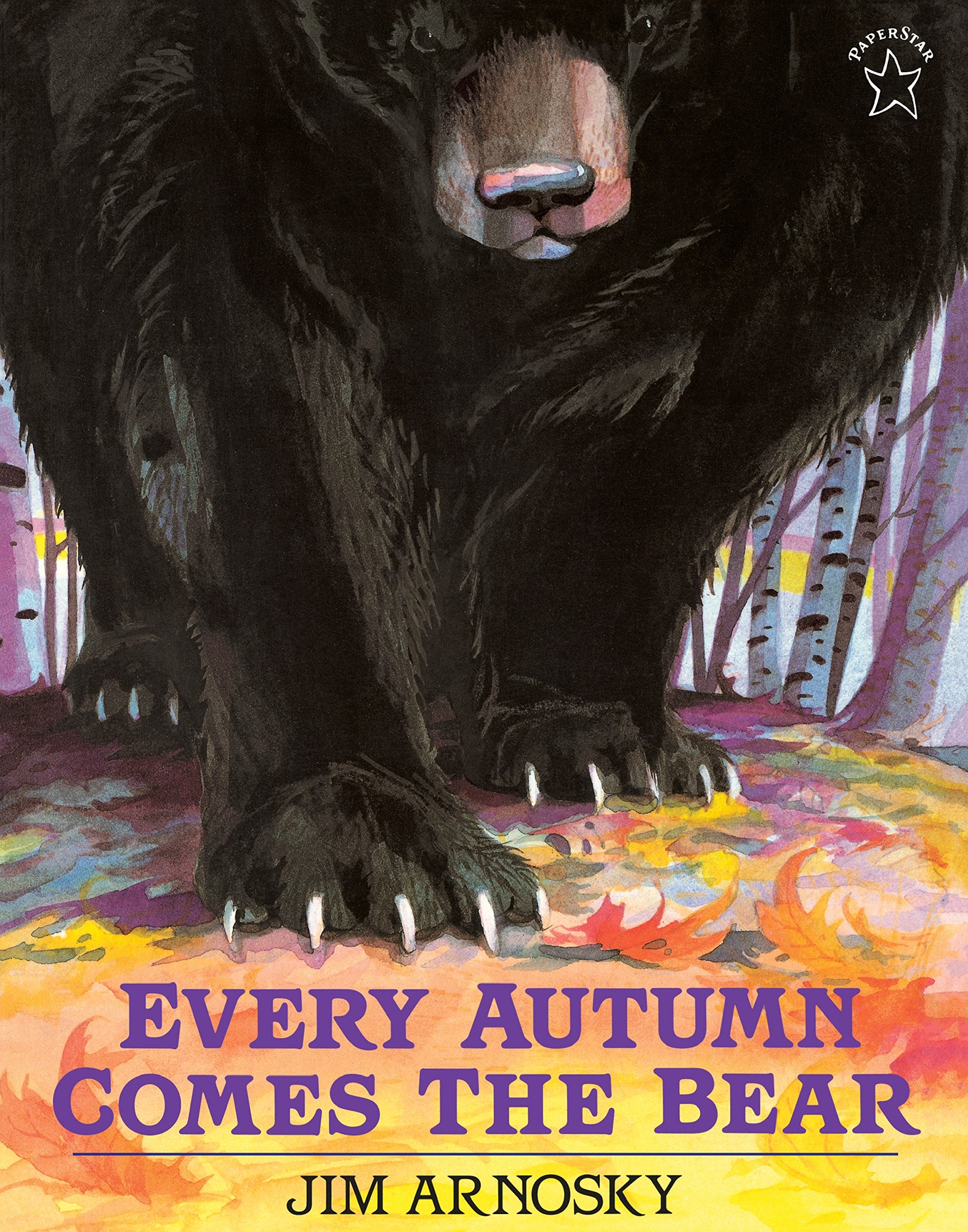
Every Autumn Comes the Bear, by Jim Arnosky

The glorious illustrations pull in the reader to the ritual of the bear’s  hibernation.  From autumn through winter, the changes of the season are perfectly illustrated, along with a simple, predictable, and well written text.  I love this book!

Honey, by David Stein

Bear wakes up from hibernation and is ready to find honey.  It is not yet summer, so bear learns the hard way about searching for honey too early, sticking his nose into a tree of busy working bees.  He finds many delightful adventures while waiting for honey season.  When he finally hears the buzz of bees, he knows it’s time for honey.  The book reflects on the second season after hibernation for the bear, just as good as he remembered.

Happy reading.  Bears are the best.

Jennie
Posted in Book Review, books, children's books, Early Education, picture books, preschool, reading, reading aloud, reading aloud | Tagged , , , , , , , , | 62 Comments

My Favorite Bear Books, Part 1

Winter is here, and it is time to feel cozy, just like bears.  I love bears and bear stories. Children do too.  While stories about animals are always popular, bear stories are favorites, year after year.

Here are my favorite bear books:
There are old ones and new ones, stories to make you laugh, stories of history, books with rhyming, holiday messages, and adventure.  There are books that are just good.  They make me want to read them again, and I do.

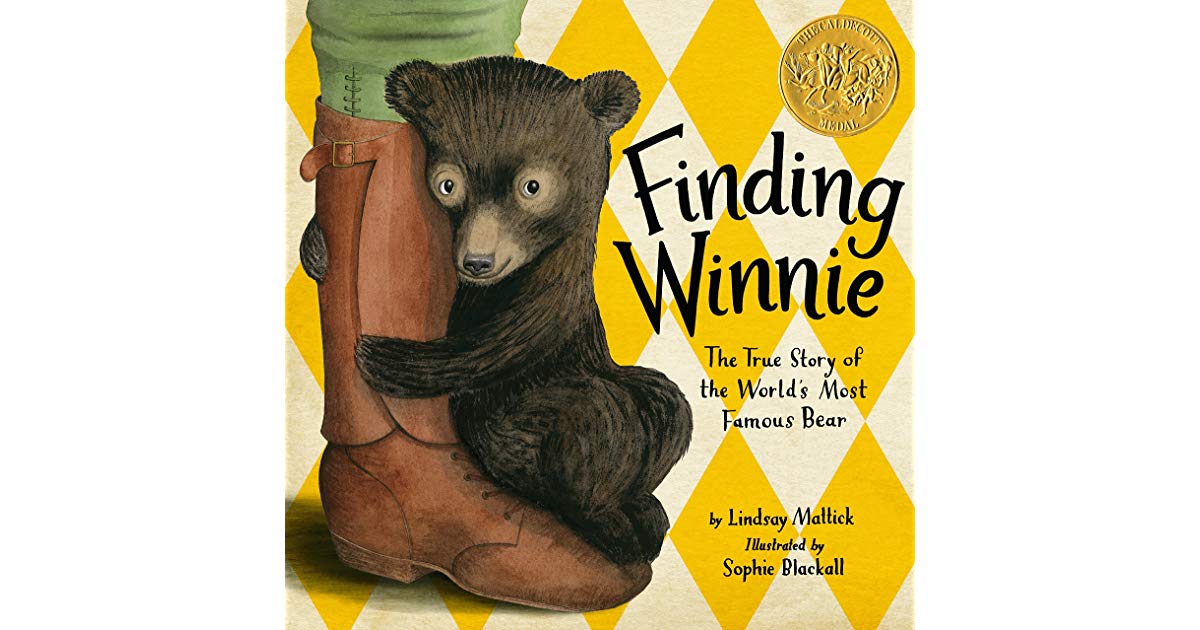
Finding Winnie, by Lindsay Mattick

This is the true story of Winnie the Pooh, the bear that became famous in WWI before he went to the London zoo.  It is captivating, with real photos and beautiful illustrations.  The reader is immediately drawn to the soldier Harry Colebourn on the train in Canada to fight in the war, and finding a bear cub.

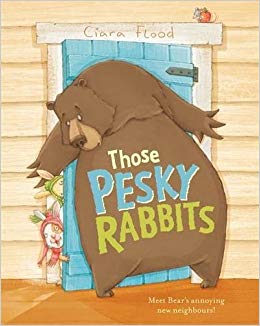
Those Pesky Rabbits, by Ciara Flood

The bear lives alone, and suddenly a family of rabbits move in next door.  He is annoyed at his unwanted new neighbors, despite their many efforts to be friendly.  Humor and persistence win over a grumpy old bear who finally finds friends.

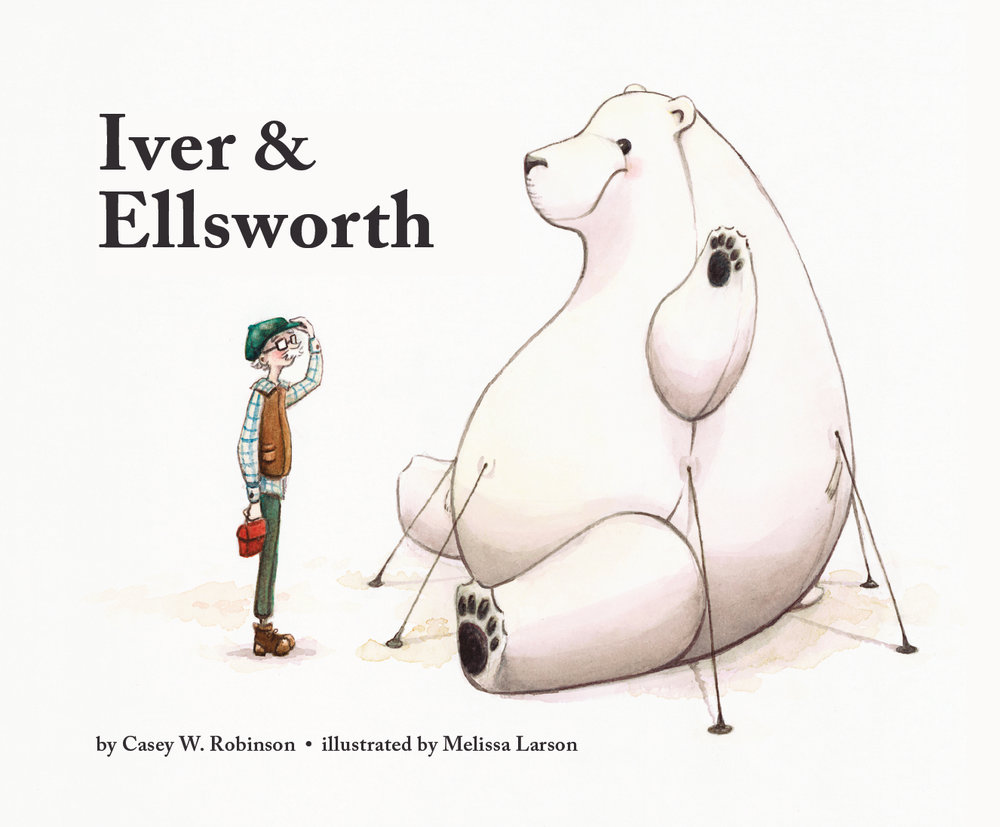
Iver & Ellsworth, by Casey W. Robinson

This book has the same wonderful feel and text as A Sick Day For Amos McGee.  Iver takes care of his good friend Ellsworth, a factory rooftop bear.  When Iver retires and moves, the bear must go in search of Iver.  The text is full of love, hope, and adventure, written in soft ways that draw in the reader.

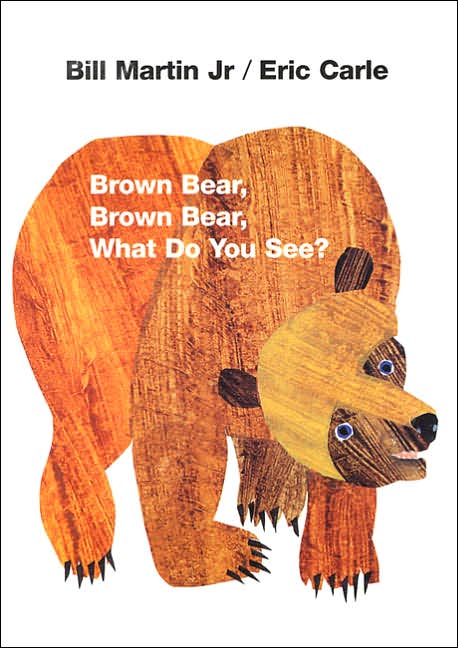
Brown Bear, Brown Bear, What Do You See?, by Bill Martin Jr.

The rhythm and verse of the text, combined with the excitement of what animal and color will appear next, has made this book a classic.  Children never tire of this book.  They look forward to page after page with anticipation. It was Eric Carle’s debut as an illustrator of children’s books.

We’re Going on a Bear Hunt, by Michael Rosen

The repeated chant of “We’re going on a bear hunt” follows five children and their dog as they travel through grass, river, mud, a snowstorm, and a forest before arriving at the bear’s cave.  And then, they have to go back through the same obstacles, with the bear chasing them.  Repetition, excitement, and of course a bear, make this book a winner.

Stay tuned for Part 2 tomorrow.

Jennie
Posted in Book Review, books, children's books, Early Education, Imagination, Inspiration, picture books, reading, reading aloud | Tagged , , , , , , , | 56 Comments

A Walk Down Memory Lane – Photos Tell the Stories

I have been plugging away at deleting photos from my media library, because I am close to using up my available space.  I know, it’s only a photo, but as I scroll through the photos, every one has been a walk down memory lane.  They have stories to tell.  No wonder this is taking me forever.  Every delete feels like I am giving away my first born child.

Here are a few photos at random that pulled at my heart today.  No, these will not be deleted:


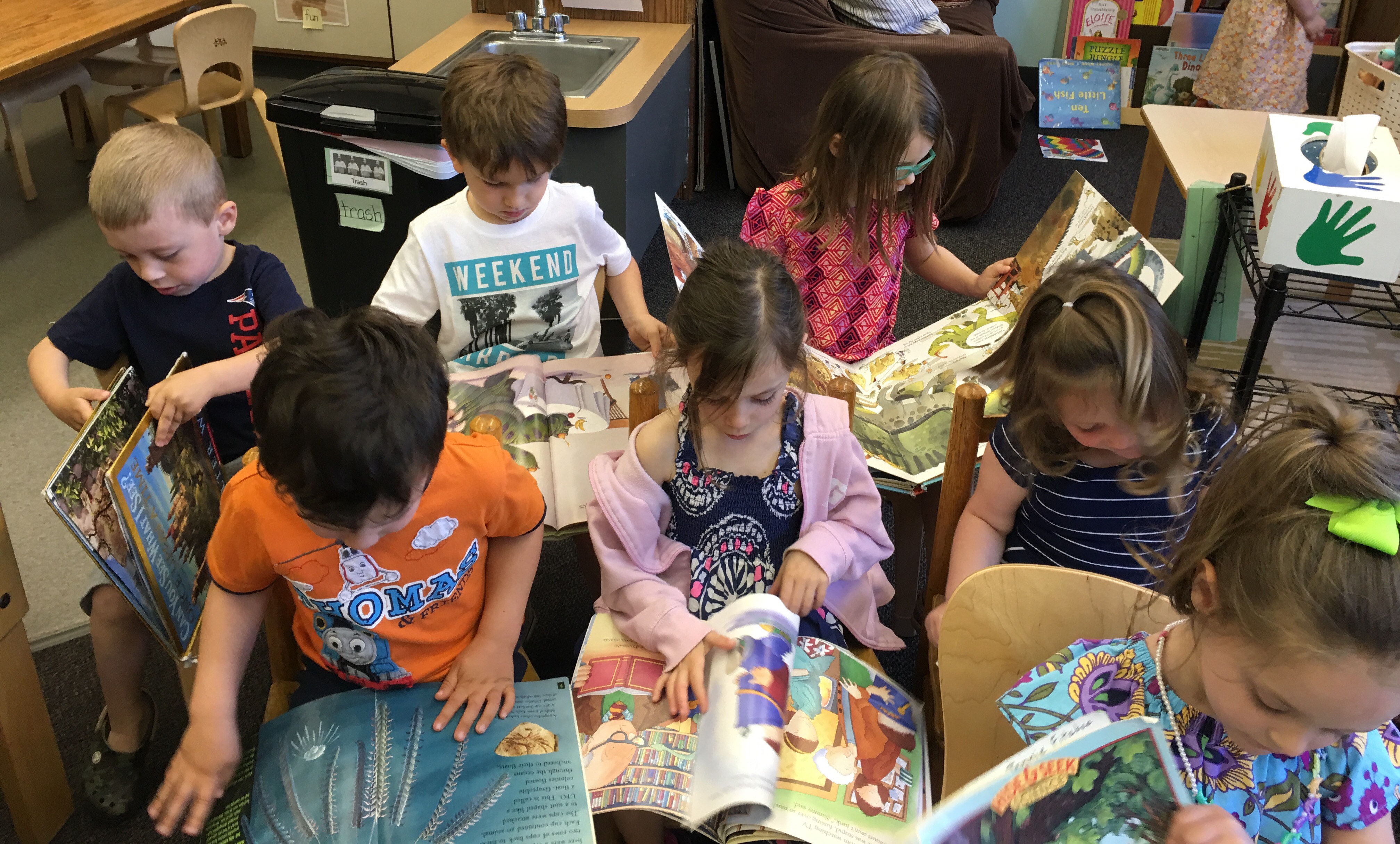
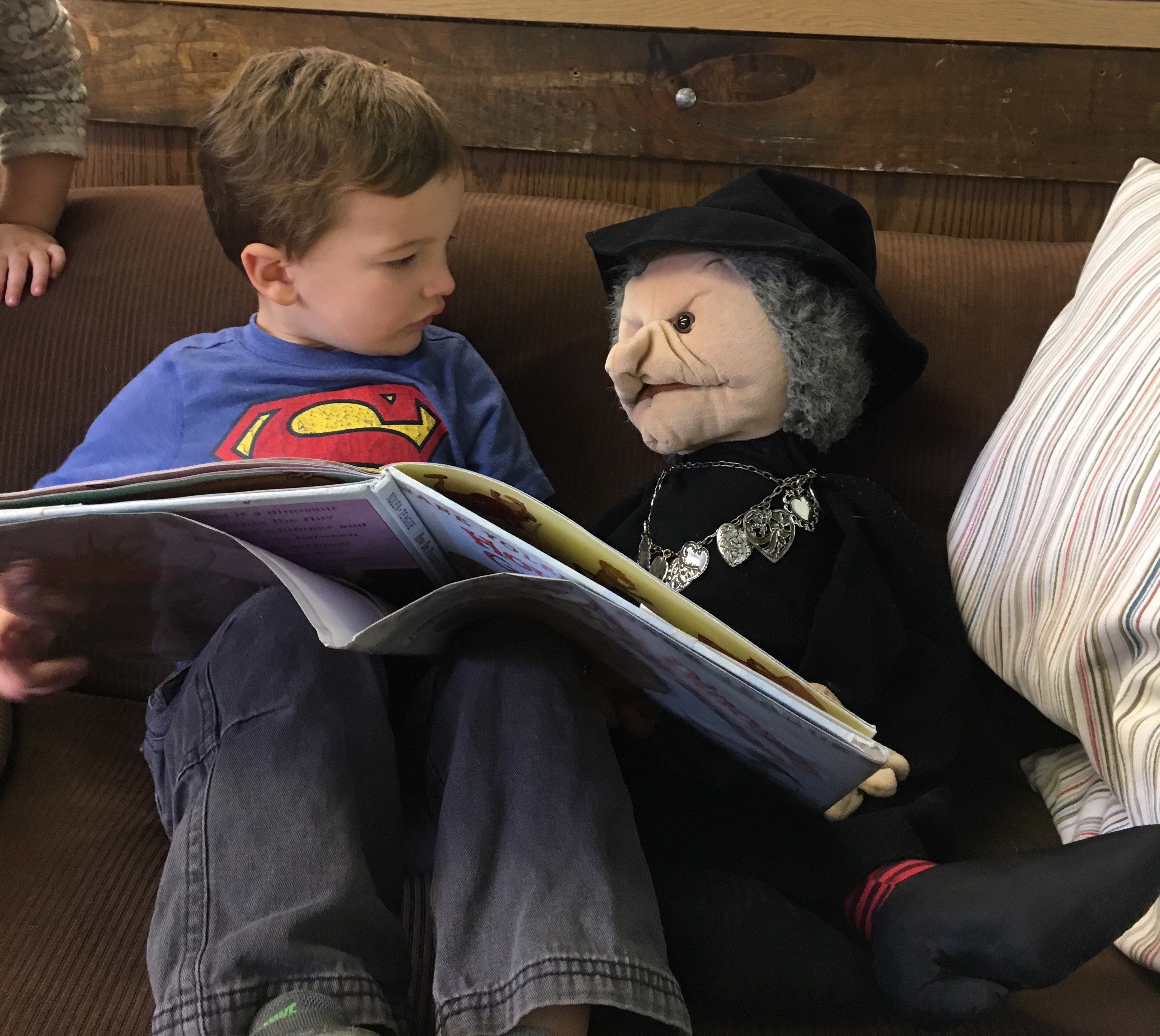
Children took it upon themselves to pull over all the chairs and read books.  I was stunned, thrilled, humbled, and very proud.


I met author Mo Willems!!!


Jared reading to Gloria.  Just look at their faces!


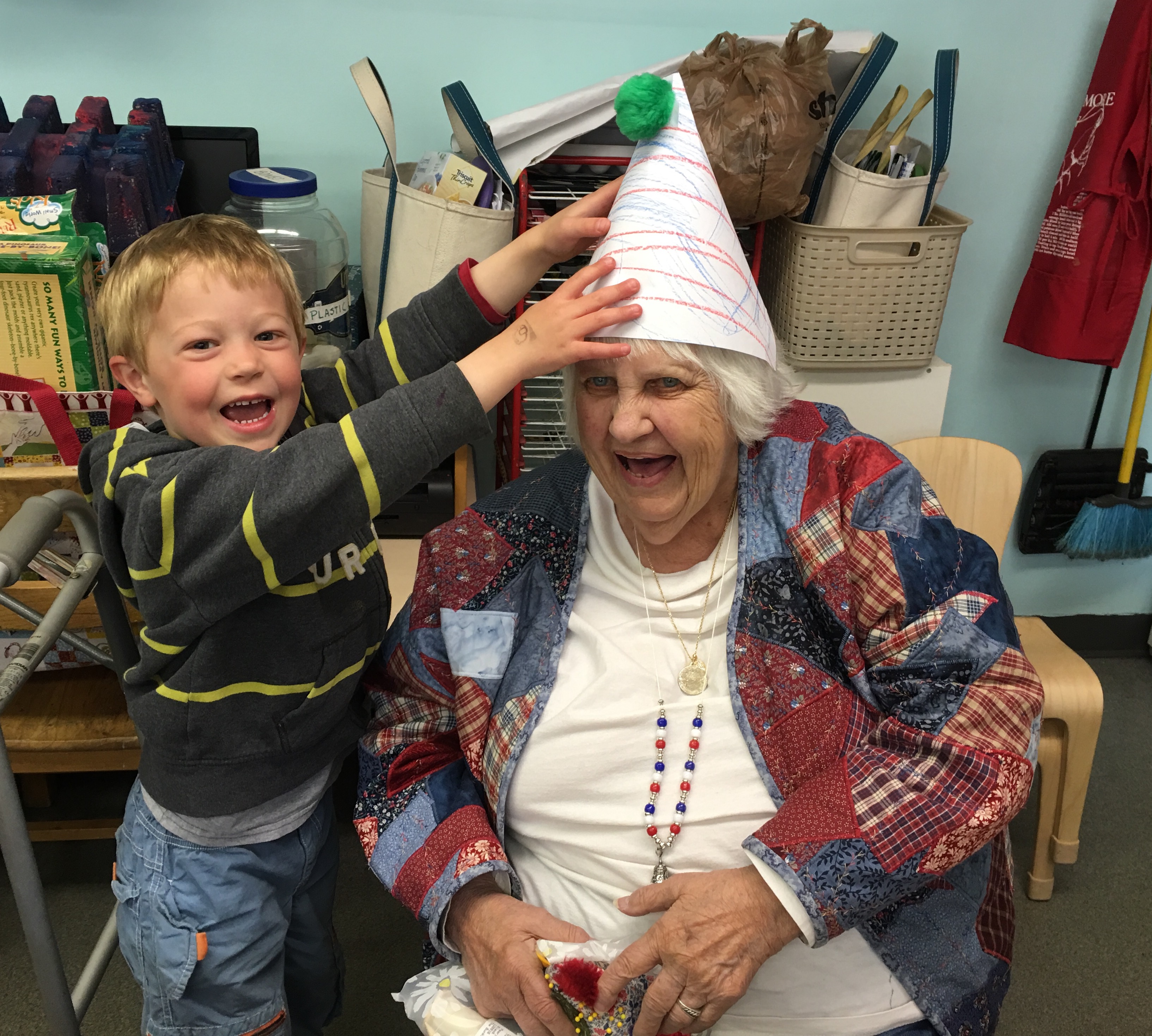
Colin made  Milly the Quilter a hat for her birthday.


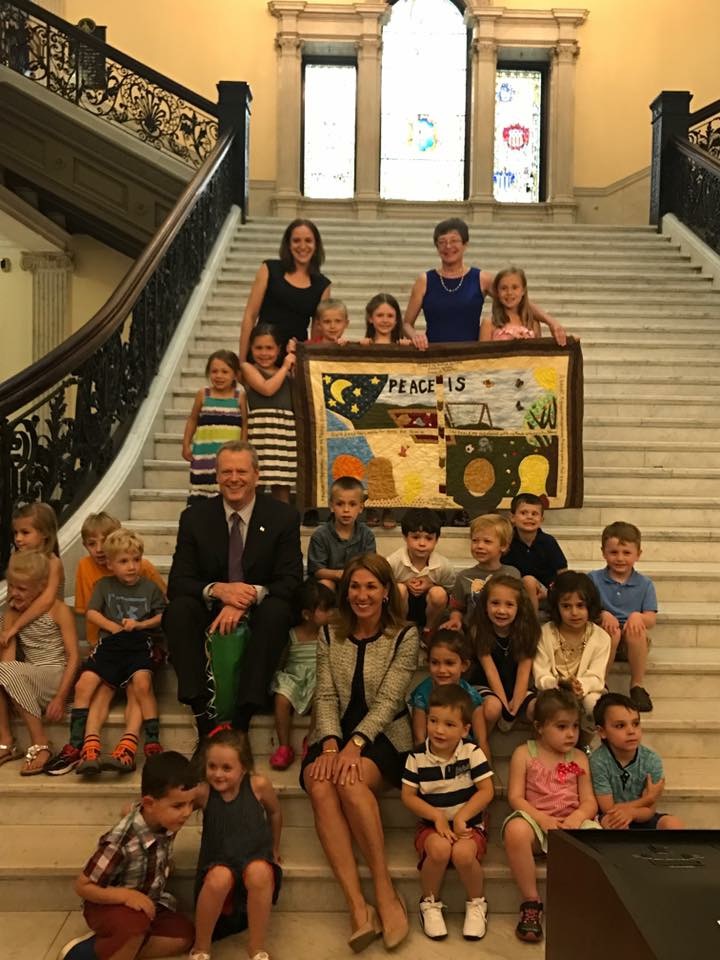
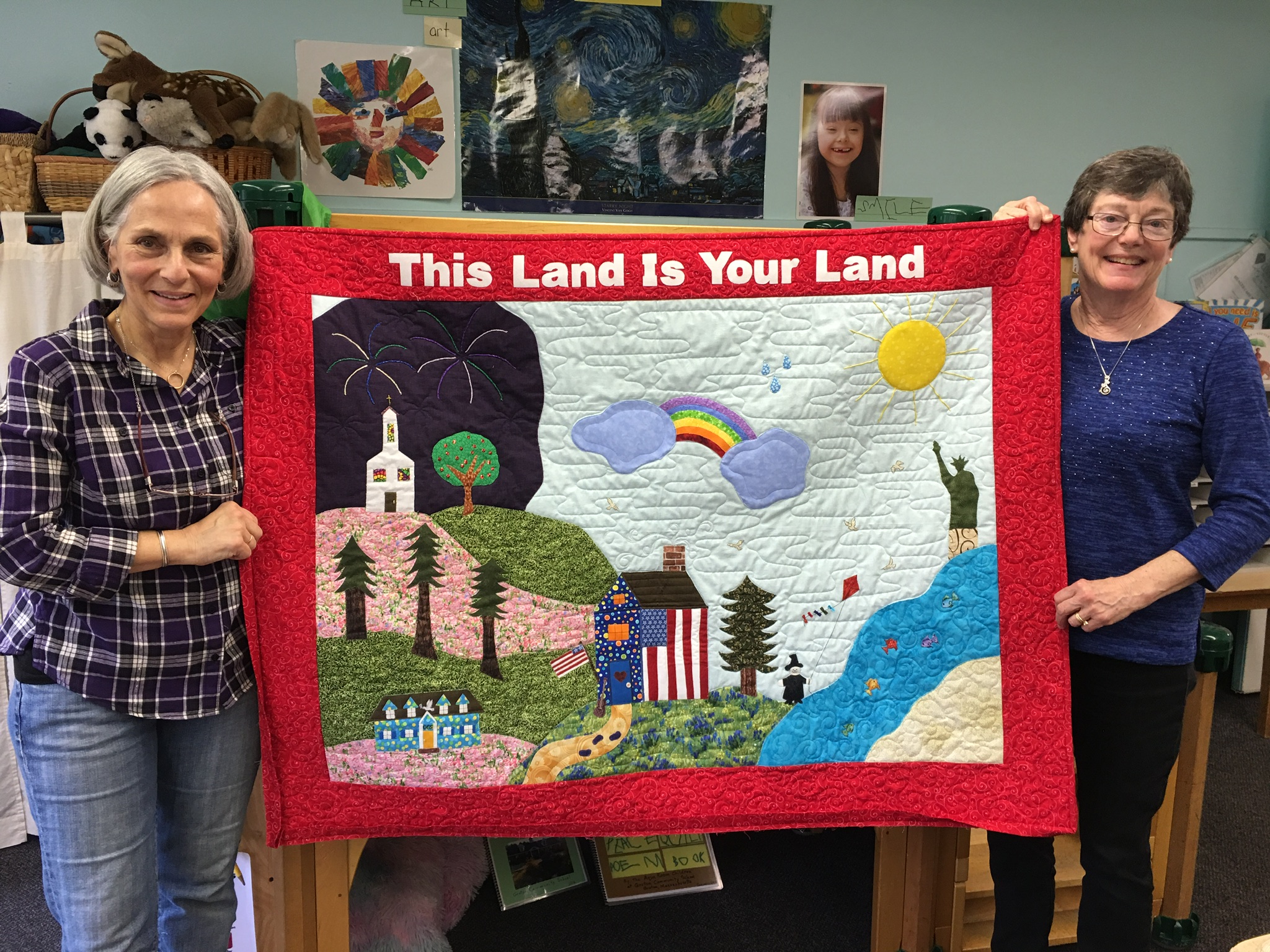
Presenting the quilt the children designed, and Milly made, to the Governor at the Massachusetts State House in Boston.


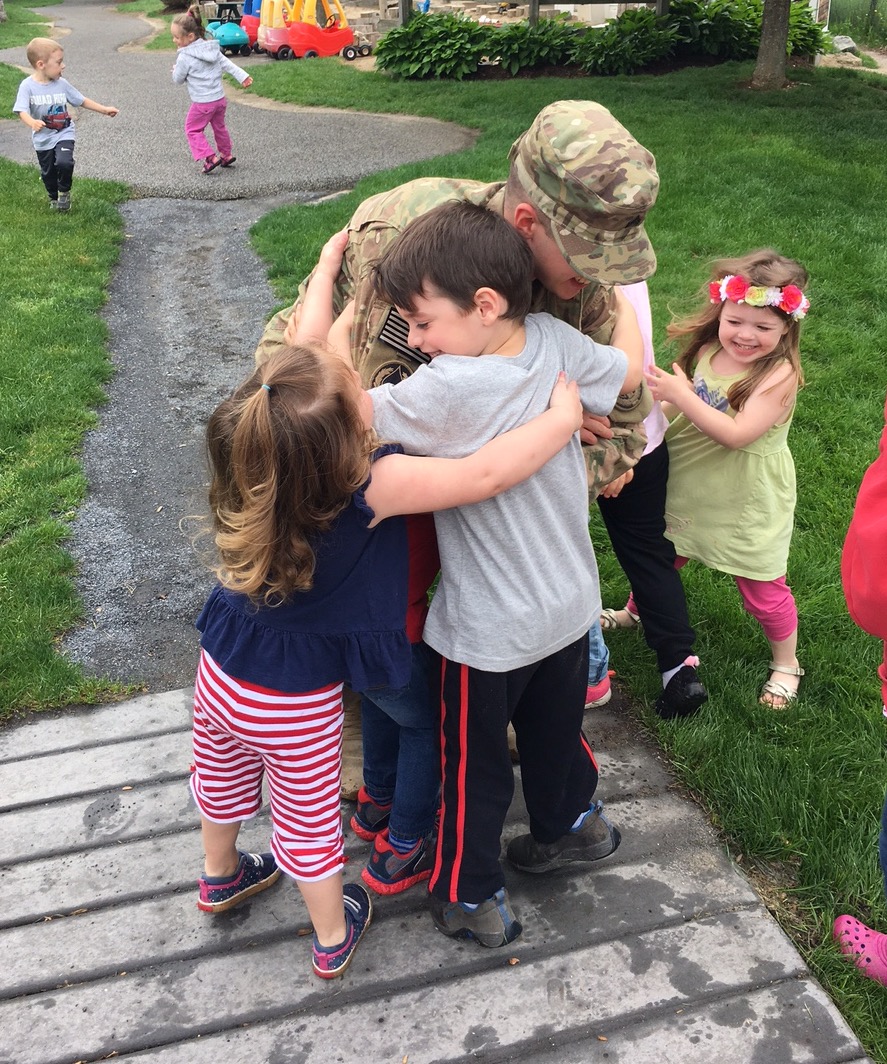
Thanking a soldier in the best of ways.


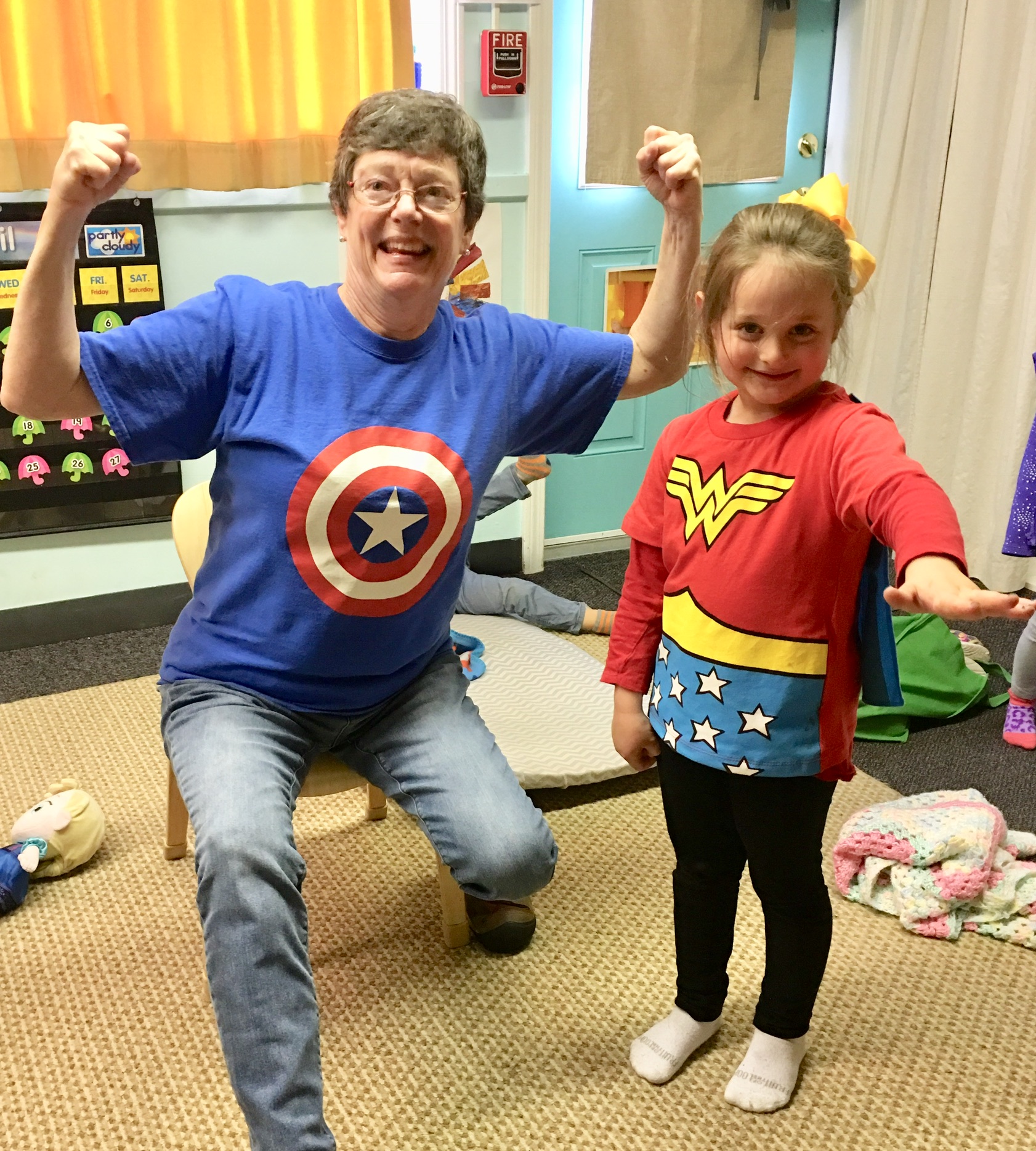
Superheroes

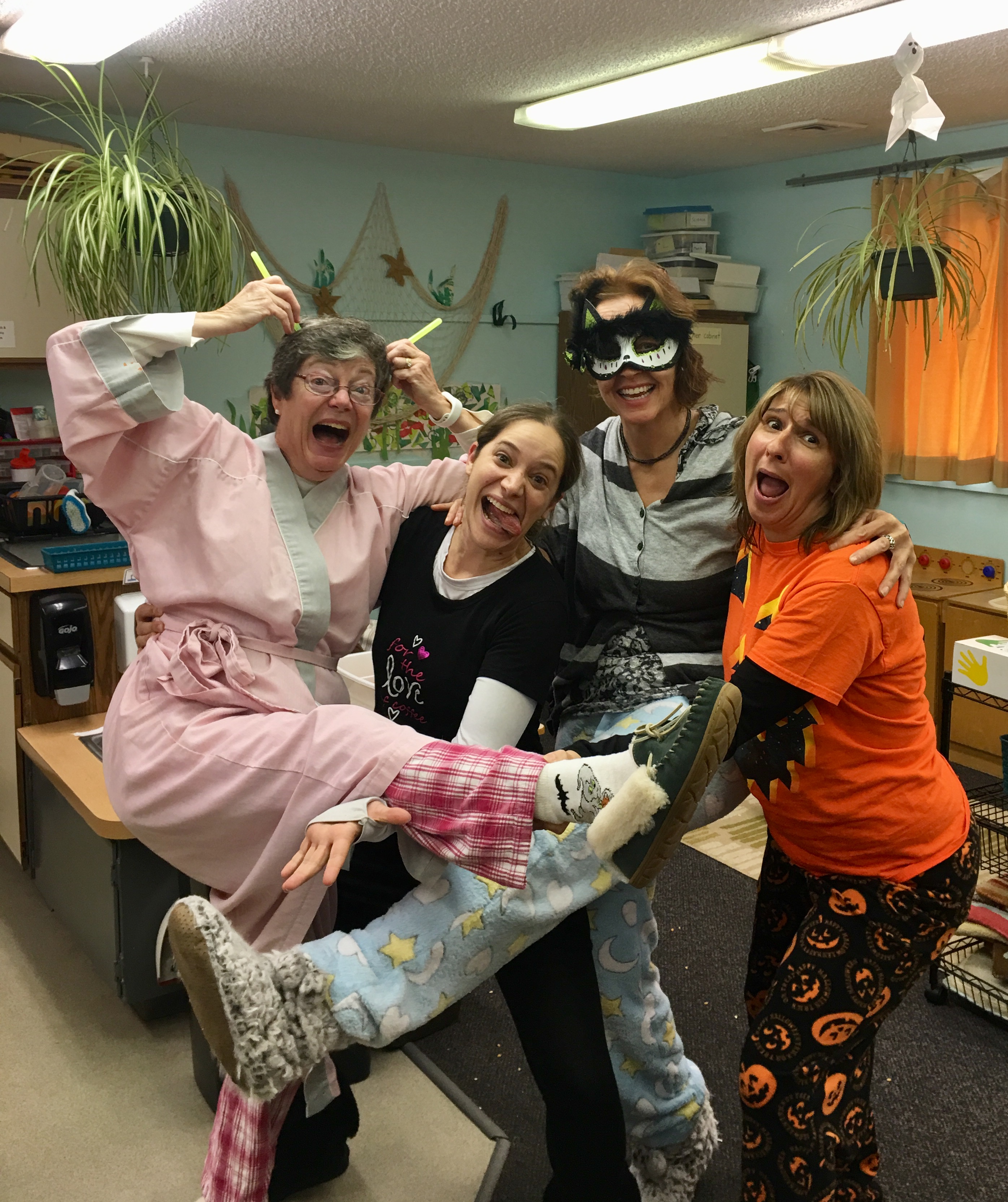
Pajama Day


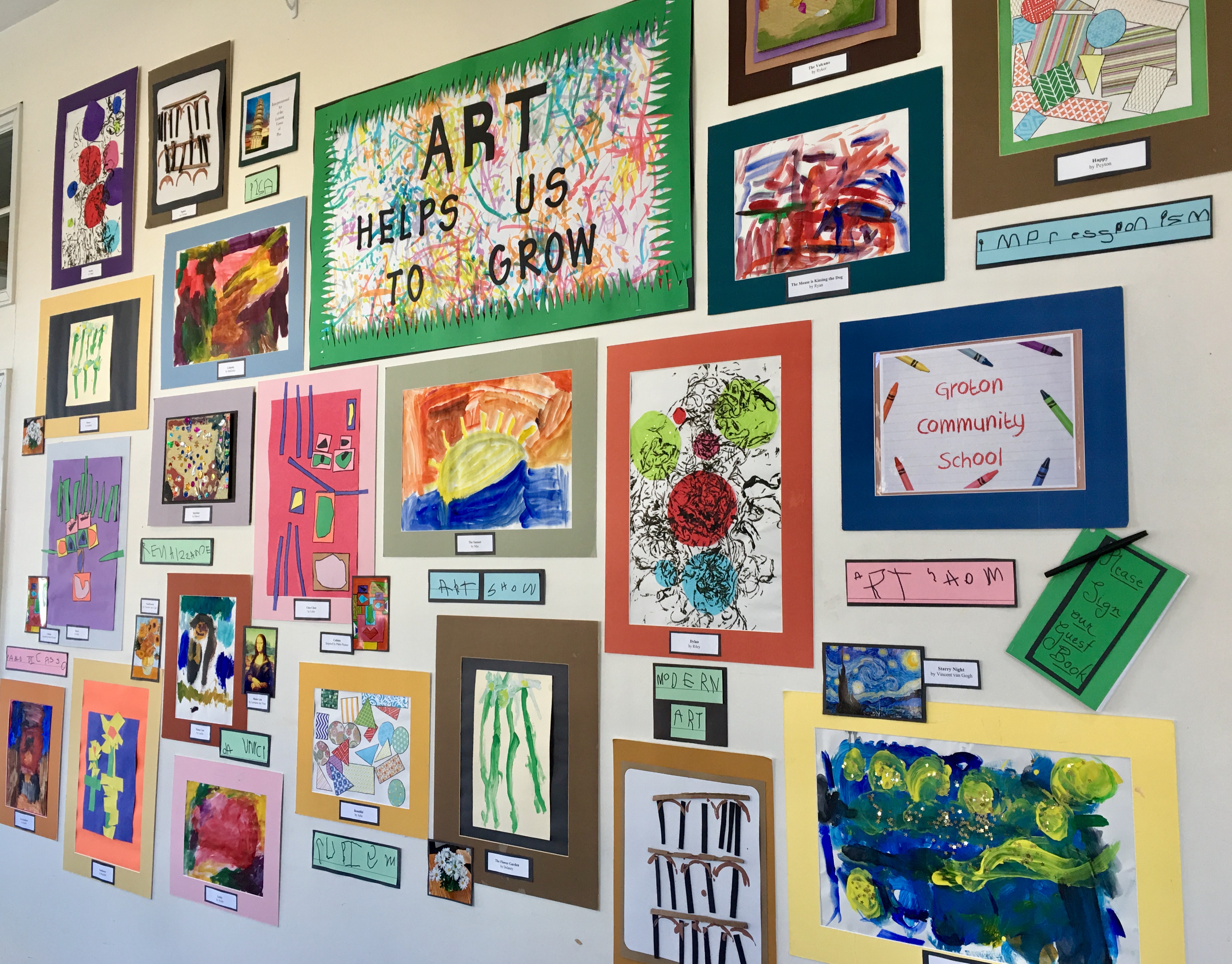
The Annual Art Show


Making a quilt


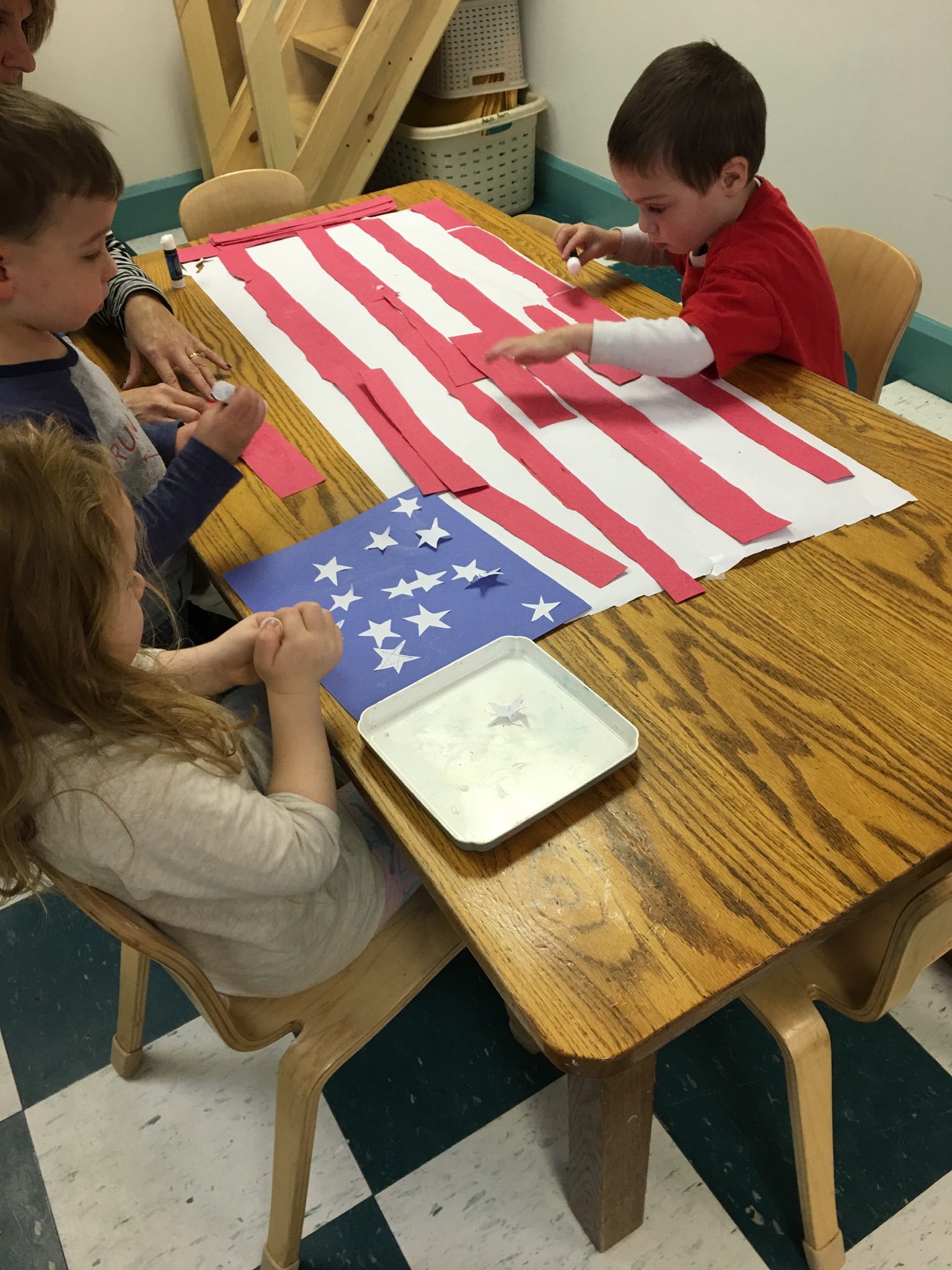
Making a flag

A play performance at school of The Three Javelinas,
a southwest version of The Three Little Pigs.


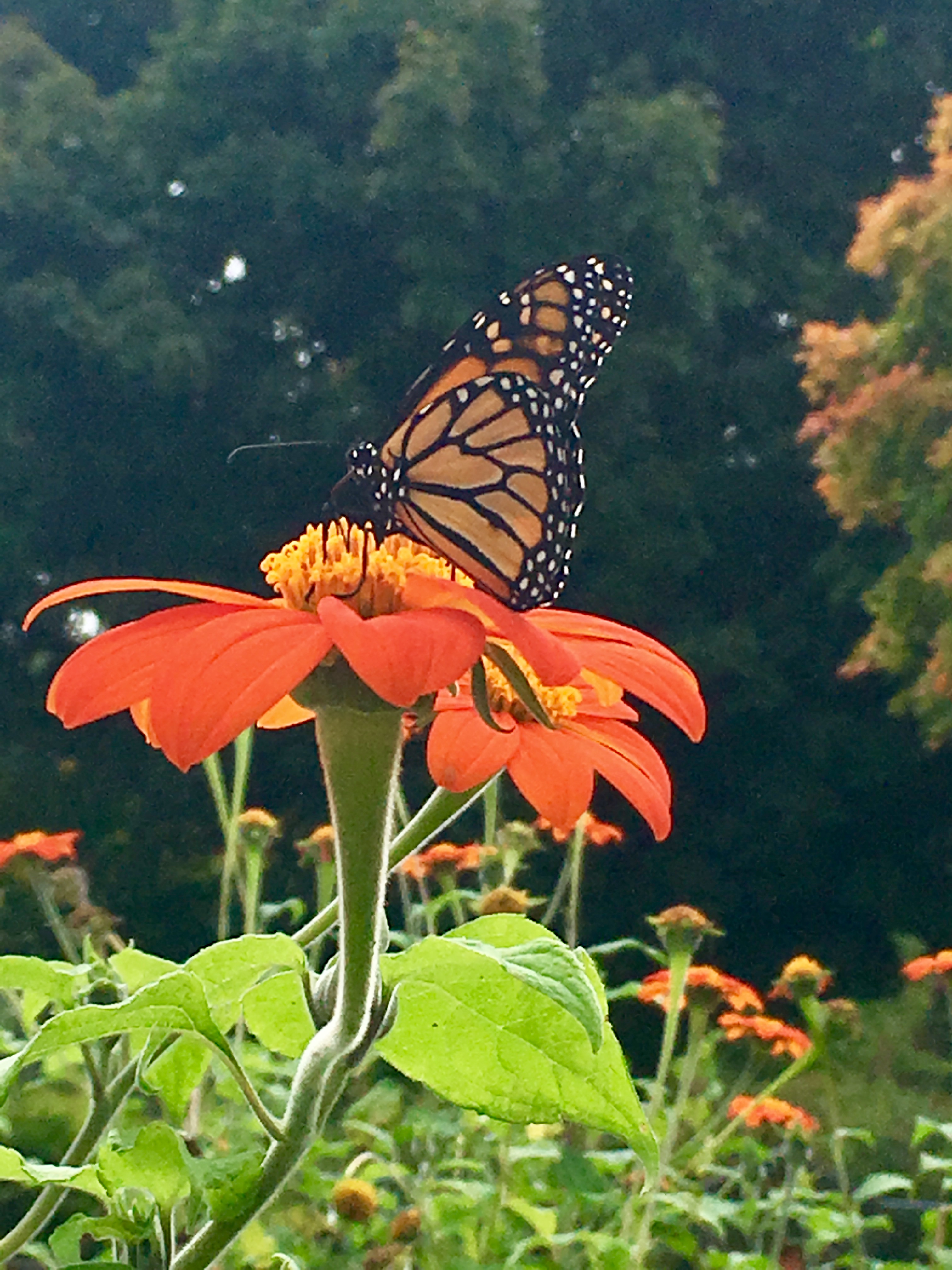
The beauty of nature, right in our playground.

These photos have no order.  They are like stars in the sky.  They will always shine.  And these are just the tip of the iceberg.  Life is good.

Jennie

Posted in American flag, Author interview, children's books, Diversity, Early Education, Expressing words and feelings, Gloria, history, Inspiration, military, Nature, picture books, play performances, preschool, quilting, Teaching young children, The Arts | Tagged , , , , , , , | 103 Comments

The Female Librarians Who Delivered Books On Horseback

There was a little known program between the years 1935 and 1943 under FDR’s New Deal. It was The Pack Horse Library. One thousand women were hired to ride horses and carry saddlebags full of books to deliver to people. This was a way to get books into the hands of people who were poor and had no way to get to a library. It sounds like a cross between the Pony Express and the Bookmobile. Thank you Nicholas Rossis for this excellent post, which includes outstanding and rare photographs.

I first heard of The Pack Horse Library through a wonderful children’s picture book, “That Book Woman”, by Heather Henson. It tells the story of one family’s many visits by the Pack Horse Library woman.

Nicholas C. Rossis's avatarNicholas C. Rossis

Dusty Old Thing recently published an article by Rose Heichelbech about The Fierce Female Librarians Who Delivered Books On Horseback During The Great Depression. While everyone’s heard of the Pony Express, this is a rarely-told story. If like me, you’d never heard it, here you are!

The New Deal’s Book Women

In the middle of the Great Depression, not only was America grappling with the tightening of just about every single household budget, but the nation was also poorly connected. At the time most rural areas were without basic services like electricity and running water. As such, these remote areas were often devoid of public institutions like libraries.

Some of the most isolated areas were nestled in the Appalachian area of Kentucky, among other locations. One of the many public programs initiated by FDR’s New Deal was the Works Progress Administration, which funded the Pack Horse Library Initiative. The…

View original post 748 more words

Posted in Uncategorized | 51 Comments

Gloria’s Necklace, Part 2

Yesterday’s tragedy of breaking Gloria’s beloved necklace, the one Milly gave her years ago, was a lesson in a whole lot of things – from how do you fix a problem, to doing the right thing, and caring for others.  This is big stuff, whether you’re four or forty.

I was excited today.  I had the new necklace in hand, ready to give to Gloria.  I sat down with the children to show them the necklace, the clasp that was repaired, and the new hanging hearts.  And, the medallion!  The oohs and ahs were loud.  We couldn’t wait to give it to Gloria.

Giving feels good.  It’s as simple and as complex as that.  The children got to experience that feeling in a very real way, not just hearing me read it to them in a story.  Isn’t that what Gloria’s new necklace was all about?

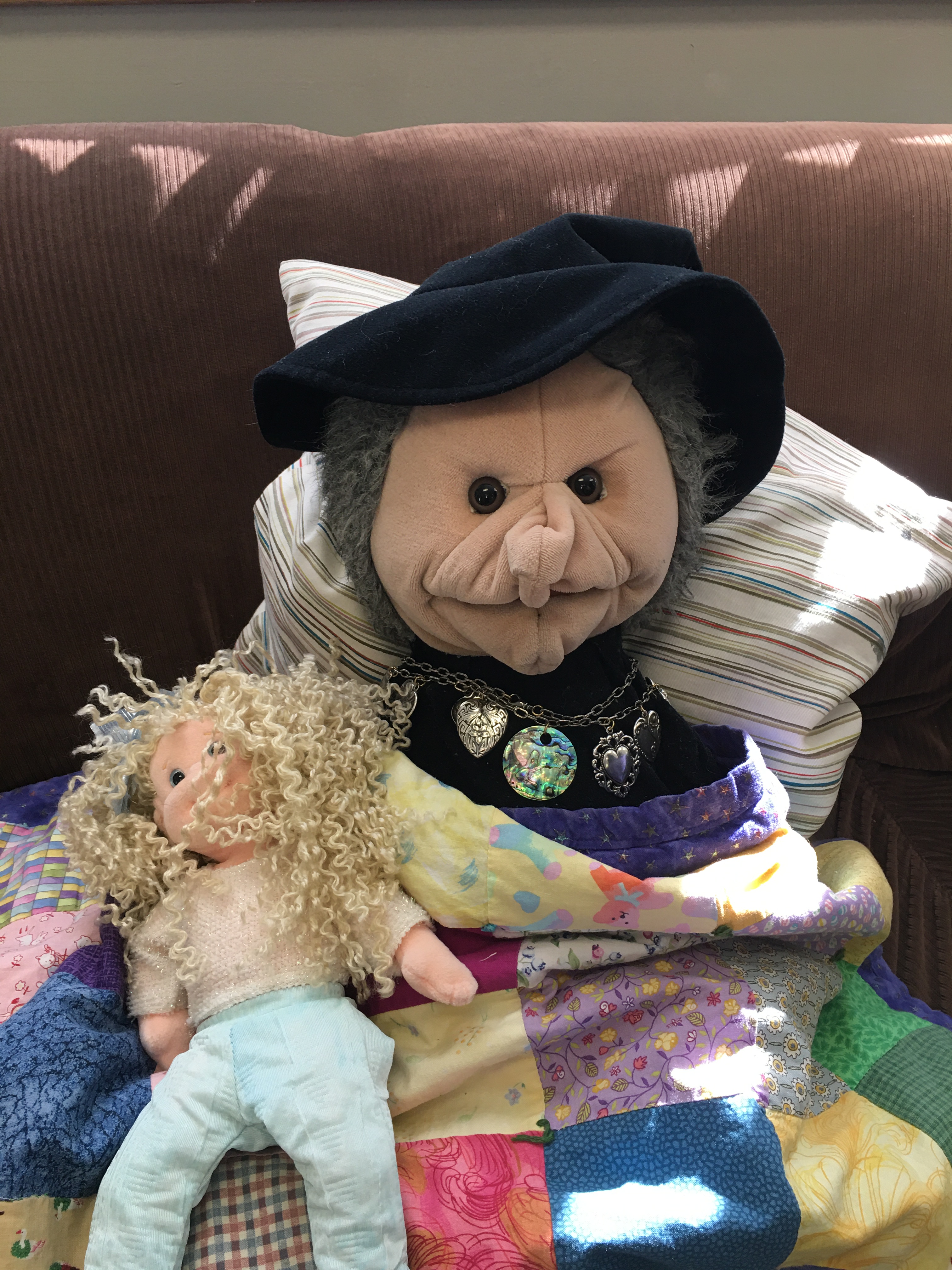
After Gloria got her new necklace, children decided she needed to be on the couch with her blankie and a doll.  I think Gloria liked that.  Don’t you?

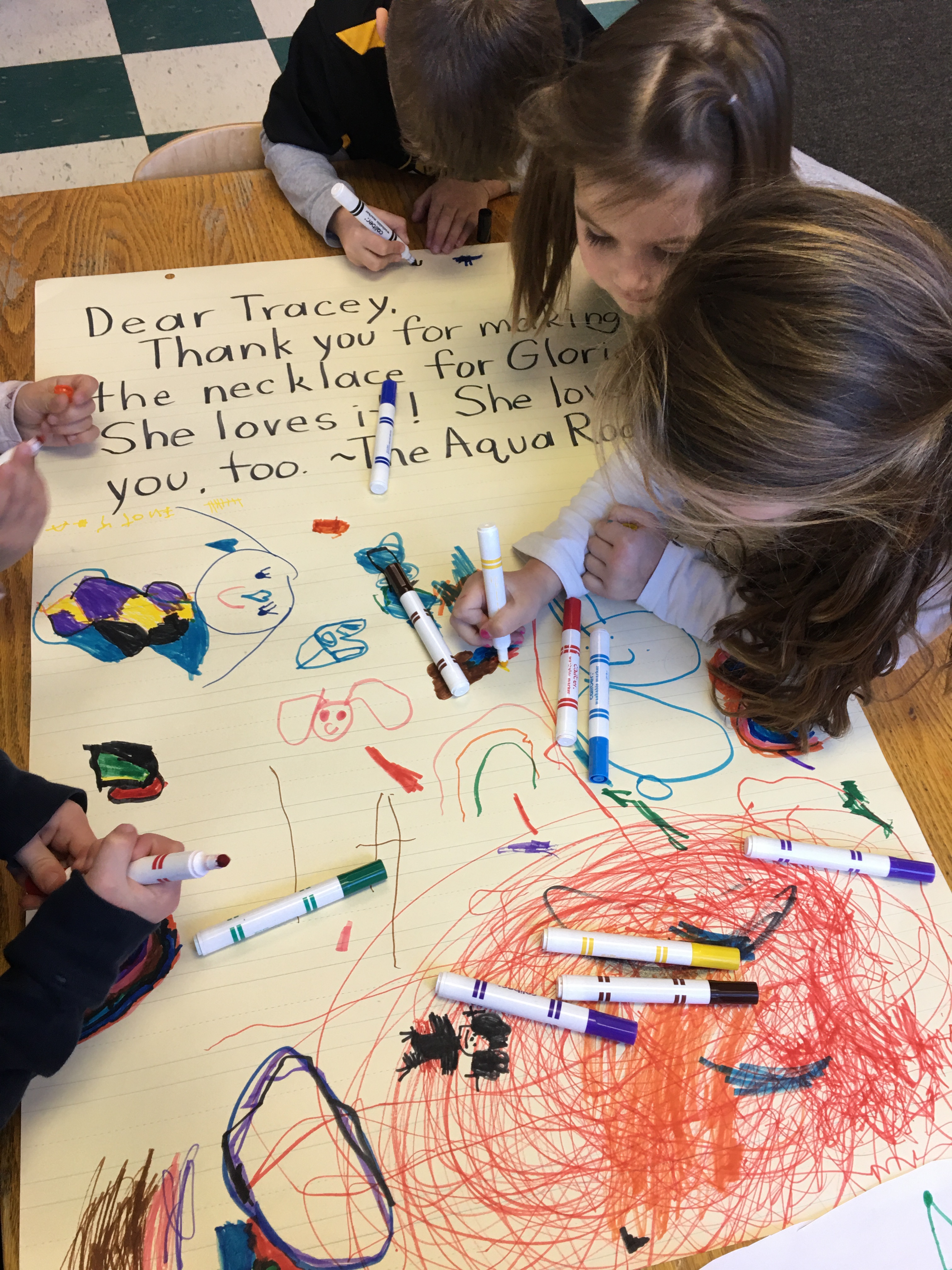
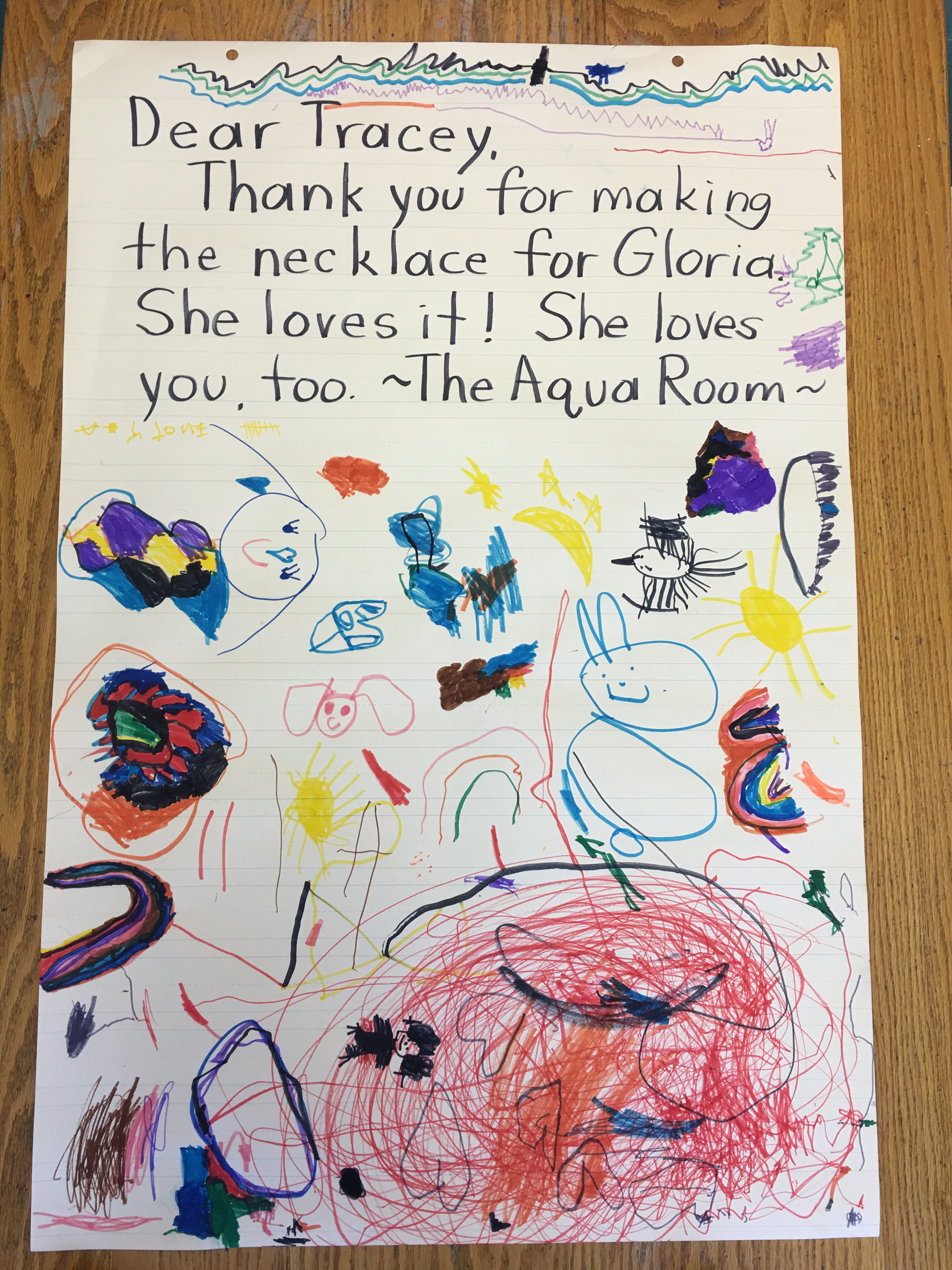
The children got to work writing a big thank you letter to Tracey Smith, the jeweler who transformed the broken necklace into something new and beautiful.

At the end of the day, Gloria was all smiles.

I can’t speak enough about emergent curriculum, following the lead of the children or what is really happening in the classroom, and using that as a foundation for teaching. I could have tossed the broken necklace in sadness and stuck with what I was teaching.  And had I done so, it would have been a bigger tragedy.  I would have missed the opportunity to teach – really teach – some of the most important things children need to learn.

Jennie

Posted in behavior, Diversity, Expressing words and feelings, Giving, Gloria, Inspiration, preschool, Teaching young children | Tagged , , , , , , , | 72 Comments

Gloria’s Necklace, Part 1

Today was not a good day.  Everything broke.  It started with the key to our favorite game, Cranium Cariboo.  We call it “The Ball Game”.  It is THE game, and of course it’s no longer made.  The purple key to the game is necessary to play the game.

The key broke today.

Then the long tongs broke in half.  And the head of the very cool dragon broke off.  Could things get worse?

Yes!

Gloria’s necklace broke.  For those of you who remember Milly the quilter, this was Milly’s gift to Gloria.  It’s one of those irreplaceable things.  The children know all about the necklace.  Everyone was sad.  I had the children all around me as I spread out the necklace.

Every heart had a detailed picture.  We looked at each heart as if it was new.  In many ways it was new, because I can’t remember the last time I looked at those hearts.  One has a bird with a sunrise in the background.  The children liked the hearts with flowers.

Sometimes things happen for a reason.

There I was, with children pressed against me, studying each heart as if it were a piece of art.  I knew I had to do something.  I announced to the class that I would take the necklace to Tracey Smith to be fixed.  She is a local jeweler, well respected by the big jewelers in Boston.  She knows Gloria.  Her children were in my class years ago.  Both have given back to the school with music and drumming, and summer camp.  Tracey is a strong supporter of the school.

Tracey wanted to do more than repair the broken piece.  She wanted to add missing hearts to the necklace.  We had fun looking at all the choices.

Suddenly, this necklace became more than just ‘fixing a broken piece’.  It was a shift to “What can we do for Gloria?”  Now, that was exciting!  From a storm to a rainbow, all in a moment.  We went shopping!  We found two perfect hearts, plus a beautiful Aqua medallion.  Gloria’s necklace has never had a medallion.  I think Milly would be thrilled!

Error
This video doesn’t exist

Tomorrow we will have a grand presentation to Gloria of her new necklace.  The children will be more excited than Gloria.  Stay tuned for the big event, Part 2, tomorrow.

Jennie

Posted in art, Giving, Gloria, Inspiration, joy, preschool, Teaching young children, The Arts | Tagged , , , , , , , , | 64 Comments

Roots

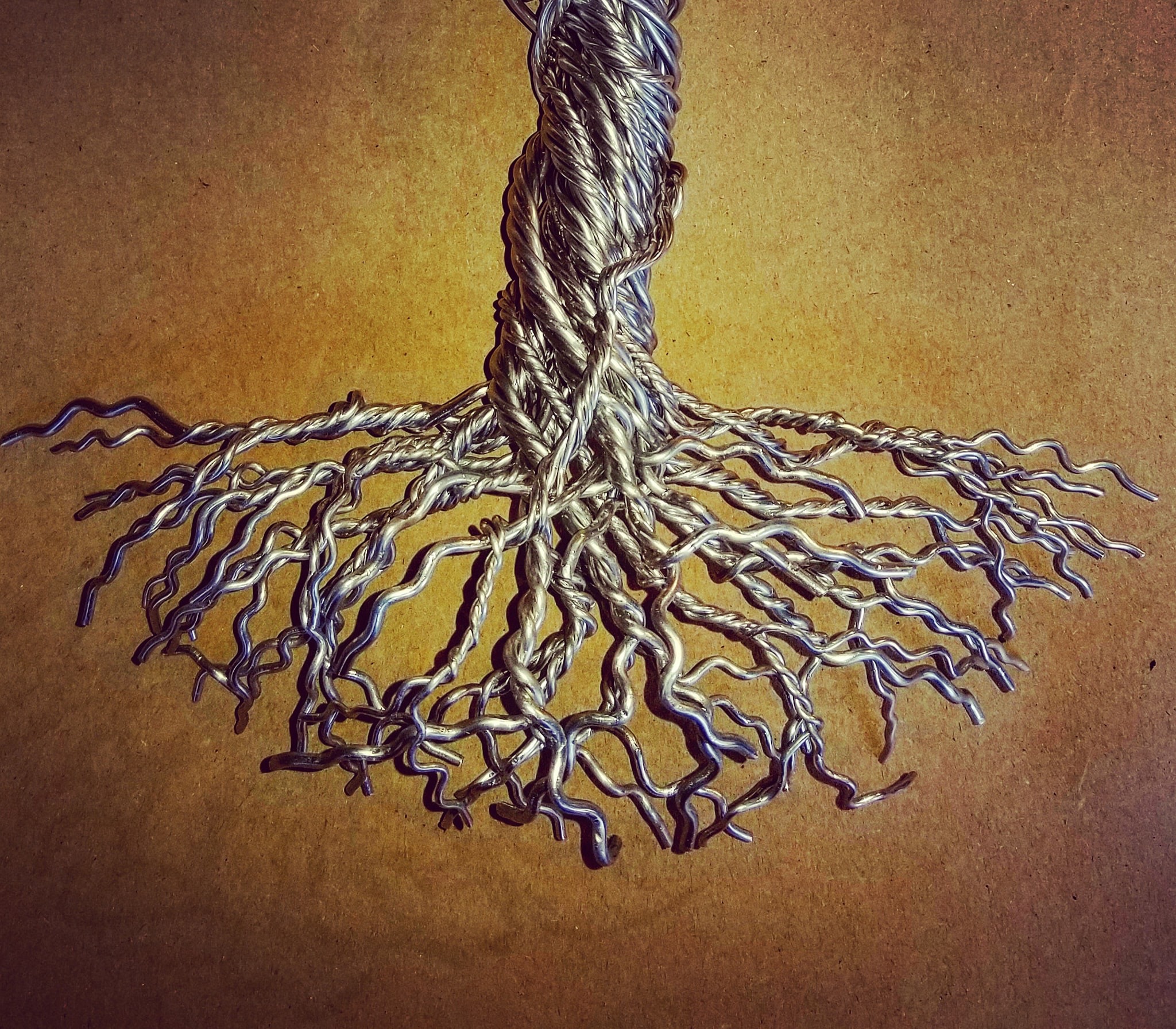
My artist friend at Mountain Roots Studio in Asheville, North Carolina, makes trees out of twisted wire.  Her trees have deep, pronounced roots.  I’ve always liked that.  Roots.  That’s where it all begins.  Without roots we have nothing.

I liken that to what I do with children – give them the roots to grow in a strong way.  Every small wire in that tree is important, just as every moment with children is an opportunity to grow roots.  When the child comes first, and I really pay attention, and even adjust my schedule/routine to seize the moment, roots grow.  In teacher lingo, it’s a child-centered program with emergent curriculum.  Best thing ever to grow those roots.

I’m reminded of an older post I wrote, and how roots are the beginning, without which there would be no wings.  After all, isn’t it wings that we all want?

                                       Roots, Wings, and Thunderstorms
Some years ago I was on my porch with my adult daughter watching the big thunderstorm rumble into our yard. We were both enjoying the anticipation as well as the storm itself. I asked my daughter what memories popped into her head whenever she heard a big storm. She replied, “Camp, of course! We had nothing else; no TV, no computer, just the outdoors. Thunderstorms were great!” Funny thing. This was the same experience with me as a child at camp.

We talked about exciting and adventurous experiences in our childhood, and about childhood itself. We analyzed why children feel the way they do, and what is it that ‘makes a difference’ when they grow up. One thing kept ringing loud and clear. Children who are given experiences that challenge them, who are encouraged to take a chance and ‘do it’, and who have the firm love and support of their family, seem to grow up with a good, strong sense of self. Roots and wings.

I think of the swings on the playground and ‘yelling’ commands with excitement when a child first learns to pump a swing.  “Kick them out.  Tuck them in.  Pull.  Yes, you can do it!”  As children grow older, I think of opening the front door and letting my child ride his bike, alone, to the playground.  Then, going to sleepover camp for a month, at age eight.  My children begged to go, loved every minute of it, and I am convinced it was part of their foundation.  Roots and wings.

I was the opposite of a helicopter parent.  Friends were a little shocked to see my child roller-blading to school.  He couldn’t quite tie the laces tight enough, so his first grade teacher helped him.  They wondered if there was a ‘problem’ when my children went off to camp, and my son went to boarding school.  My daughter went to Italy, alone, after college graduation.  We’re talking speaking no Italian, as well.

After all of these different experiences, friends would then say, “Your children are so lucky to have these opportunities”.  That was quite a change.  I would smile and just say, “Roots and wings”.  They had the roots, with plenty of love and support.  Sometimes I felt brave and alone giving them the wings.  That was the hard part.  I’m so glad I did.

In my classroom, I approach each learning experience and activity, planned or unplanned, as an exciting opportunity. We are a family. We help each other, support each other, and encourage each other. We provide roots for each other with daily routine, tenderness, and a positive, fun attitude. We give each other wings when we learn how to write our name, pump a swing, stand in front of a group to talk, or try something new. Roots and wings.

Remember, it’s all the little experiences, over and over again, that we build upon. It’s not the big things that make a difference. Dancing with painted feet, coming to school at night and singing in the dark, shopping in a real Indian market, painting to classical music, setting up nap mats for other children, finding a new place on our big map with the magnifying glass, reading all the name cards without help….it is the culmination of all these activities, and many others, that make the difference.

I hope that in years to come, you and your child sit through a thunderstorm together, walk through the woods together, or sing in the dark together, and find it is an experience that is exciting. We hope that the Aqua Room has helped to give your child the experiences to feel a happy and confident sense of self. Roots and wings.

Jennie

Posted in art, behavior, Expressing words and feelings, Giving, Inspiration, preschool, self esteem, Teaching young children, The Arts, wonder | Tagged , , , , , | 67 Comments
The Crossing Guard Chronicles: The ‘One Minute Teacher’

Steve the Crossing Guard imparts his words of wisdom, how even one minute of time is a precious moment in teaching. He knows just how to make a difference, an impact, with only a minute. This post is awesome! From the Curbside Classroom, and the man with KLOT (knowledge learned over time), read on!

srbottch's avatarS'amusing

If you had one minute a day to spend with kids, what would you do with it, the one minute?

It’s not much time to make a positive impact, is it? Or, is it? Certainly, you’d start with some ‘greetings and salutations’*. That’s a positive. But what would you do with the other fifty-five seconds, or so?


Would you draw attention to the dawning of a new day with all its trimmings: a late full December moon hiding behind tall pines; the ‘morning star’, planet Venus, sparkling like a diamond until it surrenders to daylight; birds signaling réveille with chirping and tweeting? There is much to enjoy and learn by looking and listening, and we do that at the ‘Curbside Classroom’, even for just a minute


Maybe you’d tell them about a day in history, or a famous person? Try the remarkable story of Teddy Roosevelt’s brush with a would-be…

View original post 319 more words

Posted in Uncategorized | 48 Comments