Peace, The Real Peace

I talk about peace often in my classroom.  Well, that’s partially true.  When children talk about peace, I jump right in. They have a lot to say. We adults should listen more.

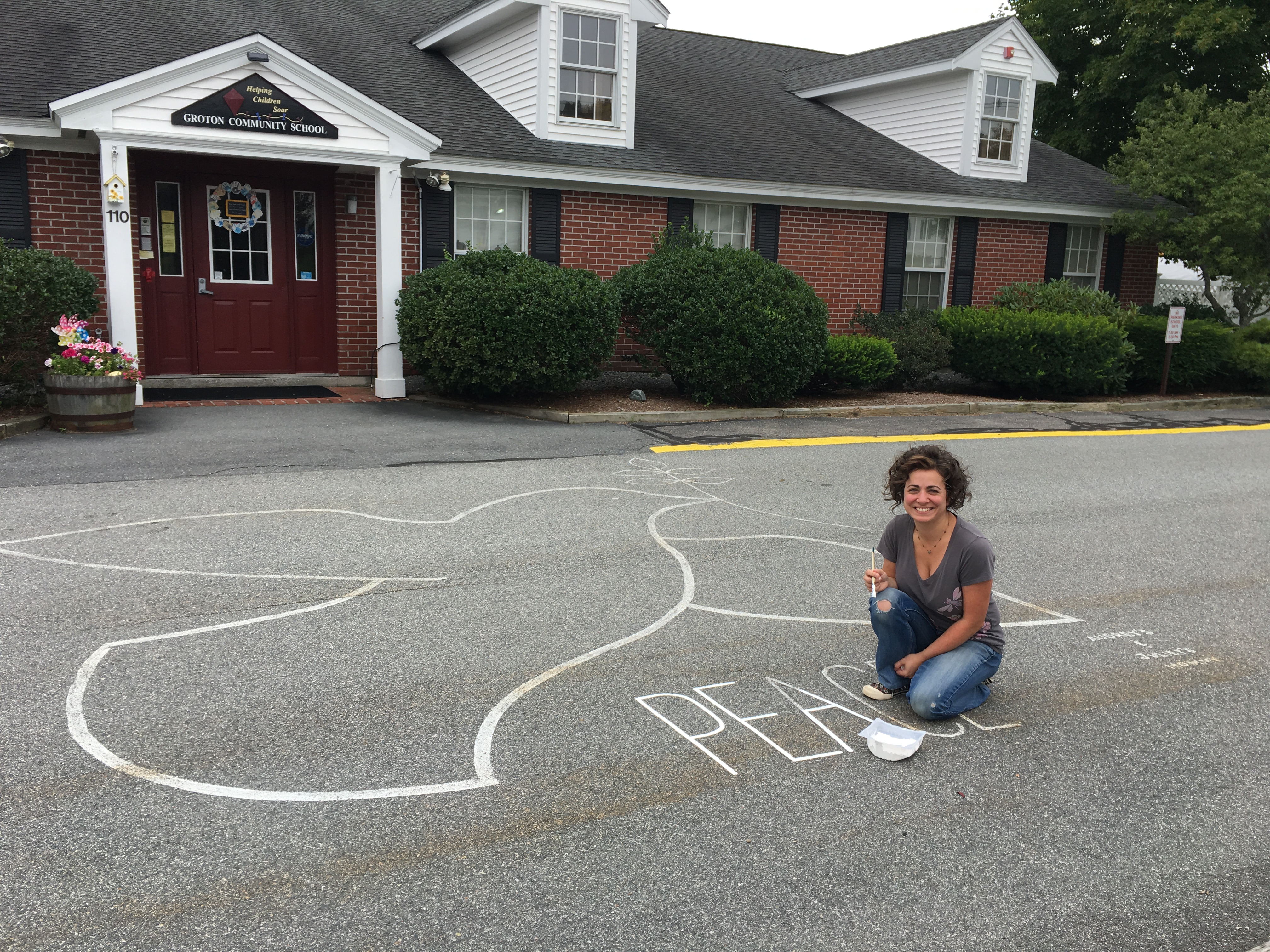
Years ago, when I first had the the good sense to listen to children, it struck me to paint a peace dove in our parking lot, right in front of the entrance to school.  Janine, an artist and parent of Juliet (Starry Night post) and Audrey, was happy to do the job.  Since then, she has returned many times to repaint this simple, beautiful bird.  It has become a symbol to welcome all the families and visitors who come into our school.  Crossing the threshold of peace.

Peace is really very simple.  Children know.  When asked, “What is peace?”, they pause, and pull an answer from their soul.  I think the soul is a heart that has lived.  “My new baby sister, dancing, dinner with my family”… true peace.  That’s what children say.

It took me a while in my teaching to let go of the structure of teaching peace.  I remember interviewing children when we were sitting under a Peace Portal that we had made in the classroom.

I asked, “How does peace make you feel?”

Colin answered, “It makes me feel hearty.”

“Oh… it makes you feel strong?”

“No, Jennie.  It makes me feel heart-y.”  Then he patted his heart.

Oh my goodness!

Colin answered with a why-are-you-asking, and a don’t-you-already-know, mindset.  He was right; I did know.  I was teaching peace as part of my curriculum.  I realized that peace is learned by doing.  I had to set the stage, be a role model, stop and talk at all the little and big things that happened in the classroom, read plenty of books aloud that open the door for both goodness and evil- oh, the conversations we have are pretty intense; from fairy tales to the more subtle, like Templeton the rat in “Charlotte’s Web”.  I made sure children felt comfortable saying what they thought and asking questions.

I was right.  It made a difference.  Thereafter, peace became something  real.  Now, peace in my classroom is something children just understand.  Talking about it, or making a book, or designing a quilt happens as a reflection of what they already know and feel.

Jennie

Posted in Early Education, Inspiration, Kindness, Peace, Teaching young children | Tagged , , | 95 Comments

Meeting an Author

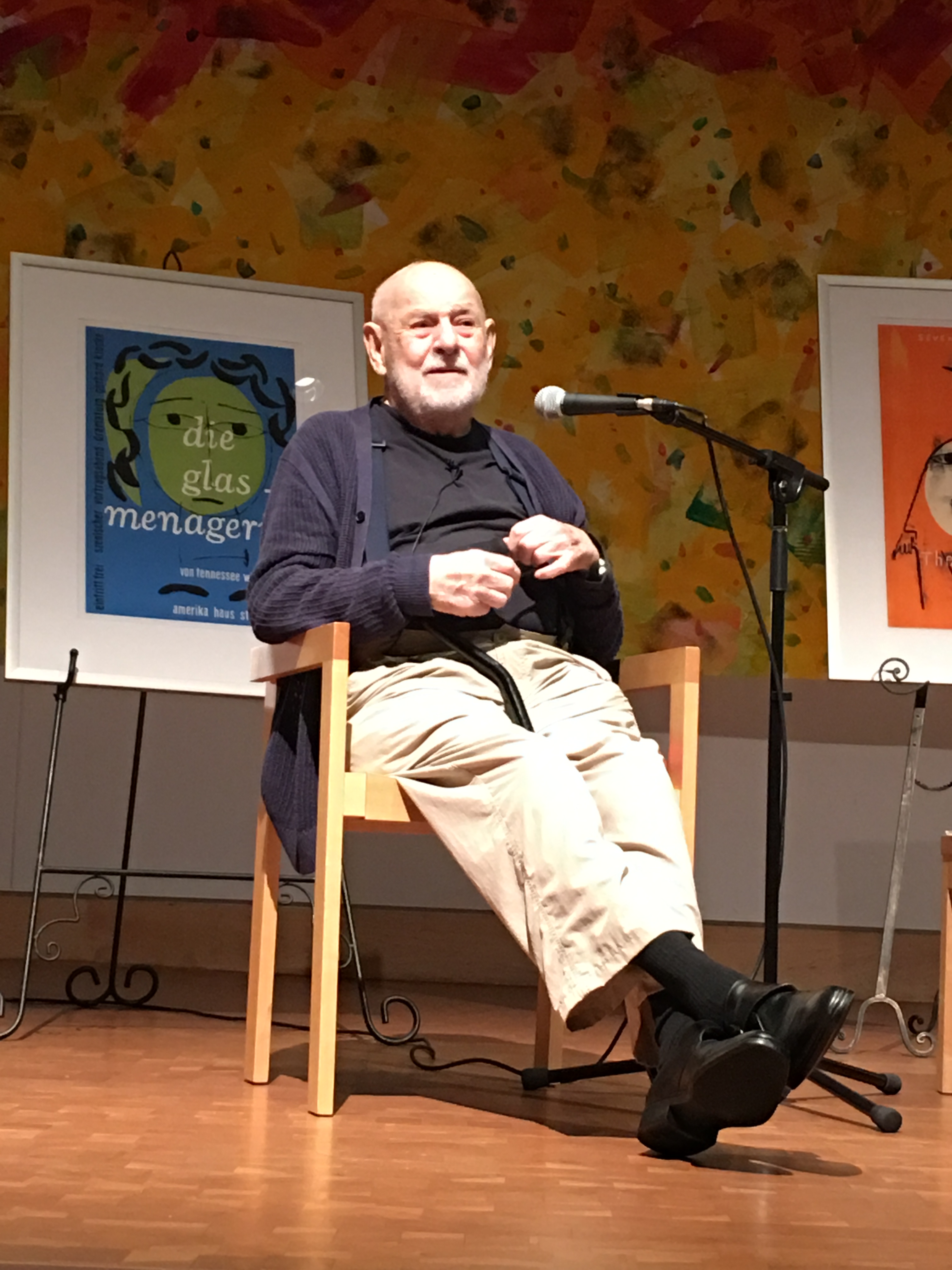
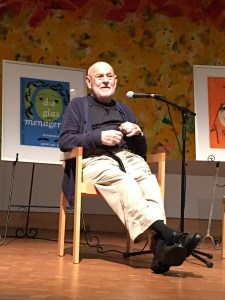
Last week I met Eric Carle. Let me say it a little louder, “Last week I met Eric Carle!”  The man, a world renowned children’s author and illustrator, is 88 years old.  His history is fascinating.  So is he.
My author bucket list started to grow when Peter Spier died this year.  His Star-Spangled Banner, Circus, and Rain books have been staples in my classroom for decades. I always meant to write and tell him so…  His death was my wake-up call.

And then I learned that Eric Carle would be speaking with Annie Lionni, granddaughter of Leo Lionni.

Woah!  Leo Lionni, as in Swimmy, the first book I ever read aloud in my classroom.  The book that changed my life in teaching.
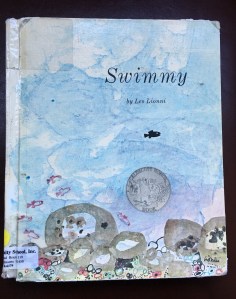
I think you get the picture.

In order to understand this event, here is the back story, well my back story:

I have been reading Eric Carle’s books to children for over thirty years. The Very Hungry Caterpillar is a classic.  So is Brown Bear, Brown Bear.  The list of his books I have read aloud is a long one.  Then fifteen years ago the Eric Carle Museum opened, a museum dedicated to the art of children’s book illustrators.  Oh yes, I have seen their exhibits which have displayed the original art of Madeline and Make Way For Ducklings (just for starters), beloved books I’ve read hundreds of timesThere’s a long list of art illustrations displayed at the museum, and it’s a good list.

When visiting the museum, I learned about Eric Carle’s life.  He was born in Germany, came to the U.S., and then returned to Germany with his family in the 1930’s.  Not a good time in history to be in Germany.  He was shown “forbidden art” by his art teacher- the art of Monet, Picasso, Matisse, and Kandinsky.  That changed his life in art.  It changed my passion in teaching art to children, too.

Then after the war, Eric Carle came to America when he was in his 20’s.  That is where the event last week with Annie Lionni begins:
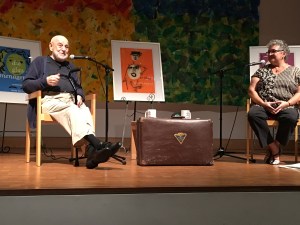
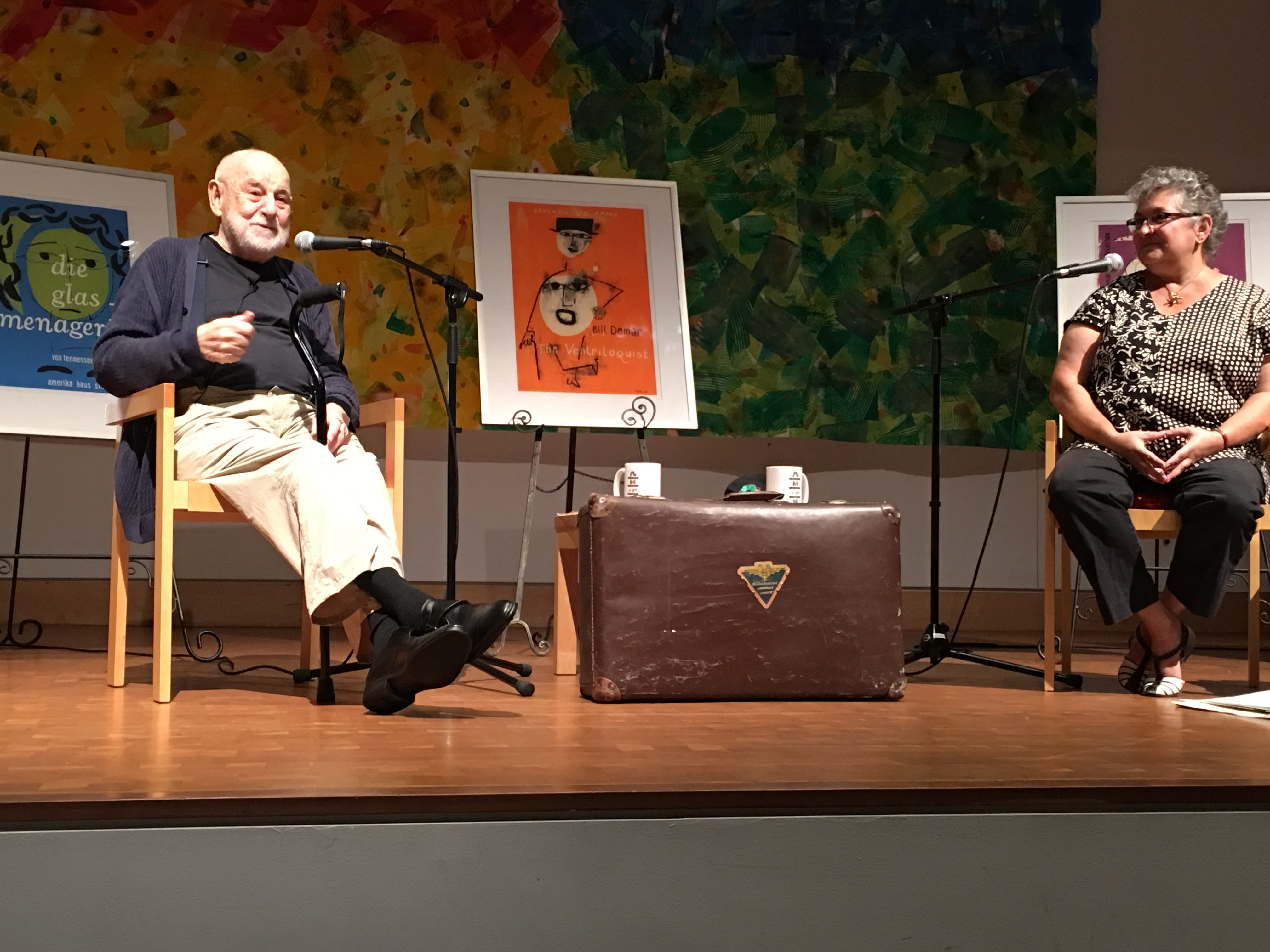
The brown suitcase on stage is what he had when he arrived in New York City, filled with advertising posters he had done for theaters.  And so began a conversation of fascinating stories, told with wit and humor, along with Annie Lionni.  The audience was captivated hearing this man speak.  I was front row center, the 50-yard line, right behind home plate.

When Eric Carle arrived in New York City, he saw a copy of Fortune magazine, was struck by the art on the cover, and noticed the signed name at the bottom: Leo Lionni.

“I went to a pay phone booth and looked up his name in the phone book.  I telephoned and Leo actually answered the phone.  He said he would be happy to meet me and gave me directions.  Can you imagine my luck?”

Leo Lionni gave Eric Carle his first job.  It was art for advertising.  Children’s books weren’t on the radar for either man until many years later.  Time went by, and Eric Carle was in New York and called Leo Lionni to get together.  This is the story he told Annie, on stage:

“I called Leo and asked if he could meet me on Tuesday.  “No, I cannot on Tuesday”, he said.  “How about Wednesday?”, l asked.  “No, I cannot”, he said.  “Can you meet me on Thursday?”, I asked.  Leo replied, “No, I cannot.”  I was hurt.  I was deeply hurt.  I did not understand why.  Years later when Leo was close to dying a friend called me and said I should go and see him.  I still had so much hurt inside.  I did not go and see him.  What I did not know at the time back then, was that his son had died.  That is my only regret in life, that I did not see Leo again.”

Eric and Annie shared stories about writing and illustrating children’s books.

  • Lionni’s book, Inch by Inch, was Eric Carle’s favorite book.
  • Unlike most artists, they both understood that white is a color and used it in illustration.  They were both instrumental in using collage art.
  • When Carle’s agent asked him to write a children’s picture book he said “No!”  (The audience howled with laughter!)  Finally he did, and it was a counting book.  Since there were many counting books on the market, his editor said, “Add something that stands out.”  He did!  1, 2, 3 to the Zoo, with animals getting into train cars on the way to the zoo and then out of train cars at the zoo, actually is both an adding and subtracting book.  The rest is history.

Every story was delightful and engaging.  The audience and Eric Carle and Annie Leonni were one.

Afterwords in the lobby I was asked if I would like to meet Carle (gulp!)  I thanked him and told him what a difference he has made in my classroom- in both children’s books and art.  I told him that his discovery and love of modern “forbidden” art has inspired me to really teach art to children and learn about artists, like Eric Carle.  He smiled and nodded with understanding.

Jennie

Posted in art, Author interview, Early Education, Eric Carle, Leo Lionni, museums, picture books, storytelling, Teaching young children | Tagged , , , , , , | 73 Comments

The History — and Magic — of Outdoor Play

Alyssa Haywoode's avatar

Photo: Alyssa Haywoode for Strategies for Children

It’s summer and NAEYC’s publication, Young Child, has a compelling and seasonally appropriate article about the history of outdoor play.

Written by Joe L. Frost, an emeritus professor at the University of Texas at Austin, and John A. Sutterby, a professor at the University of Texas at San Antonio, the article starts with this poetic quote from Frost’s 2012 article “Evolution of American Playgrounds:”

“Good play environments have magical qualities that transcend the here and now, the humdrum, and the typical. They have flow qualities — qualities that take the child to other places and other times. They are permeated with awe and wonder, both in rarity and in imaginative qualities. Bad play environments are stark and immutable, controlled by adults, lacking resiliency and enchantment. Few dreams can be spun there, and few instincts can be played out. The wonders of…

View original post 378 more words

Posted in Uncategorized | 14 Comments

Guest writer: Jennie Fitzkee – The Spider Story

I was a guest blogger today sharing one of my infamous “Jennie Stories” on Sue Vincent’s Daily Echo blog.

Sue Vincent's avatarSue Vincent's Daily Echo

“Oh, Sue. I need to tell you “The Spider Story”, one of the ‘Jennie Stories’ for my preschoolers. All true. That’s why children are glued when I say, “It happened like this.” The spider one beats them all, ” wrote Jennie in a recent comment.  As we are all children at heart and still ready for storytime, I asked Jennie to come over and share her Spider Story with us…

Children know when I tell a story, that if it begins with “Once upon a time”, it is pretend.  If it begins with “It happened like this”, it is real- something that happened to Jennie.  During lunchtime at school, children beg “Can you tell a Jennie story?  Please?”  Begging is probably an understatement.  When I begin, fifteen children are glued.  You could hear a pin drop.  I have at least fourteen stories I tell, and this one is a favorite.

View original post 595 more words

Posted in Uncategorized | 17 Comments

Childhood, and Train Whistles, and My Grandmother

Summer evenings on the porch are quiet, except for the occasional  sound of a train whistle in the distance.  I love that sound.  When I was a little girl, a train whistle meant excitement and memories.  I was born and raised in Huntington, West Virginia.  It’s “the big city”, and the central downtown area was the train station.  There is something majestic about a grand, old train station with polished brass and wood.  It was history, kept alive.

Trains were prevalent throughout the state.  With a countryside of enormous rolling hills and dramatic landscape, it was the trains that people depended on to transport people and goods from the cities like Huntington out to the country.  Roads?  The interstate didn’t exist, and most roads were more of a roller coaster than a highway.  But the trains had been there ‘forever’, it seemed.  They could go everywhere.  Dependable, and oh so exciting!

My first childhood memory is the sound of a train.  I was sleeping in the family log house in Lowell, West Virginia.  This was way out in the country.

   The Log House   

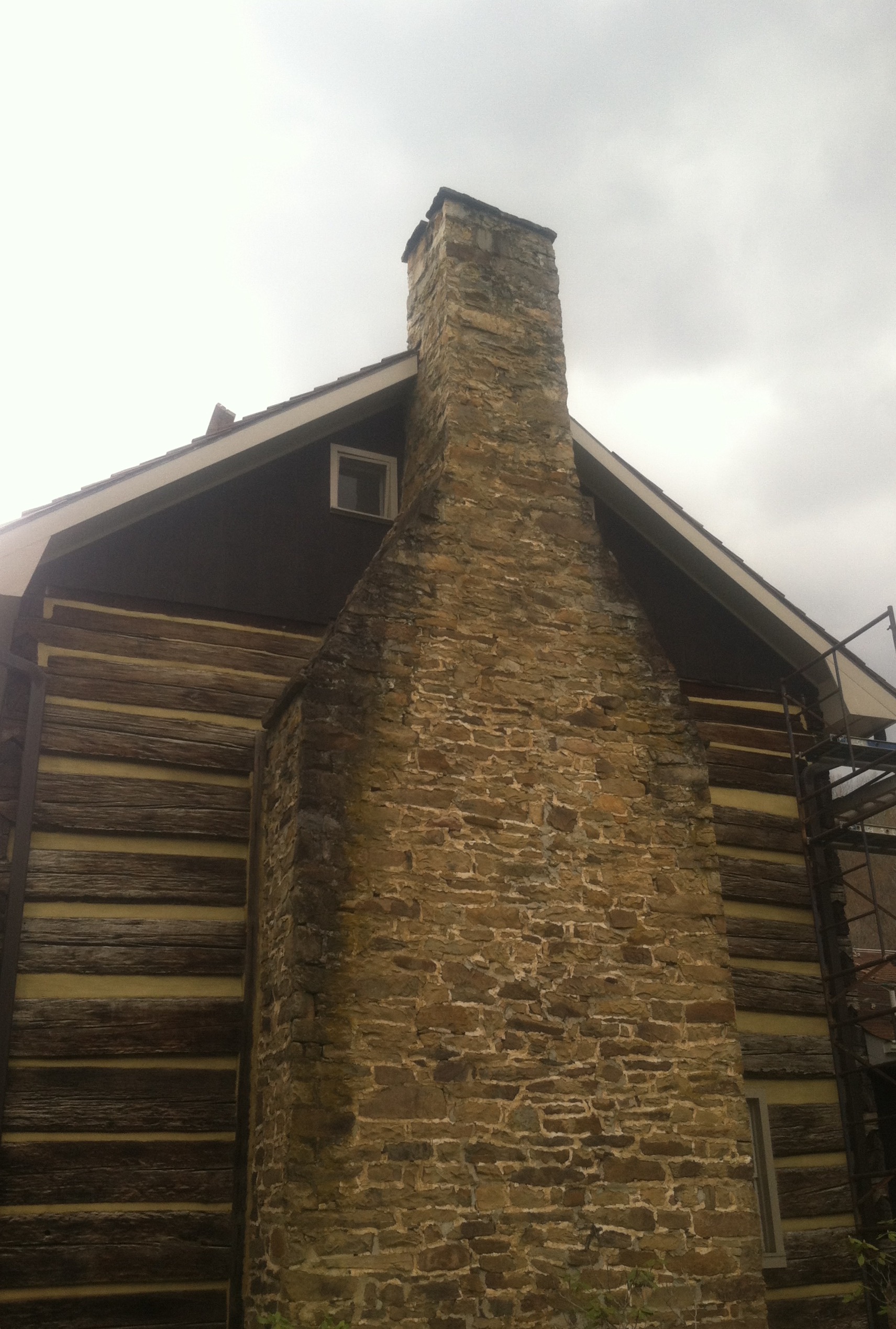
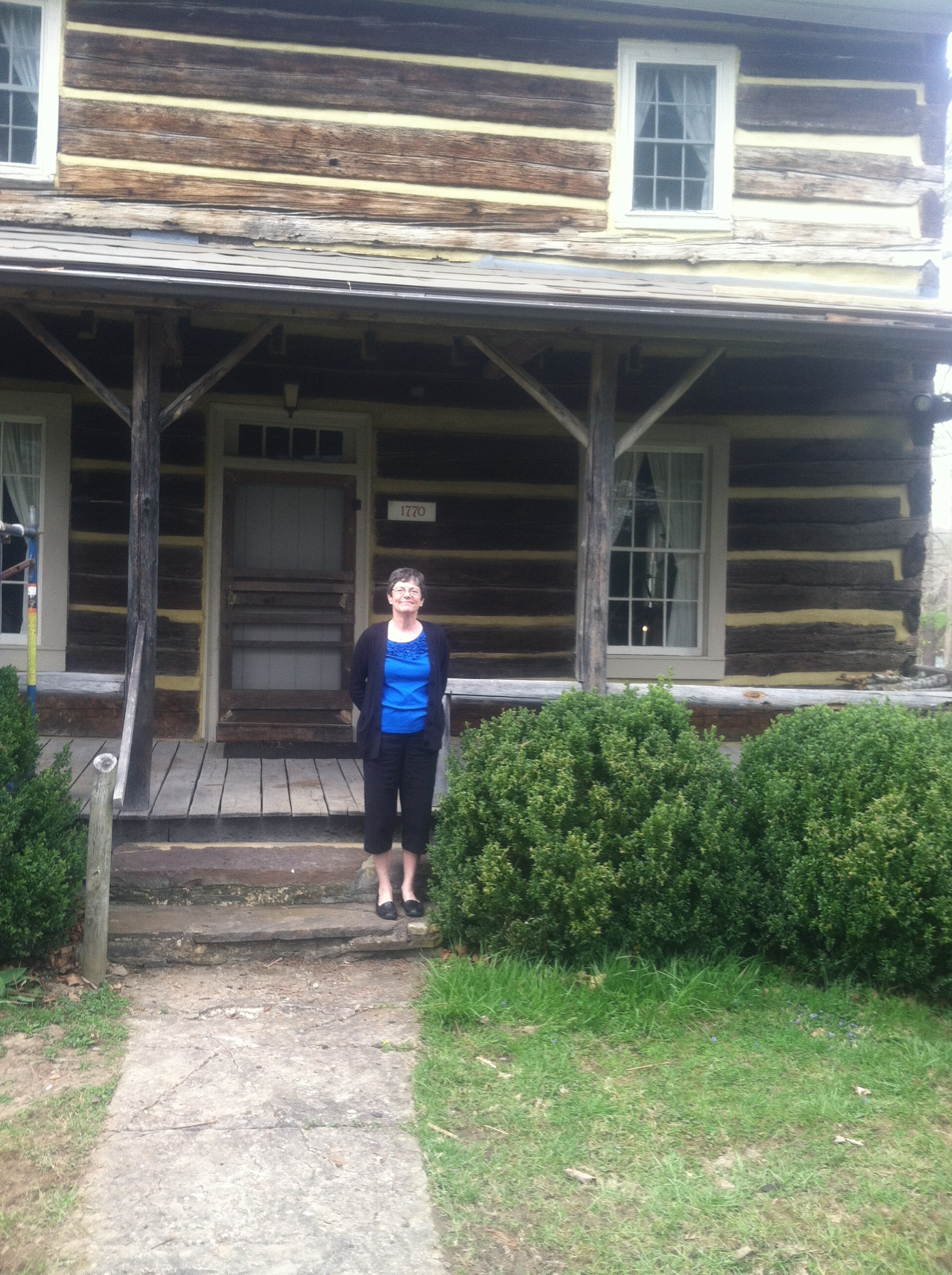
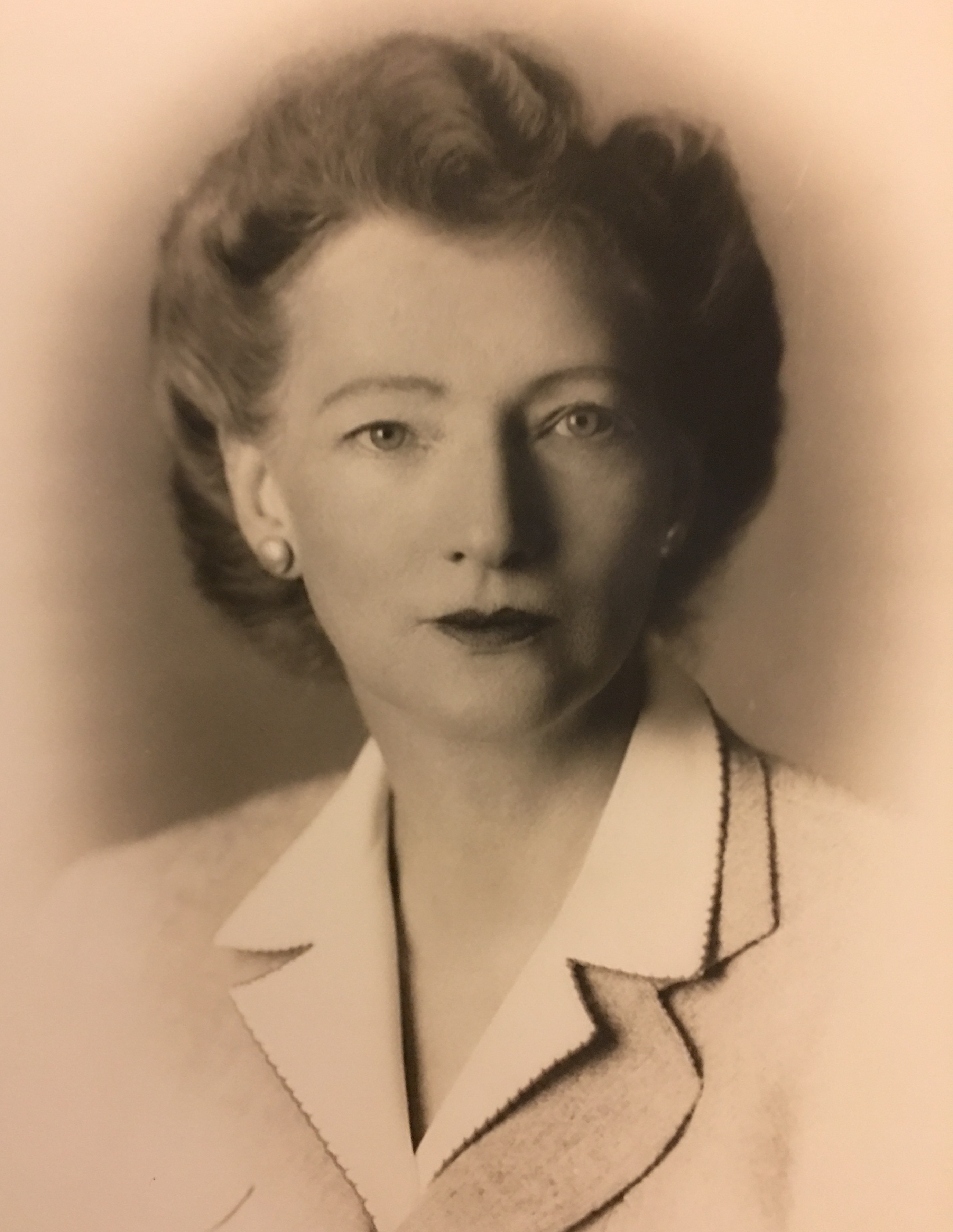
The house today is known as the Graham House and is on the National Historic Register.  But, back then in the 50’s, my family still owned the house.  The history is thrilling; it is the oldest two-story log house west of the Appalachian mountains, built in the early 1770’s.  My grandmother, Nan, lived in the house until she was married.  She told me many times the story of Indian raids.  On one occasion the children were in the summer kitchen and ran to the house.  The boy did not survive and the girl was kidnapped. It took the father eight years to get his daughter back, trading horses with the Indians. Family stories; so important.


Nan

The sound of the old steam engine train whistling by as I slept at the old log house is one of my fondest memories.  That was what I heard every evening as I fell asleep.  I loved it, and I loved that old house.  Hearing a train again today in the evening on the porch takes me back to those childhood days.  I stop to listen, not wanting to miss one whistle.  Wonderful memories.

In 1964, I boarded the train in Huntington with Nan and my cousin Laura to return for a long summer visit in Lowell with family, and of course the Log House.  We always called it “The Log House.”  I remember the excitement of the train ride, and the feeling of going past places and vistas that people never get to see from a car.  The first thing I did when we arrived at the Log House was to run upstairs and find my bed; the one I slept in as a child.  I remembered.  By then, 1964, the house was no longer in the family, so we slept at our cousin’s house next door.  And, I still heard that train whistle, even though many years since my childhood had passed.

When I recently visited the house with my husband, my first visit since 1964, I immediately recognized everything. I ran up the stairs and felt along the wall beside my bed, as there had been holes for rifles to go through when fending off an Indian raid. The holes were still there, just as I remembered, and just as Nan had told me.

Is it the sound of the train that makes my memories crystal clear?  I think so. On the playground at school the far away sound of a train goes by in the morning. Often I have the children listen carefully, and then I tell them about sleeping in a log house and listening to a train.  Stories are the keepers of words and memories.

Jennie

Posted in Early Education, geography, history, Imagination, storytelling, Teaching young children, trains | Tagged , , , , , , , | 63 Comments

Quotations on Reading

Thank you Charles French for remarkable quotes on reading.

frenchc1955's avatarcharles french words reading and writing

Ray_Bradbury_(1975).jpg

(https://en.wikipedia.org)

“You don’t have to burn books to destroy a culture. Just get people to stop reading them.”

                                                                           Ray Bradbury

Joyce_carol_oates_2014

(https://en.wikipedia.org)

“Reading is the sole means by which we slip, involuntarily, often helplessly, into another’s skin, another’s voice, another’s soul.”

                                                                          Joyce Carol Oates

carl-sagan-647717_960_720

(https://pixabay.com)

“One glance at a book and you hear the voice of another person, perhaps someone dead for 1,000 years. To read is to voyage through time.”

                                                                          Carl Sagan

View original post

Posted in Uncategorized | 18 Comments

The Art Museum

Museums are always a source of wonder and inspiration for me.  I introduce art in a big way to my preschool class, so when I’m inspired, they are, too.  This week I visited the Currier Museum of Art in Manchester, New Hampshire.  A hidden gem.

Now, imagine one of the best art museums, such as the MFA (Museum of Fine Art) in Boston.  What if that museum were a little smaller (less overwhelming), yet had it all- from Matisse to Hopper to O’Keefe to Picasso to Sargeant… and more.  Oh, and of course if they also had beautiful glasswork, furniture, silver, and the best of modern art as well as 15th century art.

That is the Currier Museum of Art.

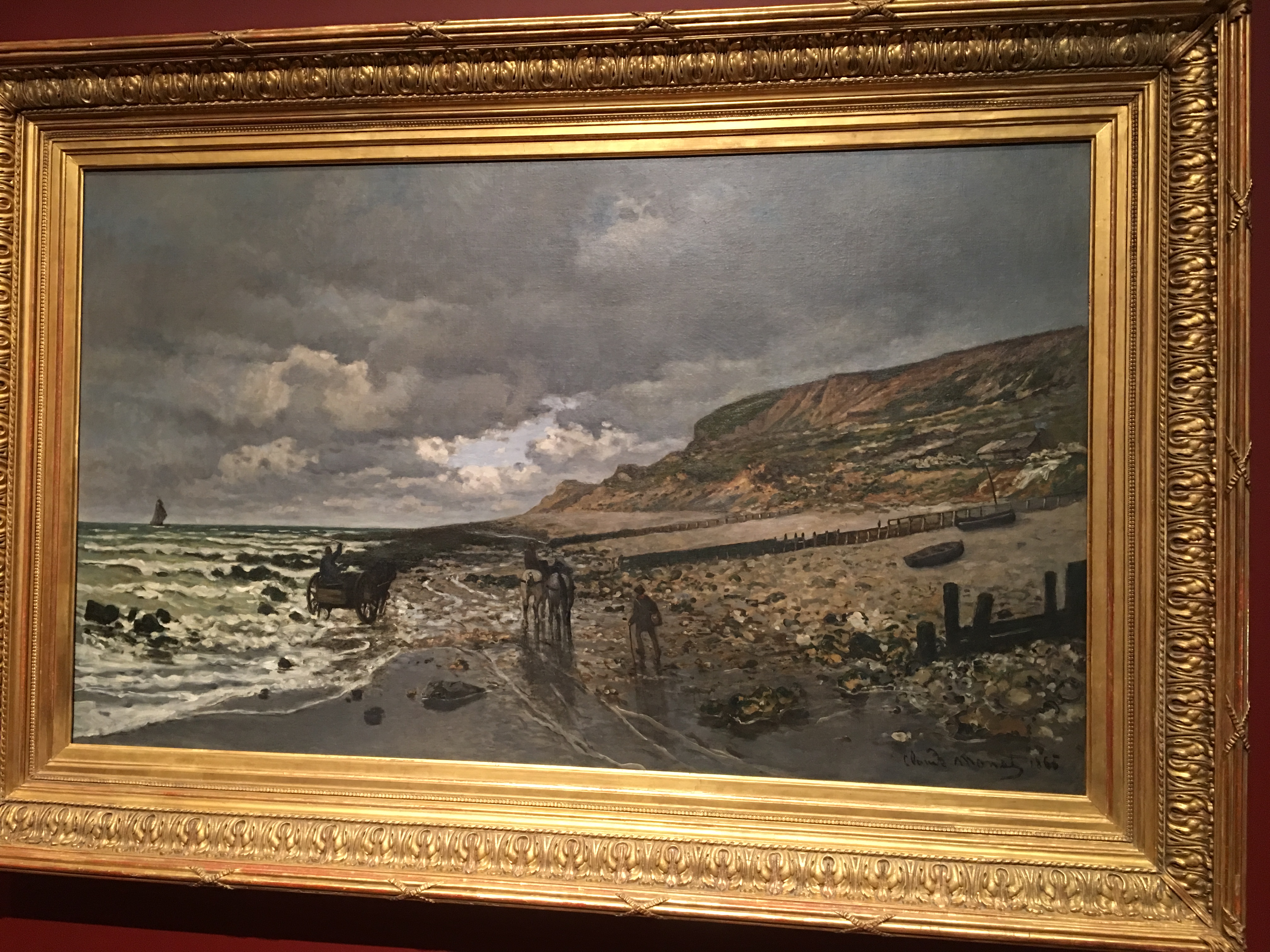
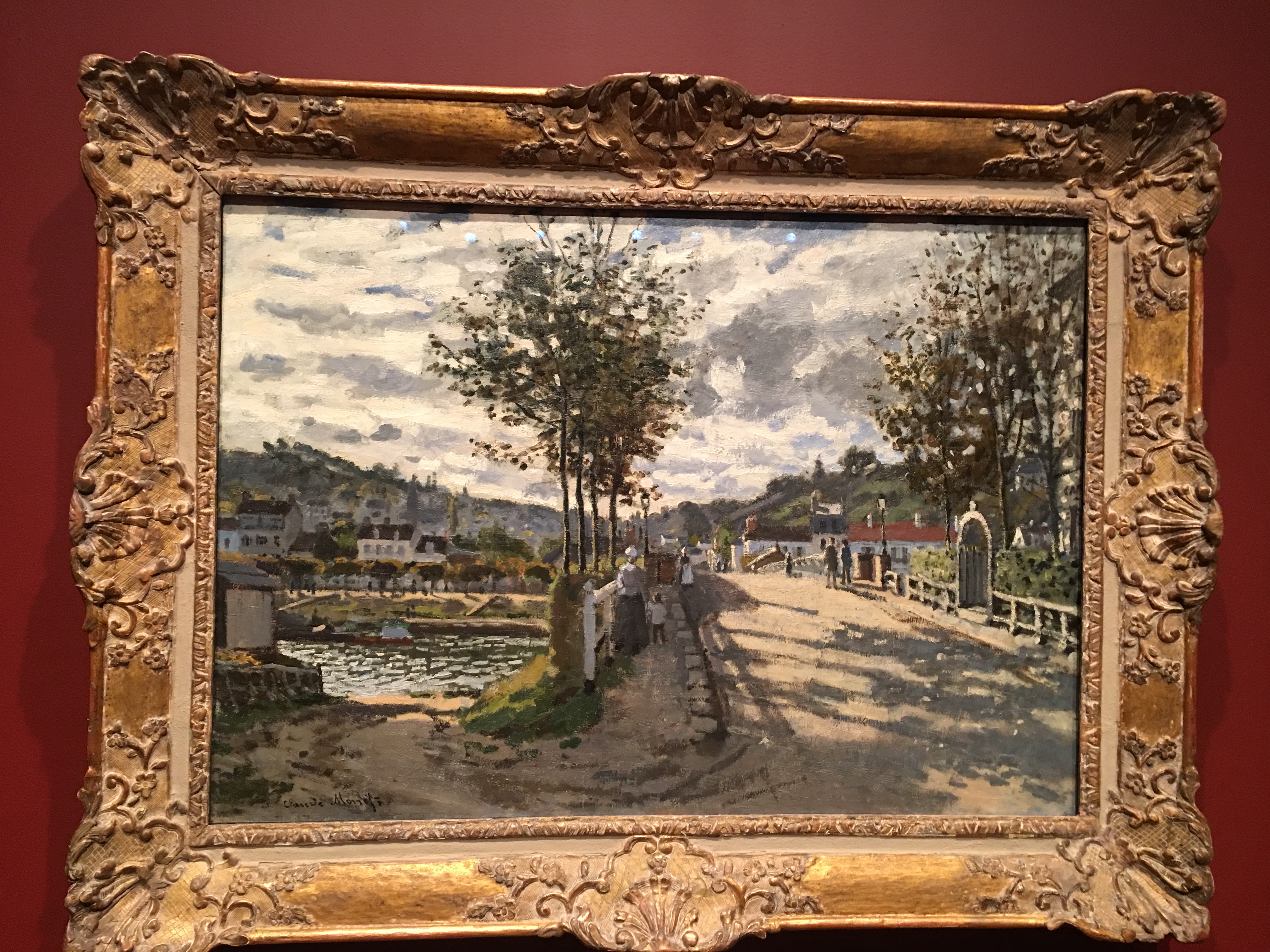
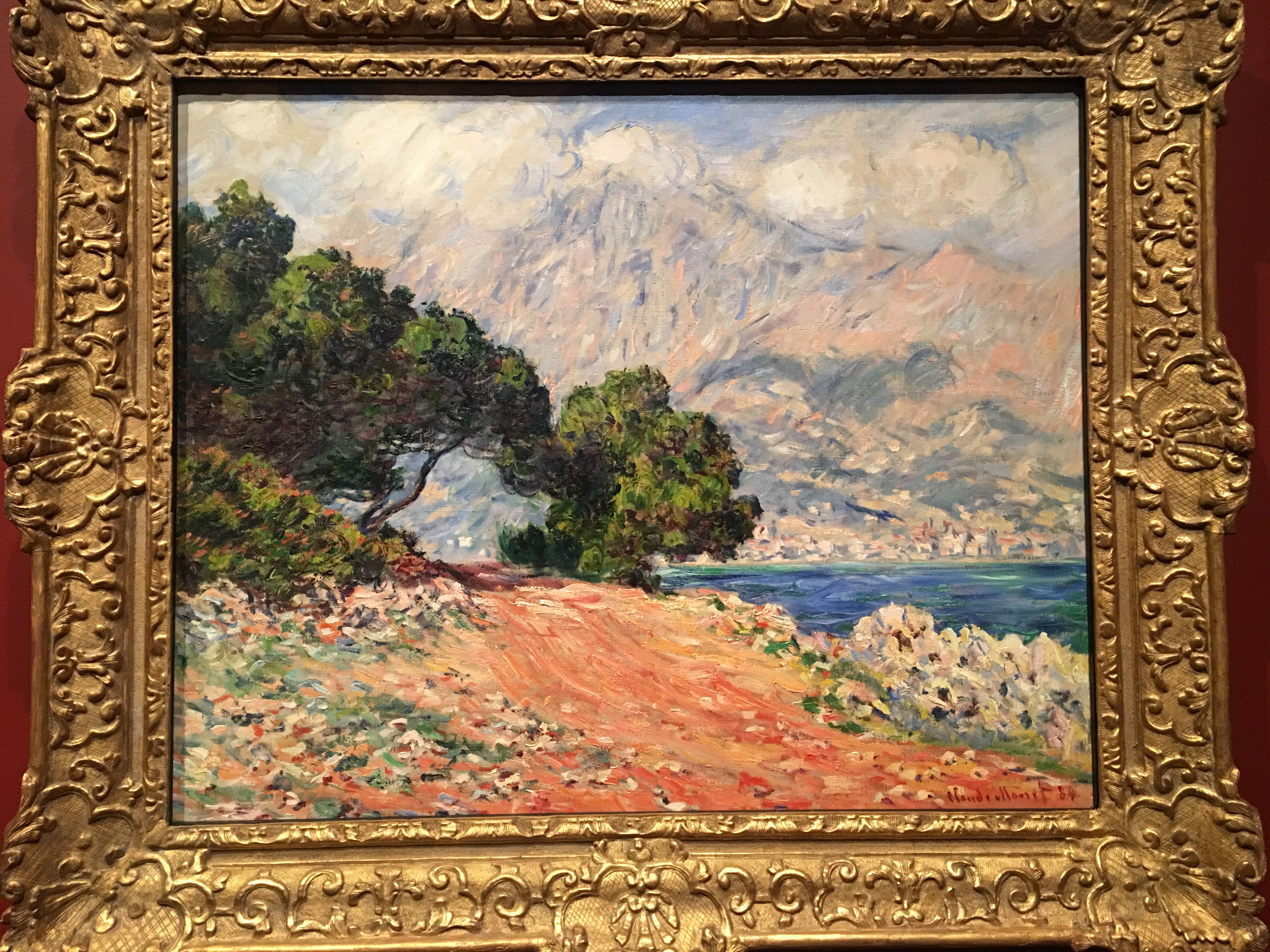
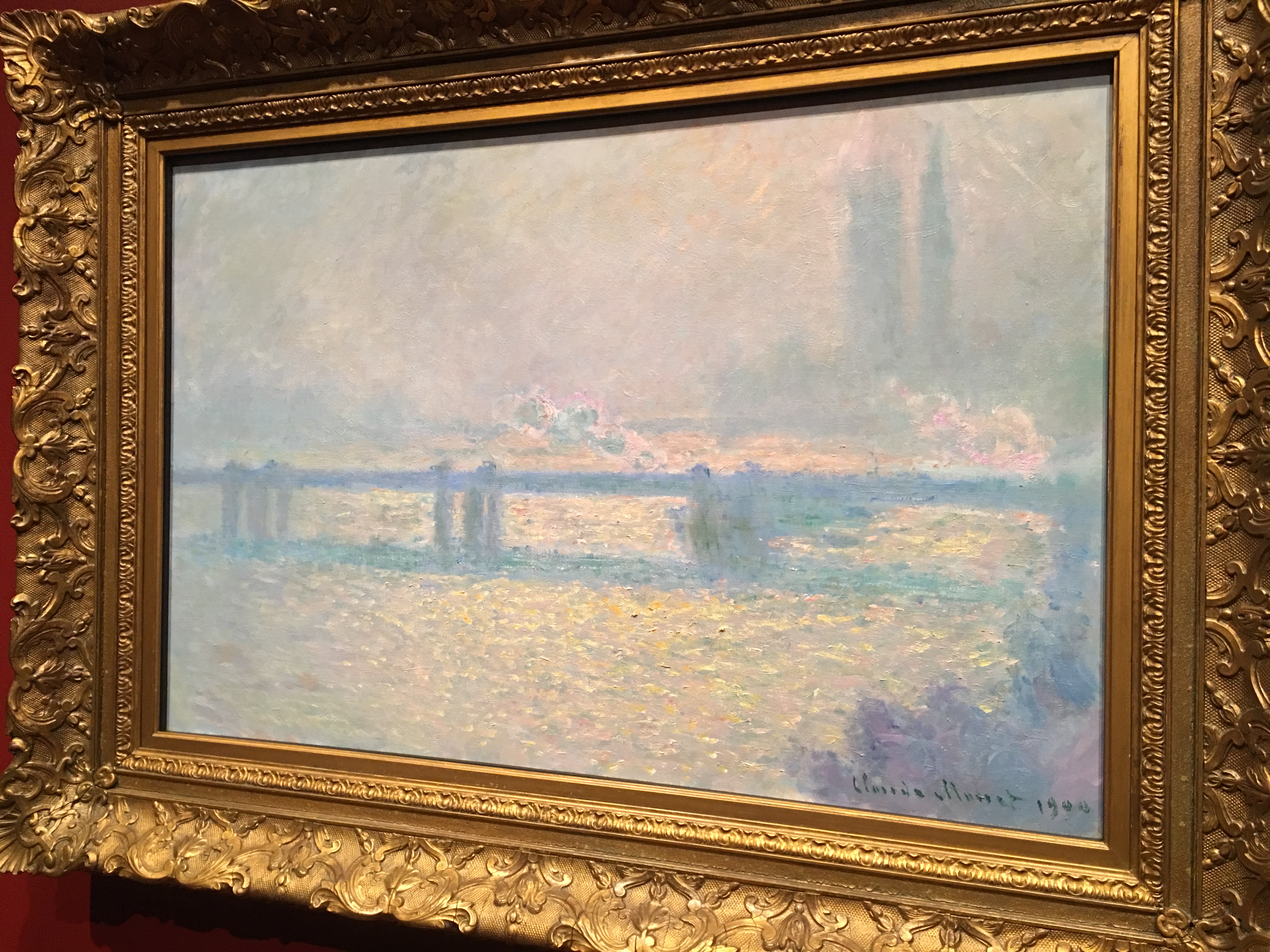
Their current exhibit is Monet, four pieces that depict his art from one of his earliest works of Impressionism to one of his later pieces.

There’s nothing better than ‘the real deal’, seeing it live.  Words escaped me, and I resorted to behaving like a child who was thunderstruck at meeting Santa Claus, and in a candy store, all at the same time.

It was that good.

In progression of Monet’s Art:


He painted this piece when he was 24 years old.  It is beautiful, yet at first glance you might not classify it as Impression.  This painting launched his career.


This was the Monet I knew, the one I had seen in so many books. This was the art piece I have shown to my preschoolers.  I stared at it in wonder, because I was seeing it live.  I got up close to look at the brush strokes.  Imagine that, looking at Monet’s brush strokes.


Monet had mastered Impressionism.  His comment on this painting was, “This will perhaps make the enemies of blue and pink scream a little because it is just this brilliant, this fantastic light that I’m trying to get.”  -Claude Monet- (1884)


This piece was done in 1900, Monet’s later and seasoned years of Impressionism painting.  He had achieved what he was looking to accomplish with light.  Four paintings over forty years, together by themselves in one space; it is a living biography.

I will need to return to the Currier Museum of Art again and again.  I can’t wait to share my enthusiasm with my students when the new school year begins.

“Always be on the lookout for the presence of wonder.” -E.B. White-

Jennie

Posted in art, Imagination, Inspiration, museums, Teaching young children, Uncategorized | Tagged , , , , , , | 79 Comments

“There is nothing better than a friend, unless it is a friend with chocolate.” ~Charles Dickens

Posted in Uncategorized | 40 Comments

Being A Late Bloomer

I was a late bloomer.  It’s a term that is mostly used for flowers today.  Way back when, children who didn’t seem to grow as quickly as their peers were often called “late bloomers”.  I struggled to read.  I sucked my thumb until I was in third grade.  I clung to my Mother.

My garden is sprinkled with yellow sundrops, a flower that blooms early in the summer.  Before opening, they show their red encasement.  Going from red to yellow is a beautiful metamorphosis.  Most are now gone, yet as I dashed by my garden last week, I noticed one.  This one.

The flower still was still encased in red.  This little guy was all alone and had not yet opened.  Most of his brothers and sisters were long gone.  I was pulled back into my early childhood looking at this solitary little flower.  The feelings of being scared at something new swept over me.  Memories, and then a great wave of understanding.  I stayed with this little guy a while.  We talked.  Well, I talked.  He seemed to listen.

The next day I returned.  This is what I saw:

A bloom at last!  Like me, a late bloomer.  But, oh how beautiful, as if all that extra time had given him more beauty and strength than his brothers and sisters.  That’s exactly how I felt.

As years went by in my childhood, somehow my experiences seemed particularly memorable.  They were important.  I was living life with more wisdom and bigger eyes than many others.  All of those experiences seemed to pour into my heart.  I became a preschool teacher.  I began to tell stories and then to write.  Somehow I knew that my yellow bloom was a hallmark for me.

When I teach young children, I… understand.  I know those late bloomers simply need love and encouragement, and time.  A favorite picture book written years ago is Leo the Late Bloomer by Robert Kraus.

The simple and gentle text carries the message of giving children the time they need to grow.

Leo couldn’t do anything right.  He couldn’t read.  He couldn’t write.  He couldn’t draw.   He was a sloppy eater.  And, he never said a word.  “What’s the matter with Leo?” asked Leo’s father.  “Nothing,” said Leo’s mother.  “Leo is just a late bloomer.”

Children need to hear stories that reflect how they feel.  So do adults.  That’s what connects a reader and a writer, a teacher and a child.  Every child is different, yet they all need the same thing.  Like the sundrop that needs rain and sun, children need love and encouragement.  Roots.  Perhaps those late bloomers have stronger roots.  I do.

Jennie

Posted in Diversity, Early Education, picture books, reading aloud, Teaching young children, Uncategorized | Tagged , , , , , , , | 44 Comments

Childhood and Summer, Then and Now

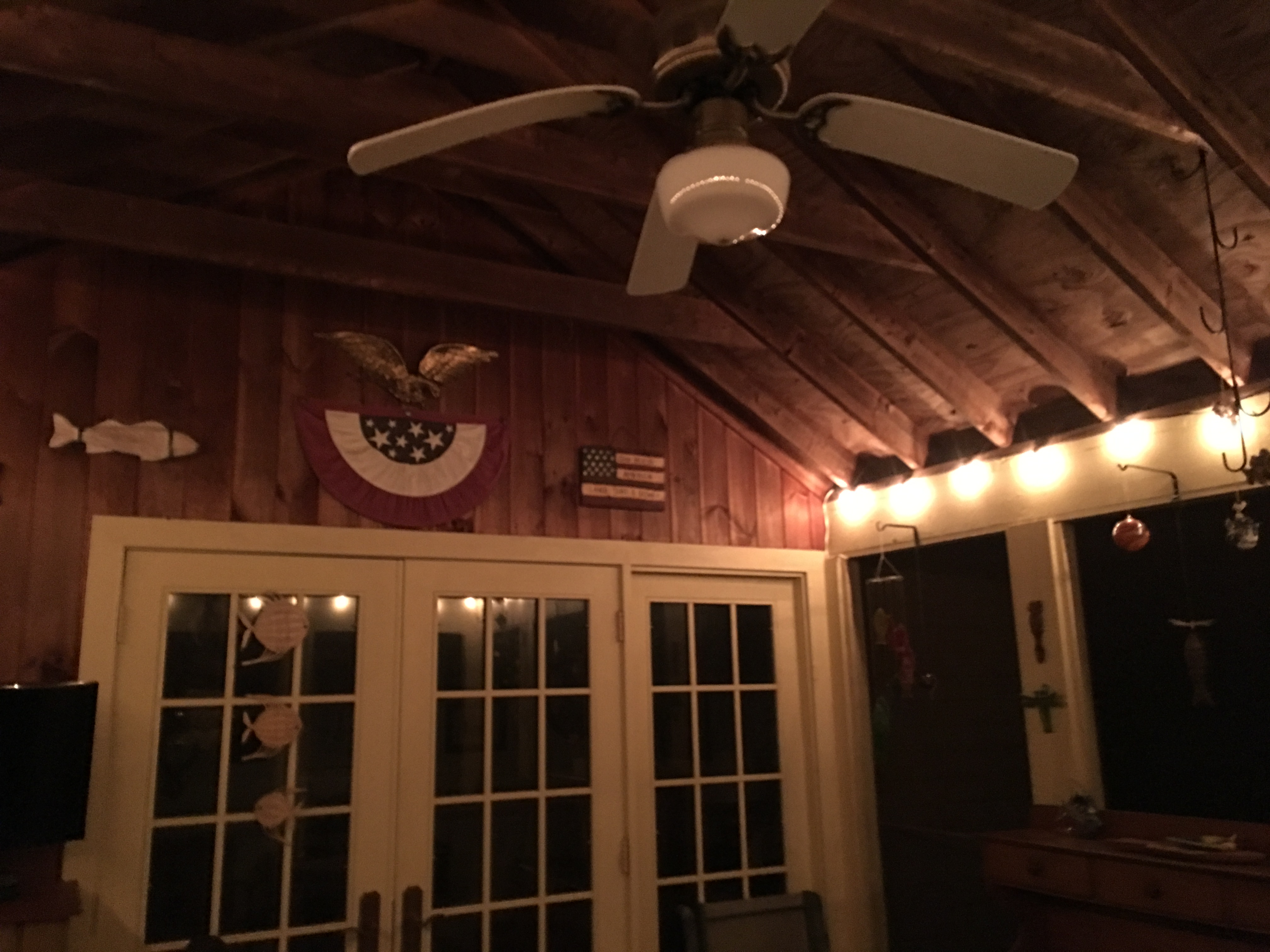
On summer evenings my greatest pleasure is sitting on the porch and reading.  My porch has soft lighting and wood everywhere; bare wood and rough wood.  The ceiling is the roughest wood of all, and my husband wants to paint it.  Oh, no!  That would be a travesty.  I knew it would, but I didn’t know why… until I sat out on the porch this week.

I heard thunderstorms in the distance.  I stopped reading to listen and just be in the moment.  I was transported back to my childhood at summer camp, Camp Dekanawida in Salt Rock, WV.  This was overnight camp.  There were no day camps or sports camps.  Camp was, well… real camp.  We slept in a cabin, learned swimming and archery, sang songs every morning and evening.  I remember the nighttime counselor hunt, the bonfires, and the hikes.  To this day, I can still sing the camp song.  Every word.

It’s been sixty years.  Seems like yesterday.

My porch and all the rough wood, along with the thunderstorms, brought me back to my childhood and to summer camp.  That’s why I didn’t want to paint or change the wood.  It was a link to my best memories and to what shaped me as a child, and as an adult.

I love music.  Today I sing with gusto, and  pull children into songs from patriotic to  fun.  I introduce them to opera, and classical music.  We sing,”Old MacDonald” in Italian.  I am constantly humming and bringing music to children.  I know this all started with Morning Sing at Camp Dekanawida.

I love stories; telling stories and reading aloud began at camp in the cabin, and around the campfire.  No, it did not begin at home.  Summer camp was full of stories.  There was nothing else but each other and the big, wide world.  So, stories and talking, and getting along were important.  Ghost stories were scary, yet fun.

I learned to be brave.  I mastered a jackknife dive.  I went into the woods at night.  I pitched a tent.

In the words of the classic book, Charlotte’s Web, “…where there would be no parents to guard them or guide them.”  We had each other.

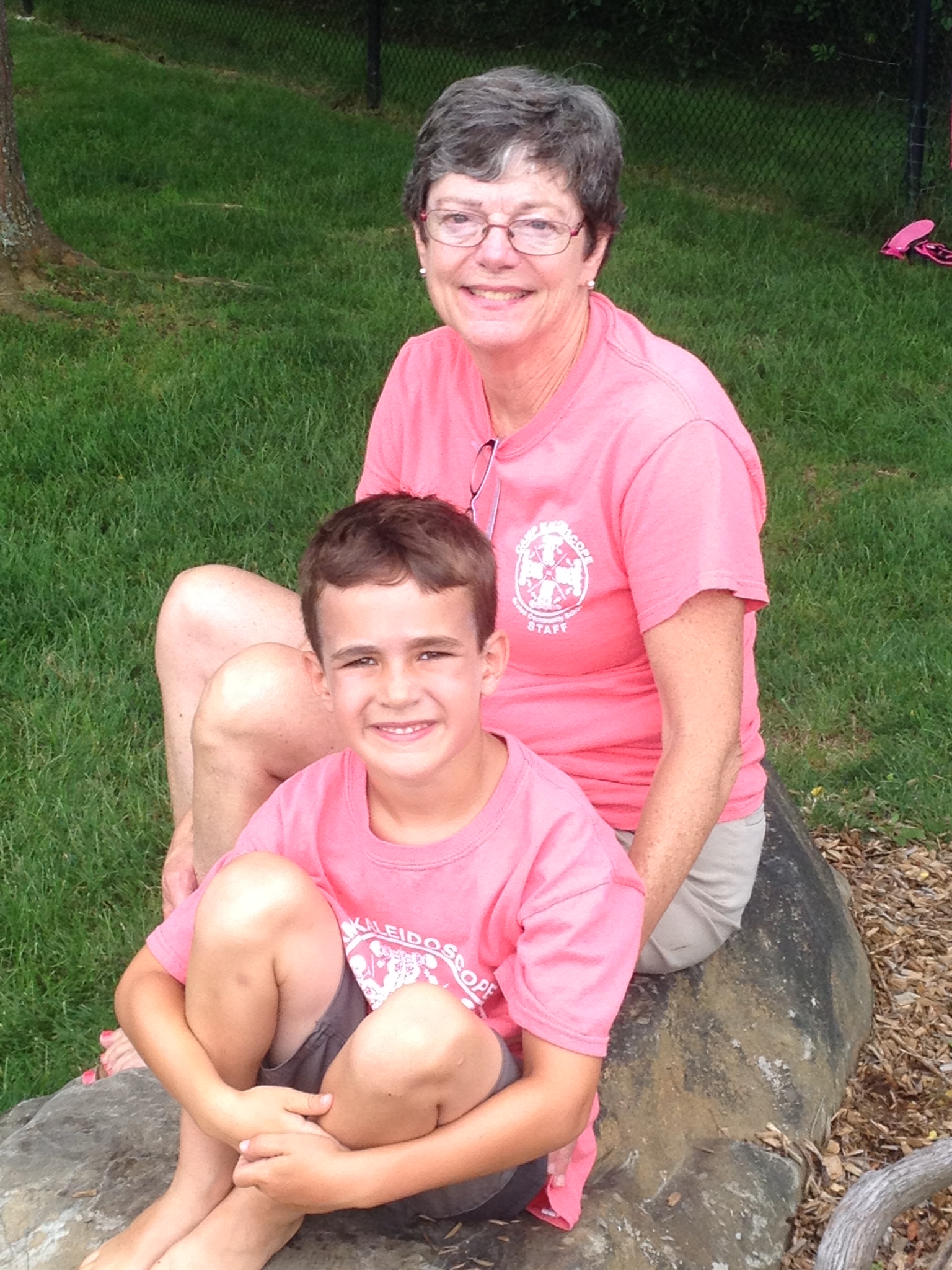
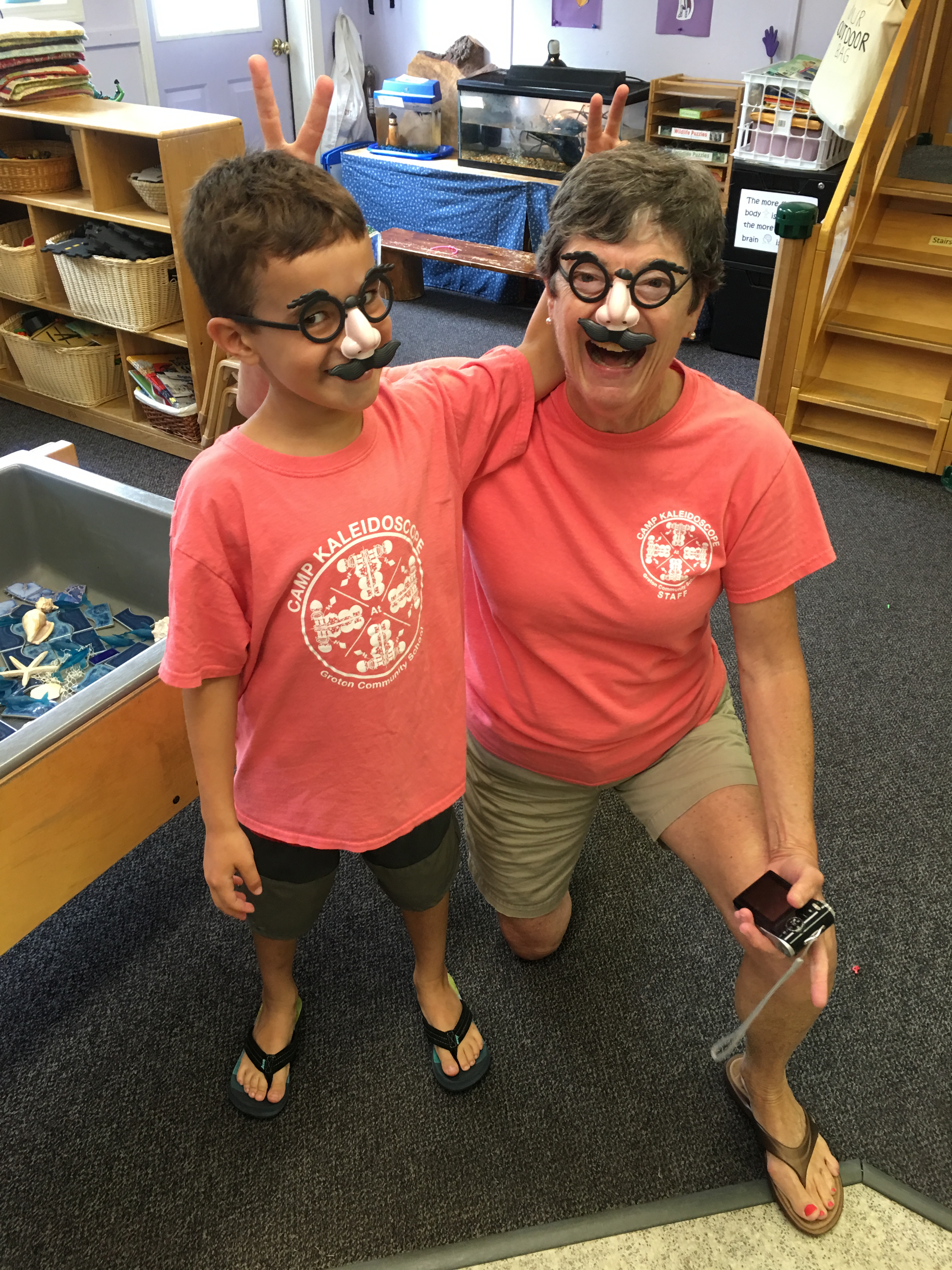
Fast forward to today at my school’s summer camp.  Jackson is in my group.  He is now seven (a big guy).  Years ago he was in my preschool class and the champion of my chapter reading.  It is wonderful to connect with a child again!  We haven’t missed a beat.

So what happened here?  We sat outside to talk and laugh.  Then we fooled around inside.  Bunny ears on the photo were perfect.  Camp and the great outdoors will do that.  I am giving Jackson and my other campers a small taste of camp in my childhood.  Summer and camp brings all the important things to life: laughing and being silly, and discovering the wonders of the great outdoors.

It’s the best.  I learned that sixty years ago.

Jennie

Posted in Early Education, Imagination, storytelling, summer camp | Tagged , , , , , | 79 Comments