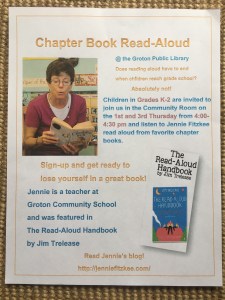
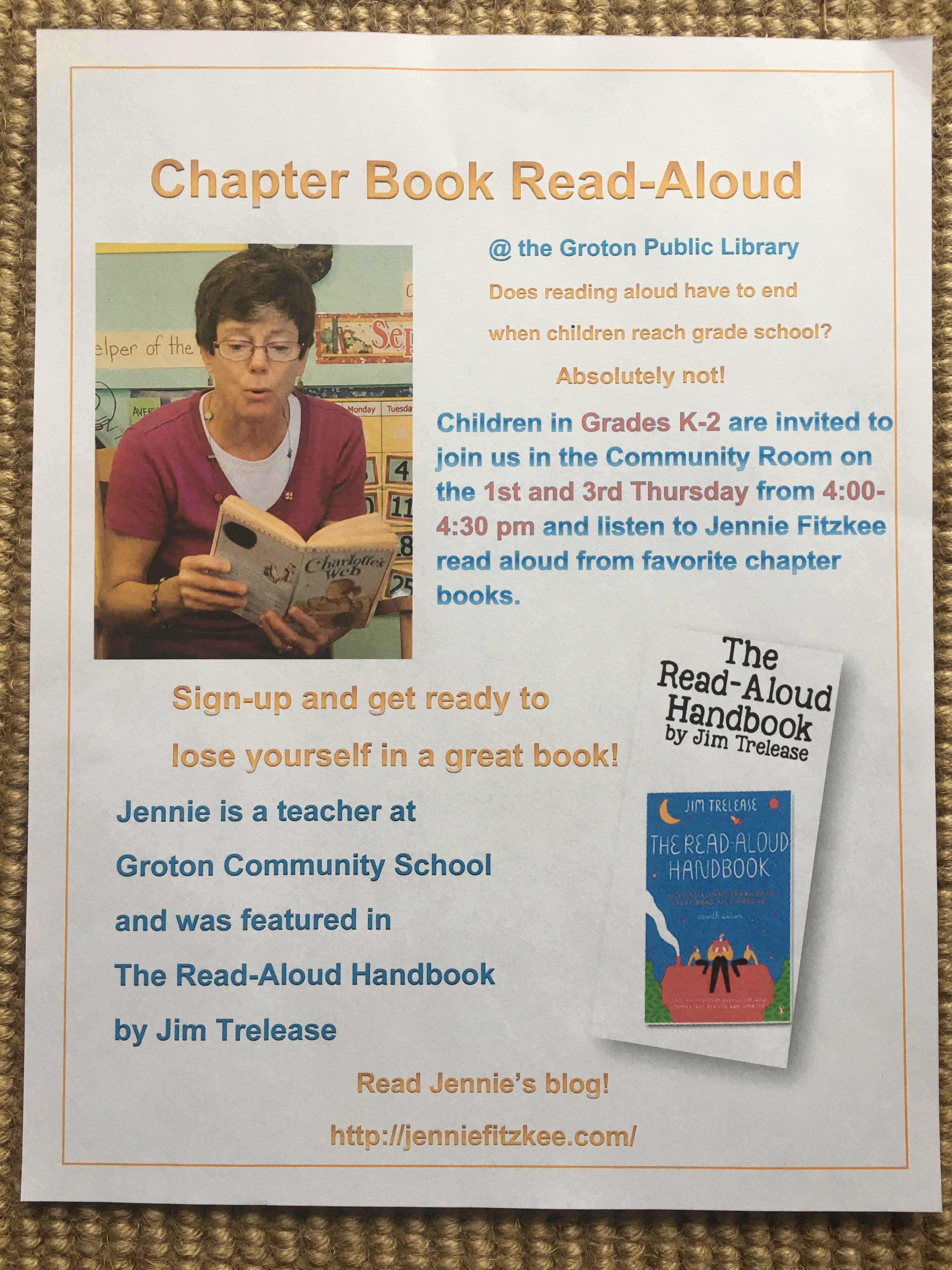
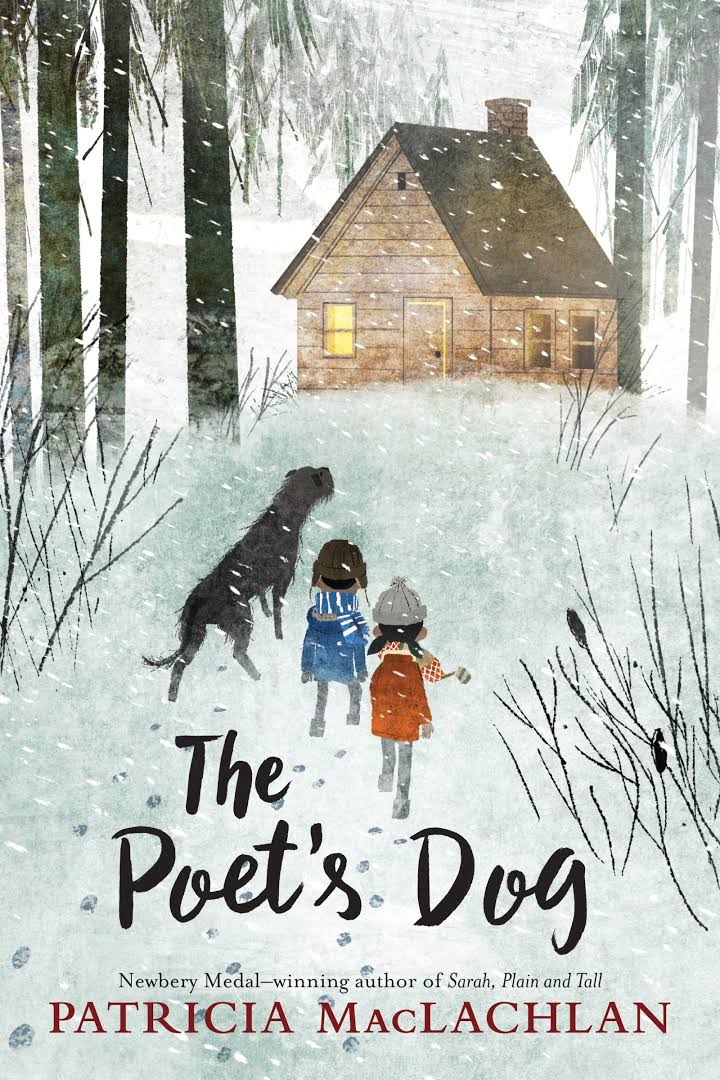
My first read-aloud for the library this year was scheduled early. It was only a few days after Labor Day. I was excited. It was going to be the year of dog books, as I planned to read The Poet’s Dog, by Patricia MacLachlan, followed by Because of Winn Dixie, by Kate DiCamillo.
When I arrived at the library, no one was there! The head librarian was embarrassed and worried. Everyone had called in with sickness, vacation, and more. It was a fluke, and besides, school had only started the day before.
As I was leaving the library, in walked little Colin (a child in my class the past two years) and his family. Colin was excited to see me. We hugged and talked.
I know his family well. More than well.
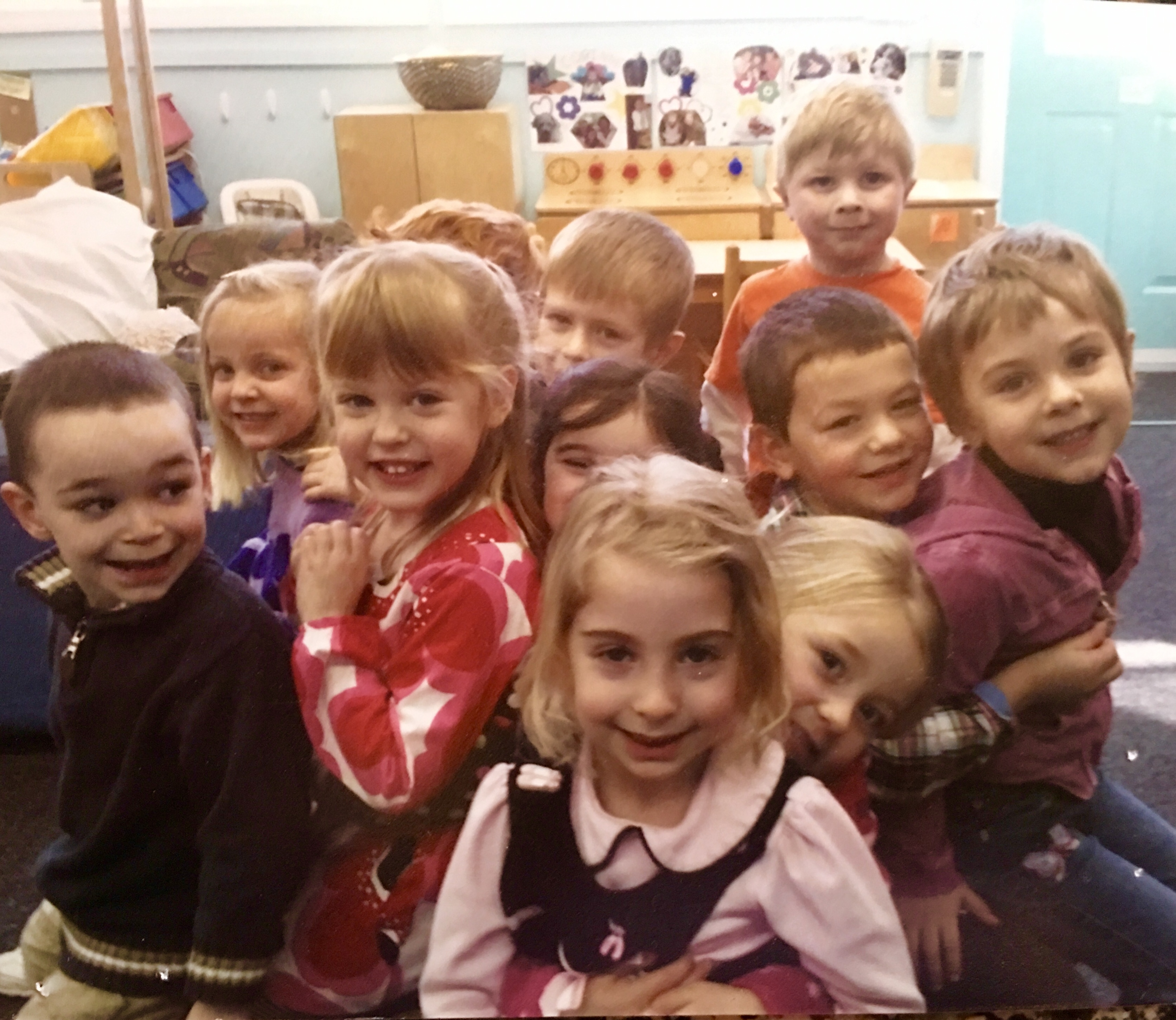
Thirty years ago his dad, Eamonn, was in my preschool class. And that’s not all. When he was a senior in high school, he did his internship with me. He then became my assistant at summer camp. Boy, did we have fun! After college he was my assistant teacher in the classroom for a few years. When a child in the class had a grand mal seizure, Eamonn stepped in like a trained nurse. Clearly that was his calling. His love had always been children, yet he was destined to heal them instead of teach them. He is now a pediatric nurse at a top Boston hospital.
Back to the library…
“Why are you here, Jennie?”
“It’s the first read-aloud, but no one was able to make it. I know, it’s way too early to start. I usually begin the week after Labor Day.”
“What were you planning to read?”
“The Poet’s Dog.”
Silence…
“I’d like to hear the book. Would you read it to me? Please?”
“I’d love to, Eamonn!”
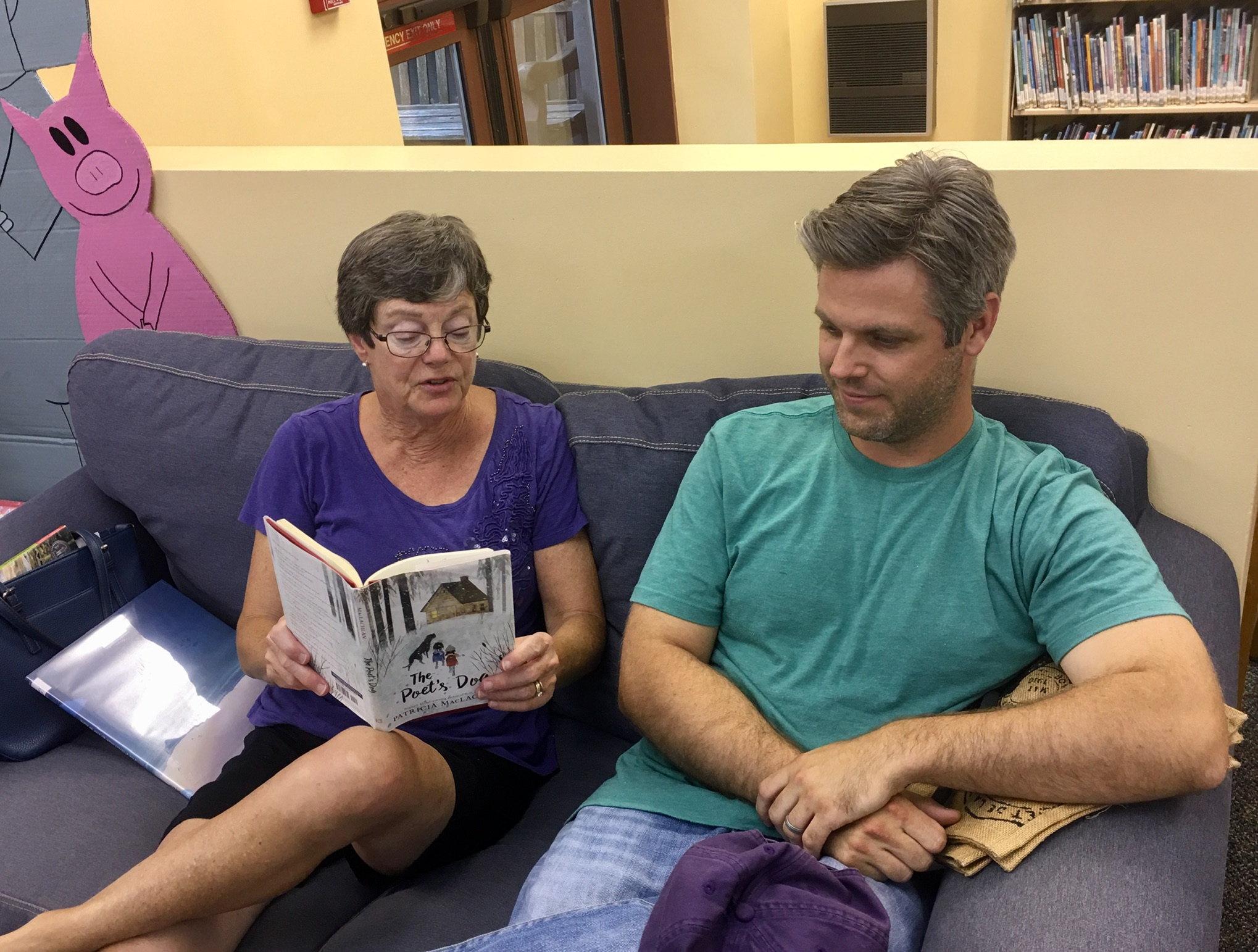
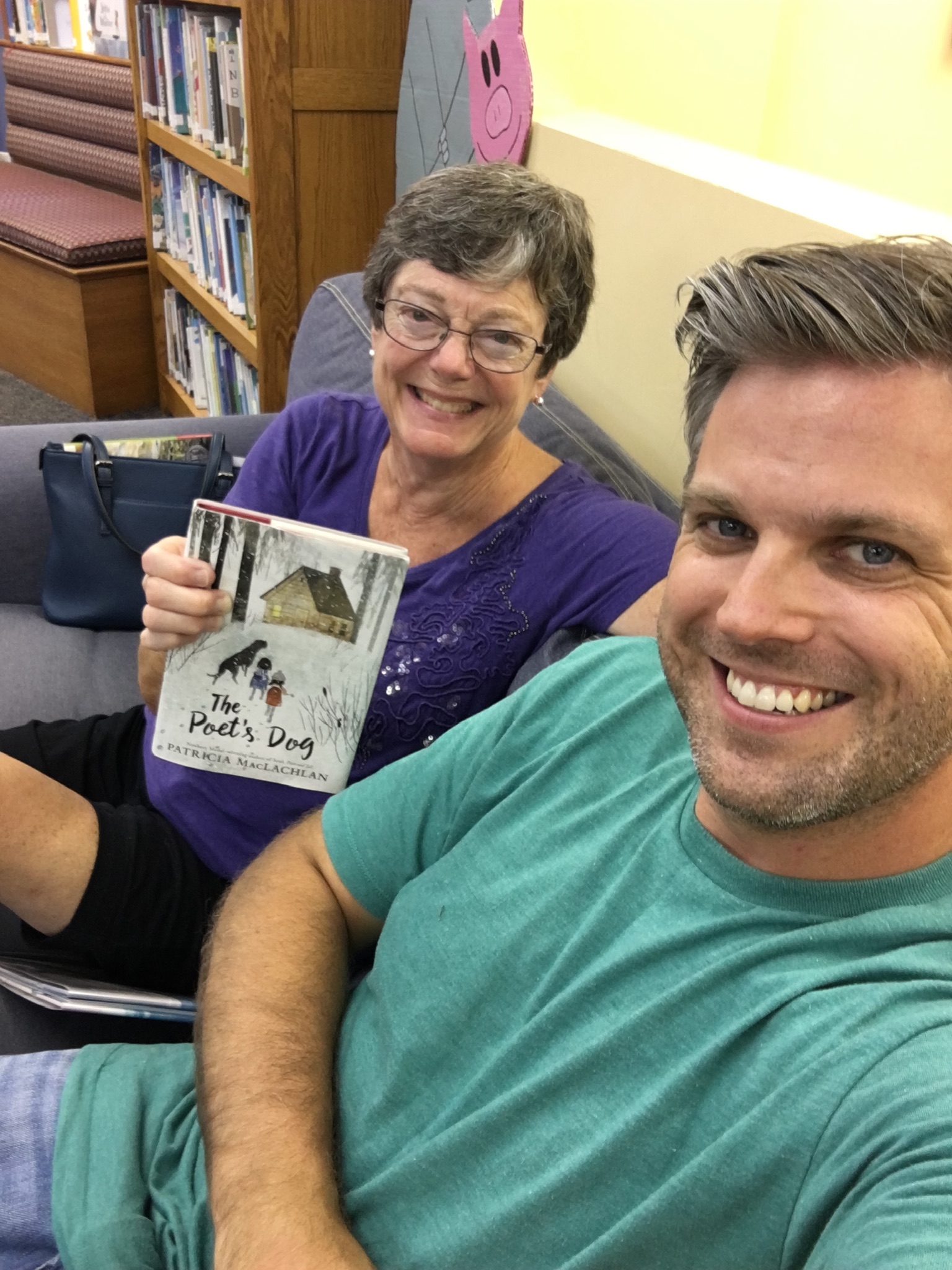
So, we sat together on the couch, and for thirty minutes I read aloud to Eamonn. My preschooler thirty years ago. Lump-in-my-throat wonderful. It doesn’t get any better than that.
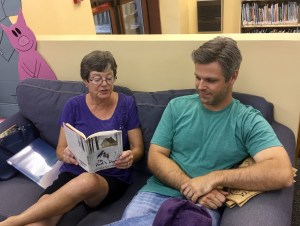
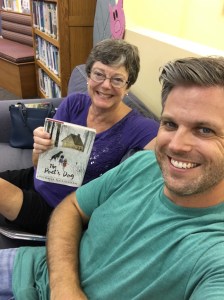
Can you tell that Eamonn loved the book? I think he also liked his preschool teacher reading aloud to him – once again.
Here is my review of The Poet’s Dog:
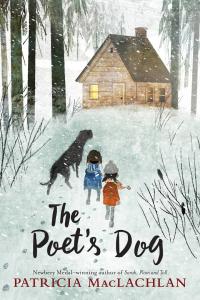
“Dogs speak words. But only poets and children hear.”
Those are the opening words in Patricia MacLachlan’s book, The Poet’s Dog. I have read the book twice, because there are many words not to be missed; words that are pure and don’t need added adjectives and text. MacLachlan’s writing stands alone in a field of masterful literature. Her eighty-eight pages are some of the best I have ever read. In the words of the publisher:
“Alone in a fierce winter storm, Nickel and Flora are brave but afraid. A dog finds them. Teddy speaks words and brings them to shelter. The Poet’s cabin has light and food and love. But where is the poet? Teddy will tell the story of how words make poems and connect to those who hear each other.”
Sylvan the poet constantly reads to Teddy. He reads Yeats and Shakespeare. He also reads Charlotte’s Web, The Lion, the Witch and the Wardrobe, and Ox Cart Man. Teddy learns how words follow one another.
I had no idea that Ox Cart Man, one of my favorite children’s books, is actually a poem. I scrambled to find my copy and read the words again, this time seeing the words for what they are meant to be – a poem. When I read the book again to my preschoolers this month, it will be more beautiful than ever.
The Poet’s Dog is a story of adventure, survival, love and friendship, death, reading and poetry. The beginning is a fishing line that hooks the reader, and the ocean opens to… well, you will have to read the book The ending is as surprising as ever.
I told a friend and fellow teacher about The Poet’s Dog and quoted to her the first lines, “Dogs speak words. But only poets and children hear.” Our conversation went something like this:
“I hear my cat. I know what she’s saying.”
“Then you must be either a child or a poet.”
“I’m a child. My heart is always a child. And I love poetry.”
She smiled a knowing smile. I did, too.
Jennie





 A Teacher's Reflections