Gloria and the Indians

‘Gloria’ was very involved in a recent discussion on Indians.  It was a huge moment in teaching.  She understands being different.
It happened like this…
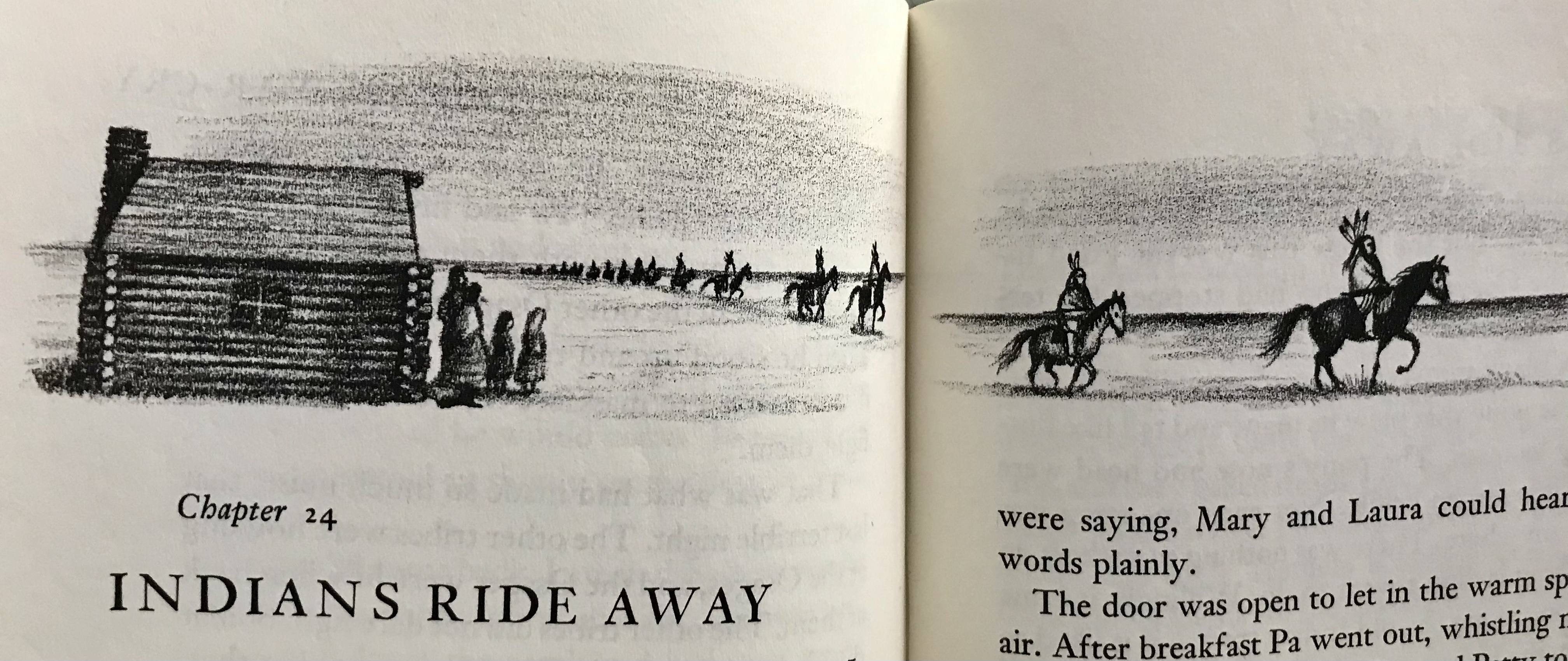
I have finished reading “Little House on the Prairie” to my preschoolers.  At the end of the book, the Indians ride by in a long line, led by the chief that Pa had met in the woods.  As Laura watched that long line pass her house, she was smitten by a papoose with black eyes who stared at her.
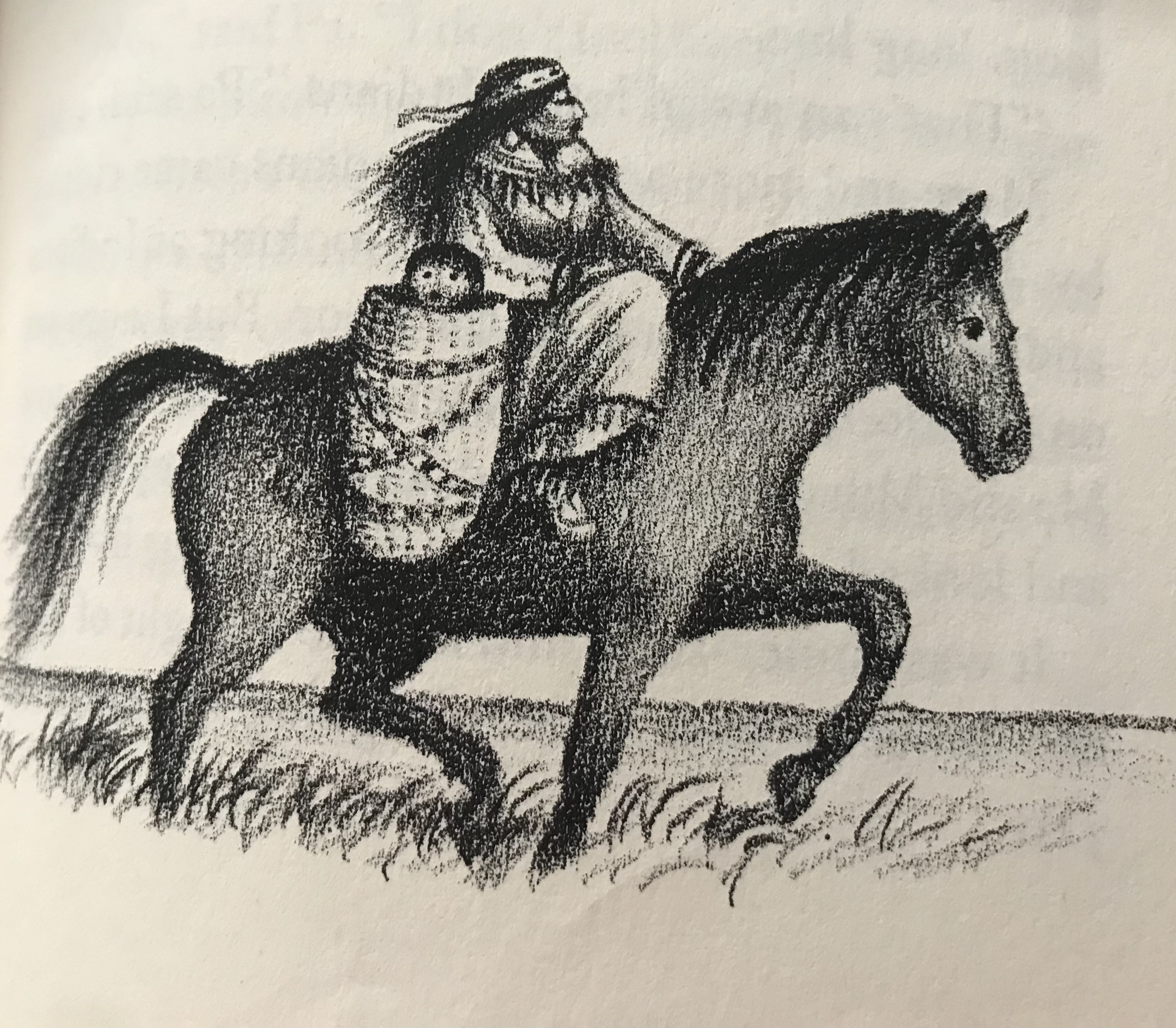
Black eyes.

She wanted that baby Indian.  She kept crying and talking about those black eyes.  As always, children jumped in to start a  conversation.

“Jennie, remember the Indian that liked Laura?  The one who came into the house?  His eyes sparkled at Laura.”

“Yes, I remember.  His eyes were black, too.”

The child recalled this from much earlier in the book.  She remembered the word ‘sparkled’.  We had talked about the eyes back then.  And, we had talked about Indians.  That was the first time Laura had seen an Indian.  She was scared.
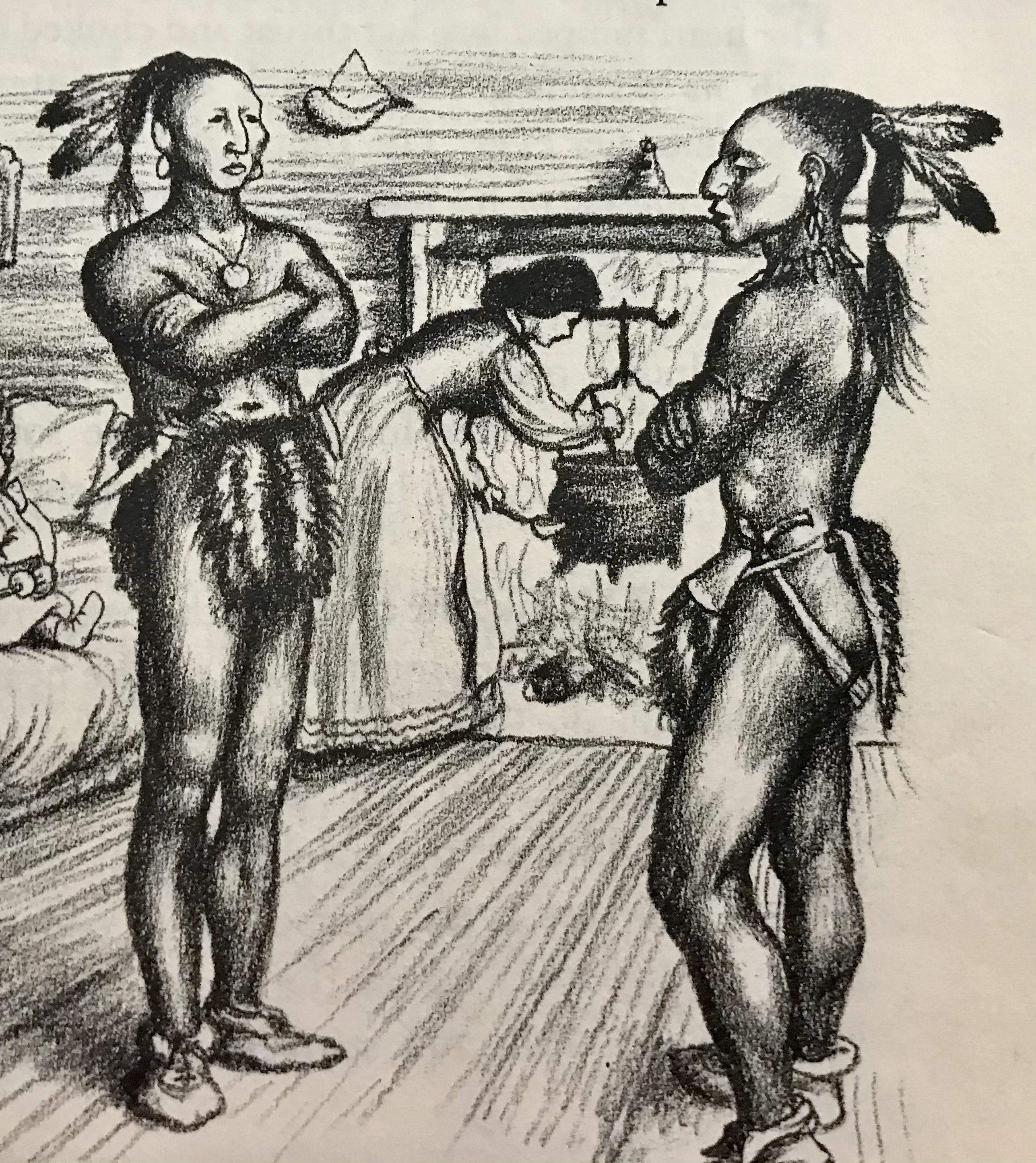
Let’s back up, because what happened earlier in the book was quite a build-up to what happened with Gloria and the Indian baby’s black eyes.

Pa’s neighbor and friend, Mr. Scott, had remarked:

“The only good Indian is a dead Indian.”

Whoa!  That’s where I stopped and put the book down.  Well, I actually slammed the book down.  The words “Can you believe he said that?” came pouring out of me.  Most fellow teachers are hesitant to read aloud that statement.  Not me!  How can children learn true acceptance if they aren’t faced with prejudice?  If they know of oppression, they can understand, and therefore they can become better human beings.  It’s how the heart grows.

When the Indians rode away, Pa’s friend said again that the only good Indian was a dead Indian.  Gloria heard.  She was there on her stool listening to chapter reading, too.  I looked over, and I could tell she was sad.  Or maybe it was something else.

“Gloria, I can see you’re not happy.”

Silence.  All the children looked over at Gloria.

“Gloria, Mr. Scott didn’t understand.  He said that because he doesn’t know.  He never met an Indian.”

Still silence, and the children were glued to Gloria.

“I know that makes you unhappy.  What?  You remember when children called you a witch?  I know, it was a terrible thing.  But Mr. Scott is just like those children.  They didn’t know any better, and neither did he.”

“Jennie!  Gloria has black eyes, too!”

“My goodness, she does.”

“Gloria, you have black eyes!  Laura loved black eyes.  Laura knew they were friendly.  Maybe everyone knows you’re friendly because you have black eyes, too.”

Children were excited.  Gloria has black eyes, like the Indians.

This was big.  Things all seemed to come together.  Gloria was ‘the real deal’, the person who brought the story of Indians and prejudice to life for the children.  Thank you, Gloria.  No wonder everyone loves you.  We’re so glad you have black eyes, too.

Jennie

Posted in America, chapter reading, children's books, Diversity, Early Education, Expressing words and feelings, Gloria, history, reading aloud, reading aloud | Tagged , , , , , , | 63 Comments

Today’s Quote

I will never forget, but will my students never forget? Have my teachings of Memorial Day through songs, books, and the American flag been remembered? Have they passed down a sense of patriotism? Roshan remembers. He told me so. “I remember learning about the American flag and singing patriotic songs in the Aqua Room and the activities on patriotic holidays.” His Eagle Scout project is interviewing veterans for the Library of Congress archives. Thank you Theresa for this post.

Posted in Uncategorized | 28 Comments

Preschoolers and Memorial Day

How do I teach preschoolers about Memorial Day?
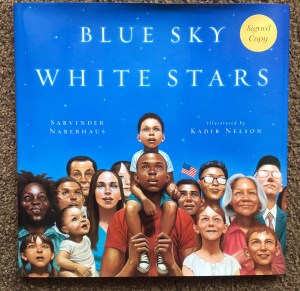
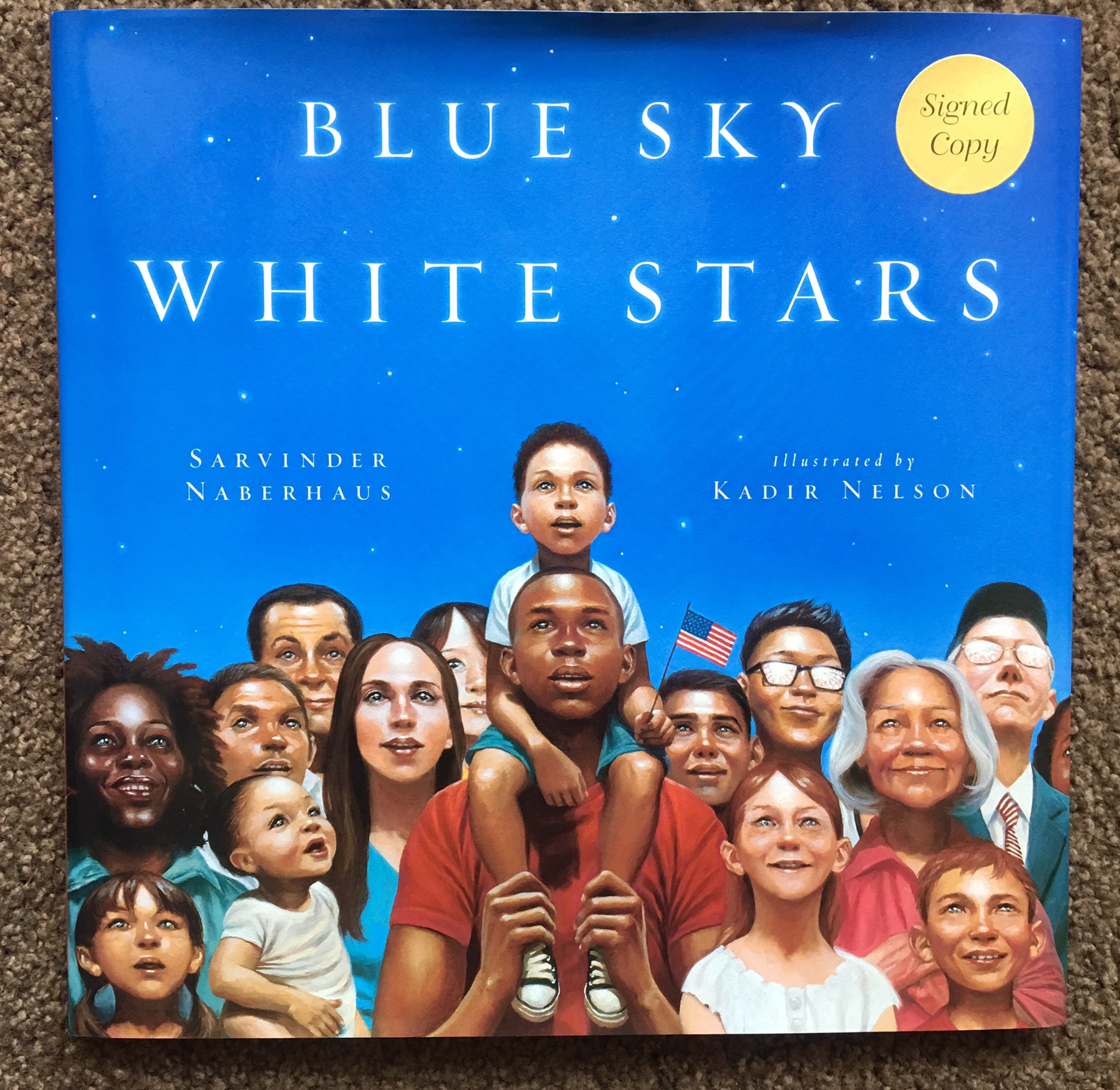
I start at the beginning, with a great book that teaches children about America.

I teach them how to sing “God Bless America”,
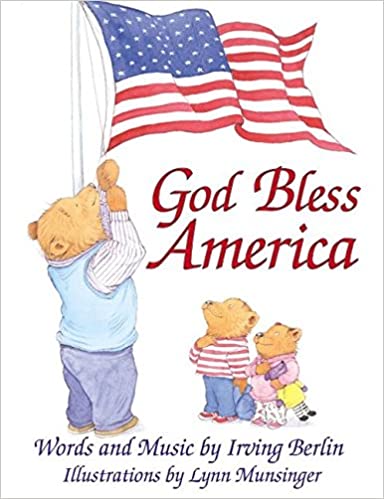
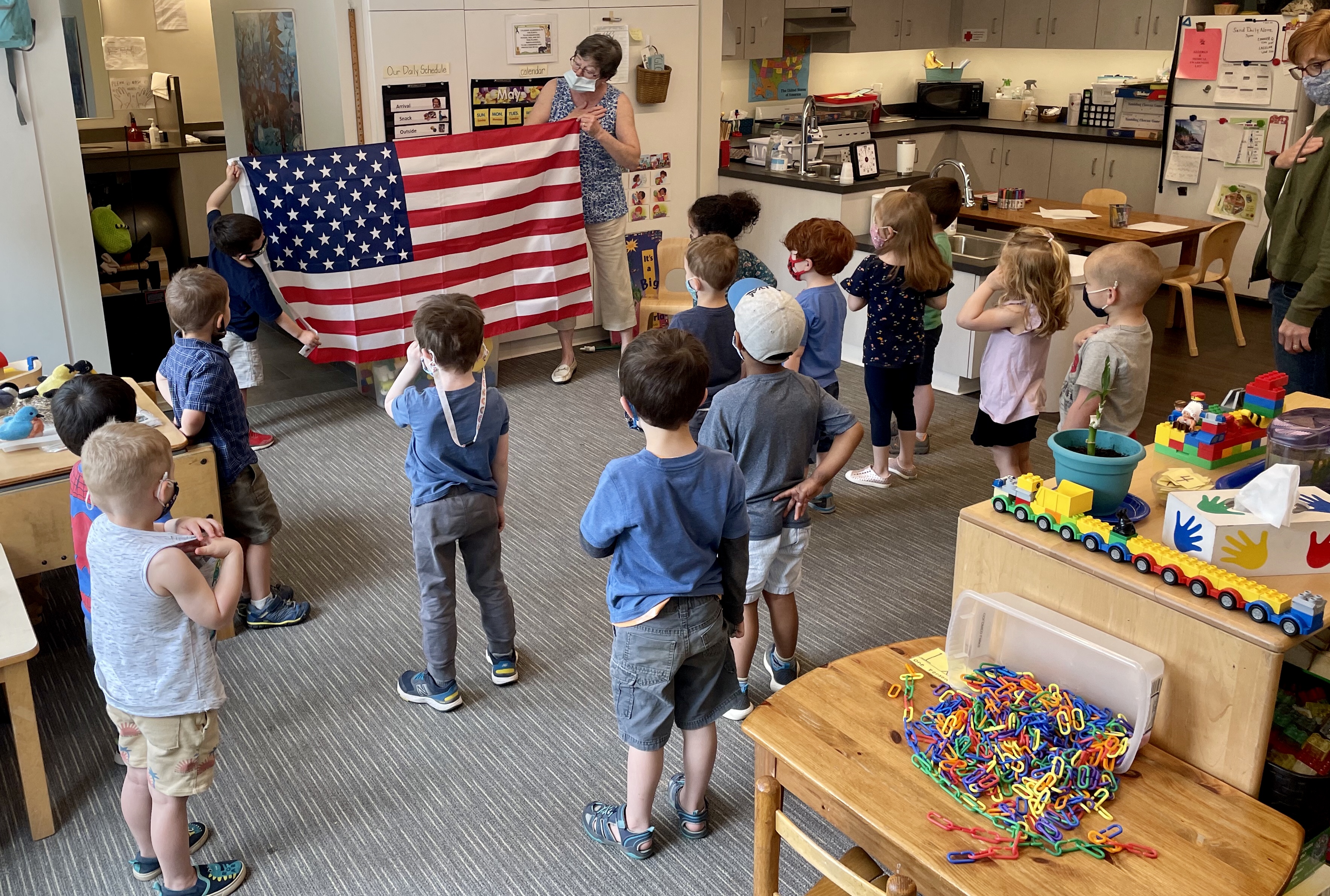
starting by singing the book.

We then learn about the flag, and flag etiquette.
We count 50 stars for 50 states.
We call the flag Old Glory.
Practicing is fun.

By this time, children begin to feel proud.
They want more.
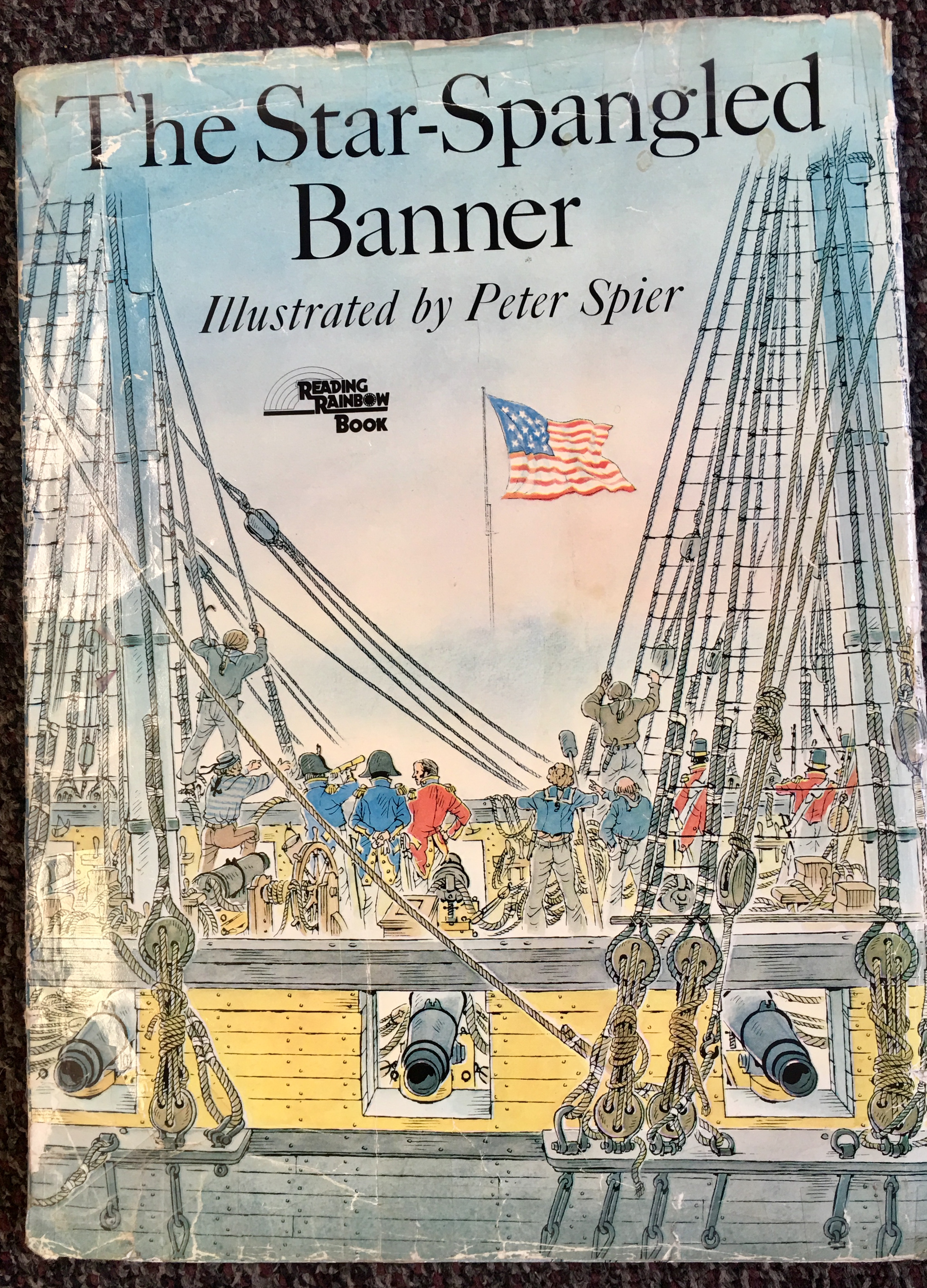
I sing the book, “The Star-Spangled Banner.”
You can see how worn and well-loved it is.
The full-page illustrations bring the words to life.
We stop to see a flag flying at half-mast at the resting place of soldiers.
We see the rocket’s red glare.

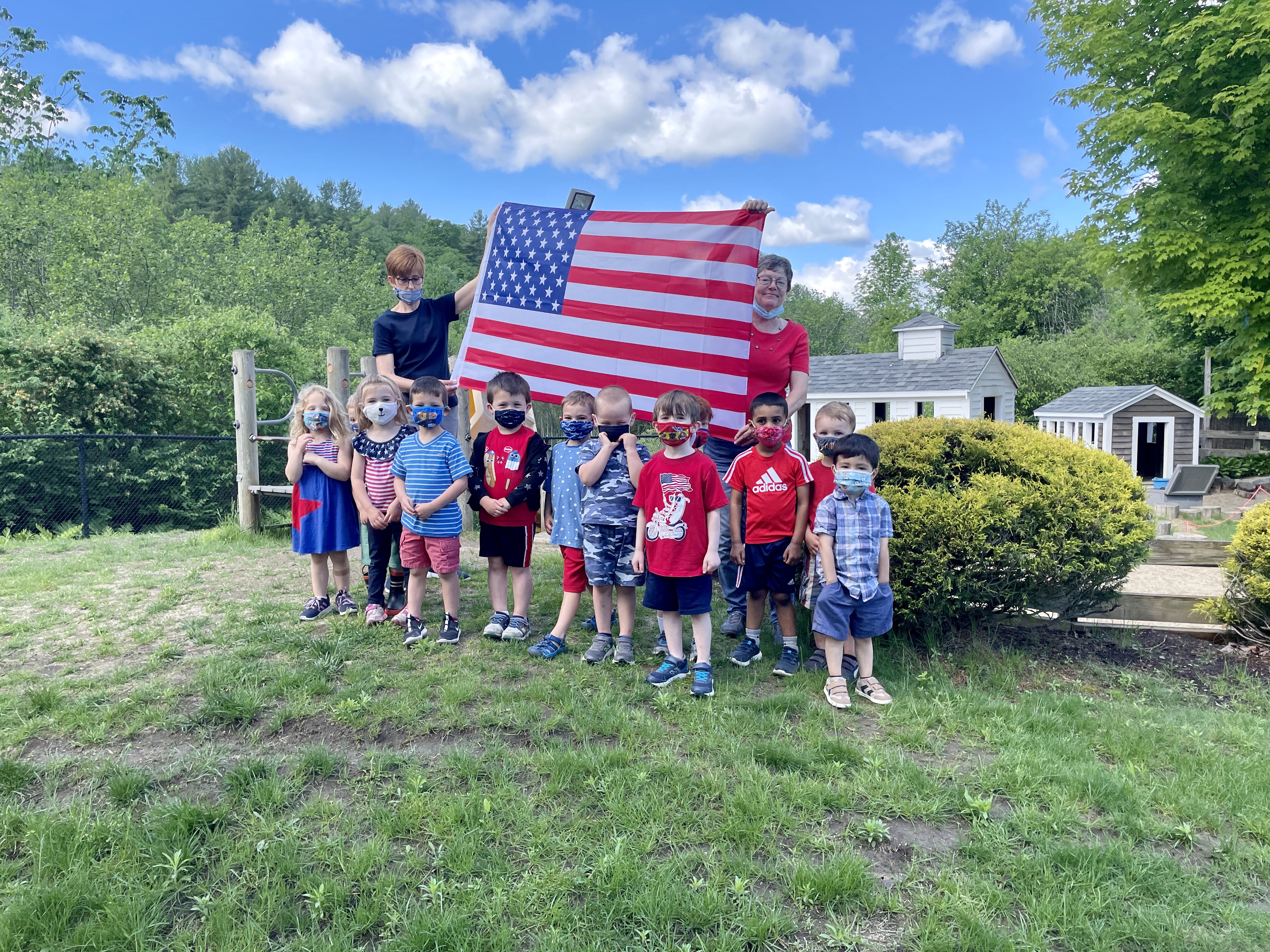
On the last day of school before Memorial Day,
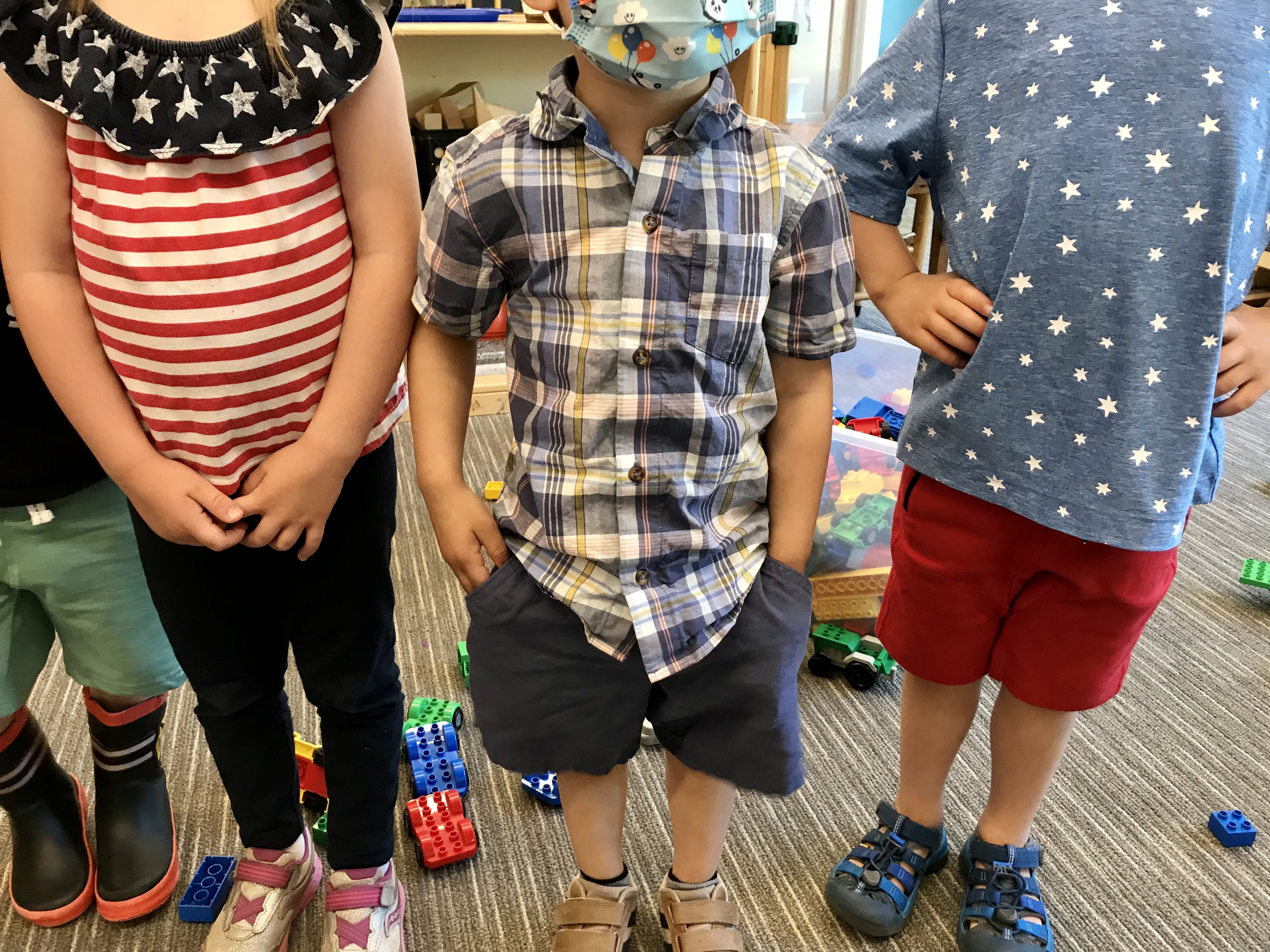
children wear red, white, and blue.

We host a school-wide remembrance,
and my classroom gets to hold the flag
and lead everyone in singing “God Bless America.”

We have a guest speaker from the military.
This year it was a Sergeant Major in the Air Force.
He spoke of Decoration Day, poppies, decorating rest sites,
and of course remembering those who served and protect us.

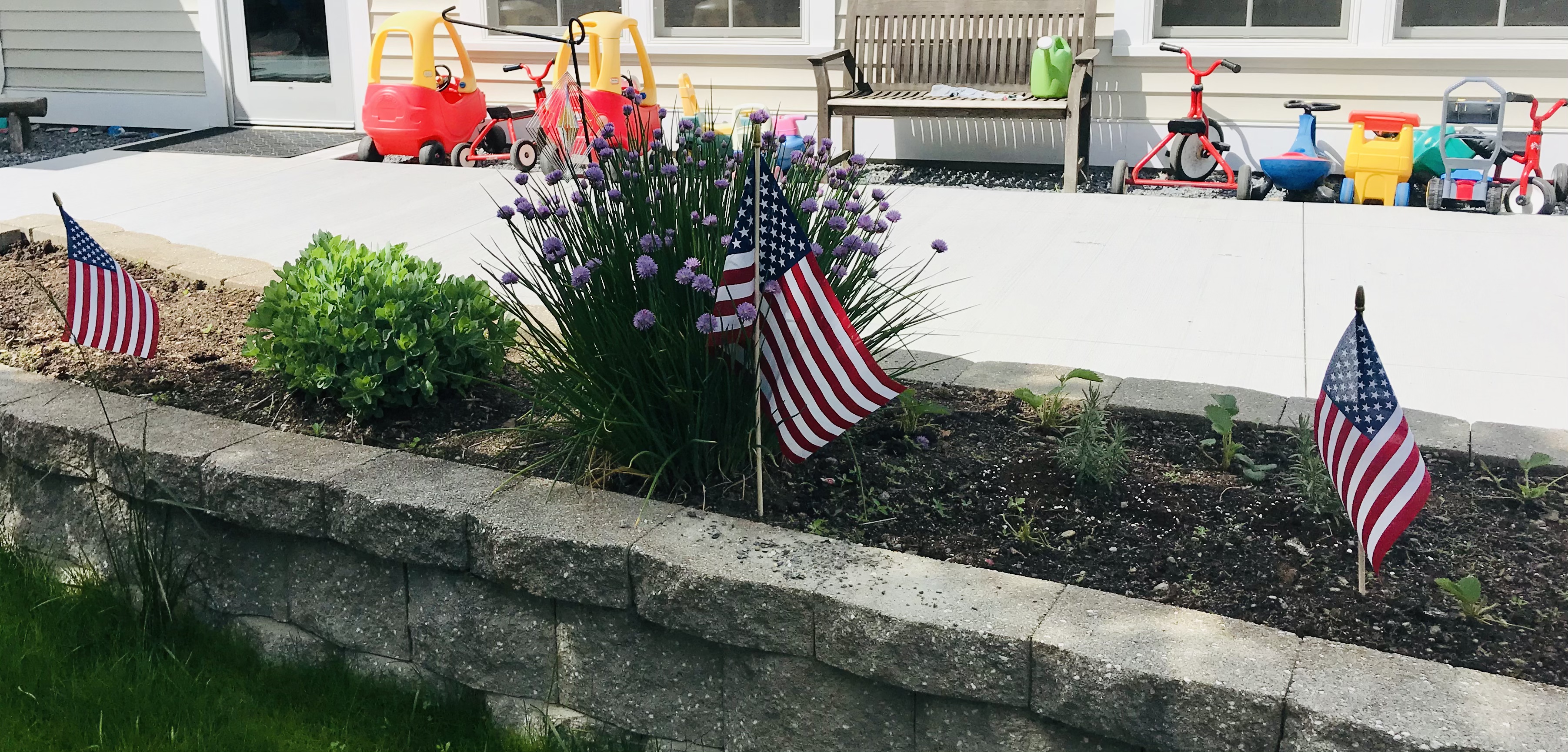
Finally, we plant flags in our garden,
so we never forget.

Jennie

Posted in America, American flag, children's books, Death and dying, Early Education, Giving thanks, history, Inspiration, military, patriotism, picture books, School, Singing, Teaching young children | Tagged , , , , , , | 81 Comments

Today’s Quote

How fortuitous to wake up to this wonderful quote this morning, after learning of the passing of Eric Carle yesterday.

Posted in Uncategorized | 41 Comments

Eric Carle Has Died

Eric Carle died this past weekend at age 91.  I’m strong, and I’m prepared for most anything, yet learning today that Eric Carle died hit me hard.  He was the mainstay of literature for young children.  “The Very Hungry Caterpillar” has never stopped being sold.  Never.


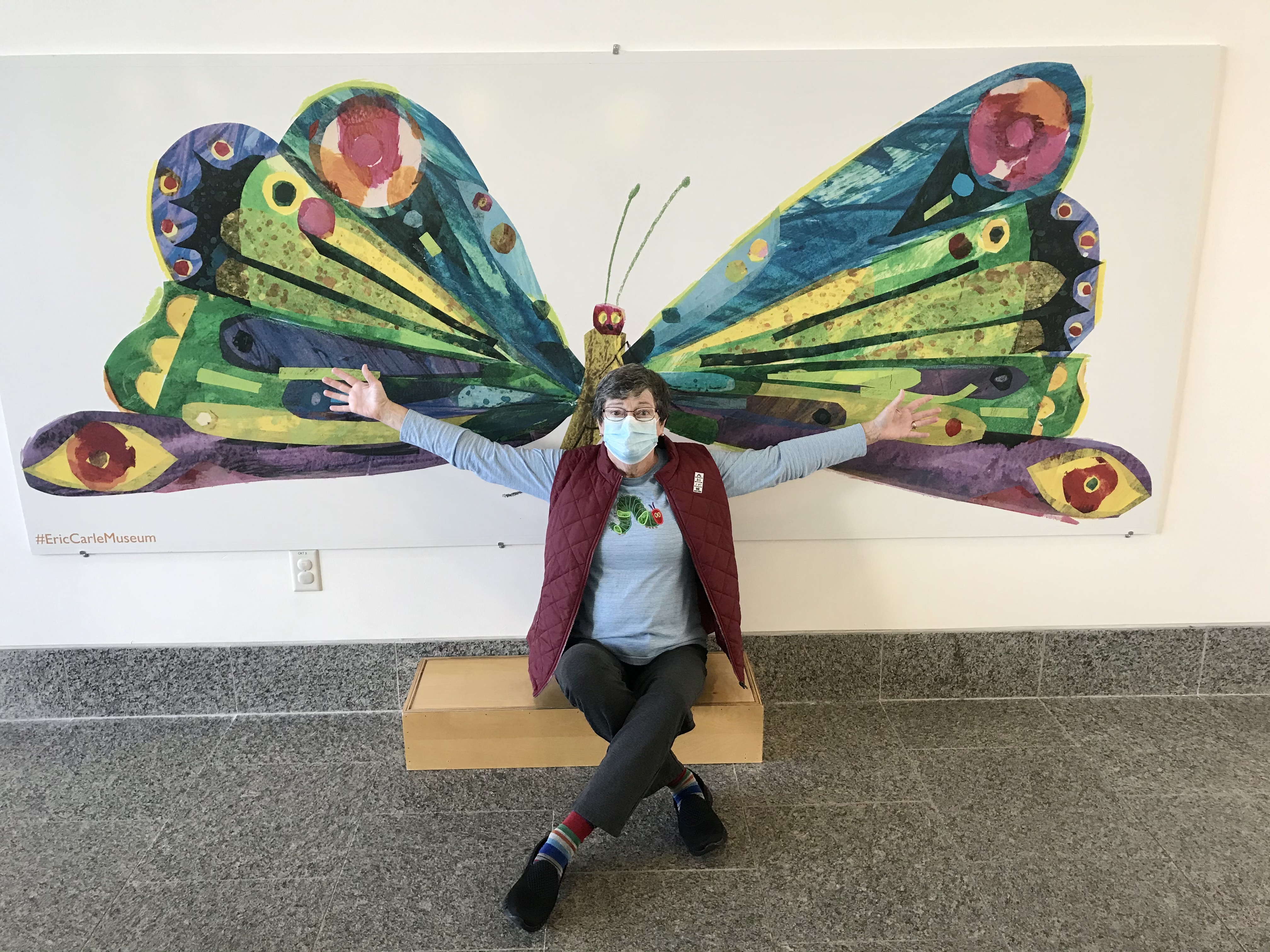
I’m the butterfly at the Eric Carle Museum

A message posted online from his family, which said he died Sunday, included a poem:

In the light of the moon,
holding on to a good star,
a painter of rainbows
is now traveling across the night sky

I have a great love for his museum, and have met him in person.  He hugged me like a dear old friend.  I will be posting my reflections soon.  R.I.P. Eric Carle.


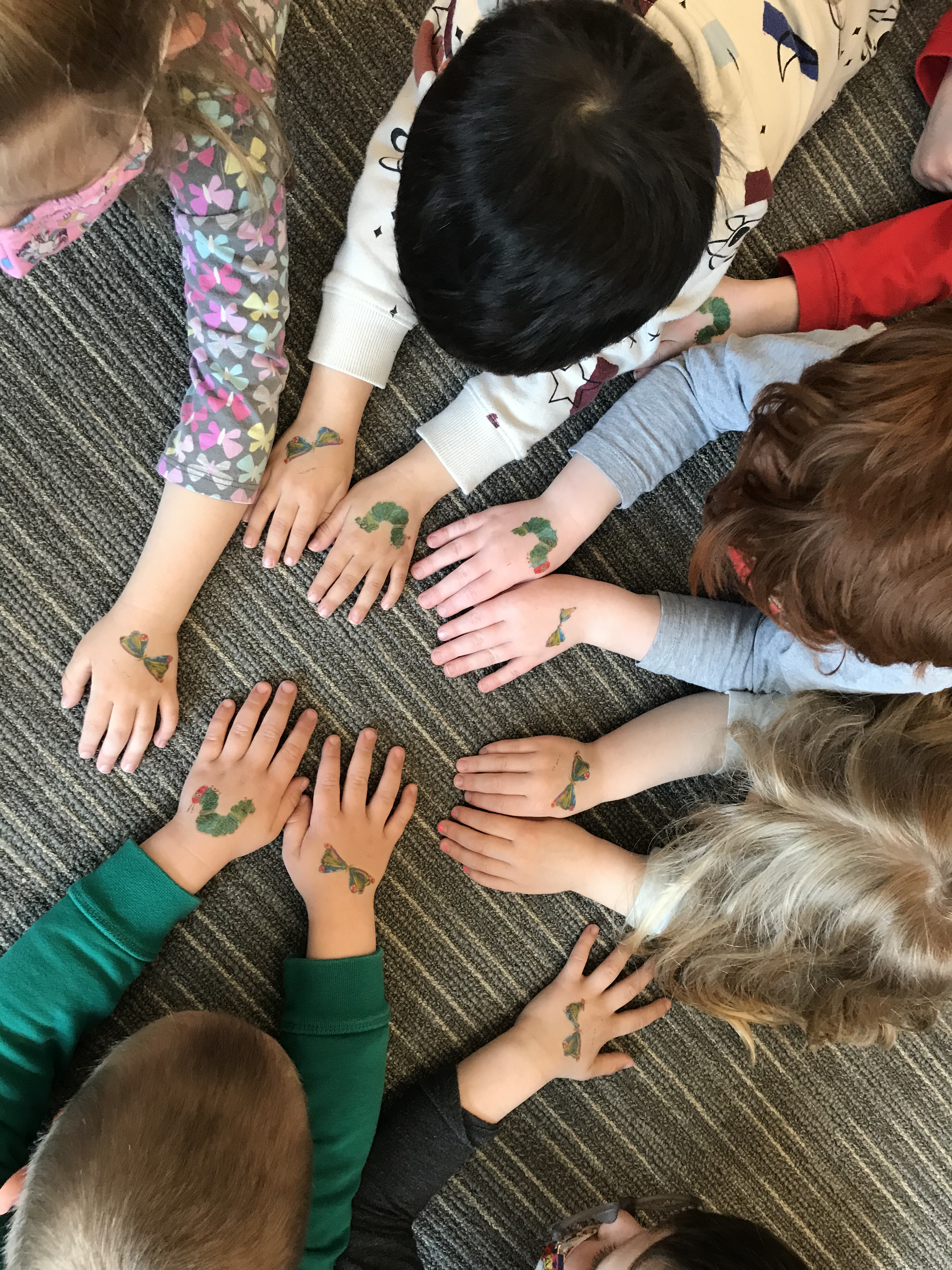
The Very Hungry Caterpillar tattoos 

Jennie

Posted in children's books, Death and dying, Early Education, Eric Carle, Expressing words and feelings, museums, picture books, preschool, Teaching young children | Tagged , , , , | 79 Comments

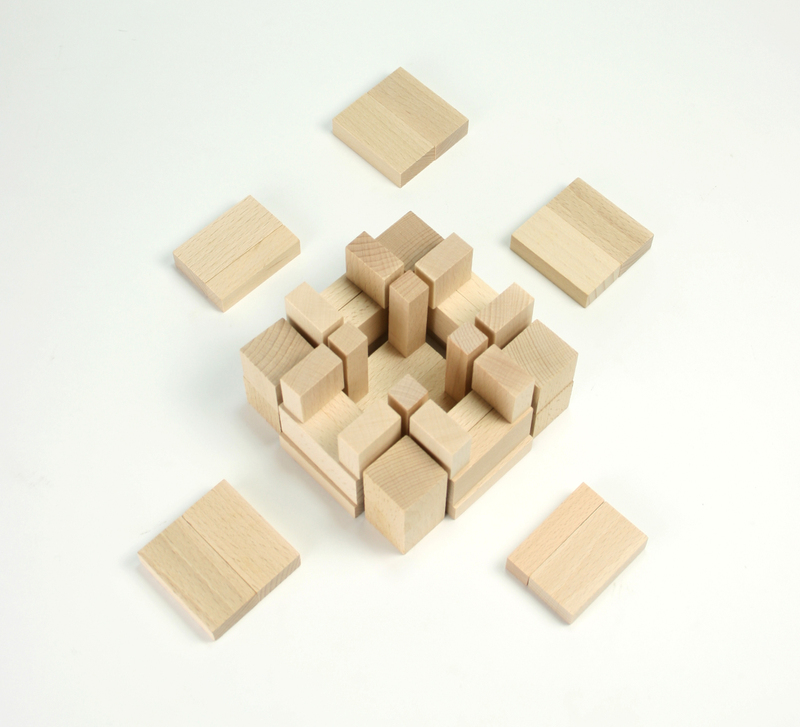
Childhood Blocks and Nature – Frank Lloyd Wright

I will never forget my first visit to the Children’s Museum in Philadelphia back in the 80’s.  It’s called The Please Touch Museum and it’s a wonderful, hands-on museum.  But, it wasn’t the typical fare of a great children’s museum that caught my eye.

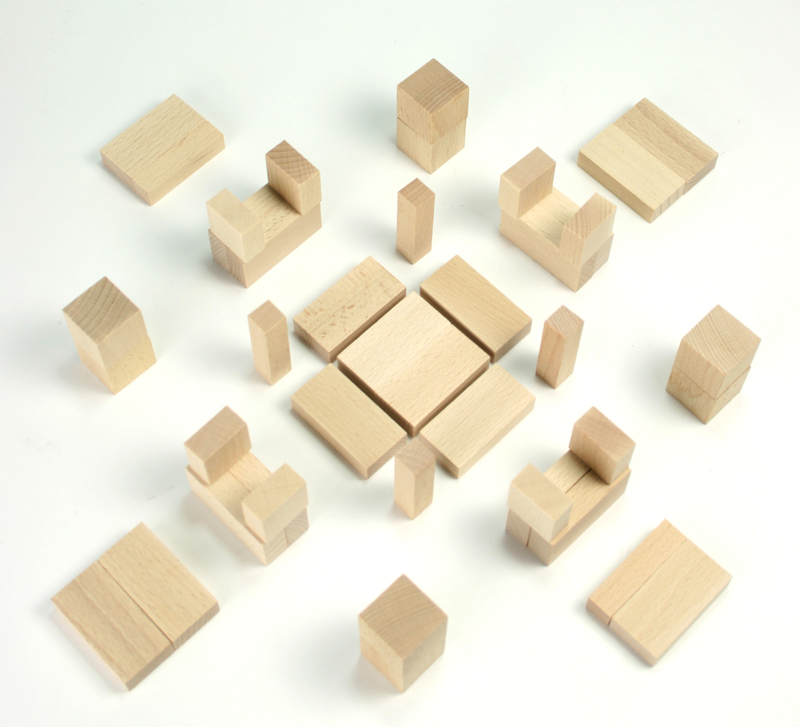
It was the collection of Frank Lloyd Wright’s childhood blocks.  He attributed his interest in architecture and building to his childhood blocks.

Of course he did!

I think this was the first time I realized what happens in childhood, in my classroom,  has a marked impact on what happens in adulthood.  I knew what I did for children would be incredibly important.

This year I have a classroom of builders.  The simple maple wood blocks that Wright used as a child are the most popular item in my class.  Legos are a close second, but blocks are #1.  Thank goodness!

And, there’s more.  my class loves nature.  Frank Lloyd Wright did, too.  His architecture was built into nature, as if the two were meant to live together in harmony.  Well, he was right.

“Study nature, love nature, stay close to nature.  It will never fail you.”  ~Frank Lloyd Wright~

My children love to find beetles, pick buttercups, plant in the garden, watch birds, and dig for worms.  They still admire the Wish Tree now that leaves are growing around their wishes.  Somehow I find it deeply satisfying to know that they are both builders and nature lovers.  I think Frank Lloyd Wright would, too.

Jennie

Posted in Uncategorized | 52 Comments

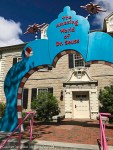
Dr. Seuss Museum

This gallery contains 18 photos.

Originally posted on No Facilities:
From the museum webpage: The Amazing World of Dr. Seuss Museum, the newest museum on the Quadrangle (where four other museums are located), is devoted to Springfield native Theodor Geisel, aka Dr. Seuss! Theodor Seuss…

More Galleries | 28 Comments

Play

“Play is often talked about as if it were a relief from serious learning.
But for children play is serious learning.
Play is really the work of childhood.”

~Mr. Rogers~

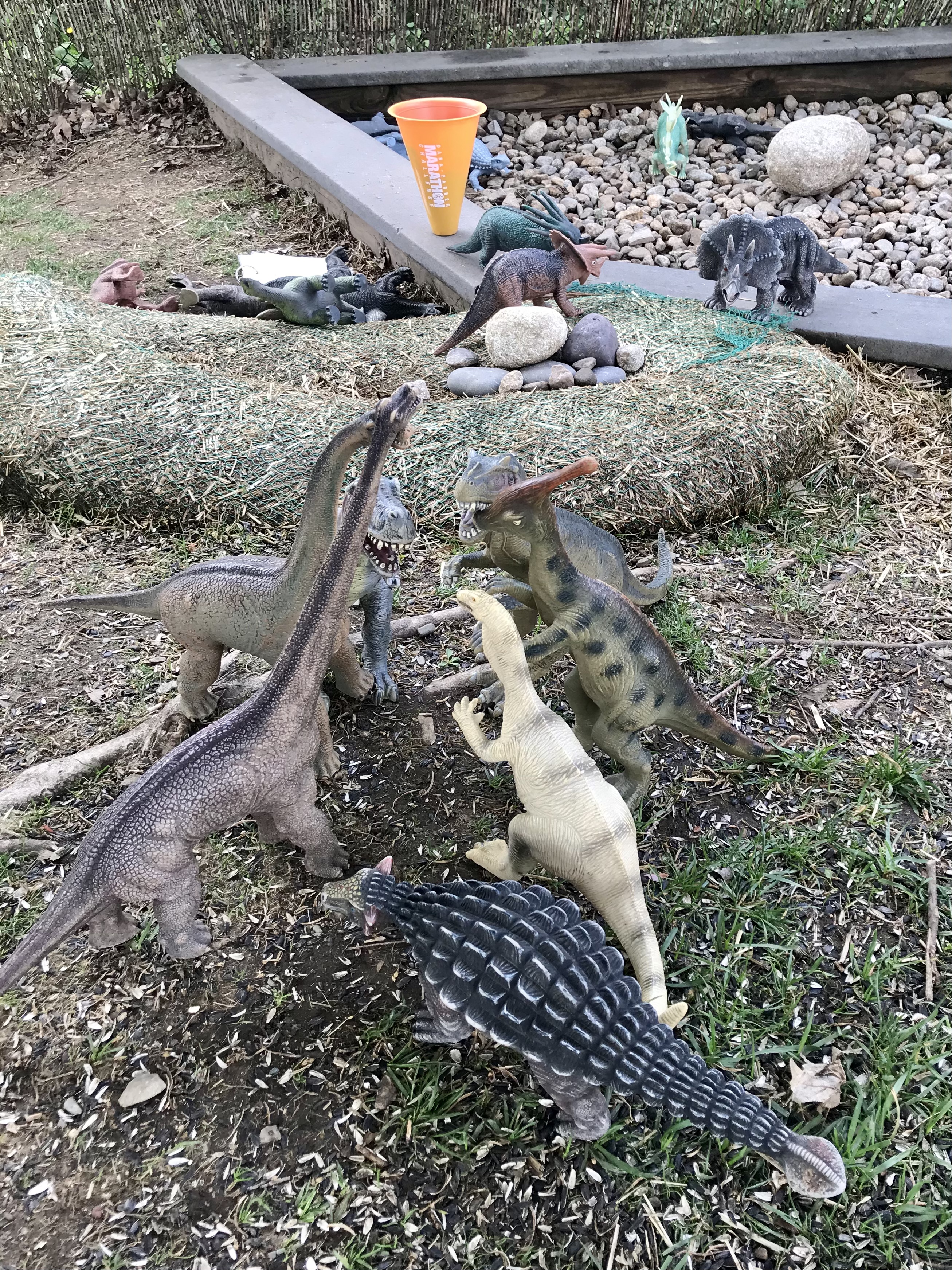
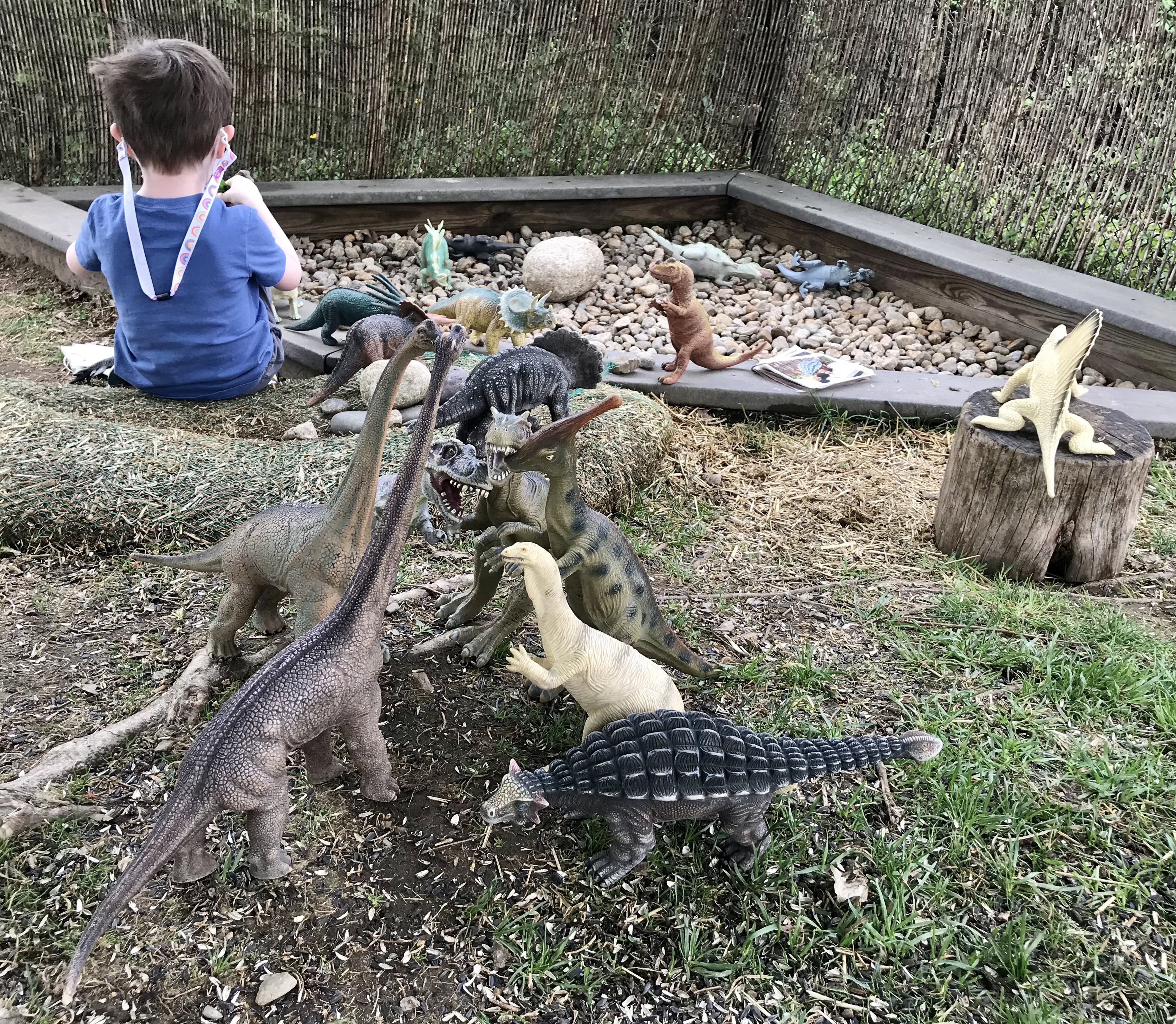
The dinosaurs are congregating.
They don’t look happy.


“They need to be fed.  They need food.
Don’t worry.  I’m getting leaves ready for them.”


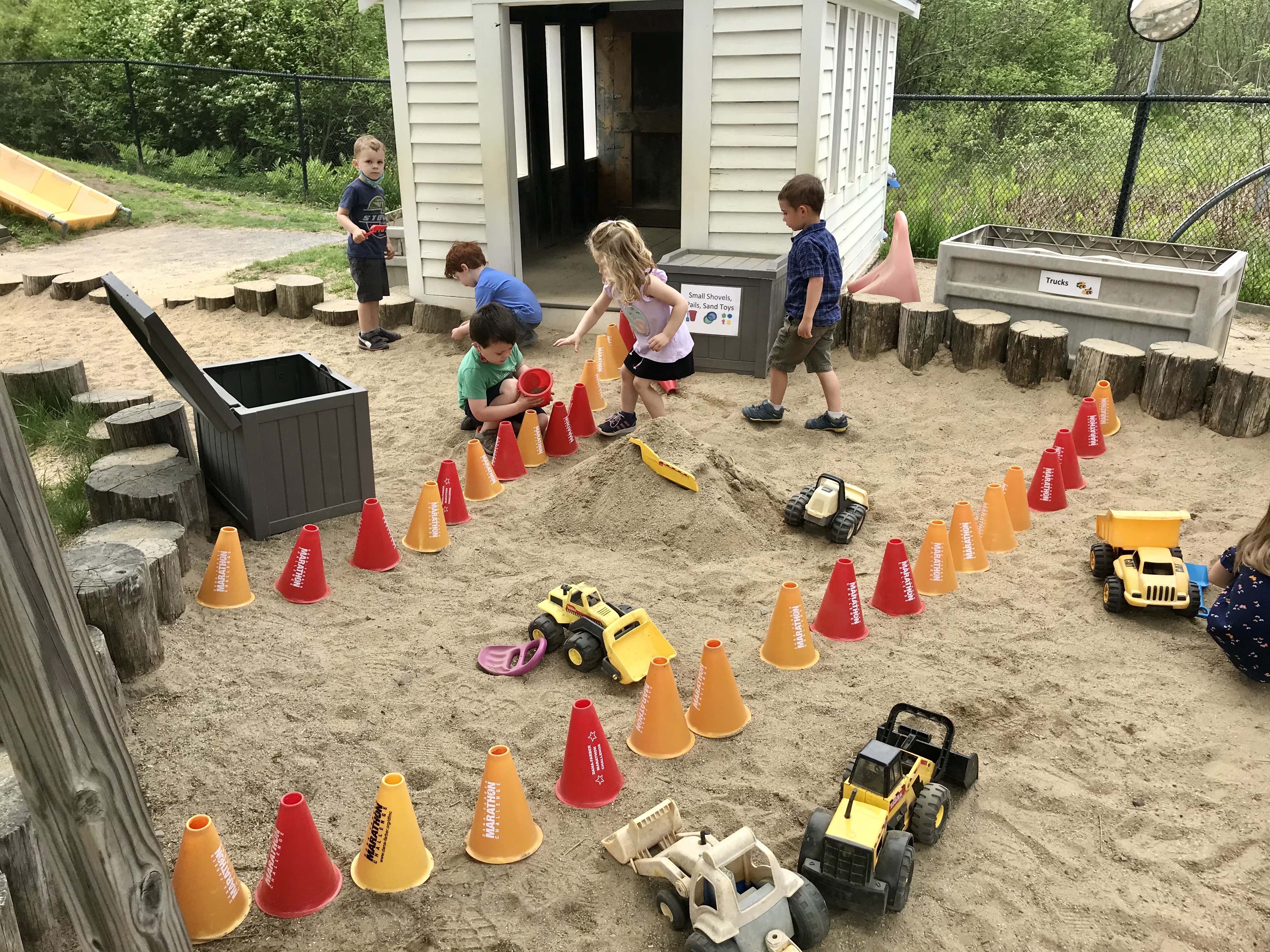
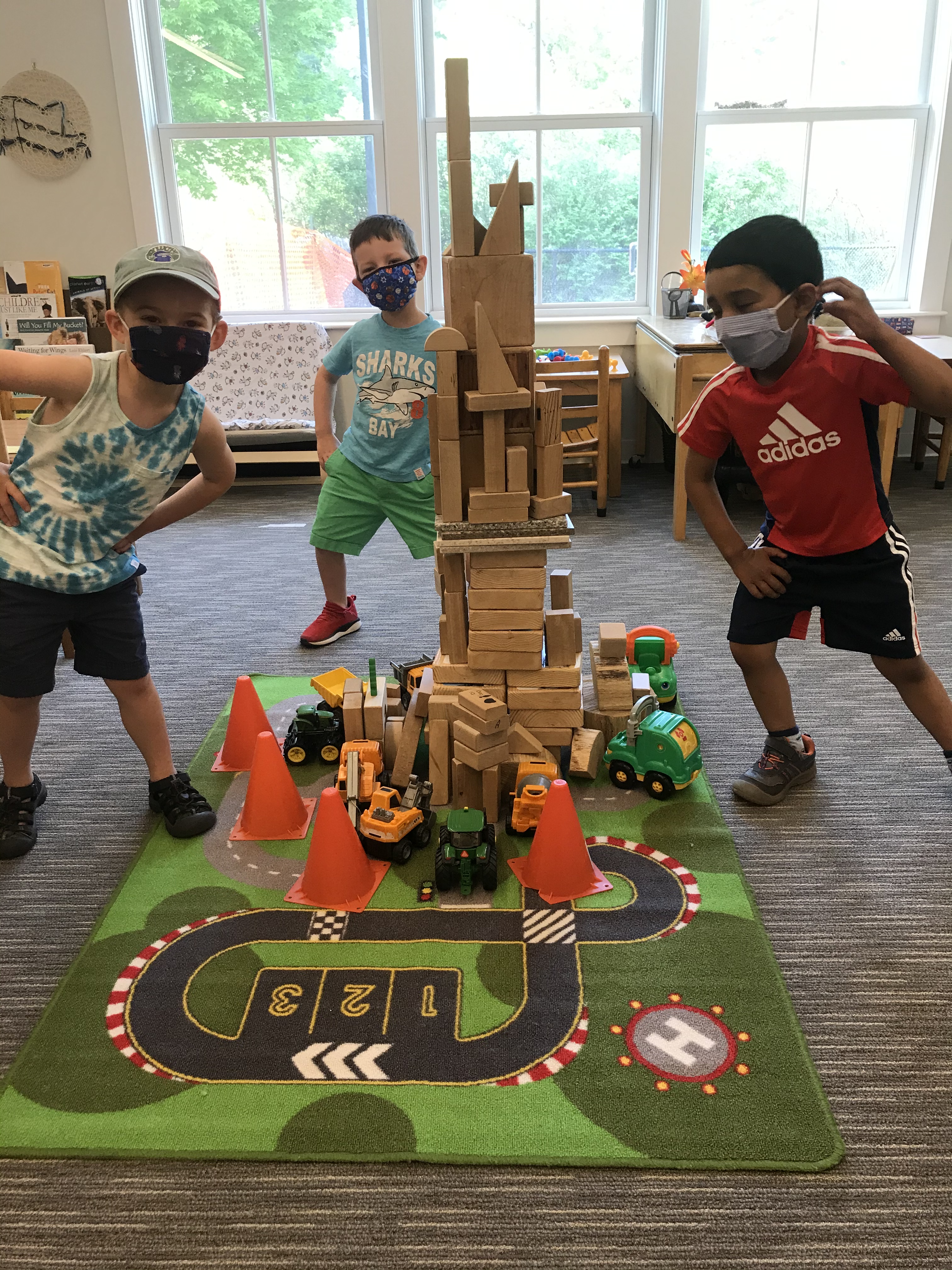
“We need more cones.
We have to block off the construction site.”


“Jennie, we used every block.  Every one.
We sealed off the tower with trucks and cones.
Can you take our picture?”

This is how children figure things out.  Problem solving, working together, and critical divergent thinking are rooted in play.  Teachers step aside.  Sometimes the best learning happens when things don’t go right- when another child took some of the cones, and when the amazing tower was threatened to be knocked down.

Did I intervene?  Absolutely not.  No one was  hurt.  It was up to the children to figure it out.  Honestly, it is one of the hardest things for a teacher to do, but also one of the most important.

I’m in the middle of the busiest time in the school year, writing children’s observations.  It is purposeful that we focus on social and emotional first.  We’re growing the next generation, and if they can’t get along with others and problem solve, they’ll never have a chance to use their academic skills later on down the road.

Life Skills-101.  Play hard!

Jennie

Posted in Early Education, Expressing words and feelings, Imagination, Inspiration, preschool, School, Teaching young children | Tagged , , , , , , , | 83 Comments

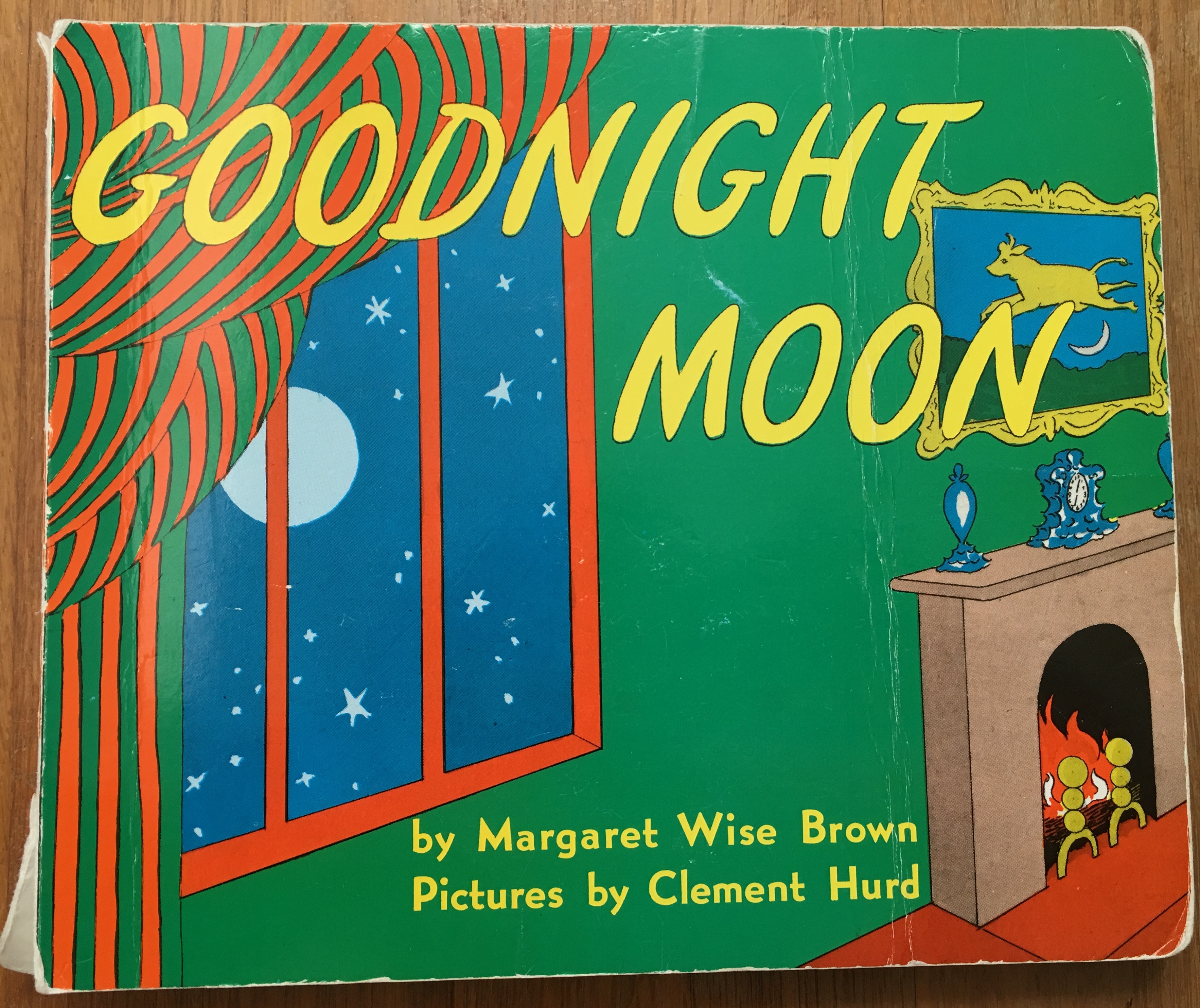
Goodnight Moon – Part 2

“Goodnight Moon” keeps growing and evolving.  Children have heard the words over and over again, a beloved daily ritual before chapter reading.  Recently they have joined me in reciting the entire book.  The Helper of the Day can stand alongside me to recite the book, or do it on their own (with help.)

Today Winn was the Helper of the Day.  He stood tall and proud, and belted out “Goodnight Moon” like he was the last man standing.  I was humbled.  He nailed it.

Never underestimate children.  They have far more heart, gut, passion, and bravery than we realize.  Give children opportunities.  Let them shine.  Read aloud.  They’re our future.  Winn certainly is.

Jennie

Posted in Uncategorized | 50 Comments

Goodnight Moon

Before children learn to read, first they must hear the words.  It’s developmental, like learning to crawl before learning to walk.  The auditory piece, including singing, hits both the brain and the soul in learning.  In my preschool class, reading aloud is a top priority, so I constantly read picture books and also chapter books.  I use a ‘voice’, stop all the time to ask questions, and often the story takes a very different turn.  We have pretty deep and serious discussions as a class, because we love reading.

Every day before chapter reading I recite Goodnight Moon.  The children love it for two reasons; they know that chapter reading is next, and they feel connected to the words in the book.  I recite the story, all the words, and they have no pictures to see (just like chapter reading.)  Over the course of the year, I have changed the words to incorporate the names of the children.  “And Tommy’s red balloon, and a picture of Sarah jumping over the moon…”.  This has been hugely successful.  The children think it is so much fun, but I realize that there is a bigger connection with the language they are hearing.  I have taken a story they love, recited with no pictures, and changed the text.  That means changing your brain, and children do that so well.

It gets more complicated, or perhaps I should say more simple.  Reciting Goodnight Moon then naturally flowed into singing.  It was already a story with a rhyme, and it already had children’s names as part of the rhyme.  So, I sang Goodnight Moon.  It didn’t matter what the tune was.  The important part was singing, as that brought ‘life’ into the words.  I occasionally changed the ‘beat’ as well, clapping or tapping my foot.

It is close to the end of the school year, and children have heard me read aloud Goodnight Moon for months.  Now, they join me, and we recite the words together.  The Helper of the Day can stand with me and recite the book alone.  That is a big deal!

Teachers naturally address visual learners.  Whether it is a classroom chart or writing on the board, the majority of information for children is often visual.  If we address the auditory learners through singing, rhyming, and chanting, we are crystallizing language.  And, it is fun!  So, I now sing poetry, stories and rhymes whenever I can.  The children love it, and it works.  Goodnight Moon is proof.

Jennie

Posted in Book Review, children's books, Early Education, picture books, preschool, reading aloud, reading aloud, Teaching young children | Tagged , , , , , , , | 67 Comments