I posted the Kelly Clarkson video on my Twitter account, so bloggers outside the USA (Barb, Sally, Darlene…) can see it. Let me know if it works!
Jennie
I posted the Kelly Clarkson video on my Twitter account, so bloggers outside the USA (Barb, Sally, Darlene…) can see it. Let me know if it works!
Jennie
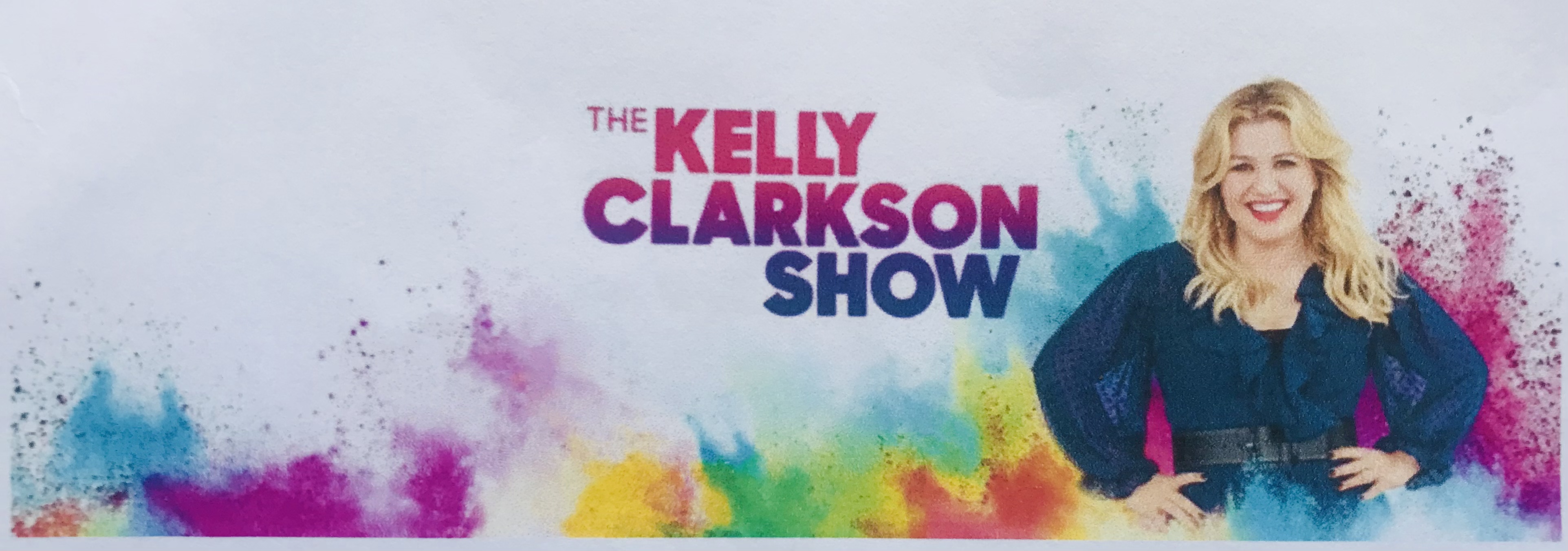
For my blogging friends who are unable to see The Kelly Clarkson Show, here is a clip of my part on the show. Many bloggers have wanted to see me on the show, so here I am:
I cannot say enough about Kelly, her team, and the ‘bottom line’ of everyone on the show – kindness. Everything I do in teaching is rooted in kindness, and how wonderful it is to see, first hand, big stars and a mega show that hold the same values.
Jennie
From the studio:
Jennie
Everything people say is true. Kelly Clarkson is genuine. She’s as nice as the day is long. She is all about others (not herself), and so much fun.
I know. I am on her show tomorrow- in person with Kelly.
Kelly is the real deal, and she could be my best friend. That’s just who she is. When the doors opened to walk out onto the stage, she smiled and waved. I did, too. It was across a very crowded and busy room, a locked-on moment.
Everyone associated with the show is the same way. Surely they must have to pass a ‘kindness test’ in order to work there.
To tell you the story, I will start at the beginning, nearly a year ago. In the words of a ‘Jennie Story’, “It Happened Like This”:
Our blogging community is like a family, and the story begins with Kelly hearing about me through my blog and a fellow blogger, John Rieber. I received a call from Dan Sterchele, a Producer on the show. “Hi Jennie. I only have ten minutes. Please tell me about yourself.”
Twenty minutes later we were still talking.
I told him about reading aloud, Gloria, Milly the Quilter, the National Liberty Museum in Philadelphia, Jennie Stories… on and on. He kept asking questions. A lot of questions. We laughed. Then came the next step.
“Jennie, you need to ‘wow’ Kelly. I need you to make a one-and-a-half minute video of yourself.”
“Sure. No problem.” How hard could this be? Hard. Very hard! Seventeen video takes hard. This was the best I could get:
After that nothing happened for a long time. Covid hit and everything shut down. I didn’t hear back and chalked it off to life. Hey, it was fun to give it a try. Then a few weeks ago, Dan emailed me. My pitch sheet had been on his bulletin board all along. “Hi Jennie. We want to talk to you about how you help your students fall in love with reading by introducing them to books at such an early age! Kelly is going to absolutely adore you.”
Wow! So I had been on hold.
The next four days were a whirlwind of long phone interviews and planning. They wanted to video me in the library at school as part of the Friday taping of the show. I was excited! I worked it out with school (of course they were excited, too), and then I got a late phone call from Dan – west coast time when I should have been in bed.
It was “The Call.”
“Jennie, we’re changing this. Forget taping you in the library for the show. We want you here, live. We’ll put you on a plane to LA in two days.” Did I tell you this was the first week of school? The scrambling began to find subs, get a Covid test, sign papers, and answer questions.
And just like that, I was on a flight to LA.
There was still planning to do, as in ‘get to the point and say what I need to say right away, because I will probably get six minutes’. Okay, no problem. I asked who else would be on the show. There are two famous people… and me:
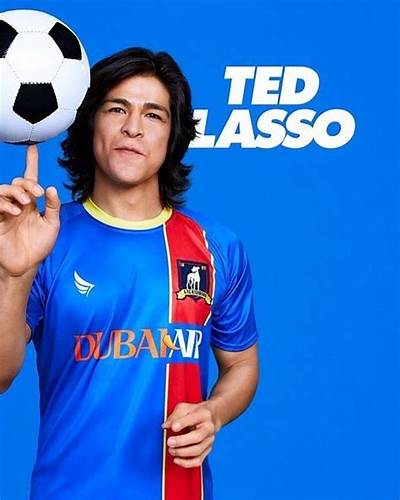
Christo Fernández
star of the Ted Lasso show
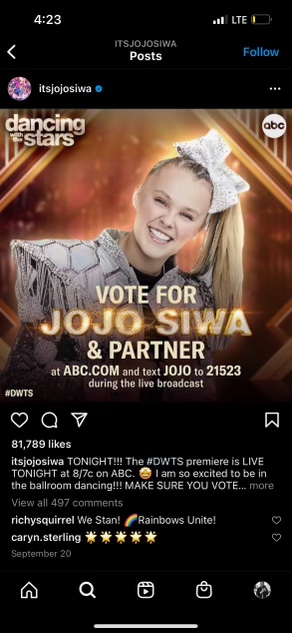
JoJo Siwa
singer, dancer, and actress
Dancing With the Stars, YouTube, and more
Perhaps it was best that I did not know these stars. Therefore I could hang out on the show and have fun with two new people. Yes, they are absolutely fabulous. Kelly wouldn’t have it any other way. We laughed, shared stories, high-fived, and simply had a great time together. But, I’m getting ahead of myself in this story.
At last I arrived at the studio. As I drove under the Universal Studio entrance sign, I had childhood memories of seeing this on television or in the movies. That made me smile.
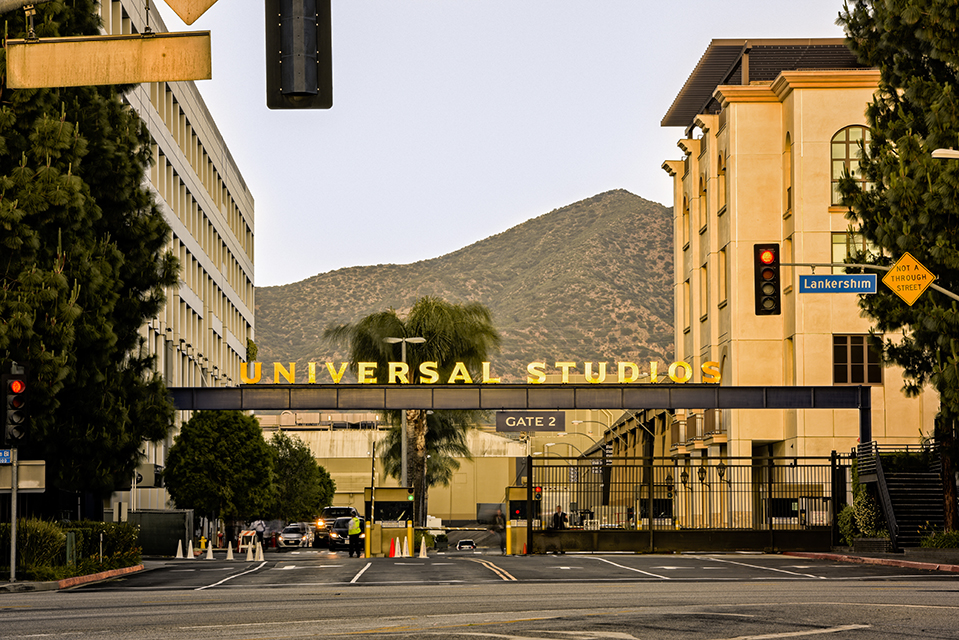
The studio was right around the corner. I pulled up to the entrance.
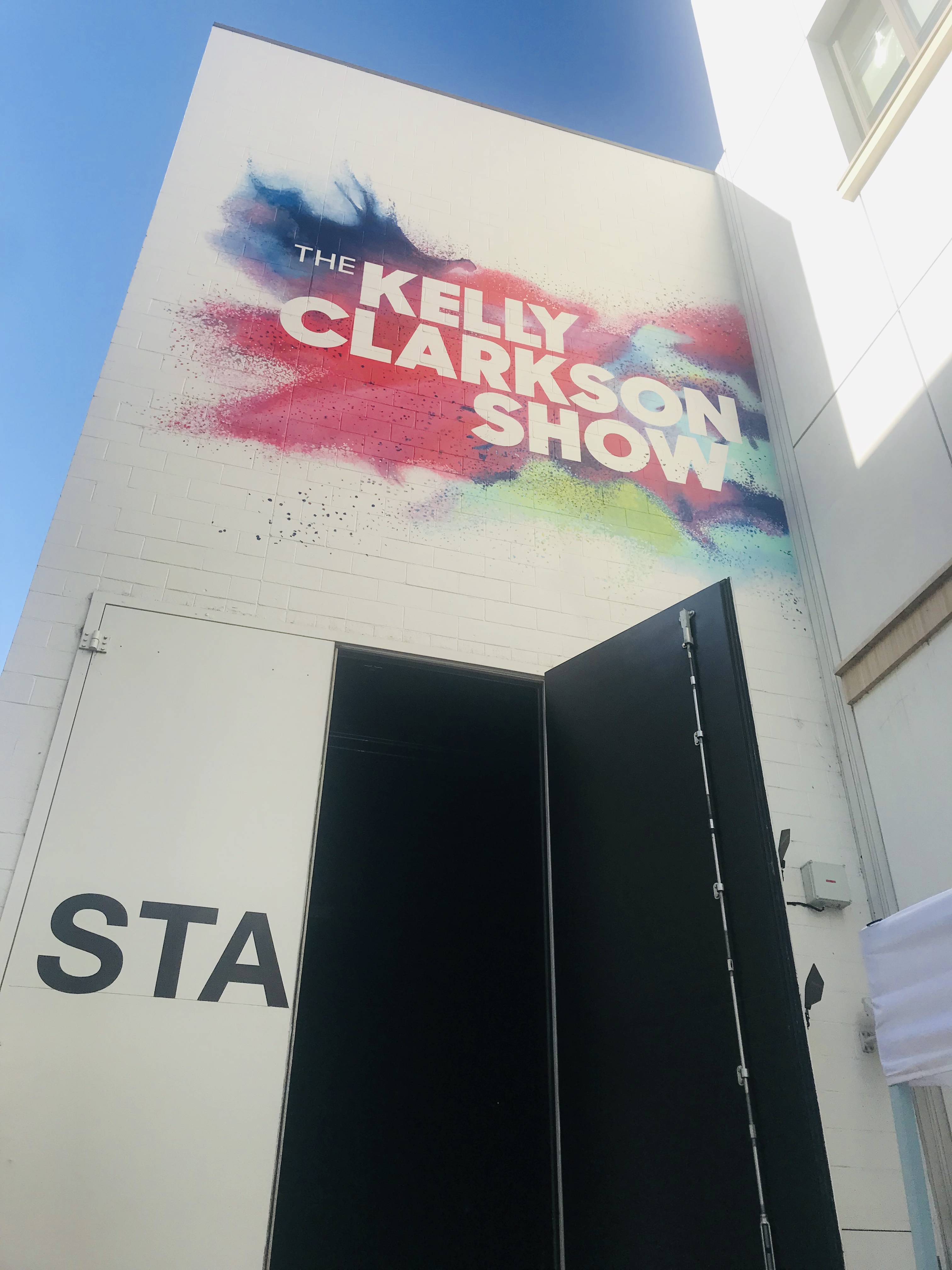
After my Covid test and meeting the friendliest staff ever, I was taken inside. The long hallway was covered in photos of many people who had been on the show. I wish I’d had time to study all the people along the wall of fame.
I had my very own room, a ‘greenroom’, where I waited until it was my turn. The room was more like a suite. It was fabulous!
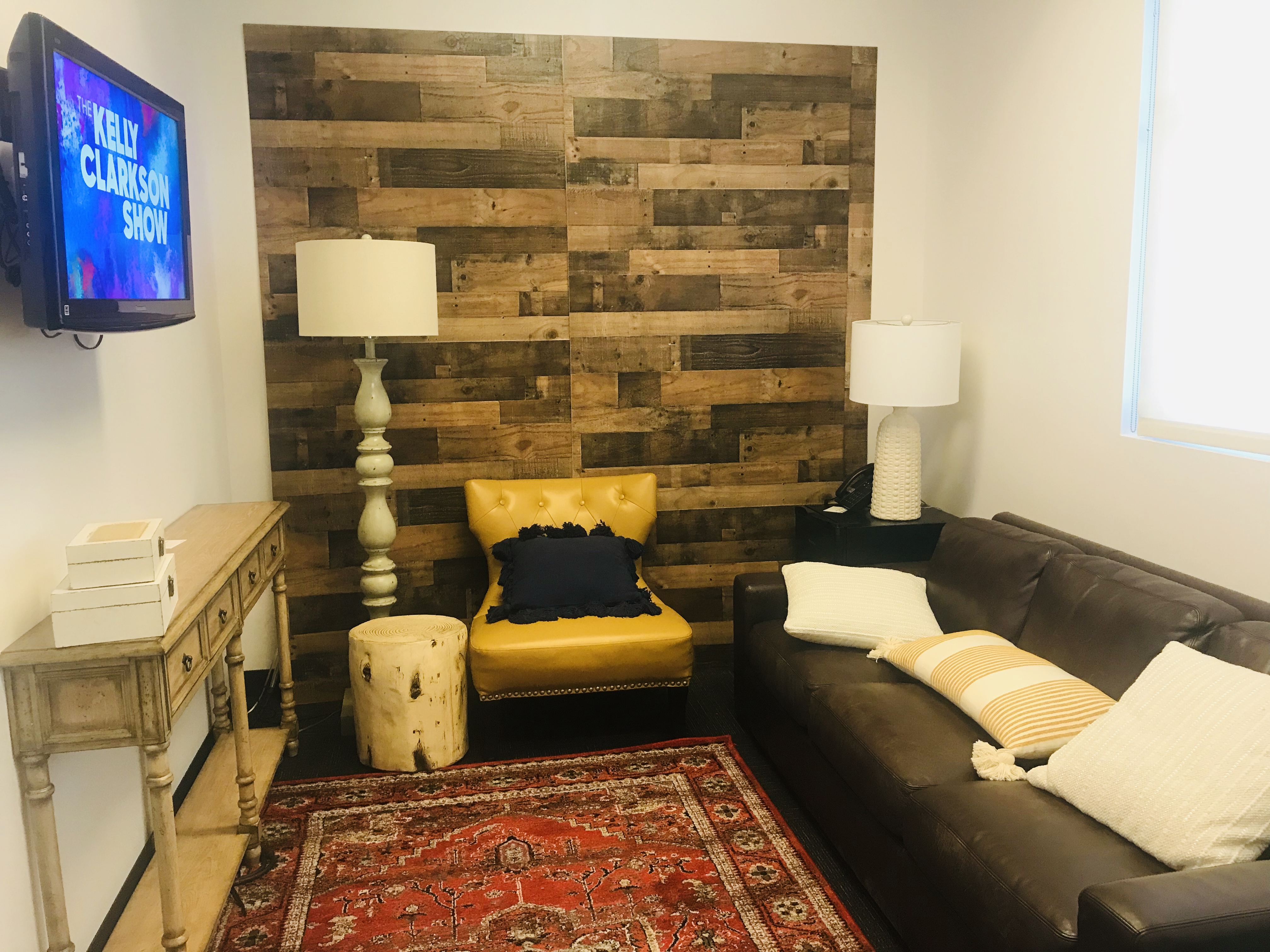
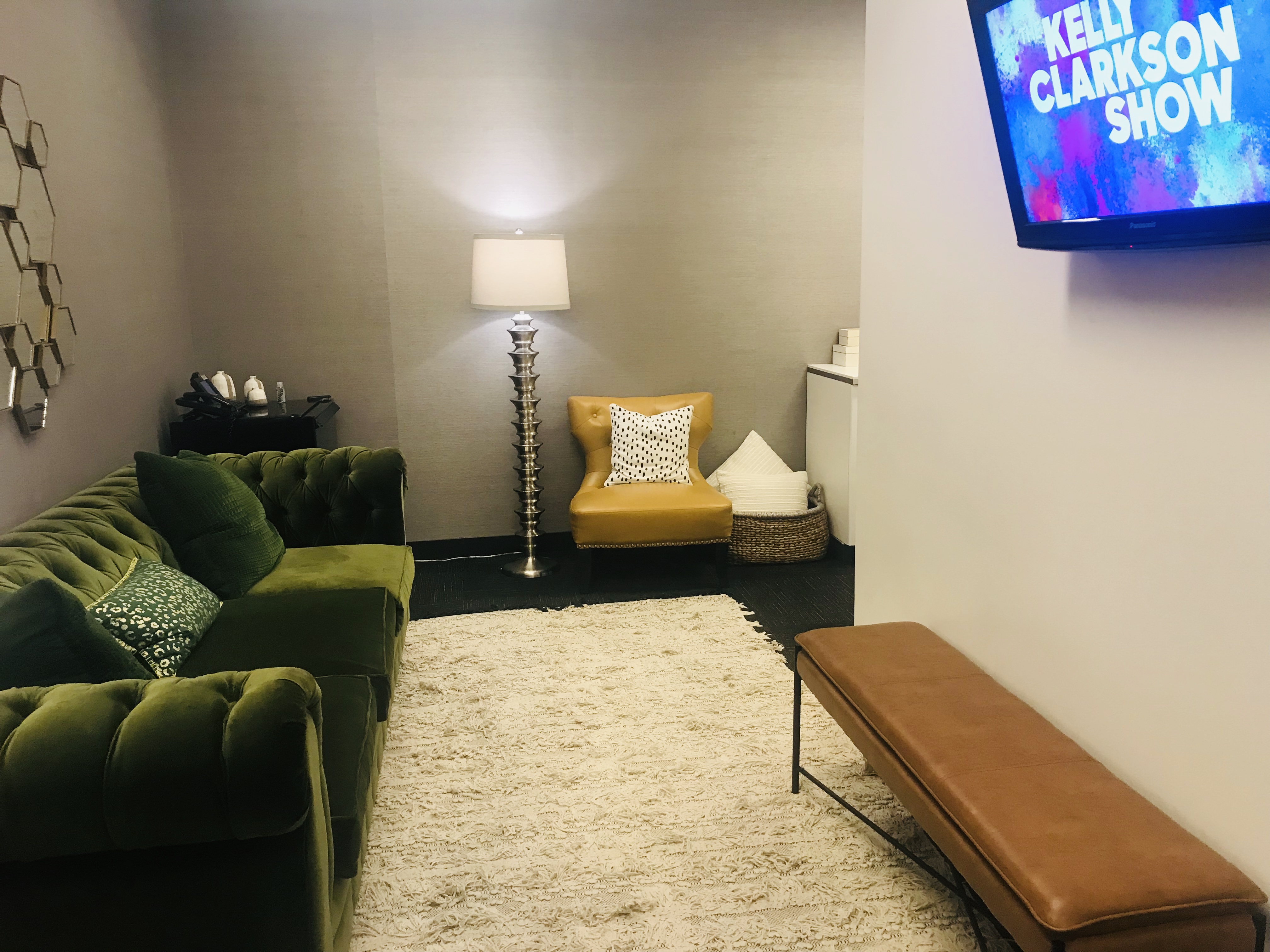
To my surprise, I had my very own name outside the door!
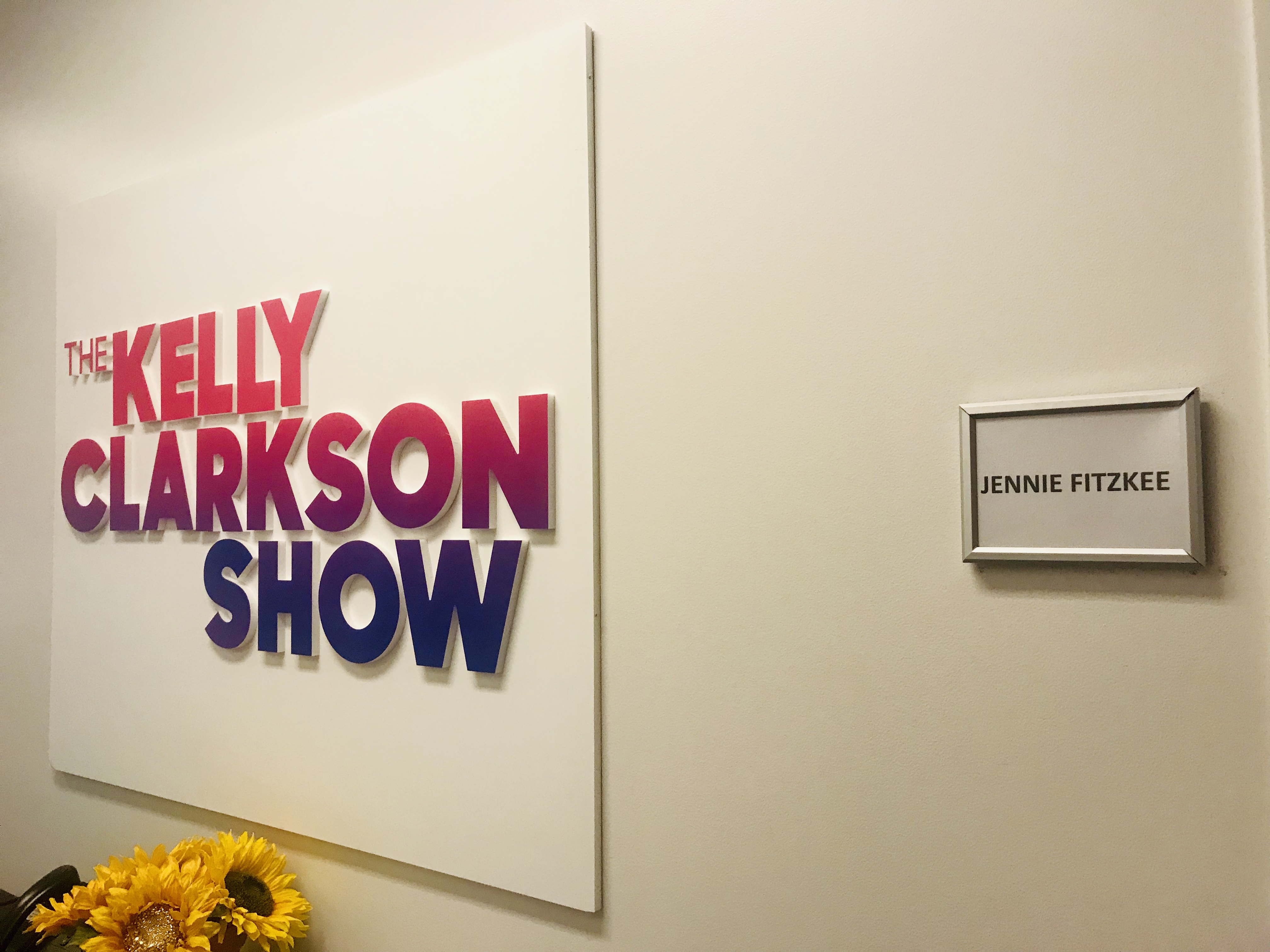
“Jennie, we will come and get you when we need you. In the meantime, relax and let us know if you need anything. You will be the third guest on the show.”
They came to take me to hair and make-up. When I walked in, I looked at the make-up guy, pointed to my face and said, “This is your challenge for the day.” He burst out laughing! I looked as his plethora of every tool, cream, and color and said, “I don’t have one of these things at my house.” More laughing out loud! We talked about his mother, my chicken neck, and life in the south.
As I was leaving he stopped me and said, “Thank you for bringing joy into this room today.” See, I told you everyone who works on the show is wonderful.
Back in my greenroom, the taping of the show was starting. The big television turned on and I could watch everything that was happening. Oh, I paid attention. Where would I sit? How would I come onto the stage? I needed to feel ready. Frankly, I wasn’t the least bit nervous. Nope, not at all.
Why? I had been told that Kelly loves teachers. Her mother was a teacher in Parkersburg, West Virginia. She often has teachers in her audience. I knew I was in good hands. She tells the story of being on the Jay Leno Show right after she won American Idol. There she was, a nobody so to speak, sitting alongside famous people. She has never forgotten that, nor her humble roots. The country western song, “Humble and Kind” by Tim McGraw makes me think of Kelly Clarkson.
Kelly opened the show singing a beautiful song about faith. She then had a video in London with the actor Stanley Tucci, and his cookbooks. They ate pasta together. JoJo was the first guest. She has a great story to tell, and her enthusiasm is contagious. Gee, I should have asked her to teach me a few cool dance moves. The next guest was Christo. He is really nice, warm, and of course handsome. His television series just won many Emmy Awards. I was captivated by both of these guests.
The staff came to my greenroom. I was walked to the area behind the set, pitch black with more computers and technology than you can imagine. The doors to the set slid open, we waved, and I was taken to the couch where I sat beside Kelly. While what seemed like a million people were rushing around with everything from cameras to mics, I waved at the audience, said hello to the other guests, thanked Kelly… and then I was on!
Still, I wasn’t nervous at all.
Kelly started by asking me what was the moment when reading aloud became my passion. I told her about my first day of teaching, when my head teacher put “Swimmy” by Leo Lionni in my hands and asked me to be the one to read to the children. Kelly jumped right in and told me her mother always read “Matilda” to her. “Yes”, I shouted. Then JoJo told us she loved the “I Survived” books growing up. Again I shouted “Yes”, as I know these terrific books. Christo told of a biography that was his favorite. He was moved.
Kelly asked me about my blog, and about how I reach out to parents. I remember feeling passionate about what I said. I remember turning to the audience and asking, “Doesn’t everyone love a good story?” The specifics are a blur. Once I start talking about reading aloud, I go like the wind.
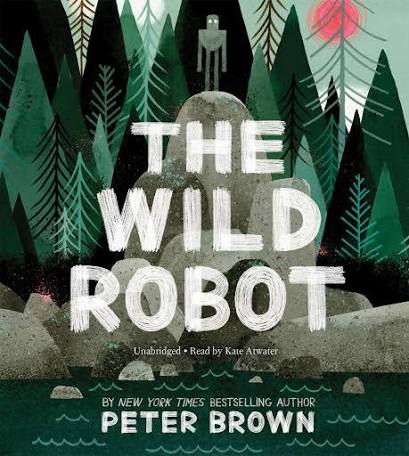
At one pause in the taping when the technicians were doing their thing, I had a chance to talk with Kelly. She told me about her mother and teaching. I asked her if she still reads aloud to her children. Yes she does, and we laughed about keeping kids engaged. I leaned forward and said, “Would you like to know the best book ever to read to your kids? I have read it aloud so many times.” “Yes, yes!”, she said. I told her about “The Wild Robot”, by Peter Brown.
Just when I thought everything was over for me, Kelly announced there were two guests who had come to the show to say hello to me. I was stunned. I will only tell you I jumped out of my seat, yelled, told stories, and cried. You won’t want to miss it!
When the show was over, photos were taken. Here I am:
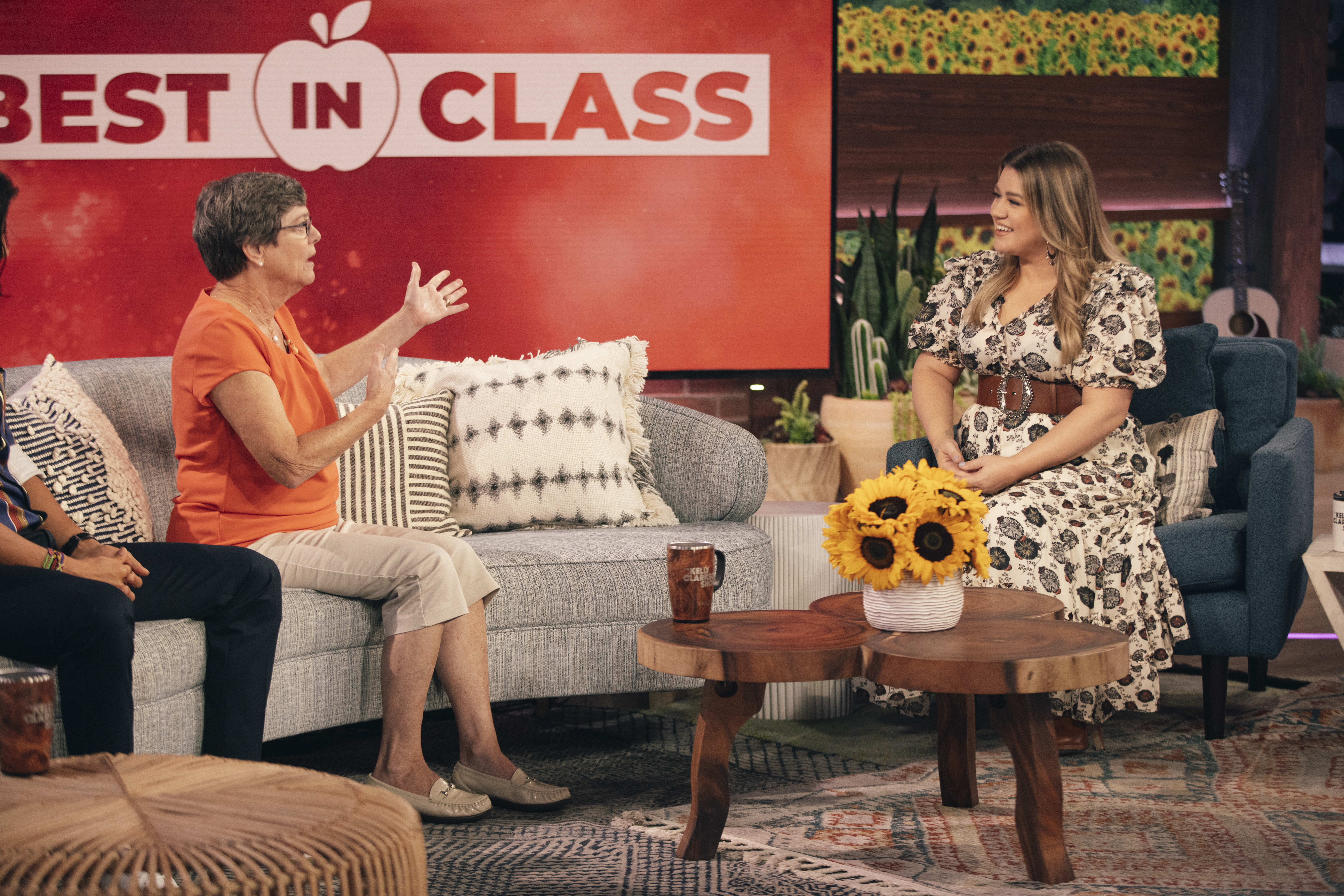
THE KELLY CLARKSON SHOW — Episode 1017 — Pictured: (l-r) Jennie Fitzkee, Kelly Clarkson — (Photo by: Weiss Eubanks/NBCUniversal)
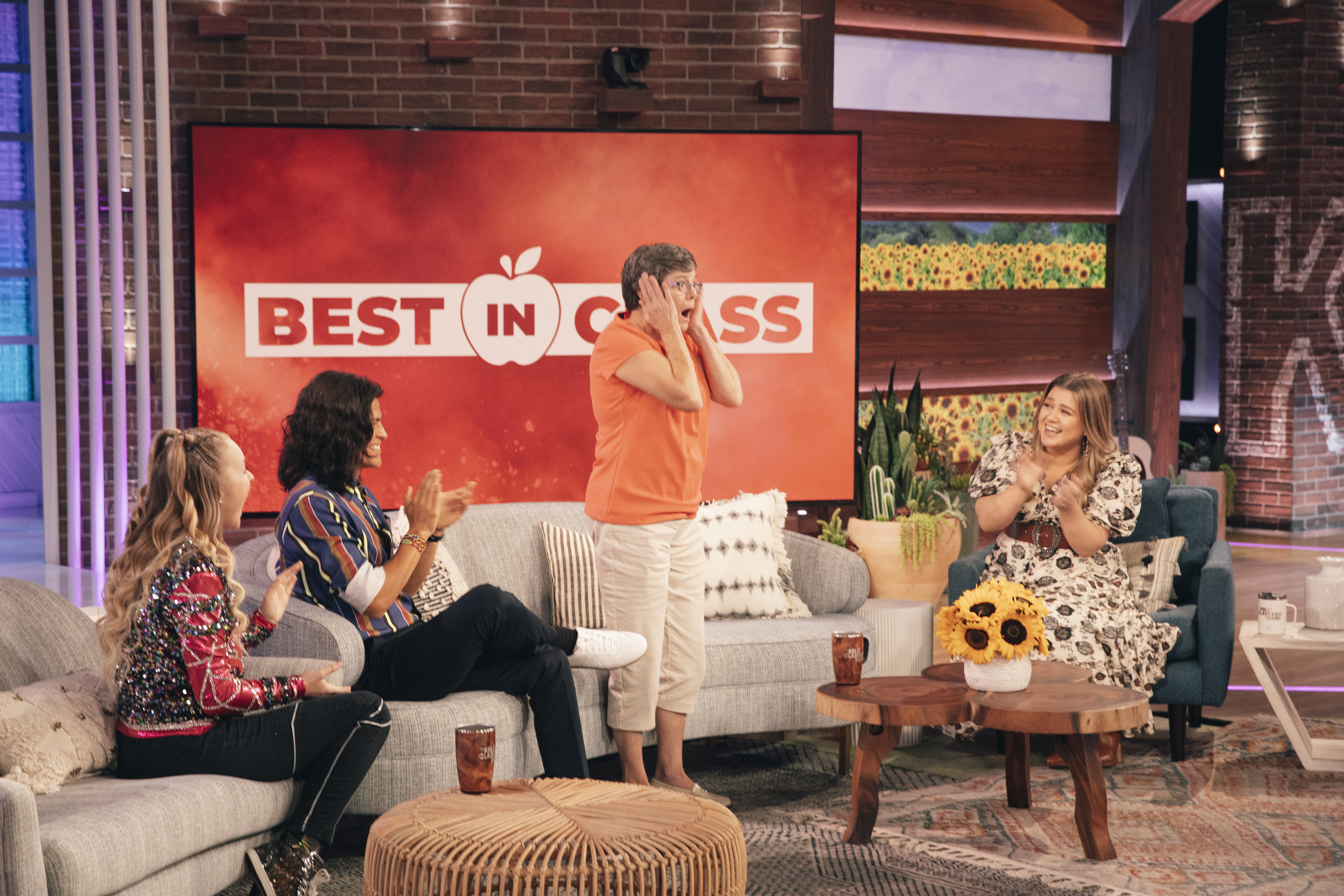
THE KELLY CLARKSON SHOW — Episode 1017 — Pictured: (l-r) JoJo Siwa, Cristo Fernandez, Jennie Fitzkee, Kelly Clarkson — (Photo by: Weiss Eubanks/NBCUniversal)
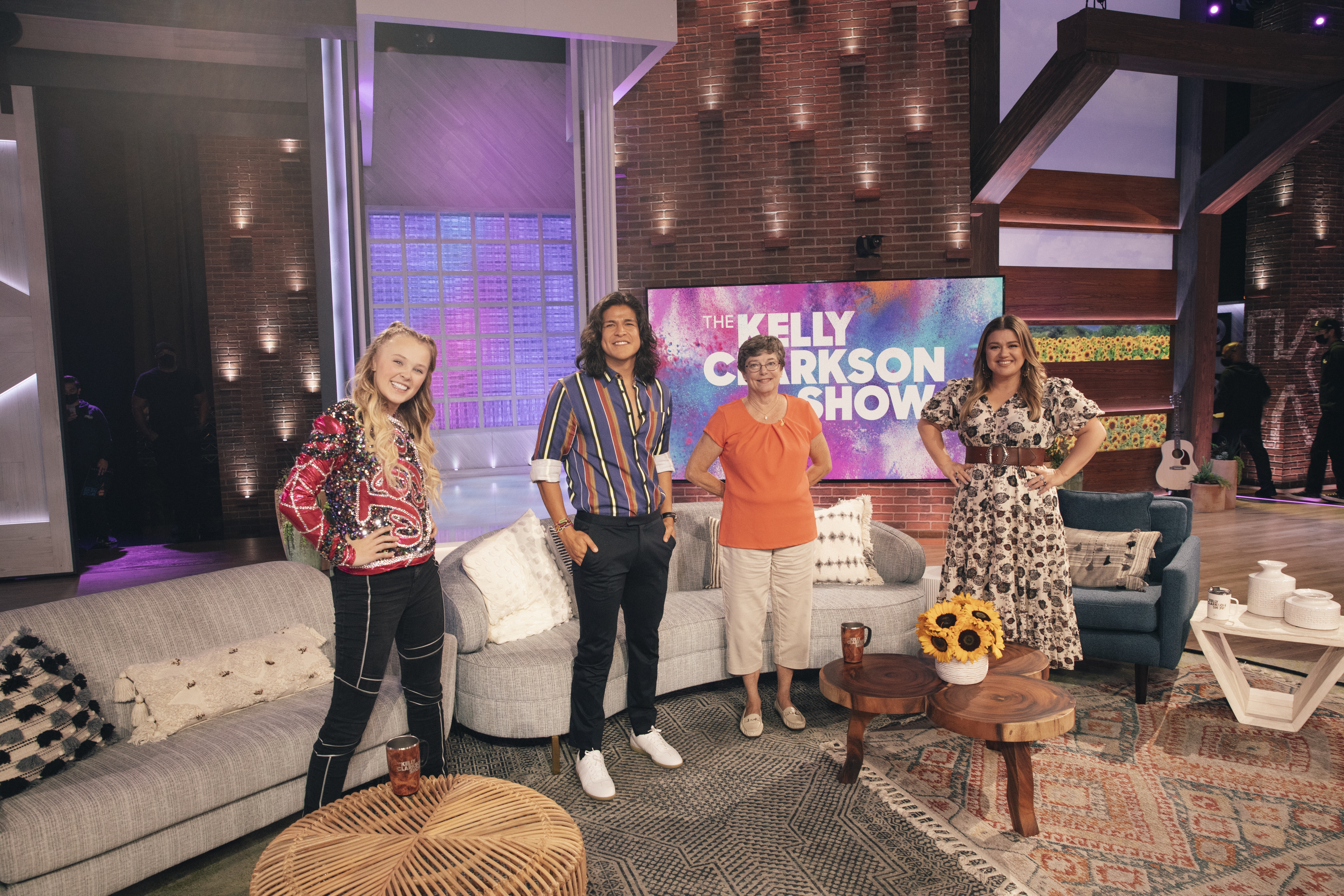
THE KELLY CLARKSON SHOW — Episode 1017 — Pictured: (l-r) JoJo Siwa, Cristo Fernandez, Jennie Fitzkee, Kelly Clarkson — (Photo by: Weiss Eubanks/NBCUniversal)
As I left the studio, I couldn’t help but stop by the sunflower wall.
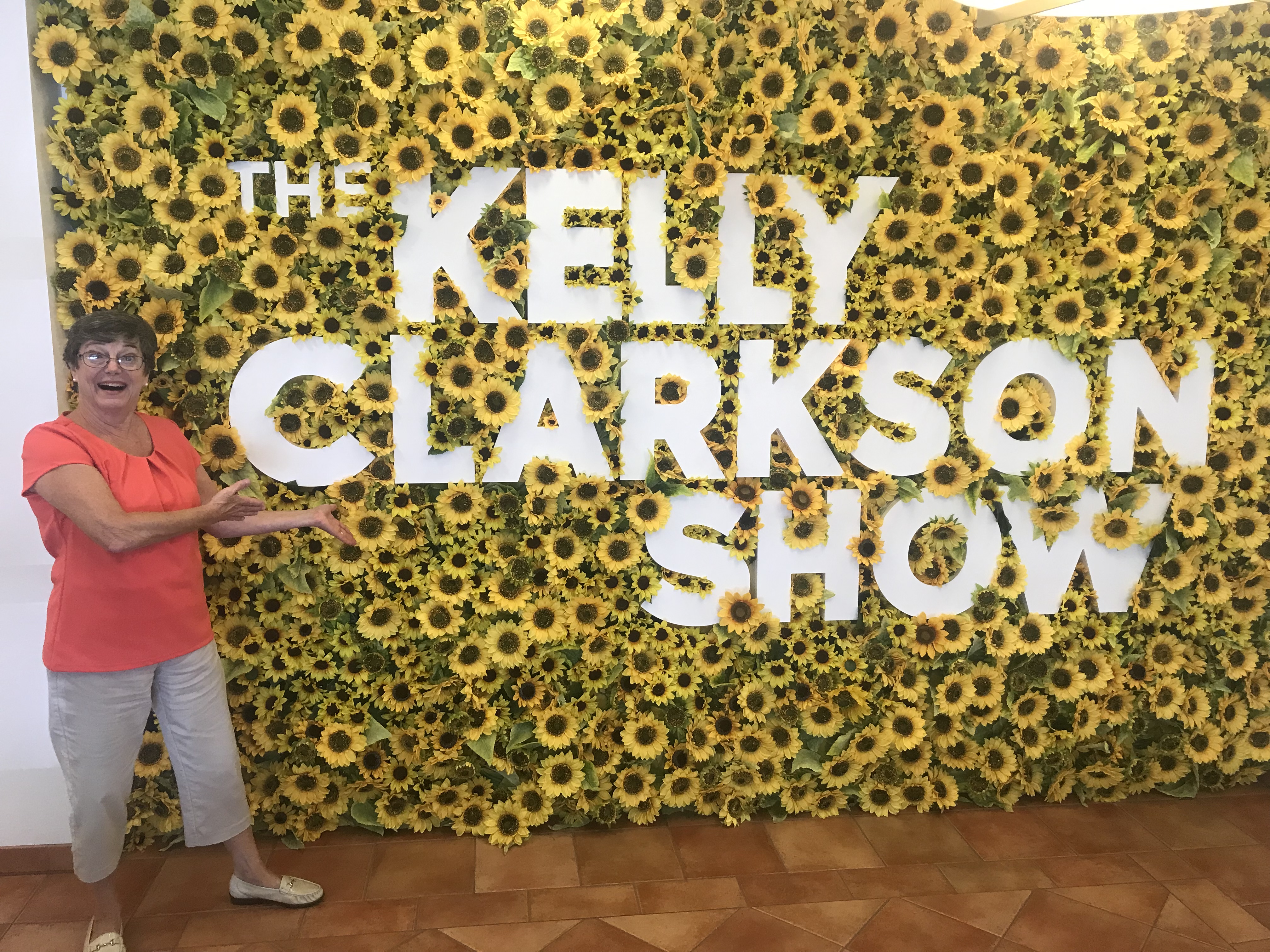
After I got back home, I knew I needed to send a thank you gift and handwritten note to Kelly. What did I send her? “The Wild Robot” to read aloud to her children, of course.
Jennie
P.S. I look forward to watching the show on Tuesday. I hope some of you have a chance to see it, too.
Over the past few days, many bloggers have been reading an older post, one of my favorites. Every day in the classroom is not always a good day. Humor to the rescue. I hope you enjoy reading this post as much as I enjoyed writing it.
Kate brought her mother’s beloved old book in to school this week. Miss Nelson is Missing is a classic. I love that book! My children loved it. Over the years I must have read it hundreds of times.

The story is about Miss Nelson, a kind teacher, and her unruly class. In exasperation she leaves school one day only to return the following day dressed in character as Viola Swamp. Hmmm…
Naomi, my assistant teacher, started to read the book to the children. I couldn’t wait to hear those words again. Now, it is important in this part of the story to tell you that Naomi is a saint. She has never-ending patience, kindness, and a deep understanding of children. She is the best teacher.
Wait! She sounds like Miss Nelson.
So, as Miss Nelson (aka Naomi) began to read, things went wrong. Really wrong. Perhaps remembering that the children have now outgrown “their nest” might have been a good idea. After all, when fledglings leave home to branch out into the world, things happen. Not always good things. Fighting and survival come to mind. And of course, when reading the story began, things happened.
Nobody could see. Yet, they were all in the front row.
Everyone complained of pushing and shoving. Gee, there was lots of space.
Children yelled at each other. Best friends. Hmmm…
Naomi – I mean Miss Nelson – was beside herself trying to read the story. It seemed hopeless. We needed Viola Swamp. We needed some humor.
Remember Viola Swamp? The teacher who took over for Miss Nelson? I called.
1-800-Viola Swamp.
I grabbed my cell phone mumbling loud enough for the children to hear that I needed to call Viola Swamp. The conversation went something like this:
“Hello. I’m calling for Viola Swamp. Is she there?”
You could have heard a pin drop. The children looked worried. I covered the phone with my hand and whispered, “She sounds grumpy.” Then I went back to the phone. I don’t know how complete silence can become even more silent, but it did.
“Is this Viola Swamp?”
Those fifteen gigantic saucer eyes were now ready for some humor. After all, laughter is the best medicine and can cure anything. We needed some curing, and Viola Swamp had been just the right fix.
I smiled. Big. Then Savannah asked, “Was that really her?” Parker said, “Of course not!” We all started to laugh. Even Naomi, the real Miss Nelson, belly laughed. Then, we sat down to read the book.
There are two more weeks of school to go, and children have grown. They’re ready to move on to their next journey. With humor and hugs, the next few weeks will be fun!
Viola Swamp told me so.
Jennie
Thank you, Annika Perry, for really seeing and capturing the world around us. It is wondrous. Every beautiful photo has a remarkable quotation that perfectly speaks to the photo. You will knowingly smile. Some might give you a lump in your throat. Some will flood you with memories. This is a beautiful post.
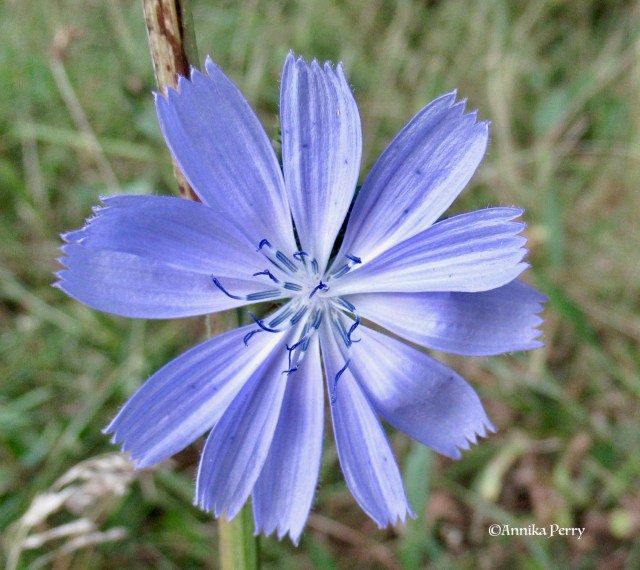
How often do we happen to look but fail to see? Fail to take the time or effort to truly assimilate and absorb the life around us? Perhaps something is simply too far away?
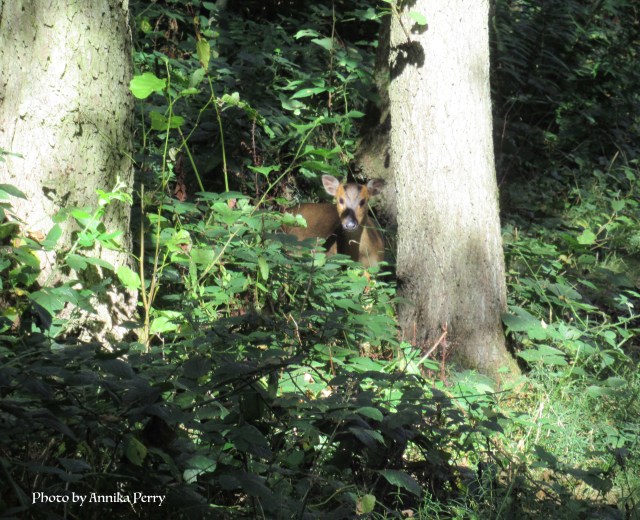
A camera is ideal to focus one’s attention and as an amateur photographer a recent birthday present of a new camera reignited my passion for the craft.
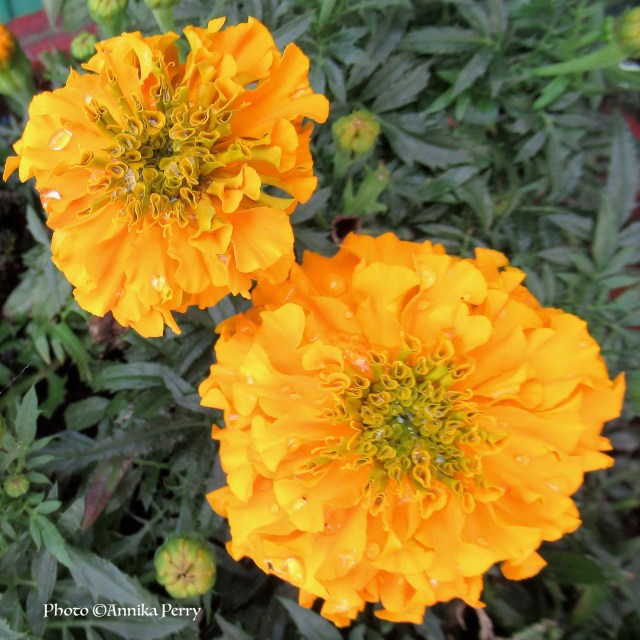
It rarely leaves my side; accompanies me on walks, to the garden, around the house. I’m overjoyed to share ten of my favourite photos taken the previous week and hope you enjoy them and some of the quotations they inspired me to seek out! Each one has taught me to look afresh at the world, showing me a new perspective on life.
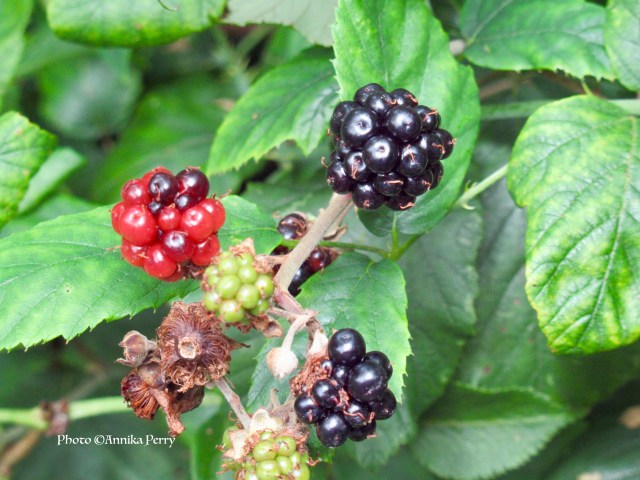
“So it is with blackberries. If you pull too hard, you may get the berry but you will lose the sweetness of it. On the other hand…
View original post 239 more words
Bottom line = times have changed, but children have not. What they need and want is the same as it has always been. Academics are one thing, but in order to get there, children have to be grounded in the most important things in life.
I have taught preschool for over thirty years, and I know children and what they need. It’s all the little things that mean the most, as they become the big things in life.
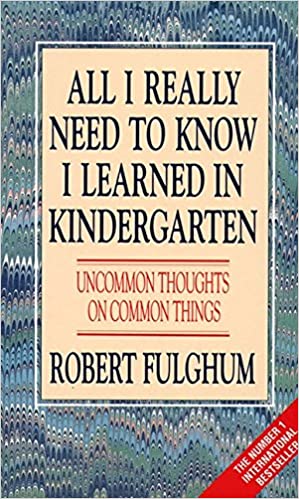
A few years after I got my feet wet teaching, I read Robert Fulghum’s book, All I Really Need To Know I Learned in Kindergarten. That had a profound influence on my career. His opening essay seemed to take all the stars in the sky and bring them to earth in a simple package; for me it validated what I was learning, and how I was teaching children.
I knew that the ‘little things’ mattered the most, because they were really the big things in life. I felt renewed, and I followed my common sense and also my heart in teaching. I paid close attention to children and I began to become a child myself. That made me human to children. In that way, I could truly teach. And I do.
Here is his essay:
Most of what I really need
To know about how to live
And what to do and how to be
I learned in kindergarten.
Wisdom was not at the top
Of the graduate school mountain,
But there in the sandpile at Sunday school.These are the things I learned:
Share everything.
Play fair.
Don’t hit people.
Put things back where you found them.
Clean up your own mess.
Don’t take things that aren’t yours.
Say you’re sorry when you hurt somebody.
Wash your hands before you eat.
Flush.
Warm cookies and cold milk are good for you.
Live a balanced life –
Learn some and think some
And draw and paint and sing and dance
And play and work everyday some.
Take a nap every afternoon.
When you go out into the world,
Watch out for traffic,
Hold hands and stick together.
Be aware of wonder.
I still have this essay, folded and slightly yellowed. I read it from time to time. It’s important. Today children live in a bigger world. COVID has had a huge impact on their schooling. There’s a much larger lens out there, and what they see is often tainted with lures that influence their thinking. Sadly, those lures influence their heart. If we, parents and teachers and adults, can stick with teaching children the important things, like Robert Fulghum did, that’s the best teaching we can do. Being loved and being valued = learning love and values.
Jennie
Thank you, Beth, for the National Toy Hall of Fame finalists. The collection of toys is a walk down memory lane, and covers all areas of toys and play. My vote is for sand.

National Toy Hall of Fame Reveals 12 Toy Finalists
Which toys will make it into the National Toy Hall of Fame this November? The Strong’s National Toy Hall of Fame in Rochester, New York, announced the 12 finalists for induction into the hall: American Girl Dolls, Battleship, billiards, Cabbage Patch Kids, Fisher-Price Corn Popper, Mahjong, Masters of the Universe, piñata, Risk, sand, The Settlers of Catan, and toy fire engine.
“These 12 toys represent the wide scope of playthings—from one of the most universal playthings in the world like sand to a game-changing board game like Risk to the popular adult game of billiards,” says Christopher Bensch, vice president for collections. “Whether old or new, for kids or adults, all 12 of these toy finalists greatly influenced the world of play.”
The Hall of Fame receives thousands of nominations annually, and this year, fans may vote for their favorite finalists…
View original post 410 more words

Every year I start chapter reading with my preschool class on ‘day one’. And, the first book I read is Charlotte’s Web. We have barely had three weeks of school and children are totally hooked. They adore Wilbur and laugh at the goose repeating words three times. They trust Charlotte. They have met Templeton the rat, and learned of Wilbur’s fate. When Charlotte’s demise looked imminent in the hands of Avery’s big stick, there were gasps.
I am reading to three and four-year-olds about the beauty of life and the fear of death, about morals (and lack thereof), and about friendships (and lack thereof). That sounds pretty sophisticated for preschoolers, but leave it to the beautifully crafted words of E.B. White.
Twilight settled over Zuckerman’s barn, and a feeling of peace. Fern knew it was almost suppertime but she couldn’t bear to leave. Swallows passed on silent wings, in and out of the doorways, bringing food to their young ones. From across the road a bird sang “Whippoorwill, whippoorwill!” Lurvy sat down under an apple tree and lit his pipe; the animals sniffed the familiar smell of strong tobacco. Wilbur heard the trill of a tree toad and the occasional slamming of the kitchen door. All these sounds made him feel comfortable and happy, for he loved life, and loved to be part of the world on a summer evening.
We often underestimate children. Their brains are absorbing the world around them like a giant sponge. Let’s give them the world through words, the best words written. I tell the children – with great fanfare and passion – “The words in the story go into your ears and then into your brain, and you make the pictures in your head.”
That’s just what happens, every day at chapter reading.
The beauty of Charlotte’s Web comes from learning about the world, and about every feeling that is important in order to grow into a good person. Goodness and knowledge, all on a farm.
I had a pleasant surprise; my hardcopy of Charlotte’s Web is of course at school. As I typed this post, I needed a copy of the book in order to type E.B. White’s words from page 62. Surely I had another copy of the book here at home. I did! As I opened the book, this is what I saw:
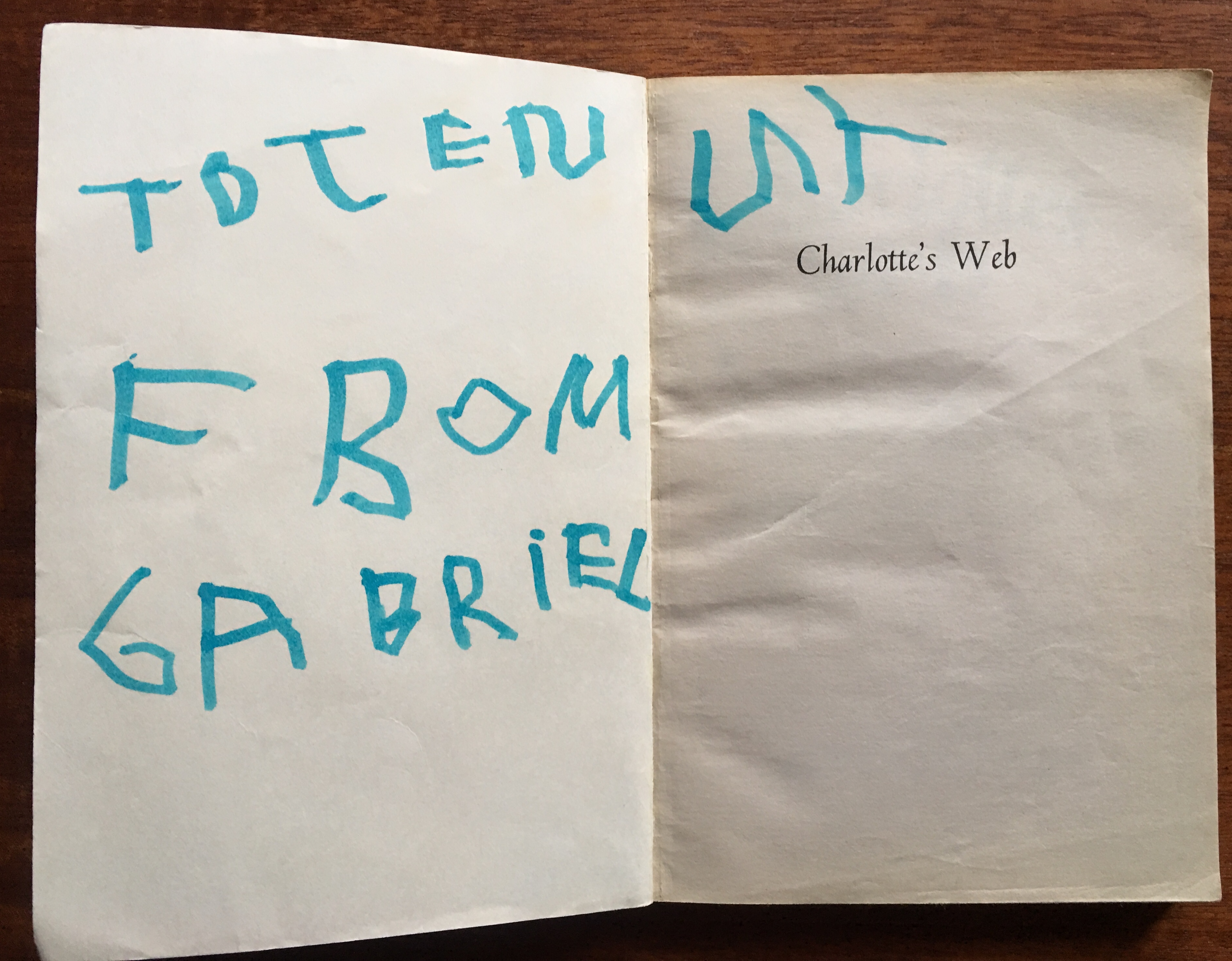
Thank you, Gabriel. You are now in high school, doing very well. Whenever you visit (once or twice a year), it means the world to me. And today I found the book you gave me. You loved Charlotte’s Web. That book went straight to your heart, and I know your heart wanted to give me something when you left my class and moved on to kindergarten. From my heart to yours, thank you!
Jennie
Honoring 9/11 at school is Kindness, Peace, and Love Day. It has been twenty years since that tragic day in September, and for children it is a day to remember the heroes. How do we help young children honor the brave people on 9/11? By remembering and celebrating how people were united in brotherhood and came together to help each other. We talk about heroes – firefighters, police officers, nurses, doctors, teachers…
Yes, heroes. They are the ones who face a tragedy and find goodness and strength. We can, too. Children can be heroes. There is a hero in us all.
We hold the American flag. I talk to children filled with big eyes and wearing red, white, and blue. I show them how to stand and put their hand on their heart. We sing “God Bless America.” Then I ask, “Who is a hero?” The shout-outs are terrific:
Firefighters! Police officers! Teachers! Moms!
“You can be a hero, too. Yes, you can. You can help a friend. You can spread kindness. And when you see a firefighter or a police officer, please say ‘thank you’. So who’s going to celebrate Kindness, Peace and Love Day?” Every hand went up.
We then sing one of our favorite songs about America, “Red, White and Blue” by Debbie Clement. While the song is a book, based on quilting America, it is the children’s favorite.
We listen to Lee Greenwood and The Singing Sergeants singing “God Bless the USA.” If you haven’t heard this rendition of the song, you’re in for a treat. Grab a tissue.
We will never forget 9/11, and we will always celebrate Kindness, Peace, and Love Day.
Jennie