Don Ostertag is a storyteller, one of the best. Well, that’s actually an understatement. He doesn’t post often, but when he does…hang onto your hat. I have read many stories of Pearl Harbor. Don’s story is perhaps the best. Read on, and never forget.
Even the open sea had adopted the Sunday morning calm of the towns that outlined the clover-leaf shaped harbor. The glow from the lights of Saturday night had dimmed several hours before. Now the only lights were those needed by the people who were going to church and those who were working the Sunday shifts.
On board the USS Ward an easiness had replaced the uncertainty of the night, the first night of the Ward’s task, patrolling the mouth of the harbor…the first night under the new captain..the first night the young crew felt they were part of the actual Navy.
When he felt comfortable with how it went that day, Lt. William Outerbridge had decided it was time for him to go to bed. He was tired. The hectic last couple of days had had drained him. Arriving on board of the…
Kindness Matters
Social and emotional development are critical to young children. Frankly, it’s the most important part of their early education. Here is #4, a book that deals with (un)kindness and giving – through animals. Did you ever wonder why children’s books that feature animals are the most popular? I call it the ‘indirect method’ because children can identify with animals.
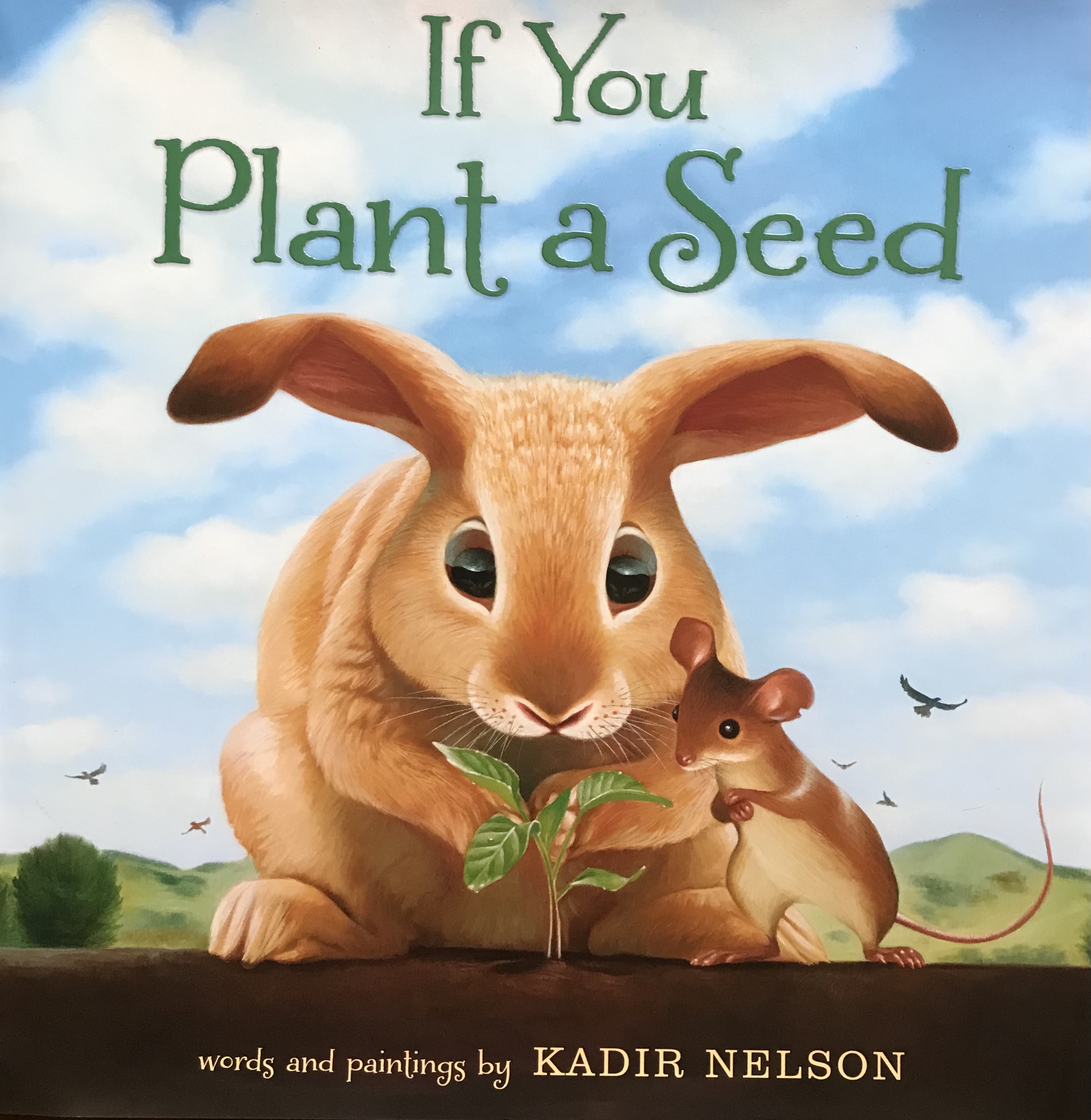
If You Plant a Seed
by Kadir Nelson
If you plant a seed, in time, with love and care, it will grow. Rabbit and Mouse plant seeds.
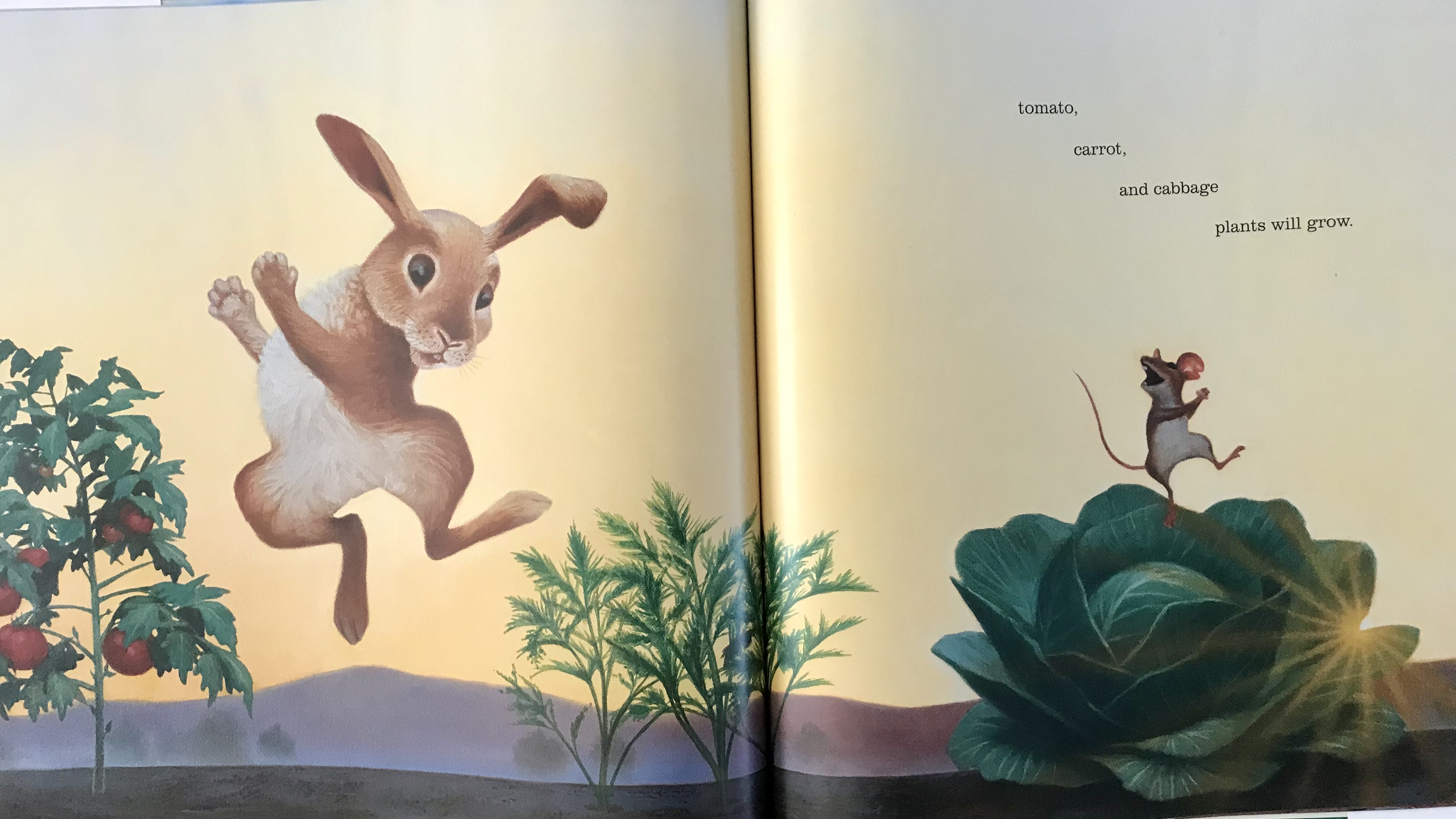
tomato, carrot, and cabbage plants grow.
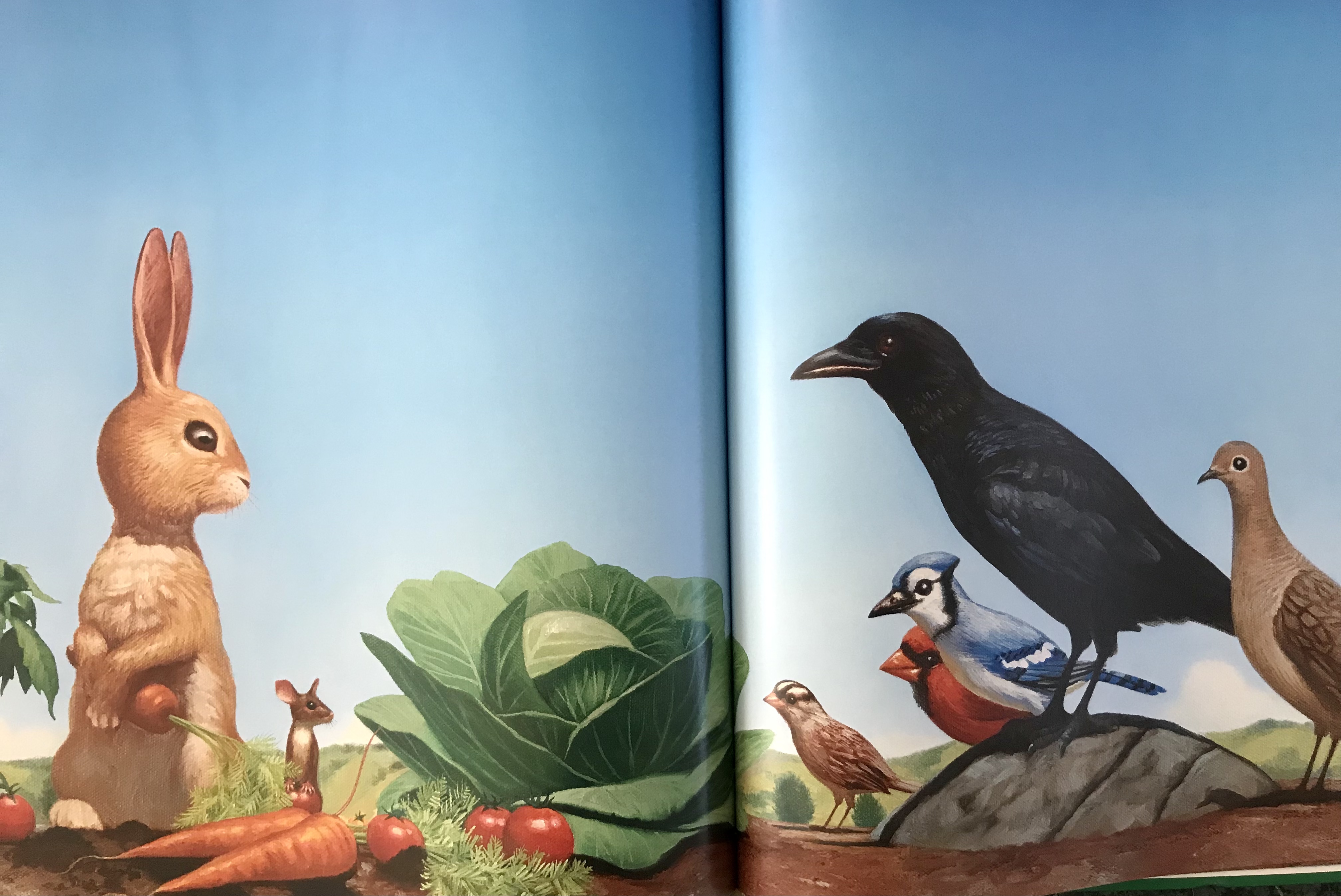
The illustrations are glorious. The reader knows something is going to happen. And it does. Other animals come along. They watch the harvest. And they watch more.
Is there any doubt what the other animals -the birds- are thinking? This large and powerful illustration is cause for pause. I always stop and say, “Oh, my.” Silence. I let children soak up the image, and we talk, for a long time. Wordless images are powerful.
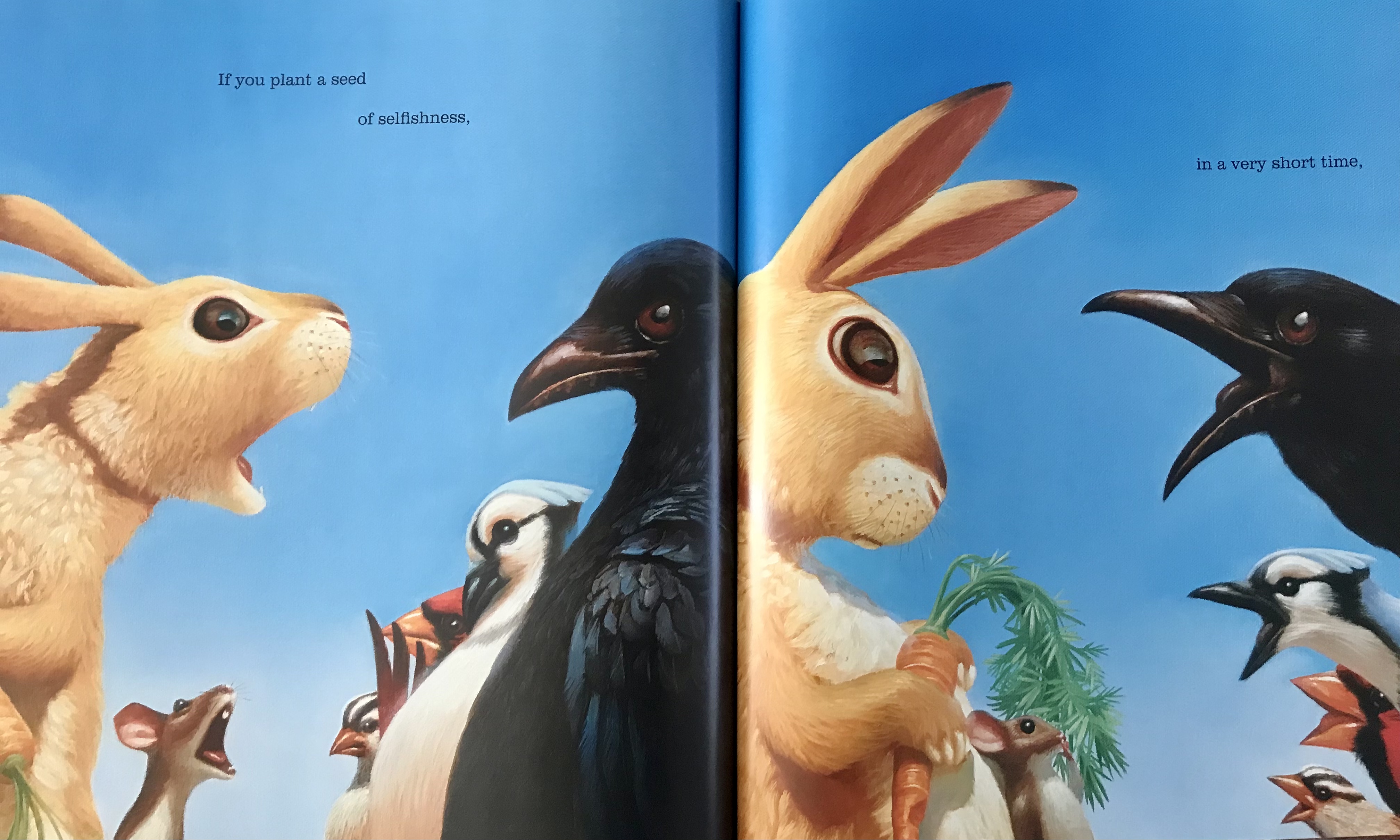
Hmmm… it appears a stand-off is about to begin. The wordless page sets the stage for what is going to happen. And it happens. At this point, children understand Rabbit and Mouse worked hard to plant seeds and grow the harvest. Illustrations of wind and rain, night and day, and hard work have children subtly cheering Rabbit and Mouse. But, now it is complicated. Should they share their food, their hard work? I ask children, “What would you do?”
If you plant a seed of selfishness, in a very short time…
The children immediately know it will grow into a heap of trouble. Oh, the trouble! Fighting and arguing, and ruining the food, the hard work, and the harvest. What do they decide to do? They work together. If Rabbit and Mouse share their food with the birds, then the birds can give back. Planting seeds of food is much like planting seeds of kindness.
But, if you plant a seed of kindness, in almost no time at all, the fruits of kindness will grow and grow and grow.
This is my ‘go to’ book on kindness and giving. Children relate to this book. They’re troubled at the crossroads. They are ‘there’ from cheering Rabbit and Mouse, to the birds, to deciding what to do. And if you’re wondering what the birds actually gave, they dropped the seeds for new crops. Oh, that illustration is when I talk about ‘the circle of life’. Gee, this book has everything.
Jennie
Stay tuned for #5, Red Sled and Trees, my two terrific finds at the Eric Carle Museum.
We all hear that play is important for children. I know it’s important. It’s their work; how they learn to make friends, negotiate, solve problems with objects, and solve problems with other children. Play is having fun, and it’s also very hard work. Learning how to pump a swing and ride a bike is a mountain of a challenge. So is learning how to ask for a turn, and to stick up for yourself.
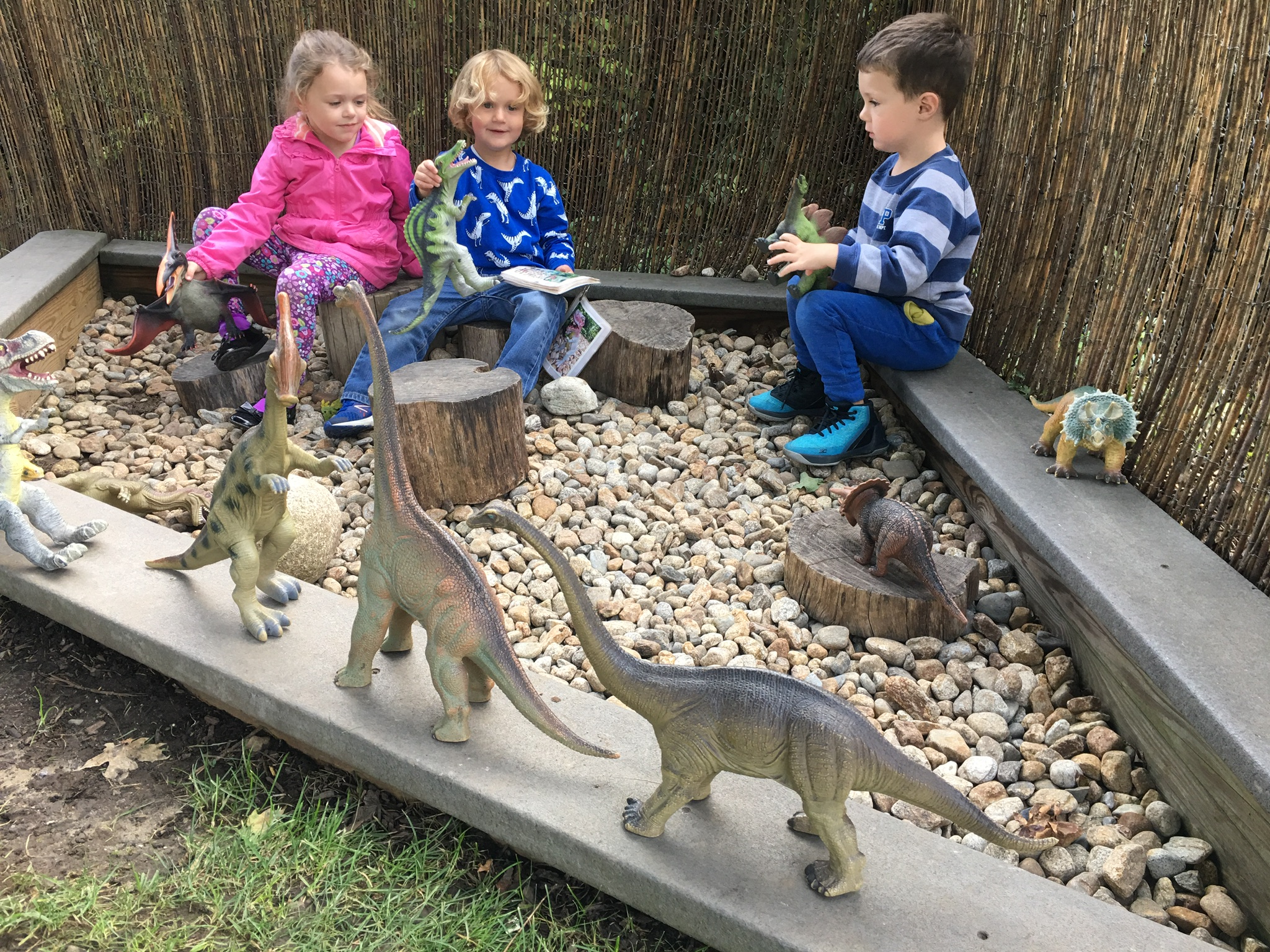
I stood back and watched children playing in our Dinosaur Den at school. The conversation was lively, and they wanted to make the dinosaurs talk with each other.
And they did!
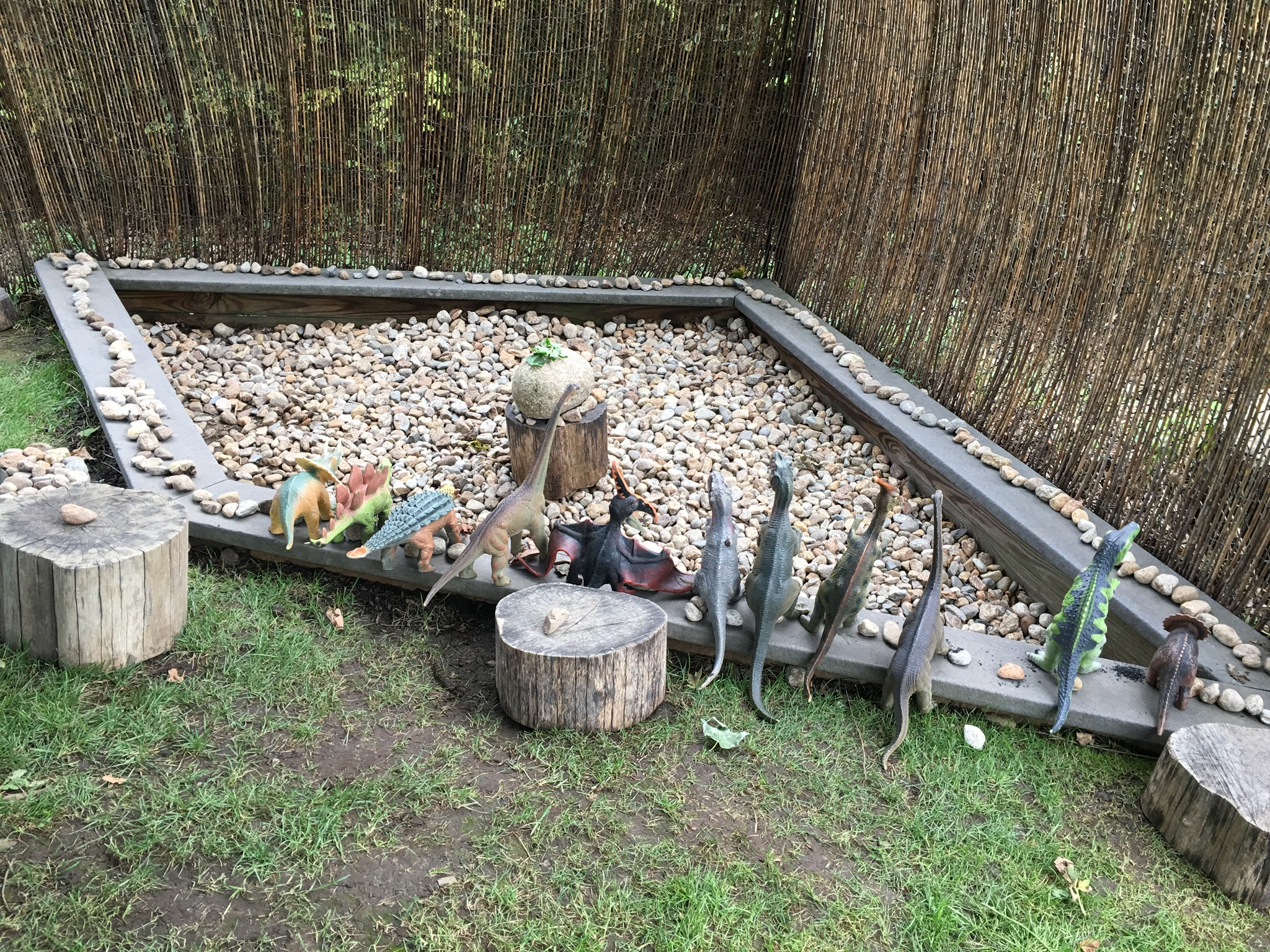
Then a child asked me to take a picture of all the dinosaurs. They had worked so carefully to get the dinosaurs all set up, before a dinosaur dinner. Do you see the dinner, the multitude of rocks. carefully lined up? I couldn’t get all the dinosaurs in one photo, so I had to make a video. This was very important to the children.
And then it was time for the dinosaurs to have dinner.
Do you know how long it took children to line up all those rocks? Can you see how carefully children are feeding and taking care of the dinosaurs? Do you see how they are working together? They’re developing life skills.
Recently there was another great day of play. Children were delighting in the fallen leaves on the playground. Some children were running and chasing with leaves, others were intent on building and counting. Two children made up a game of trading and sorting leaves. Then, the play became a group experience. Children gathered together to play Ring Around the Rosie. No teacher guided them. No teacher intervened. We watched the play.
What happened here? Joy, team building, new friendships that just emerged, sharing, muscle development… and so much more.
Play = Life Skills.
Children who play can better attend at school.
Children who play have greater academic success.
Children who play make friends.
Children who play develop kindness, heart.
Children who play are problem solvers.
(This is just the tip of the iceberg, key parts of a long list.)
Therefore, children who play grow into adults who have the skills to become good citizens as well as good people. Isn’t that what’s most important?
But, there’s more!
Active outdoor play is also a brain stimulant, and helps children to process information. A classic example just happened. When we came back inside for Morning Meeting, the Helper of the Day (who had been very active on the playground equipment) was able to recognize and recite calendar numbers, including doing a tricky number challenge, with far more skill.
So, what is new outside that is adding to this?
We have just added two Whizzy Dizzies to the playground, and children are spinning and whizzing— and getting very dizzy. This play is incredibly important to both the body and the brain. In technical terms, spinning enhances vestibular stimulation so the brain can learn and process information. It helps children sense where their body is in space, and it gives them better coordination. The video below shows how much fun the children are having.
There are other important movements as well. Jumping, bending down to touch the ground, and turning around are excellent for motor AND brain development. I even made up a movement song that incorporates these movements. It’s not a surprise that it’s our most popular classroom song.
Here is something interesting: Finland ranks #1 in reading (e.g. education) in the world. Sadly, America ranks #26. At school in Finland, children have 10 minutes of lively activity within every hour at school. At home when children are using an iPad to play games and learn, active outdoor play beforehand makes a difference.
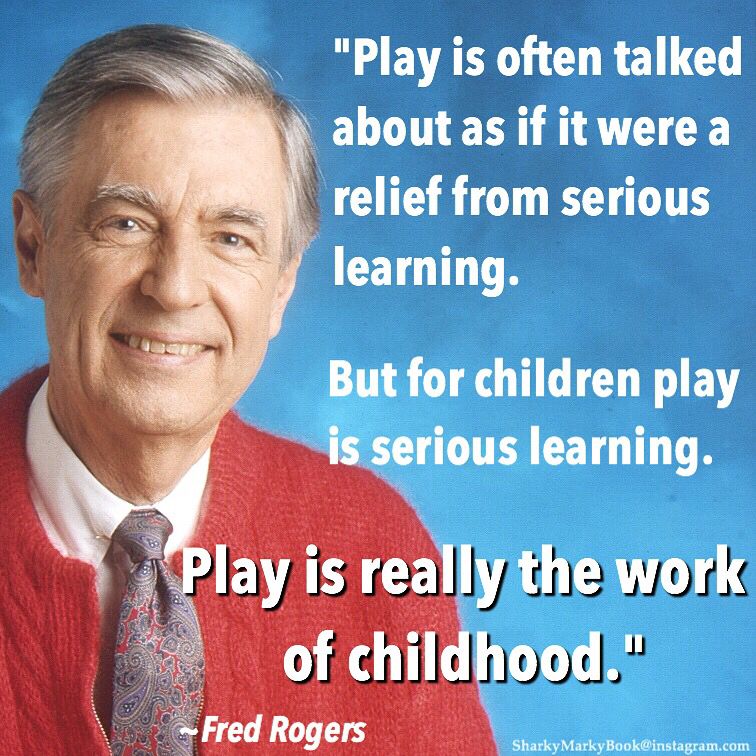
Mister Rogers said it best of all: “Play is often talked about as if it were a relief from serious learning. But for children, play is serious learning. Play is really the work of childhood.”
Books #1 and #2 dealt with the all-important social and emotional issues – friendship, fear, worry, kindness, courage, giving…and more.
Here is #3, a story on the same important path, but at a much more complex level. Oh, this one is really good!
This is a story of love, courage, and finding oneself. It is a story of overcoming obstacles and of trust. It is a story of words – oh, the power of letters and writing and of words. It is a story of finding your purpose in life. Finding your way home.
The story is set in medieval times, with kings, soldiers, and of course monks. Beatryce awakens in the barn of a monastery, with a goat. A monk, Brother Edik, shelters her. After all, she’s only a child. Beatrice has no memory, except for her name. The goat, Answelica, becomes her fierce protector. And so the story begins.
There is a prophecy in the land, written down by the brothers of the Order of the Chronicles of Sorrowing:
There will one day come a girl child who will unseat a king
and bring about a great change.
Could this child be the one written in the prophecy?
Beatryce can read and write, surprisingly, as it is against the law for women and girls to read and write. She writes for Brother Edik:
We shall all, in the end, be led to where we belong.
We shall all, in the end, find our way home.
Beatryce did not know from where those words came.
As the story -the quest – unravels, she meets Jack Dory and Cannoc who become intertwined with helping Beatryce. Along the way, they must face their own demons, each in a different way. Will Beatryce find who she really is? It takes strength, courage and trust to move forward.
Author Kate DiCamillo is a terrific storyteller. Her characters are really ‘us’. The stage she sets makes the story all the more exciting. While it is in medieval times, the theme is just as timely (and important) today. The book is a new release, I was the first to borrow the library’s copy. I loved this book! It is for ages 9 and above (to 99) and 247 of the best pages I have read in a long time.
You never know when you’ll meet a hero. On our Thanksgiving trip to see family, we stopped at an Applebee’s for dinner. The server was delightful. Her name is Heaven (really), and she certainly lives up to that name. But, the real story is about to unfold.
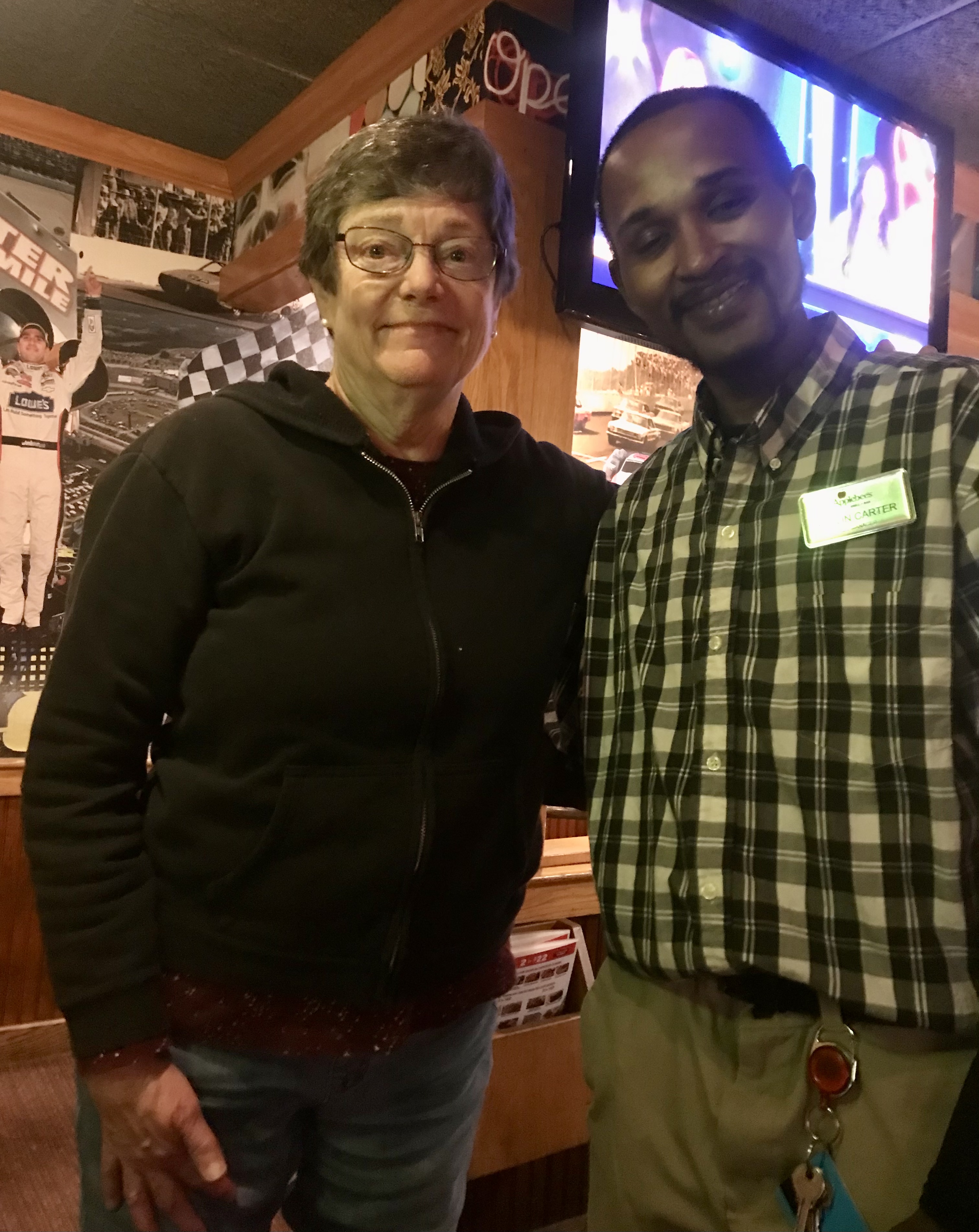
This is Kelvin Carter, the manager at Applebee’s. He stopped by with a gentle smile and kind voice to ask “How is everything?” We talked about the dinner, and Heaven. We told him about our last visit a few years ago, and a server who makes a difference. Tanya, the Real Deal For Kindness
There are people who just have a way of making you feel good and open the door to conversation.
Kelvin is that person.
It started with his firm handshake. His eye contact was locked on. His smile was genuine. Hubby told him about the Kelly Clarkson Show and Read Aloud West Virginia. I was surprised Kelvin cared and wanted to hear more. I told him I was a preschool teacher, and how important children’s books are.
“Kelvin, are you married? Do you have children?”
“No. Not yet. You see… (long pause, standing tall, squaring shoulders) I have a contract with myself.”
My eyes must have been saucers. Who says that? Who has a contract with themselves?
Then Kelvin pounded his chest with his fist. Twice. He changed. He was serious.
“I’ve only been here four years. I have a work ethic. I need to work hard before I can get married and have children. My dad had a bar in West Philly. I worked there when I was young. I learned a lot. I need to prove myself.”
And so, I salute Kelvin. He is the poster guy for perseverance. He is my hero. He inspires me.
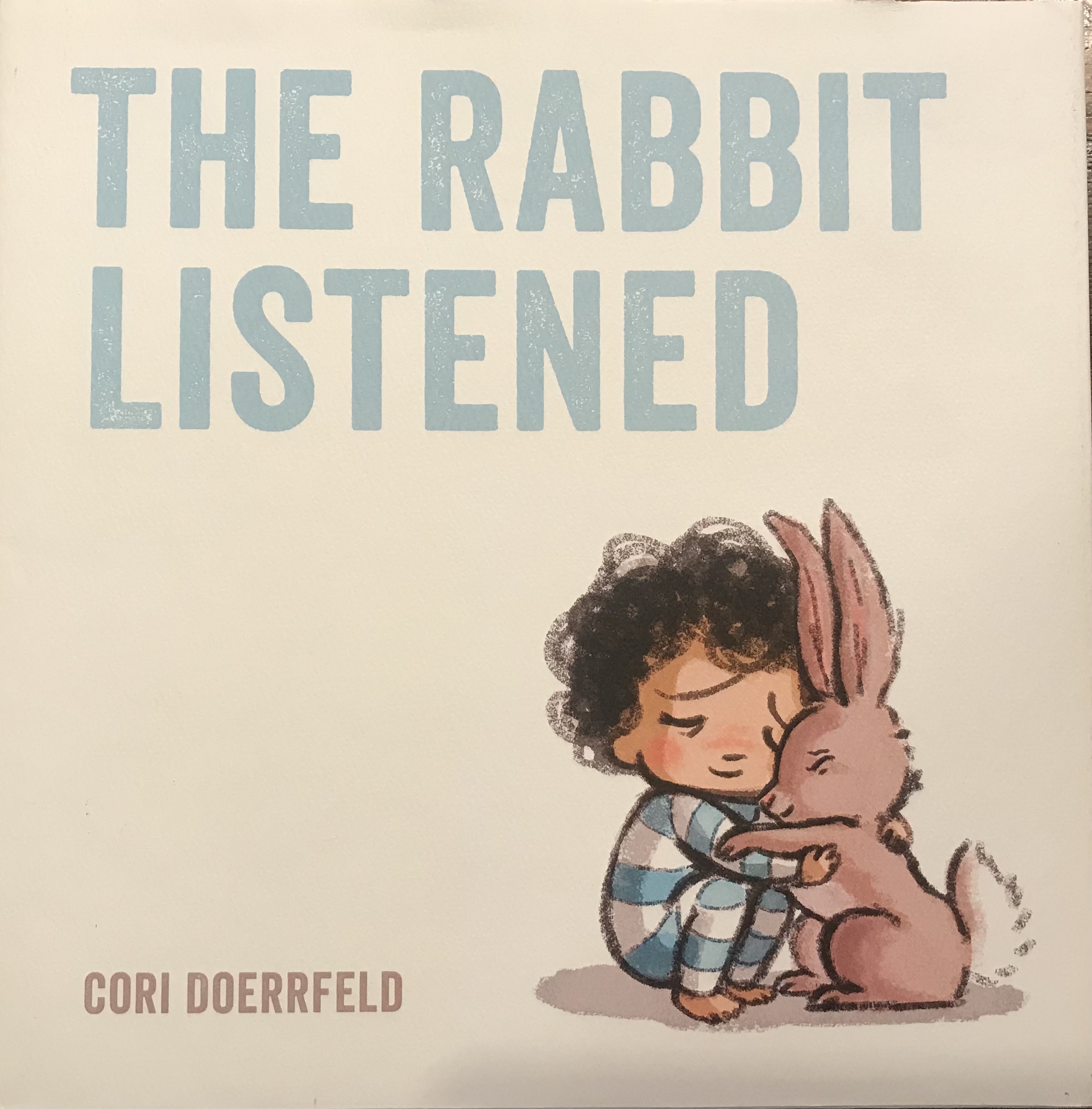
I don’t often buy a book, but when one is hands-down terrific, I must have it. In #1 I reviewed “The Rabbit Listened” by Cori Doerrfeld.
Here is #2, a story of friendship, and what happens when there is a catastrophe. Can friendship survive? Children are in need of stories that help strengthen and develop their social and emotional skills. How can they grow into adulthood without knowing how to make (and keep) friends? When a story is also outstanding, its a win-win.
Stick and Stone by Beth Ferry
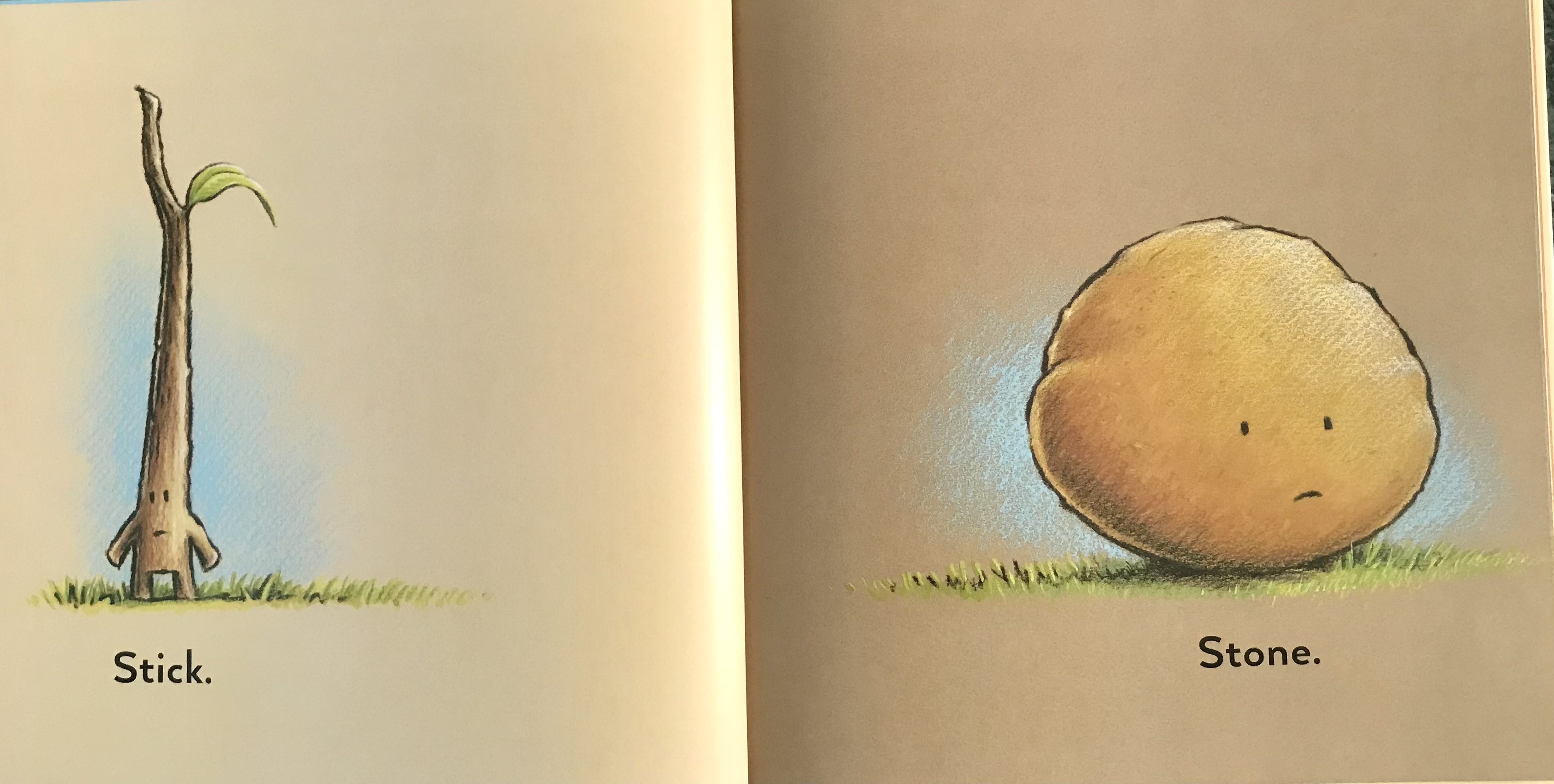
Stick and stone are not alike. Not at all. They are unlikely friends, yet over time they become ‘best buds’.
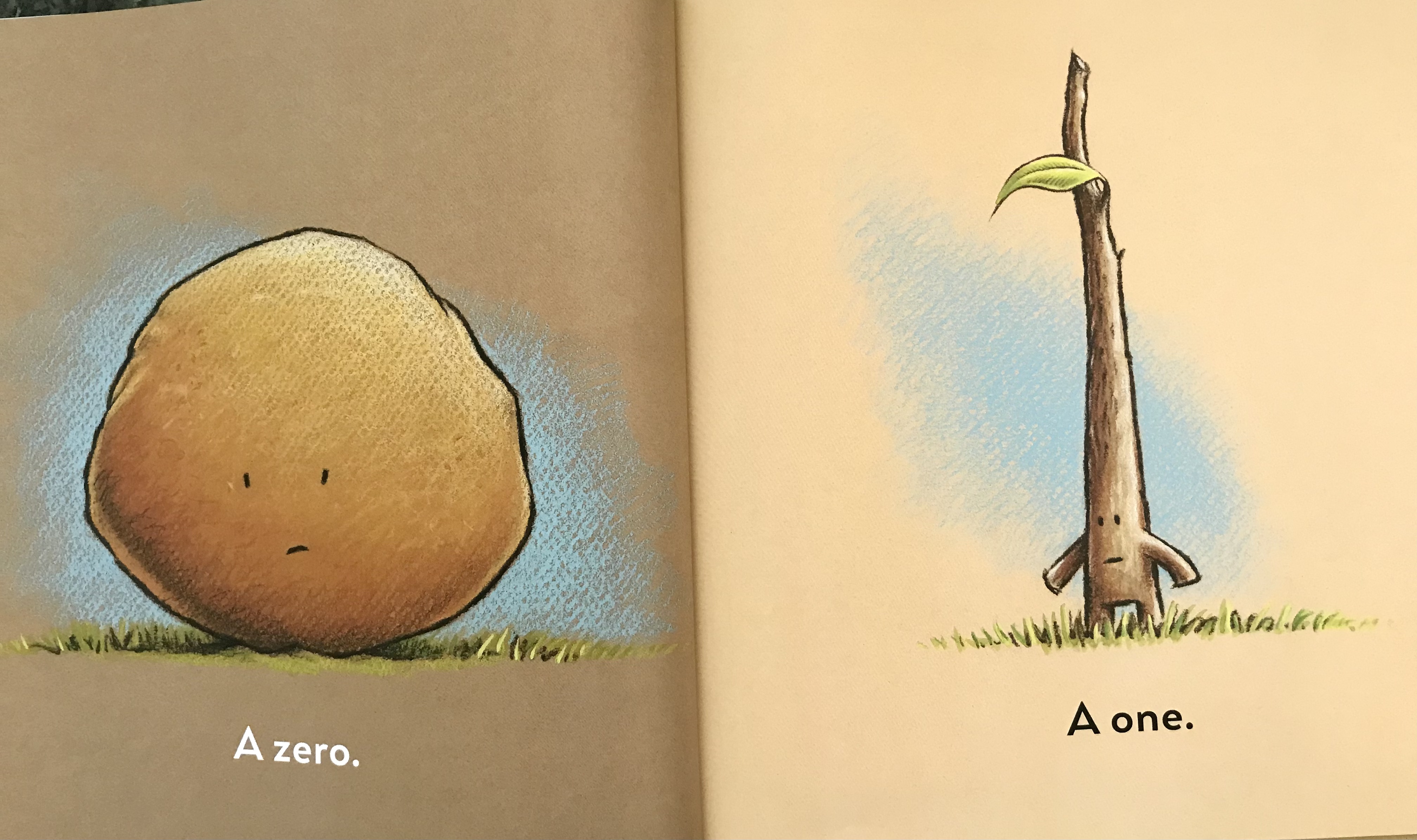
Stick. Stone. Lonely. Alone. A zero. A one.
Children immediately relate to this simple test. Why? Because it is the root of what children instinctively want. Making a friend is #1 on the scale of social and emotional development. Yes, this is big.
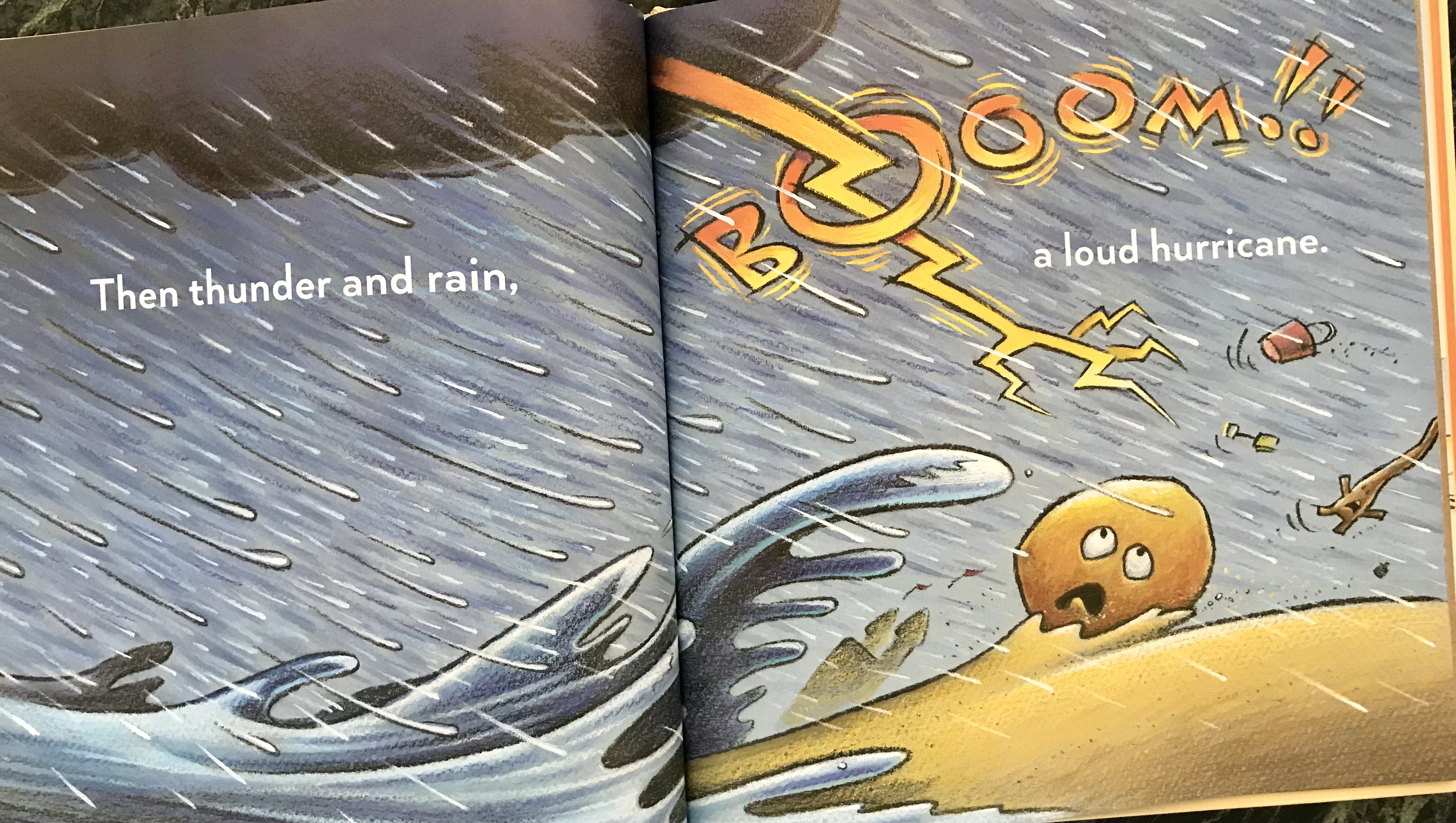
Then thunder and rain, a loud hurricane.
Trouble comes along. It’s a thunderstorm, and Stick and Stone are separated.
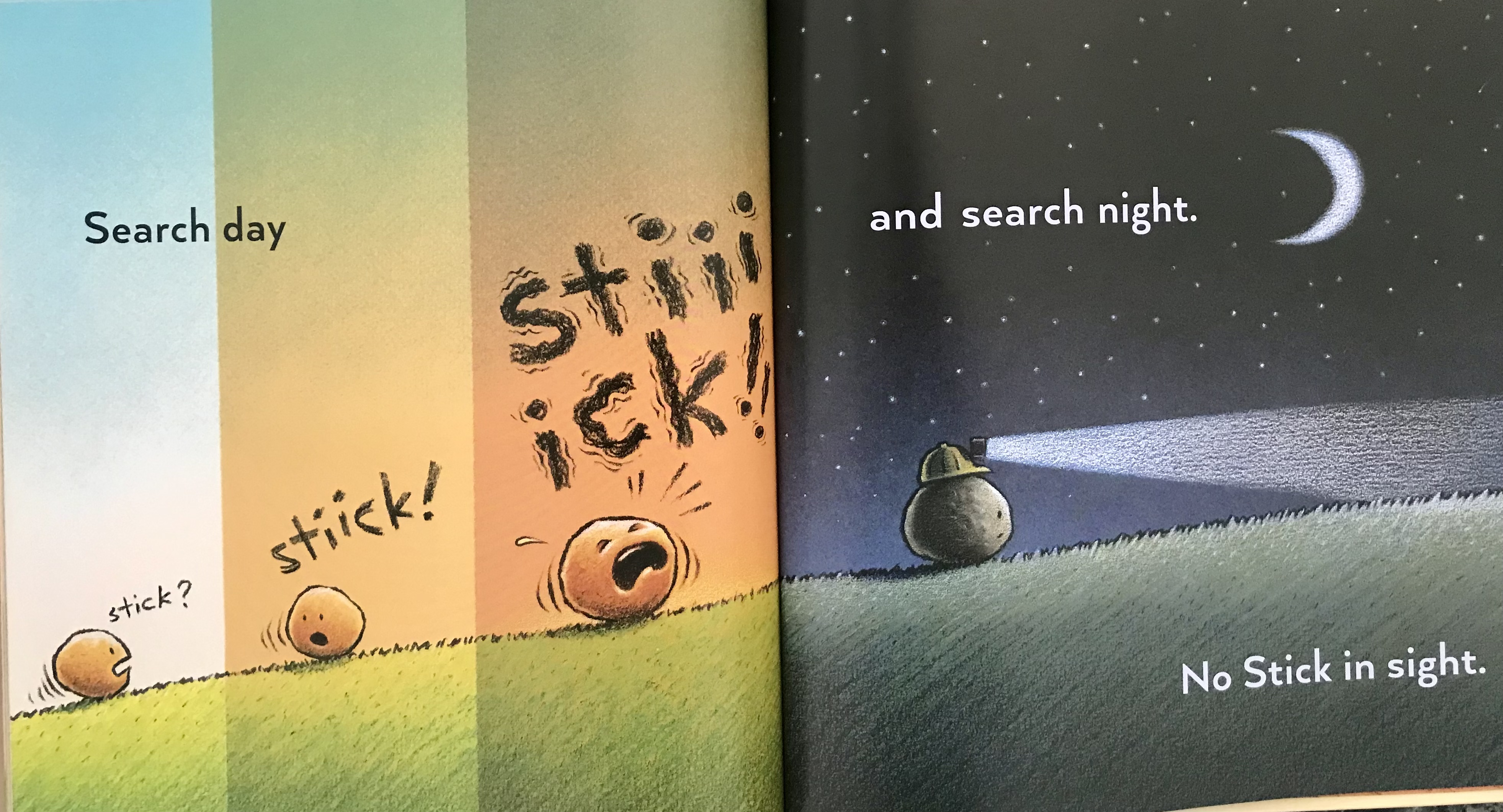
Search day and search night. No Stick in sight.
Stone is desperately trying to find Stick. There is a dramatic rescue. The rhyming text adds to the story, and to the emotions children feel. It is a classic for young children. It is a lesson, and a story they beg to hear over and over again. This is but a glimmer of the entire book. It’s a favorite in my classroom.
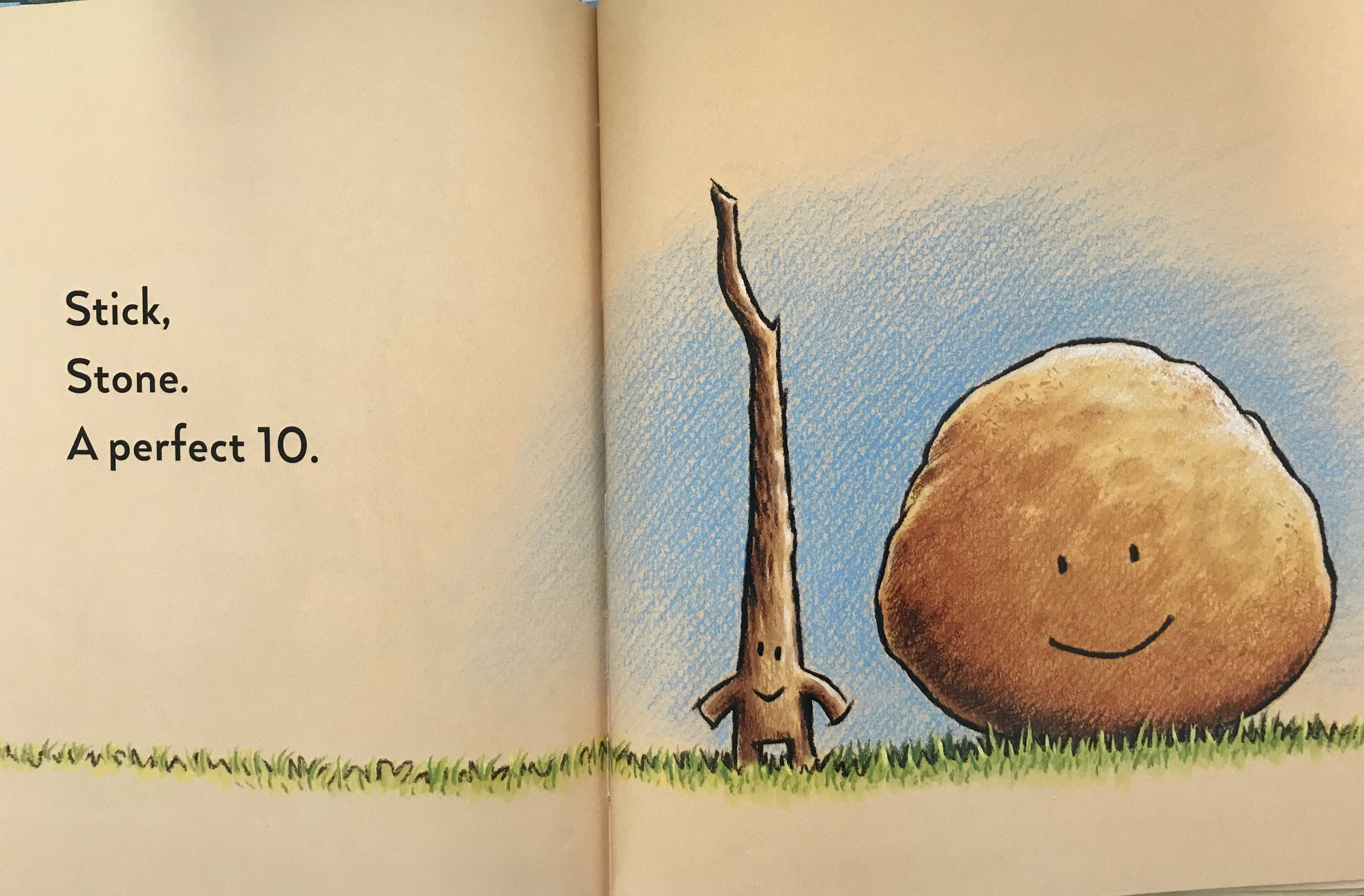
Stick and Stone. A perfect 10.
Jennie
Stay tuned for #3, The Beatryce Prophecy, a book for older children. It’s fresh off the press from author Kate DiCamillo.
“Books are the perfect entertainment: no commercials, no batteries, hours of enjoyment for each dollar spent. What I wonder is why everybody doesn’t carry a book around for those inevitable dead spots in life.”
Looking ahead to Christmas and gift giving, books are always a timeless and welcome gift. I have found a few excellent books which I want to share with you. I had to buy them, as they’re that good. Children in my classroom heartily agree!
In today’s world children need to develop social and emotional skills now more than ever. They have been isolated with Covid for a long time, and while they’re (mostly) back in school, it’s just not the same thing. Masks and required social distancing has taken its toll on what is most important for children. So, when a book is a great story and also a piece of what they need, it’s win-win.
The Rabbit Listened
by Cori Doerrfeld
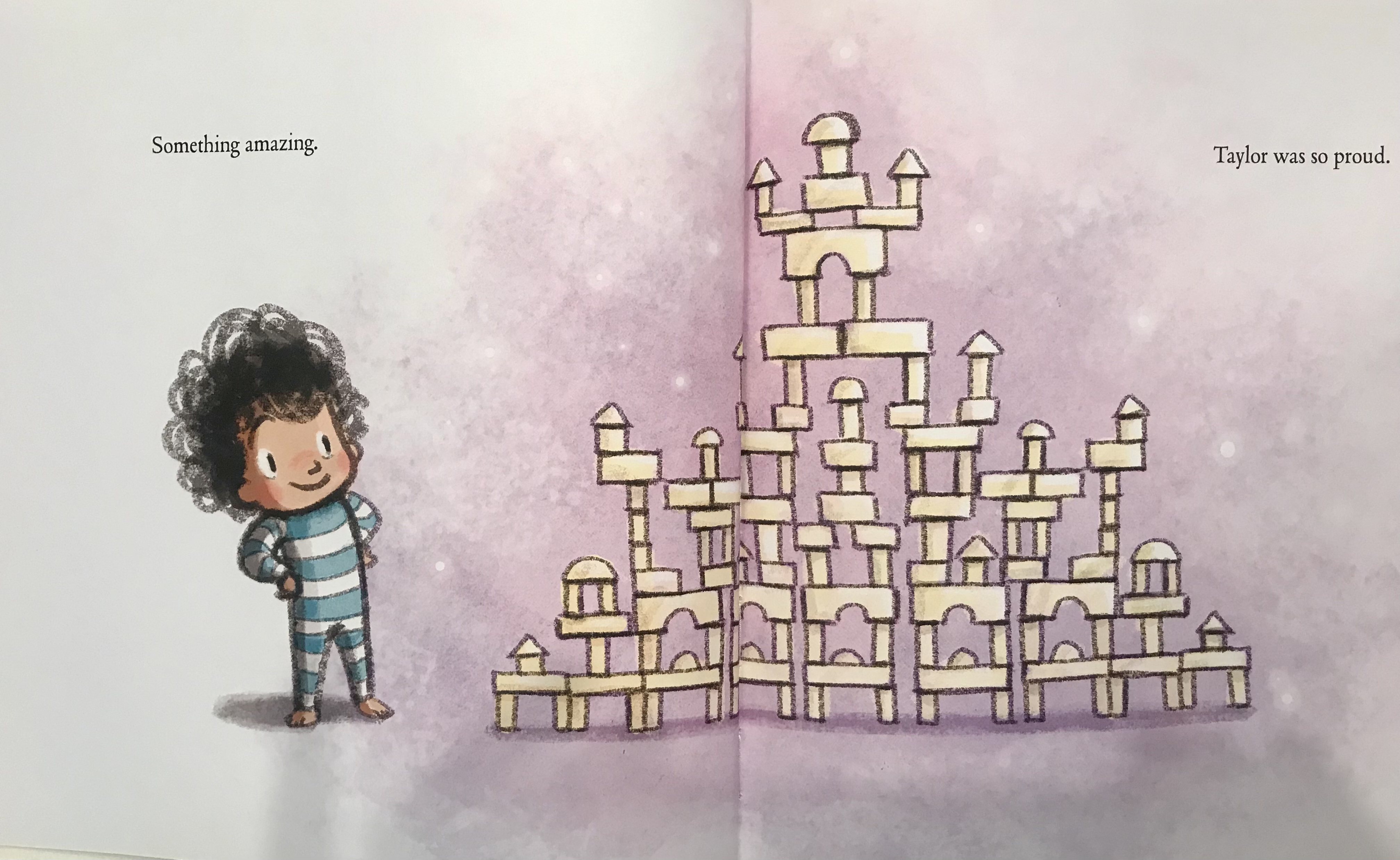
Taylor builds a magnificent block structure. Clearly, all of his energy and creative ideas have gone into this building.
Something amazing. Taylor was proud.
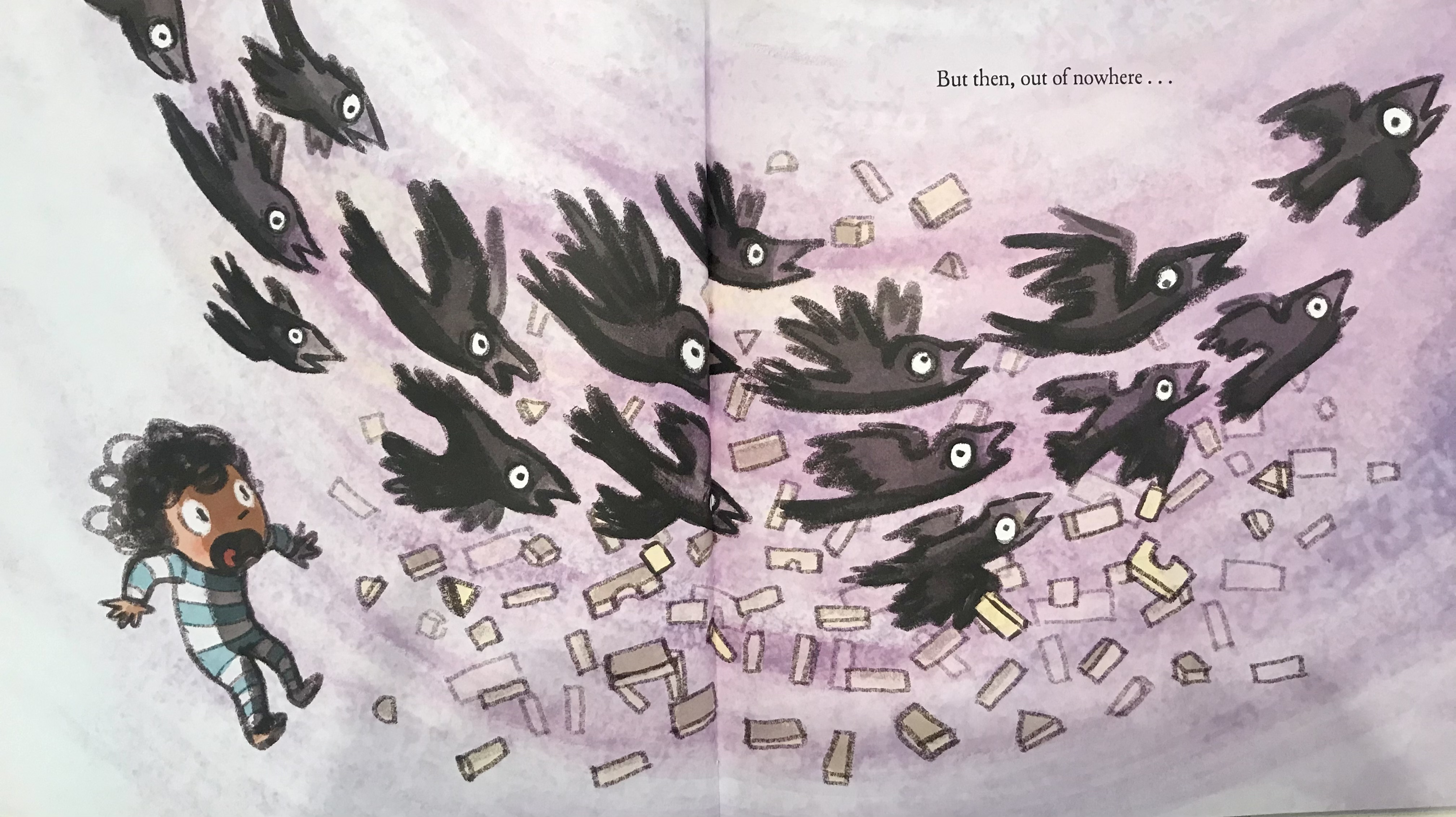
And then… a terrible thing happens. What can Taylor do?
But then, out of nowhere…
The animals think they can help. One by one, each animal stops by to offer Taylor advice. Chicken, bear, hyena, kangaroo, elephant, and more all have very different ideas as to what Taylor should do. Chicken wanted to talk, talk, talk. Taylor didn’t feel like talking.
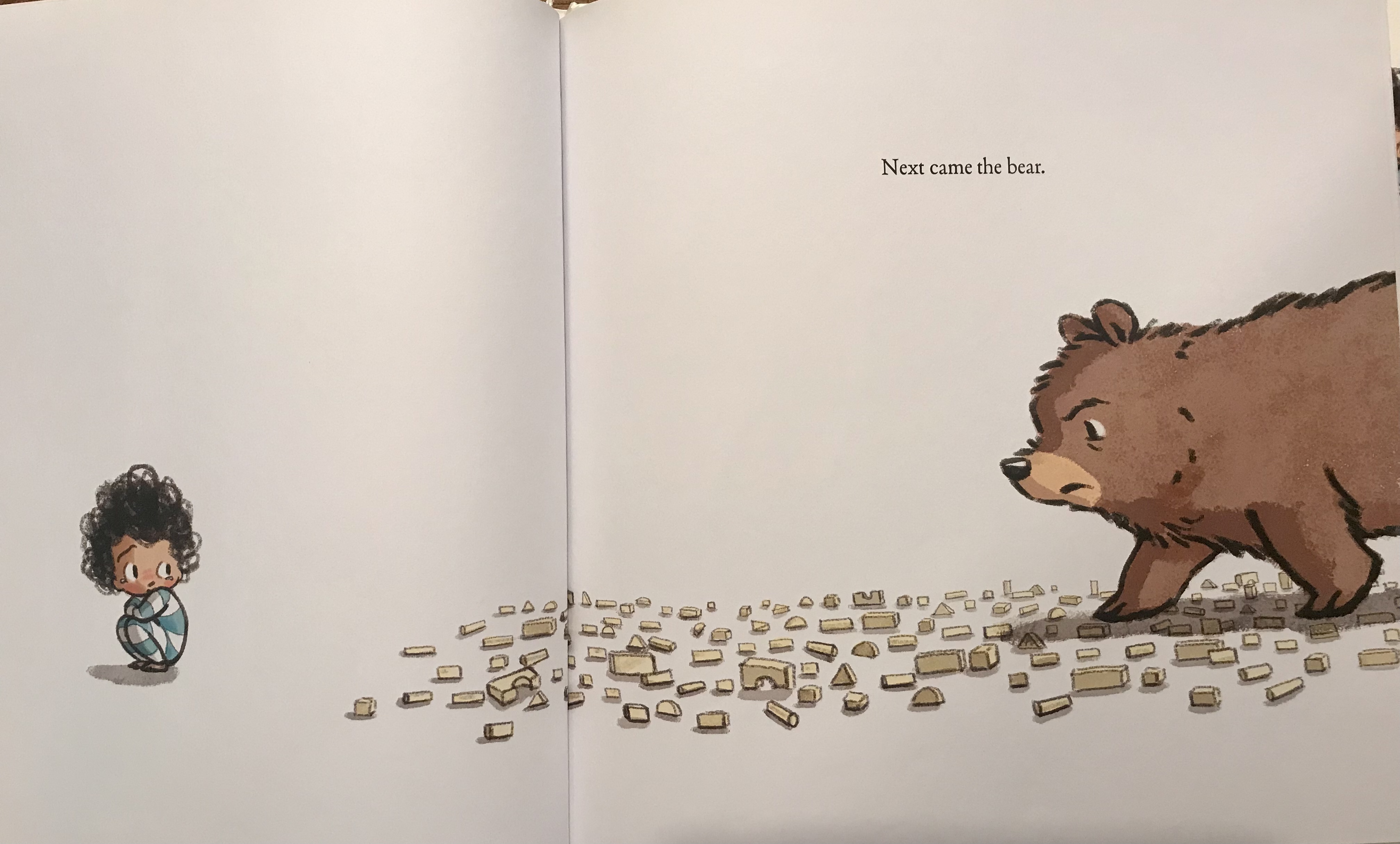
Next came bear.
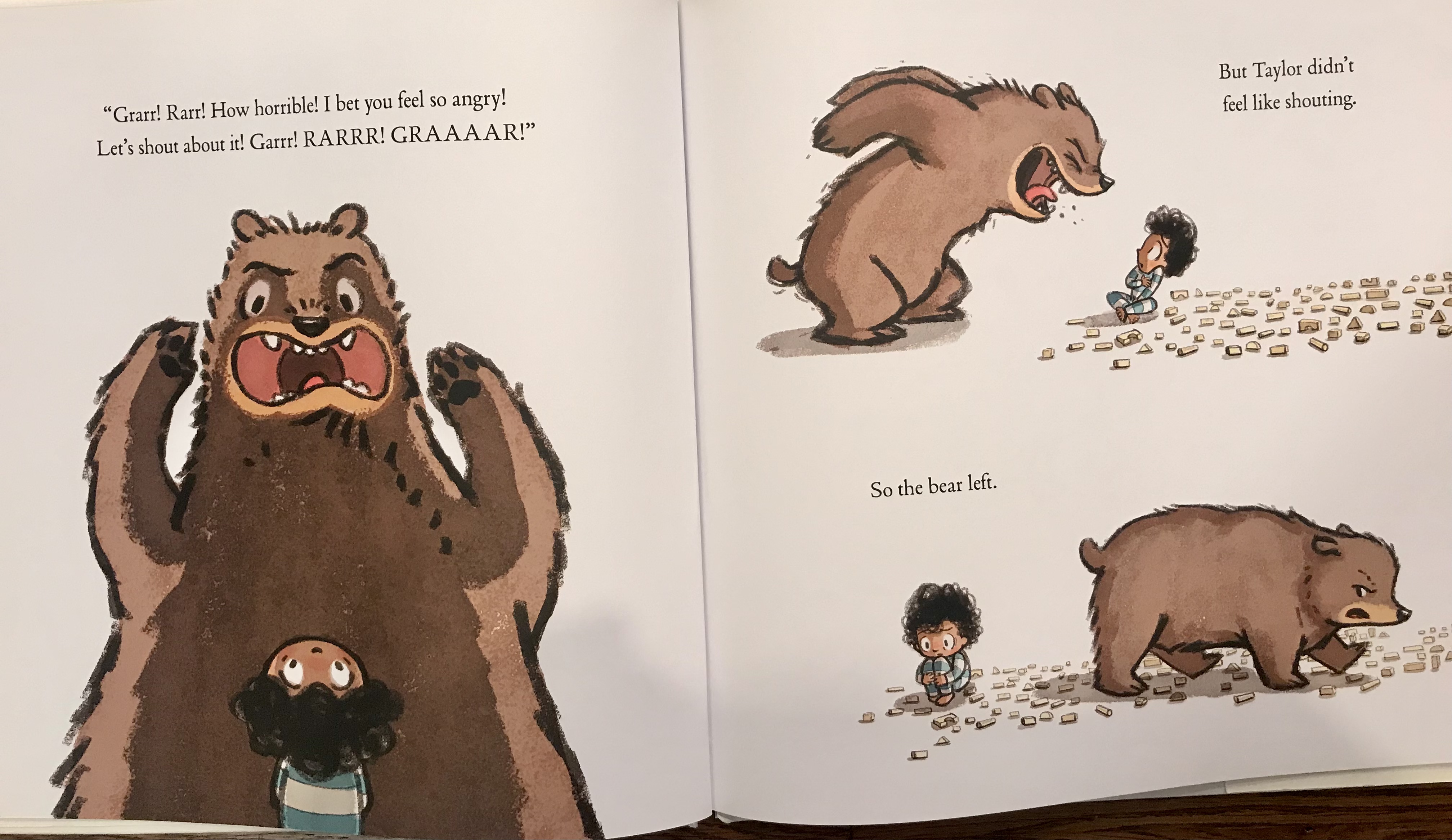
“Grarr! Rarrr! How horrible! I bet you feel so angry!
Let’s shout about it! Garr! RARRR! GRAAAAR!”
But Taylor didn’t feel like shouting.
So the bear left.
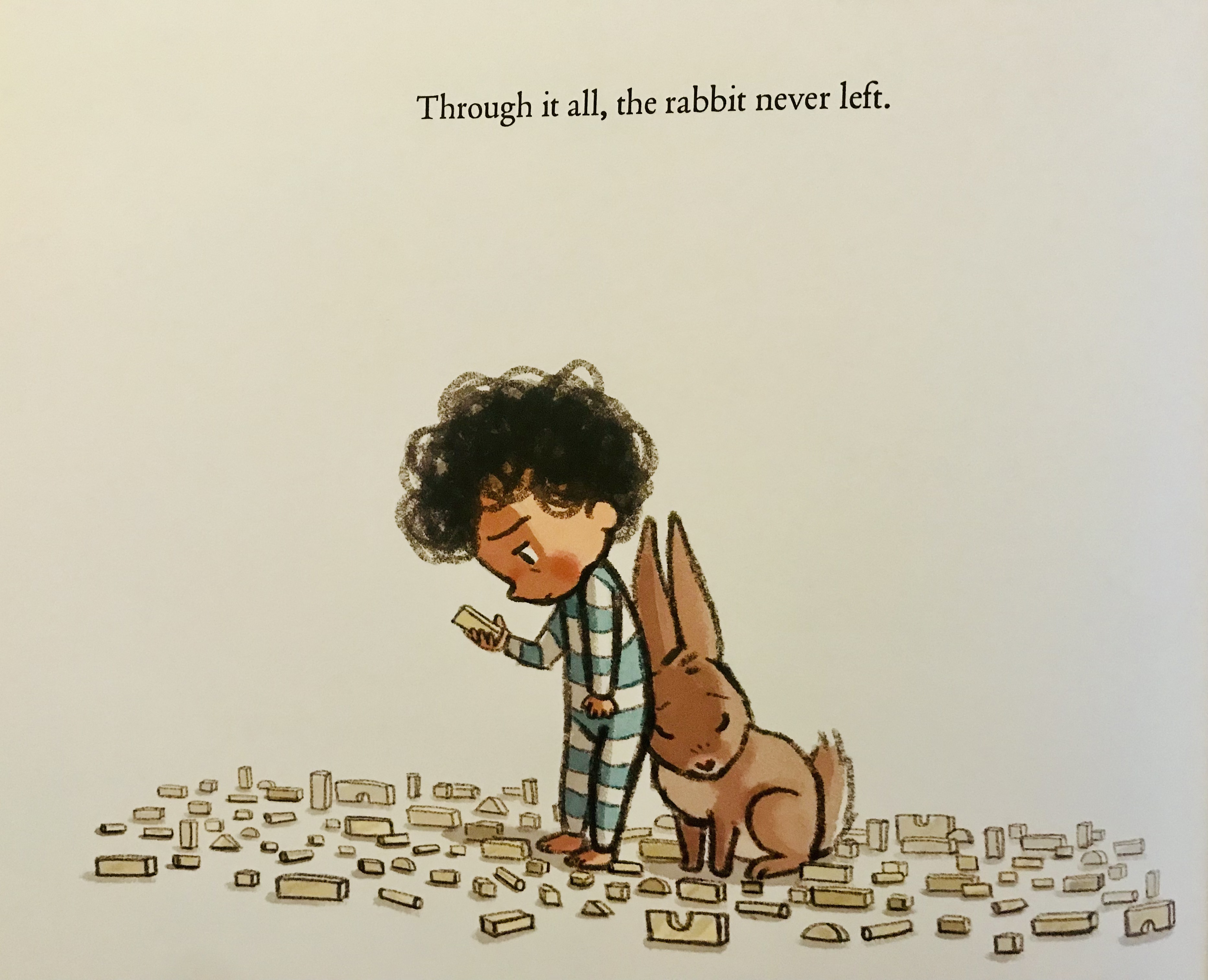
And so the story continues with animal after animal telling Taylor what to do. Nothing felt right. Until the rabbit stops by and sits beside Taylor – just being there.
When Taylor is ready, he recounts what each animal has said to do, and the rabbit listens.
Through it all, the rabbit never left.
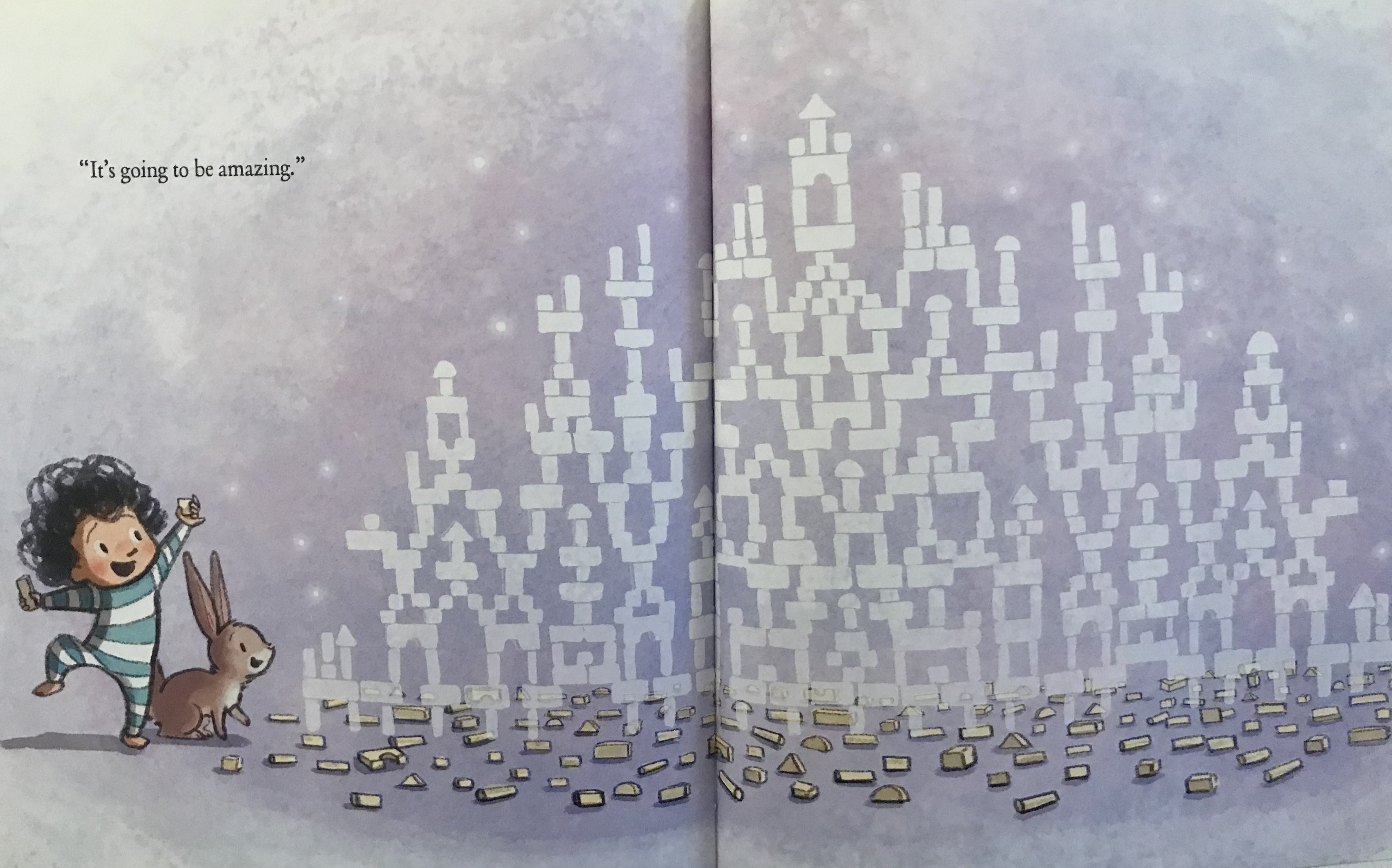
Talking about it, becoming angry, remembering how it was built, laughing about what happened, knocking down someone else’s and more weren’t the right things to do at all. At last Taylor decides to build again.
“It’s going to be amazing.”
Children love books with animals. They also like seeing the animals feeling and acting the same way that they do. Every child relates to Taylor and enjoys block building. This book has it all. Highly recommended for the reader and also the reader aloud.
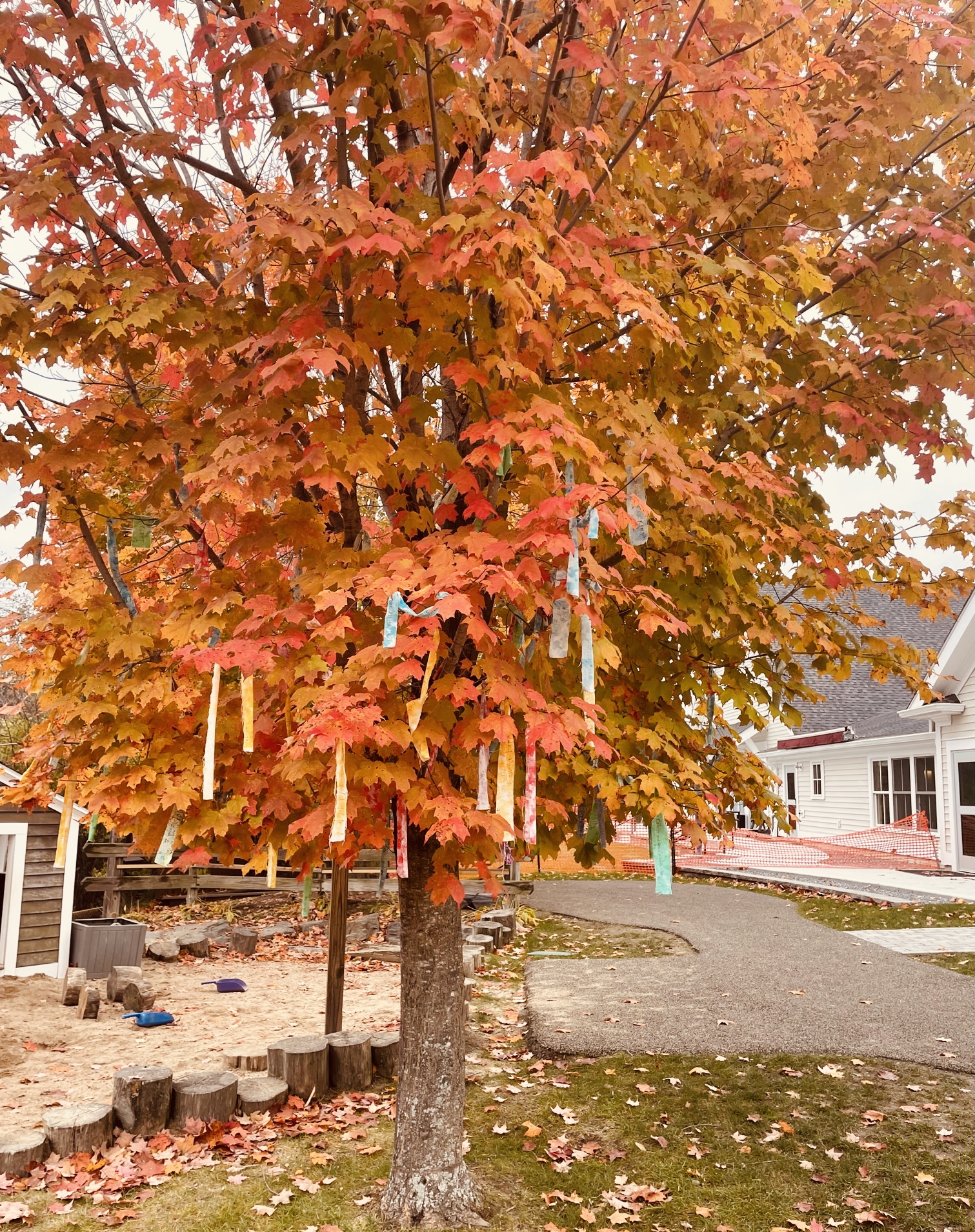
November arrives with glorious color,
splendor in the leaves on trees.
The colors that began to flame in October are finally brilliant, vibrant
when November comes calling.
There are days of balmy temperatures and warm breezes.
November is saying come and play,
dance with me when the wind blows.
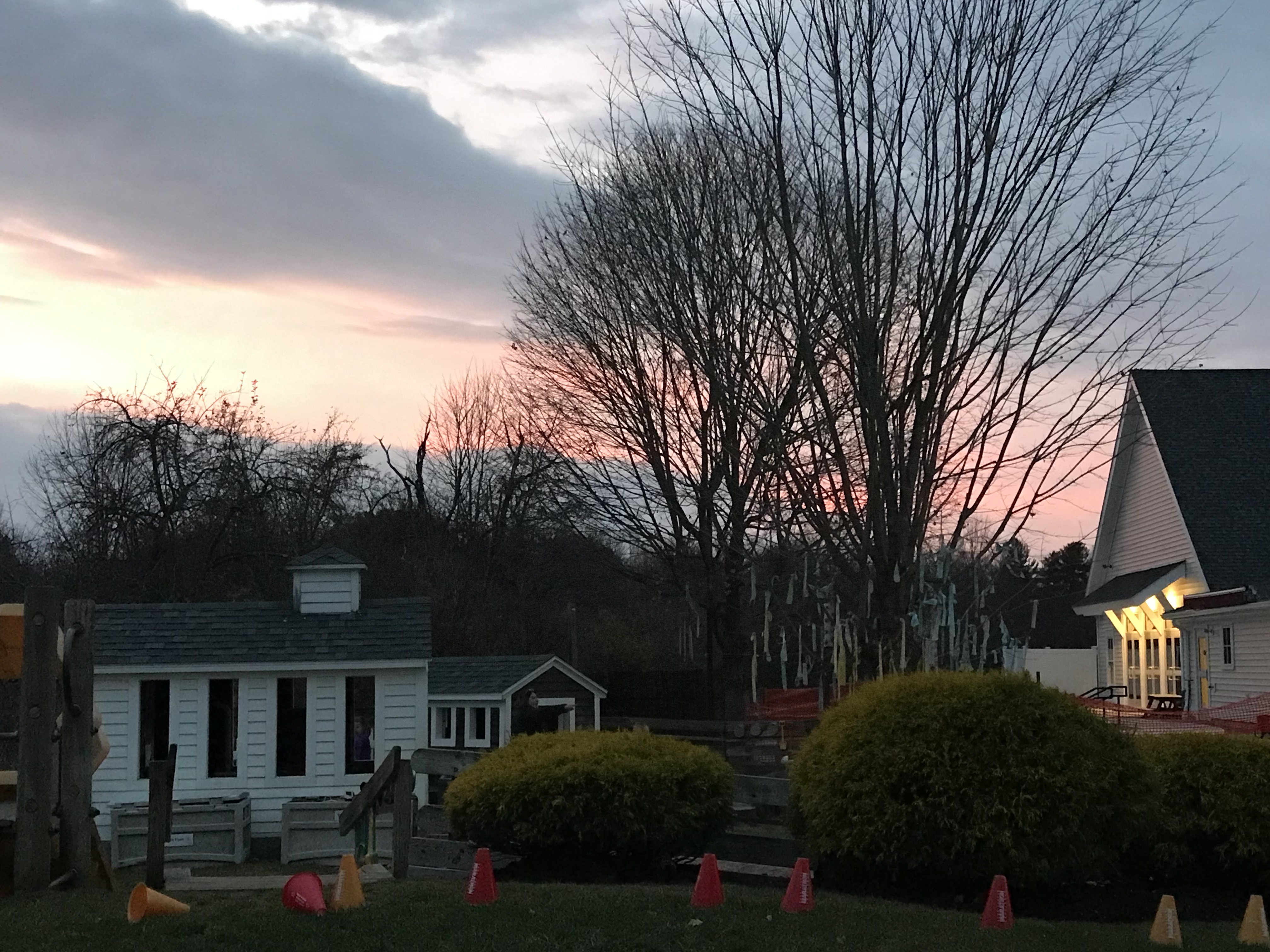
Look at me, the Wish Tree wishes children hung are still there.
Early November evenings are often brilliant, too.
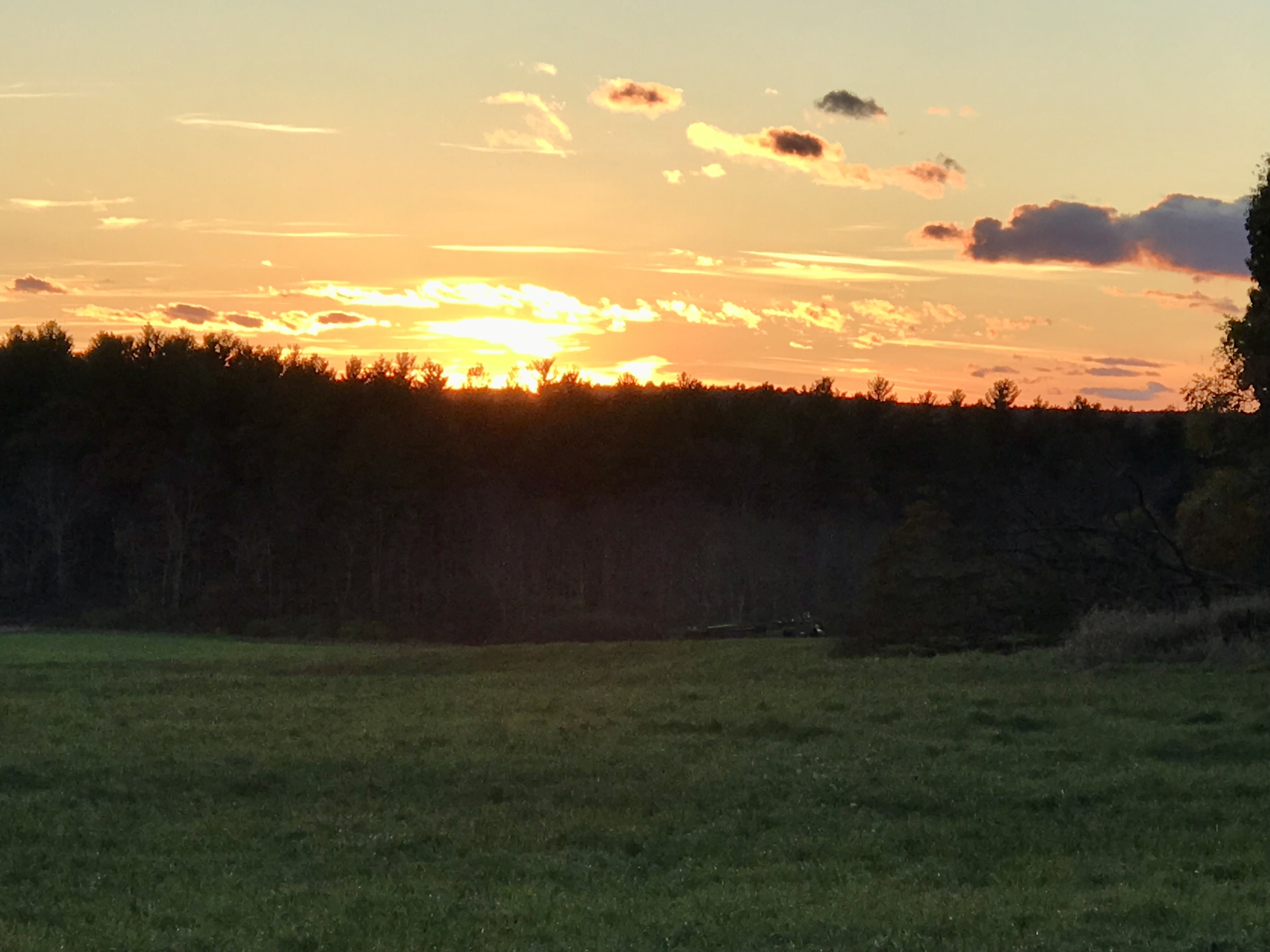
Sunsets are as vibrant as leaves.
They make us stop and look.
November comes in like a lamb, an exuberant child.
November goes out like a lion, blowing away everything in its path.
The leaves are gone. Only the wishes on the Wish Tree remain.
Late November sunsets are pink and warm,
as if they want people to feel the same way, with winter ahead.
November is full of change.
Tonight we got “the call”,
our granddog crossed the rainbow bridge.
We’re in the car headed to see him and his family for Thanksgiving.
Yes, I know…
As soon as we finished the phone conversation
we rounded a bend in the road,
and this is what we saw: