Today was the last library Book Bears meeting for the year. It was also the last Read-Aloud meeting for the year. Here’s what happened, or I should say, It happened like this…
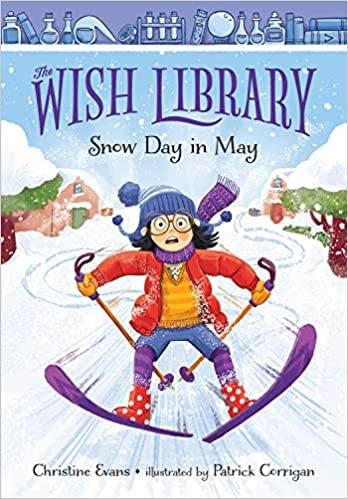
Both books for the two groups were about wishes, which was coincidental. Book Bears read Snow Day in May from the Wish Library series.
It was outstanding. As soon as I arrived at the library my Book Bears couldn’t wait to tell me how much they loved this book. Two children read it twice. I did, too.
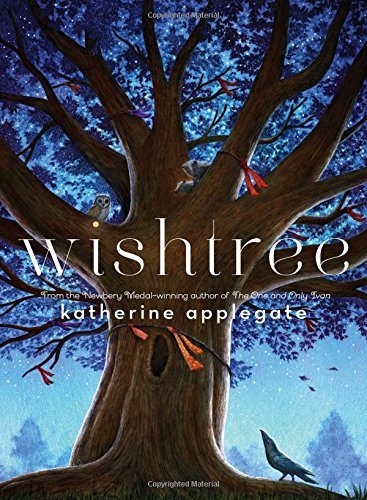
Our Read-Aloud book for the year was Wishtree. The storyline is deeper, and today I read aloud the final 30 pages.
At one point I stood up and yelled as I read the wonderful words in the text, and yes I cried in front of the children. They were silent, because they understood and felt the same way. There was so much that happened in those final 30 pages.
I asked the children what their wishes were. It was a perfect question after reading two books about wishes. Here are their wishes:
I wish I could talk to animals, then life would be perfect.
I want to understand what the wind is saying.
I wish everybody would like me.
I wish I could talk to characters in the movies.
I wish I could go ‘snap’ and go someplace else and disappear into that world.
I wish animals would help me, like if I needed to get out of a dungeon.
I wish I could make flowers wherever I put my hand.
I wish I were a vet.
I wish I could shapeshift.
Thank goodness for wishes.
Thank goodness for books.
Thank goodness for reading aloud.
Learning begins with language, building words upon words. The more words children hear, the more they learn, and the better they do in school. All of this leads up to reading readiness. So, if I can give children hundreds and thousands of words in a variety of ways, they will have a head start.
How do I do this?
Letter writing
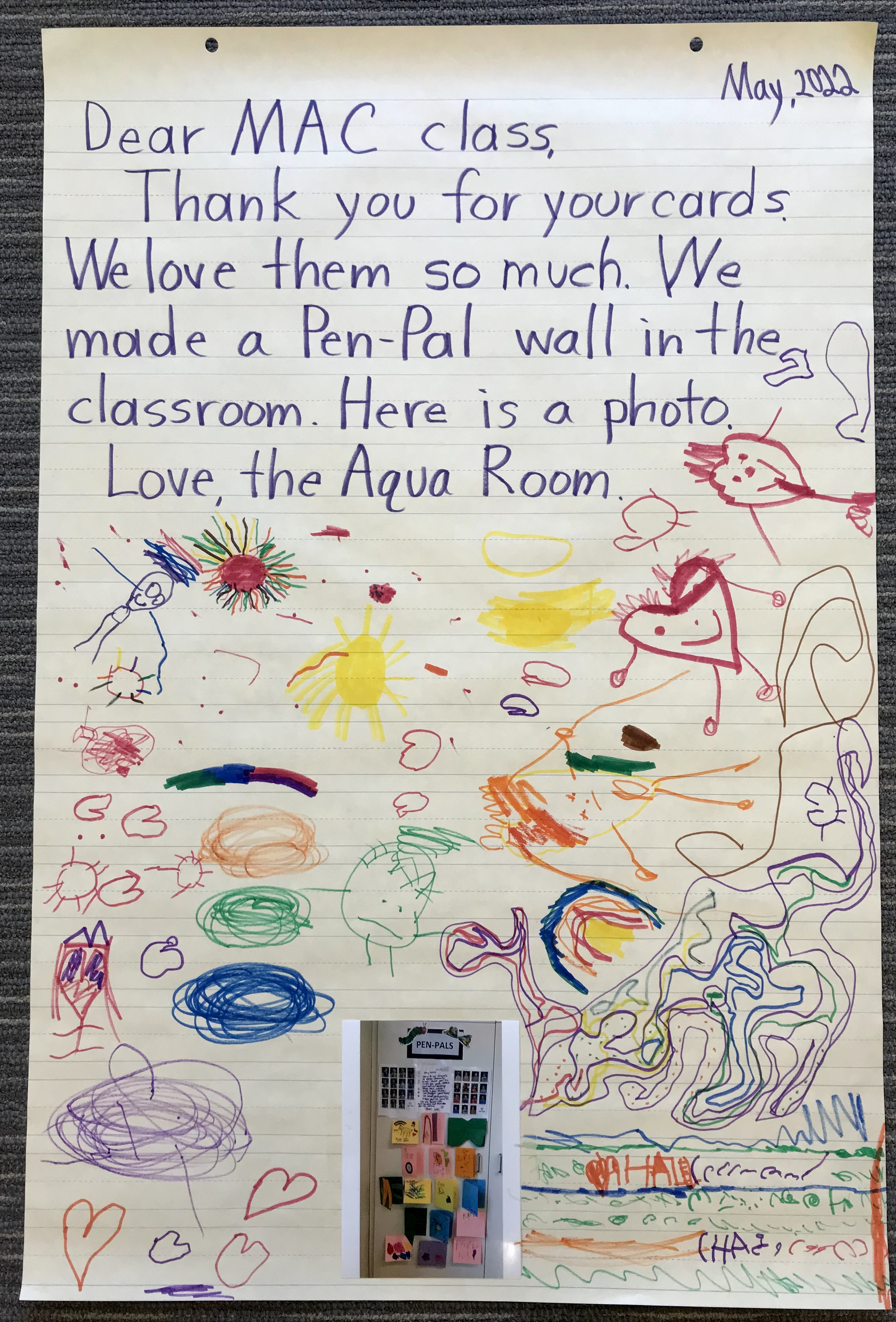
When we have a guest visit the class, or we want to ask someone questions, or we want to tell our own story, we write a giant letter. In that way, I am helping children to visualize what is on their minds. But there’s more; children need to touch and feel to ‘cement’ an idea or a concept. I have them decorate and draw on the big letters. The words are reinforced and children feel as though they have written the words themselves. Often, they add their own writing. This week we wrote a letter to our Pen-Pals:
Picture Stories
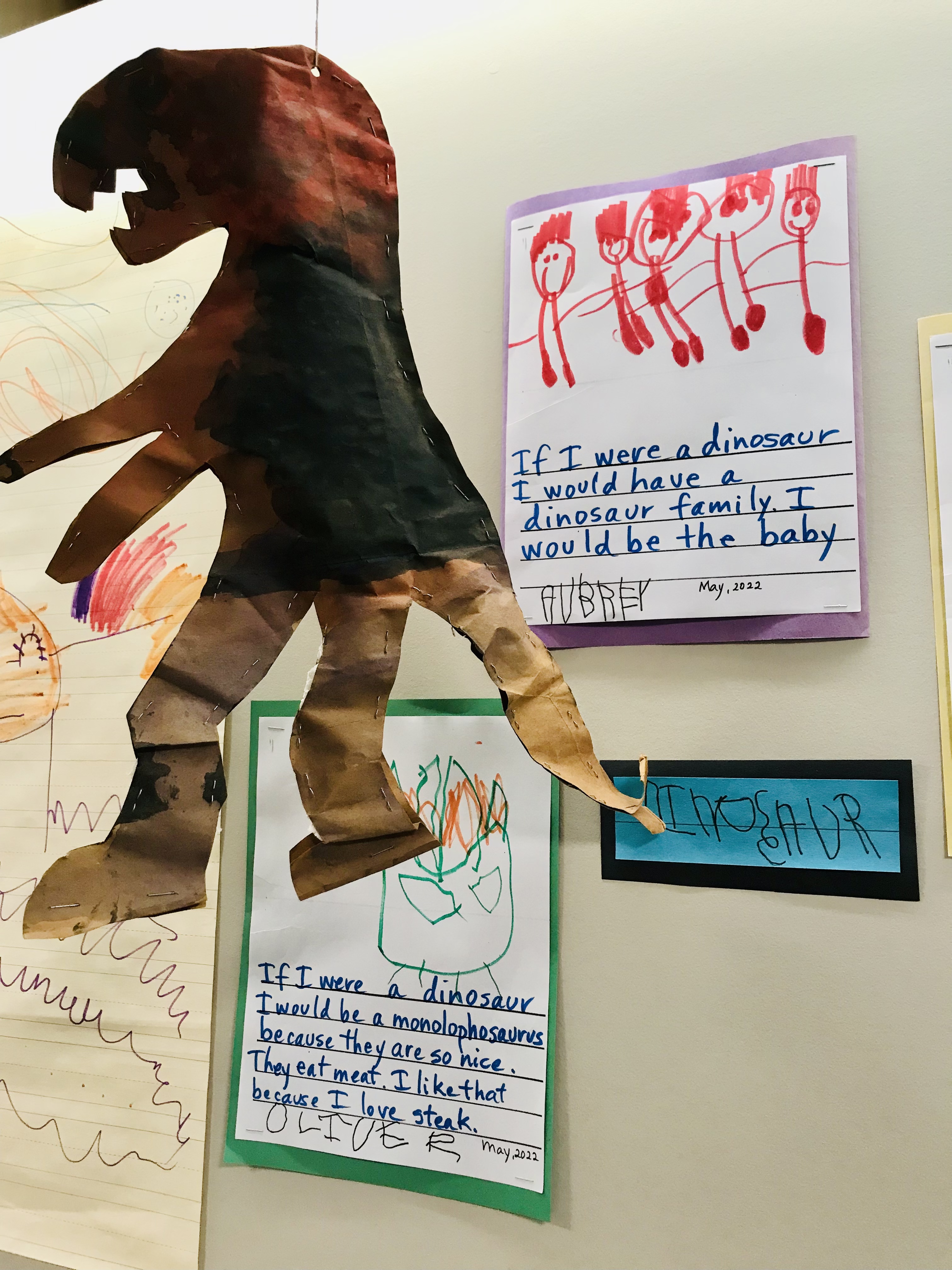
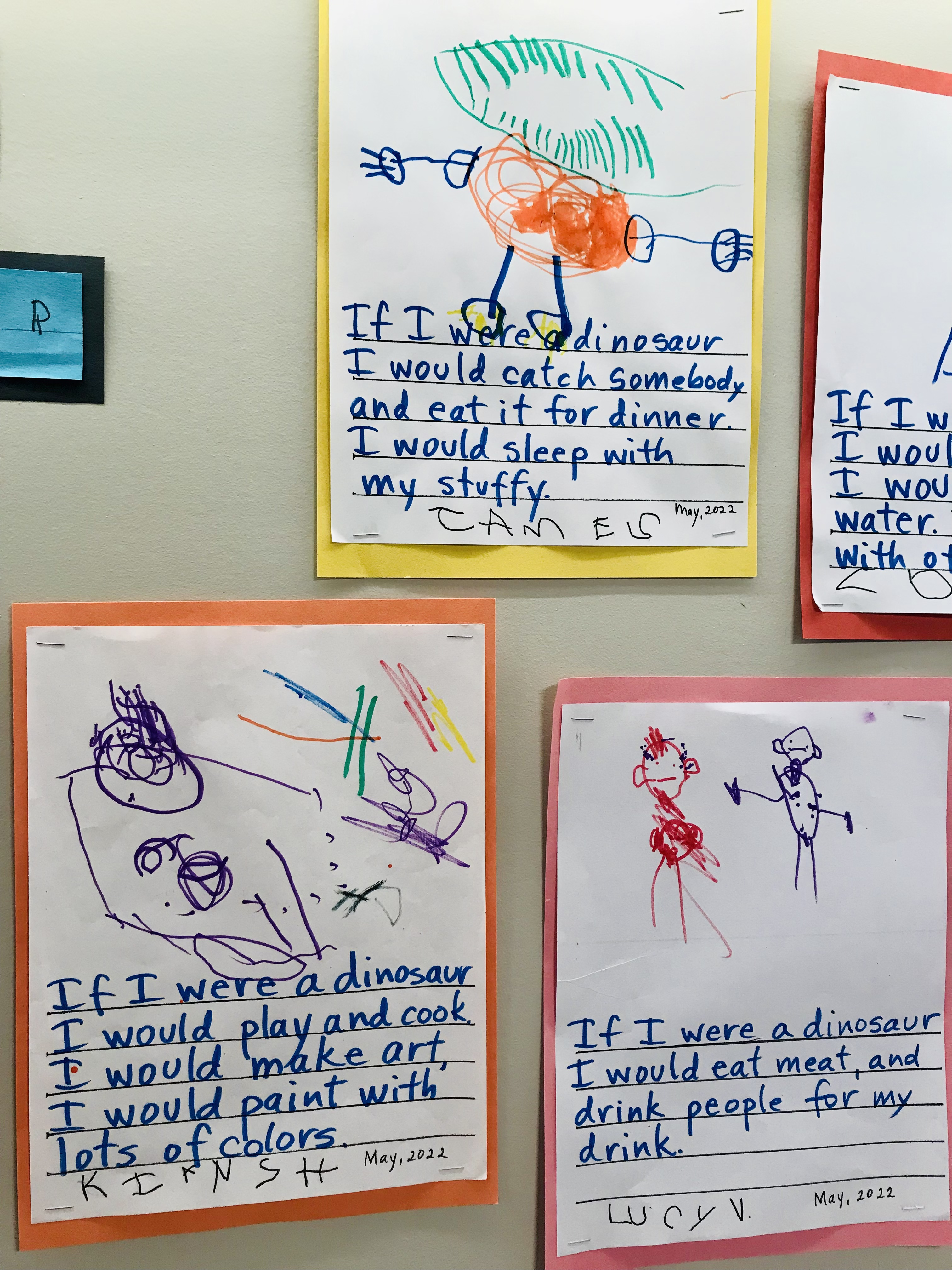
Children have much on their minds. They’re constantly learning, soaking up information at a rapid clip. In late September I ask each child what they like to do in school. This is not a casual question; it’s the first time their teacher has asked, one-on-one. First, they have to think. I can almost visualize a fast-forward movie playing in their brains. With no other prompting or questions, I get “the story”. Each child watches as I write his / her exact works. I have not only put their thought into a written image, I have validated that what they say is important. Because it is. Next, each child draws a picture of their story. I mount the story along with their photo and hang it in the hallway. Of course we have a field trip to the hallway to read aloud everyone’s picture story. As the year progresses, I have children write more picture stories. Yes, we are learning about dinosaurs!
Note the detail in the drawings and expressive, thoughtful vocabulary.
Storytelling
I tell stories for two reasons: hearing words without an image requires brain work and concentration. It is much the same with chapter reading. Children make the images in their head and vocabulary grows in leaps and bounds. Secondly, telling classic fairy tales with voices and animation is a favorite, along with Jennie Stories (true stories of my childhood), as it connects the children to me. There is the element of love, that intangible feeling of wanting to be part of the story and also part of the teacher who was once just like them.
And what does all this language do, along with reading a gazillion picture books? It gives children the skills to learn to read! There is both visual and auditory processing at work, plus making all those connections with what they hear, what they see, and what they write. This also translates into focusing- learning and listening at school in all areas.
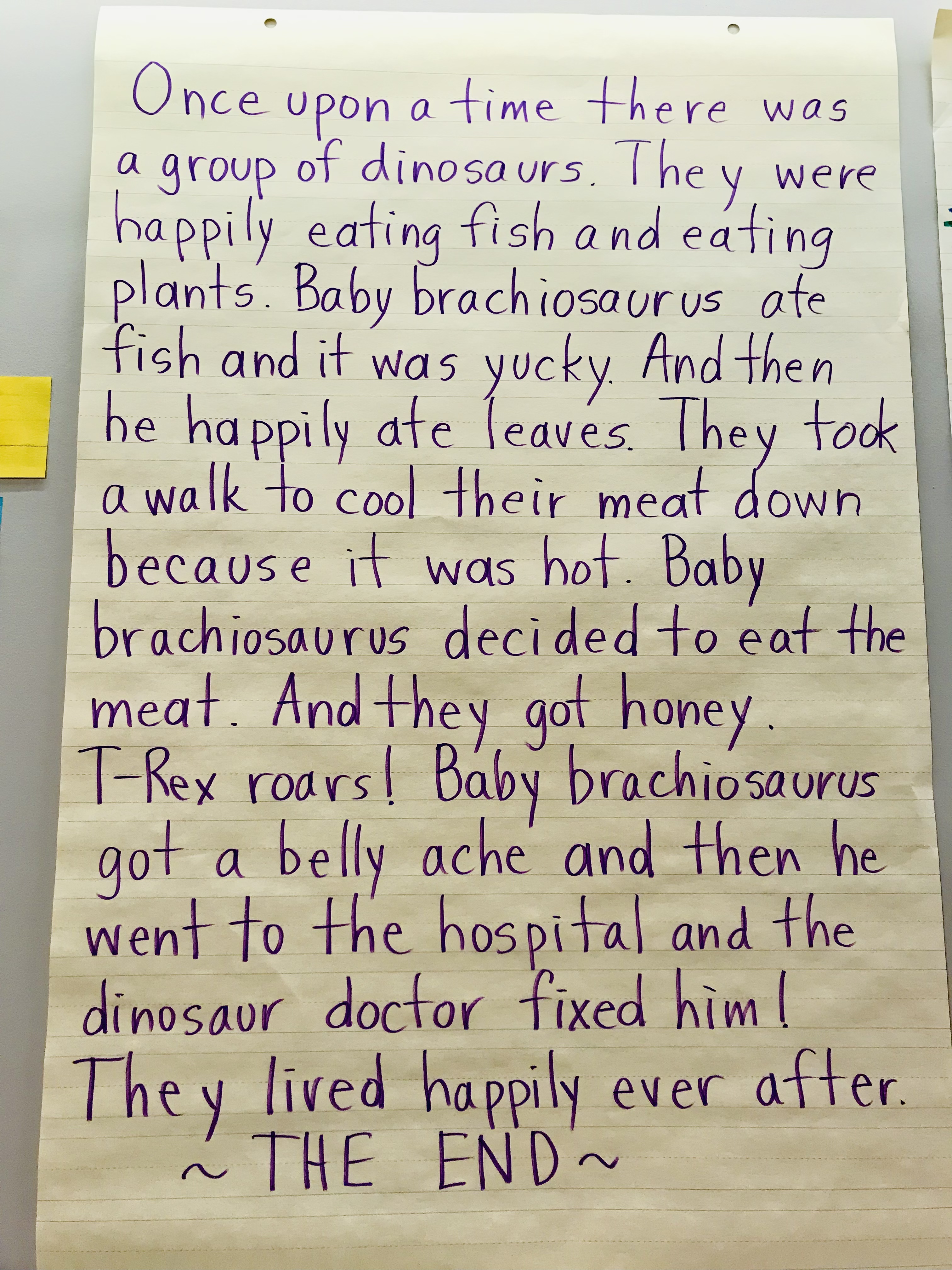
Children are natural storytellers. After they hear stories, and after they write their own picture stories, they are ready to tell a story, as a group. This is big, because it’s a group collaboration.
Of course the children told a dinosaur story. It was detailed. The words filled the entire chart paper! I wrote every word. The story is hanging alongside the picture stories in the hallway.
Finally, it is fun for children. When the big chart paper comes out to write a letter, or when they hear the words “It happened like this”, or when the lights go out for chapter reading, children are excited and engaged. Words make all the difference in the world.
Today was one of those ‘moments’ in teaching, the ones that turn something small into something big. It was a simple question, yet it opened a whole new world for children.
It happened like this…
Every day we have the ‘Question of the Day’ posted for children when they arrive in the classroom. The question is written on the easel, and there are two trays alongside- one for ‘yes’ and one for ‘no’. Children find their name on a big craft stick and place it on the ‘yes’ or the ‘no’ tray. Today’s question was, “Do dinosaurs still live?”
After snack we tally the votes. This is terrific, because children watch as we mark the tally votes- four lines and a cross line. That’s five. They’re now able to recognize five without counting the lines. That’s subitizing.
We tallied the votes, 10 ‘no’ and 4 ‘yes’. That prompted a discussion, and we asked ‘Alexa’ if dinosaurs still lived. She told us they were extinct. A child asked, “What is extinct?”
Ah, the magic question that can open doors into many wonders.
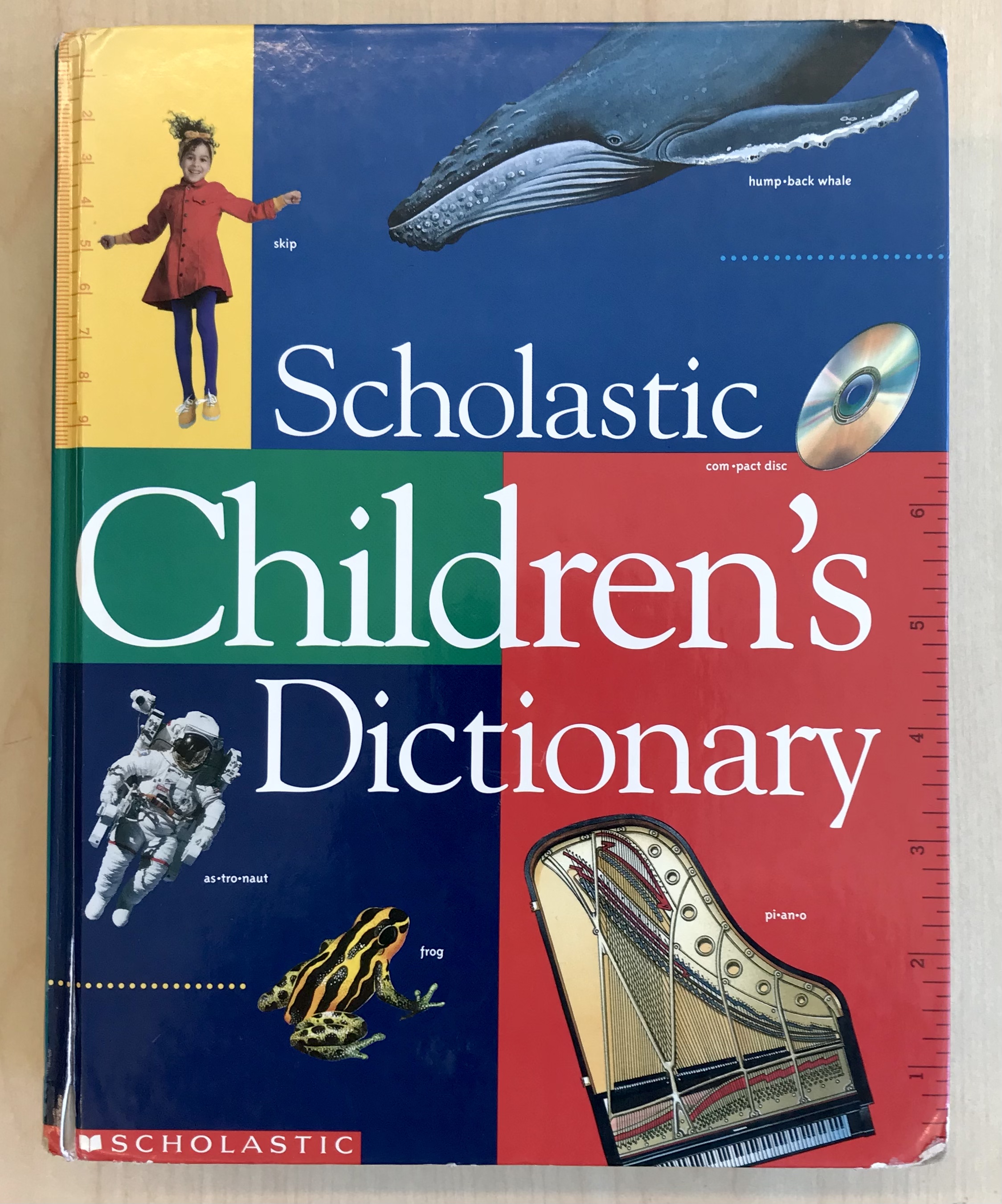
I paused, because I know children learn by hands-on; they need to see, feel, and touch. Instead of Googling ‘extinct’ or asking ‘Alexa’, I did something far better. I pulled out the dictionary.
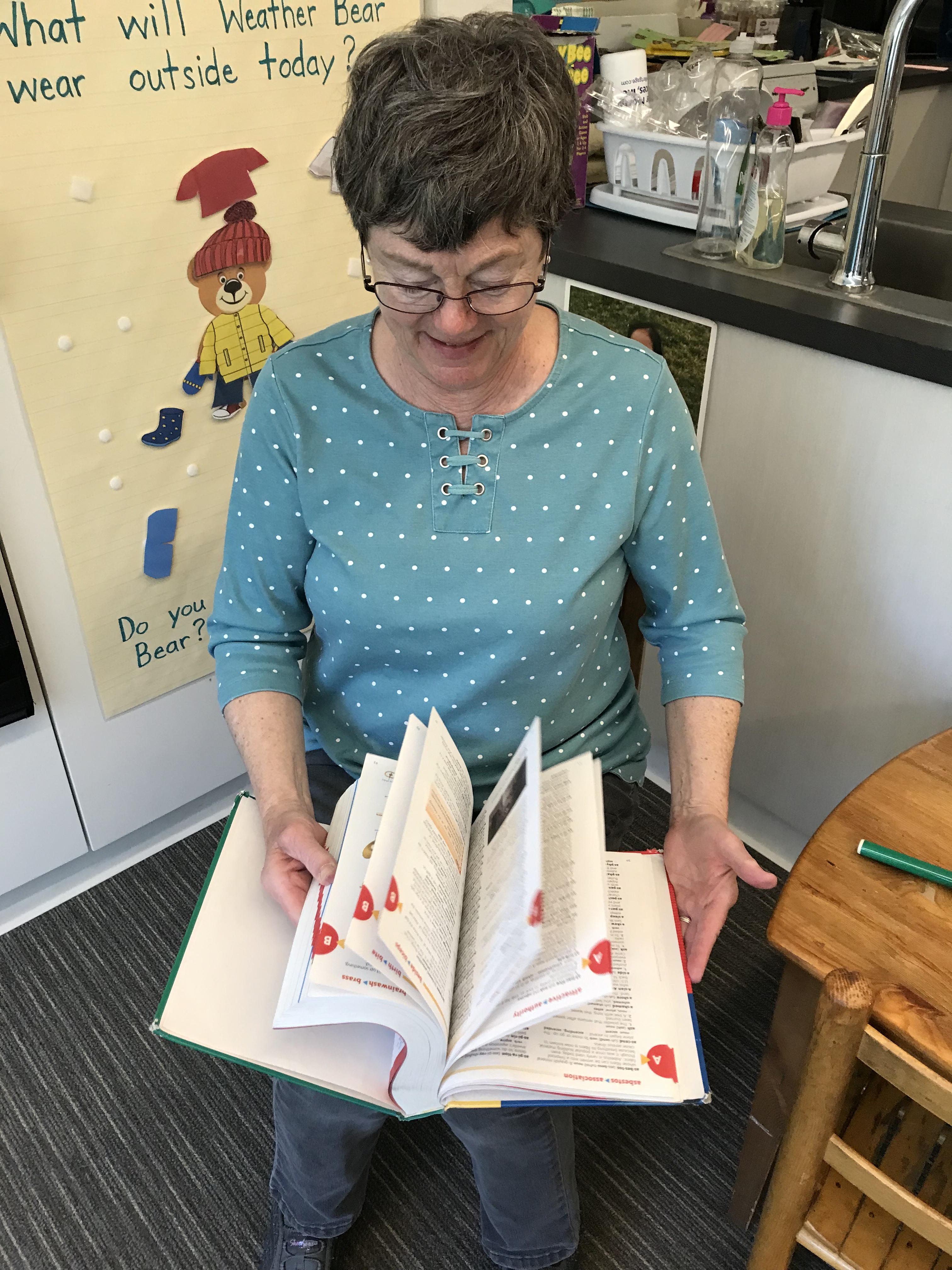
It’s large, it’s heavy. This was exciting. The first thing we did was look at the end pages. There were red marks all along. Once we opened the dictionary we learned the red marks were the alphabet. The dictionary is in alphabetical order! This was big news, and we spent time going through the pages, following the alphabet.
This is better than the latest and greatest video game. It is ‘real’. And we had just started.
We slowly went through the pages to find ‘E’. We found extinct. Yes, it means they are no longer living. Children wanted to see more and ask questions. Of course they did! This dictionary had some pictures, so that made it even more exciting. I gave each child an opportunity to tell us a word, and we could look it up. This was not easy, instead they wanted to discover words.
Discover words. Yes!
We played ‘The Stop Game’. I fan the pages of the dictionary until the children yell “Stop!” Then we open that page and discover the wonder of the words. This was so much fun! Yelling “Stop” and uncovering something new is very exciting. It’s learning on steroids.
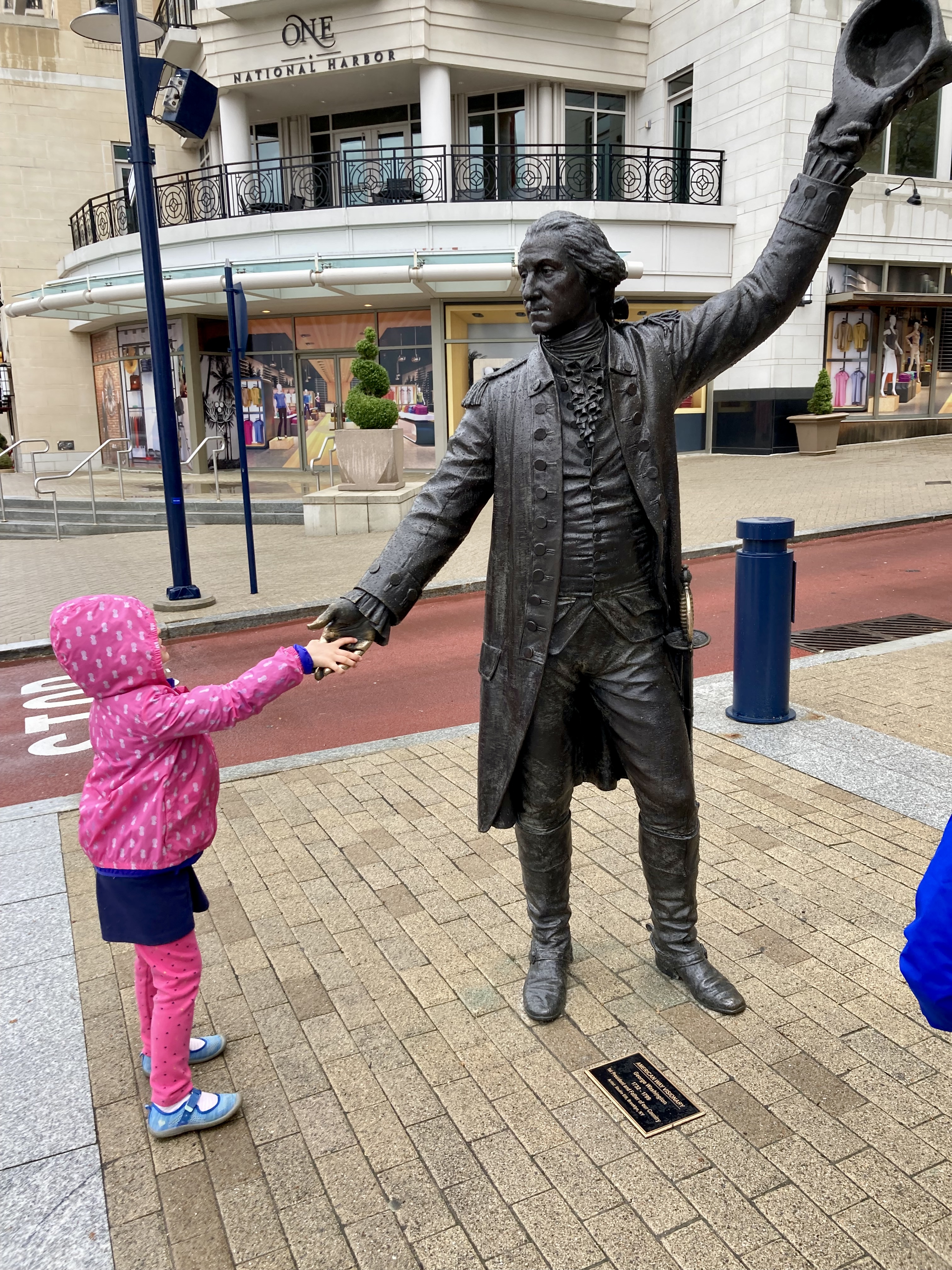
We stopped at L and learned about a lighthouse. We stopped at U and learned about underwater vehicles. Then we stopped at M, and there was Mount Rushmore. Children remember this from our Big Book Atlas. Recently two children in our class visited Washington DC and saw statues of presidents, the same ones on Mount Rushmore. When I asked children if they knew the image of Mount Rushmore, they did… but nobody recalled the name. Finally one of the youngest children enthusiastically said, “Washington!”
Bravo! He made the connection. That’s learning. Today children felt the same excitement and discovery of going to Disney – and it was all in a dictionary.
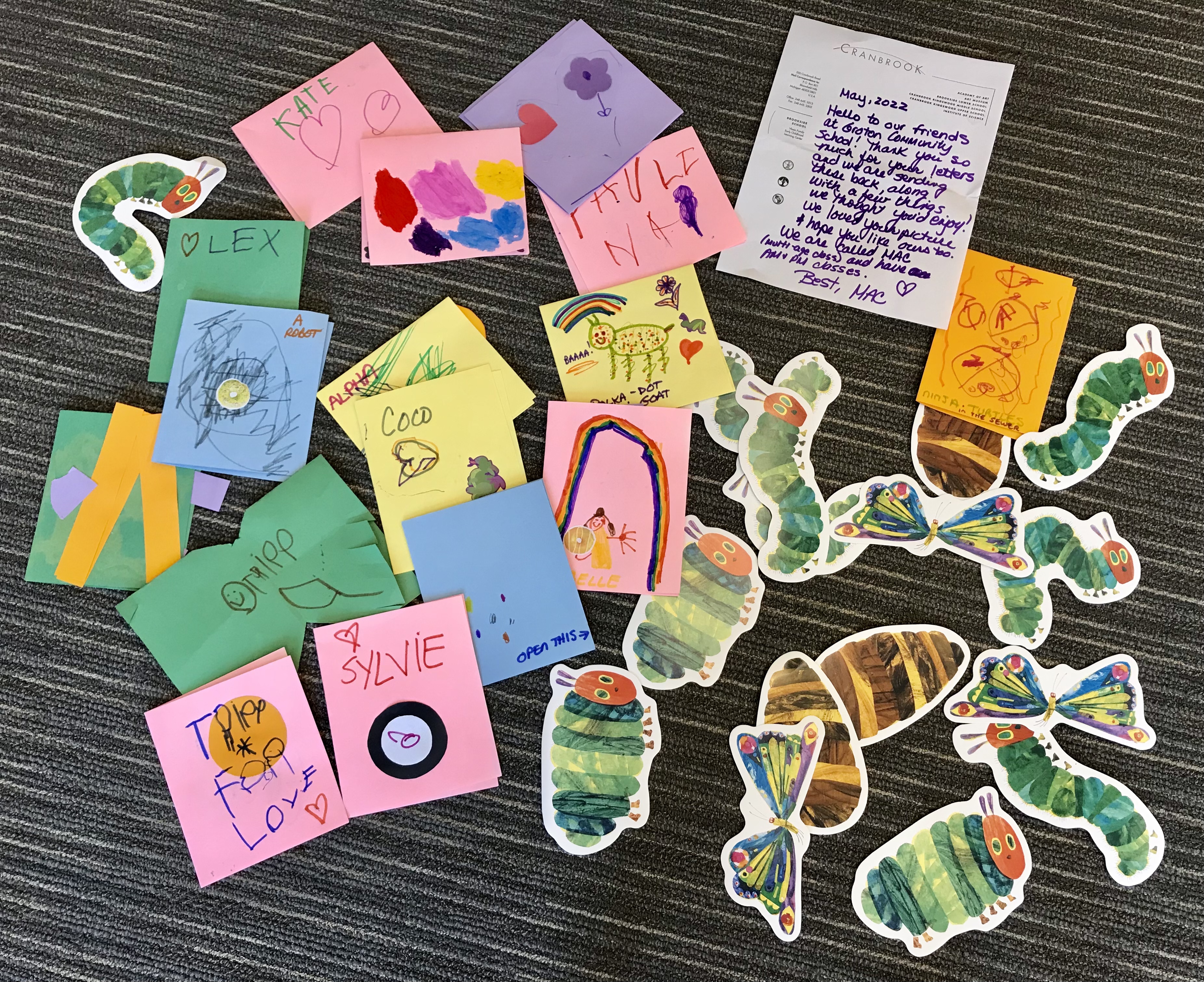
Our new Pen-Pals in Michigan
720 miles and 12 hours away
sent us cards.
They arrived today!
Included was a wonderful letter to the Aqua Roomers.
We learned they are the MAC class – Multi Age Class (very cool.)
There were Eric Carle cut-outs for children.
We are VERY excited, and making a Pen-Pal wall.
There’s more to this…. writing cards and letters is becoming a thing of the past. While technology is taking that over, children are still the same as they have always been, generation after generation. They need hands-on, from touching and exploring everything in nature, to writing and drawing for new friends. Hands-on experiences are the most meaningful for children. Learning ‘clicks’ and the heart swells. Win-Win.
Thank you, Beth@I didn’t have my glasses on….
You understand. You ‘get it’, and I’m so glad our students have connected.
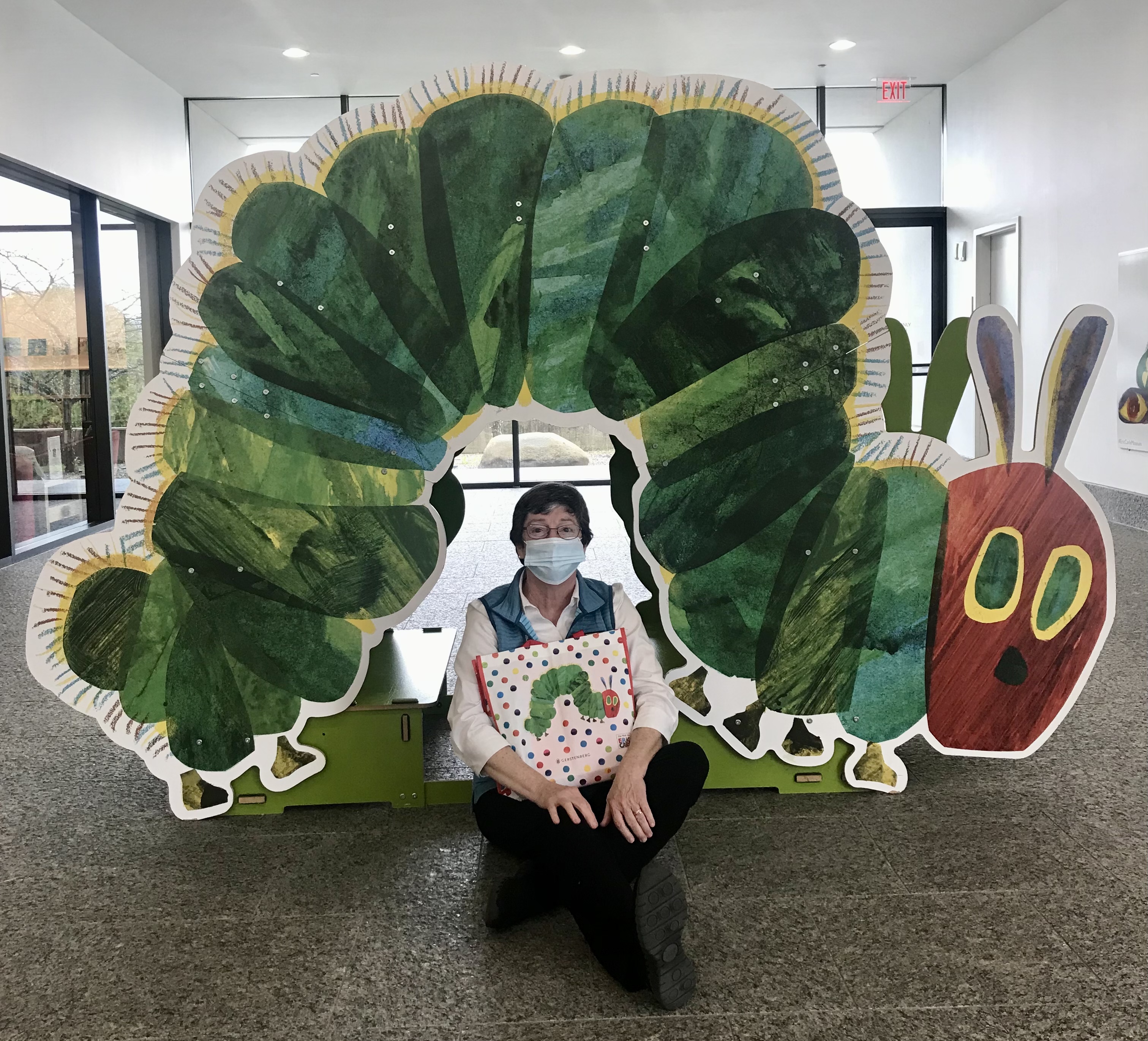
Just when I thought I might not discover something new, my recent visit to the Eric Carle Museum proved me very wrong. Everything I experienced and saw was very new. Lucky me!
The main event was the museum’s annual Barbara Ellerman Research Library (BERL) lecture. This year’s presenter was Wendell Minor. This is what is said about Minor:
“With roots in the images of the American Midwest and in classic American book illustration created by N.C. Wyeth, Winslow Homer and Edward Hopper, Minor has brought the art of twentieth-century illustrators into the twenty-first century.”
~Anita Silvey, author and editor~
Wow! I was excited!
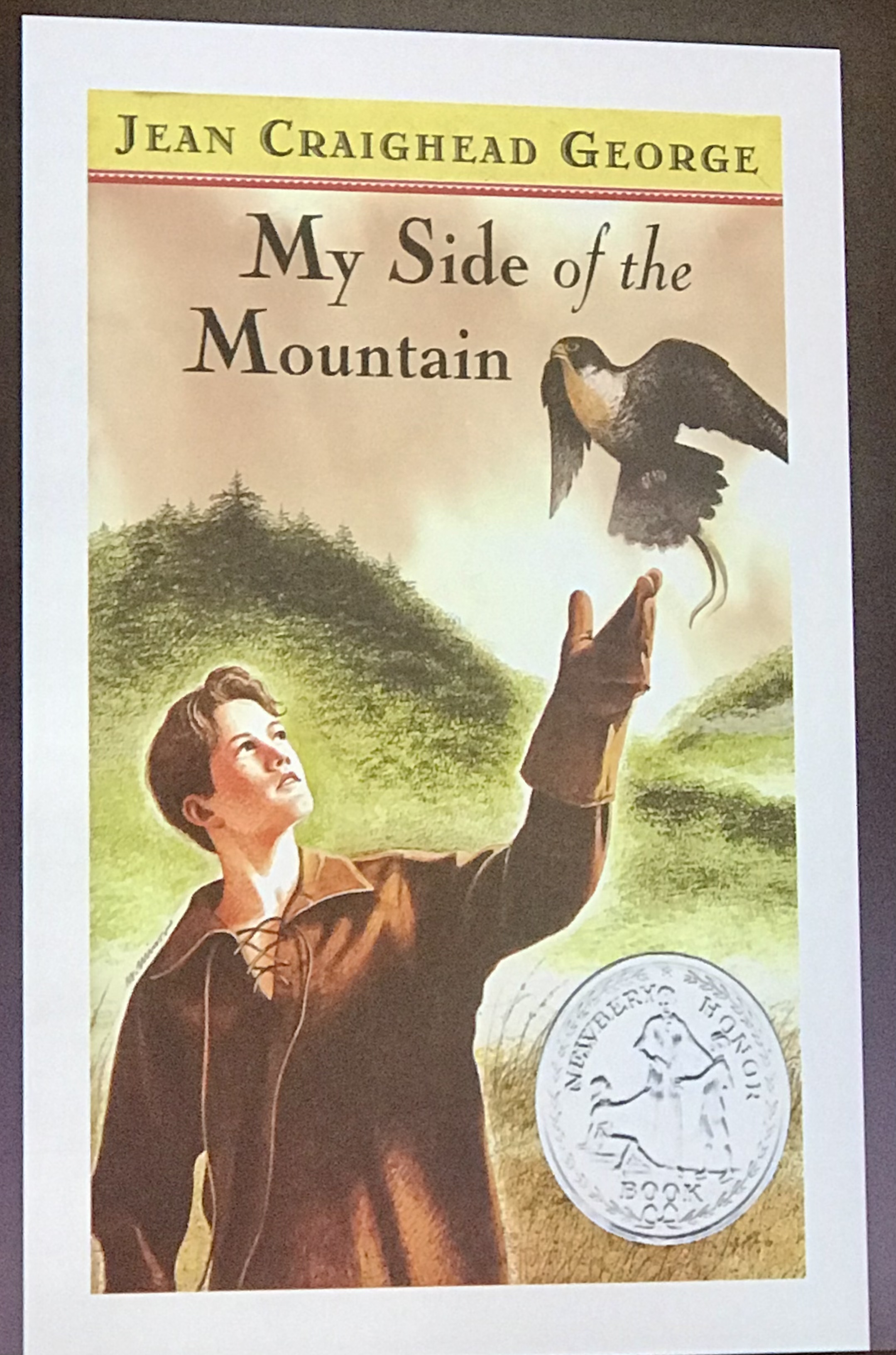
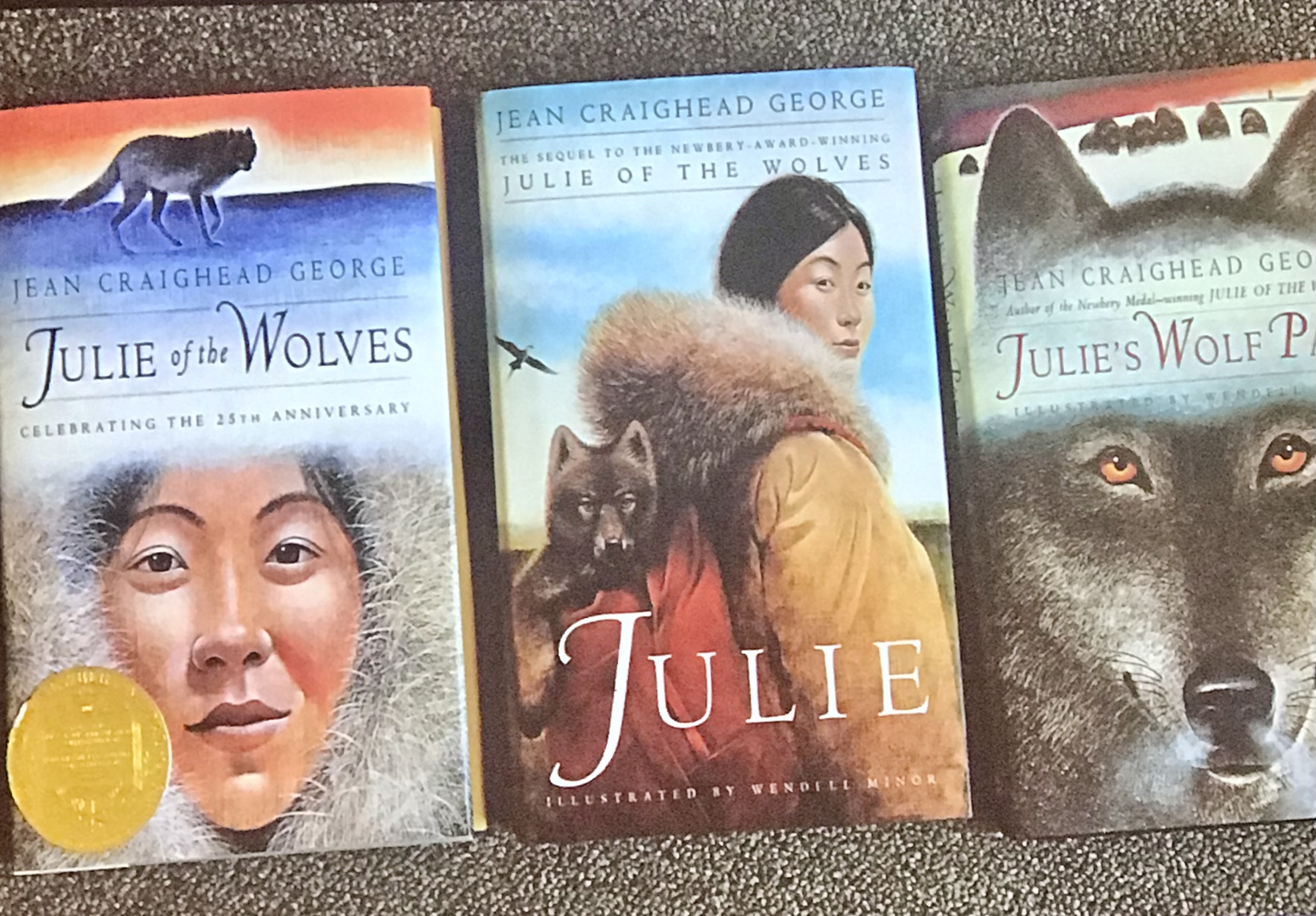
Minor has illustrated over two thousand book jackets of many famous authors, including David McCullough, James Michener, Harper Lee, and Mary Higgins Clark. I knew these books and their jackets. I hadn’t realized he was such a prolific artist. Do you recognize these award winning books:
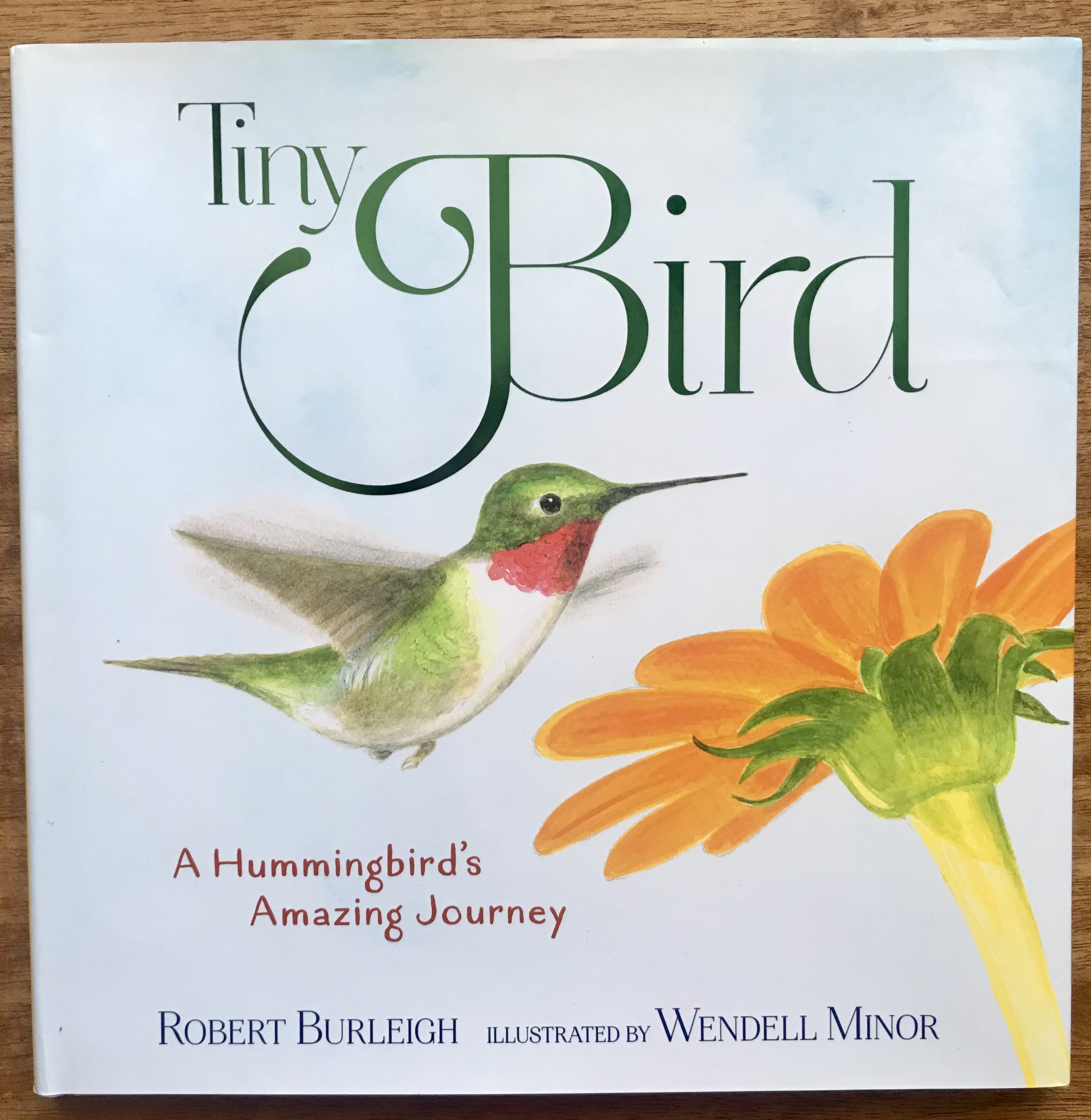
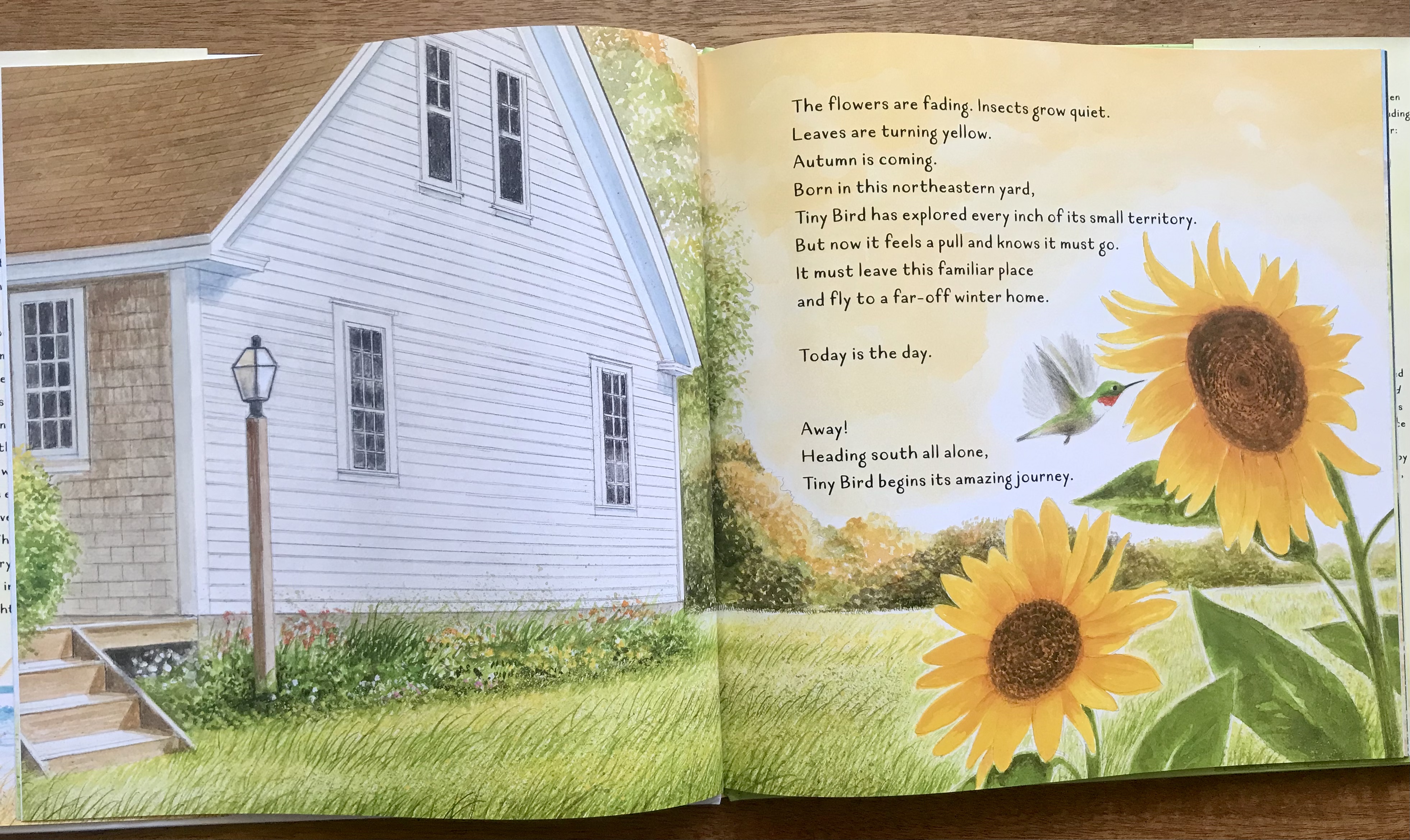
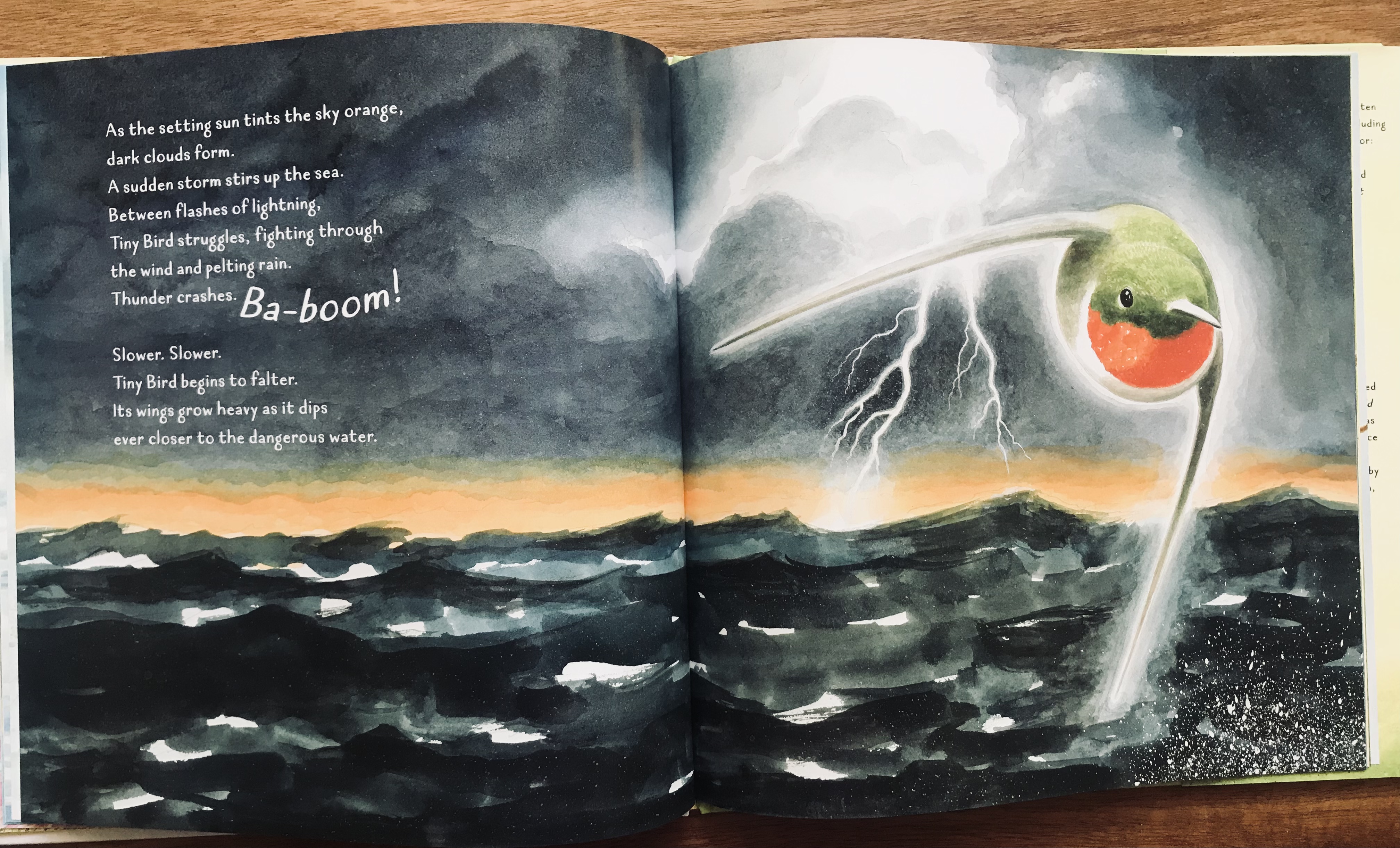
His fifty-year career includes illustrating many children’s books. He has a strong love for nature and a reverence for the natural world- just what young children need to see in his illustrations. I discovered a jewel!
My preschool class absolutely loves the book. Did you know that the ruby-throated hummingbird migrates to Mexico every year? I did not know that. The trip is dangerous, many hummingbirds do not survive. Children understood.
Children were on the edge of their seat throughout the book. We learned hummingbird facts and we pulled out our Big Book Atlas to trace the long journey.
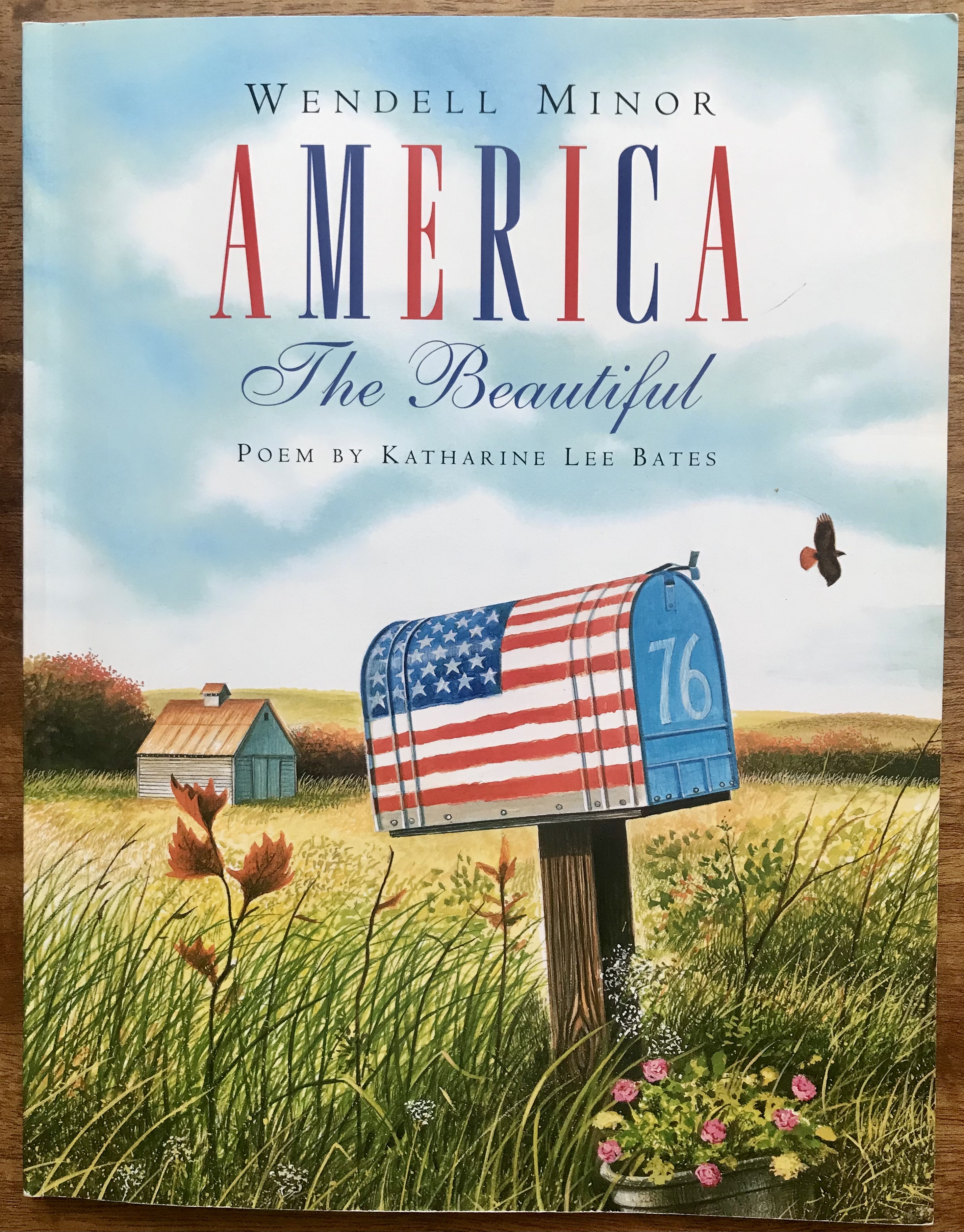
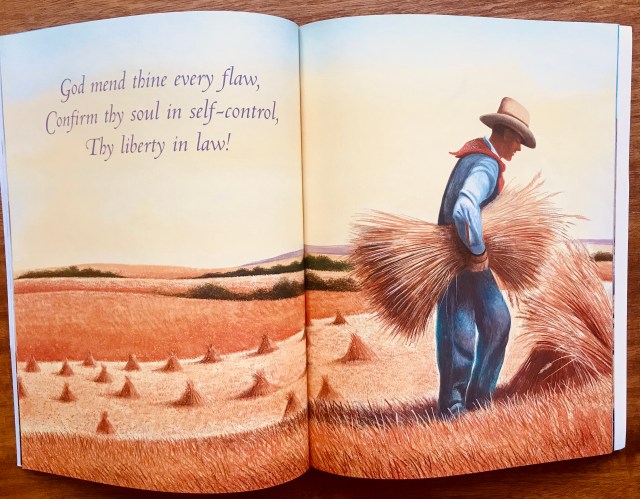
Minor brilliantly illustrated “America the Beautiful.” Yes, I had to have this book, too. I sang it to the children, and stopped at every glorious illustration on each page to truly see America, through the eyes of a visionary artist.
Children were excited to see this illustration,
as we’re reading “Little House on the Prairie.”
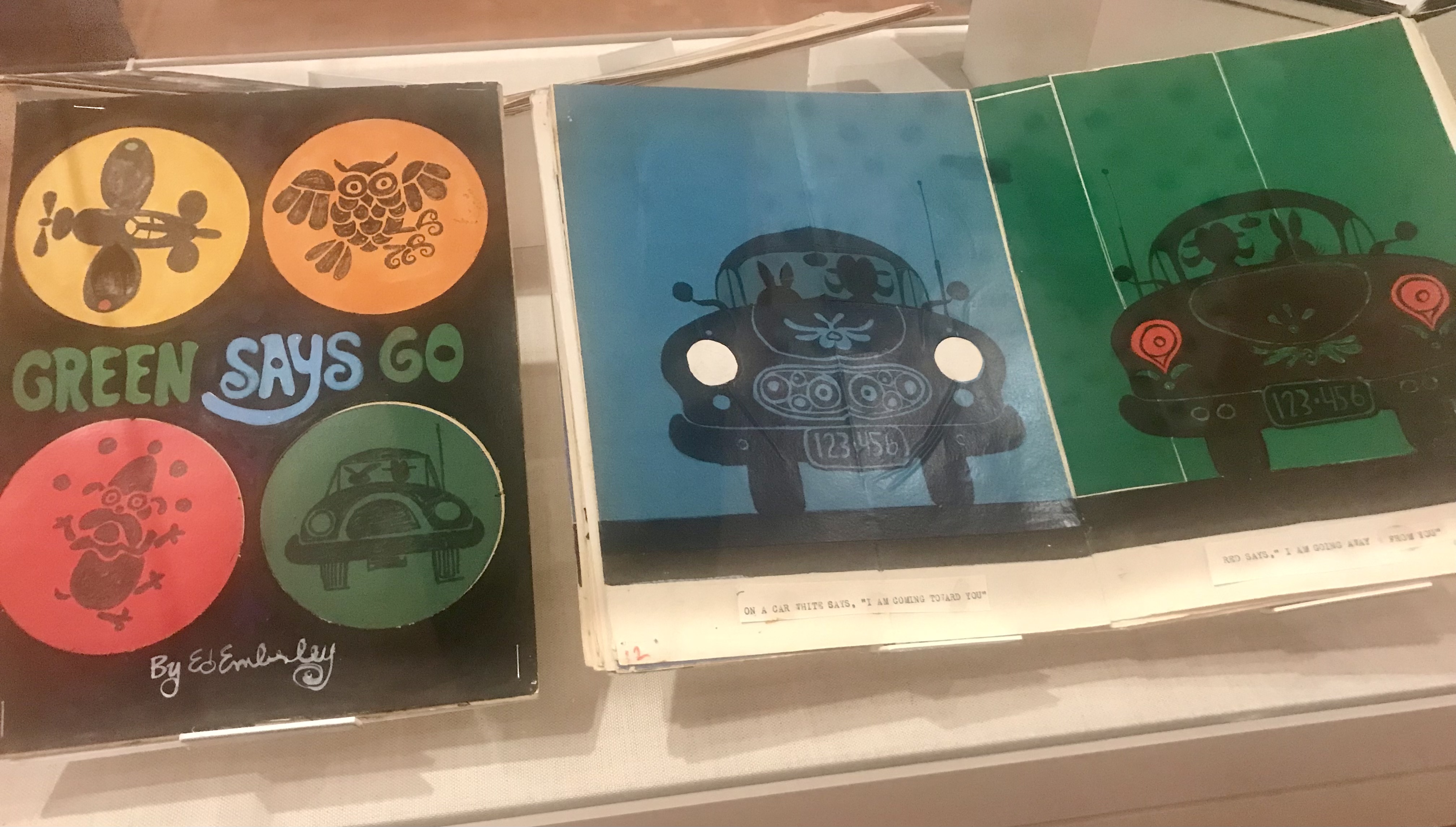
With my two treasured books in hand, and my mind full of what I had learned at the lecture, I toured the current exhibits. Ed Emberley was featured! My children loved his books growing up. Many of his illustrations were done from woodcuts. It was fascinating to see the original woodcut and the print itself. The one of Paul Bunyan was life size! Do you recognize these illustrations from “Green Says Go?”
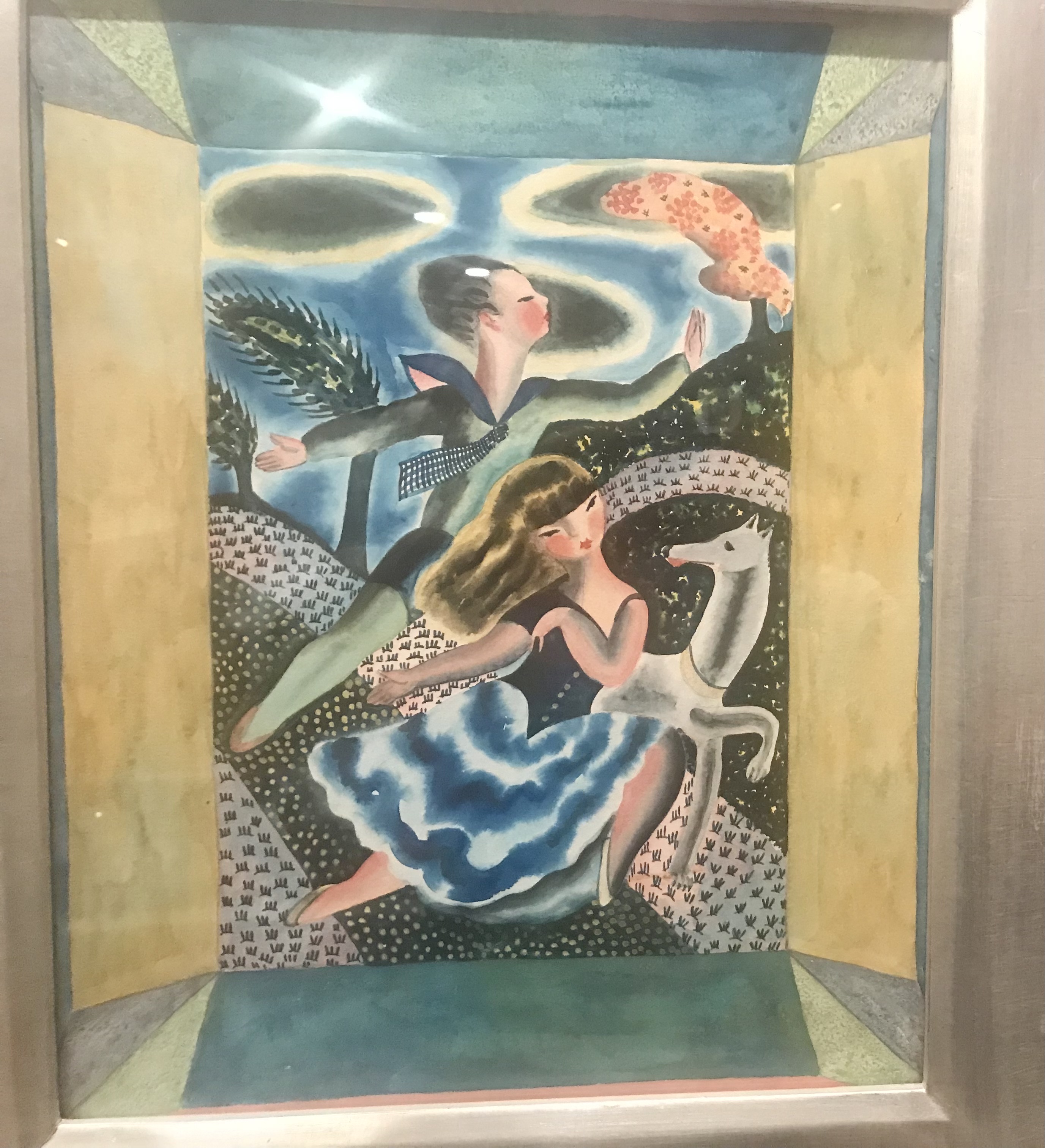
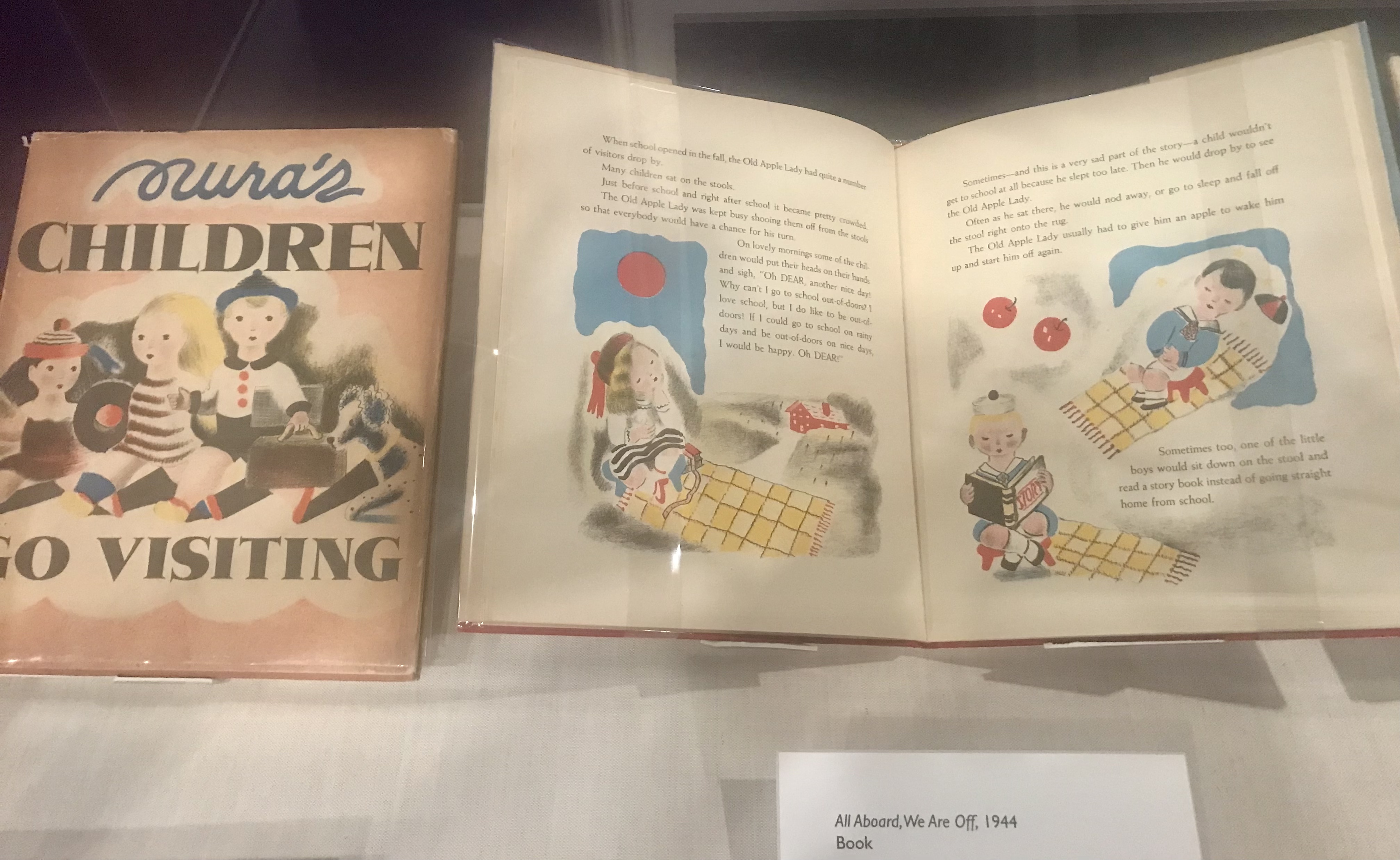
Another exhibit was the modern art of Nura Woodson Ulreich, a woman far ahead of her time. Her children’s picture books were mostly from the 40’s and early 50’s, and the illustrations are stunning. I can’t put my finger on it, but there is something very familiar here from my childhood:
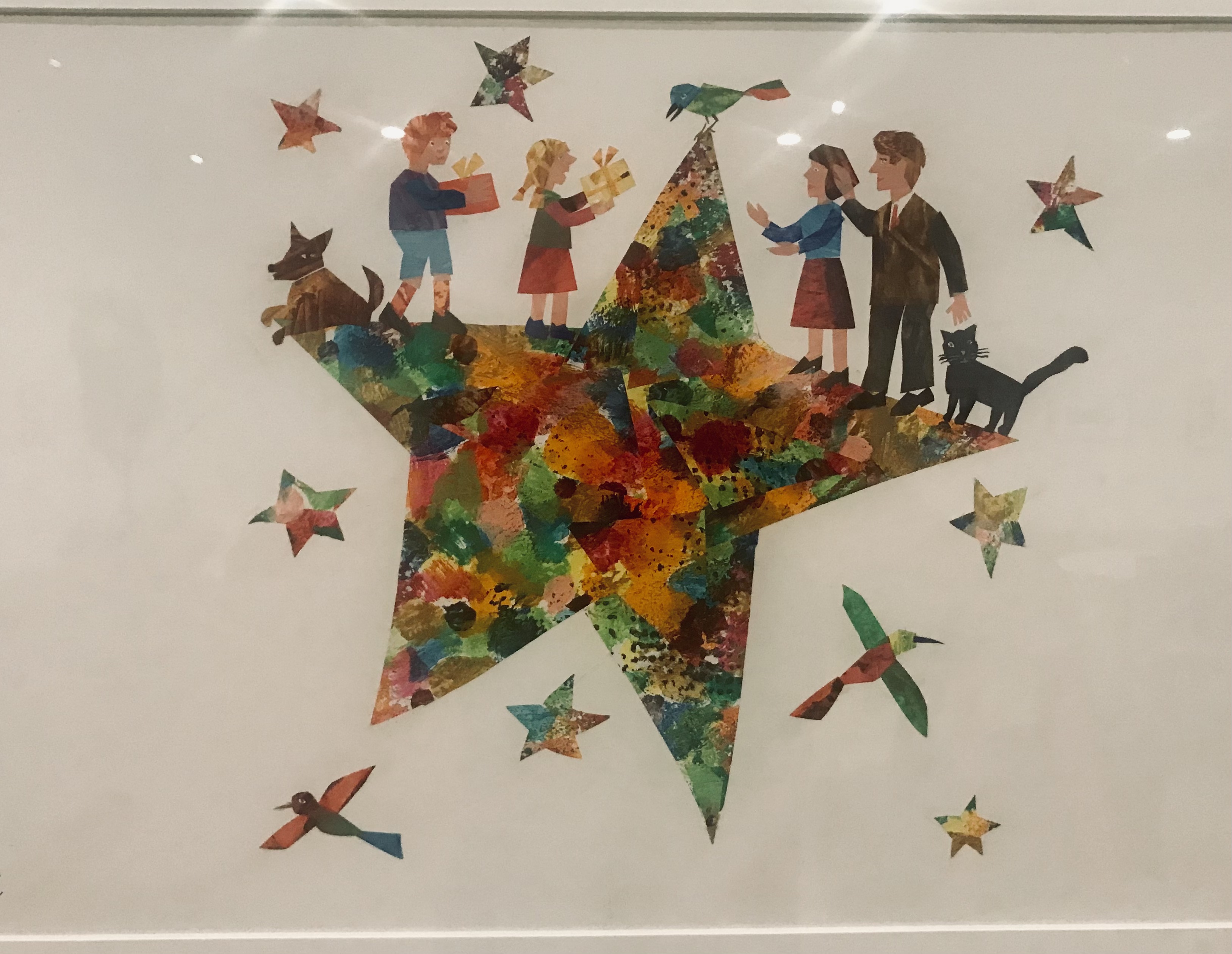
Of course no visit would be complete without seeing Eric Carle’s art. His collection on display at the museum often has a theme, so every visit has something new and exciting. At the very end, this is what I saw:
Another of Eric Carle’s many stars. This one made me stop and look for a long time. Yes, I had a lump in my throat. People need art the way they need sunshine and food. Art fills the heart. Mine was full.
There is always something new at The Carle!
Jennie
P.S. Their bookshop has the best of the best books, new and old. It is far better than B&N. I have always found high quality books. The museum also has a full library. By the desk, right inside the doorway, is a collection of the newest books. They also have the full collection of every Caldecott award winning book. In 2018 they were all displayed on a timeline, and I videoed the books:
I bet you recognize some of these books! I still read many of these books to children. Once a good book, always a good book.
I would be remiss if I didn’t give a big shout out to the museum’s art studio. Children can drop in with their parents and create art. Yes! It’s a full studio packed with materials and inspirational ideas. It’s very popular. I am always inspired.




 Children were excited to see this illustration,