“Jennie, what’s that?
Those three words are music to my ears, because it means there will be a new journey to discovery. When children are curious, I am fired up, raring to go. I grab on to what they ask, and the adventure to learning begins.
This is real teaching, guided by children and their interest, not guided by curriculum. They ask, I answer. We learn together.
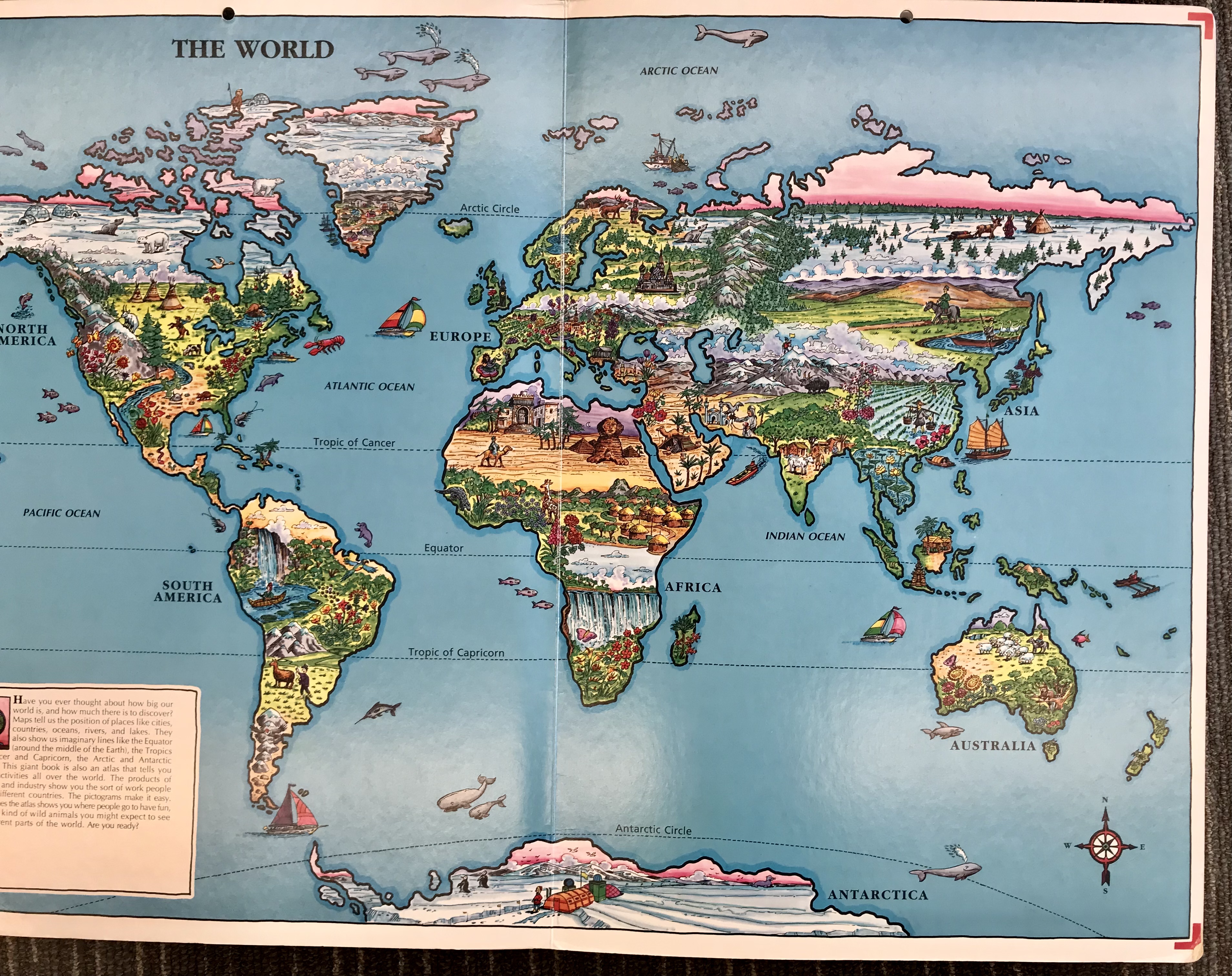
We’re learning about France. When we begin learning about a country or continent, we aways start with our Big Book Atlas. It is a favorite in the classroom, and thank goodness we often get side tracked in the best of ways.
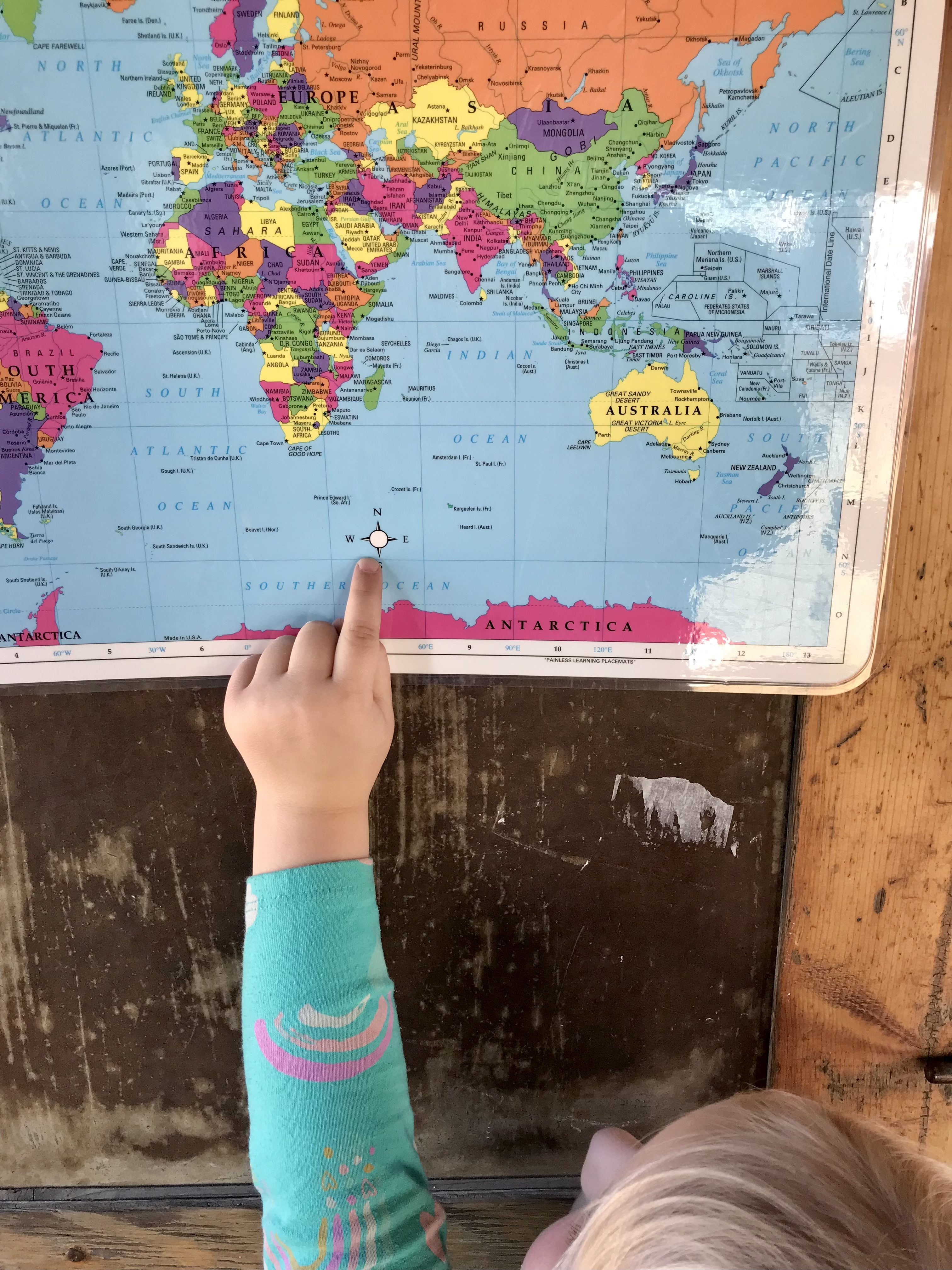
As we looked at the map of the world, figuring out where France is, Harry asked, “Jennie, what’s that?” He pointed to the small compass rose.
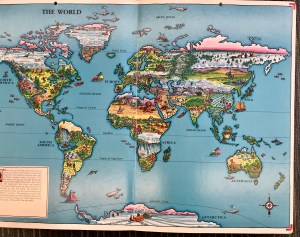
Yes, it’s in the bottom right hand corner. I told Harry and the children, “That’s a compass rose. It shows you the directions printed on a map. See the points? Each has a letter; N, S, E, W.” We talked about North, South, East, and West. We talked about the points on the compass. Then we looked at the world map and really discussed directions. What direction is France in relation to Massachusetts?
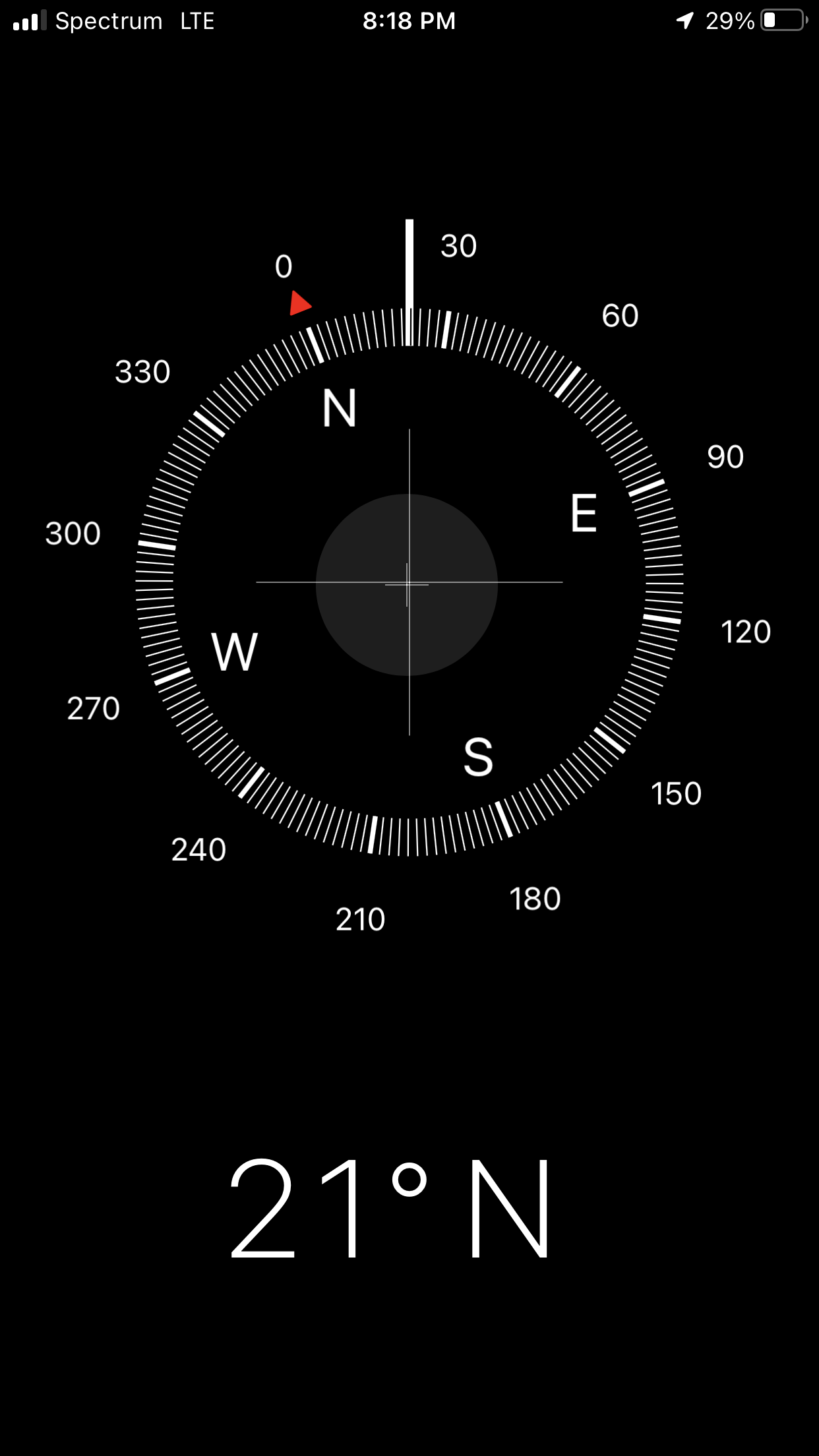
Wait! I have a compass on my phone! I pulled it up, and we walked with the phone everywhere- north, south, east, and west. This took forever. Children couldn’t get enough of changing directions walking along with the compass.
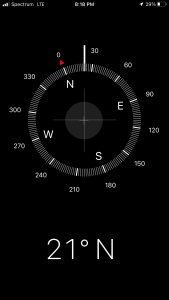
What direction does the sun set? We figured out west. What direction is France from Massachusetts? Yes, east. We set up the classroom chairs facing east to ‘travel’ to France. Oh, we had a travel box full of maps and real foreign currency. We were ready, thanks to the compass, and learning about the compass rose on the atlas.
The story and the learning get better.
A few weeks later children were playing on the playground. There are play houses by the sandbox, and the biggest one is set up like a school house with a big chalkboard, an alphabet, and a map. All of a sudden Lucy came running over to me, yelling “Jennie! You have to come right now! It’s the thing on your phone!” She was ready to burst.
I had no idea what she was talking about.
Lucy pulled me hard by my hand into the playhouse. She pointed to the map on the wall. “There it is!” Oh my goodness. There was a compass rose on the map.
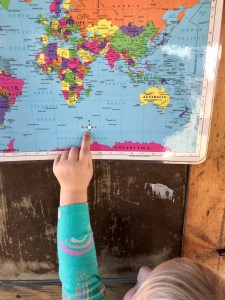
We had the best time with the compass rose. Lucy wanted me to pull up the compass on my phone so we could walk around the playground in different directions. We did. Other children joined in. It was wonderful.
The story doesn’t end here. It gets better.
Our current chapter reading book is “Little House on the Prairie” by Laura Ingalls Wilder. Last week Pa finished building the log house. This is what I read at chapter reading:
“On top of the walls they set up a skeleton roof of slender poles. Then in the south wall they cut a tall hole for the door, and in the west wall and the east wall they cut square holes for windows.”
I stopped and put down the book. I often stop during chapter reading to talk about what just happened. This was important, this was exactly what we learned with the compass and the compass rose and the atlas.
“Do you know why Pa cut the door hole on the south side? That’s the warm side. He cut the window holes on the east side and west side to see the sun rise and the sun set. He didn’t cut anything on the north side. That’s the cold side.”
We talked about the atlas. Children remembered. It was another moment to connect what we had learned. I seize those moments. They are the stars in the universe.
Jennie










 A Teacher's Reflections