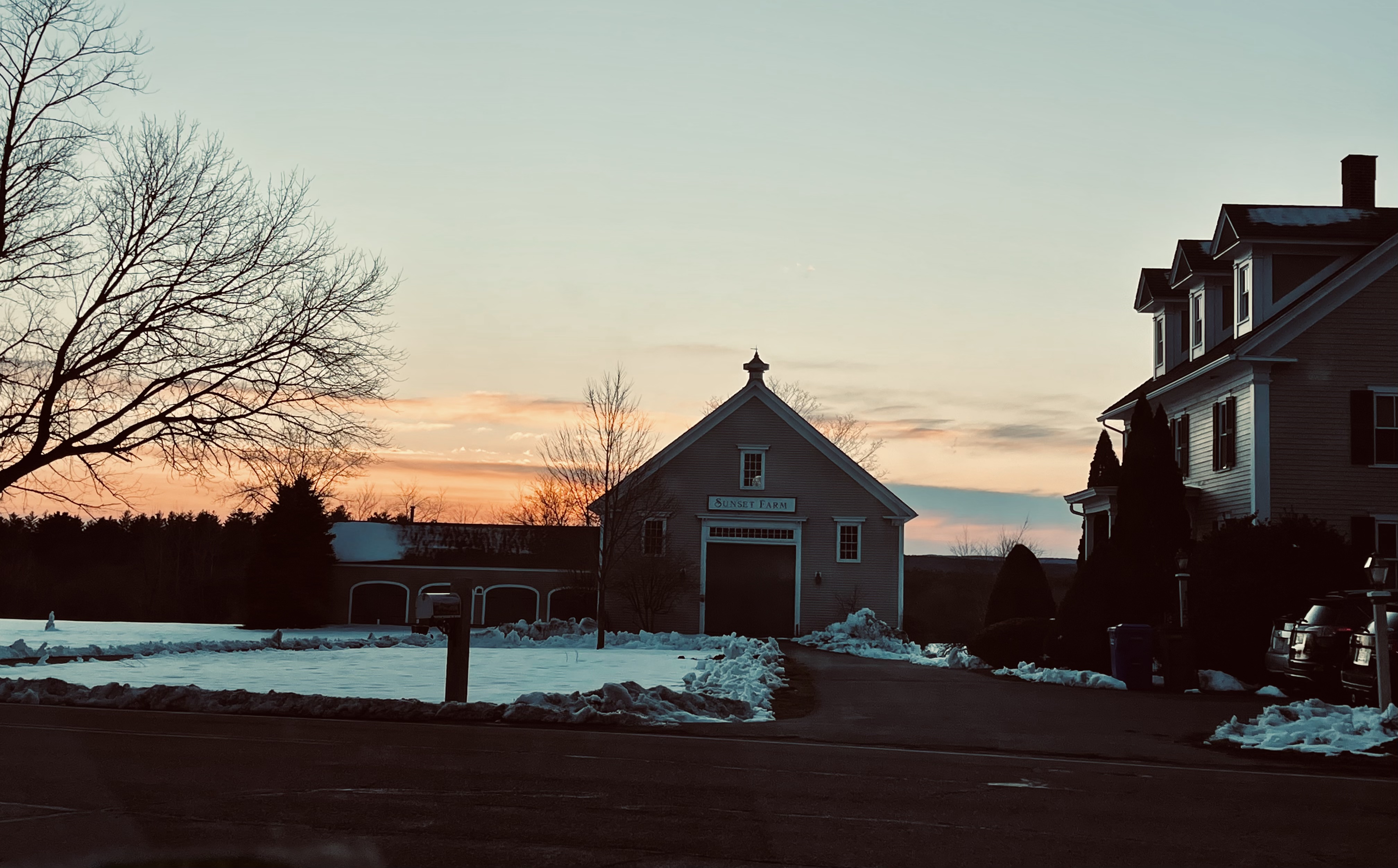
A last winter sunset. Do you see the house looking at the barn, with wide eyes and an open mouth? Do you see what it’s saying?
Hey, barn! Do you see what I see? It’s a beauty of a sunset. It’s one of the last this winter. Let’s enjoy this together, okay?
You’re a barn. E.B. White loved barns. He said to always be on the lookout for the presence of wonder. Hey, I think this sunset sure looks like the presence of wonder, don’t you? Yes, let’s enjoy this together.
March 3rd, 1931. “The Star-Spangled Banner” becomes America’s National Anthem. Wait…1931? I remember the day I discovered the date; Milly the Quilter had finished the God Bless America Quilt, and we had been singing the song. One of the reasons Irving Berlin wrote “God Bless America” was because he didn’t like “The Star-Spangled Banner.” It was hard to sing. Berlin talked about the song becoming our National Anthem. In 1931.
There must have been a mistake. Our country didn’t have a National Anthem before 1931? We’d been around a long time. I called my mother.
“Mother, was “The Star-Spangled Banner” the National Anthem when you were a child?”
“No, it wasn’t.”
I think she could tell I was not a happy camper.
“What did you sing growing up?”
“My Country ‘Tis of Thee.”
She was fine. She had lived through the wars and the depression. She was happy to sing “My Country ‘Tis of Thee.” I think she was bothered that I was troubled. Our parents can always put a perspective on history. Thank goodness.
Happy Birthday to “The Star-Spangled Banner” becoming America’s National Anthem.
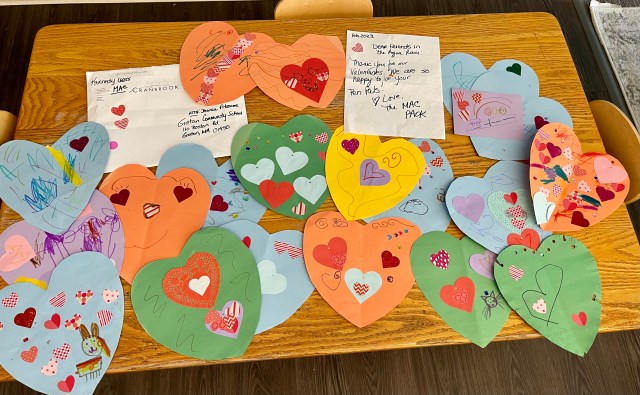
Our pen pals in Michigan loved our valentines, and they wrote back. That’s what pen pals do.
They’re the MAC PACK. How cool is that?
Dear friends in the Aqua Room,
Thank you for our Valentines. We are so happy to be your Pen Pals!
Love,
The MAC PAC
What is it about pen pals? If you ever had a pen pal, you know; the thrill of getting a letter from someone you’ve never met, and then writing back, is a communication that emailing can’t begin to match. It’s bonding. Pen to paper is emotional. Your heart comes out of that pen. When the reader holds your letter and reads the words, it’s a cresting ocean wave, in the same way.
Yes, wow!
For young children, there’s more. Writing letters and communicating with other children is huge in developing social and emotional skills. In today’s world, giving children a strong sense of self and also of others, is #1 in growing kindness and goodness and giving.
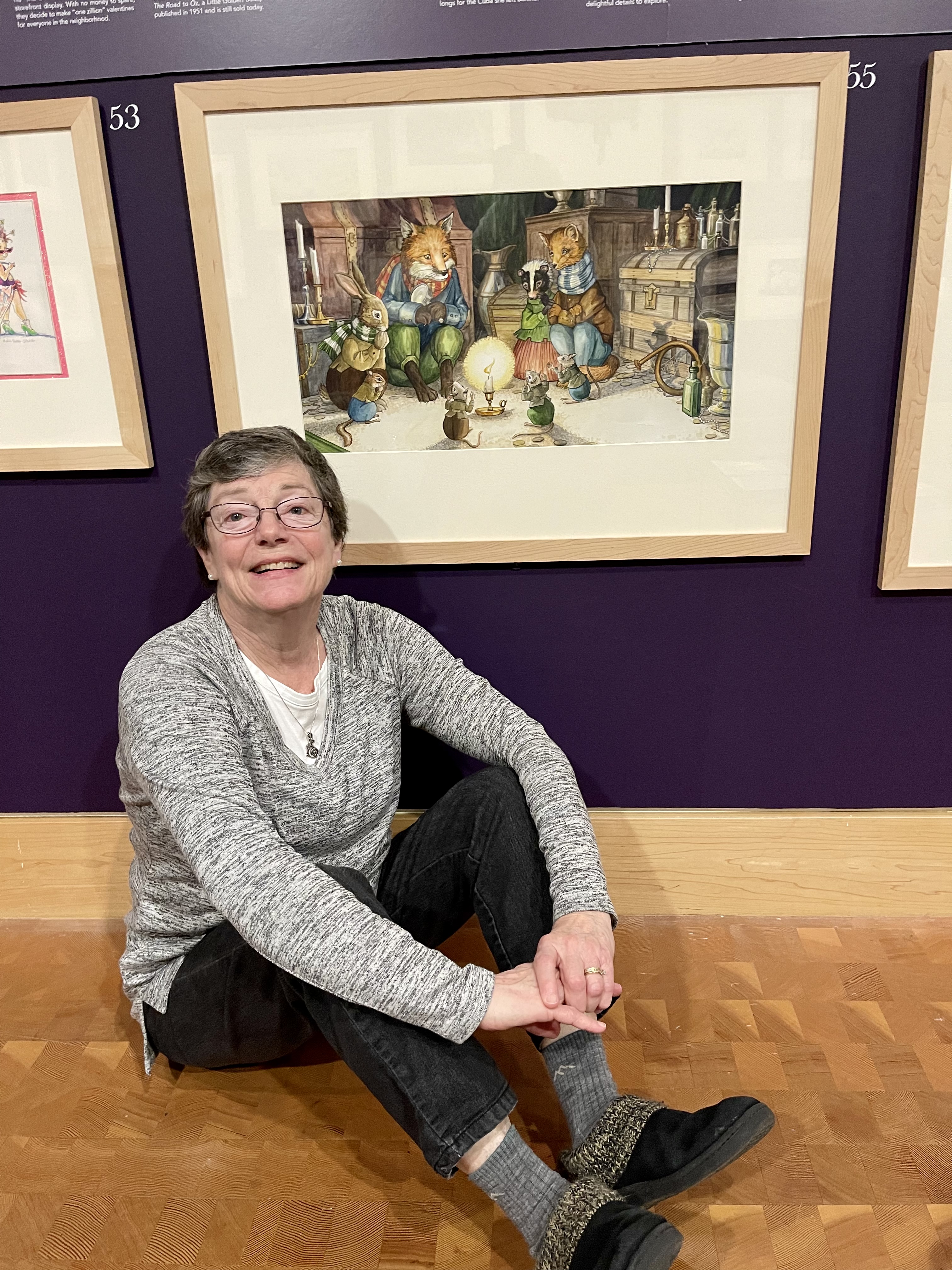
Few museums give patrons an up-close, personal experience. The Eric Carle Museum in Massachusetts is a master at doing just that. Their three rotating exhibits are grounded in the best art of illustrators, and patrons can be inches away from their favorite books. I have seen brush strokes, pencil outlines, thick paint, and even linoleum from the art of my favorite children’s books.
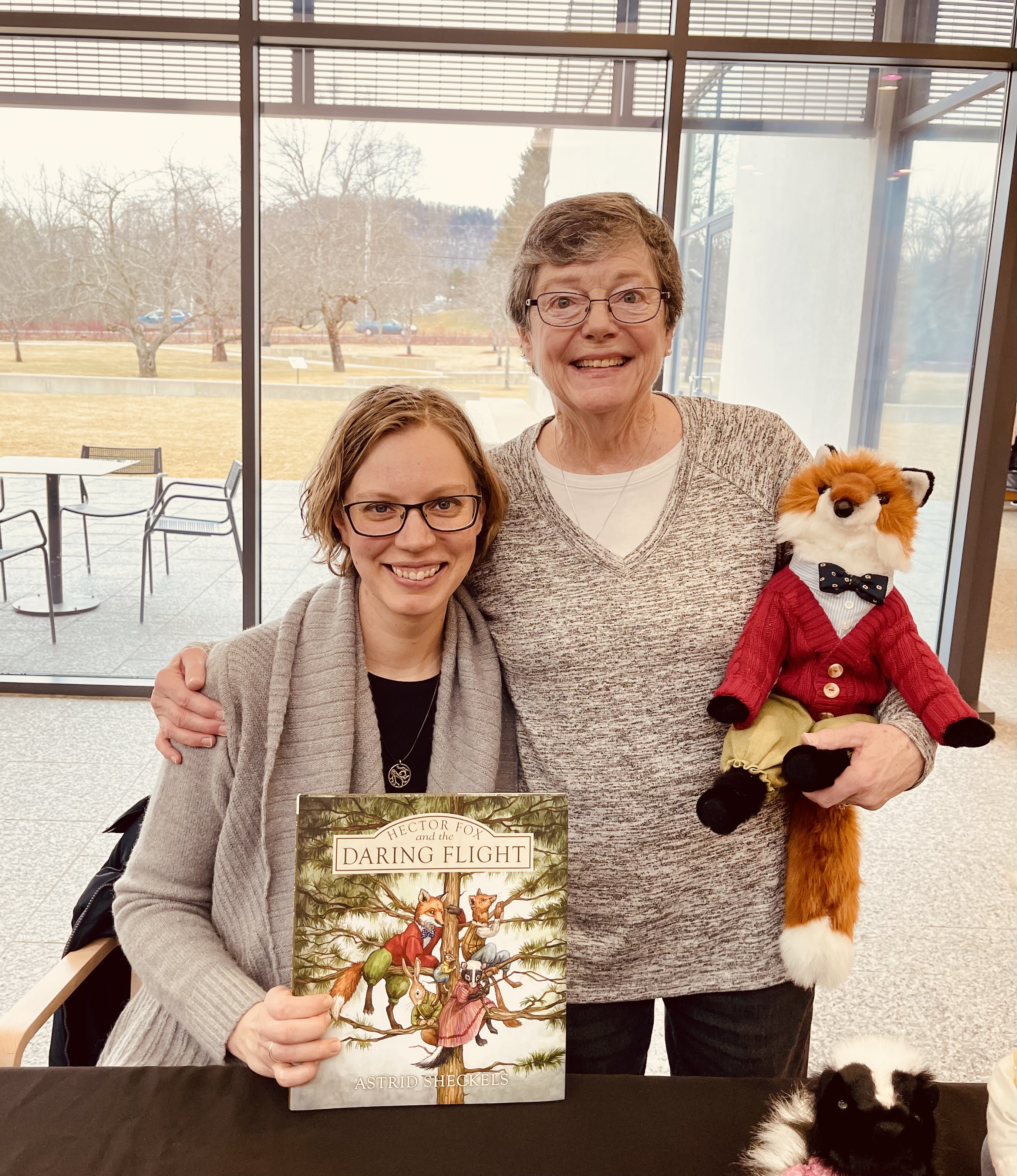
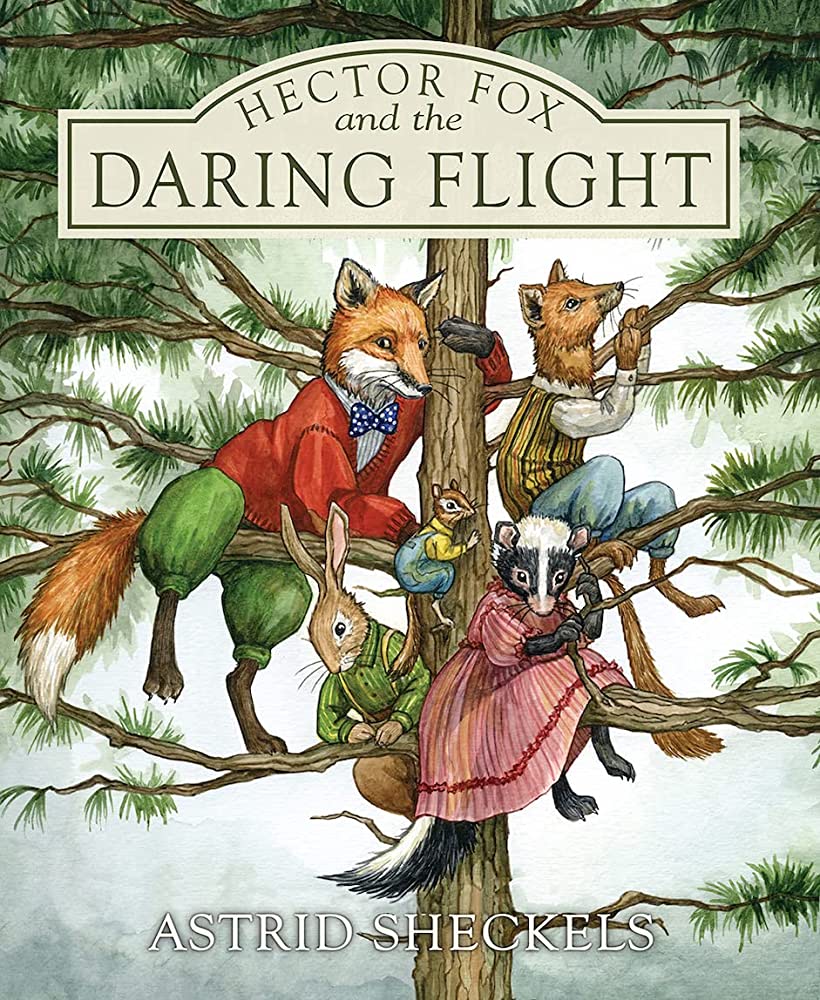
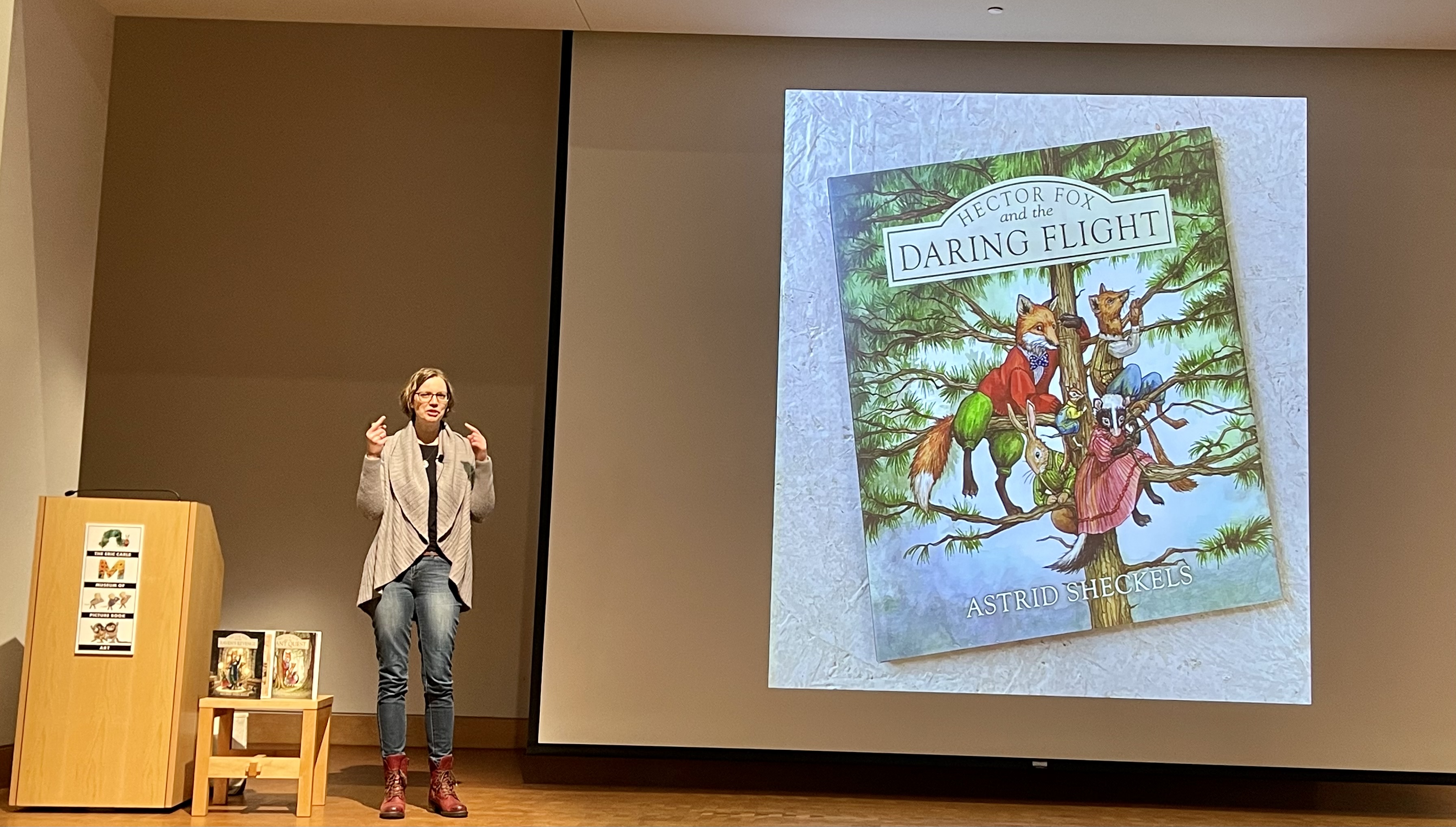
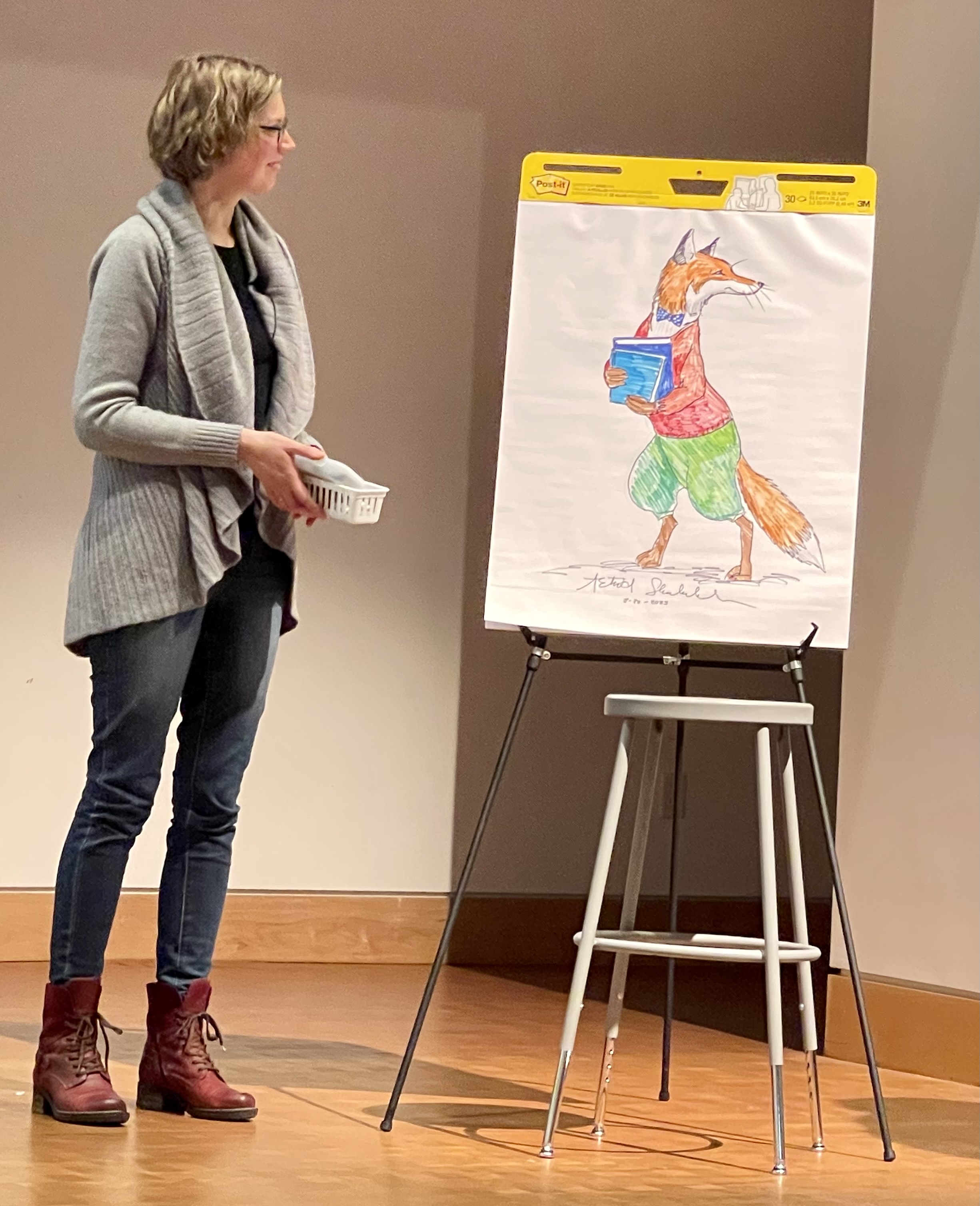
There’s more. Artists visit and give readings and presentations. This week Astrid Sheckels, author of the popular Hector Fox books, was at the museum with her latest book. I was there!
Hector Fox and his friends (all animals native to New England- including a marten) have adventures. The illustrations are glorious, detailed, and draw the reader in. The text is exciting, with challenging words that keep the reader hooked. For example, Hector’s first book is the Giant Quest. Yes, ‘quest’, just the word I want my preschoolers to learn.
Astrid Sheckels had a wonderful presentation and reading of her new book, and she drew Hector Fox with the audience.
One of her illustrations is a new museum acquisition. It is magnificent! There’s nothing like the ‘real deal’.
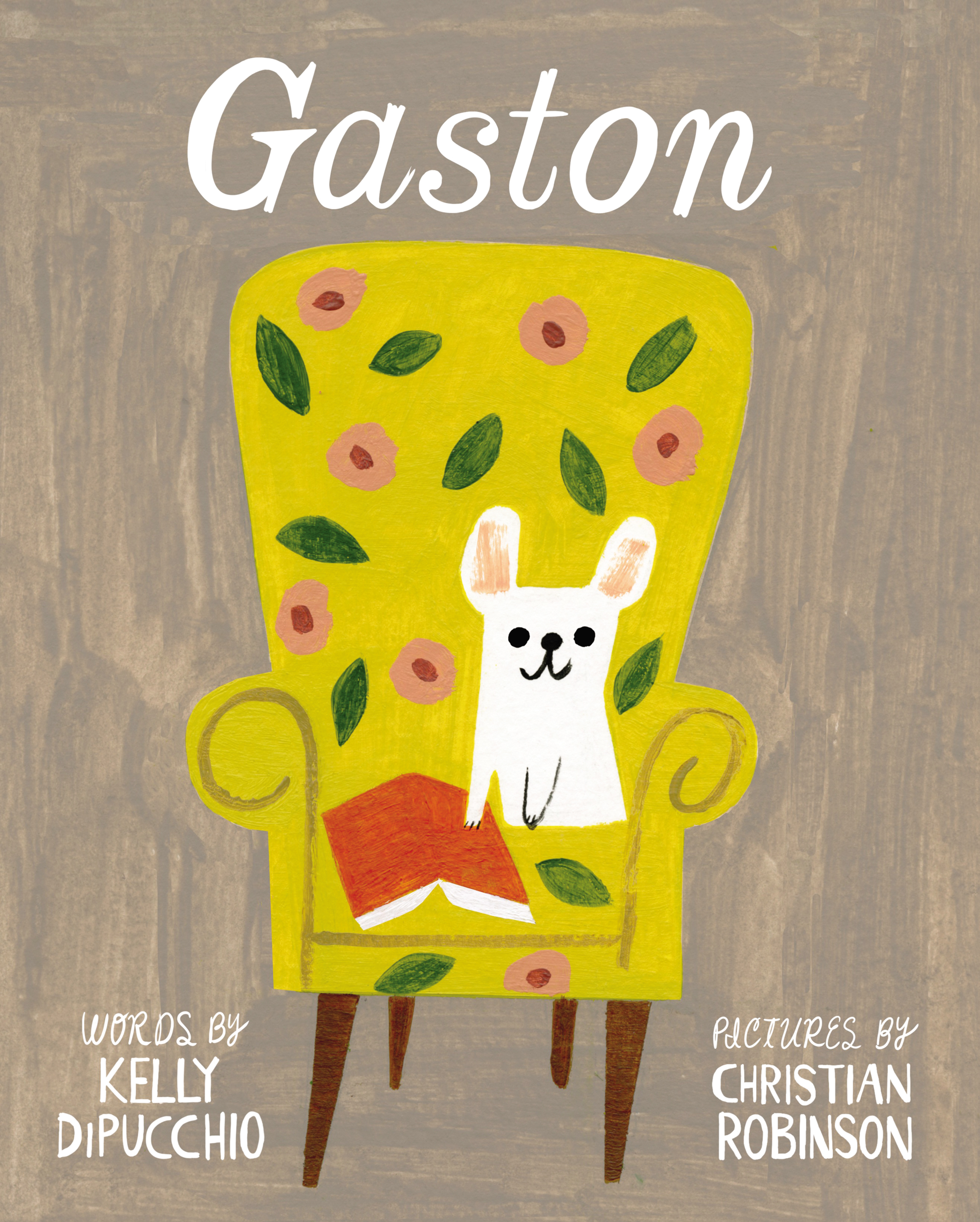
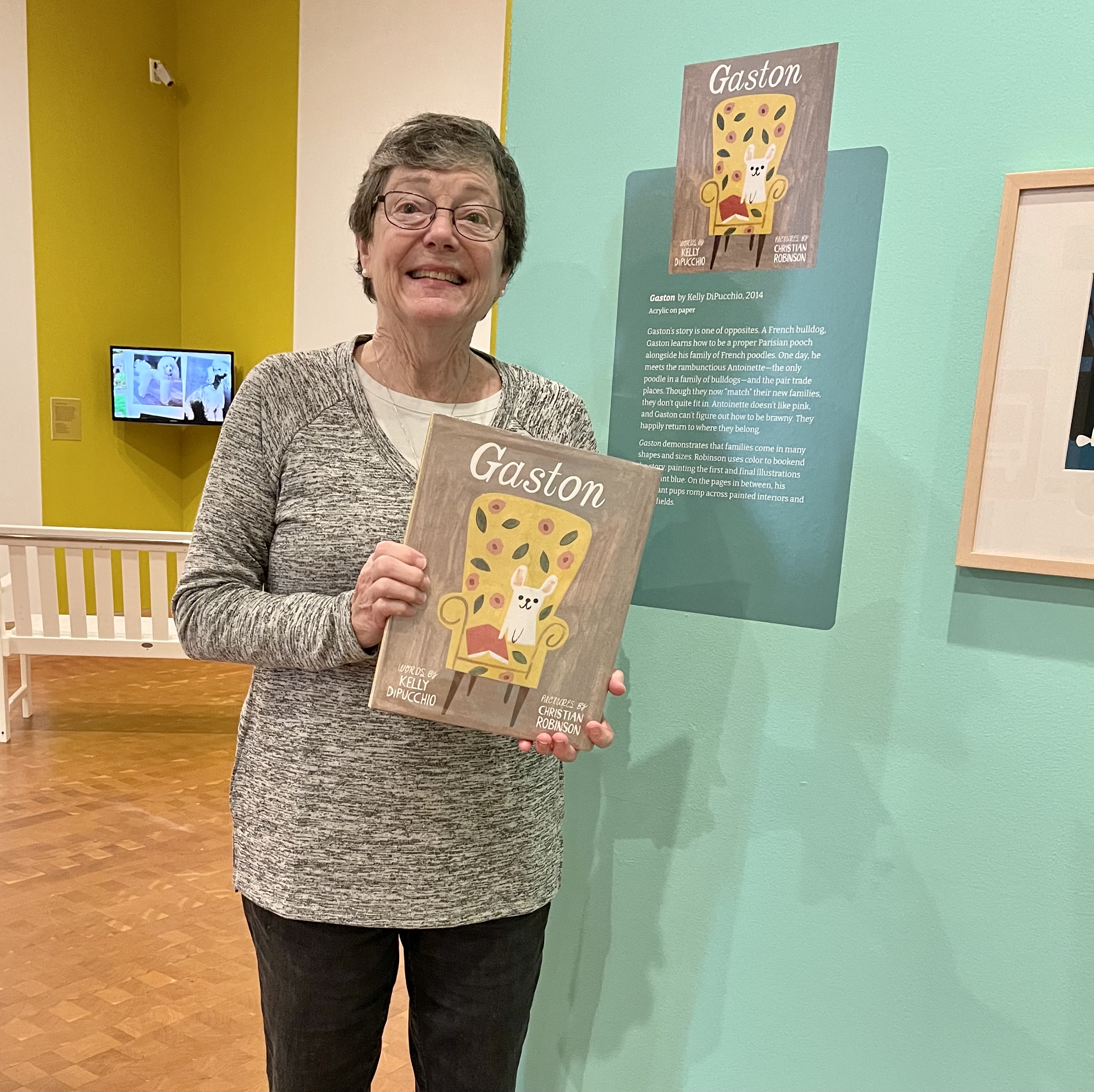
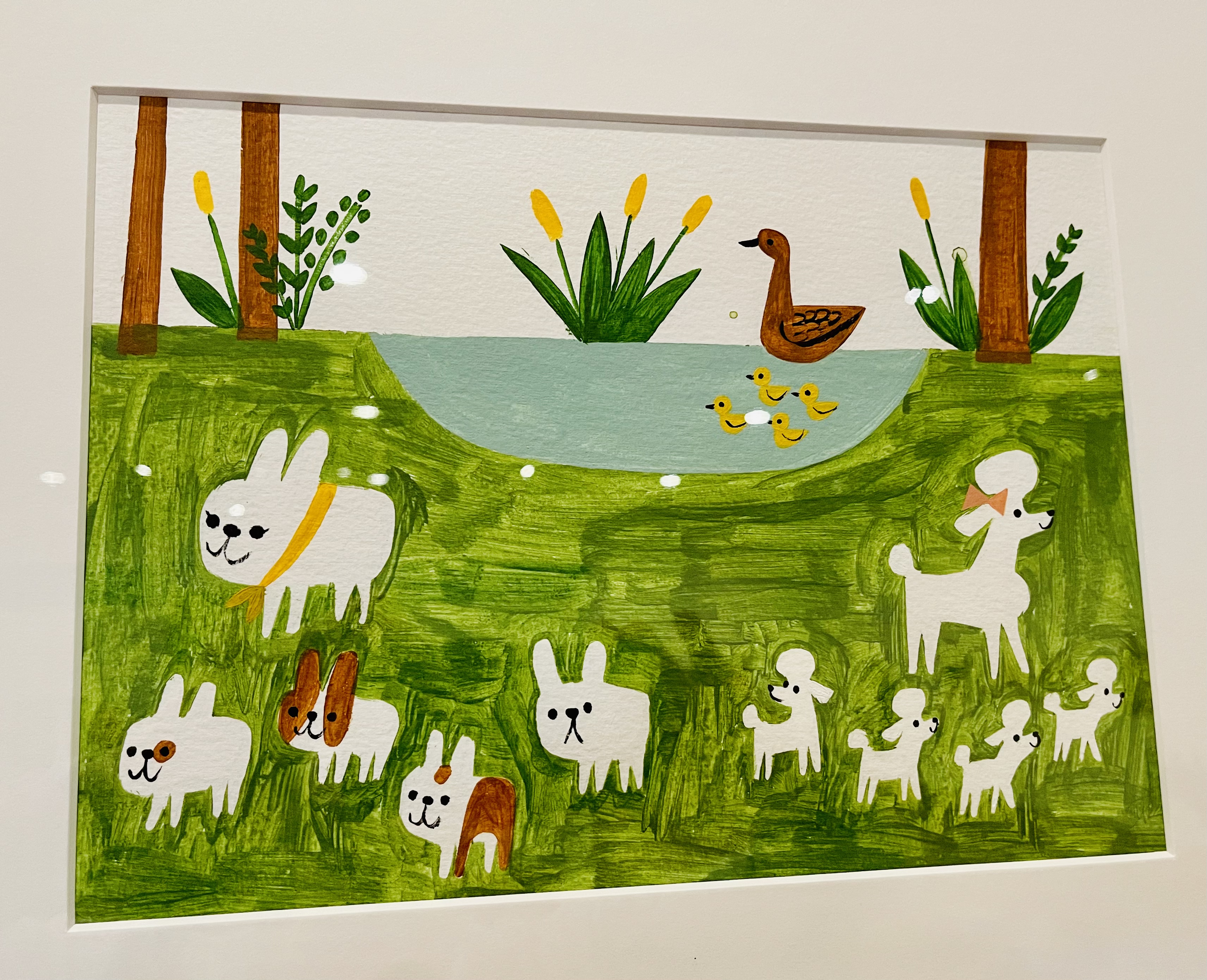
Of course I had to see the other exhibits. One was an illustrator, Christian Robinson. I recognized his art right away. And then…there it was. Gaston!
YES! It’s the story of puppies in two very different families. There’s a mix up, an exchange, and dog families who learn that being different is okay. My preschoolers love this book. I do, too.
Okay, I was out of control, yelling at my fellow teacher to look at the brush strokes. “Naomi, this is IT, the real art, and we can see every brush stroke!”
For art lovers, seeing a beloved masterpiece is thrilling. For book lovers who have seen that art hundreds of times reading the book to children, the experience of seeing the original art is tenfold.
Thank you to the Eric Carle Museum of Picture Book Art for bringing the art of illustrators for all of us to see.
Before children learn to read, first they must hear the words. It’s developmental, like learning to crawl before learning to walk. The auditory piece, including singing, hits both the brain and the soul in learning. In my preschool class, reading aloud is a top priority, so I constantly read picture books and also chapter books. I use a ‘voice’, stop all the time to ask questions, and often the story takes a very different turn. We have pretty deep and serious discussions as a class, because we love reading.
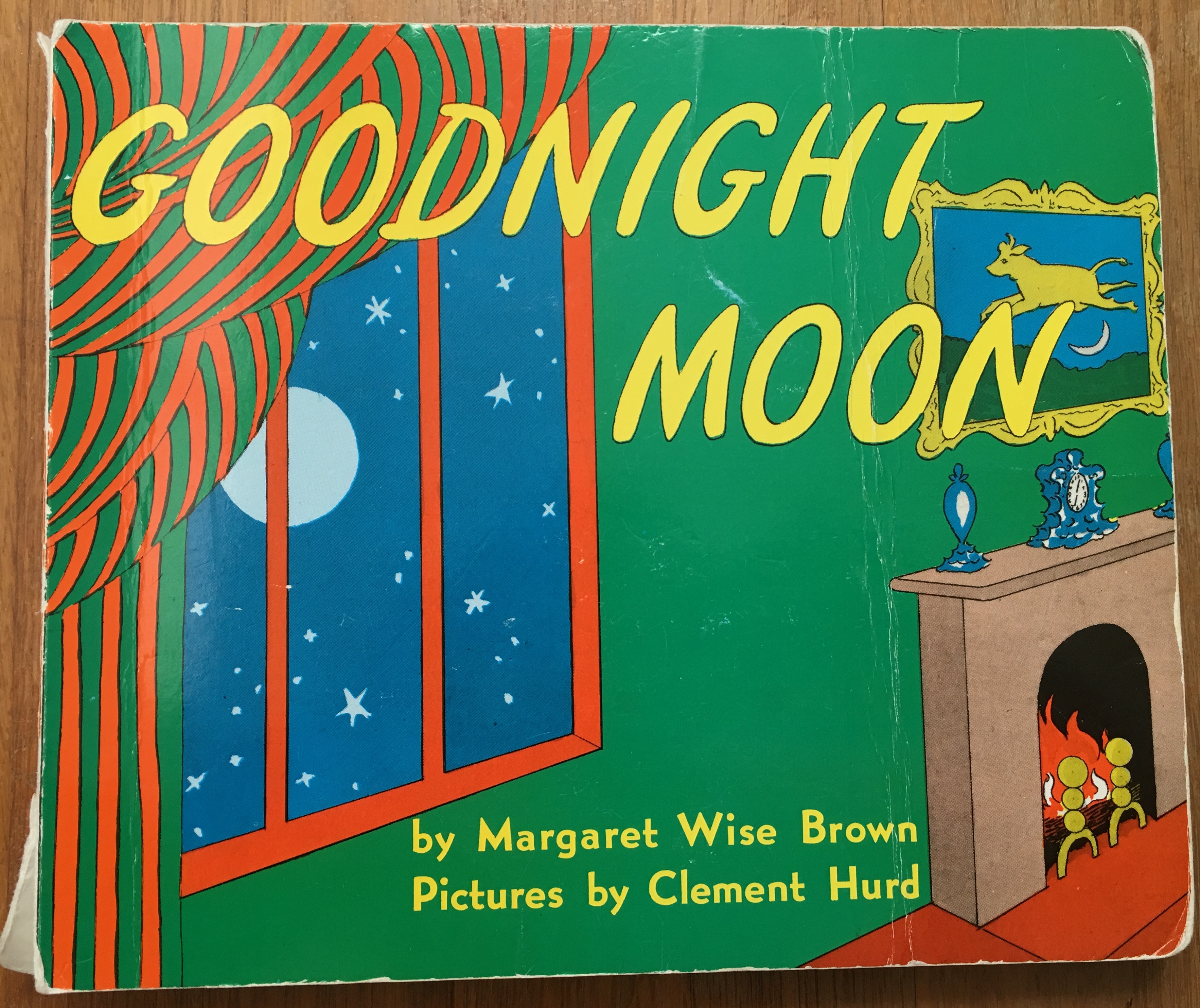
Every day before chapter reading I recite Goodnight Moon. The children love it for two reasons; they know that chapter reading is next, and they feel connected to the words in the book. I recite the story, all the words, and they have no pictures to see (just like chapter reading.) Over the course of the year, I have changed the words to incorporate the names of the children. “And Tommy’s red balloon, and a picture of Sarah jumping over the moon…”. This has been hugely successful. The children think it is so much fun, but I realize that there is a bigger connection with the language they are hearing. I have taken a story they love, recited with no pictures, and changed the text. That means changing your brain, and children do that so well.
It gets more complicated, or perhaps I should say more simple. Reciting Goodnight Moon then naturally flowed into singing. It was already a story with a rhyme, and it already had children’s names as part of the rhyme. So, I sang Goodnight Moon. It didn’t matter what the tune was. The important part was singing, as that brought ‘life’ into the words. I occasionally changed the ‘beat’ as well, clapping or tapping my foot.
Oh, it gets better. When COVID hit and I was reading to children on Zoom, it wasn’t enough. I read a picture book and a chapter in our chapter reading book every day. But, how could I recite Goodnight Moon?
I could sing it! Better yet, I could do a Rap. I did, and the children loved it!
Teachers naturally address visual learners. Whether it is a classroom chart or writing on the board, the majority of information for children is often visual. If we address the auditory learners through singing, rhyming, and chanting, we are crystallizing language. And, it is fun! So, I now sing poetry, stories and rhymes whenever I can. The children love it, and it works. Goodnight Moon is proof.
My post on ‘Reading Aloud Heals Just About Everything’
gave my readers a chance to reflect and tell their stories.
Thank You!
“Few days before my father died I was reading to him. I don’t remember what the book was. He wasn’t aware of what the story was but he told my mother that the fact that I was reading to him gave him such a sense of peace that he would smile. I’m always proudest of that.”
“But reading fixes everything. I read to mom in her later years and even though she had dementia, she loved it and it made her smile. 😊 I hope you will be better soon and back to school with the children.”
“As to the healing art of reading aloud – during ‘lockdown’ hubby started reading the book he was reading to me as a sort of bedtime ritual. The book? No, not The Princess Bride, but we have both the book and the video. The book is called, “The Soul of an Octopus – A Surprising Exploration into the Wonder of Consciousness” by Sy Montgomery. As the isolation of COVID continued, I then began to read aloud the same book again to hubby! It’s now part of our history together as is COVID itself.”
“As to the healing art of reading aloud – during ‘lockdown’ hubby started reading the book he was reading to me as a sort of bedtime ritual. The book? No, not The Princess Bride, but we have both the book and the video. The book is called, “The Soul of an Octopus – A Surprising Exploration into the Wonder of Consciousness” by Sy Montgomery. As the isolation of COVID continued, I then began to read aloud the same book again to hubby! It’s now part of our history together as is COVID itself.”
“Absolutely. I also read to my mom the last few days of her life. It was The Greatest Story Ever Told, so she’d know him when she saw him. I hope it comforted her.”
“I wrote a children’s book a few years into my mom’s dementia, illustrated beautifully by a friend. I read the book slowly to my mom – the words didn’t matter to her, but the reading of the book while showing her the illustrations brought a lightness to her face. In my (adult) writing classes, we read our stories out loud. Everyone LOVES reading their own stories as well as listening to those of others. What a fabulous post, Jennie.”
Stories are keepers, they are memories, they pierce the heart.
Jennie
P.S. Stay tuned for a reading aloud ritual that continues to be popular.
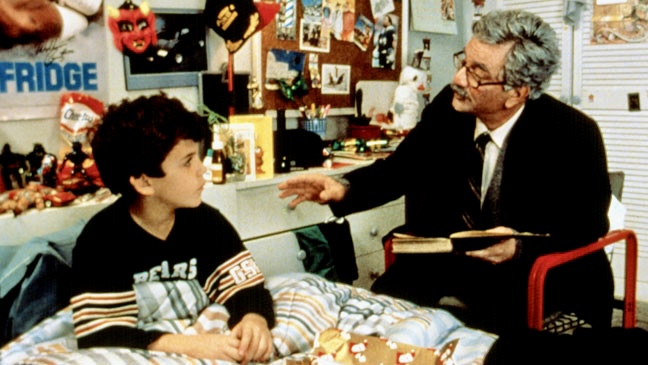
PRINCESS BRIDE, THE, Fred Savage, Peter Falk, 1987, TM and Copyright (c) 20th Century-Fox Film Corp. All Rights Reserved
My favorite ‘reading aloud movie’ is “The Princess Bride.” Yes, it’s a wonderful movie about a fairy tale…but more importantly it’s a grandfather reading aloud the book to his sick grandson, a reluctant listener. Eventually the grandson is fully engrossed in the book and his grandfather’s reading aloud.
Even when you’re sick, your ears hear the words, and your brain makes wonderful connections, often to the heart. Sick people smile when they are read aloud to. Yes, they do.
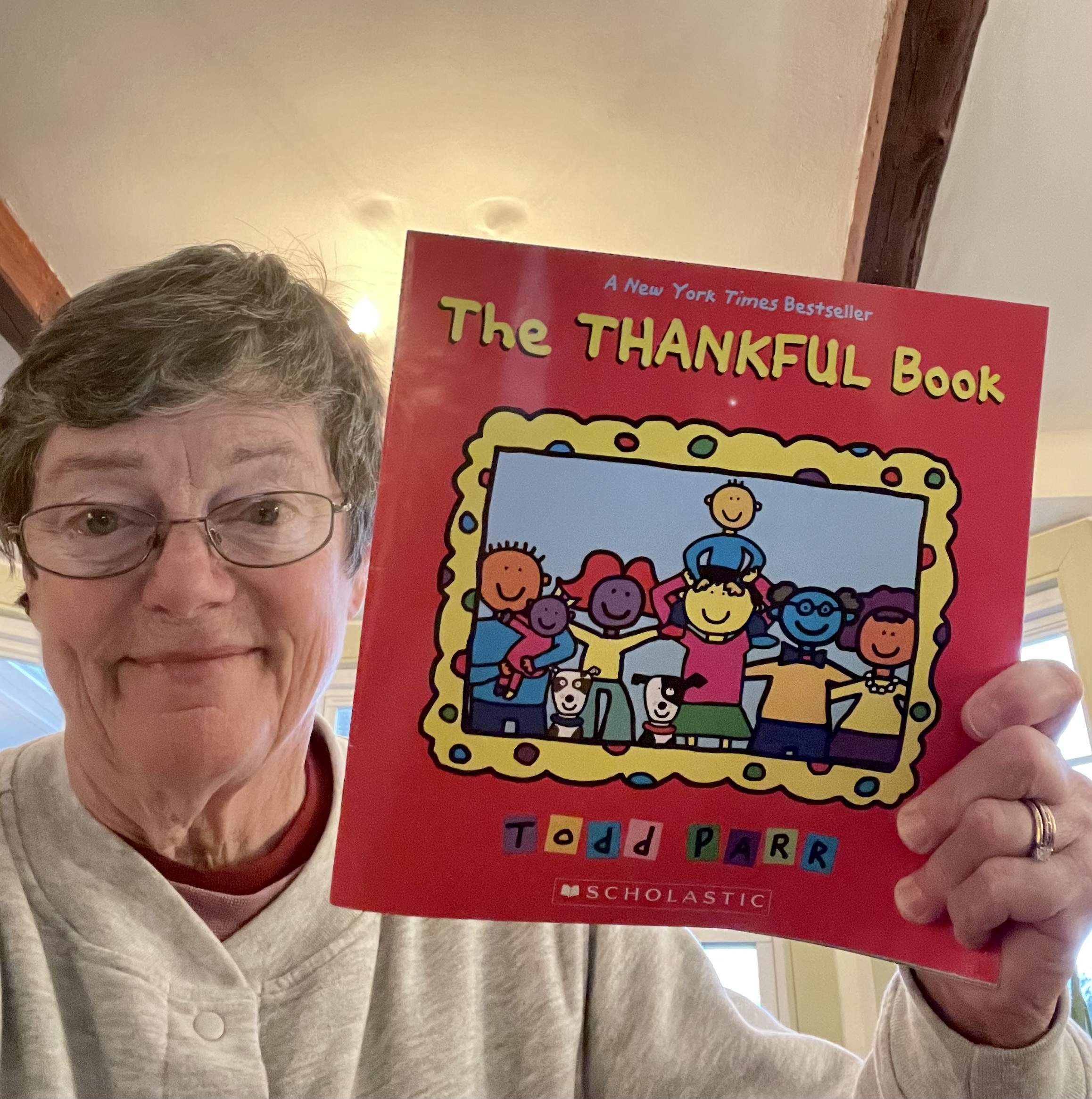
I have been sick. Staying home for a week has been sometimes blurry, yet I was able to read aloud to the children at school on Zoom. What a treat! I read a Todd Parr book, The Thankful Book.
It was perfect. We talked about all the things we’re thankful for.
Yet, the tables were turned, I was the sick one. Reading aloud was healing for me, too. Yes, reading aloud heals just about everything.
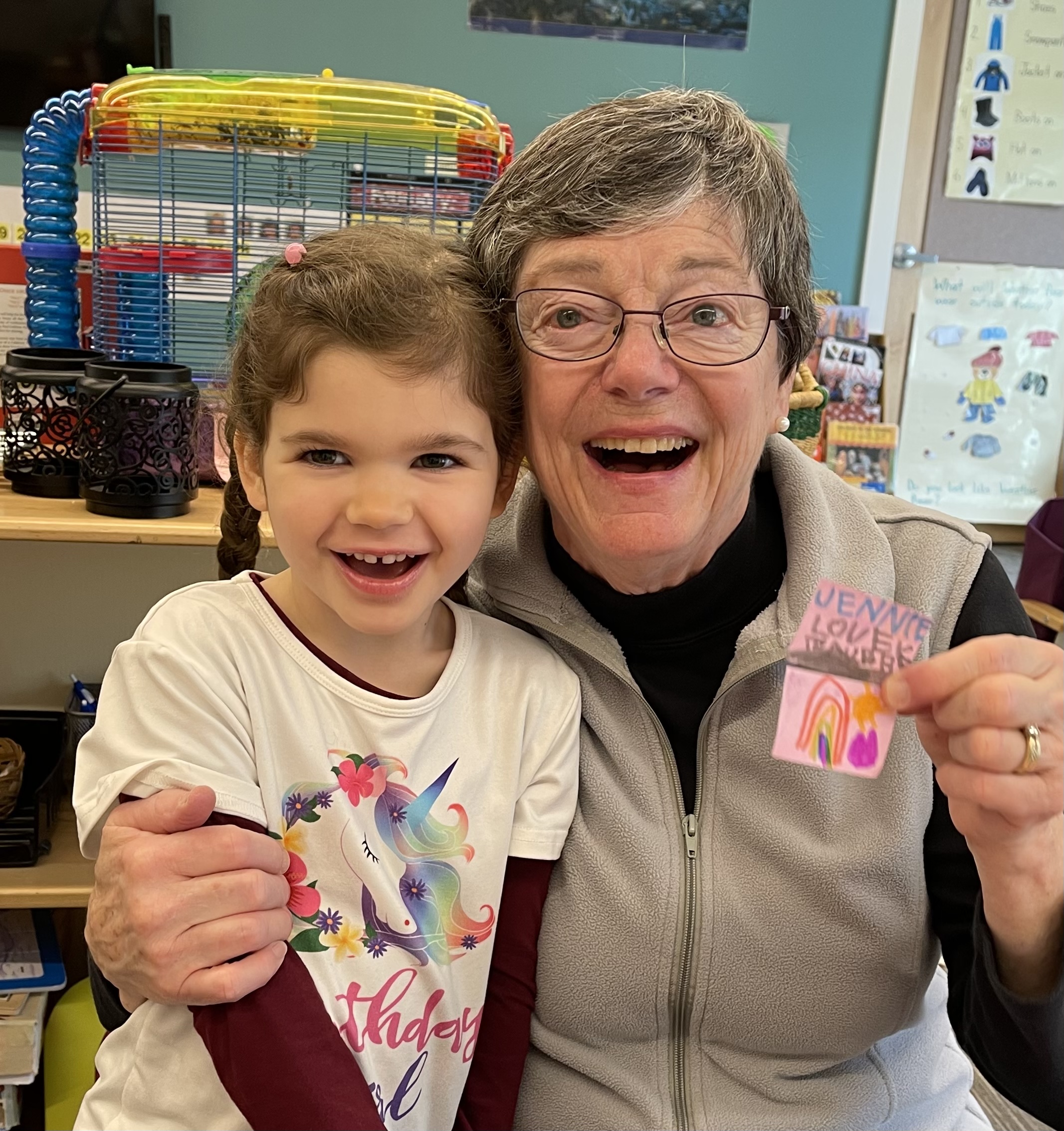
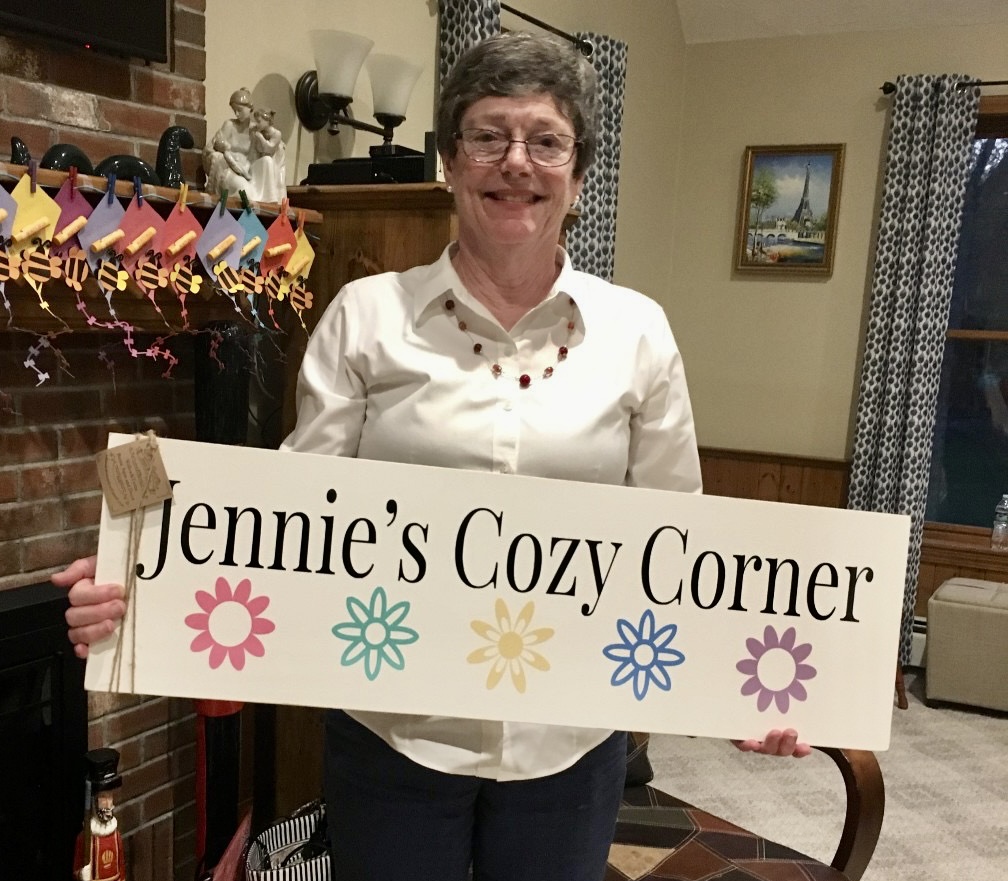
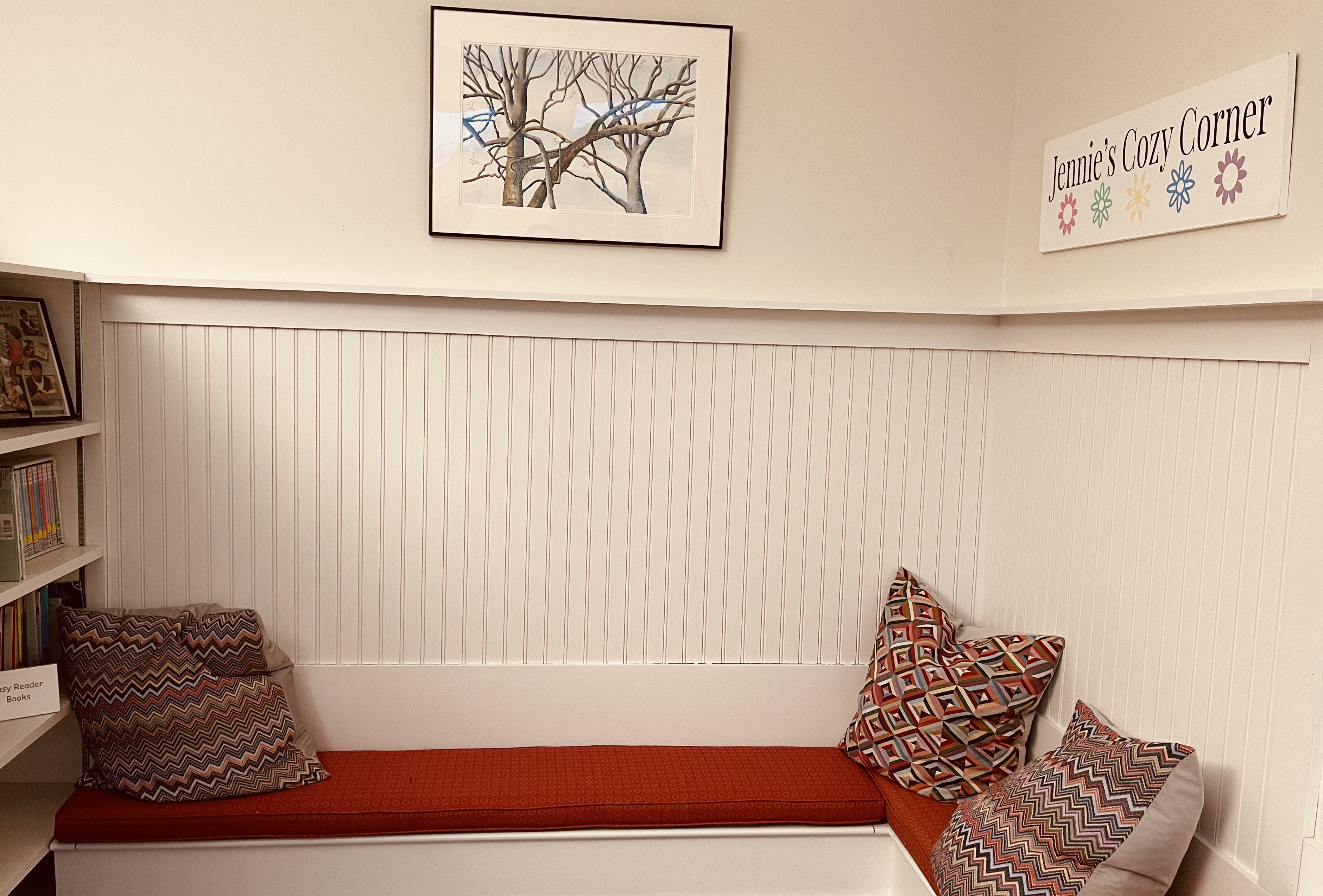
Kelly has learned to read. She is so proud! Most children are happy to just keep reading, once they have crossed that threshold. Not Kelly. She wanted to show her skills to the world, to read aloud on YouTube, but Mom and Dad said no. She wanted to show her stuffies on YouTube. No again. After thinking long and hard, she wanted a ‘cozy corner’ a place to read, just like Jennie’s Cozy Corner at school.
My goodness. Yes, I have a cozy corner in the library. It was a gift when I celebrated 35 years of teaching.
It’s a lovely spot, a place to just be, a place to read.
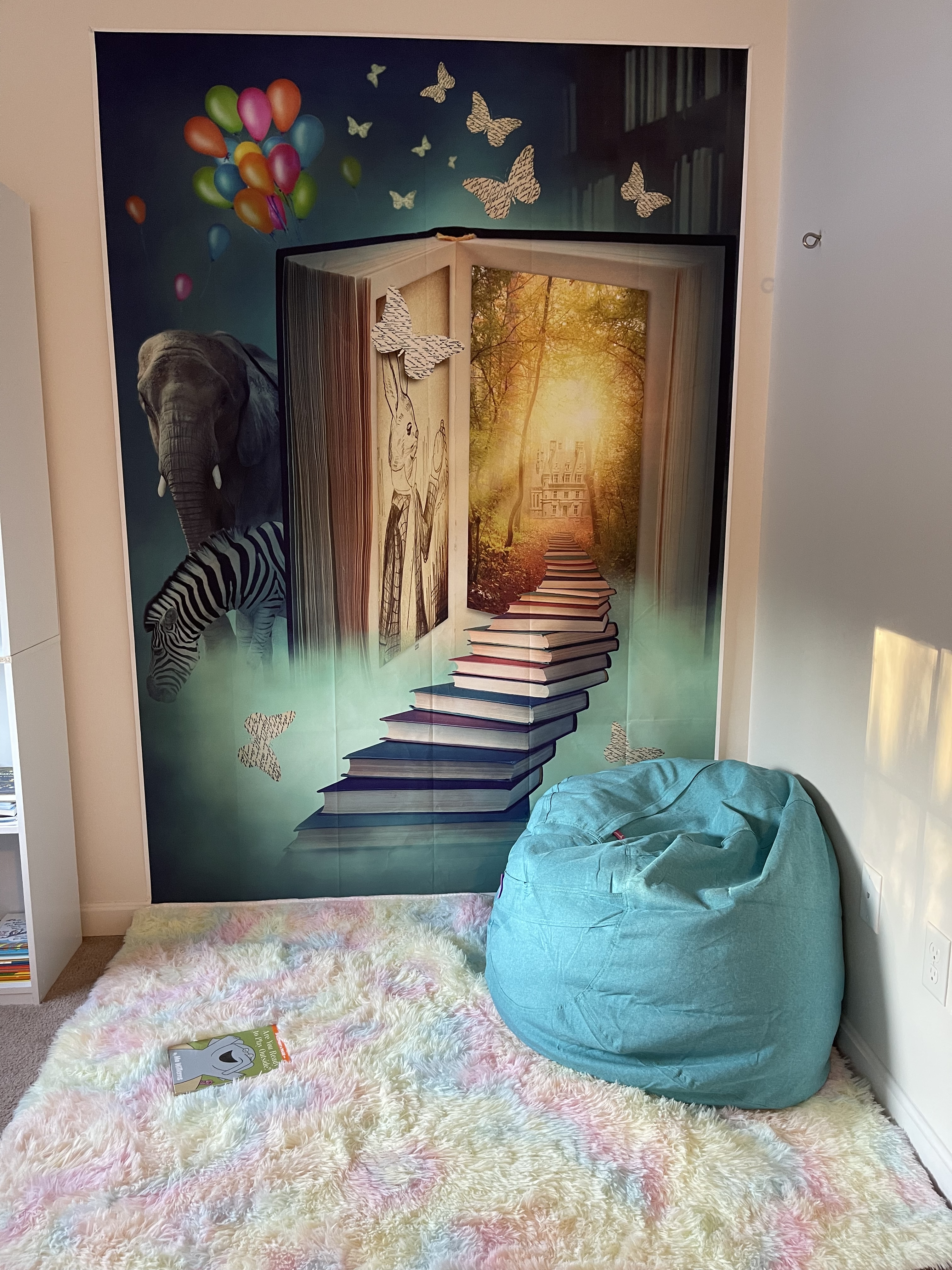
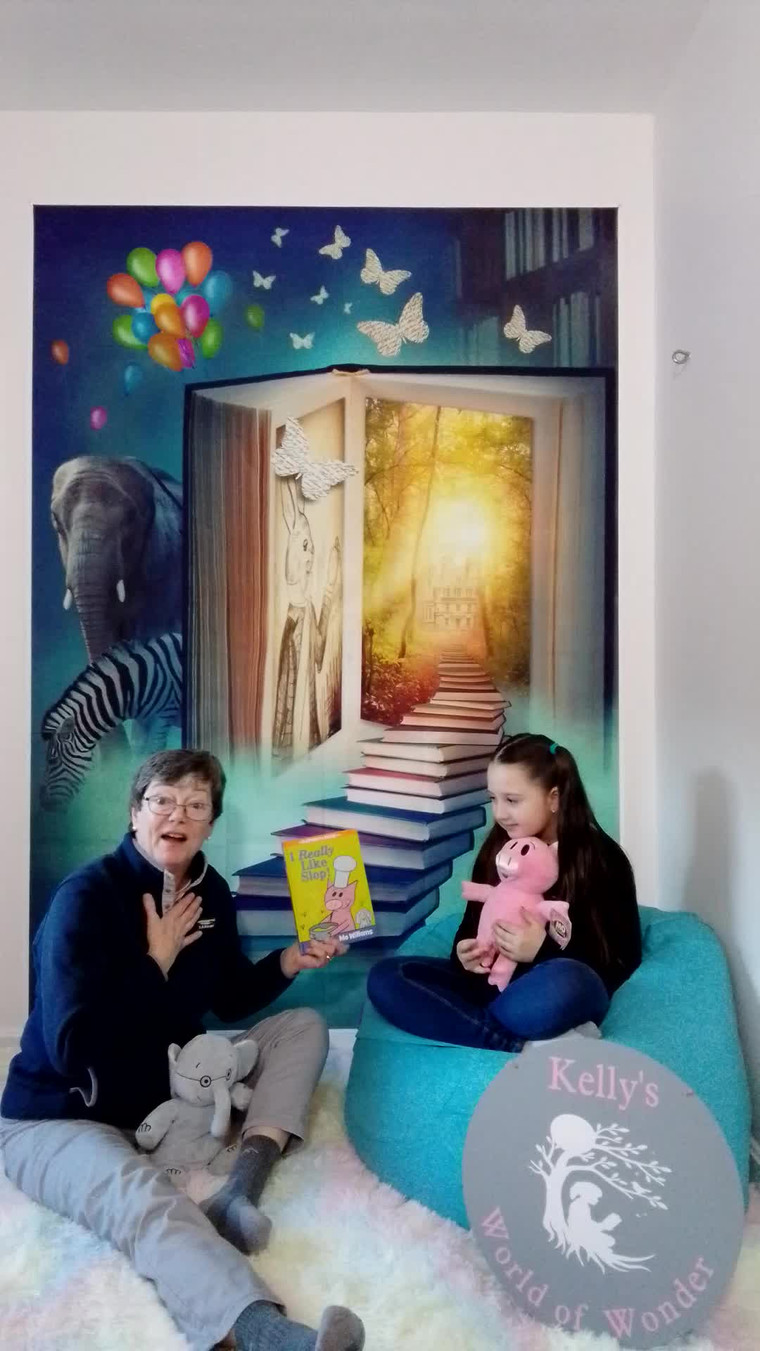
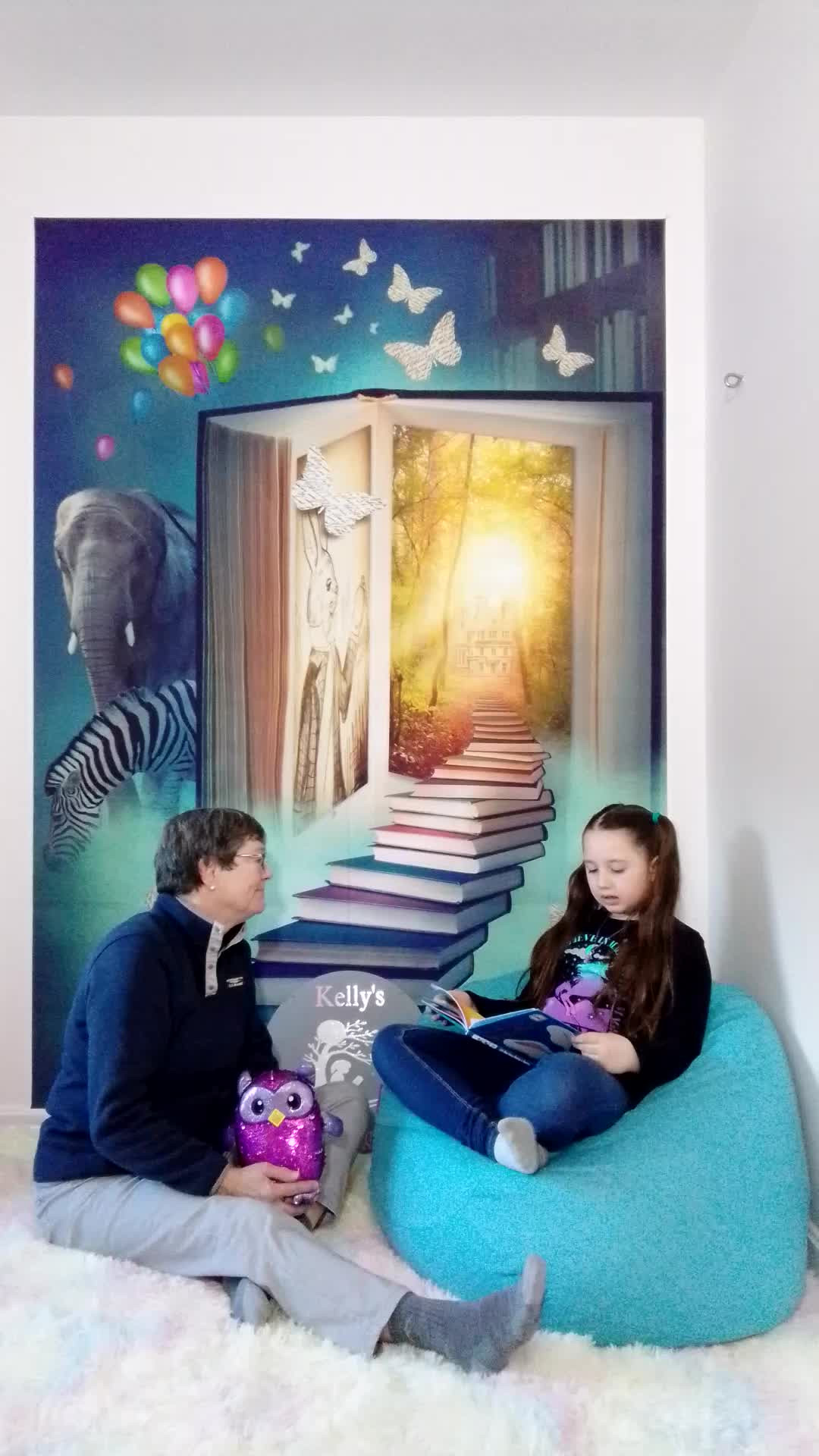
Mom and Dad thought this was a wonderful idea. For Christmas Santa brought Kelly a giant wall hanging. It is stunning, stairs that are books leading up to a castle and bright sun.
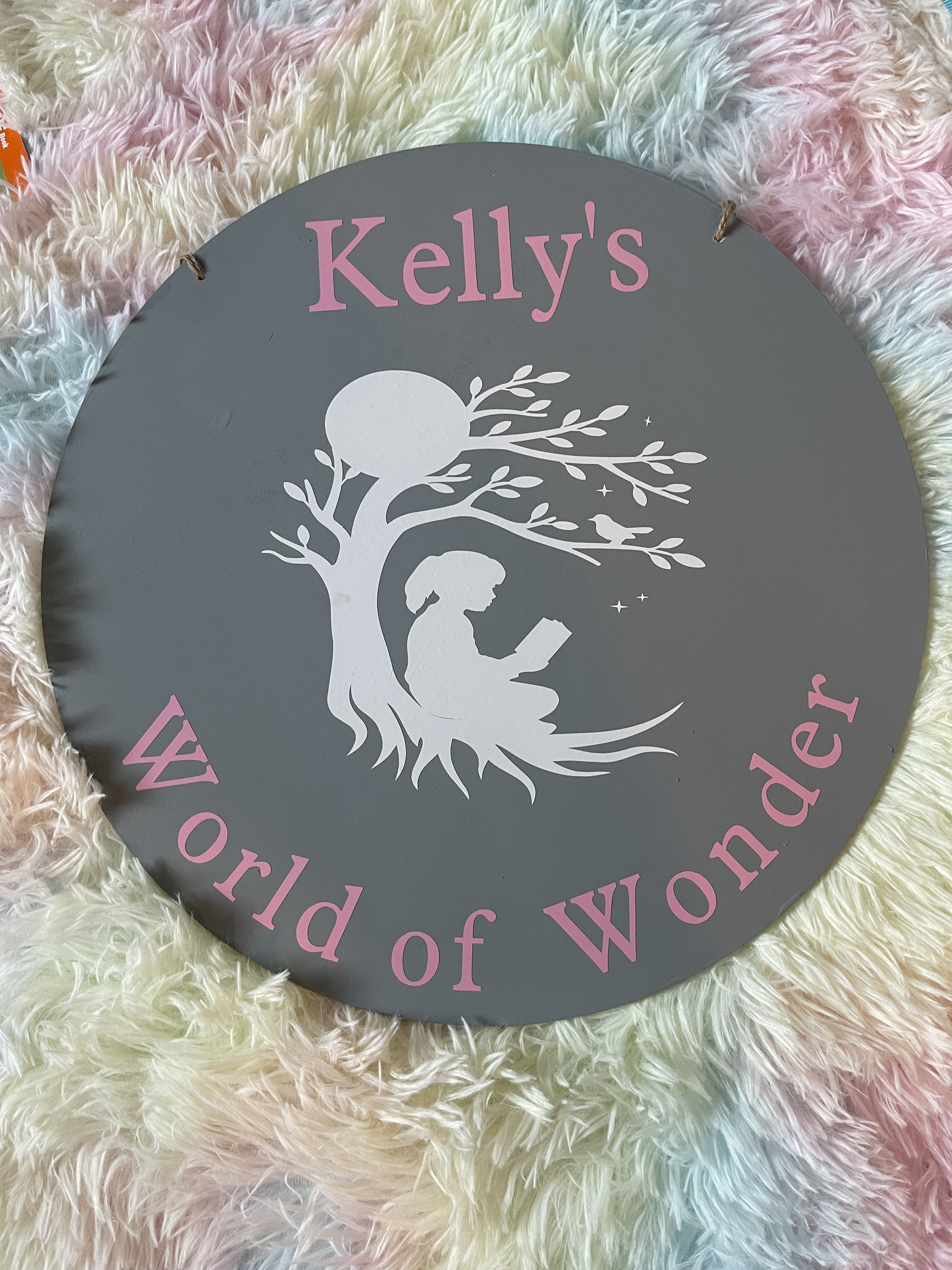
She named her special place, Kelly’s World of Wonder.
I was invited to Kelly’s World of Wonder as the first guest. First! I was so excited. She wanted to read an Elephant and Piggie book. I was Gerald the elephant, and she was Piggie.
Then, Kelly wanted to read aloud on her own to me. The book was tricky, as I had to guess different animals. Clearly, Kelly was confident and a terrific reader-aloud.
Here’s to Kelly, and the readers of the world. More importantly, here’s to Kelly’s creativity and imagination. In the words of Albert Einstein, “Creativity is intelligence having fun.”
I am proud of you, Kelly. Thank you for inviting me to be your first guest.

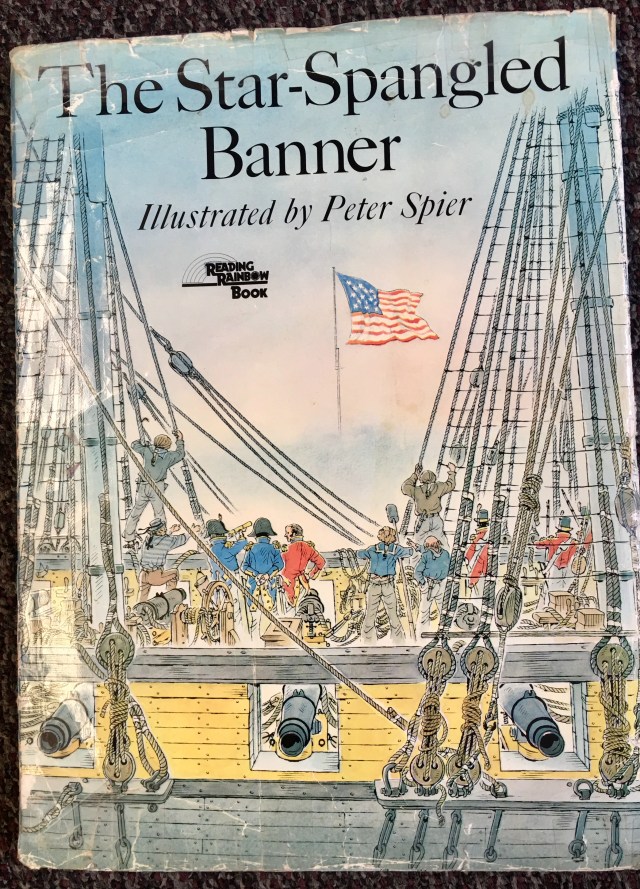 My well-loved and well-read book.
 They’re the MAC PACK. How cool is that?