A year of Chapter Reading

This is the newsletter I sent to parents on chapter reading – the single most important thing that makes a difference in teaching children:

Chapter Reading
June 11, 2019

Chapter reading is one of our treasured moments of the day.  We bring to life the imagination, the world, and the past.  The anticipation of ‘what happens next’ stirs excitement every day.  Children listen and think.  They ask questions.  Ask your child, “At chapter reading where do you make the pictures?”  You will hear your child say, “In your head.”

When we finish a good book and then start a new one, emotions run high and low.  The end of a good book is so satisfying and pleasant, yet…it is over.  That is the wonderful roller coaster of reading.  And, with each chapter book we read, we ride that roller coaster again and again.

We are nearly through reading Little House on the Prairie, and it is thrilling; from Jack the dog, to building a house, to Indians in the house.  Pa and his neighbor Mr. Scott dug a well, and we learned about the bad gas deep inside the earth (Pa had to save Mr. Scott) that only a candle can detect.  Of course I told children about my grandfather in the nines and his childhood portrait wearing a miner’s hat with the same candle. Laura and her family had fever ‘n’ ague (malaria), an illness that people thought came from eating watermelons.  Their neighbor Mr. Edwards actually met Santa Claus and helped to deliver their presents.

We encourage you to finish reading the book aloud to your child.  There is much more ahead, from A Scream in the Night, to Fire on the Prairie.  There is also fear of Indians, which I treat as an opportunity to discuss diversity and prejudice- ‘Gloria’ helps with that.  If your child wants to continue the series, the next one, Farmer Boy is about Laura’s husband when he was a little boy.  I recommend the following one, On the Banks of Plum Creek, which begins their next journey after the prairie.

We voted on our favorite chapter books this year.  Charlotte’s Web was the clear winner with 12 votes!

These are the chapter books we have read this year.  Good books are meant to be read over and over again.  We encourage you to revisit these wonderful books with your child:

Charlotte’s Web by E.B. White

My Father’s Dragon by Ruth Stiles

The Story of Doctor Dolittle by Hugh Lofting

Mr. Popper’s Penguins by Florence and Richard Atwater

Little House in the Big Woods by Laura Ingalls Wilder

Little House on the Prairie by Laura Ingalls Wilder

The fundamental constant that gives children the tools to succeed in school is languageThe more words that children hear, the better they will do in school.  Reading aloud to children is far more than an enjoyable experience.  It increases their language development!  In kindergarten through grade four, the primary source of instruction is oral.  The more words that a child has heard, the better s/he will understand the instruction, and the better s/he will perform in school, in all subjects.  Therefore, we will always campaign to read aloud.

A wonderful guide to book recommendations and to understanding the importance of reading aloud is the million-copy bestseller book, The Read-Aloud Handbook.  I have used the book since my children were little.  The author, Jim Trelease, visited the Aqua Room and GCS.  We are featured in the new seventh edition of the book.

Jennie, Heidi, Naomi, Katy

Posted in books, chapter reading, children's books, Early Education, Imagination, Inspiration, Jim Trelease, reading aloud, reading aloud, Teaching young children | Tagged , , , , , , , , | 50 Comments

Quotations on Imagination

Outstanding quotations from Charles French.

frenchc1955's avatarcharles french words reading and writing

carl-sagan-647717_960_720

“Imagination will often carry us to worlds that never were, but without it we go nowhere.”

                                                                  Carl Sagan

Jean-Jacques_Rousseau_-_adjusted

(portrait by Maurice Quentin de La Tour)

(https://en.wikipedia.org)

“The world of reality has its limits; the world of imagination is boundless.”

                                                                 Jean-Jacques Rousseau

ray-28744__340

(https://pixabay.com)

“Love what you do and do what you love. Don’t listen to anyone else who tells you not to do it. You do what you want, what you love. Imagination should be the center of your life.”

                                                                 Ray Bradbury

View original post

Posted in Uncategorized | 31 Comments

The End of the School Year

My dining room table has been a jumble of children’s work collected throughout the year.  I have put on the finishing touches.  Parents will get their child’s Portfolio – the full collection – next week.  I’ll be there, looking over their shoulder as they walk through the school year with their child.  Tissues needed.

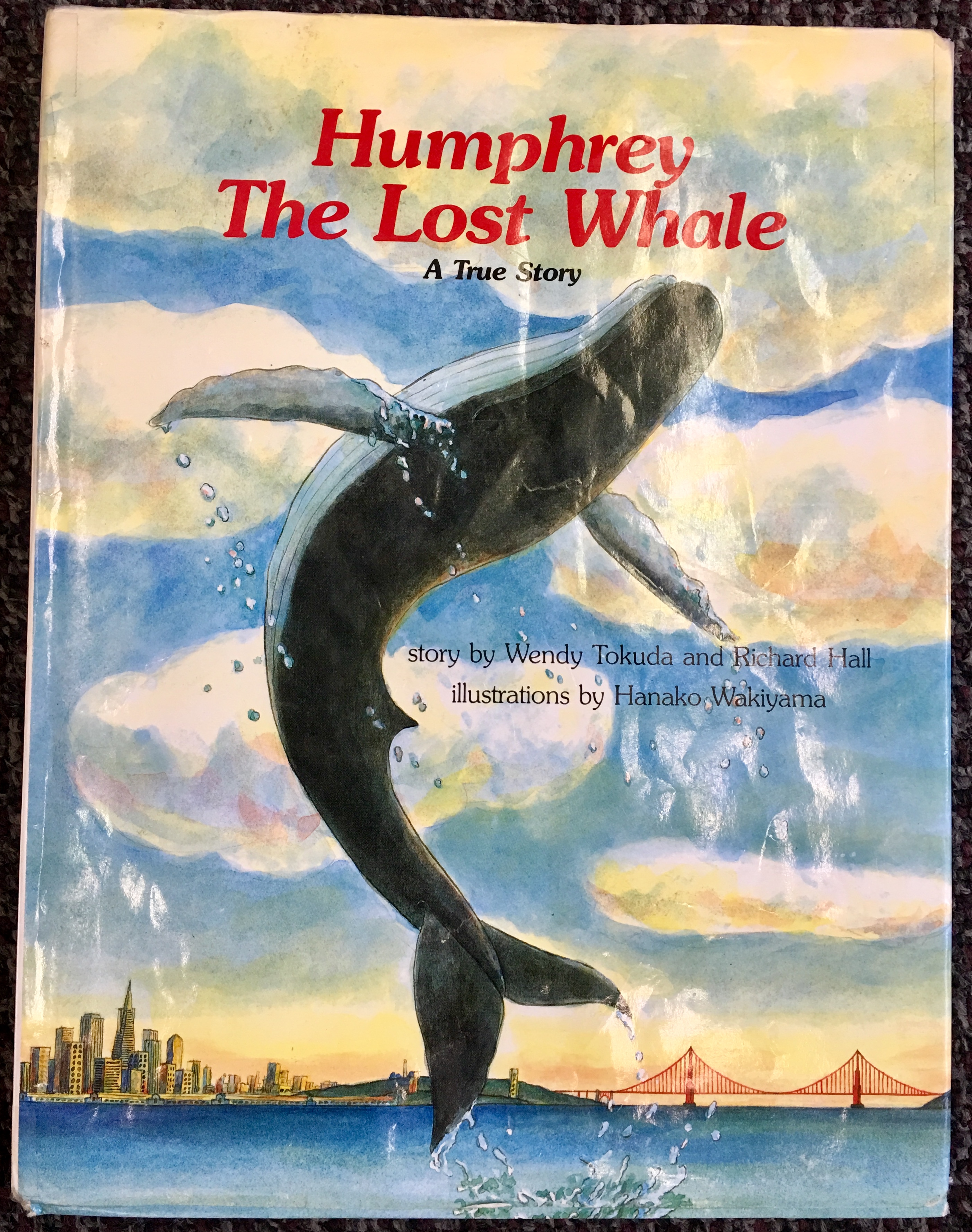
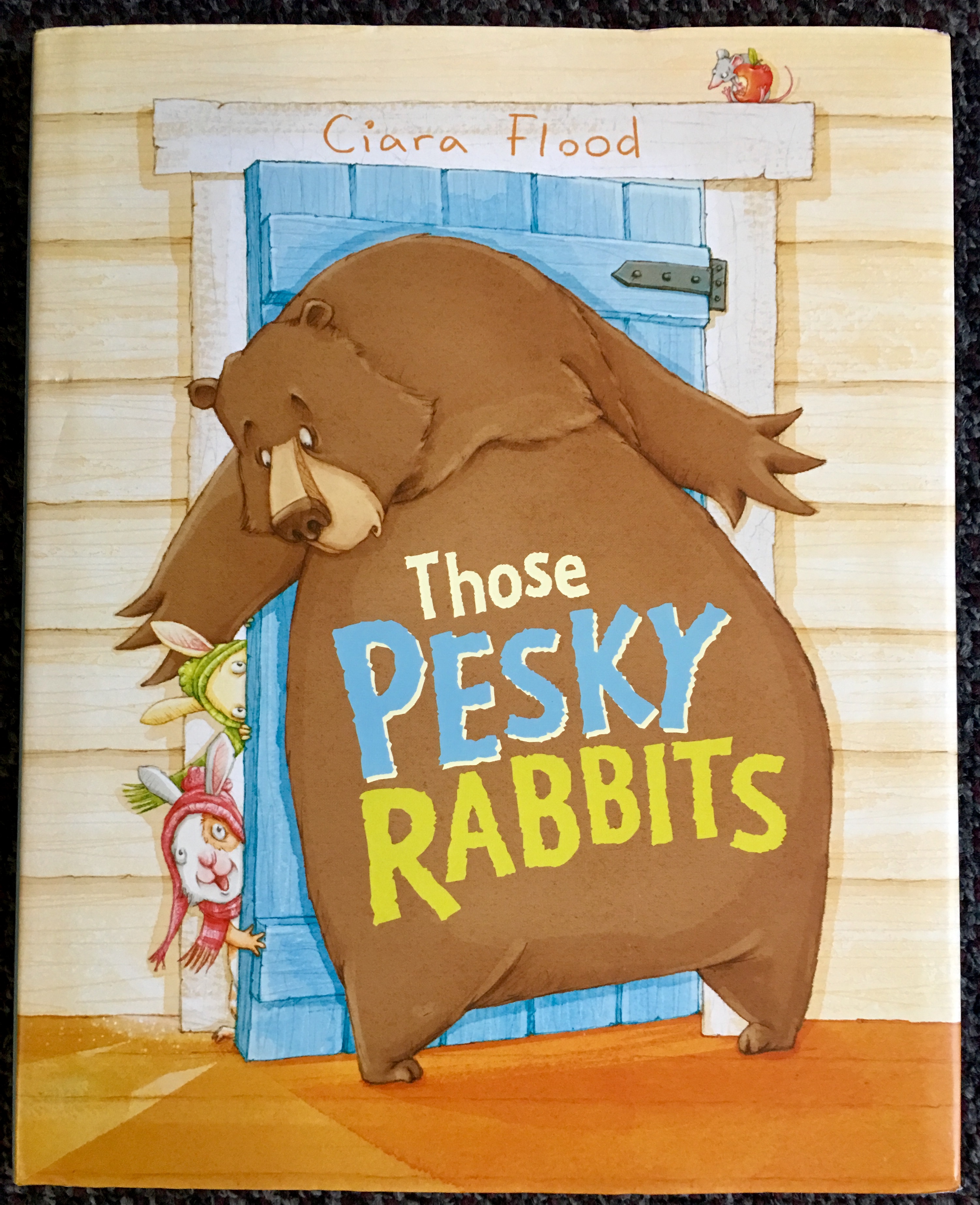
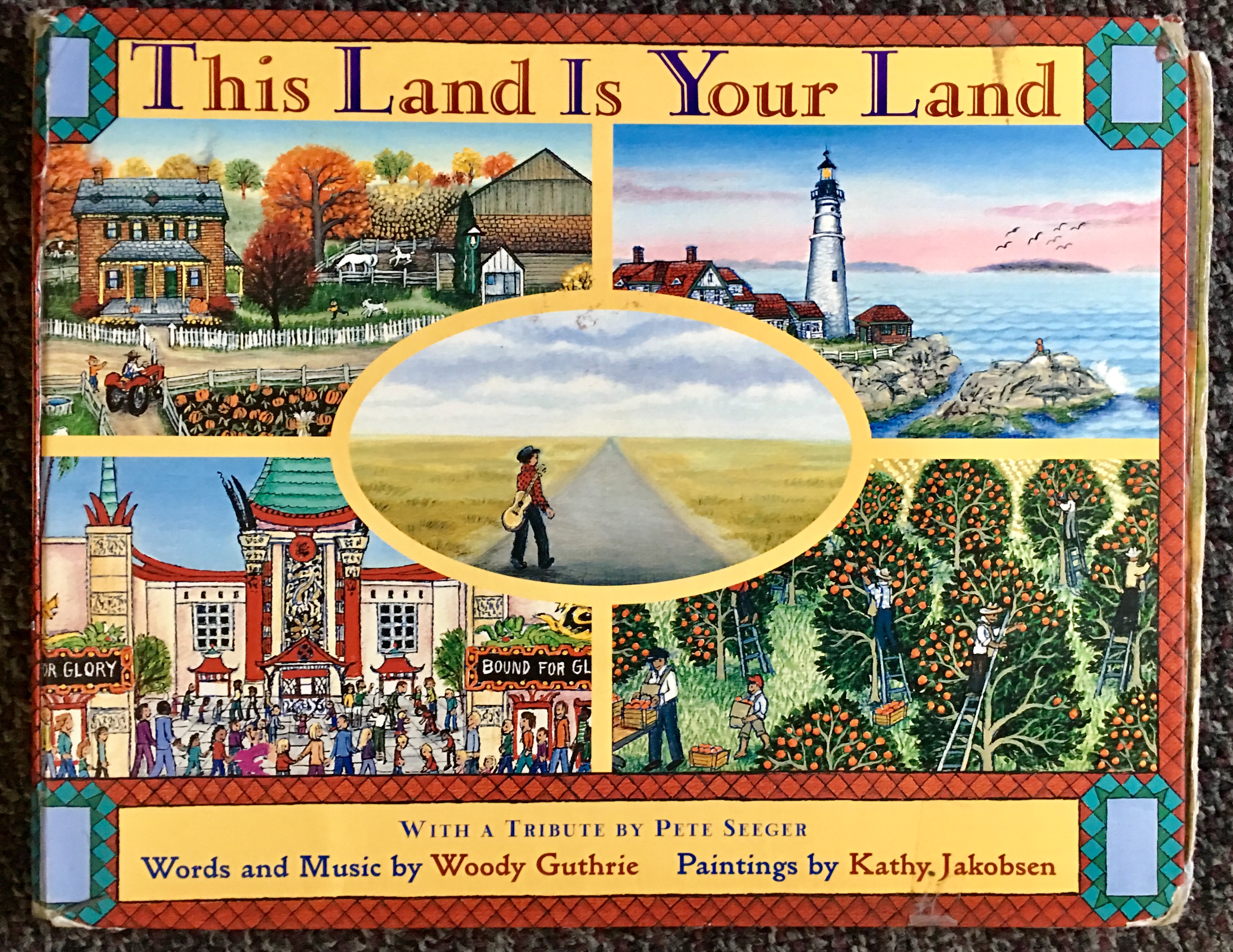
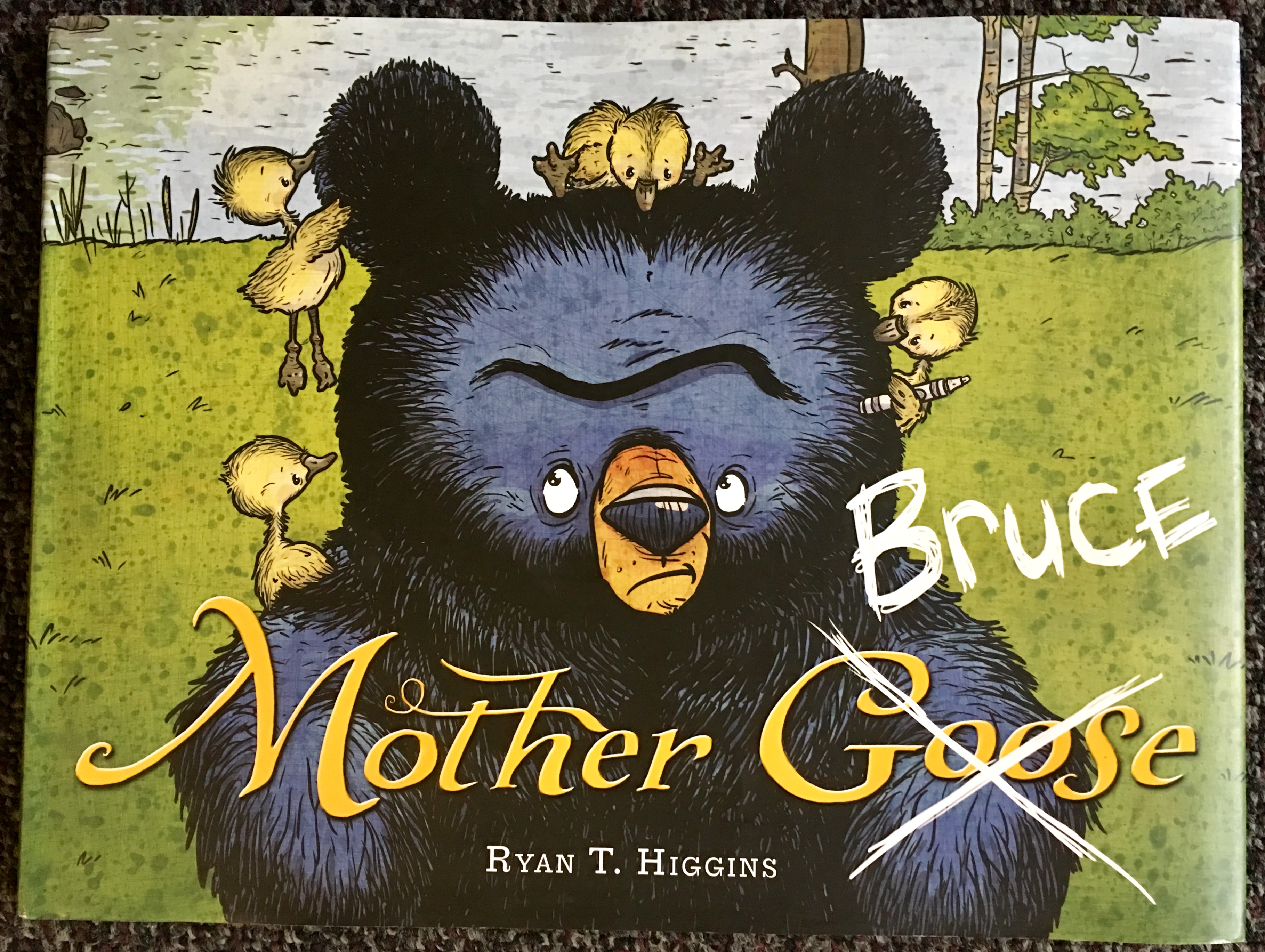
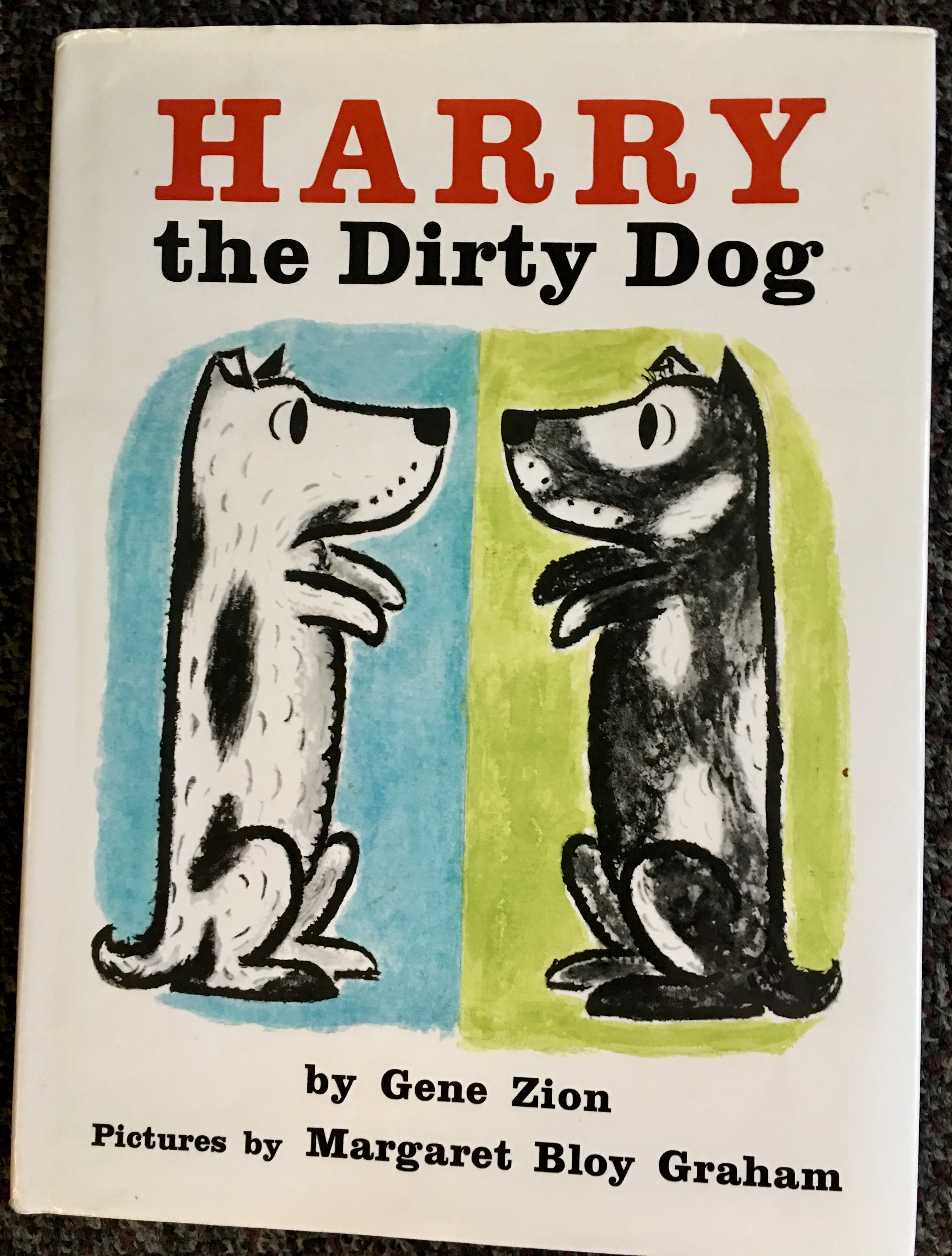
Children have been saying goodbye in many ways.  Some are crying, some are glued to my side.  We’re reading all their favorite books, from Humphrey the Lost Whale, to Mother Bruce, to Harry the Dirty Dog, to Those Pesky Rabbits, and This Land is Your Land.  We’re just hanging out together.  Gloria has been well loved and also very needed.

My Book Bears reading group at the library had their final meeting.  Here is a letter to me from Jared:

Dear Jennie, Thank you for being the head of Book Bears.  My favorite book that we read was Two Dogs in a Trench Coat.  You are the best preschool teacher.  When I started in Book Bears I was below reading grade level. Now I am above grade level.  I wrote a fairy tale in school and thought you would like it so I gave it to you.

The fairy tale is The Three Little Chipmunks and the Big Bad Giant.  It’s wonderful!

I was invited to the high school graduation of a former preschooler in my class.  What an honor to be included in such a special event!  How many preschool teachers have this opportunity?  Not many!

It is a roller coaster, a flurry of emotions, moments that are fleeting that I wish could be locked in time.  I want to rewind and play it back again.  But of course that cannot be.  I must settle for the memories.  And that is really all I need.

Jennie

Posted in behavior, books, children's books, Early Education, Expressing words and feelings, Inspiration, Kindness, Love, Teaching young children, wonder | Tagged , , , , , | 81 Comments

Smorgasbord Posts from Your Archives #PotLuck – How to Teach a Child to Become a Superhero by Jennie Fitzkee

Thank you, Sally Cronin, for sharing my blog post on teaching children to become a superhero. They can change the world!

Posted in Uncategorized | 9 Comments

D-Day and Young Childen

I am in awe of the soldiers and sailors who are back in Normandy today, 75 years later.  I always bring patriotism into my class, and a certain page in a picture book that I read all the time helps me bring D-Day into the lives of preschoolers.

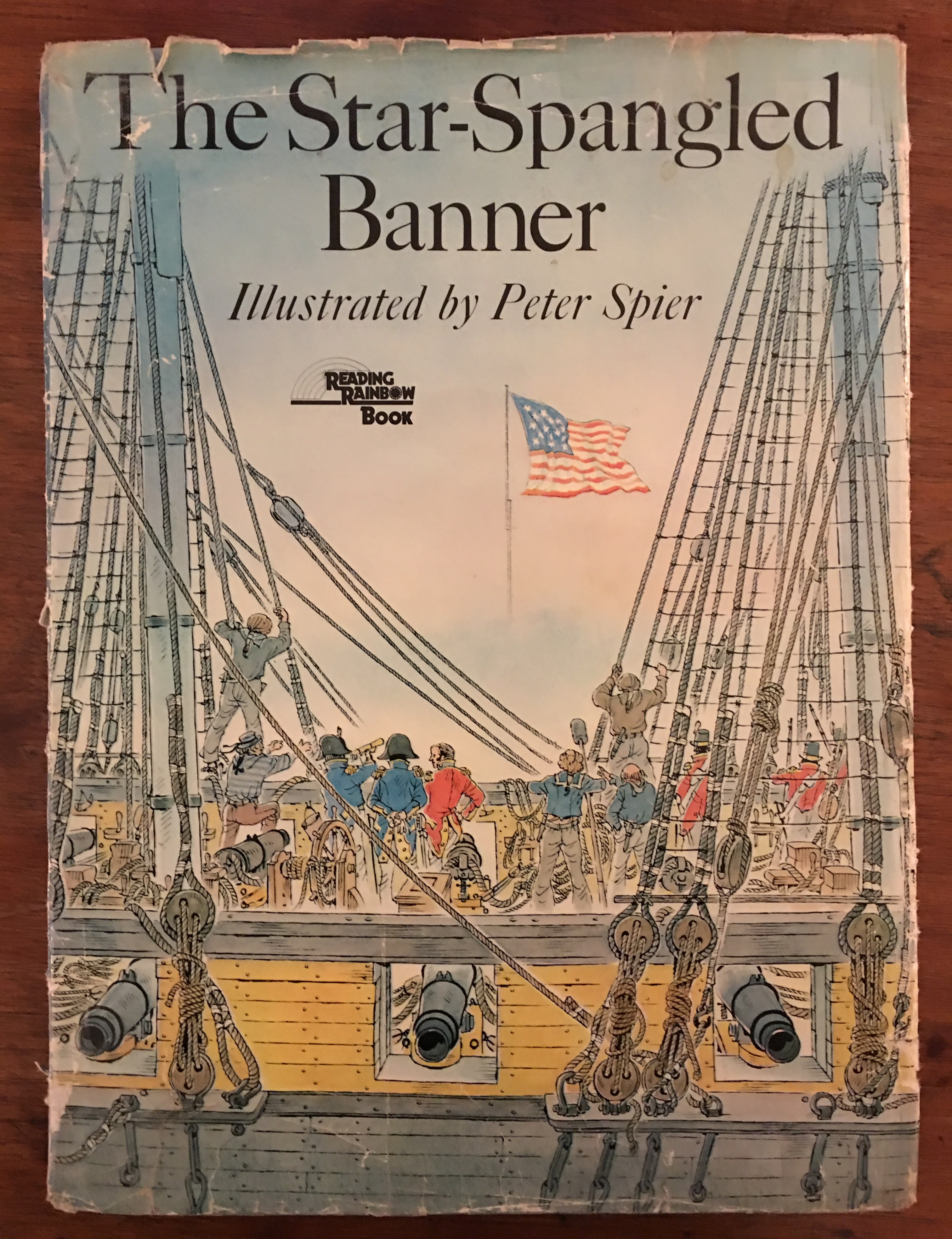
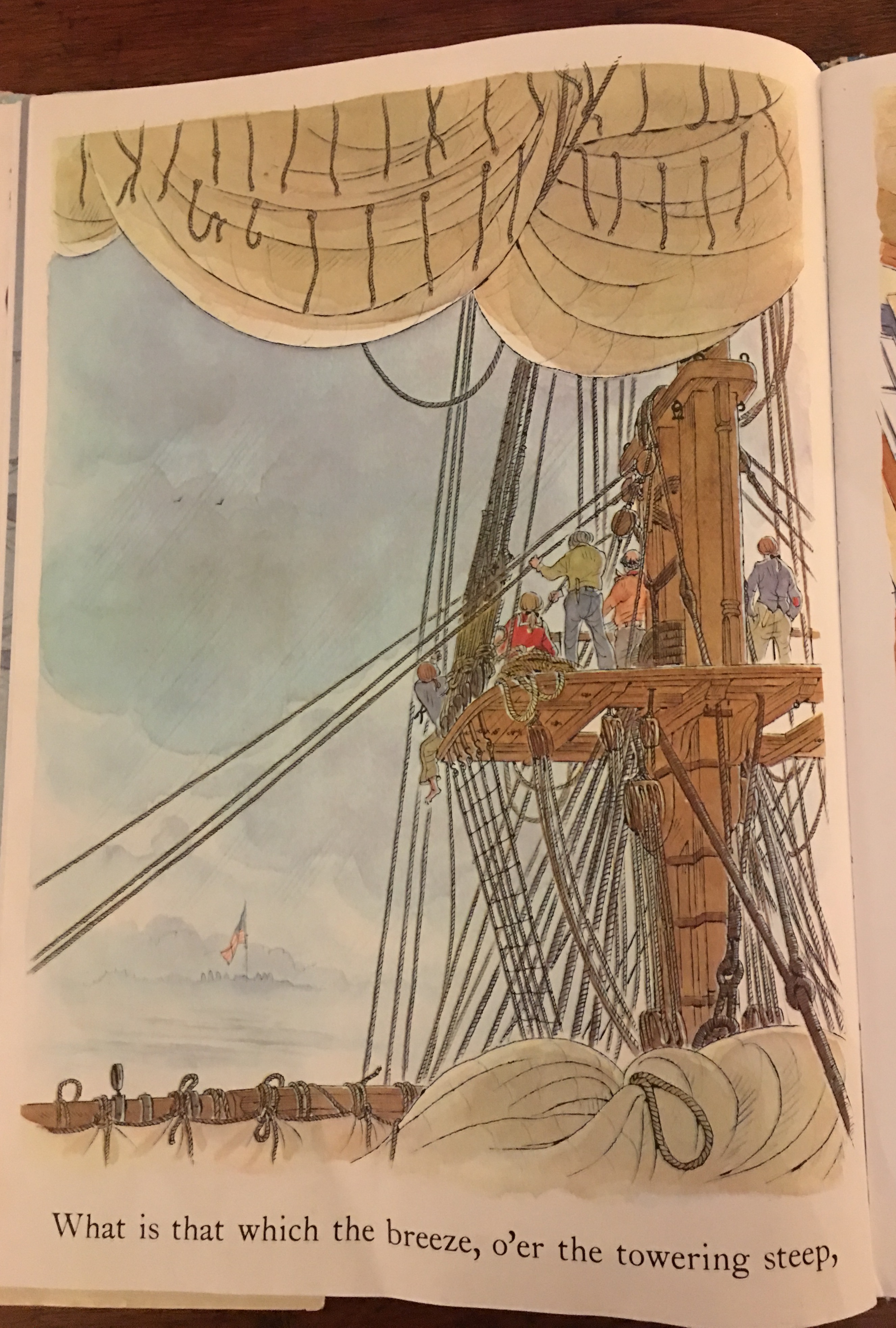
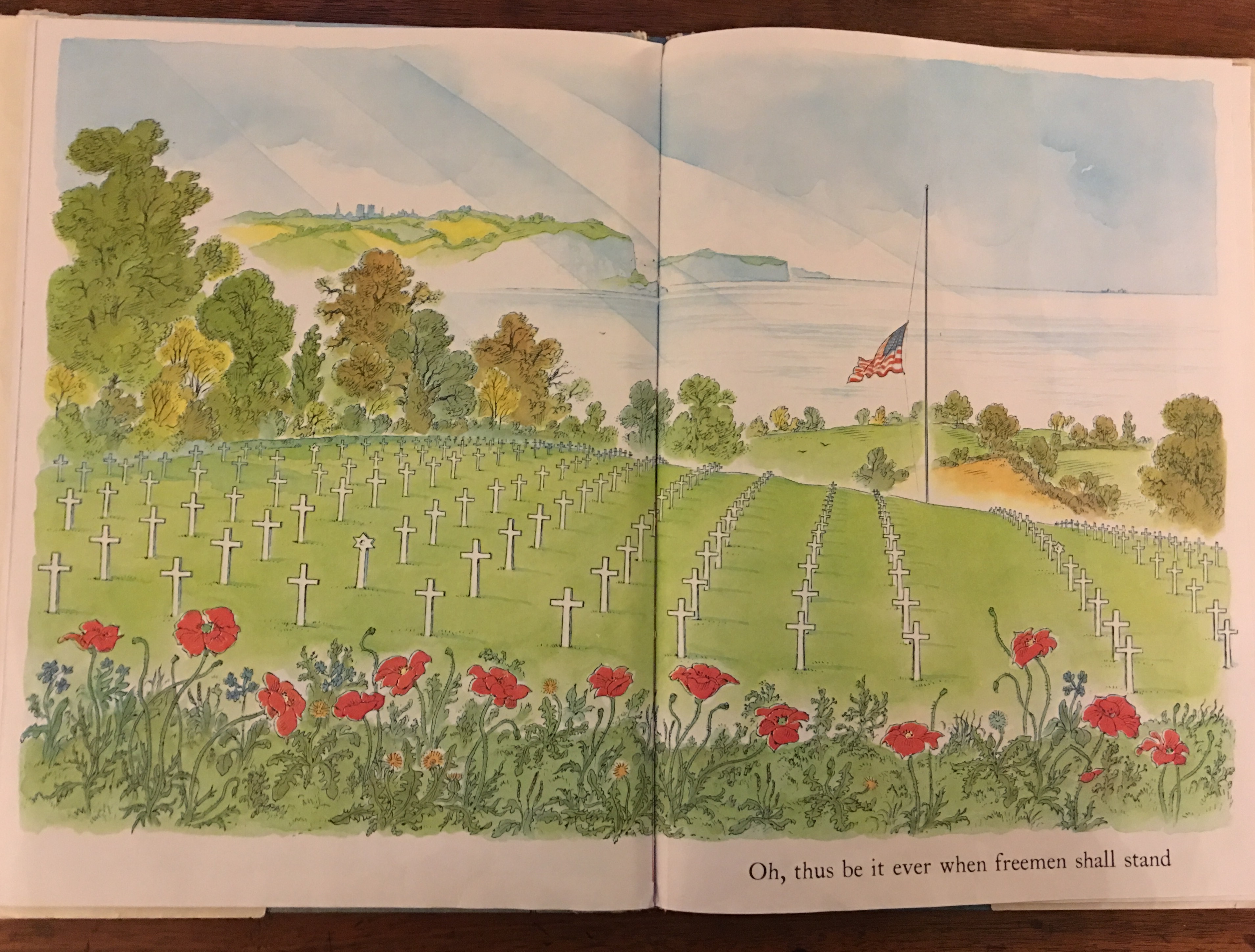
This is the cemetery in Normandy.  D-Day.  It is a page from Peter Spier’s book, The Star-Spangled Banner.  I have been reading this well-loved book to children for decades.  The words read, “Oh, thus be it ever when free men shall stand.”

Whenever I got to this page in the book I would talk about Arlington Cemetery in Washington, DC.  Then I saw the movie “Saving Private Ryan” and I immediately recognized the scene in Normandy to be exactly this illustration.  I nearly jumped out of my skin.  After that I had a whole new understanding and respect for this page, this cemetery.

Here is what happens when I read this page:

I stop.  I don’t say a word.  Children need to look and take in the images.

“Jennie, is this a sad page?”

“Yes.  It’s a sad page.”

“What are those white things?”

“They are crosses to mark the graves of the soldiers who died.”

Long silence.

“This is a cemetery.  It’s in Normandy.  Many brave young men died here.  They were fighting for our freedom.”

More silence.  I knew they were absorbing my words and the illustration.  Their heads were spinning.

“Do you see the American flag?  It is flying halfway down the flag pole.  That’s called a flag flying at half mast.  In a cemetery or a national place, flags are halfway down when it is sad.  And Normandy is a sad place.”

We talked about the crosses, and the ones with stars.  We pulled out our big map book and found Normandy.  We imagined the trip there by boat.

I told children about the boats that landed, how they had a “tailgate” that dropped down so the soldiers could go ashore.

Most importantly, we talked about doing what is right, even if it is hard and you’re scared.  Peter Spier understood this.  His book of the song is a classic!

Never forget.

Jennie

Posted in America, Book Review, books, children's books, Early Education, Expressing words and feelings, reading aloud | Tagged , , , , , | 54 Comments

Dr. Seuss

Thank you Dr. Seuss for saying the most important words.  I thought I knew you well, and today you inspired me yet again with your wisdom.

And now I find that the tables are turned.  I must write words of wisdom, Dr. Seuss words, to children.  It has become a popular custom for parents to have their child’s teachers – all teachers from preschool through high school – write a message in the book, Oh, the Places You’ll Go! by Dr. Seuss.  The book is then given to the child as a high school graduation gift.

I have the privilege of being the first teacher to open that new book and pen words to a child.  Those words won’t be read for fourteen years.  I always think I need to carefully plan what I say, but… I just say it.  I write from the heart.  I told Vivian she would do great things, because she is already doing that now.  I told Jackson to follow his heart, because when he does the world opens up.

Writing those words is a tremendous thing.  I hope reading them in fourteen years will be a tremendous thing for the child.

Thank you, Dr. Seuss.

Jennie


Posted in books, children's books, Early Education, Expressing words and feelings, Imagination, Inspiration, Love, picture books, preschool, Quotes, Teaching young children, Writing | Tagged , , , , , , | 52 Comments

Quotations on Education

Excellent quotations on education from Charles French.

frenchc1955's avatarcharles french words reading and writing

nelson mandela-150383__340

(https://pixabay.com)

“Education is the most powerful weapon which you can use to change the world.”

                                                                     Nelson Mandela

thomas-881249__340

(https://pixabay.com)

“The mind once enlightened cannot again become dark.”

                                                                     Thomas Paine

victor-hugo-489784_960_720

“He who opens a school door, closes a prison.”

                                                                     Victor Hugo

View original post

Posted in Uncategorized | 14 Comments

The Pillowcase Event

Did you know that the last words the brain hears before you fall asleep are what ‘sticks’, what the brain remembers?  For children this is most important. Growing up is hard work, and any good words are more than needed.  They’re necessary.

Pillowcases.  Bedtime.  Here’s the backstory:

I will never forget hearing Jeanine Fitzgerald speak about the pillowcase.  She is a Behavior Consultant and Specialist.  She works with children – the tough ones, at-risk children.  She also has her own school and is a presenter to teachers.  I was lucky to hear her tell the story of a child who was going to be taken away from her mother.  Jeanine was called in as a last resort.  She told the mother to write ten positive things on a pillowcase to say to her daughter, and read one of them aloud each night before her daughter falls asleep.

How simple.  Long story short, the mother did this faithfully every night.  She had to.  Her daughter blossomed and graduated tops in her class.  The mother had more children, and did the same thing with pillowcases for each one. Years later, she contacted Jeanine Fitzgerald to tell her this remarkable story.

If reading aloud those important words written on a pillowcase every night made a significant difference to a child at risk, think what it could do for every child.  Really!

I had a pillowcase event at school for families.

Children wore their PJ’s.  I passionately told parents how important it is for the brain to hear positive words before falling asleep. Parents and children were to decide – together – what words / phrases / terms of endearment would be most important and meaningful. Parents wrote the words.  Children decorated.

I strolled among the families and watched the bonding as they worked together to figure out their words.  You know how parents desperately want to slow down and have those moments with their child.  Well, that was happening in front of my eyes.  I was the fly on the wall.


The Pillowcase Event.  Best thing I have ever done for children and their families.

Jennie

Posted in behavior, Early Education, Expressing words and feelings, Inspiration, Love, preschool, self esteem, Teaching young children | Tagged , , , , , , | 64 Comments

Smorgasbord Posts from Your Archives – #Potluck – “The Stop Game”, From Dinosaurs to Poetry by Jennie Fitzkee

Sally Cronin shares with readers some of her favorite blog posts. I am delighted that my story of The Stop Game and reading to children is included.

Posted in Uncategorized | 6 Comments

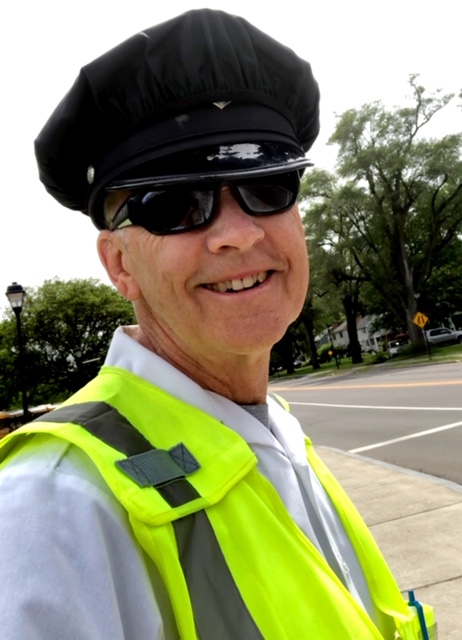
A ‘Renaissance Man’ Teacher and a Crossing Guard

Steve the Crossing Guard is an extraordinary teacher.  A ‘Renaissance Man’ teacher.  He is electric.  He thinks outside of the box.  And he truly understands children.  That’s what Jennie says.

Wikipedia says:
When the term “Renaissance man” is used, it does not mean that the man really lived in the Renaissance. It can be used for anyone who is very clever at many different things, no matter when that person lived. Albert Schweitzer was a 20th century “Renaissance man” who was a theologian, musician, philosopher and doctor.[3] Benjamin Franklin was a “Renaissance man” who lived in the 18th century (1700s) and was an author and printer, politician, scientist, inventor and soldier.[4]

That is Steve.  His latest blog post sums up what he did this school year at his ‘curbside classroom.’  Hang on for a great ride, and get ready to be challenged.  Don’t miss the end.  You will be glued:

The Crossing Guard Chronicles: #3, ‘Jefferson, Edison and Crapper

“Who invented the swim fins?” (You’ll be surprised)

“Who invented the swivel chair?”

“Who invented the first automatic flush toilet?” (7 1/2 gpf…Yikes!)

“..,the baseball mitt, the sewing machine, electric kettle and phonograph?”

Do you see a trend? These were but a few questions tossed my way during our recent ‘stump the crossing guard’ activity at our ‘curbside classroom’. The topic was ‘inventions’. Challenge me with an invention, and I’ll tell you the inventor. Really? I could do that?

“…the zipper, pink flamingo and thimble?”

The truth is, I don’t know inventors, Jefferson and Edison were my default answers, and Crapper was a ‘throw in’ for some subtle humor. But I do know how to stimulate curiosity in the preteens and teens at my school crossing post.

Ask questions, awe them with facts, dare to challenge them, mix in some fun and you’ve got a winning formula for a positive start to the school day, even before they get to their building.

The early morning light showed smiles and enthusiasm on the faces of kids genuinely interested in the ‘game’, as they peppered me with inventions, some common and others, not so common. Those who didn’t have a challenge listened with interest. Now, that’s a positive.

“Who invented Velcro? (Great question, but do you know the story behind it)

“Who invented the thunder lamp?” (Would have loved one back in the 60s)

“Who invented the umbrella?” (Useful this Spring)

The questions went on, requiring me to do some follow-up research to verify answers (below). And, to that point, the only rule was that they had to know the inventor’s name.

“Who invented the Diesel engine (there actually was a guy named Diesel), the chocolate chip cookie (my wife baked some this weekend…they’re gone), and, the traffic light (no, he wasn’t a crossing guard)?

“Bifocals?” (the same fellow who did the swim fins)

Adults crossing with the kids joined the fun. “Who invented the ‘reaper-binder’, the ‘manhole cover’ and what did BF Goodrich invent?”

The end of the school year will be here anon. It’s been a good one at our crossing post with lots of smiles, good conversation and latent learning. While the formal education occurs inside the brick buildings, the day begins earlier, on the sidewalk, with an informal ‘game of Life’ at our ‘curbside classroom’.

Who invented the ‘flying shuttle, printing press, the light bulb’?

I’ve provided a list of the inventions we discussed. As a sidebar, it was not unusual for a discussion to break out over an invention, or the inventor.

I enjoyed the ‘challenge’, as the kids seemed to do, as well, so much so that I believe they expect more. Your ideas and participation are welcomed.

Steve

To all the creators who made our lives simpler with something new every day, and to the students, who help make our mornings a fun time by both listening and participating.

“WHO INVENTED THE …?”

Like many inventions, some were credited to the wrong person, especially in cases where someone didn’t actually invent, but improved a product This list is the best information I found using Wikipedia and other sources. If there’s a correction, please note it in the comments.

Swivel Chair: Thomas Jefferson, who purportedly signed the Declaration of Independence from said chair.

Light bulb: Joseph Swan, Sir Hiram Maxim AND Thomas Edison. (1835)

Printing press: Johannes Gutenberg)2438)

Flying shuttle (a weaving tool): John Kay (1733)

Manhole cover: Thomas Crapper (still collectibles in England).

Reaper-binder: (a farm implement, as an enhancement to the reaper) Charles Baxter Withington (1872)

Bi-focales: Ben Franklin (he used them frequently but whether or not he in invented them is subject to debate)

Traffic light: JP Knight, am English train engineer (1868)

Chocolate chip cookie: Ruth Graves Wakefield (1938)

Diesel engine: Rudolph Diesel (1893)

Umbrella: more than 4000 ago, but waterproofed by the Chinese in 11th Century BC.

Thunder lamp: Richard Clarkson (2013, do you have one)

Velcro: George deMestral (1941)

Thimble: John Lofting (subject to debate) (1693)

Pink flamingo: Don Featherstone, Designer) (1957)

Zipper: Whitcomb Jutson (1890s)

Phonograph: Thomas Edison (1877)

Electric kettle: Arthur Leslie Lang (1891)

Sewing machine: Thomas Saint (1790)

Baseball mitt: Bill Doak, St. Louis Cardinals pitcher (1920), but subject to a great deal of controversy.

Flush toilet: (1596). Several names attributed. Thomas Crapper did not invent it but he significantly improved it with subsequent inventions.

Bendy straw: Joseph Friedman (1937)

Swim fins: Ben Franklin (1717)

Wheel: early man

Posted in Early Education, Expressing words and feelings, Imagination, Inspiration, teaching, wonder | Tagged , , , , , , | 86 Comments