
We just finished a wonderful unit on Kings and Queens at school. What child doesn’t want to be a king or queen, live in a castle, and dream of dragons?
Of course things took a turn – quite a turn. That always happens when I really listen to children. But, let’s back up and start at the beginning.
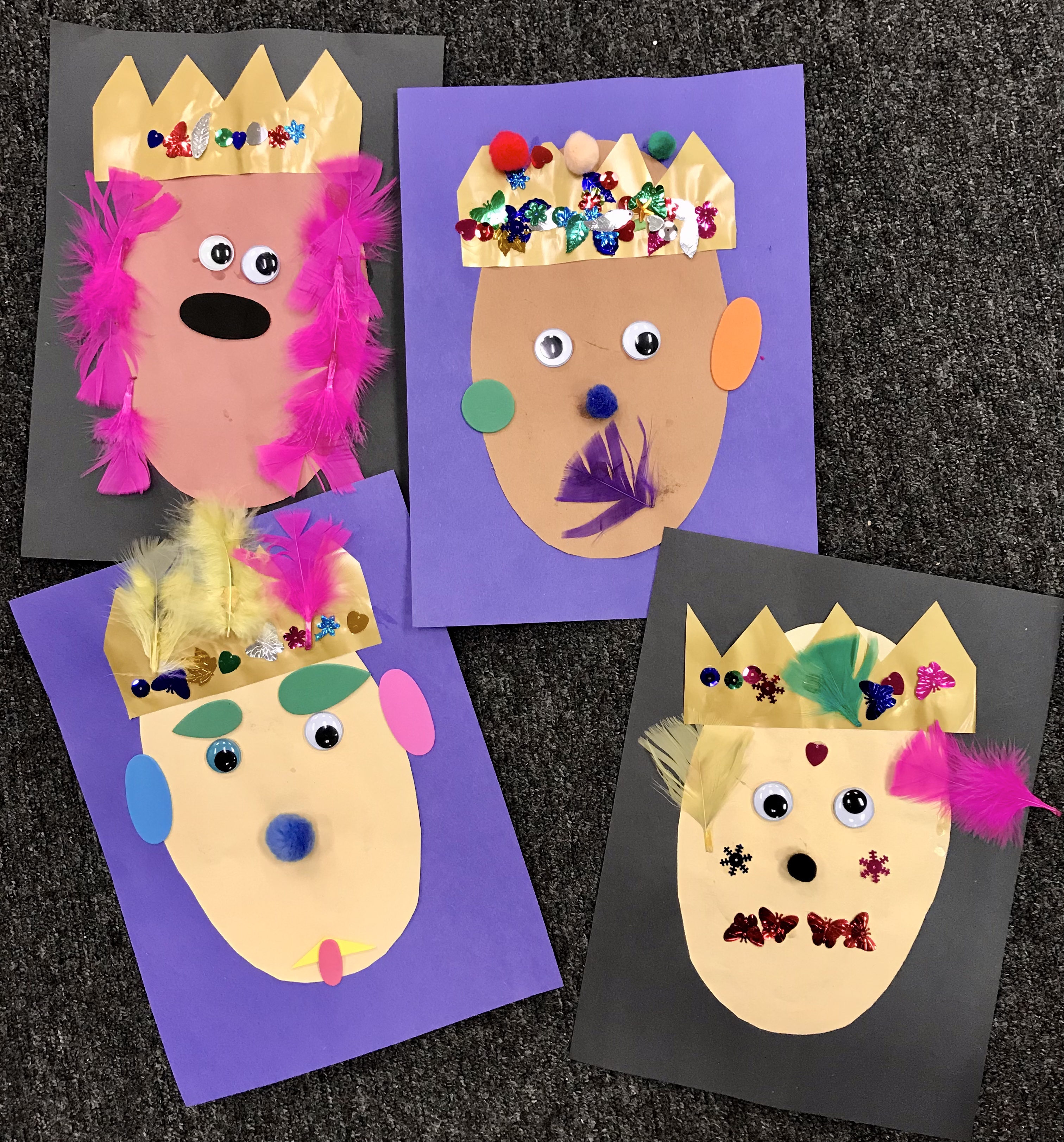
Although we played with castle blocks and used our imaginations to create our own picture stories, and make King and Queen portraits…
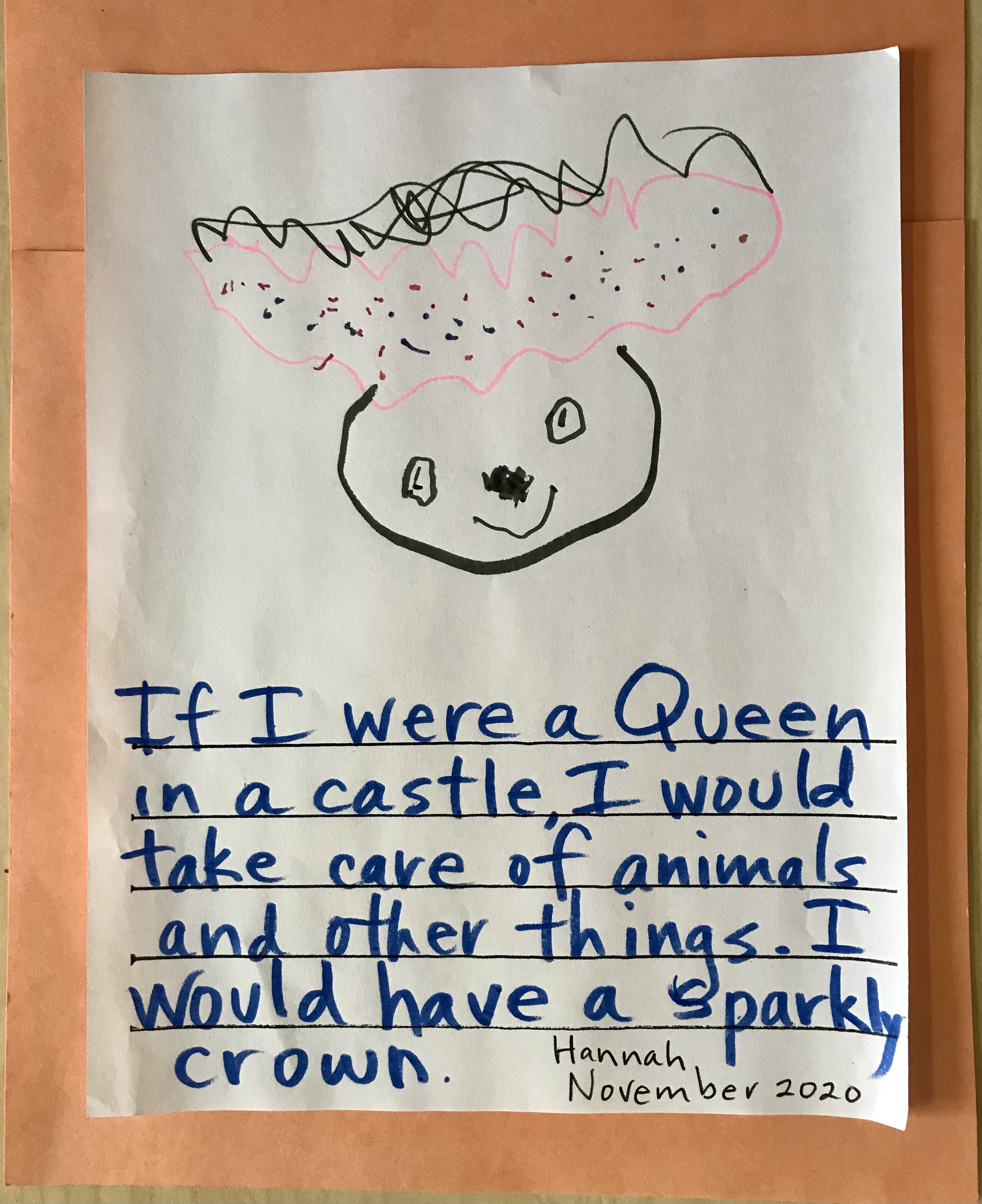
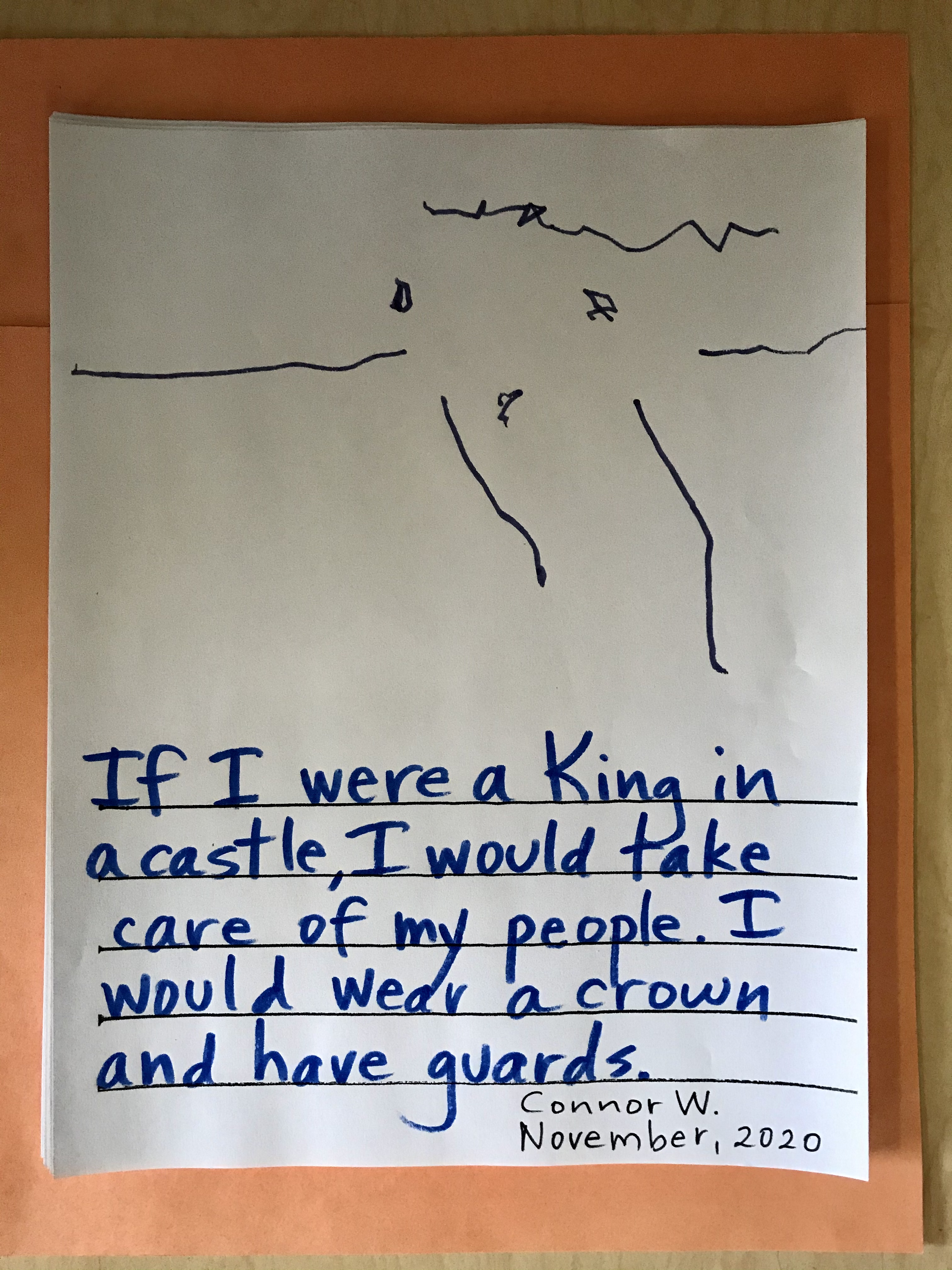
Taking care of people and animals was a common thread
in these stories. I was glad.
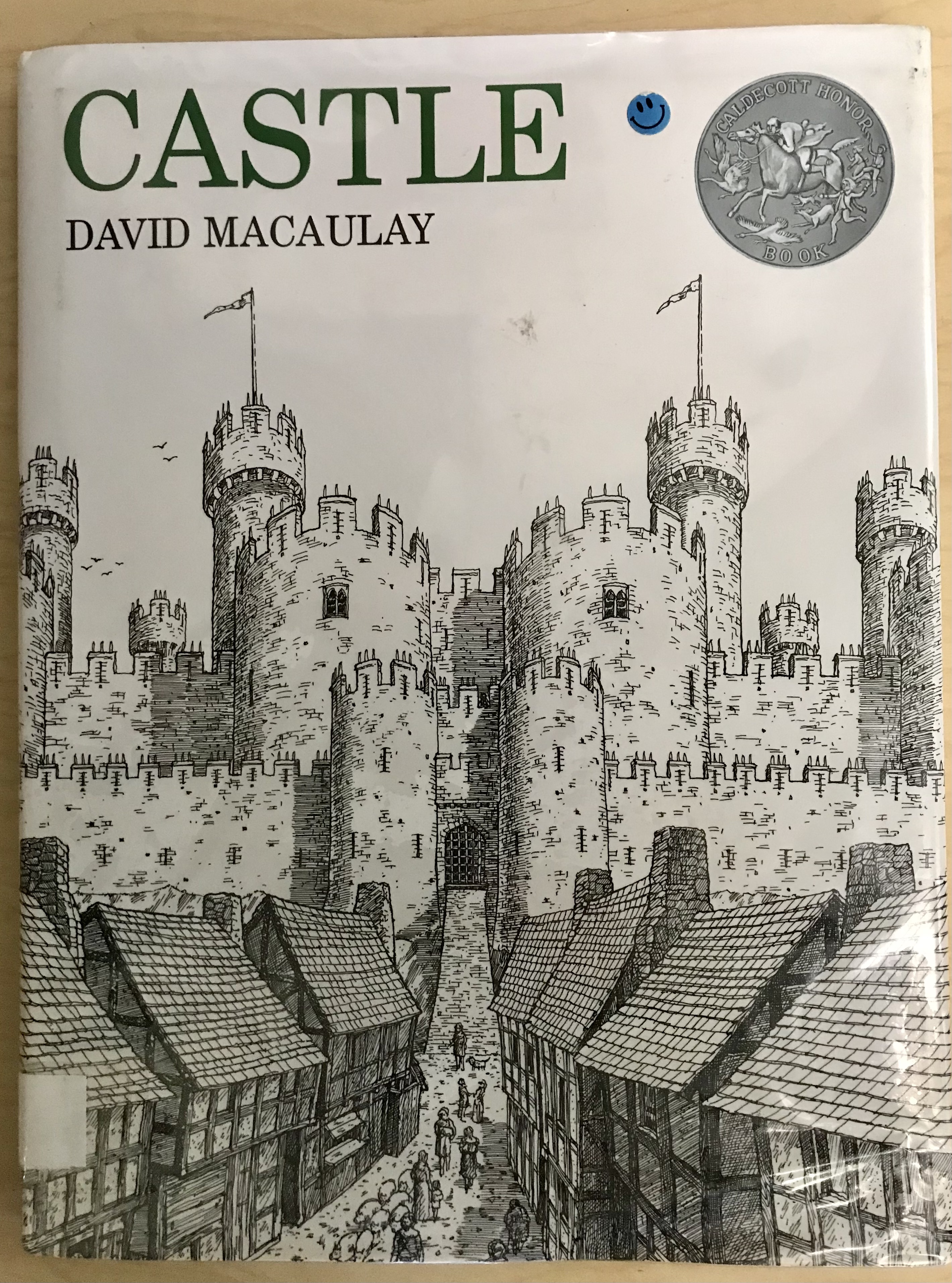
The main focus was on fact, not fiction. We used David Macaulay’s book “Castle”. His story takes building a castle from finding the land to finishing the castle, over hundreds of years. Children enjoyed learning that a castle is far more than just a castle; it’s a community.
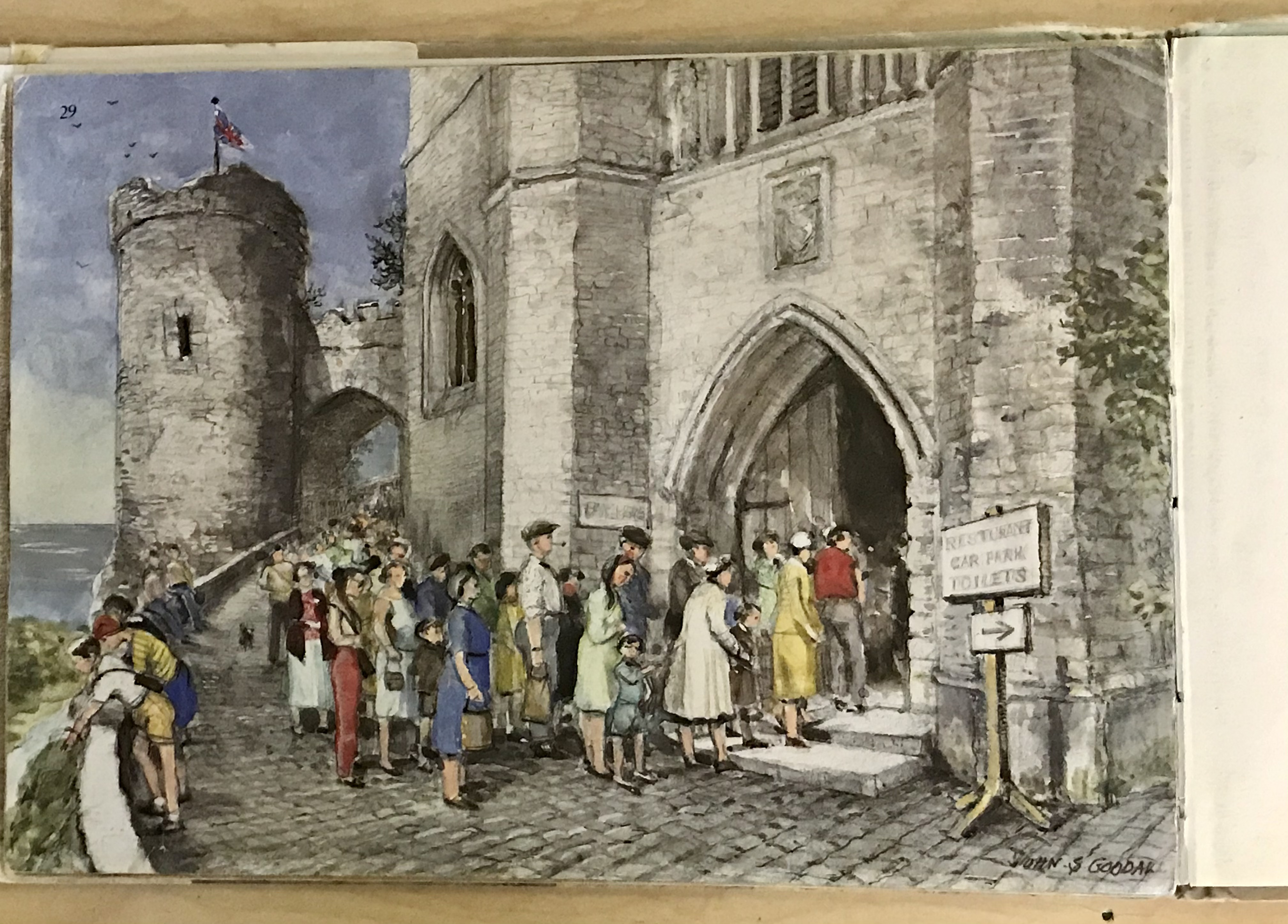
John S. Goodall’s book “The Story of a Castle” does the same thing, but with ‘half pages’ that allow the reader to transition from era to era – beginning in the 1100’s and ending in the mid 1900’s.
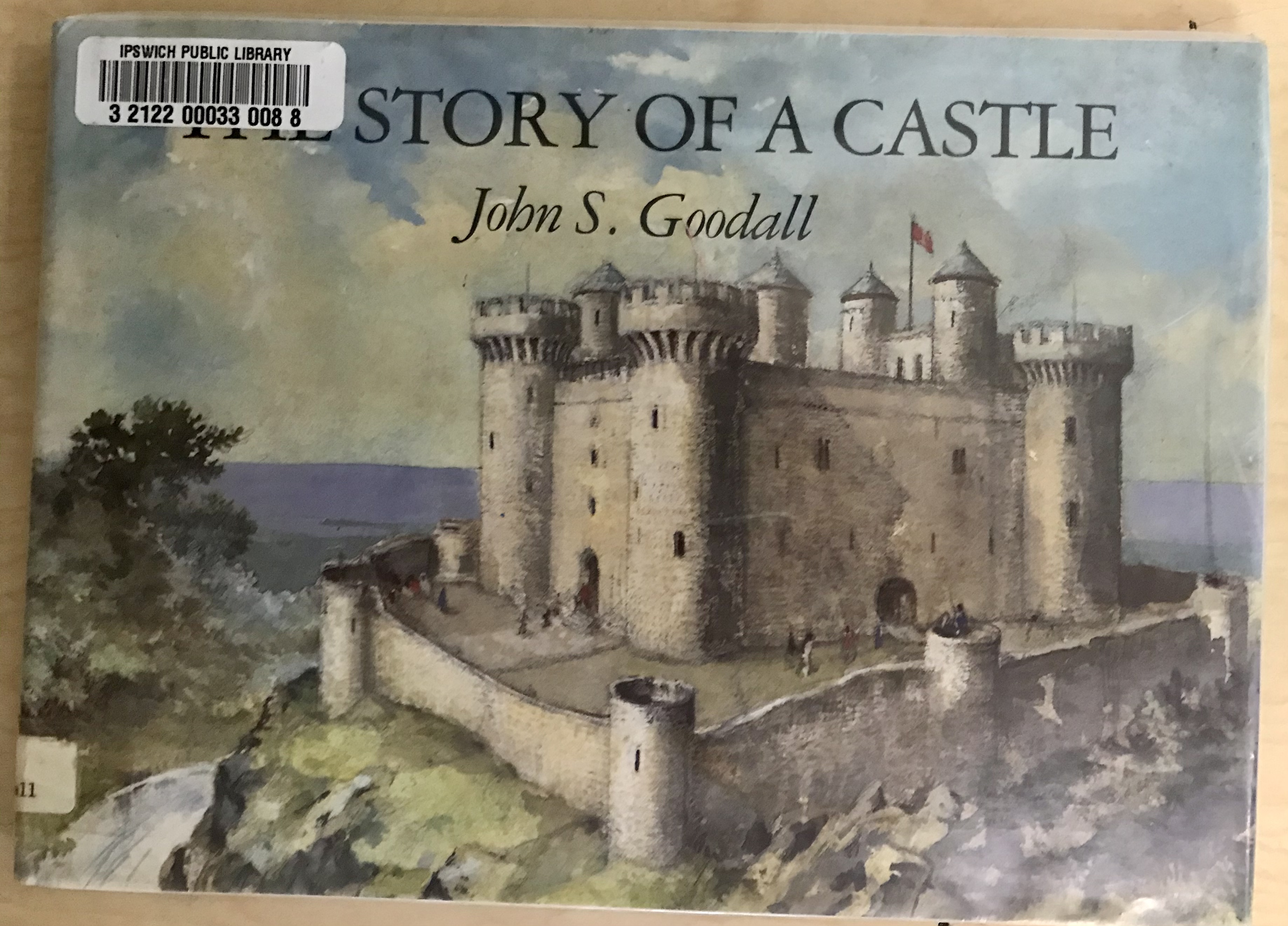
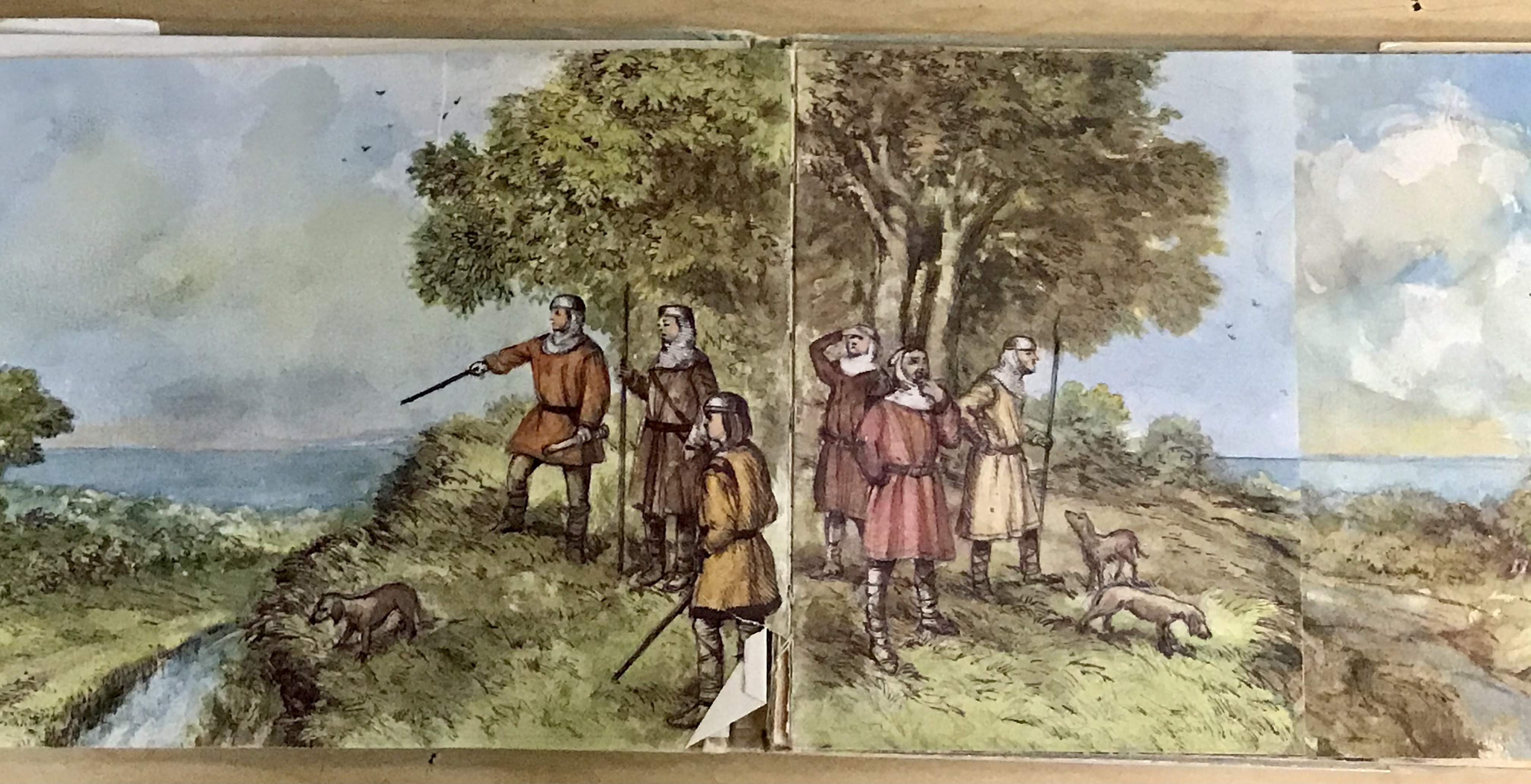
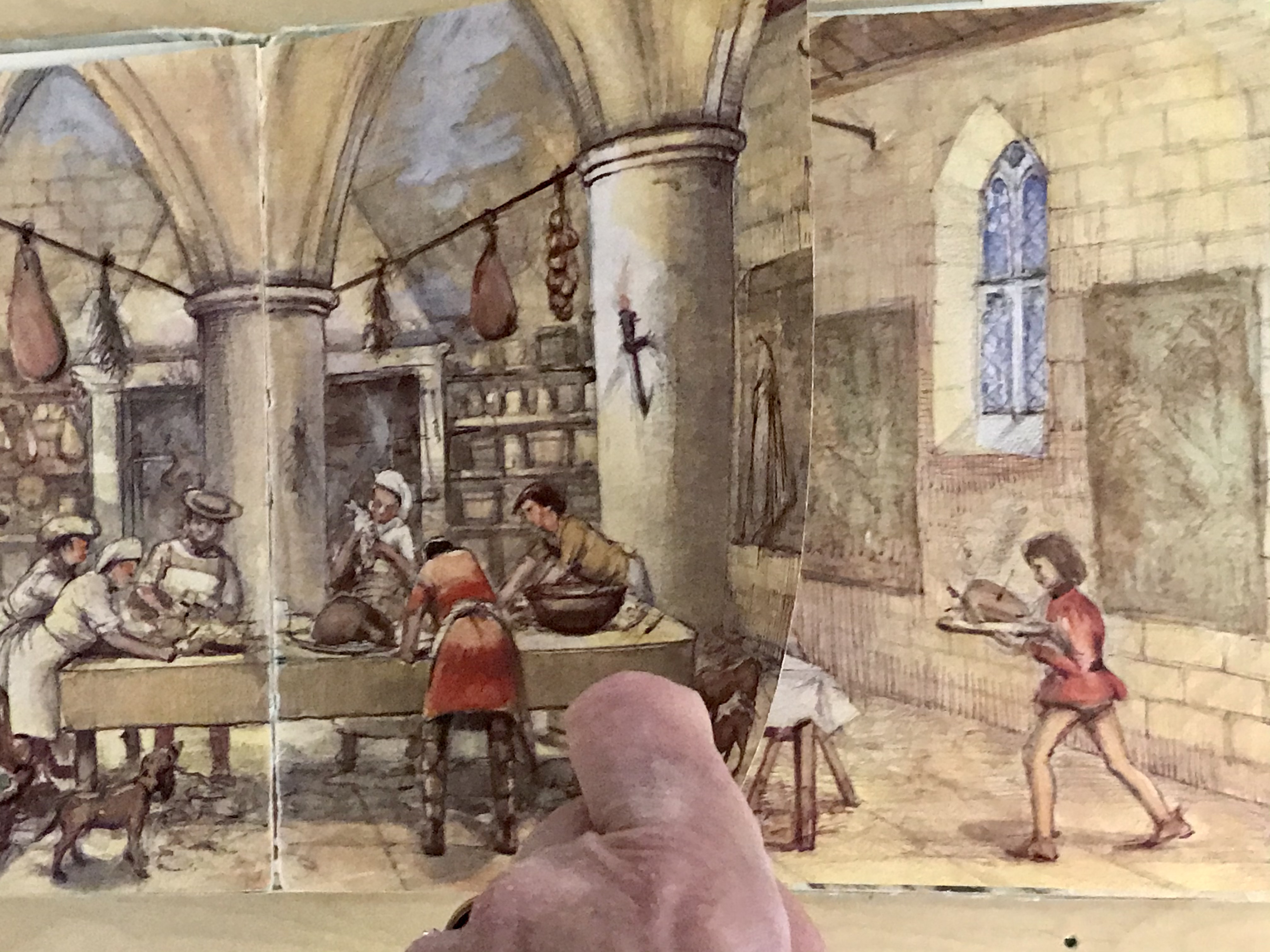
(That’s my hand turning a half page)
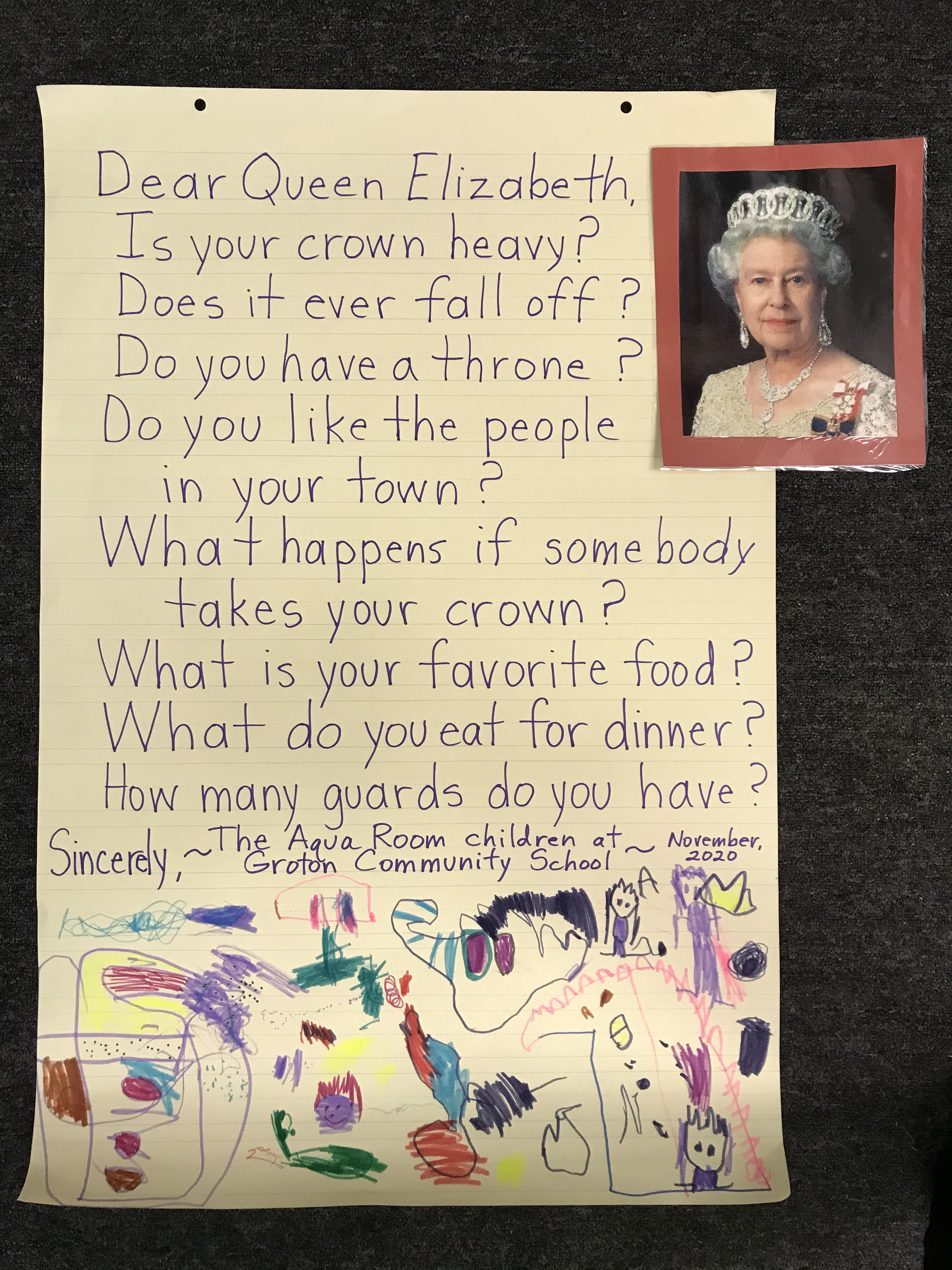
The more we learned about castles, the more we wanted to learn about real Queens and Kings. We started with Queen Elizabeth, reading much about her and looking at many pictures. Oh, the crowns and the jewels! Did you know she has pipers who play outside her window? And she has swans.
Of course we had to write a letter to the Queen! Letter writing stimulates language and literacy. Plus, it’s an important thing to do. People may say letter writing is a lost art. Not in my classroom!
While all of these activities were happening, something else was, too. The day-to-day of masks and cleaning and trying to social distance with young children is, well, an umbrella that hovers over us all. It is quite interesting that our current chapter reading book is “The Story of Doctor Dolittle.” If you don’t know the book, the doctor goes to Africa to cure the sick monkeys. First he separates the the well ones from the sick ones. Then he vaccinates all the well ones. The monkeys call it The Year of the Great Sickness.
Very timely. The book was written in 1920, one hundred years ago.
Someone said, “Maybe Doctor Dolittle can come and cure our sickness.” Wow! That was the golden sentence to do something. Children know there is a sickness. They want to help. So, could Doctor Dolittle really help?
We wrote him a letter.
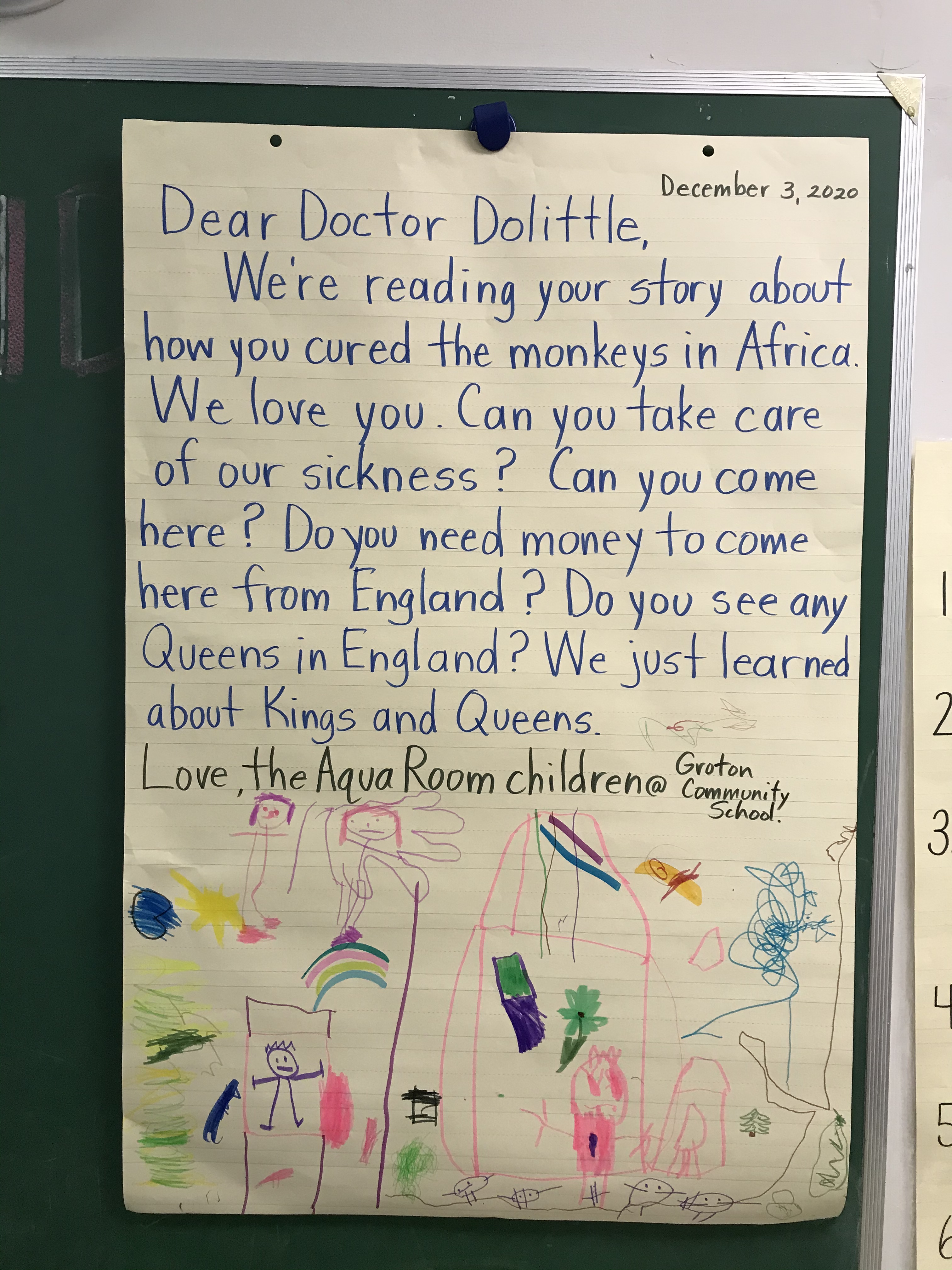
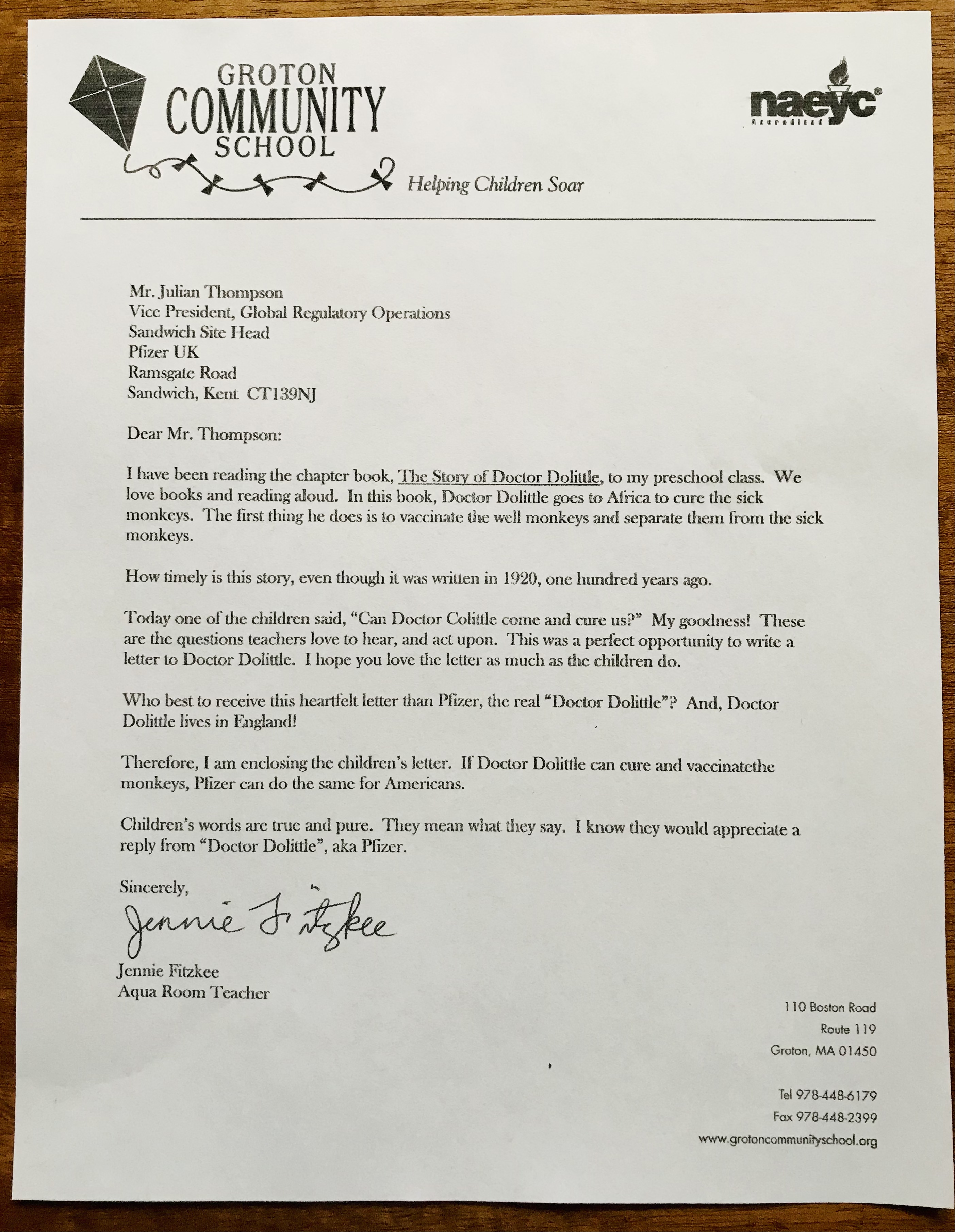
To whom do I mail this wonderful, important, heartfelt letter? Well, Doctor Dolittle is from England. Pfizer is providing the vaccine to England. I wrote an accompanying letter to Pfizer in their Sandwich, Kent location. I hope you enjoy reading the letter as much as I did writing it.
What’s the bottom line?
- Listen to children. Be their champion.
- Give children an opportunity for plenty of play and imagination.
- Encourage them to voice their ideas through picture stories and art.
- Put their words into print.
- Teach them that reaching for the stars and being brave is important. Yet, teach by example, such as writing to the Queen, and asking Pfizer (aka Doctor Dolittle) to cure the sickness.
My goodness…I get to do these things with young children.
Jennie











 Dear Santa,











 A Teacher's Reflections