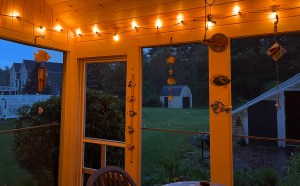
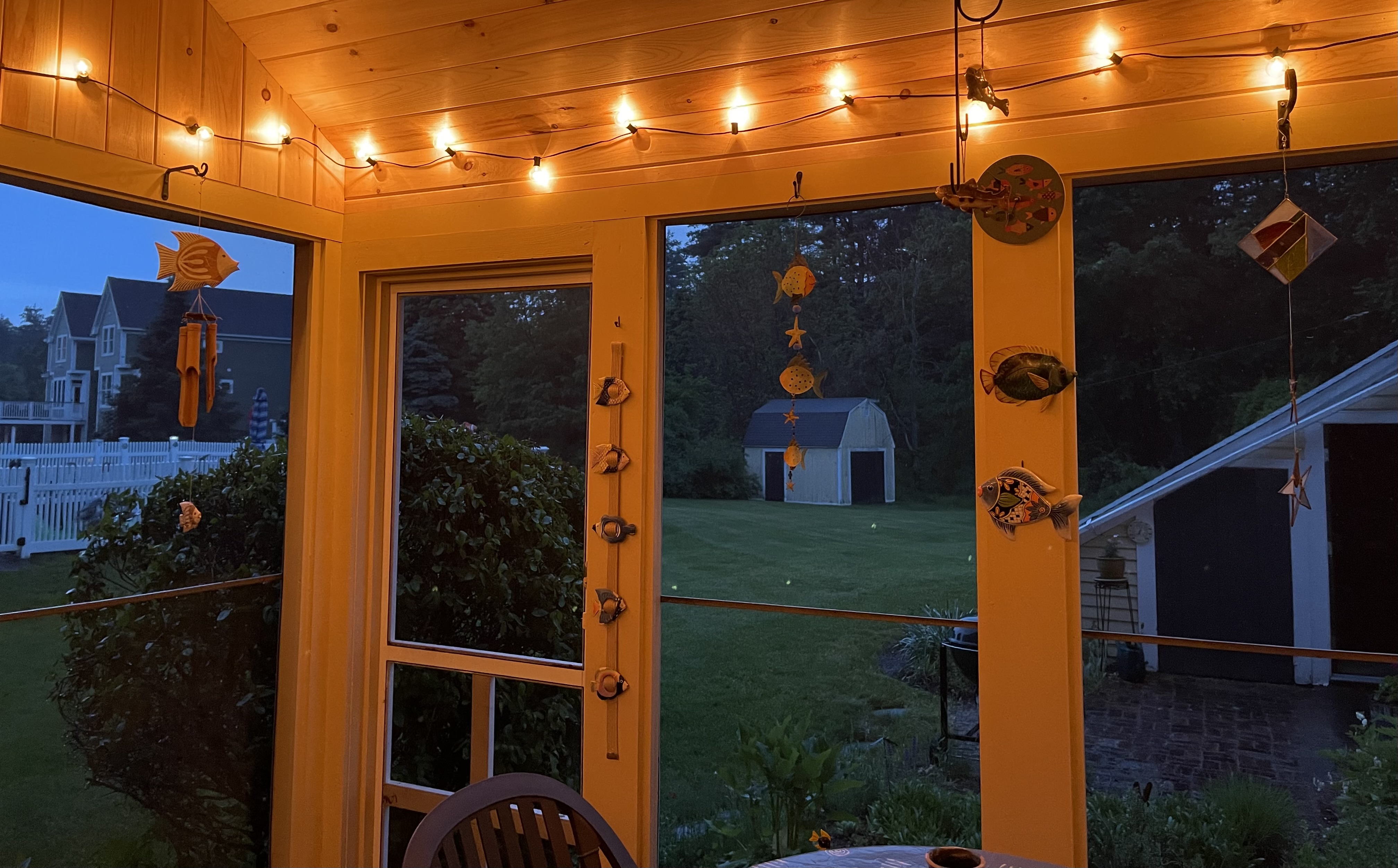
Tonight is the first night of thunderstorms. I’m thrilled, because I sit on my porch to listen and watch as the storms unfold. As I type, I hear rumbles. I have always loved thunderstorms. Growing up in the Ohio River Valley, we had plenty. Summer camp was the best, because we were ‘there’ with the storms.
Through these storms as a child, I always felt brave and excited. I think they are the roots of, well, me.
Roots. That’s the foundation of who we are, and it all stems from childhood. The tricky part in today’s world is ‘wings’. Parents need to let go, let their child soar. Roots + Wings = a happy and strong person.
One of my very first blog posts ages ago tells the story of Roots, Wings, and Thunderstorms. It’s a keeper.

Roots, Wings… and Thunderstorms
Some years ago I was on my porch with my adult daughter watching the big thunderstorm rumble into our yard. We were both enjoying the anticipation as well as the storm itself. I asked my daughter what memories popped into her head whenever she heard a big storm. She replied, “Camp, of course! We had nothing else; no TV, no computer, just the outdoors. Thunderstorms were great!” Funny thing. This was the same experience with me as a child at camp.
We talked about exciting and adventurous experiences in our childhood, and about childhood itself. We analyzed why children feel the way they do, and what is it that ‘makes a difference’ when they grow up. One thing kept ringing loud and clear. Children who are given experiences that challenge them, who are encouraged to take a chance and ‘do it’, and who have the firm love and support of their family, seem to grow up with a good, strong sense of self. Roots and wings.
I think of the swings on the playground and ‘yelling’ commands with excitement when a child first learns to pump a swing. “Kick them out. Tuck them in. Pull. Yes, you can do it!” As children grow older, I think of opening the front door and letting my child ride his bike, alone, to the playground. Then, going to sleepover camp for a month, at age eight. My children begged to go, loved every minute of it, and I am convinced it was part of their foundation. Roots and wings.
I was the opposite of a helicopter parent. Friends were a little shocked to see my child roller-blading to school. He couldn’t quite tie the laces tight enough, so his first grade teacher helped him. They wondered if there was a ‘problem’ when my children went off to camp, and to prep school. My daughter went to Italy, alone, after college graduation. We’re talking speaking no Italian, as well.
After all of these different experiences, friends would then say, “Your children are so lucky to have these opportunities”. That was quite a change. I would smile and just say, “Roots and wings”. They had the roots, with plenty of love and support. Sometimes I felt brave and alone giving them the wings. That was the hard part. I’m so glad I did.
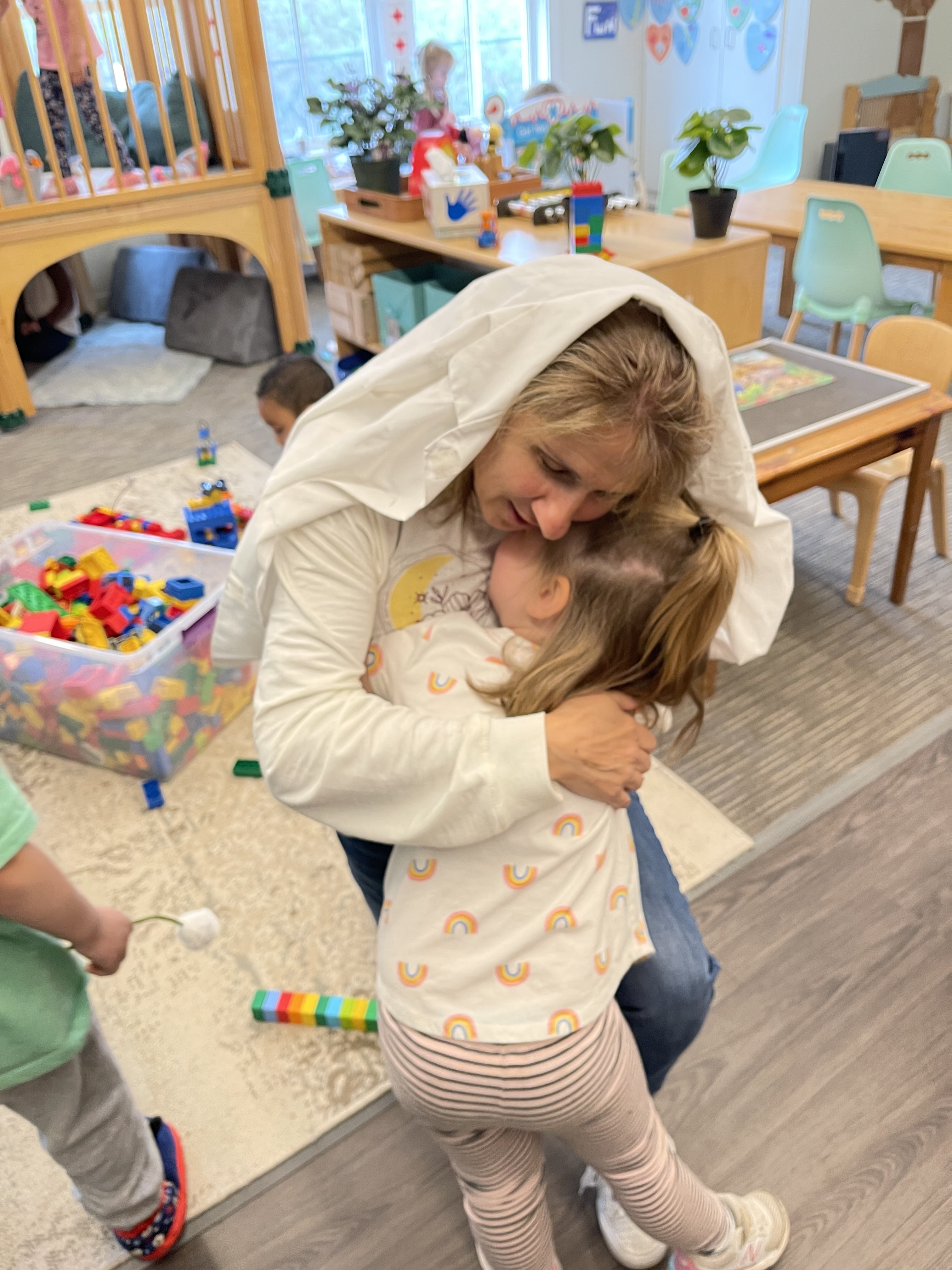
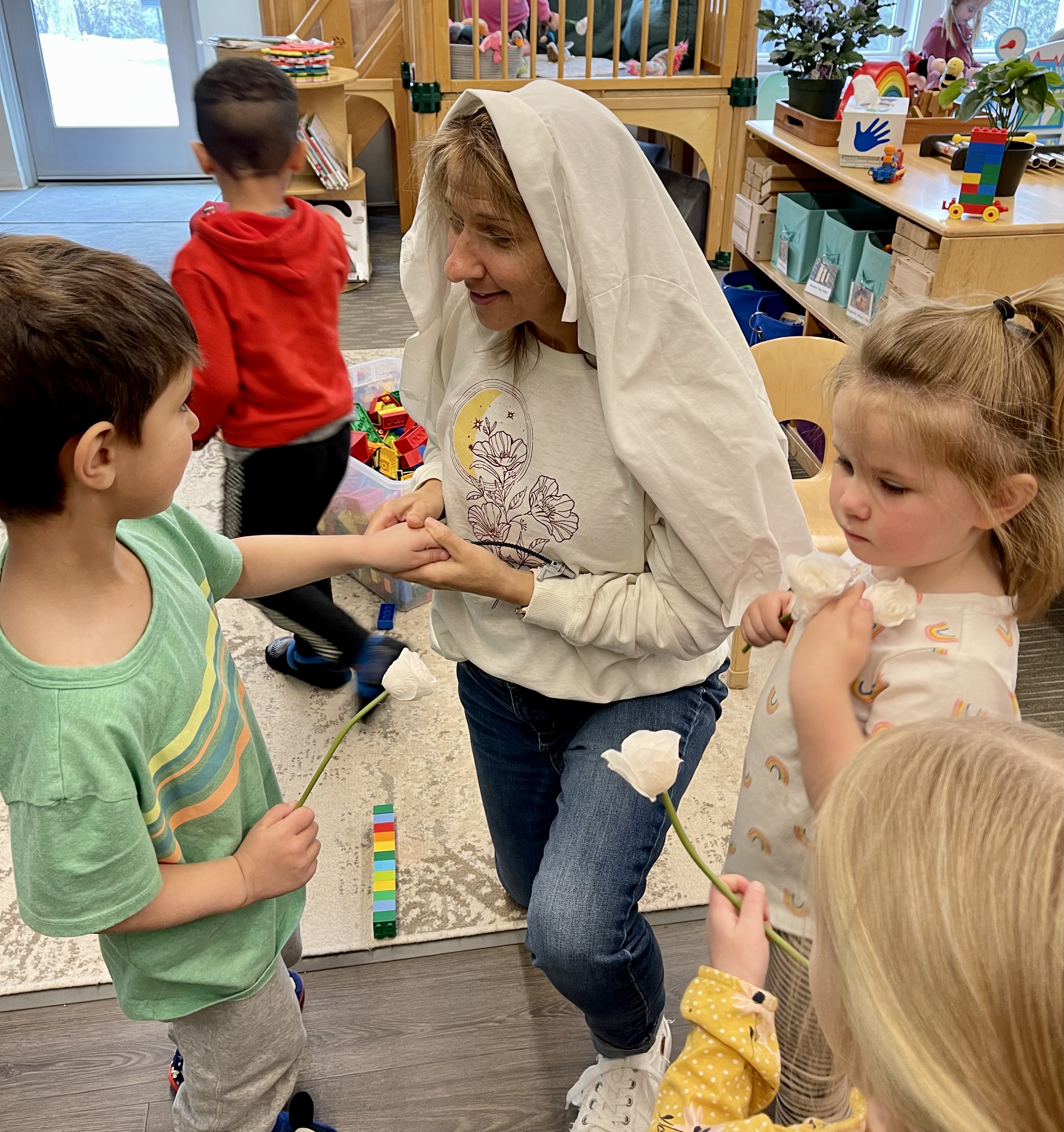
In my classroom, I approach each learning experience and activity, planned or unplanned, as an exciting opportunity. We are a family. We help each other, support each other, and encourage each other. We provide roots for each other with daily routine, tenderness, and a positive, fun attitude. We give each other wings when we learn how to write our name, pump a swing, stand in front of a group to talk, or try something new. Roots and wings.
Remember, it’s all the little experiences, over and over again, that we build upon. It’s not the big things that make a difference. Dancing with painted feet, coming to school at night and singing in the dark, shopping in a real Indian market, painting to classical music, setting up nap mats for other children, finding a new place on our big map with the magnifying glass, reading all the name cards without help….it is the culmination of all these activities, and many others, that make the difference.
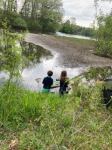
I hope that in years to come, you and your child sit through a thunderstorm together, walk through the woods together, or sing in the dark together, and find it is an experience that is exciting. I hope that these stories from Aqua Room has helped you to give your child the experiences to feel a happy and confident sense of self. Roots and wings.
Jennie









 A Teacher's Reflections