Let me tell you about my friend Pete Springer- fellow blogger, teacher, and dear friend. He is a retired teacher with all the ‘right stuff’ when it comes to understanding children. He visited my classroom a few years ago (which was absolutely wonderful), and that sparked a conversation among friends and teachers.
He’s coming to your classroom, and you’ve never met him? How do you know this guy?
Bloggers are friends, family. We’re a community who understand and support each other. We share, laugh, and slowly become a family over time. People just don’t understand.
They’ve never walked in our blogging shoes.
The opportunity to meet a fellow blogger and friend is rare and very special. I was lucky to meet Pete. It was as if we’d known each other forever. Well, we had. I don’t need to tell you how he immediately connected with the children. Of course they loved him!

As time has gone on, Pete shares the best posts about his students, mentors, reading aloud, family, volunteering and more. He is grounded in teaching, because 32 years gives you a full load of children and learning. Thank goodness he shares his wisdom and stories. I cherish his reflections.
When Pete learned this is my 40th year of teaching, he surprised me with two gifts:

 ‘Just hired, 40 years ago’.
I laughed my head off!
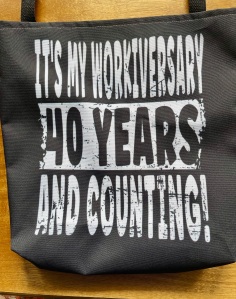 It’s My Workiversary.
40 years and counting.
Thank you, Pete. The humor is THE best. Everyone has laughed their heads off. Laughing comes from the heart, and so does teaching. You know that well. More importantly, you stop to say ‘thank you’ not just with gifts, but with words.
 Your words to me are beautiful. Thank you!
Your words to fellow teachers are very powerful. Many teachers have saved this video, tucked away for a rainy day, or a day to remember. Every teacher in my school watched it and, well, swelled with emotion.
Pete, thank you for being you, for your giving, for your inspiration, and for your friendship. Thank you for making me feel like a Superhero.

Pete’s blog can be found at petespringerauthor.wordpress.com
Jennie






 Atlas, by Robbie