
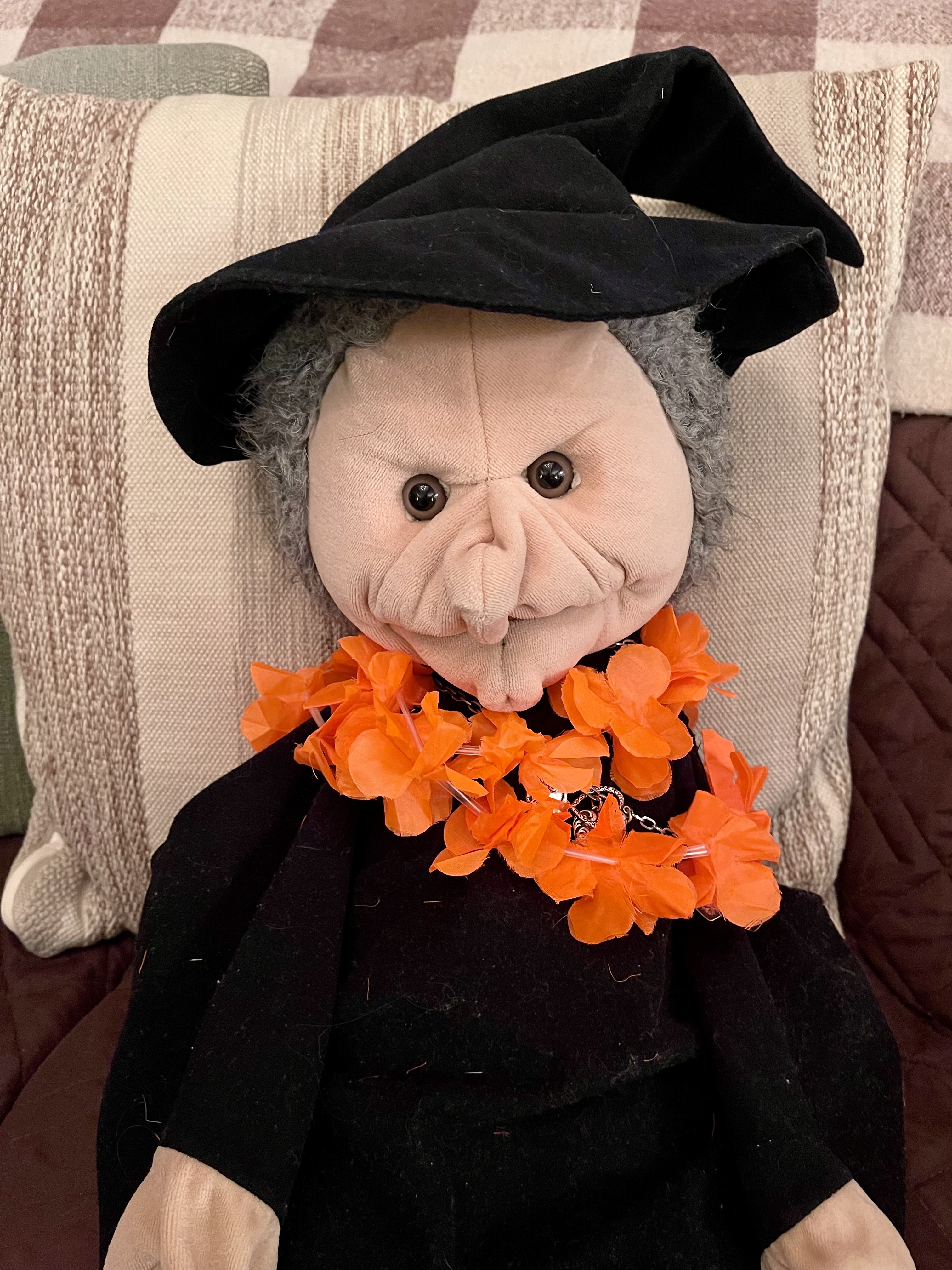
Gloria is going to England! Yes! Fellow blogger/writer/poet Willow Willers at willowdot21 invited Gloria to come and visit her. Willow has always loved my posts about Gloria. Well, she just loves Gloria, and when you love someone, you need to be together.
This week at school we had a huge school-wide Bon Voyage party for Gloria. Everyone knows and loves Gloria, so saying goodbye was important. Gloria gave everyone a lei!
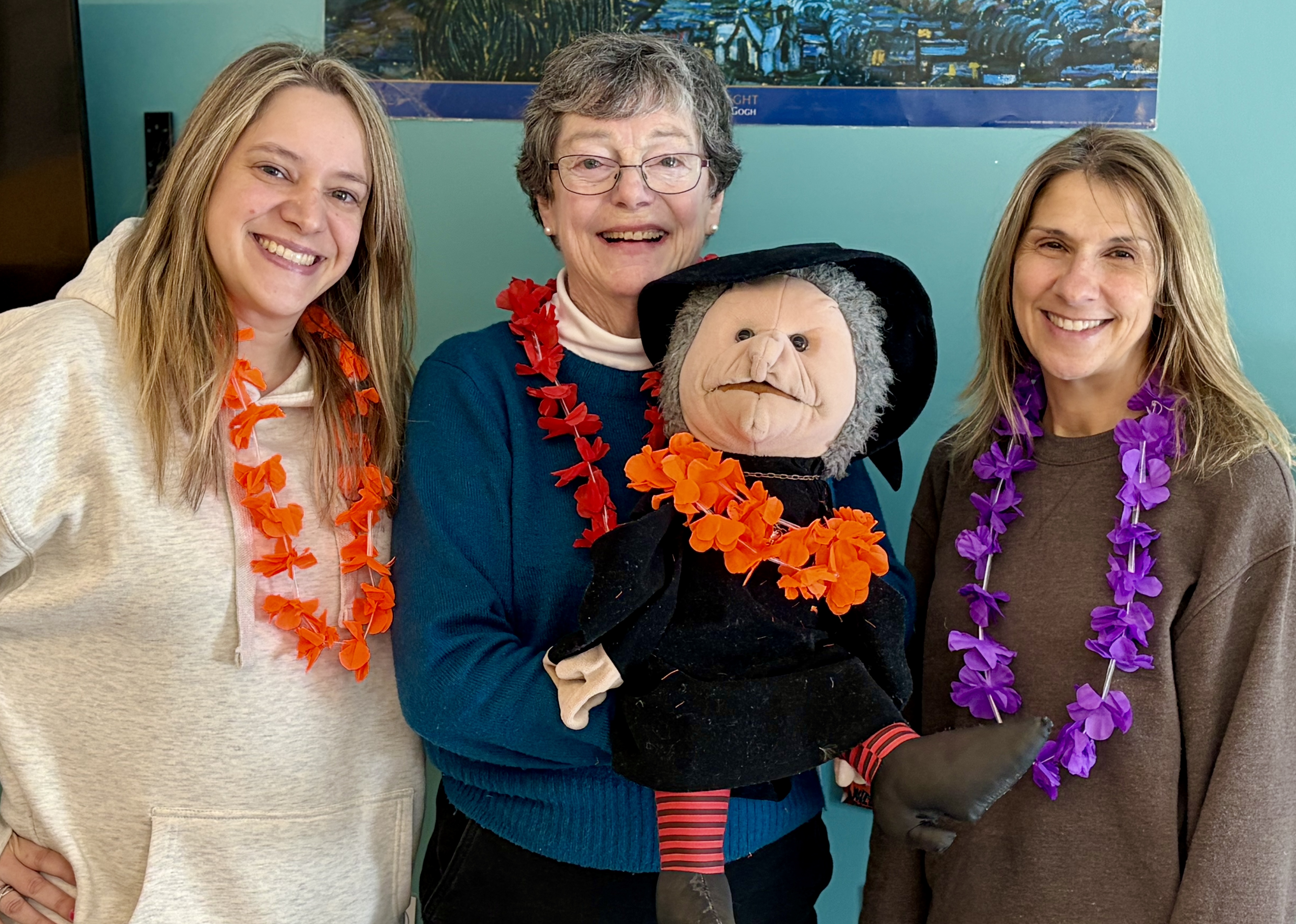
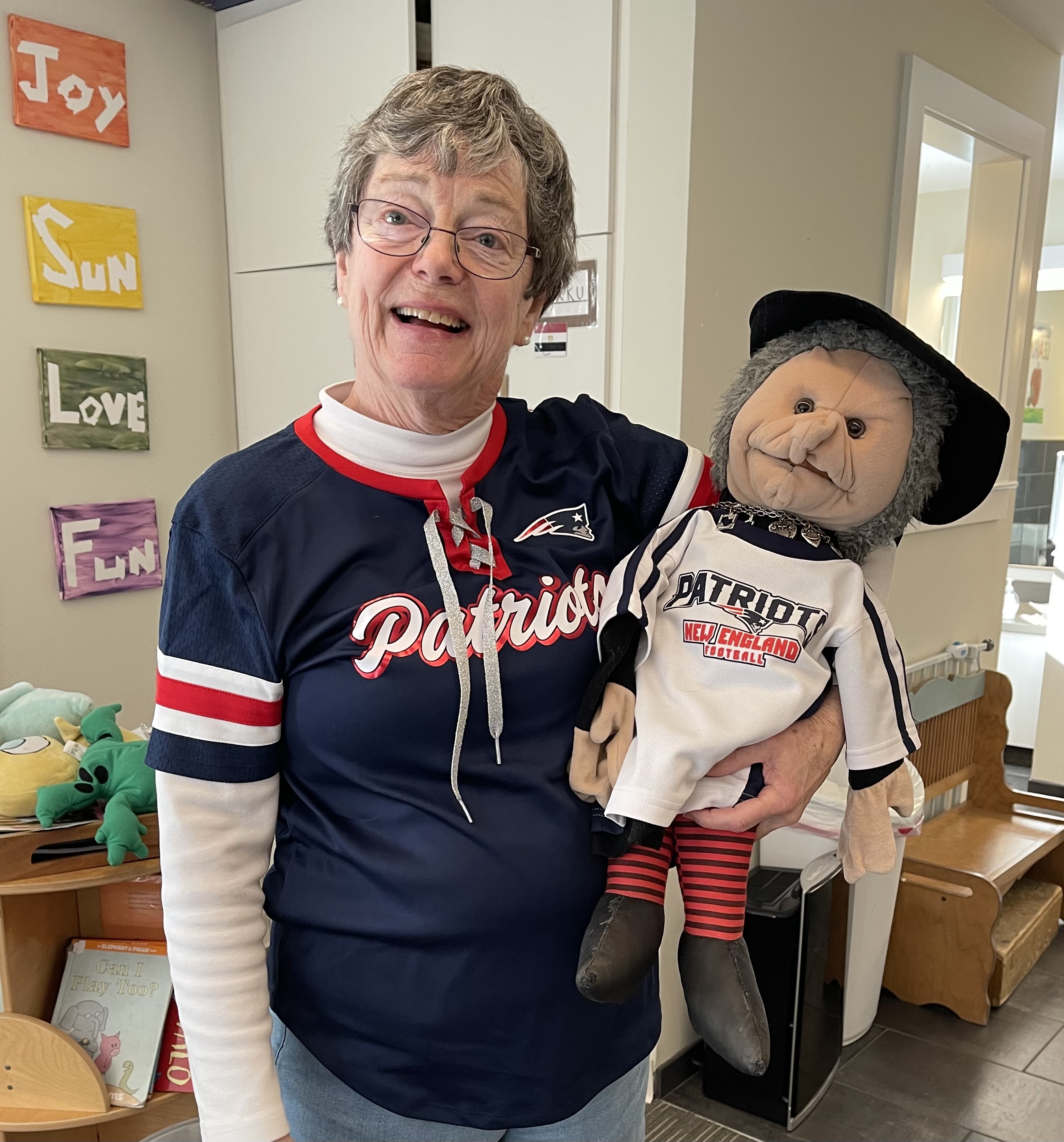
Gloria with her teachers
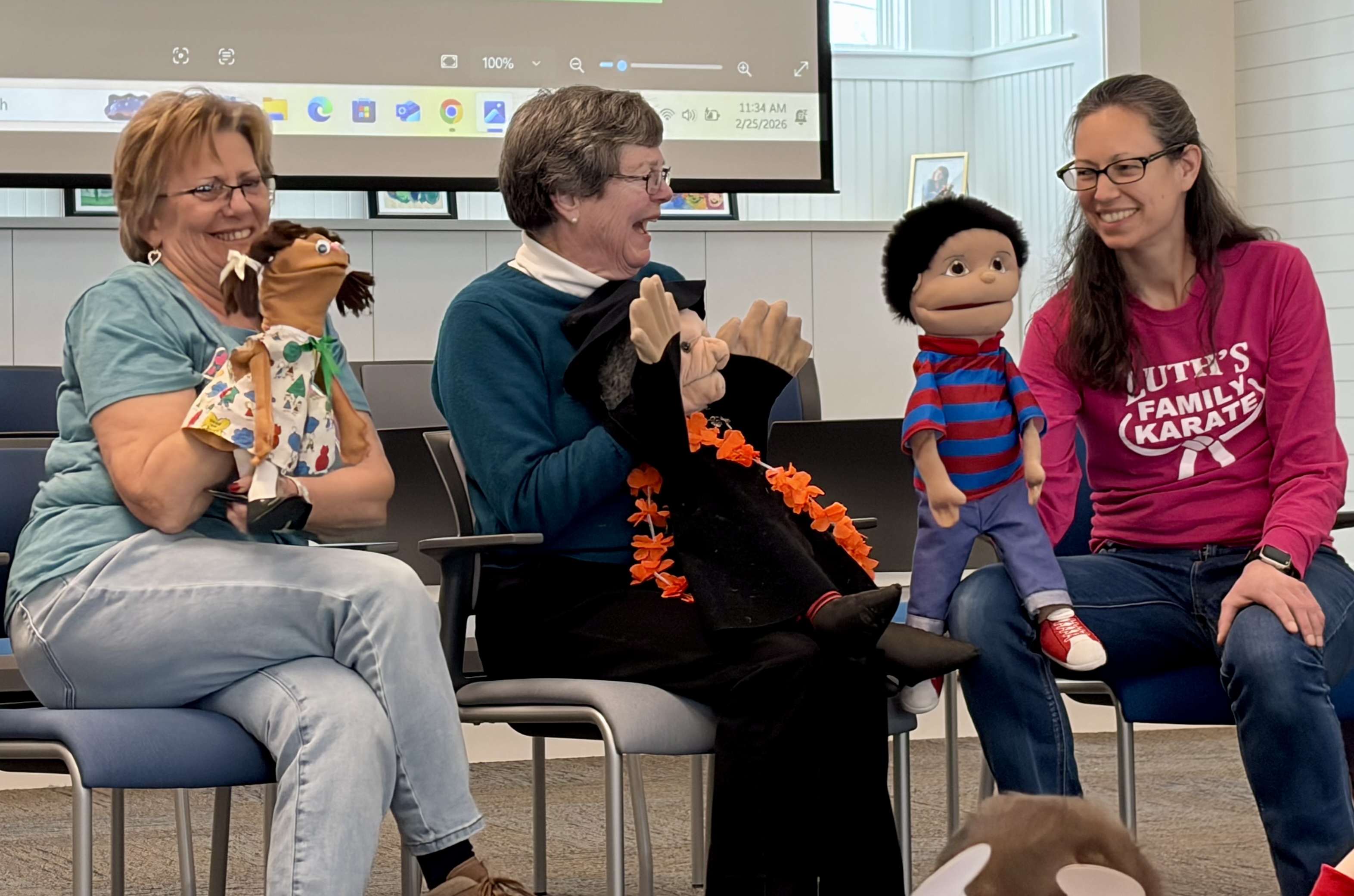
The whole school gathered in our Community Room. Gloria was scared. She has never traveled across the ocean. Thank goodness her good friends Rosie and Pierre were there.
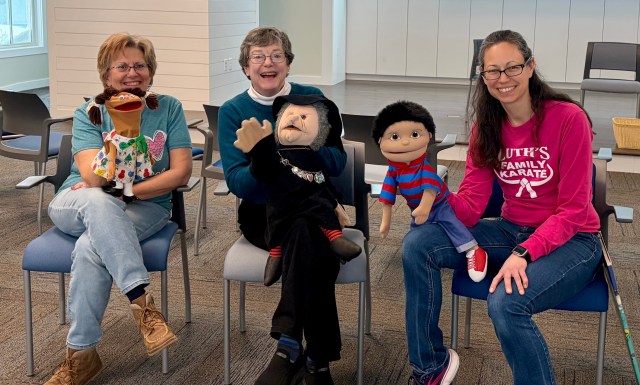 Rosie is on the right, and Pierre is on the left.
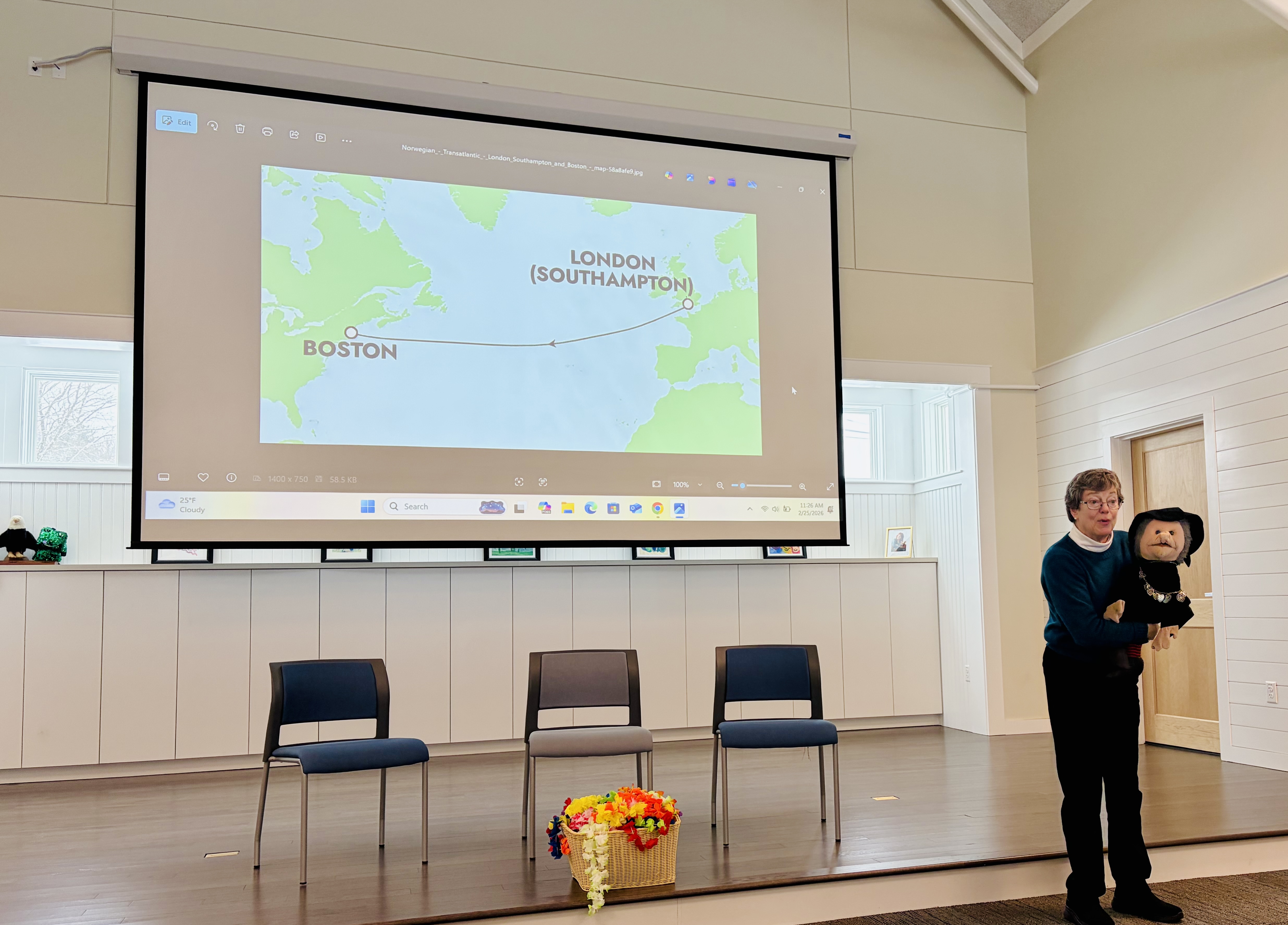
Gloria couldn’t speak to all the children, but as soon as she saw Rosie they had a grand time and she relaxed. Then she looked at everyone and talked. Oh, how she talked! She showed them the big map on the screen, how she would fly from Boston to England.
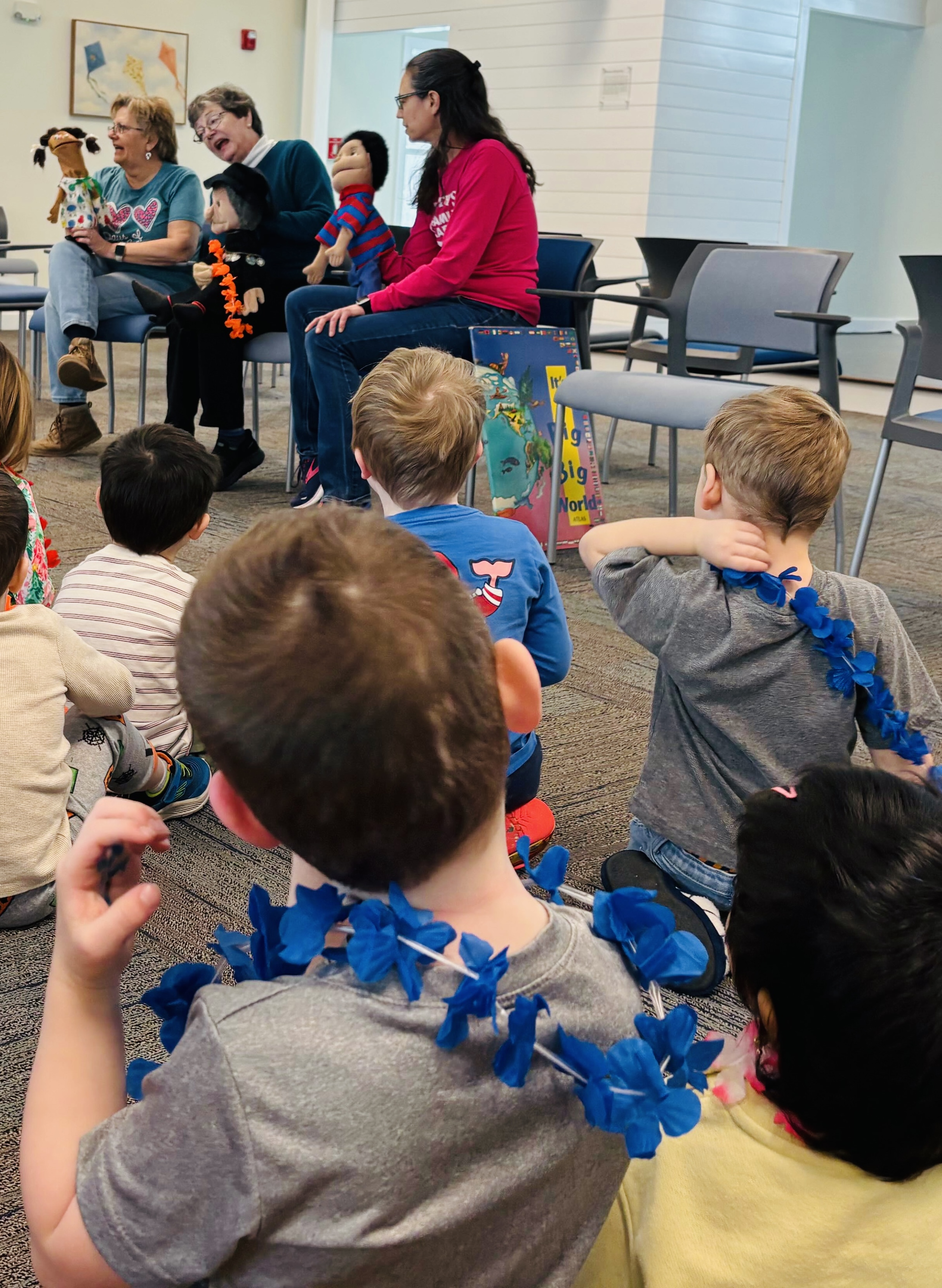
Pierre has flown before. He’s from France. Gloria asked him to tell everyone what Bon Voyage means, because it’s French. Bon means good, and voyage means trip.
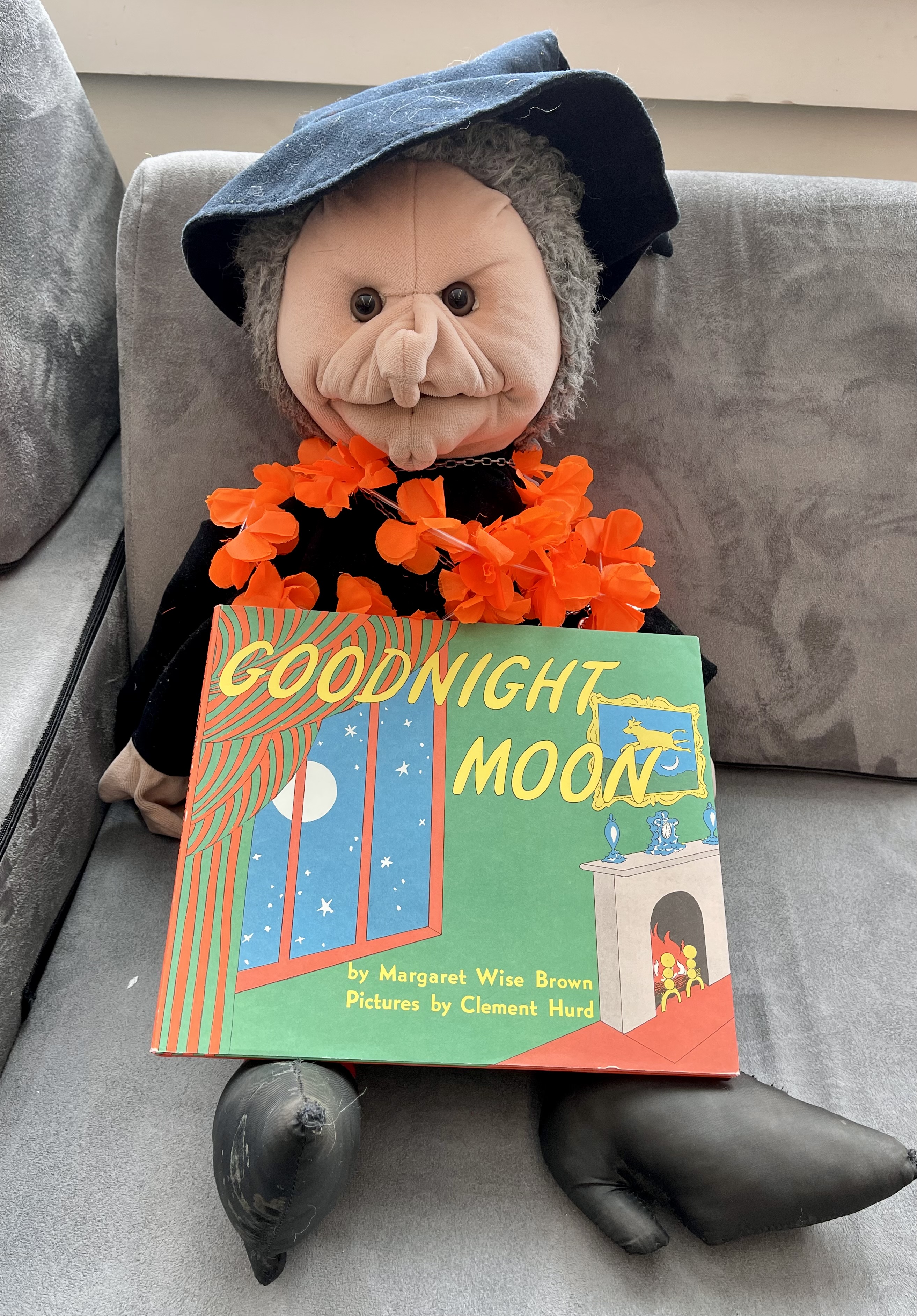
Gloria asked Pierre what he did so he wouldn’t be scared flying across the ocean in a plane. Pierre said, “I took my favorite book to read.” Gloria’s eyes brightened, because her favorite book that she hears every day at school is Goodnight Moon. She will definitely take the book on the plane.
But, the questions kept coming.
“Jennie, Gloria can’t read. Who will read to her on the plane?
“Weston, there are so many people on the plane. I bet someone can read to Gloria. Everyone knows the book.”
“Jennie, will she fly alone?”
“Yes. I’m not worried. Everyone will take good care of Gloria.”
“Jennie, when will she come back?”
“I don’t know. I think it depends on what she does in England. I’ll let everyone know when she plans to come back.”
Here’s the thing; children aren’t really worried, they’re just not quite ready to let her go. Does that make sense? Are they excited for her trip? Yes! Big Time! They just care.
Gloria might get to visit school children in their classroom, so she wanted to work on singing her ABC’s, and asked everyone to help. She started with “ABCDEF Giraffe.” Everyone laughed, and Rosie told Gloria she had to say G, not giraffe. Okay. Gloria tried again, and the whole school helped. “ABCDEFGHIJKLMNO Penguin. More laughter, and also more help from children. Finally she held hands with Rosie and Pierre and made it through the whole alphabet.
It’s moments like these that help children connect with Gloria. They know she makes mistakes and needs help. They know she is just like them. No wonder children love her.
Thank you Willow. Gloria is excited to visit you. ❤️
Jennie



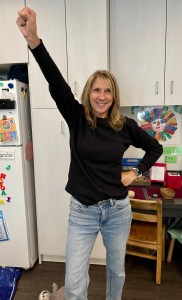
 “I am special.”
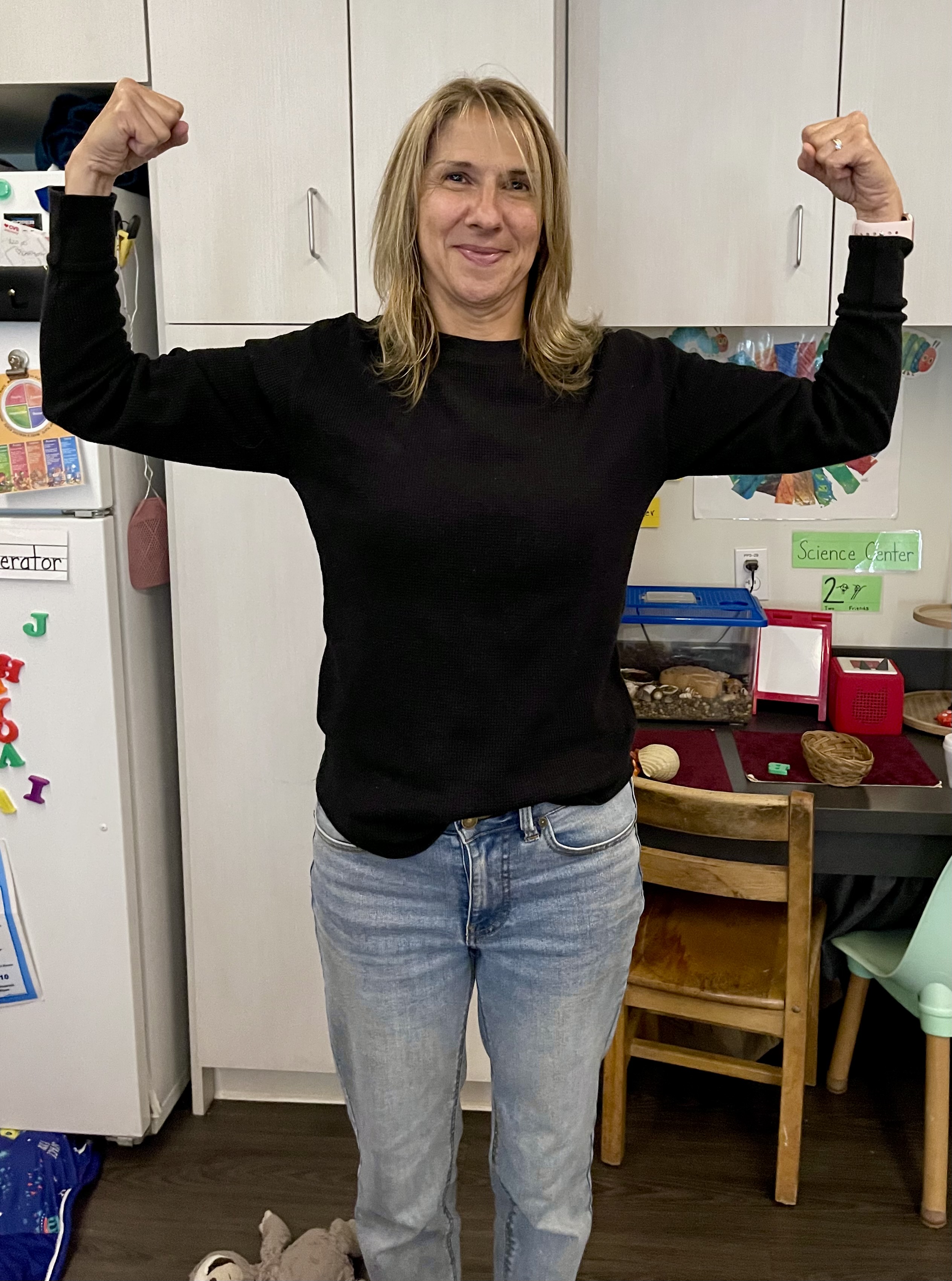
 “I am brave.”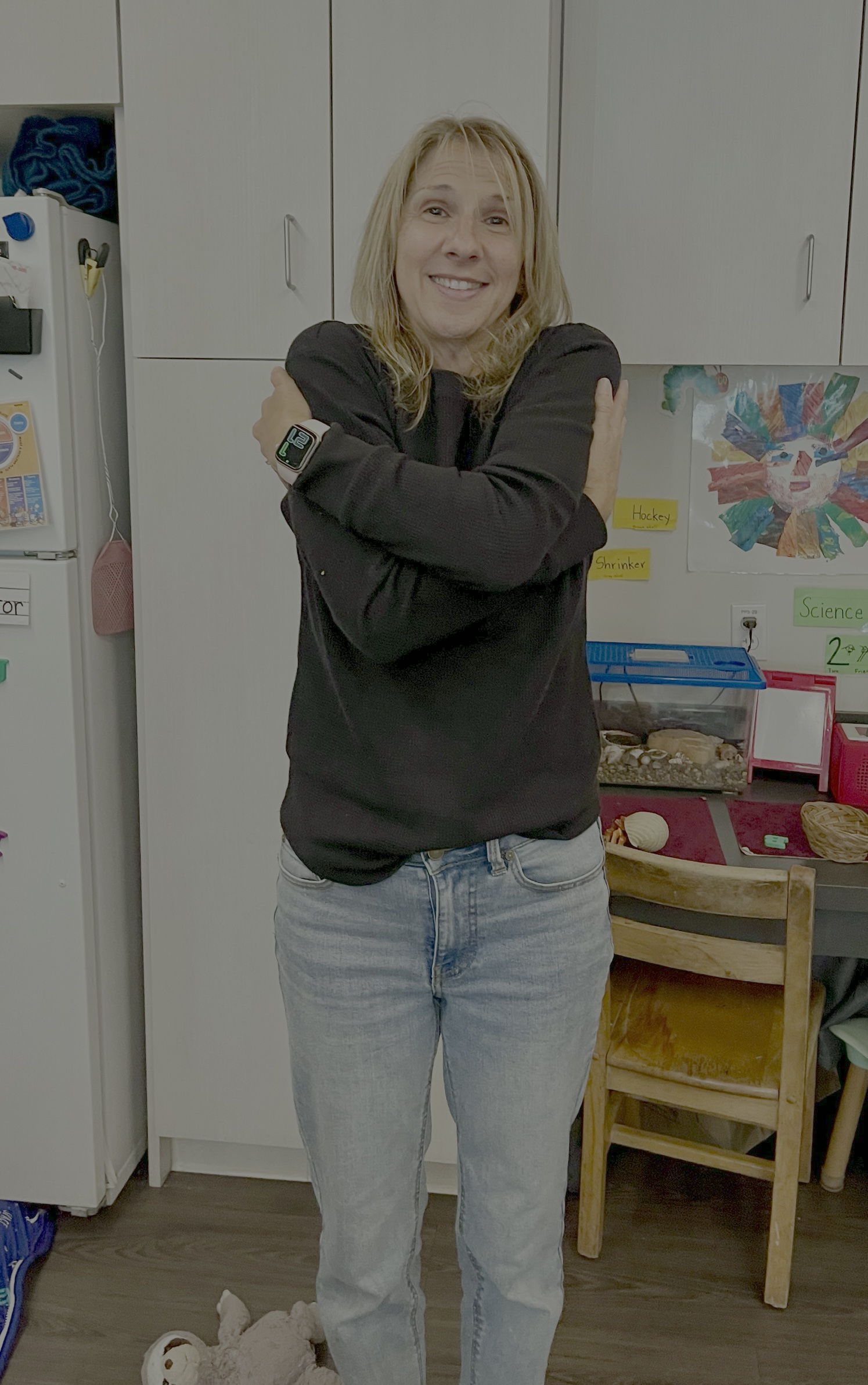



 A Teacher's Reflections